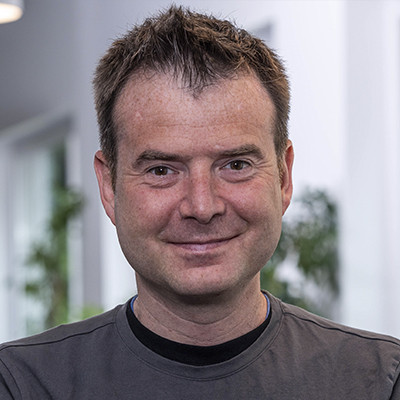
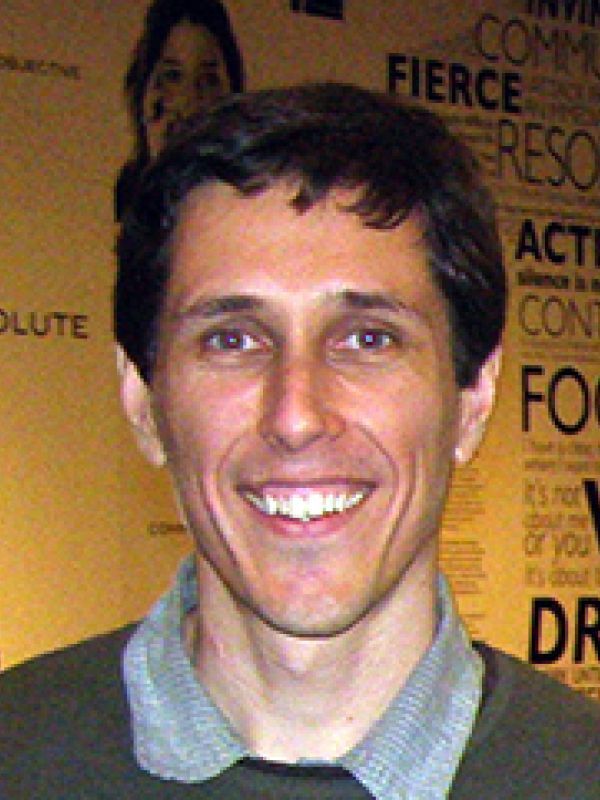
Dr. Vladimir Marković Ćir is a Full Professor at the Faculty of Philosophy , University of Novi Sad. His research focuses on the intersection of hunting tourism , wildlife habitats , and geographic information systems (GIS) , with a strong emphasis on climate change impacts and disaster risk assessment.
Luigimaria Borruso is a Tenured Professor at the Faculty of Agricultural, Environmental and Food Sciences at the Free University of Bolzano. Their research focuses on soil and molecular ecology, microbial communities in agro-ecosystems, and environmental DNA (eDNA) applications for biodiversity conservation. University: Free University of Bolzano School: Faculty of Agricultural, Environmental and Food Sciences Email: luigimaria.borruso@unibz.it Research Interests: Soil and molecular ecology Plant-fungal/bacterial-soil interactions (Agro)-ecological networks in apple orchards and vineyards Soil quality indicators Agroecology Environmental DNA (eDNA) in soil biodiversity conservation Science education for soil literacy Recent Publications Trends: Recent works explore microplastics in soil systems, biochar-microbe partnerships for crop growth, microbial dynamics in extreme environments (volcanoes, Antarctica), and applications of metabarcoding in conservation biology (lemurs, bats). They also investigate sustainable agricultural practices, including living labs and soil enzyme analysis via machine learning. Courses Taught: General Chemistry and Biochemistry at the bachelor's level, and advanced topics like Soil Ecology, Statistical Methods for Agricultural Research, and Soil Protection in master's programs.
Judith Korb is a Professor at the University of Freiburg, working within the Institute of Biology I in the department of Evolutionary Biology and Animal Ecology. She leads the Korb Lab, which focuses on social insects, particularly termites, examining their evolution, ecology, and sociobiology. Her research spans multiple areas of evolutionary biology and social insect behavior, with a particular emphasis on termite societies. Dr. Korb has made significant contributions to understanding social evolution, caste differentiation, reproductive division of labor, and the molecular mechanisms underlying social behavior in termites. Her work explores the exceptional longevity of social insect queens, termite mound architecture, chemical communication in social insects, and the genomic basis of eusociality. Dr. Korb's research combines field studies in Africa with molecular and genomic approaches to unravel the complexities of social insect biology. Dr. Korb's publication record demonstrates consistent scientific productivity, with numerous high-impact papers in leading journals across evolutionary biology, ecology, and genomics. Recent work has focused on the genomic basis of social evolution, aging in social insects, and termite ecology, revealing important insights into how sociality reshapes fundamental biological processes like aging and development. Over 200 publications including high-impact papers in Nature Ecology and Evolution, PNAS, and Philosophical Transactions of the Royal Society B Contributor to authoritative references including the Encyclopedia of Social Insects Extensive international collaborations across Europe, Africa, and North America Dr. Korb has supervised numerous students and collaborated extensively with researchers worldwide, contributing significantly to our understanding of social evolution in termites and other insects. Her laboratory employs a range of methodological approaches, including behavioral observations, molecular techniques, genomic analyses, and field ecology to investigate the evolution and maintenance of sociality in insects.
Dr. Sharon Kessler is a Lecturer in Psychology at the University of Stirling's Faculty of Natural Sciences. She holds a PhD from Arizona State University (2014) and completed postdoctoral fellowships in computational modeling (McGill University), virology (Leibniz Institute), and disease signaling (Durham University). Her research integrates disease ecology and animal cognition, emphasizing the One Health framework to study how animal health perceptions influence disease transmission dynamics. Key interests include the evolution of human healthcare networks, behavioral defenses against pathogens, and conservation biology. Education: PhD, Arizona State University, 2014 Postdoctoral Fellowships: McGill University (Canada), Leibniz Institute (Germany), Durham University (UK) Research Interests: Role of cognition in disease avoidance behaviors Evolution of human care-giving strategies Parasite-microbiome interactions in lemurs Zoonotic disease surveillance Social structures and health signaling in primates Collaborations: Royal Zoological Society of Scotland Behavior and Evolution Research Group Cognition in Complex Environments Initiative Advising: Open to mentoring students on topics like healthcare networks, primate behavior, or conservation genetics. Contact via email for project discussions.
Adam Gregory Dolezal is an Associate Professor in Entomology at the University of Illinois Urbana-Champaign and an affiliate at the Carl R. Woese Institute for Genomic Biology. His research focuses on understanding how environmental stressors—such as nutrition, pesticides, pathogens, and landscape composition—affect honey bees and wild bees in agroecosystems. He employs interdisciplinary approaches including genomics, landscape ecology, and physiology to study pollinator health and decline drivers. Education: PhD (2012, Arizona State University) and B.S. (2006, University of Illinois Urbana-Champaign). Honors include the Insects Young Investigator Award (2022) and recognition as an excellent instructor (2019). Research interests emphasize viral infections, pesticide impacts, and dietary influences on bee health. His work highlights interactions between multiple stressors and their cumulative effects. Recent studies explore solutions like agrivoltaic systems and native vegetation integration to mitigate agricultural pressures. Awards include the Insects Young Investigator Award and teaching excellence. His lab focuses on applied research to improve pollinator resilience, with collaborations in conservation biology and sustainable agriculture.
Simon K.A. Robson is a Professor at James Cook University, specializing in entomology, behavioral ecology, and social insect biology. His research focuses on ants, particularly their social organization, ecological adaptations, and responses to environmental changes. He has contributed extensively to understanding ant behavior, nest architecture, and the ecological implications of climate change on tropical species. Key research interests include the physiological and behavioral adaptations of ants, the evolution of complex social structures, and the application of molecular tools in ecological studies. His work spans topics like ant vision, microstructure analysis, and conservation biology in tropical ecosystems. Robson has collaborated widely, contributing to over 80 publications in peer-reviewed journals. His studies often integrate field observations with laboratory analyses, addressing questions about biodiversity patterns, invasive species, and the impact of environmental variables on insect communities. No specific awards or grants are mentioned in the provided texts, though his prolific publication record indicates sustained academic engagement. His research often involves interdisciplinary approaches, bridging entomology, genetics, and conservation.
Romain Libbrecht is a CNRS Research Fellow at the University of Tours, France, affiliated with the Research Institute on Insect Biology (IRBI) under the UFR of Sciences and Techniques. Previously, he held positions as an Assistant Professor at the University of Mainz and conducted postdoctoral research internationally. His research focuses on understanding phenotypic plasticity and division of labor in social insects, particularly ants, integrating evolutionary biology, behavioral ecology, molecular biology, and epigenetics. Education highlights include a PhD from the University of Lausanne (2012), a Master’s from the University of Rennes (2007), and research internships at the University of Reading (2005-2006). His work explores how environmental and social factors influence ant behavior, physiology, and gene expression through multi-disciplinary approaches. Research interests emphasize the molecular mechanisms underlying caste differentiation, task specialization, and social organization. Key findings include the role of transcriptional activity in response to queen loss, the impact of worker diversity on colony productivity, and sensory-driven division of labor via odorant receptors. His articles consistently investigate insect social systems, with recent work focusing on invasive ant species and the interplay between parasite load and host physiology. No notable awards are listed, but his contributions to ant genomics and epigenetics have advanced understanding of social evolution. Lab affiliations include the IRBI, where he collaborates on projects bridging ecology and molecular biology. No specific grants or advising roles are detailed, but his transcontinental academic journey reflects a commitment to global scientific collaboration.
Yehuda Ben-Shahar is a Professor of Biology at Washington University in St. Louis, where he has served since 2008. His research integrates behavioral, genetic, genomic, and molecular approaches to investigate the genetic architectures underlying animal behavior, primarily using Drosophila melanogaster and honey bees as model systems. He maintains laboratory facilities at the Bayer Laboratory (Room 406) and conducts field research at the Tyson Research Center. Ben-Shahar earned his PhD from the University of Illinois at Urbana-Champaign. His research focuses on how specific genes in neuronal circuits govern behaviors like feeding and mating decisions, with significant contributions to understanding honey bee social behavior evolution. Recent work centers on the gut microbiome's role in nestmate recognition and developing genetic tools for non-model insects. His publication record reveals consistent innovation in behavioral genetics, with recent emphasis shifting toward microbial influences on social behavior and neural circuit analysis. Early work established foundational insights into gene-behavior relationships, while current research explores chemosensory mechanisms across insect and mammalian systems. Scientific recognition includes: Multiple Faculty of 1000 'Must read' designations (2002, 2007, 2009) Cover features in Science (2009) and Journal of Experimental Biology (2002) 'Mutant of the Month' in Nature Genetics (2006) Extensive media coverage including NPR, CBC Radio, and major newspapers Ben-Shahar mentors graduate students including Cassie Vernier (whose 2020 Science Advances paper defined gut microbiome roles in hive membership) and has supervised numerous undergraduates. His lab operates through collaborative grants supporting research at the intersection of genetics, neuroscience, and social behavior. The Ben-Shahar Lab maintains active research teams at the Bayer Laboratory for molecular work and the Tyson Research Center for honey bee studies, with recent projects involving cyborg locust development and odor-guided navigation research.
Craig Coates, Ph.D., is an Instructional Professor at Texas A&M University's Department of Entomology, where he teaches undergraduate and graduate courses in forensic investigative sciences and entomology. He also serves as Associate Department Head for Academic Programs and Associate Dean for Programmatic Success in the College of Agriculture & Life Sciences. He holds dual affiliations with Texas A&M AgriLife and the Western Gulf Coast Center of Excellence in Vector Borne Diseases. Dr. Coates earned a B.S. with Honors and Ph.D. in Biochemistry and Molecular Biology from Australian National University. His professional focus combines insect genetic transformation, molecular genetics research, and innovative educational strategies. He has pioneered the use of 3D micro-CT models for entomology education and developed service-learning programs centered on monarch butterfly conservation. His research spans vector control mechanisms (ticks, mosquitoes, stable flies), genomic studies of insect behavior, and transposon-based gene delivery systems. Over 15 years of publications reflect his work on anti-tick vaccines, insect genome analysis, and educational outreach initiatives. His recent studies include genomic insights into Stomoxys calcitrans (stable flies) and synergistic acaricide-vaccine approaches against cattle ticks. Dr. Coates is actively involved in curriculum development, having taught over 500 students annually through large-scale entomology courses. He maintains a lab focused on applying molecular tools to agricultural pest management while advancing STEM education through community engagement.
Eric Darrouzet is a Lecturer-researcher at the University of Tours, affiliated with the Insect Biology Research Institute (IRBI, UMR CNRS 7261) and the Professional Agrosciences Department. He specializes in chemical ecology, particularly focusing on social insects like the Asian hornet ( Vespa velutina nigrithorax ), invasive species dynamics, and the development of selective control tools. His administrative roles include director of the Professional Agrosciences Department and responsibility for the Master 1 Agrosciences program. Research Themes: Chemical communication in social insects, multi-trophic relationships, invasive species impact, and ecological control methods. Teaching: Physiology, microbiology, animal production, and communication techniques in professional licenses and masters. Public Engagement: Maintains websites ( frelonasiatique.univ-tours.fr ) and a YouTube channel ( YouTube ) to disseminate research on hornets and insect constructions. His work on the Asian hornet includes studies on its biology, thermal tolerance, venom composition, and control strategies. Collaborations include roles in the ADAPIC steering committee and CS3D scientific board. Research outputs span over 50 peer-reviewed articles, focusing on chemical ecology, invasive species management, and insect behavior.
Anita Diaz Isla is a Professor in the Department of Life and Environmental Sciences at Bournemouth University, Faculty of Science and Technology. Her work integrates research, education, and public engagement in conservation ecology, with a focus on cultural habitats such as heathlands, meadows, and woodlands. Her research interests span conservation ecology, ecological restoration, biodiversity dynamics, human-wildlife interactions, and climate change impacts. She investigates how traditional and modern land uses affect ecological feedbacks like grazing and pollination. A key focus is on heathland restoration, soil-plant-animal interactions, and the role of citizen science in conservation. She promotes public involvement in nature through initiatives like NatureVolunteers.uk. Her recent publications reveal a strong trend in long-term ecological monitoring, soil biogeochemistry, biodiversity change, and the effectiveness of restoration techniques. Themes include carbon storage in restored heathlands, pH effects on soil enzymes, and plant-insect co-dynamics over decades. Her work often involves collaborations with the National Trust, Natural England, and international partners in Spain. Anita actively mentors students and involves them as co-researchers in real-world conservation projects. She has led educational innovations in fieldwork and student-staff research communities. Her work is supported by HEIF funding and partnerships with conservation organizations. She is involved in several research teams and collaborative networks focused on heathland conservation, ecological restoration, and citizen science. Her projects often integrate fieldwork, laboratory analysis, and community engagement, forming interdisciplinary teams across institutions.
Dr. Ashkan Pak Seresht is an Assistant Professor in Strategy and Innovation at Brunel Business School, Brunel University London, and a lecturer in International Business Economics. With a multidisciplinary background (PhD in Business Economics, MSc in Economics and Management, MBA in International Business, BSc in Engineering), he specializes in sustainability, blue economy, circular economy, and technology integration into business practices. Lecturer in International Business Economics Assistant Professor in Strategy and Innovation Education: BSc in Engineering MBA in International Business MSc in Economics and Management PhD in Business Economics CMBE Certified Management & Business Educator (2024) i5 PRME Certificate of Engagement (2024) Fellowship of the Higher Education Academy (FHEA) (2024) Research Interests: Dr. Pak Seresht focuses on innovation management in domestic and international business, digitalization of multinational enterprises (MNEs) and SMEs, and circular/sustainable business models in agri-food supply chains. His work explores the intersection of blockchain, AI, IoT, and big data with supply chain sustainability, as well as consumer behavior toward cultured meat and insect-based aquafeed. Recent Research Trends: His recent publications emphasize blockchain applications in circular economy transitions, consumer evaluation of sustainable food technologies, and institutional distance in international trade. Key projects include co-leading Brunel's Blue Bioeconomy Research Lab and investigating blockchain's role in Swedish food supply chains. Scientific Awards: Fellowship of the Higher Education Academy (FHEA) 2024 i5 PRME Certificate of Engagement (2024) CMBE Certified Management & Business Educator (2024) Teaching & Supervision: He teaches undergraduate and postgraduate courses in economics for business, international trade, strategic management, and entrepreneurship. As module leader of MG2012 Economics for Business and Management and programme leader for International Business and Entrepreneurship, he supervises BSc, MSc, and PhD theses. Current PhD projects include research on agroforestry in sustainable agriculture and digital twins in energy systems. Labs & Teams: Dr. Pak Seresht co-leads Brunel's Blue Bioeconomy Research Lab and collaborates with institutions like SLU University (Sweden), Novia University of Applied Sciences (Finland), and Swinburne University (Australia). His research network includes Dr. Georgios Batsakis, Dr. Carolin Decker-Lange, and Professor David Gallear.
Dr. Branislav Vejnović is an Associate Professor at the Department of Economics and Statistics, Faculty of Veterinary Medicine, University of Belgrade. His research focuses on veterinary economics, biostatistics, and molecular-level investigations into animal health, particularly in apiculture and parasitology. Teaches courses in Biostatistics with Informatics , Veterinary Practice Management , and Veterinary Economics . His research explores infectious diseases in honey bees, oxidative stress mechanisms, and genetic polymorphism in livestock. Key methodologies include molecular diagnostics , genotoxicity assays , and epidemiological surveys . Recent publications (2022-2024) analyze the impact of natural extracts on honey bee pathogens, viral genotyping in wild boars, and treatment strategies for parasitic infections in dogs. Collaborates frequently with researchers like Uroš Glavinić and Zoran Stanimirović.
Gaurav Baruah is a researcher in the Faculty of Biology at the University of Bielefeld , specializing in Theoretical Biology . His work explores ecological systems through mathematical and network-based approaches, aligning with the university’s strategic research area on the Changing World , which investigates societal and environmental dynamics under uncertainty. Research Focus: Network science in ecological systems, including food web recovery, mutualistic networks, and climate change impacts on biodiversity.Eco-evolutionary feedbacks and trait-based modeling for species coexistence and population resilience. Grants & Collaborations: Participation in interdisciplinary projects under DFG Collaborative Research Centres and European Commission-funded initiatives, emphasizing complex systems and global change biology. Contact: Email gaurav.baruah@uni-bielefeld.de | Office: UHG W4-113 | Phone: +49 521 106-5572
Marcos Gridi-Papp is a Professor in the Department of Biological Sciences at University of the Pacific, specializing in the study of acoustic communication systems in animals. His research investigates the interplay between hearing, vocal anatomy, and communication behavior, with a focus on frogs and crickets. He also teaches courses related to biological sciences and advises biology and pre-dental majors. PhD in Integrative Biology, University of Texas, Austin (2003) MS in Ecology, State University of Campinas, Brazil (1997) BS in Biological Sciences, State University of Campinas, Brazil (1994) Gridi-Papp's research explores how anatomical structures influence vocal performance and auditory sensitivity. His lab investigates: Laryngeal morphology and vocal control in túngara frogs Auditory tuning mechanisms and ultrasound sensitivity Environmental impacts on communication strategies Physiological and behavioral adaptations in vocal systems Signal complexity evolution and middle ear mechanics Eustachian tube control and acoustic reflexes Recent research trends focus on: Bioacoustic adaptations in amphibians Behavioral responses to environmental changes Anatomical constraints on vocalization Acoustic signal optimization Frequency modulation mechanisms Multi-component call structures His lab offers research opportunities in anatomy, electrophysiology, animal behavior, and computational methods, supporting students with credit hours and technical training.