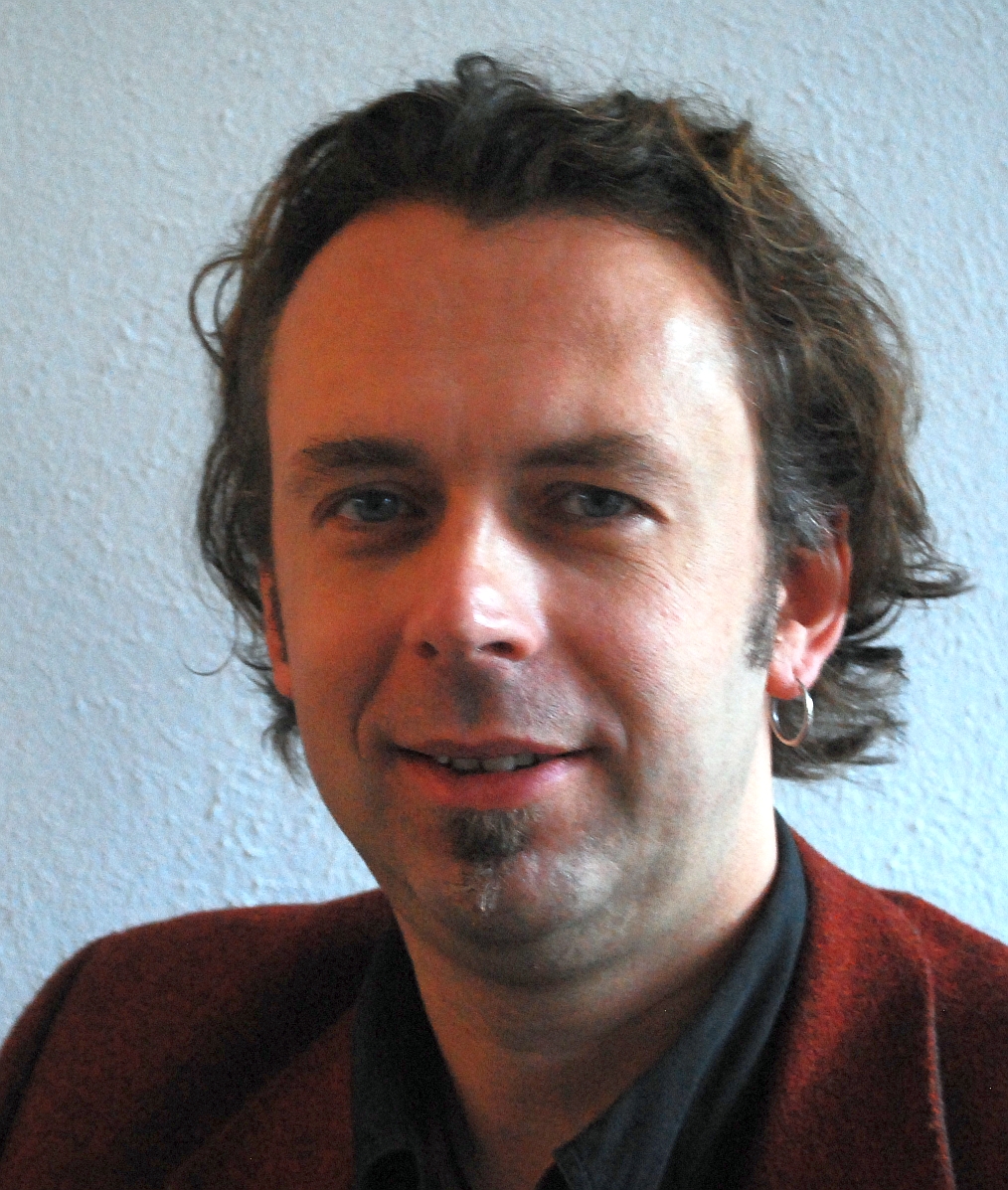
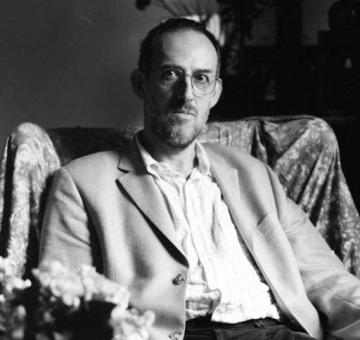
Roelof Hut is a Professor of Chronobiology at the University of Groningen, affiliated with the Faculty of Science and Engineering and the Groningen Institute for Evolutionary Life Sciences (GIELS). He leads the Hut Lab - Chronobiology, focusing on circadian rhythms, photoperiodism, and evolutionary adaptations to environmental timing cues. His roles include Chair of the International Hibernation Society and editorial board memberships for Journal of Biological Rhythms , Journal of Circadian Rhythms , and Frontiers in Ecology & Evolution . Research interests span chronobiology, evolutionary biology, and neurophysiology, with a focus on circadian entrainment mechanisms, seasonal timing in animals, and the impacts of light on physiology and behavior. He has contributed to projects like the NWA-funded BioClock initiative, investigating circadian clocks in modern society and light’s role in human health. Key collaborations include studies on light entrainment in insects, stress effects on circadian clocks, and the genomic basis of climate adaptation in species like the winter moth. His work intersects with UN Sustainable Development Goals, emphasizing health and environmental sustainability. Roelof Hut has held postdoctoral fellowships at the University of Virginia and Inserm (France), and his research outputs include over 115 peer-reviewed articles. He is actively involved in public outreach, addressing topics like daylight exposure’s cognitive effects and the societal implications of circadian misalignment.
Lucas Marie-Orleach is a Lecturer at the University of Tours, affiliated with the Institute for Research on Insect Biology (IRBI) under the UMR CNRS 7261. His research focuses on the effects of sexual reproduction on evolution at micro- and macro-evolutionary scales, combining laboratory experiments and theoretical models in quantitative genetics, population genetics, and behavioral ecology . Affiliation: University of Tours, France Academic Rank: Lecturer Research Themes: Sexual selection, speciation, self-fertilization, social effects, environmental stress adaptation Marie-Orleach’s work explores key questions such as the quantification of sexual selection, evolutionary consequences of social interactions, and impacts of self-fertilization on speciation. His 15 most recent publications (2013–2024) span topics like mating systems, cryptic female choice, and genome-wide heterozygosity maintenance. Notably, his 2024 Cold Spring Harbor Perspectives in Biology study addresses selfing’s role in speciation, while his 2023 Science Advances paper uncovers non-Mendelian inheritance in asexual nematodes. Scientific Awards: Marie-Orleach has received multiple grants, including a 2020 Norwegian Research Council fellowship, two Swiss National Science Foundation postdoc fellowships (2017, 2015), and doctoral fellowships from the Burkhardt-Bürgin Foundation (2013) and Freiwillige Akademische Gesellschaft Basel (2013). His collaborations span institutions in Norway (University of Oslo), France (University of Rennes), and Scotland (University of St Andrews). Marie-Orleach’s research integrates experimental and theoretical approaches, emphasizing transitions between sexual systems, indirect genetic effects, and evolutionary consequences of mating behaviors.
Josie Clowney is an Associate Professor in the Department of Molecular, Cellular, and Developmental Biology at the University of Michigan, where she has held faculty position since 2017. Her research investigates the genomic algorithms that construct neural circuits during development, using Drosophila as a model to study how chemosensory systems drive both instinctual behaviors and learning. She teaches Bio 172 and an upper-level seminar on cellular diversity and scientific writing, and mentors graduate students through MCDB, CMB, NGP, and BIOINF PhD programs. Her educational background includes: Ph.D. in Biomedical Sciences (2012) from the University of California, San Francisco B.S. in Cellular and Molecular Biology (2005) from the University of Michigan, where she conducted research with Cunming Duan Clowney's research centers on understanding how definitive neuronal parameters are encoded in genomic information and translated into cellular architectures. Her lab hypothesizes that developmental algorithms for learning circuits versus instinctual circuits differ fundamentally in their genomic requirements, with chemosensory circuits serving as key models. Using fruit flies for their tractable brain organization, her work bridges computational principles and biological implementation to uncover universal brain organization rules. Analysis of her 15 most recent publications (2016-2025) reveals consistent focus on Drosophila mushroom body development, neural sexual differentiation, and spatial constraints in circuit formation. Key themes include non-deterministic mechanisms diversifying cell surface expression, chromatin dynamics in circadian regulation, and how input density tunes sensory responses. Her work integrates genomics, neuroanatomy, and behavior to model how compact genomic information generates complex neural architectures. No scientific awards were mentioned in the provided text. Dr. Clowney advises graduate students through multiple PhD programs at the University of Michigan, though specific student names and grant details are not provided in the source material. Her teaching includes foundational undergraduate coursework and advanced seminars emphasizing scientific writing. The active publication record spanning 2016-2025 indicates sustained research funding supporting her lab's investigations into neural circuit development. The Clowney Lab, housed in the Biological Sciences Building (4218 BSB), employs Drosophila genetics and neuroanatomical techniques to dissect developmental algorithms of brain wiring. Current projects explore how spatial constraints structure learning circuits, mechanisms of neural sexual differentiation, and the genomic encoding of circuit diversity. The lab collaborates within Michigan's neuroscience community through the Program in Biology and participates in interdisciplinary initiatives studying brain evolution and function.
Adrian Parker is a Professor of Geography at Oxford Brookes University's School of Law and Social Sciences. He holds degrees including a DPhil from the University of Oxford. His research focuses on Quaternary science, geoarchaeology, and palaeoecology across the Middle East, North Africa, Southern Africa, and southern England. Key areas include multi-proxy environmental reconstruction using phytoliths, pollen, and geochemistry, with emphasis on understanding human-environment interactions during critical climatic transitions. Dr. Parker leads the Human Origins and Palaeo Environments (HOPE) group within the Centre for Environment and Society (CES). His fieldwork spans UAE, Saudi Arabia, Yemen, and Lesotho, addressing topics like Holocene socio-ecological systems, Neolithic settlement patterns, and climate change impacts. Recent projects include a £41,900 Ras al-Khaimah-funded geoheritage study and a £1,563 University of Michigan collaboration on phytolith analysis. He teaches modules on Quaternary Environmental Change and Arid Zone Environments. Professional accolades include Fellowships from the Society of Antiquaries, Royal Geographical Society, Royal Anthropological Institute, and Higher Education Academy. His advisory work includes mentoring two active PhD students: Sophie Edwards (hominoid craniodental morphology) and Kira Raith (Quaternary climate-landscape dynamics). Publications span over 40 peer-reviewed articles in journals like Quaternary Science Reviews , Scientific Reports , and Antiquity , with a focus on integrating geological and archaeological evidence to reconstruct past environments and human adaptations. His research bridges archaeology, geology, and environmental science, emphasizing interdisciplinary approaches to understanding long-term socio-ecological systems.
Shelley L. Berger is the Daniel S. Och University Professor at the University of Pennsylvania, holding a "Penn Integrates Knowledge" Presidential Appointment. She serves as Director of the Epigenetics Institute at the Perelman School of Medicine and is Co-Director of the Tumor Biology Program at the Abramson Cancer Center. Her academic appointments span multiple departments including Cell and Developmental Biology, Biology, and Genetics. Dr. Berger earned her B.S. in Biology from the University of Michigan, Ann Arbor in 1982, followed by a Ph.D. in Cell & Molecular Biology from the same institution in 1987. Her distinguished career has led to her current position as a University Professor, one of the highest academic honors at the University of Pennsylvania. Dr. Berger's research focuses on epigenetics and chromatin structure/function in genomic regulation, with particular interest in post-translational modifications of histones and transcription factors. Her laboratory investigates how DNA-packaging structures are manipulated during genomic processes, with applications to understanding cancer, neurodegeneration, and other diseases. Her work spans multiple biological contexts including: Chromatin regulation of transcription Neuroepigenetics and memory formation Behavioral epigenetics in social insects Chromatin regulation in aging and senescence Cancer epigenetics and tumor suppressor mechanisms Analysis of Dr. Berger's recent publications reveals a strong focus on the intersection of epigenetics with aging, cancer, and neurobiology. Her work demonstrates how histone modifications and chromatin remodeling influence cellular senescence, with implications for age-related diseases including Alzheimer's. She has also pioneered research on epigenetic mechanisms in social behavior using ant models, and in T cell exhaustion relevant to cancer immunotherapy. A unifying theme across her publications is the role of specific histone modifications and chromatin regulators in controlling gene expression programs in diverse biological contexts. Dr. Berger has received numerous honors including her appointment as a Daniel S. Och University Professor and a "Penn Integrates Knowledge" Presidential Appointment, recognizing her exceptional interdisciplinary contributions to science. These prestigious appointments reflect her significant impact on the fields of epigenetics and chromatin biology. Dr. Berger mentors a vibrant research team consisting of multiple postdoctoral researchers, graduate students, and research specialists. Her laboratory, part of the Epigenetics Institute at Penn, investigates fundamental mechanisms of chromatin regulation with implications for human health and disease. Current research directions include exploring how epigenetic mechanisms control aging processes, cancer development, and social behavior in model organisms. Dr. Berger collaborates extensively with other leading researchers, including Carl June (pioneer of CAR T cell therapy) and John Wherry (expert in T cell exhaustion), to translate basic epigenetic discoveries into potential therapeutic applications. The Berger Lab operates within the Smilow Center for Translational Research at the University of Pennsylvania. The lab employs a multidisciplinary approach combining molecular biology, genomics, bioinformatics, and model organism studies to investigate chromatin regulation. Current research foci include epigenetic mechanisms in aging and senescence, cancer epigenetics, neuroepigenetics, and behavioral epigenetics in social insects.
Rebecca Kimball is a Professor in the Department of Biology at the University of Florida , focusing on evolutionary biology through molecular techniques and field research. Her work spans three primary areas: phylogenetics for comparative studies, microevolutionary processes like mating systems and sexual selection, and linking genomic changes to organismal evolution. Education : Ph.D. (University of New Mexico, 1995) Research Themes : Phylogenetic reconstruction, genome-phenome mapping, sensory system evolution, and avian diversification. Her lab, the Braun-Kimball Lab , trains students in phylogenetics, computational biology, and population genetics. Current projects include galliform evolution, chemosensory systems in vultures, and hybridization studies in paradise flycatchers. She collaborates on NSF-funded phylogenomic initiatives and emphasizes rigorous lab practices, including long-term commitments for researchers and interdisciplinary training. Scientific Awards : No explicit awards listed, but her lab receives external grants (e.g., NSF, University Scholars Program). Advising & Grants : Mentors numerous graduate and undergraduate researchers. Lab members often co-author publications and pursue independent projects. Grants focus on phylogenomic tools and avian evolutionary questions. Labs & Teams : Leads the Braun-Kimball Lab, which engages in global collaborations (e.g., Field Museum, New York State Museum) and interdisciplinary work in genomics and ecology.
Emily Austen is an Assistant Professor in the Department of Biology at Mount Allison University. Her research focuses on plant ecology and evolutionary biology, with an emphasis on floral traits, pollinator interactions, and phenotypic plasticity. She investigates how environmental changes influence plant reproductive strategies and adaptation, particularly in urban ecosystems and pollinator-dependent systems. Her work integrates field experiments, quantitative genetics, and ecological modeling to understand selection pressures on flowering time, floral coloration, and plant-microbe interactions. Recent projects include studies on white clover adaptation to urban environments and the ecological significance of pollen color variation in Erythronium americanum. Dr. Austen has contributed to foundational reviews in plant sciences education and pioneered methodologies for estimating selection through male fitness in hermaphroditic plants. Her research bridges ecological and evolutionary perspectives, addressing questions about phenotypic variation, adaptation mechanisms, and the interplay between genotype and environment.
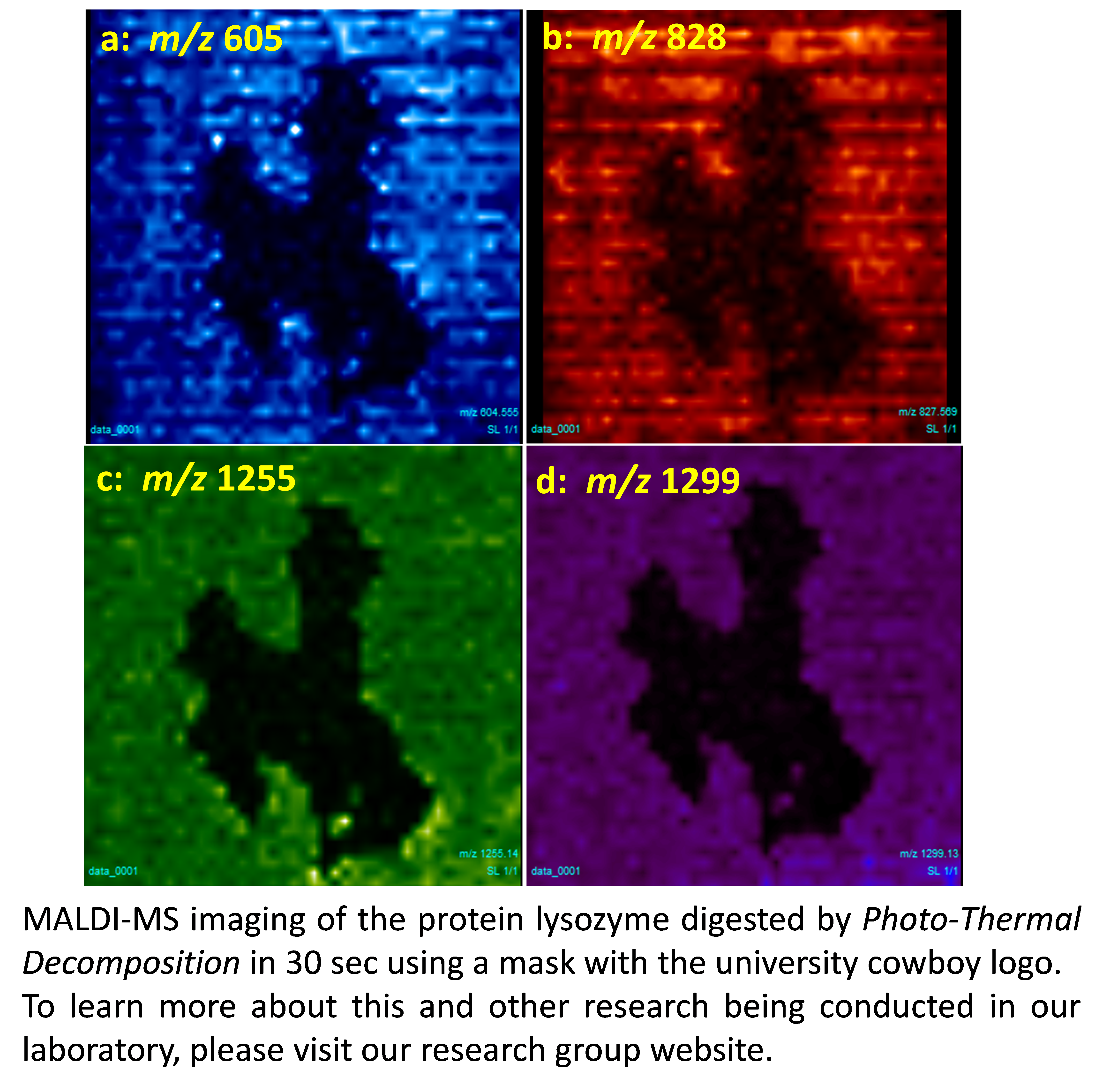
Franco Basile is a Professor in the Department of Chemistry at the University of Wyoming, specializing in Analytical Chemistry and Bioanalytical Mass Spectrometry . His research focuses on developing rapid, non-enzymatic sample preparation techniques for proteomics and metabolomics of biological and environmental samples, including microorganisms, bees, plants, and coal deposits. Education: B.S. in Chemistry (University of Wisconsin-Eau Claire, 1985), Ph.D. in Analytical Chemistry (Purdue University, 1992) Research Interests include: Analytical Mass Spectrometry : Pioneering thermal/microwave digestion for on-tissue proteomics and imaging-MS Metabolomics and Lipidomics : Analyzing root exudates, invasive grasses, and insect cold tolerance Microbial Ecology : Investigating sterol synthesis in bacteria and soil metaproteomics Article Trends span from 2025 to 2012 , emphasizing MALDI- and ESI-MS applications in proteomics, metabolomics, and environmental analysis. Recent work includes non-intrusive laser techniques for protein denaturation monitoring and sterol gene studies in planctomycetes. Scientific Awards : NSF CAREER Award R&D 100 Award ACS Outstanding Professor Award Lindbergh Foundation Research Award Funding sources include NSF, NIH, USDA, and DTRA for projects on insect cryobiology , microbial methane production , and field-portable biodetection systems . The Biodetection and Mass Spectrometry Laboratory houses advanced instrumentation like Q-Exactive HF-X Orbitrap and MALDI-ToF/ToF-MS, supporting interdisciplinary collaborations across ecology, geology, and biomedical sciences.
Professor Stuart West is a Professor of Evolutionary Biology at the University of Oxford's Department of Biology. His research focuses on the evolution of social behaviors, including cooperation, altruism, and spite, with a particular emphasis on how these phenomena drive major evolutionary transitions. He employs a multidisciplinary approach combining theoretical models, experimental studies, and comparative analyses across species, particularly in bacteria and insects. Key research areas include the evolution of cooperation and division of labor, genomic analyses of social behaviors, and the role of ecological factors in shaping social strategies. His work addresses questions such as how cooperation evolves despite potential cheating, and how symbiotic relationships influence diversification. Professor West is affiliated with two Oxford addresses: the Department of Biology on Mansfield Road (OX1 3SZ) and the South Parks Road campus (OX1 3RB). His research has explored topics ranging from microbial cooperation to the evolutionary dynamics of eusociality in ants. He is actively engaged in advancing methods like SOCfinder, a genomic tool for identifying cooperative genes in bacteria.
Richard Gill is an Associate Professor in Evolutionary & Experimental Ecology at the Department of Life Sciences (Silwood Park), Faculty of Natural Sciences, Imperial College London. His research group focuses on insect responses to environmental stressors, particularly the impacts of agricultural practices and climate change on bees. They investigate molecular, physiological, and behavioral effects of habitat loss, pesticides, and temperature changes on insect populations, with a special emphasis on social insects like bumblebees and honeybees. Key research interests include understanding pollination signals to address pollination deficits, analyzing plant-pollinator interactions under environmental change, and exploring genomic diversity in insect populations. Gill’s work bridges ecological applications with evolutionary biology, addressing human-induced threats to biodiversity and ecosystem services. His publications highlight trends in pesticide effects on bee behavior, climate-driven adaptations in pollinators, and the use of spectral reflectance to monitor pollination. Though no awards are explicitly listed, his contributions to insect conservation and ecological science are evident through his extensive publication record and collaborative projects like the X-Polli: Nation citizen science initiative. Advising and grants details are not provided in the text, but his research group’s activities suggest active engagement in collaborative projects and student mentorship. Gill’s work is centered at Silwood Park, a renowned research facility within Imperial College, emphasizing field and lab-based studies on insects in natural and agricultural ecosystems.
Dr Kenya Fernandes is an ARC DECRA Research Fellow at the University of Sydney's School of Life and Environmental Sciences. Her work bridges microbial ecology, drug discovery, and pollinator health. She investigates fungal pathogenesis mechanisms, antifungal therapies, and the antimicrobial properties of Australian honeys from bees and ants. Key affiliations include the Sydney Environment Institute, Sydney Institute of Agriculture, and the Centre for Drug Discovery Innovation. Her research emphasizes the ecological role of microbial communities in pollinator health, with a focus on stingless bees and their sugarbag honey. Recent studies explore how hive stress impacts honey activity and bee gut microbiomes. She also develops novel antifungal strategies using lactoferrin and amphotericin B combinations. Teaching responsibilities include lecturing in microbiology courses (MICR3021, MICR2031) and developing online content for infection biology. Currently supervises 2 PhD students and has guided 7 honours researchers in microbiology-related fields. Notable achievements include the 2025 Superstar of STEM title, multiple best presentation awards at international mycology conferences, and media recognition for discoveries on ant honey antimicrobial properties. Her work has been featured in outlets like The Guardian and Science magazine.
Takao Sasaki is an Associate Professor in the Department of Brain and Cognitive Sciences at the University of Rochester. His research focuses on collective cognition in animal groups, particularly using homing pigeons and acorn ants as model organisms. He explores how groups achieve higher cognitive abilities than individuals through information pooling and decision-making processes. His work combines field observations with mathematical modeling and computational simulations to uncover principles of collective intelligence. Research interests include collective animal behavior, collective learning mechanisms, and decision-making strategies in social insects. He investigates how environmental cues, colony size, and quorum thresholds influence group decisions during tasks like nest relocation and foraging. His methodologies involve cutting-edge tools such as GPS tracking, high-resolution video analysis, and hidden Markov models. Recent articles highlight studies on fire ant pontoon bridge dynamics, reversal learning in ant colonies, and the impact of tagging on recruitment behavior. These studies emphasize local information processing and self-organization principles in swarm systems. Sasaki’s contributions bridge behavioral ecology, cognitive science, and systems biology. No scientific awards are explicitly listed in the provided materials. His research also examines the role of individual diversity (e.g., ‘naïve’ individuals) in enhancing group exploration efficiency in homing pigeons. He explores historical influences on decision-making and the anchoring effect’s role in nest site selection.
Dr. Alexander Little serves as an Assistant Professor in the Department of Biology within McMaster University's Faculty of Science. His research bridges molecular mechanisms with ecological consequences across diverse animal systems. His primary research domains include: Animal physiological ecology and environmental stress responses Thyroid hormone signaling in thermal adaptation Epigenetic regulation of developmental plasticity Metabolic and cardiovascular adaptations in ectotherms Ecotoxicological impacts of environmental contaminants Over the past decade, his publication record demonstrates consistent focus on how environmental variation shapes physiological performance through molecular pathways. His work frequently examines thyroid hormone-mediated mechanisms linking environmental cues to epigenetic changes, particularly in thermal acclimation contexts. Recent articles highlight emerging concerns about climate change impacts on ectotherm physiology, with specific attention to sex-specific vulnerabilities and recovery dynamics following environmental stressors. Dr. Little actively contributes to academic training through courses including Environmental Physiology (BIOLOGY 728), Animal Physiology - Regulatory Systems (BIOLOGY 3UU3), and Cell Physiology (BIOLOGY 3P03).
Professor David Zeitlyn is a Professor of Social Anthropology at the University of Oxford and a Fellow of Wolfson College. His research focuses on the anthropology of religion, visual anthropology, West/Central African studies, sociolinguistics, and the role of technology in decision-making. He has conducted extensive fieldwork among the Mambila in Cameroon since 1985, exploring topics such as divination, kinship, and the history of photography. His work integrates multimedia and digital tools to analyze archives and museum collections, including collaborations with the Pitt Rivers Museum. Zeitlyn has supervised numerous doctoral students, many focusing on African studies, visual repatriation of cultural materials, and the social impact of ICT. His publications include seminal works like An Anthropological Toolkit (2022) and Mambila Divination (2020). He has held prestigious roles, including the Evans-Pritchard Lectureship at All Souls College (2003-2004). His research also addresses ethical challenges in archiving and data sharing, advocating for 'Augustinian archival openness.' Key themes in his work include the interplay between technology and culture, the documentation of endangered languages, and the analysis of photographic archives as cultural artifacts. He has received funding from AHRC and JISC for projects like 'Facing the Future' (2013), exploring digital archiving and cultural representation.
Lakey Lakey is a second-year PhD student in the Sustainable Agrifood Systems program at the Centre for Agriculture and the Bioeconomy. His research focuses on policy frameworks, socio-economic determinants, and climate-driven shocks influencing sustainable plant-based protein production practices, particularly legume integration. Before his PhD, Lakey worked at Bhutan's Department of Agriculture managing R&D programs and led multilateral projects like ACIAR. He contributed to Bhutan's National Adaptation Plan and Low Emission Development Strategy under its NDC. His expertise spans agricultural policy, climate resilience, and Bhutan's rural development. Education: Pursuing PhD in Sustainable Agrifood Systems. Previous roles include founding member of the Bhutanese Journal of Agriculture (associate editor) and core team for Bhutan’s climate adaptation strategies. Research Interests: Lakey’s work bridges policy analysis with climate impacts, emphasizing how socio-economic dynamics shape agricultural decisions. Key areas include sustainable protein systems, climate-smart agriculture, and Bhutan’s agri-food system transitions. His interdisciplinary approach integrates ecological, economic, and policy dimensions to address food security challenges. Publications: Lakey’s research spans climate change adaptation, agri-food systems, and Bhutan’s agricultural policies. His work highlights strategies for resilient food systems in the Global South and the role of legumes in sustainable protein production. Awards: None listed. His contributions are recognized through policy impacts and collaborative projects. Advising & Grants: Supervised by Dr. Ayesha Tulloch, Dr. Angela Guerrero Gonzalez, and Dr. Rudolf Messner. His research aligns with CAB’s focus on sustainable bioeconomy solutions.