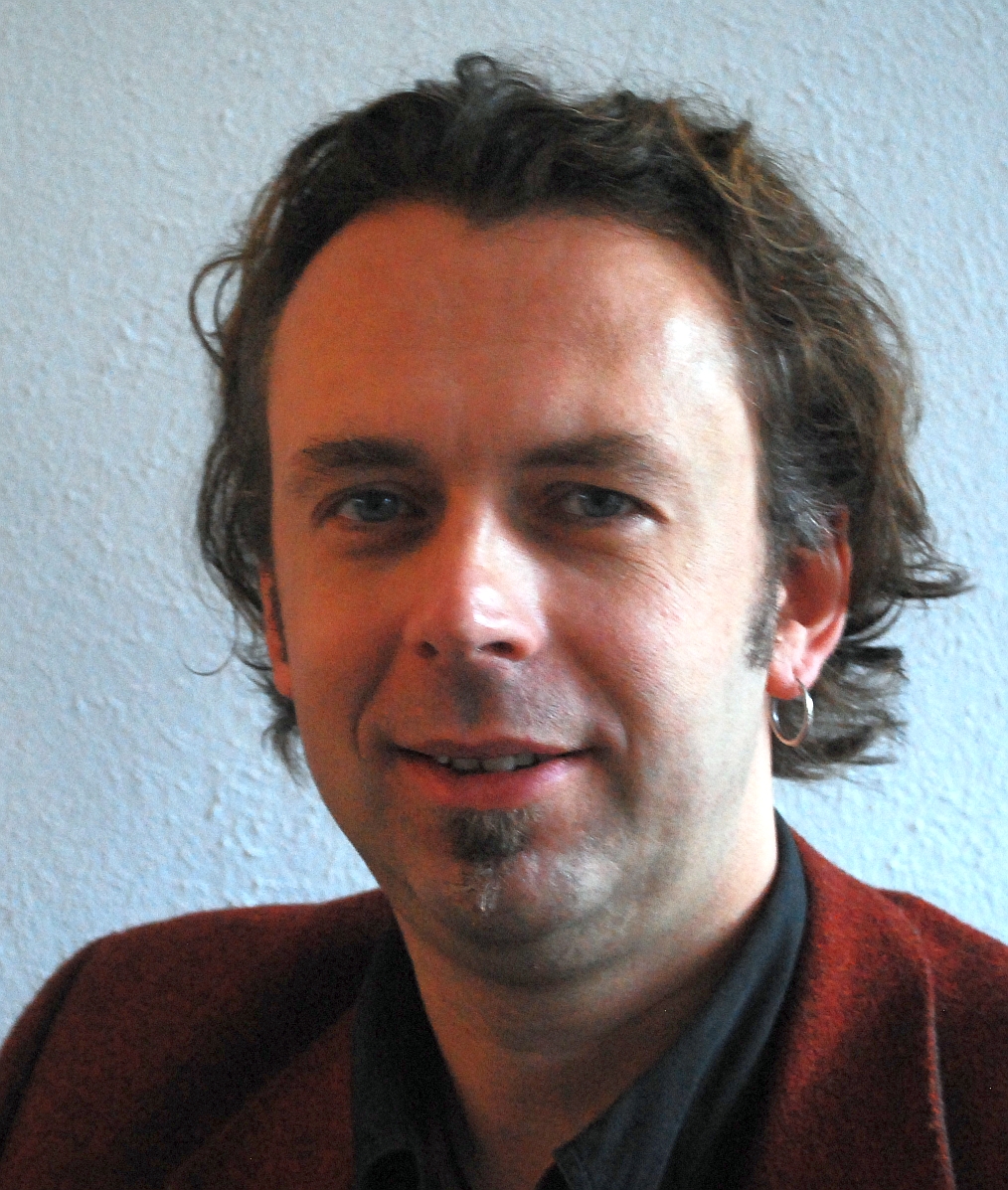
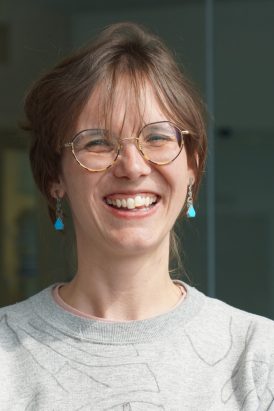
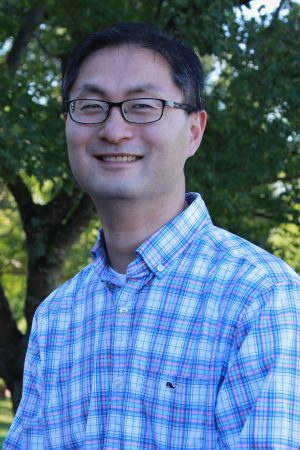
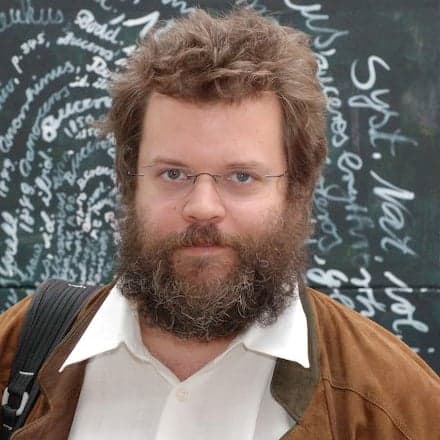
Roelof Hut is a Professor of Chronobiology at the University of Groningen, affiliated with the Faculty of Science and Engineering and the Groningen Institute for Evolutionary Life Sciences (GIELS). He leads the Hut Lab - Chronobiology, focusing on circadian rhythms, photoperiodism, and evolutionary adaptations to environmental timing cues. His roles include Chair of the International Hibernation Society and editorial board memberships for Journal of Biological Rhythms , Journal of Circadian Rhythms , and Frontiers in Ecology & Evolution . Research interests span chronobiology, evolutionary biology, and neurophysiology, with a focus on circadian entrainment mechanisms, seasonal timing in animals, and the impacts of light on physiology and behavior. He has contributed to projects like the NWA-funded BioClock initiative, investigating circadian clocks in modern society and light’s role in human health. Key collaborations include studies on light entrainment in insects, stress effects on circadian clocks, and the genomic basis of climate adaptation in species like the winter moth. His work intersects with UN Sustainable Development Goals, emphasizing health and environmental sustainability. Roelof Hut has held postdoctoral fellowships at the University of Virginia and Inserm (France), and his research outputs include over 115 peer-reviewed articles. He is actively involved in public outreach, addressing topics like daylight exposure’s cognitive effects and the societal implications of circadian misalignment.
Brian Pickles is an active academic researcher affiliated with the University of Reading, School of Biological Sciences, where he contributes to research in ecology, mycorrhizal symbioses, and environmental conservation. His work spans forest ecology, urban biodiversity, paleontology, and forensic science, reflecting a highly interdisciplinary approach to ecological challenges. University: University of Reading School: School of Biological Sciences Department: Department of Ecology and Evolutionary Biology Academic Rank: Senior Lecturer His research focuses on mycorrhizal fungi and their role in plant-soil interactions, forest resilience under climate change, and biodiversity conservation. He investigates how ectomycorrhizal networks influence tree communities, how urban trees affect microclimates, and how decomposition processes alter soil ecosystems. His work integrates field experiments, molecular ecology, and remote sensing techniques. Recent publications show a strong trend in applying ecological theory to practical conservation, including reptile habitat management, invasive species policy, and urban green space planning. His studies often employ robust experimental designs such as before-after control-impact (BACI) and leverage large collaborative networks. Brian Pickles has co-authored numerous high-impact papers in journals like New Phytologist , Proceedings of the Royal Society B , and Frontiers in Forests and Global Change . His work on ectomycorrhizal networks, forest carbon dynamics, and urban tree radiative performance demonstrates both theoretical depth and applied relevance. He has also contributed book chapters on mycorrhizal mediation of soil processes and spatial ecology of fungal communities. Brian Pickles collaborates extensively with researchers across the UK, Canada, and globally. Notable collaborators include Suzanne Simard, Melanie D. Hart, Ian C. Anderson, and Miranda M. Hart. These collaborations span topics from fungal community assembly to inter-plant communication via mycorrhizal networks. No formal scientific awards or prizes are mentioned in the provided text. However, his consistent publication record in top-tier journals suggests recognition within the ecological research community. Brian Pickles contributes to research grants and collaborative projects focused on forest resilience, urban ecology, and soil biodiversity, though specific grant titles or funding bodies are not listed. His leadership in experimental design and data interpretation indicates an active role in securing and managing research funding. He is involved in several research teams and labs, particularly those focused on mycorrhizal ecology and forest dynamics. His work with the Simard Lab (University of British Columbia) and collaborations with UK-based environmental monitoring groups highlight his integration into major ecological research networks. He also contributes to urban ecology initiatives using remote sensing and ground-based validation.
Lucas Marie-Orleach is a Lecturer at the University of Tours, affiliated with the Institute for Research on Insect Biology (IRBI) under the UMR CNRS 7261. His research focuses on the effects of sexual reproduction on evolution at micro- and macro-evolutionary scales, combining laboratory experiments and theoretical models in quantitative genetics, population genetics, and behavioral ecology . Affiliation: University of Tours, France Academic Rank: Lecturer Research Themes: Sexual selection, speciation, self-fertilization, social effects, environmental stress adaptation Marie-Orleach’s work explores key questions such as the quantification of sexual selection, evolutionary consequences of social interactions, and impacts of self-fertilization on speciation. His 15 most recent publications (2013–2024) span topics like mating systems, cryptic female choice, and genome-wide heterozygosity maintenance. Notably, his 2024 Cold Spring Harbor Perspectives in Biology study addresses selfing’s role in speciation, while his 2023 Science Advances paper uncovers non-Mendelian inheritance in asexual nematodes. Scientific Awards: Marie-Orleach has received multiple grants, including a 2020 Norwegian Research Council fellowship, two Swiss National Science Foundation postdoc fellowships (2017, 2015), and doctoral fellowships from the Burkhardt-Bürgin Foundation (2013) and Freiwillige Akademische Gesellschaft Basel (2013). His collaborations span institutions in Norway (University of Oslo), France (University of Rennes), and Scotland (University of St Andrews). Marie-Orleach’s research integrates experimental and theoretical approaches, emphasizing transitions between sexual systems, indirect genetic effects, and evolutionary consequences of mating behaviors.
Josie Clowney is an Associate Professor in the Department of Molecular, Cellular, and Developmental Biology at the University of Michigan, where she has held faculty position since 2017. Her research investigates the genomic algorithms that construct neural circuits during development, using Drosophila as a model to study how chemosensory systems drive both instinctual behaviors and learning. She teaches Bio 172 and an upper-level seminar on cellular diversity and scientific writing, and mentors graduate students through MCDB, CMB, NGP, and BIOINF PhD programs. Her educational background includes: Ph.D. in Biomedical Sciences (2012) from the University of California, San Francisco B.S. in Cellular and Molecular Biology (2005) from the University of Michigan, where she conducted research with Cunming Duan Clowney's research centers on understanding how definitive neuronal parameters are encoded in genomic information and translated into cellular architectures. Her lab hypothesizes that developmental algorithms for learning circuits versus instinctual circuits differ fundamentally in their genomic requirements, with chemosensory circuits serving as key models. Using fruit flies for their tractable brain organization, her work bridges computational principles and biological implementation to uncover universal brain organization rules. Analysis of her 15 most recent publications (2016-2025) reveals consistent focus on Drosophila mushroom body development, neural sexual differentiation, and spatial constraints in circuit formation. Key themes include non-deterministic mechanisms diversifying cell surface expression, chromatin dynamics in circadian regulation, and how input density tunes sensory responses. Her work integrates genomics, neuroanatomy, and behavior to model how compact genomic information generates complex neural architectures. No scientific awards were mentioned in the provided text. Dr. Clowney advises graduate students through multiple PhD programs at the University of Michigan, though specific student names and grant details are not provided in the source material. Her teaching includes foundational undergraduate coursework and advanced seminars emphasizing scientific writing. The active publication record spanning 2016-2025 indicates sustained research funding supporting her lab's investigations into neural circuit development. The Clowney Lab, housed in the Biological Sciences Building (4218 BSB), employs Drosophila genetics and neuroanatomical techniques to dissect developmental algorithms of brain wiring. Current projects explore how spatial constraints structure learning circuits, mechanisms of neural sexual differentiation, and the genomic encoding of circuit diversity. The lab collaborates within Michigan's neuroscience community through the Program in Biology and participates in interdisciplinary initiatives studying brain evolution and function.
Min Shin is a Professor and Chair of the Computer Science Department at the University of North Carolina at Charlotte (UNC Charlotte), where he also serves as Assistant Dean for Research in the College of Computing and Informatics. He earned his Ph.D. in Computer Science & Engineering from the University of South Florida in 2001. His research focuses on Computer Vision, particularly multiple object tracking and automated visual inspection of nuclear power plants. He leads the Video and Image Analysis Lab, developing user-friendly tracking software funded by NSF, NIH, DARPA, and industry grants. Notable projects include the ABCTracker.org platform, which deploys algorithms refined over 10+ years of research. Dr. Shin’s work spans tracking applications in diverse domains such as ants, bees, cells, termites, robots, and vehicles. He has mentored Ph.D. and undergraduate students extensively, emphasizing computational methods in biology and engineering. His service includes roles as Associate Editor for IEEE Transactions on Systems, Man, and Cybernetics-B, and program committees for top conferences (ICCV, CVPR, ECCV). His grants and collaborations reflect interdisciplinary strengths in vision algorithms, usability, and real-world deployment.
Manfred Laubichler is President’s Professor of Theoretical Biology and History of Biology at Arizona State University (ASU), where he serves as Director of the School of Complex Adaptive Systems and the Global Biosocial Complexity Initiative. He is also an External Professor at the Santa Fe Institute (SFI) and co-director of the ASU-SFI Center for Biosocial Complex Systems. His academic affiliations include the Center for Social Dynamics and Complexity, the Center for Biology and Society, the Center for Evolution and Medicine, and the Water Institute at ASU. His educational background spans zoology, philosophy, and mathematics from the University of Vienna; biology from Yale University; and history/history of science from Princeton University. Laubichler's research centers on evolutionary novelties across scales—from genomes to knowledge systems—alongside the structure of evolutionary theory and the evolution of scientific knowledge. His work bridges theoretical biology, philosophy of science, and complex systems, with a strong emphasis on biosocial complexity and sustainability. He has contributed extensively to understanding the conceptual foundations of evolutionary developmental biology (Evo-Devo) and the historical and philosophical dimensions of biological theory. His recent publications reflect an interdisciplinary trend, integrating epidemiology, public health, and social behavior during crises such as the COVID-19 pandemic, while maintaining a core focus on theoretical biology, history of science, and complex systems. Themes include trust, scientific responsibility, epistemology of science, and modeling biosocial dynamics. Elected Fellow of the American Association for the Advancement of Science Fellow at the Wissenschaftskolleg zu Berlin Vice Chair of the Global Climate Forum Laubichler has led multiple NSF-funded research initiatives in digital humanities, history and philosophy of science, and complex adaptive systems. He has advised numerous doctoral projects and co-led training programs such as the Embryo Project. He is actively involved in interdisciplinary labs and centers, including the Information and Competition Lab, Complexity Economics Lab, and the Social Insect Research Group. His leadership extends to editorial roles in journals like Biological Theory , Journal of Experimental Zoology Part B , and the Archimedes series.
Shelley L. Berger is the Daniel S. Och University Professor at the University of Pennsylvania, holding a "Penn Integrates Knowledge" Presidential Appointment. She serves as Director of the Epigenetics Institute at the Perelman School of Medicine and is Co-Director of the Tumor Biology Program at the Abramson Cancer Center. Her academic appointments span multiple departments including Cell and Developmental Biology, Biology, and Genetics. Dr. Berger earned her B.S. in Biology from the University of Michigan, Ann Arbor in 1982, followed by a Ph.D. in Cell & Molecular Biology from the same institution in 1987. Her distinguished career has led to her current position as a University Professor, one of the highest academic honors at the University of Pennsylvania. Dr. Berger's research focuses on epigenetics and chromatin structure/function in genomic regulation, with particular interest in post-translational modifications of histones and transcription factors. Her laboratory investigates how DNA-packaging structures are manipulated during genomic processes, with applications to understanding cancer, neurodegeneration, and other diseases. Her work spans multiple biological contexts including: Chromatin regulation of transcription Neuroepigenetics and memory formation Behavioral epigenetics in social insects Chromatin regulation in aging and senescence Cancer epigenetics and tumor suppressor mechanisms Analysis of Dr. Berger's recent publications reveals a strong focus on the intersection of epigenetics with aging, cancer, and neurobiology. Her work demonstrates how histone modifications and chromatin remodeling influence cellular senescence, with implications for age-related diseases including Alzheimer's. She has also pioneered research on epigenetic mechanisms in social behavior using ant models, and in T cell exhaustion relevant to cancer immunotherapy. A unifying theme across her publications is the role of specific histone modifications and chromatin regulators in controlling gene expression programs in diverse biological contexts. Dr. Berger has received numerous honors including her appointment as a Daniel S. Och University Professor and a "Penn Integrates Knowledge" Presidential Appointment, recognizing her exceptional interdisciplinary contributions to science. These prestigious appointments reflect her significant impact on the fields of epigenetics and chromatin biology. Dr. Berger mentors a vibrant research team consisting of multiple postdoctoral researchers, graduate students, and research specialists. Her laboratory, part of the Epigenetics Institute at Penn, investigates fundamental mechanisms of chromatin regulation with implications for human health and disease. Current research directions include exploring how epigenetic mechanisms control aging processes, cancer development, and social behavior in model organisms. Dr. Berger collaborates extensively with other leading researchers, including Carl June (pioneer of CAR T cell therapy) and John Wherry (expert in T cell exhaustion), to translate basic epigenetic discoveries into potential therapeutic applications. The Berger Lab operates within the Smilow Center for Translational Research at the University of Pennsylvania. The lab employs a multidisciplinary approach combining molecular biology, genomics, bioinformatics, and model organism studies to investigate chromatin regulation. Current research foci include epigenetic mechanisms in aging and senescence, cancer epigenetics, neuroepigenetics, and behavioral epigenetics in social insects.
Kaan YILMAZ is an Associate Professor at the Faculty of Humanities and Social Sciences at Kastamonu University , Turkey, specializing in Turkish Language and Literature . He holds a PhD (2012) and Master's (2006) in Turkish Language and Literature from Sakarya University and has been a full-time academic since 2003. BA (1999-2003), Sakarya University, Department of Turkish Language and Literature Master's (2003-2006), Sakarya University, Institute of Social Sciences PhD (2006-2012), Sakarya University, Institute of Social Sciences His research focuses on Old Turkish (Orkhon, Uyghur, Karakhanid) and New Turkish (Old Anatolian, Ottoman, Türkiye Turkish), with expertise in diachronic linguistics , lexicography , and dialectology . Recent work explores lexical change , morphological patterns , and dialectological variations . The 15 most recent publications span two domains: (1) Turkish historical linguistics , including studies on Old Turkish etymology , Ottoman dialects , and lexical evolution ; (2) Interdisciplinary collaborations in entomology and invasive species monitoring , possibly indicating citizen science outreach. Scientific Missions : 10 documented collaborations with scholars like Cevdet Şanlı and Ali Rıza Tosun. Editorial Roles : Served as editor for TÜRÜK International Journal (2016-2020). Projects : Led the 2015-2017 BAP project on Kavaid-i Türkiyye , a 19th-century Turkish grammar text. His teaching portfolio includes 35 courses (2012-2022) on Old Turkish , Modern Turkish , and Sociolinguistics . Current work at Kastamonu University emphasizes linguistic continuity and dialect preservation in Anatolian-Turkish contexts.
Sonia M. Altizer is a Professor and Department Head of Entomology at the University of Georgia's College of Agricultural and Environmental Sciences. Her research focuses on the intersection of insect ecology, animal migrations, and the ecology of infectious diseases in natural populations. With a Ph.D. from the University of Minnesota and a B.S. from Duke University, she has established herself as a leading expert on monarch butterfly migration and disease dynamics. Her work combines field studies, laboratory experiments, and mathematical modeling to understand host-parasite interactions in migratory systems. Ph.D. – University of Minnesota B.S. – Duke University Dr. Altizer investigates how migration affects disease transmission in wildlife populations, with particular emphasis on monarch butterflies and their protozoan parasites. Her research explores the evolution of host resistance, parasite virulence, and the impacts of climate change and anthropogenic factors on these interactions. She has pioneered studies on tropical milkweed's role in monarch disease risk and developed conservation strategies for declining migratory species. Dr. Altizer's recent articles examine thermal tolerance in butterfly-parasite systems, migratory phenology shifts, and the consequences of resource supplementation for disease dynamics. These publications consistently address climate change effects, pesticide impacts, and conservation-oriented solutions across ecological, evolutionary, and epidemiological contexts. 2025: UGA Distinguished Research Professor 2024: Fellow, Ecological Society of America 2020: AAAS Fellow 2018: Lamar Dodd Creative Research Award 2016: Lothar Tresp Outstanding Honors Professor 2014: UGA Athletic Association Professor of Ecology 2008: Presidential Early Career Award in Science and Engineering (PECASE) 2008: UGA Award for Teaching Excellence As head of the Altizer Lab (altizerlab.org), she leads interdisciplinary research teams investigating migratory animal health, with applications to conservation policy and practice. Her work has shaped understanding of how human-altered landscapes affect disease risks in wildlife populations, particularly for pollinators like monarch butterflies.
Rebecca Kimball is a Professor in the Department of Biology at the University of Florida , focusing on evolutionary biology through molecular techniques and field research. Her work spans three primary areas: phylogenetics for comparative studies, microevolutionary processes like mating systems and sexual selection, and linking genomic changes to organismal evolution. Education : Ph.D. (University of New Mexico, 1995) Research Themes : Phylogenetic reconstruction, genome-phenome mapping, sensory system evolution, and avian diversification. Her lab, the Braun-Kimball Lab , trains students in phylogenetics, computational biology, and population genetics. Current projects include galliform evolution, chemosensory systems in vultures, and hybridization studies in paradise flycatchers. She collaborates on NSF-funded phylogenomic initiatives and emphasizes rigorous lab practices, including long-term commitments for researchers and interdisciplinary training. Scientific Awards : No explicit awards listed, but her lab receives external grants (e.g., NSF, University Scholars Program). Advising & Grants : Mentors numerous graduate and undergraduate researchers. Lab members often co-author publications and pursue independent projects. Grants focus on phylogenomic tools and avian evolutionary questions. Labs & Teams : Leads the Braun-Kimball Lab, which engages in global collaborations (e.g., Field Museum, New York State Museum) and interdisciplinary work in genomics and ecology.
Thomas Tscheulin is an Assistant Professor in the Department of Geography at the University of the Aegean, focusing on pollinator ecology, biodiversity conservation, and the impacts of environmental disturbances like climate change and habitat degradation. He teaches courses in Ecology, Biogeography, and Environmental Threats. University of Freiburg (Biology, Germany) PhD in Population Ecology, Imperial College London (UK) His research examines how agricultural practices, invasive species, and climate change affect pollinator communities (wild bees, Syrphidae) across local to regional scales. He has contributed to understanding pollination networks, fire ecology, and thermal tolerance in bees. Recent publications analyze olive fly dynamics, thermal stress responses, and habitat management through AI-driven monitoring. Collaborative projects include POL-AEGIS and LIFE 4 POLLINATORS. While no specific awards are documented, his work appears in journals like Science of the Total Environment and Nature Communications . He mentors PhD and MSc students in pollination studies and collaborates across Europe on biodiversity research.
Emily Austen is an Assistant Professor in the Department of Biology at Mount Allison University. Her research focuses on plant ecology and evolutionary biology, with an emphasis on floral traits, pollinator interactions, and phenotypic plasticity. She investigates how environmental changes influence plant reproductive strategies and adaptation, particularly in urban ecosystems and pollinator-dependent systems. Her work integrates field experiments, quantitative genetics, and ecological modeling to understand selection pressures on flowering time, floral coloration, and plant-microbe interactions. Recent projects include studies on white clover adaptation to urban environments and the ecological significance of pollen color variation in Erythronium americanum. Dr. Austen has contributed to foundational reviews in plant sciences education and pioneered methodologies for estimating selection through male fitness in hermaphroditic plants. Her research bridges ecological and evolutionary perspectives, addressing questions about phenotypic variation, adaptation mechanisms, and the interplay between genotype and environment.
Anna Treydte is an Associate Professor in Nature and Environmental Management with a focus on Sustainable Development at Stockholm University's Department of Physical Geography. She also holds Adjunct Professor positions at the University of Hohenheim (Ecology of Tropical Agricultural Systems) and the Nelson Mandela African Institution of Science and Technology (Department of Life Sciences and Bioengineering). Her work spans multiple continents, addressing biodiversity conservation and human-wildlife coexistence across temperate climates (Germany, Sweden, Italy), desert environments (Mongolia, Saudi Arabia), savanna systems (eastern and southern Africa), mountain regions (Andes), and tropical forests (China, Vietnam, Thailand, Tanzania). Dr. Treydte's research centers on biodiversity and conservation challenges in human-impacted, changing environments. She investigates how climate change and human activities alter structural, species, and functional biodiversity in natural and agro-ecological systems. Her work examines plant-animal interactions, animal population management, human-wildlife coexistence, and livestock impacts on rangelands. She specifically studies shifts in nutrient cycling, carbon stocks, and species diversity in landscapes under varying human land use pressure, including corridors, buffer zones, protected lands, and cultivated areas facing climate-induced weather extremes. She integrates socio-ecological aspects into her research, emphasizing that sustainable human-wildlife coexistence requires local stakeholder involvement in resource use decision-making. Analysis of her recent publications reveals a strong focus on landscape ecology, rangeland management, and human-wildlife conflict across diverse ecosystems. Her work combines field observations, GPS tracking of wildlife and livestock, socio-ecological surveys, and advanced spatial modeling techniques. Key thematic areas include pastoral mobility patterns, invasive species management, pollination networks in rangelands, and the impacts of land use change on wildlife habitat suitability. Her research consistently addresses the intersection of ecological processes and human livelihoods in changing environments. Dr. Treydte actively supervises numerous PhD, MSc, and BSc students across multiple institutions, with current projects investigating human-wildlife coexistence in Sweden and Tanzania, rangeland restoration techniques, and invasive plant species management. She leads several major research projects including 'Human-Wildlife Coexistence: Reaching a sustainable human-wildlife coexistence by understanding patterns, predicting conflict hotspots and improving communication' and 'Rangeland Ecology: Adapting to change – co-management scenarios of local pastoralists and protected area management to maintain cultural and biological diversity in the Dzungarian Gobi, Mongolia.' Her laboratory, 'NG| Landscape Ecology,' focuses on how landscape patterns, climate, and land use influence ecological processes, biodiversity, and ecosystems. The group employs interdisciplinary approaches that bridge natural and social sciences to address contemporary environmental challenges in a changing world.
Frank van Langevelde is a Full Professor in Wildlife Ecology and Conservation at Wageningen University & Research, affiliated with the PE&RC and WIAS institutes. His research focuses on ecological interactions, savanna ecosystems, and animal behavior, with a strong emphasis on conservation biology. He has supervised over 20 PhD candidates, mentoring projects on topics like predator-prey dynamics, pollinator ecology, and wildlife management in human-dominated landscapes. His work integrates field studies, experimental approaches, and computational models to address pressing environmental challenges. Research interests include scavenger ecology, savanna dynamics, pollinator health (e.g., honeybees and stingless bees), and the impacts of anthropogenic activities on wildlife. His studies often involve interdisciplinary collaborations, such as analyzing the effects of fire regimes on seedling survival or modeling collective decision-making in animal groups. Notable contributions include investigations into cheetah behavior, hyena coexistence, and the socio-economic dimensions of illegal wildlife trade in urban areas. Frank van Langevelde’s recent publications highlight trends in animal behavior under environmental stress, the ecological consequences of land-use changes, and innovative approaches to biodiversity conservation. His datasets, such as those on hyena population dynamics and pollinator effectiveness, underscore his commitment to open science. Beyond academia, he engages in public outreach, discussing topics like tick-borne disease control and the link between biodiversity loss and zoonotic diseases.
Dr. Katrin Vogt is a researcher at the University of Konstanz, specializing in neuroethology and sensory systems. Her work focuses on understanding recurrent neural circuits governing state-dependent behavior, particularly in olfactory systems of Drosophila larvae. She leads a subproject investigating hunger-dependent serotonergic modulation in the antennal lobe, collaborating with a doctoral student. Her research bridges vertebrate and invertebrate models to identify conserved network principles across species. Dr. Vogt is part of a DFG-funded interdisciplinary team examining recurrent circuits' roles in flexible behavioral responses to environmental changes. Her research interests include neural circuitry modulation, sensory integration, and behavioral plasticity. Key projects involve analyzing how sensory inputs are modulated by internal states like hunger, and how recurrent connections enable adaptive responses. She has contributed to studies on visual and olfactory memory formation, multisensory integration, and navigational strategies in Drosophila. Publications highlight work on dopamine signaling in taste punishment, social behavior in larvae, and cross-species odor coding principles. Her findings aim to uncover fundamental mechanisms underlying sensory-driven behavior and neural plasticity in both vertebrates and invertebrates.