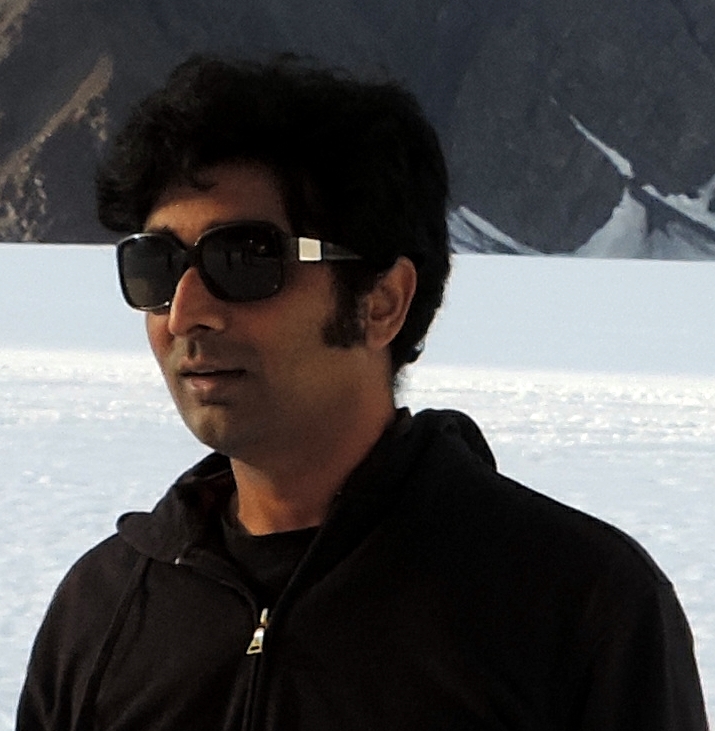
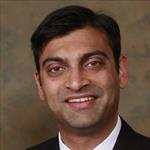
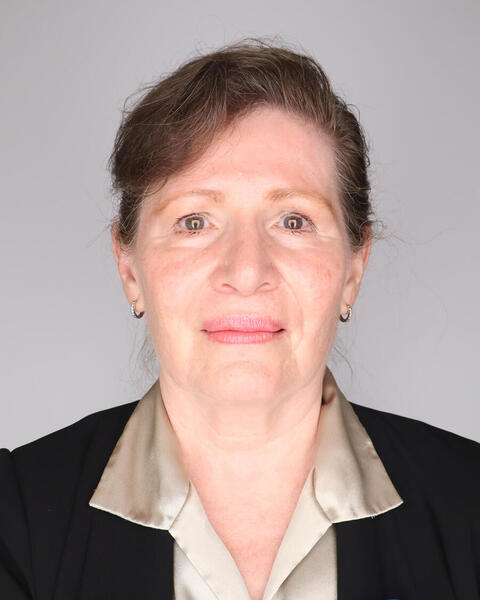
Anand Ramasubramanian is a Professor at San José State University, previously serving as an Associate Professor (tenured) of Biomedical Engineering at the University of Texas at San Antonio. He holds a Ph.D. in Bioengineering from Rice University, following M.S. (Indian Institute of Science) and B.S. (Annamalai University) degrees in Chemical Engineering. His research focuses on vascular mechanobiology, high-throughput antimicrobial drug discovery, and platelet storage solutions. Notable achievements include pioneering refrigerated platelet storage protocols endorsed by the FDA, developing miniaturized microbial culture platforms, and investigating fluid shear stress effects on inflammatory responses. He has received the Whitaker Foundation Fellowship and a Gold Medal for academic excellence. Currently directs undergraduate biomedical engineering programs and chairs chemical engineering curriculum initiatives. His work bridges engineering and medicine through projects like hemocompatibility testing of nanoparticles, point-of-care diagnostics, and biomechanical studies of blood clotting. Active in NIH and DOD-funded research totaling over $5M, with 80+ publications in top journals including Proc. Natl. Acad. Sci. and Frontiers in Microbiology .
Cleane Medeiros is an Adjunct Instructor in the Department of Biological Sciences at the State University of New York at Oswego, contributing to academic programs in life sciences. She holds a Ph.D. in Physiology and Pharmacology from the University of Strathclyde, an M.S. in Natural Products (Chemistry & Pharmacology) from Federal University of Paraiba, and a B.S. in Pharmacy from the same institution. Ph.D., Physiology and Pharmacology, University of Strathclyde M.S., Natural Products (Chemistry & Pharmacology), Federal University of Paraiba B.S., Pharmacy, Federal University of Paraiba Her research focuses on pharmacology, toxinology, and natural products, particularly exploring potassium channel-blocking toxins from marine and animal sources. Studies include structural analysis of dendrotoxins, synthesis of venom peptides, and pharmacological effects of plant extracts. Publications highlight toxin structure-function relationships and evolutionary convergence in venom proteins. Her work intersects molecular pharmacology, neurotoxicology, and biochemical evolution, with implications for drug design and ion channel research. No scientific awards or grants are explicitly mentioned in the available data. She does not have a listed student advisory record.
Nichole L. Powell is an Associate Professor of Chemistry at Oxford College of Emory University. She holds a BSc from the University of the West Indies (Mona, 1995) and a PhD from Georgia State University (2003). Her research focuses on synthesizing natural product analogs for therapeutic applications and improving chemistry education through inquiry-based curricula. She actively advocates for diversity in STEM, serving as Chair of the Minority Affairs Committee for the Georgia Section of the American Chemical Society. Dr. Powell has received numerous accolades including the Mizell Award (twice), Phi Beta Kappa Faculty Recognition, and the National ChemLuminary Award. Her teaching excellence is highlighted by the Phi Eta Sigma honor society recognition and repeated Mizell Awards for educational contributions at Oxford College. Key Research Themes : Natural product synthesis, cancer drug discovery, undergraduate research integration, and STEM equity. Curriculum Development : Co-developed 'Chemistry Unbound' — a four-year interdisciplinary curriculum emphasizing active learning and student agency. Community Engagement : Founded 'Science on Saturdays' outreach program to engage K-12 students in hands-on science. Her work bridges laboratory research with pedagogical innovation, emphasizing inclusive teaching practices and mentoring underrepresented students. Over 20 years of experience includes supervising over 20 undergraduate researchers and delivering courses ranging from general chemistry to advanced research seminars.
Benjamin Wu, D.D.S., Ph.D., is a Professor and Chair of the UCLA Department of Bioengineering, and Chair of the Division of Advanced Prosthodontics in the School of Dentistry. He holds joint appointments in the Department of Materials Science and Engineering and the Department of Orthopedic Surgery in the School of Medicine. His research focuses on biomaterials, tissue engineering, and regenerative medicine, with applications in bone regeneration, cardiovascular engineering, and nanotechnology. Education: D.D.S. from the University of Pacific, Advanced Prosthodontics specialty certificate from Harvard School of Dental Medicine, and Ph.D. in Materials Science and Engineering from MIT. Research interests include biomaterials development, stem cell differentiation, and biomedical scaffolds. He leads the Weintraub Center for Reconstructive Biotechnology and collaborates with the California NanoSystems Institute and UCLA Cardiovascular Stem Cell Research Center. Key awards: Fellow of the Academy of Prosthodontics. Publications span biomaterials, osteogenesis, and tissue engineering, with a focus on scaffold design, protein delivery, and cell behavior in 3D environments.
Nathan Tykocki is an Associate Professor and Director of the Cubi3C Core Facility at Michigan State University (MSU), affiliated with the College of Human Medicine and College of Osteopathic Medicine. He holds a PhD in Pharmacology and Toxicology from MSU (2012) and a BS in Science and Technology Studies from Lyman Briggs College (2002). His research focuses on urinary bladder physiology, emphasizing afferent nerves, vasculature, and stress-induced dysfunction. He employs multidisciplinary approaches, including in vivo physiology, myography, and imaging, to study bladder function in health and disease. Key research areas include bladder wall mechanics, vascular contractility, and TRPV1-mediated stress responses. His lab has developed novel tools like the pentaplanar reflected image macroscopy system to quantify bladder biomechanics. He leads grants from the National Institute of Diabetes and Digestive and Kidney Diseases (NIDDK), including projects on bladder stiffness and stress-induced dysfunction. As a mentor, he advises graduate students (e.g., Ashika Goel, Marlene Masino) and oversees postdocs like Eli Broemer. His lab team includes technicians Osvaldo Vega and Emma Flood. He contributes to academic programs such as the Integrated Pharmacological Sciences Training Program and advises the Undergraduate Minor in Pharmacology and Toxicology. Labs and facilities include the Tykocki Lab (focusing on lower urinary tract research) and the Cubi3C facility. His work spans collaborations in drug discovery, computational biology, and urology, with a strong emphasis on translational research.
Dr. Aparna Sundaram is an Associate Professor of Medicine at the University of California, San Francisco (UCSF), School of Medicine. She is a biomedical engineer, physician, and scientist specializing in airway smooth muscle biology and force transmission pathways in chronic airway diseases. Her research focuses on identifying novel drug targets to mitigate airway narrowing, leveraging ex vivo models, transgenic mice, and advanced microscopy. Education: B.S. in Biomedical Engineering, Northwestern University (2003) M.D., Northwestern University (2006) Residency in Internal Medicine, Northwestern University (2009) Fellowship in Pulmonary and Critical Care, UCSF (2012) Research Interests: Force transmission pathways in airway smooth muscle Cytokine regulation of integrin activation Development of integrin inhibitors for asthma treatment Impact of inflammatory cytokines on airway hyperresponsiveness Awards: 2019 UCSF Diversity, Equity, and Inclusion Champion Grants & Funding: NIH/NHLBI R01HL173342 (2024–2029): Mechanisms of cytokine-mediated integrin activation American Lung Association IA933672 (2022–2024): Role of cadherin-11 in asthma NIH R61/R33HL163725 (2022–2025): Integrin α2β1 inhibitors Labs/Teams: Sundaram Lab, collaborating with UCSF researchers like Dean Sheppard and Hyunil Jo on integrin biology and asthma pathophysiology.
Margot Damaser, PhD is a Senior Rehabilitation Career Scientist at the Louis Stokes Cleveland VA and Principal Investigator of the Urological Biomechanics Laboratory at Cleveland Clinic's Main Campus. Her research program bridges biomedical engineering and clinical urology to develop innovative treatments for pelvic floor disorders. Dr. Damaser's research focuses on regenerative medicine, tissue engineering, and device development for pelvic floor dysfunction including urinary and fecal incontinence and pelvic organ prolapse. Her laboratory has developed wireless catheter-free monitoring devices for bladder and colon function, and conducts studies on regenerating damaged pelvic tissue using stem cells, electrical stimulation, and elastogenic nanoparticles. Her work combines engineering principles with clinical applications to translate research into practical diagnostic and therapeutic solutions. Dr. Damaser's publication record shows a strong focus on understanding the neural control of bladder function and developing closed-loop neuromodulation systems. Her recent work has explored brain-derived neurotrophic factors, pudendal nerve regeneration, and stem cell therapies for stress urinary incontinence. She has also contributed significantly to ambulatory urodynamics with wireless monitoring technologies that enable long-term physiological data collection. US Patent 10,537,274: Standardized measurement of physiological pressures using an air-charged catheter apparatus (2020) Dr. Damaser collaborates extensively with researchers across multiple institutions and has published in high-impact journals including Nature Reviews Urology, American Journal of Physiology, and Neurourology and Urodynamics. Her laboratory's work has implications for improving diagnosis and treatment of common pelvic floor disorders that significantly impact quality of life, particularly among elderly populations.
Mallar Bhattacharya, MD, is an Associate Professor in the Department of Medicine at the University of California, San Francisco (UCSF) School of Medicine. He serves as an attending ICU physician at UCSF Medical Center and leads an independent research laboratory at the Parnassus Heights campus focused on lung injury and fibrosis. His work emphasizes cell-cell interactions in the lung, particularly between macrophages and structural cells, aiming to uncover new therapeutic strategies for chronic lung diseases. Education: B.A., Harvard University M.Sc., Oxford University M.D., Harvard University Residency in Internal Medicine, Johns Hopkins Hospital Fellowship in Pulmonary and Critical Care, University of California, San Francisco Diversity, Equity, and Inclusion Champion Training, University of California (2019) Research Interests: Dr. Bhattacharya's research centers on the pathogenesis of lung fibrosis and acute lung injury, with a focus on macrophage biology and immune-stromal crosstalk. His lab investigates how monocyte-derived macrophages drive fibrotic programs in fibroblasts and epithelial cells, and how these interactions can be therapeutically reversed. Key areas include aging-related fibrosis, metabolic reprogramming in immune cells, and single-cell transcriptomics of lung macrophages. Publication Trends: His recent publications (2019–2025) reveal a strong focus on macrophage-fibroblast interactions, particularly through signaling molecules like Cx43, IL-10, and Arg1. The work increasingly employs advanced techniques such as single-cell sequencing and gene therapy (e.g., AAV9-SGPL1). Themes include lung aging, post-COVID fibrosis, and metabolic control of fibrosis, with publications in high-impact journals like Nature Immunology , Science Translational Medicine , and Cell Reports . Scientific Awards: No specific awards were mentioned in the provided text. Advising and Grants: Dr. Bhattacharya mentors several trainees, including postdoctoral fellows and research associates. He is the Principal Investigator on multiple NIH and DOD-funded research grants, including: DOD W81XWH2110417: Targeting ATP Receptor P2RX4 for Pulmonary Fibrosis (2021–2025) NIH R01HL131560: The Regulation of RhoA Activation in Airway Smooth Muscle (2016–2021) NIH K08HL114641: IQGAP1 In Vascular Barrier Regulation During Acute Lung Injury (2012–2018) NIH F32HL099026: Regulation of Endothelial Permeability by Integrin alpha-v beta-3 (2011) Labs and Teams: He leads the Bhattacharya Lab at UCSF, which includes postdoctoral fellows (e.g., Javier Gomez Ortega, Preeti Yadav), research associates (e.g., Kaveh Boostanpour), and visiting graduate students. The lab is part of the broader pulmonary and critical care research community at UCSF, collaborating with experts in immunology, single-cell genomics, and translational medicine.
Dr. Ilka Pinz is a Faculty Scientist II at the Graduate School of Biomedical Science and Engineering (University of Maine) and Director of the Small Animal Imaging Core at the Maine Medical Center Research Institute (MMCRI). Her research focuses on cardiac pathology in obesity , sphingolipid metabolism , and cell signaling in cardiac caveolae . Education BS/MS: Technical University of Darmstadt, Germany PhD: Physiology & Biochemistry, Alfred Wegener Institute/University of Bremen, Germany Postdoc: Harvard Medical School Dr. Pinz employs transgenic mouse models and imaging technologies (MRI, micro-ultrasound, µCT) to study how lipid-induced signaling changes affect myocardial energetics and contractile performance . Her work has significant implications for understanding obesity-related cardiac dysfunction and metabolic syndrome . Notable trends in her publications include studies on caveolin-3 and sphingolipid pathways (2011-2016), genetic mouse models (2008-2019), and angiogenesis in ischemic disease. Recent work (2022-2024) explores thyroid hormone interactions and Rab27a in adipose tissue . Dr. Pinz has served as a reviewer for the American Heart Association (2006-2008) and leads a state-of-the-art Small Animal Imaging Core facility with expertise in in vivo imaging technologies.
Dr. Ronald Rock is an Associate Professor in the Department of Biochemistry and Molecular Biology at the University of Chicago . His research focuses on understanding biological motion through the study of myosin motor proteins, their interactions with the actin cytoskeleton, and their roles in cellular organization and disease mechanisms. Education: B.S. in Chemistry (University of Chicago, 1992), Ph.D. in Chemistry (Caltech, 1998), Postdoctoral Fellow in Biochemistry (Spudich Lab, Stanford, 2004) The Rock Lab employs single-molecule fluorescence microscopy , optical tweezers , and structural biology to investigate how motor proteins navigate cytoskeletal networks and regulate cellular mechanics. Key research areas include: Mechanisms of myosin regulation and processivity Cytoskeletal mechanosensory systems in metastasis Optogenetic tools for actin imaging Protein unfolding and conformational dynamics Actin-myosin interactions in cell morphogenesis His recent work highlights collaborations on tumor metastasis and actin-targeted therapeutics , with publications in Nature , Elife , and Nature Methods . Awards: Burroughs Wellcome Career Award at the Scientific Interface (2002) Helen Hay Whitney Postdoctoral Fellow (1999) Dr. Rock's NIH-funded projects (e.g., R01GM149073, R01GM124272) explore molecular mechanisms of cytoskeletal force sensing and myosin regulation. His lab also develops innovative laminar flow chambers and photolabile linkers for advanced microscopy and protein manipulation.
Zheng-Gen Jin, Ph.D., is a Professor in the Department of Medicine at the University of Rochester Medical Center's School of Medicine and Dentistry. He is a principal investigator at the Aab Cardiovascular Research Institute and affiliated with the Center for Inhalation and Flavoring Toxicological Research (CIFT) and the Ph.D. Program in Cellular and Molecular Pharmacology and Physiology. Department: Department of Medicine Institution: University of Rochester Medical Center Research Institute: Aab Cardiovascular Research Institute Additional Affiliation: Center for Inhalation and Flavoring Toxicological Research (CIFT) Dr. Jin's primary research focuses on the molecular regulation of vascular endothelial function , particularly how hemodynamic forces like laminar shear stress and pathological stimuli such as oxidative stress regulate endothelial nitric oxide synthase (eNOS), inflammation, and atherosclerosis. His work investigates signaling pathways that control endothelial homeostasis and dysfunction, with a strong emphasis on epigenetic mechanisms , including histone deacetylases (HDACs), sirtuins, and non-coding RNAs. He explores how these pathways influence gene expression in response to mechanical and biochemical cues, aiming to develop novel therapeutic strategies for vascular diseases. The 15 most recent publications reflect a consistent focus on endothelial signaling, epigenetics, and atherosclerosis . Key themes include the role of mechanosensitive transcription factors (e.g., KLF2, YY1), chromatin-modifying enzymes (e.g., HDAC5, SIRT6), and non-coding RNAs in vascular protection and disease. The research spans basic molecular mechanisms to potential pharmacological interventions, including natural compounds and HDAC inhibitors. Articles frequently appear in high-impact journals in cardiovascular science, molecular biology, and pharmacology. Dr. Jin leads an active research laboratory with postdoctoral fellows and research staff. His lab is dedicated to uncovering the molecular underpinnings of endothelial function and translating these findings into therapeutic approaches for atherosclerotic vascular diseases. Dr. Jin mentors postdoctoral scholars and research staff, including Gourango Pradhan (Postdoctoral Fellow), Joseph Cain (Research Technician), Ismail Cimen (Staff Scientist), and Rebbeca Steiner (Research Specialist). While formal PhD or Master’s students are not listed, his lab provides training and research opportunities in vascular biology and molecular signaling.
Roger Sauser is a Lecturer at the École Polytechnique Fédérale de Lausanne (EPFL), holding dual appointments in the College of Management of Technology (CMS) and the School of Basic Sciences (SB). Within CMS, he delivers foundational mathematics and physics instruction for the preparatory year program, covering Newtonian mechanics and numerical methods in Python. Concurrently in SB's Institute of Physics (SPH), he teaches physics courses to management and architecture students, emphasizing real-world modeling applications and vector calculus. His research expertise centers on cardiovascular biophysics, with focus areas including calcium signaling in vascular smooth muscle, mechanical properties of migrating cells, and mathematical modeling of vasomotion. Key interests span vascular dynamics, intercellular communication mechanisms, and the emergent properties of electrically coupled cellular networks. His work integrates experimental physiology with computational approaches to unravel how mechanical stresses and endothelial interactions regulate blood vessel function. Analysis of his 2004-2010 publication record reveals a cohesive research trajectory in arterial biophysics. He pioneered investigations into calcium wave propagation in arterial strips, force transmission mechanisms in cellular migration, and the role of gap junctions in vascular coordination. His studies consistently employ mathematical modeling to explore arterial wall stress effects, synchronization phenomena in smooth muscle populations, and endothelial-smooth muscle signaling pathways, contributing to fundamental understanding of blood flow regulation. No documented scientific awards or major research grants were identified. Similarly, there is no public information regarding doctoral student supervision or leadership of dedicated research laboratories. His collaborative research was conducted within Jean-Jacques Meister's biophysics group at EPFL, working closely with co-authors including M. Koenigsberger, D. Seppey, and M. Lamboley. While not leading an independent laboratory, his contributions form part of broader interdisciplinary efforts to model biological systems at cellular and tissue levels, with particular emphasis on vascular physiology and mechanobiology.
Urszula Derewenda is an Assistant Professor of Research in the Molecular Physiology and Biological Physics department at the University of Virginia School of Medicine . Her research focuses on elucidating the mechanisms by which protein molecules perform biological functions, with particular emphasis on structural biology of cytoskeletal regulation and hydrolytic enzyme mechanisms. Contact : ud3a@Virginia.EDU | Pinn Hall Rm 4211 | Box 800736 | 434-982-4267 Derewenda's work utilizes crystallography and molecular biology to examine structure-function relationships in complex proteins, including those from pathogens like Ebola and Zika viruses . Her research spans both fundamental protein dynamics and translational applications in disease-related molecular mechanisms. Selected publications (2011-2020) reveal expertise in: Structural analysis of viral nucleoproteins (Ebola, Marburg, Zika) Kinase-inhibitor interactions and signaling pathways Smooth muscle contractility regulation via RhoGEFs Hydrolytic enzyme mechanisms and inhibition Comparative structural biology across pathogens Her work integrates structural biology with biochemical characterization to advance understanding of protein function in health and disease. Lab & Team Affiliations : Derewenda contributes to the research faculty at UVA, collaborating on structural biology projects within the Molecular Physiology and Biological Physics department.
Peter Darby serves as a Clinical Assistant Professor in the Department of Anesthesia within McMaster University's Michael G. DeGroote School of Medicine. His research spans cardiovascular physiology, molecular mechanisms of organ injury, and pharmacological interventions in critical care settings. His primary research focuses on cardiopulmonary bypass effects (30% of scholarly output), pharmacology (20%), and specialized areas including hepatic ischemia adaptation and calcium signaling in smooth muscle. Key themes emerge from his publication history: molecular responses to cardiac surgery, renal hypoxia mechanisms during bypass procedures, and fundamental calcium regulation pathways in vascular and airway tissues. Analysis of his 15 most recent publications reveals consistent investigation into ischemia-reperfusion injury across multiple organ systems, with particular emphasis on metabolic adaptation in liver ischemia (2017-2018), renal oxygenation during cardiopulmonary bypass (2006-2013), and calcium handling in smooth muscle (1991-2000). His work bridges basic molecular mechanisms with clinical anesthesiology applications. Peter Darby maintains active scholarly engagement with 13 publications spanning 1991-2018 and shows significant co-authorship with Chiu-yin Kwan (6 joint publications). His research has been referenced in 3 patents and maintains ongoing readership across Mendeley platforms.
Grace M. Arteaga, M.D., is a Professor of Pediatrics and Assistant Professor of Physiology at the Mayo Clinic in Rochester, Minnesota. Her research focuses on cardiovascular physiology , spanning molecular mechanisms of contractile proteins to bedside management of critically ill pediatric patients. She is also a leader in simulation-based medical education , emphasizing its role in enhancing clinical outcomes through team development and interprofessional collaboration. Education: MD, Facultad de Medicina, Universidad Autonoma de Coahuila (1983) BS, Instituto Tecnologico y de Estudios Superiores (1978) Residency & Chief Residency, University of Illinois at Chicago (1992-1993) Fellowship, Children's Medical Center, University of Texas Southwestern Medical School (1996) Dr. Arteaga's research integrates intracellular cardiac signaling and cardiac pathophysiology with a focus on hypothermia/rewarming effects on myocardial contraction. She has contributed extensively to understanding contractile protein dysfunction and mitochondrial function in critical conditions. Her work also addresses simulation-based educational tools for training healthcare providers and improving patient safety and leadership skills . Recent publications highlight her leadership in pediatric critical care and COVID-19 research , including global collaborations on simulation-based training. She has received numerous accolades such as the Founders Award (2024) and Top Doctor recognitions (2020-2024) . Dr. Arteaga co-edits the Pediatric Fundamentals of Critical Care Support and directs simulation programs at Mayo Clinic, while also contributing to international pediatric critical care initiatives.