Professor Jiyuan Tu is a Professor in the Department of Mechanical and Automotive Engineering at RMIT University's School of Engineering. He specializes in computational fluid dynamics (CFD), multiphase flows, and their applications in renewable/nuclear energy, biomedical engineering, and built environment systems. His research has led to over 500 peer-reviewed articles, 9 books, and $10M+ in ARC grants. He has supervised over 50 postgraduate students and received prestigious awards such as the RMIT Research Excellence Award (2012) and Fulbright Senior Scholar Award (2008). Research interests include CFD modelling of bioaerosol transport, drug delivery systems, and thermal energy storage. He pioneered numerical models for multiphase flows, contributing to software implementations in industries. Notable works include books on CFD and multiphase flow analysis, and leadership in international conferences like COBEE 2018. He holds honorary professorships at Tsinghua University and is Editor-in-Chief of the Experimental and Computational of Multiphase Flow journal. Industry experience includes roles at ANSTO (1996-2001). Awards span fellowships from JSPS, KOSEF, and Fulbright programs. Grants include ARC Discovery, Linkage, and LIEF projects. His work ranks him among the world’s top researchers in pebble bed reactors and airborne infection studies (SciVal 2016-2025).
Kelly Arnold is an Associate Professor in the Department of Biomedical Engineering at the University of Michigan. Her research integrates systems engineering principles with immunology to investigate variability in immune responses across infection, vaccination, and injury, with a focus on computational modeling and clinical translation. Research Focus Systems-level immune response modeling Vaccination and antibody functionality Vaginal microbiome-host interactions Chronic lung disease progression Computational serology and proteomics Recent Work Her 2025 studies examine SARS-CoV-2 vaccination responses in cancer patients and computational frameworks for vaginal probiotics. Earlier works (2024-2007) span COPD progression, lupus fibrosis, HIV susceptibility, and tissue engineering for fertility preservation. Methodologies include proteomic profiling, network modeling, and microfluidic systems.
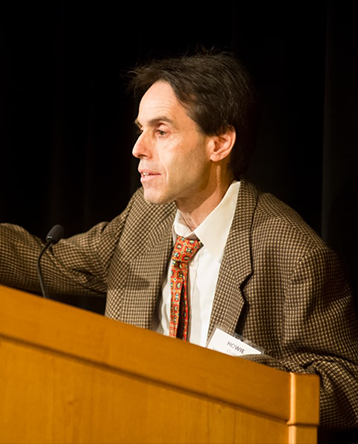
Howie Choset is a Professor of Robotics at the Robotics Institute, Carnegie Mellon University. He directs the Undergraduate Robotics Minor and leads the Biorobotics Laboratory, where his research focuses on snake robots, motion planning, and medical robotics. He is also affiliated with the Manufacturing Futures Institute. Ph.D., Mechanical Engineering, California Institute of Technology (1996) M.S., Mechanical Engineering, California Institute of Technology (1995) B.S.E., Computer Science and Engineering, University of Pennsylvania (1990) B.S., Economics, The Wharton School of Business (1990) Choset's research centers on robotics for confined and complex environments, particularly through the development of snake robots. His work integrates mechanism design, path and motion planning, and estimation to enable applications in surgery, manufacturing, infrastructure inspection, and search and rescue. He is a pioneer in medical robotics and has co-founded Medrobotics to commercialize minimally invasive surgical robots. His recent publications highlight a strong focus on ergodic exploration, multi-agent systems, motion planning under uncertainty, and medical robotics. Themes include optimizing robot trajectories for information gathering, solving complex path planning problems with dynamic obstacles, and advancing autonomous systems for disaster response and space exploration (e.g., the EELS robot for Enceladus). MIT Technology Review Top 100 Innovators under 35 (2002) Best Paper Award, RIA (1999) Best Paper Award, ICRA (2003) Best Paper, IEEE Bio Rob (2006) Best Video, ICRA (2011) Nominations for best papers at ICRA, IROS, and CLAWAR Choset has advised numerous students, many of whom have won top awards. His lab has received significant funding for robotics research, including projects in surgical robotics, additive manufacturing, and autonomous exploration. He is the lead author of the textbook Principles of Robot Motion and is actively involved in educational innovation through custom robotics labs. He leads the Biorobotics Laboratory at CMU, which develops advanced robotic systems like snake robots and the EELS (Exobiology Extant Life Surveyor) robot for NASA missions. The lab collaborates with industry and government agencies on applications ranging from surgery to space exploration.
Associate Professor David Jeffery is affiliated with the University of Adelaide's School of Agriculture, Food and Wine, within the Faculty of Sciences, Engineering and Technology. He holds an academic rank of Associate Professor/Reader and is based at Wine Innovation Central in the Waite campus. His research focuses on grape and wine chemistry, particularly aroma, flavor, and polyphenol analysis using advanced techniques like HPLC-MS/MS and GC-MS. He investigates the impact of vineyard and winemaking conditions on wine composition, including studies on tannin behavior, sulfur compounds, and oxidative processes. Jeffery co-authored the textbook *Understanding Wine Chemistry*, a global resource in wine science education. His work also explores machine learning applications for predicting sensory traits and authenticating wine origins. Active in mentoring, he supervises Masters and PhD students in topics spanning analytical method development, compound synthesis, and wine quality enhancement. Research highlights include studies on wildfire smoke mitigation in wine production, fluorescence spectroscopy for quality control, and mathematical modeling of anthocyanin interactions. He collaborates with industry partners like Wine Australia and leads projects funded by the ARC Training Centre for Innovative Wine Production. His contributions bridge fundamental chemical research with practical applications in the wine industry, addressing challenges like climate change impacts and sustainable winemaking practices.
Dr. Angelos D. Keromytis is the John H. Weitnauer, Jr. Endowed Chair Professor and Georgia Research Alliance (GRA) Eminent Scholar at the School of Electrical and Computer Engineering , Georgia Institute of Technology . He is a globally recognized leader in systems and network security and applied cryptography , with over 250 publications and 67 issued US patents. He is an elected Fellow of both the IEEE and ACM, and previously served as a Program Manager at DARPA and Program Director at NSF. Education: Ph.D. in Computer Science, University of Pennsylvania (2001) M.Sc. in Computer Science, University of Pennsylvania (1997) B.Sc. in Computer Science, University of Crete, Greece (1996) Research Interests: Dr. Keromytis's research spans a broad spectrum of cybersecurity topics, including: Systems and Network Security : He has led foundational work in secure systems design, intrusion detection, and network anomaly detection. Applied Cryptography : His work includes cryptographic protocols, secure communications, and privacy-preserving systems. Hardware and Side-Channel Security : He has pioneered techniques for detecting hardware Trojans using electromagnetic side-channels. Cloud and IoT Security : He has developed novel approaches to securing cloud services and IoT devices. Software Security : His work includes defenses against malware, return-oriented programming (ROP), and automated software patching. Scientific Awards: John H. Weitnauer, Jr. Endowed Chair Georgia Research Alliance (GRA) Eminent Scholar IEEE Fellow (2018) ACM Fellow (2017) ACM Distinguished Scientist (2012) DARPA Superior Public Service Medal DARPA Results Matter Award Advising and Grants: Dr. Keromytis has advised over 30 Ph.D. students and numerous postdocs. He has secured over $35M in research funding from agencies like DARPA, NSF, IARPA, ONR, and AFRL. His recent grants include: DARPA SMOKE : $22.7M for "Antikythera" cybersecurity framework NSF SaTC : $1.2M for mobile network anti-tracking architecture DARPA CHASE : $1.7M for network abuse behavioral engine DARPA OPS-5G : $7.3M for large-scale adversary defense ONR : $4.4M for dormant hardware Trojan detection Labs and Teams: He co-founded and co-directs the Center for Cyber Operations Enquiry and Unconventional Sensing (COEUS) at Georgia Tech. Previously, he founded and directed the Network Security Lab (NSL) at Columbia University, which produced foundational research in network security, intrusion detection, and software protection.
Owen Price is an Associate Professor and Director in Bushfire Risk Management at the School of Earth, Atmospheric and Life Sciences (SEALS), University of Wollongong. His roles include leading research on wildfire impacts on ecosystems, human health, and infrastructure. He holds a PhD from the Australian National University (1998), an MSc from the University of Strathclyde (1986), and a BSc (hons) from the University of York (1985). Director, Centre for Environmental Risk Management of Bushfire (since 2020) Principal Fellow, SEALS (2019–2021) His research integrates fieldwork, GIS/remote sensing, and statistical modeling to address landscape-scale wildfire risks. Key interests include fire severity effects on biodiversity, smoke pollution impacts, and cost-effective fire management strategies. He supervises postgraduate students in topics like coastal wetland vulnerability and fire regime analysis. Recent grants include studies on coastal wetlands' fire resilience (2023–2026), Bayesian fire spread modeling (2023–2026), and evaluating aerial firefighting efficacy (2023). His work bridges ecological, social, and technical dimensions of wildfire risk. Notable awards and recognitions are not explicitly listed in the provided materials. His contributions to fire policy and community adaptation are highlighted through collaborative projects with government and environmental agencies.
Dr. Eylem Asmatulu is an Associate Professor in the Department of Mechanical Engineering at Wichita State University (WSU), part of the College of Engineering. She joined WSU as an educator in 2015, became an Assistant Professor in 2017, and was promoted to her current rank in 2023. Previously, she worked in Environmental Health and Safety at WSU. She currently advises three PhD, three MS, and two BS students, having graduated 13 students since 2015. Her research focuses on recycling and reuse of materials, composite materials engineering, nanotechnology safety, and sustainable manufacturing. She has secured over $1.7 million in grants, published 131+ articles (h-index 26), and contributed to fields like thermal energy storage, biomedical nanomaterials, and aerospace material science. Her work emphasizes interdisciplinary approaches, combining machine learning for material property prediction and addressing safety concerns in nanotechnology across industries. Key projects include flame-retardant composites, biogas production optimization, and superhydrophobic nanofiber applications for water treatment. She actively promotes sustainability through recycling innovation and lean manufacturing practices in aerospace. Dr. Asmatulu’s research has been cited over 2,870 times. Her contributions span academia and industry, with a focus on translating innovations into practical solutions for environmental and industrial challenges.
Robert L. Murphy is the John Philip Phair Professor of Infectious Diseases and Professor of Biomedical Engineering at Northwestern University. He directs the Institute for Global Health within the Institute for Public Health and Medicine. His roles include leadership in global health research, infectious disease management, and biomedical engineering. Murphy holds appointments in the Feinberg School of Medicine and McCormick School of Engineering. Education: MD from Loyola University Stritch School of Medicine (1978), Fellowship, Residency, and Board Certification in Internal Medicine at Northwestern University (1981–1984). Research focuses on HIV/AIDS, viral hepatitis, antiviral therapies, and global health disparities. He leads projects in Nigeria, Mali, and other regions, addressing liver fibrosis in HIV/HBV co-infection, cervical cancer in HIV-positive women, and SARS-CoV-2 diagnostics. His work emphasizes point-of-care technologies and epigenetic biomarkers for cancer and liver disease. Publications span over 40 years, with recent emphasis on Omicron variant dynamics, HPV screening in resource-limited settings, and microbiome impacts of antiretroviral therapy. He collaborates globally, co-leading studies on tuberculosis treatment and HIV/drug resistance patterns. Grants and collaborations include the BRAINS faculty development program in Africa, the Test Us Bank (TUB) biorepository for SARS-CoV-2 samples, and partnerships with institutions like the University of Lagos and the Robert H. Lurie Comprehensive Cancer Center.
Professor James Im serves as Professor of Materials Science in the Departments of Earth and Environmental Engineering and Applied Physics and Applied Mathematics at Columbia University, with an office at 1106 S.W. Mudd (Mail Code 4701). His academic career spans over three decades at Columbia, where he progressed from Assistant Professor (1991-1994) to Associate Professor (1995-2002), and ultimately to full Professor (2002-present), including a tenure as Chair of the Materials Science and Engineering Program (2002-2014). His educational background includes a B.S. with Distinction in Materials Science from Cornell University (1984) and a Ph.D. in Electronic Materials from MIT (1989), followed by postdoctoral research at Caltech (1989-1991). Cornell University: B.S. Materials Science (1984) MIT: Ph.D. Electronic Materials (1989) Caltech: Postdoctoral Scholar (1989-1991) Im's research centers on ultra-rapid phase transitions in beam-irradiated thin films, specifically focusing on laser crystallization of silicon films , energy-beam-induced melting and solidification , and nucleation in discontinuous phase transitions . His work employs experimental, computational, and theoretical approaches to develop innovative semiconductor materials for advanced displays, solar cells, and integrated circuits. Notably, his invention of Sequential Lateral Solidification (SLS) technology has been licensed to major display manufacturers (Samsung, LG, Sharp) and implemented in products by Apple, Blackberry, and Nokia. Current research focuses on advancing the Spot-Beam Crystallization (SBC) platform using fiber lasers for next-generation microelectronics. His publication record spans environmental aerosol studies (2019-2024), oilfield operations technology (2002-2014), and foundational atmospheric research (1980s), reflecting interdisciplinary expertise bridging materials science, environmental engineering, and petroleum technology. The most recent works emphasize low-cost sensor development and aerosol monitoring. Professional recognition includes membership in prestigious societies: Bohmisch Physical Society Sigma Xi Alpha Sigma Mu Materials Research Society American Physical Society Im's research group maintains strong industry connections through technology licensing and collaborative projects, particularly in display manufacturing. His leadership as former department chair demonstrates administrative commitment alongside scientific innovation. The laboratory leverages state-of-the-art laser systems and beam delivery optics for materials development, with recent focus shifting toward environmental monitoring applications while maintaining core semiconductor research.
John J. Curtin is a Professor in the Department of Psychology at the University of Wisconsin-Madison, where he directs the Addiction Research Center. His work bridges clinical psychology, computer science, and engineering to develop innovative digital solutions for mental health and addiction treatment. Dr. Curtin's research focuses on digital therapeutics and personal sensing technologies for substance use disorders and mental illness. His laboratory develops software applications that provide evidence-based interventions, treatment management tools, and enhanced communication with care providers. He specializes in algorithm development for moment-to-moment psychiatric risk prediction and just-in-time personalized interventions that adapt to both patient characteristics and their current context. His research program is highly interdisciplinary, collaborating with the Center for Health Enhancement Systems Studies, computer science, geography, and electrical and computer engineering departments. Dr. Curtin's work combines machine learning approaches with novel data streams from geolocation, cellular communications, social media activity, and wearable biosensors to create more effective and personalized treatment approaches. Dr. Curtin has secured continuous funding from the National Institutes of Health (NIAAA, NIDA, NCI and NIMH) since 1998. His current research examines machine learning-assisted precision medicine for smoking cessation, contextualized daily prediction of lapse risk in opioid use disorder, and dynamic real-time prediction of alcohol use lapse using mobile health technologies. His laboratory has produced numerous publications advancing the field of digital mental health interventions, with a particular focus on using technology to deliver precisely tailored treatments at the right moment for individuals struggling with substance use disorders.
Hani Abdeltawab serves as Academic Casual Staff in the Department of Pharmacy within the Faculty of Medical and Health Sciences at the University of Auckland, New Zealand. Based at Building 503, 85 Park Road, Grafton Campus, they maintain an active research profile with multiple recent publications in pharmaceutical sciences. Dr. Abdeltawab's research focuses on advanced drug delivery systems, particularly poloxamer-based thermoresponsive gels for sustained release applications. Their work spans multiple therapeutic areas including pain management, smoking cessation, and bone regeneration. Key research interests include formulation optimization of injectable gelling systems, modulation of drug release profiles, and stability testing of pharmaceutical admixtures. Analysis of their publication record reveals a strong emphasis on developing sustained-release platforms for various drugs including bupivacaine, ketorolac, nicotine, and lactoferrin. The research demonstrates expertise in polymer science, pharmaceutical formulation, and in vitro/in vivo testing methodologies. Recent work has particularly focused on extending drug release duration while minimizing initial burst effects through strategic formulation modifications. Dr. Abdeltawab has established productive research collaborations across multiple institutions, as evidenced by co-authorship on numerous publications. Their work appears in reputable pharmaceutical journals including the International Journal of Pharmaceutics, Expert Opinion on Drug Delivery, and European Journal of Pharmaceutics and Biopharmaceutics.
Professor Donna Green is an internationally recognized environmental scientist at the University of New South Wales (UNSW), affiliated with the School of Biological, Earth & Environmental Sciences. She holds a PhD from the University of California, Berkeley (2004) and leads multidisciplinary research at the intersection of climate change, energy policy, and air pollution. Her work focuses on balancing improvements in indoor air quality against outdoor pollution sources such as traffic, bushfires, and industry, while addressing increasingly recognized risks from indoor air contaminants including airborne diseases. PhD, University of California, Berkeley (2004) Professor Green's research spans environmental science, climate change impacts, air pollution health effects, renewable energy policy, and environmental justice. Her work demonstrates particular expertise in the health impacts of climate change, with emphasis on vulnerable populations including Indigenous communities. She investigates the synergistic impacts of urban air pollution compounding climate emergencies, and has published extensively on environmental injustice in resource-rich Aboriginal Australia. Her research often bridges scientific findings with practical policy solutions, working collaboratively with engineers, legal practitioners, and public health experts to design evidence-based approaches to environmental challenges. The most recent publications reveal a strong focus on wildfire smoke impacts on health, indoor air quality in educational settings, climate litigation trends, and the intersection of renewable energy development with Indigenous rights. Her work shows increasing attention to the health consequences of climate change, particularly through the MJA-Lancet Countdown reports which document Australia's preparedness (or lack thereof) for climate-related health challenges. There's also a clear trend toward interdisciplinary collaboration, with publications spanning environmental science, public health, engineering, and social justice perspectives. Clean Air Society Australia & New Zealand Innovation & Excellence in Air Quality Award for CleanAir Schools program Professor Green leads the CleanAir Schools program and is currently implementing Fresh Air Innovators in 100 NSW school classrooms. She has secured significant research funding through collaborations with multiple institutions and has supervised numerous students, though specific advisees aren't listed in the provided text. Her research has informed policy discussions on air quality standards, climate adaptation strategies, and environmental justice frameworks. Professor Green directs research teams investigating indoor air quality solutions, climate-health interactions, and renewable energy policy frameworks. Her CleanAir Schools initiative represents a major practical application of her research, translating scientific findings into classroom interventions that protect children from air pollution. She collaborates extensively with engineers, public health experts, and policy practitioners to develop evidence-based solutions to environmental challenges.
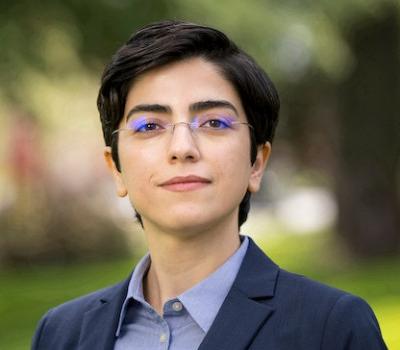
Dr. Parichehr Salimifard is an Assistant Professor at Oregon State University's School of Civil and Construction Engineering, holding the Culbertson Faculty Scholar position. She serves as Faculty Advisor for the OSU ASHRAE Student Branch and leads the Sustainable, Healthy, and Resilient Building Lab, focusing on the intersection of building science, environmental health, and climate resilience. Her educational background includes a Postdoctoral Fellowship at Harvard University's School of Public Health, a Ph.D. and M.Sc. in Architectural Engineering (Mechanical Option) from Penn State with a Computational Science minor, and a B.Sc. in Mechanical Engineering from Persian Gulf University. Dr. Salimifard's research centers on indoor environmental quality and its connections to public health, with emphasis on: Aerosol dynamics (transport, deposition, resuspension) for wildfire smoke and pandemic exposure mitigation Health and climate co-benefits of building energy efficiency through the CoBE project Wildfire smoke preparedness in schools/daycares for vulnerable populations Building electrification impacts on air quality and emissions Her recent publications reveal a trend toward spatially and temporally explicit modeling of emissions reductions, using tools like CoBE to quantify health co-benefits of building energy conservation across US states and EU countries, with growing focus on water-energy nexus and grid integration. Her scientific recognition includes: Culbertson Faculty Scholar award Dr. Salimifard secures research funding from the EPA, NIEHS's OSU ASPIRE Center, ASHRAE, industry partners, and foundations. She mentors the OSU ASHRAE Student Branch and collaborates with Harvard/Boston University on the CoBE project, which develops modules for climate policy analysis and water savings optimization. Her Sustainable, Healthy, and Resilient Building Lab drives projects including Wildfire Smoke Preparedness in Buildings, Indoor Aerosol Resuspension Dynamics, and Building-to-Grid Integration, directly addressing climate resilience challenges through building science innovation.
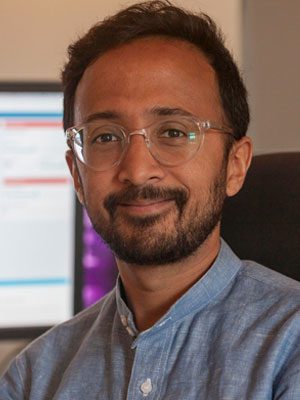
Ajay Pillarisetti is an Assistant Professor at the University of California, Berkeley's School of Public Health, Department of Environmental Health Sciences. His research focuses on the interplay between household energy use, air pollution exposure, health outcomes, and climate change in low- and middle-income countries. A graduate of UC Berkeley (PhD) and Emory University (MPH, BS), he has led global projects in India, Mongolia, Nepal, Guatemala, Peru, and Rwanda. PhD – Environmental Health Sciences, UC Berkeley MPH – Global Environmental Health, Emory University BS – Biology, Emory College His work employs low-cost air quality sensors, longitudinal surveys, and randomized controlled trials like the HAPIN study to assess health impacts of clean fuel interventions. Key subfields include exposure assessment, implementation science, pollution's metabolic effects, and policy-driven energy transitions. He collaborates with teams across four continents and has published extensively on household air pollution's multi-scale health burdens. Recent articles (2023–2025) highlight trends in quantifying PM2.5's health effects, optimizing sensor networks, and evaluating LPG interventions for maternal/child health. His studies span Guatemala's RESPIRE cohort, Rwanda's HAPIN trial, and India's community monitoring systems, addressing gaps in exposure-response modeling, biomarker analysis, and policy advocacy.
Matthew Fraser is a Professor and Associate Director at Arizona State University's School of Sustainable Engineering and the Built Environment. He is affiliated with the Urban Climate Research Center and serves as a Senior Global Futures Scientist. Education : Ph.D. in Environmental Engineering Science from Caltech (1998), M.S. in Environmental Engineering Science from Caltech (1993), B.S. in Chemical Engineering from Carnegie Mellon University (1991) His research focuses on urban air quality , alternative energy systems , and atmospheric monitoring . Recent work examines wildfire smoke impact, microplastics in desert soils, and ozone behavior in urban regions. Publications span Environmental Science and Technology , Atmospheric Environment , and Science of the Total Environment . Notable scientific awards include Arizona State University's 'Top 5%' Faculty Teaching Award (2018, 2021). Research grants include projects funded by the National Institutes of Health , US Department of Energy , and Semiconductor Research Corporation . Service Roles : Member of University Consortium for Atmospheric Research (2010–Present), Committee Member for ASU Sustainability Minor (2009–Present), and Chair of Science Advisory Board for Mid-Infrared Technologies for Health and the Environment Engineering Research Center (2007–Present)