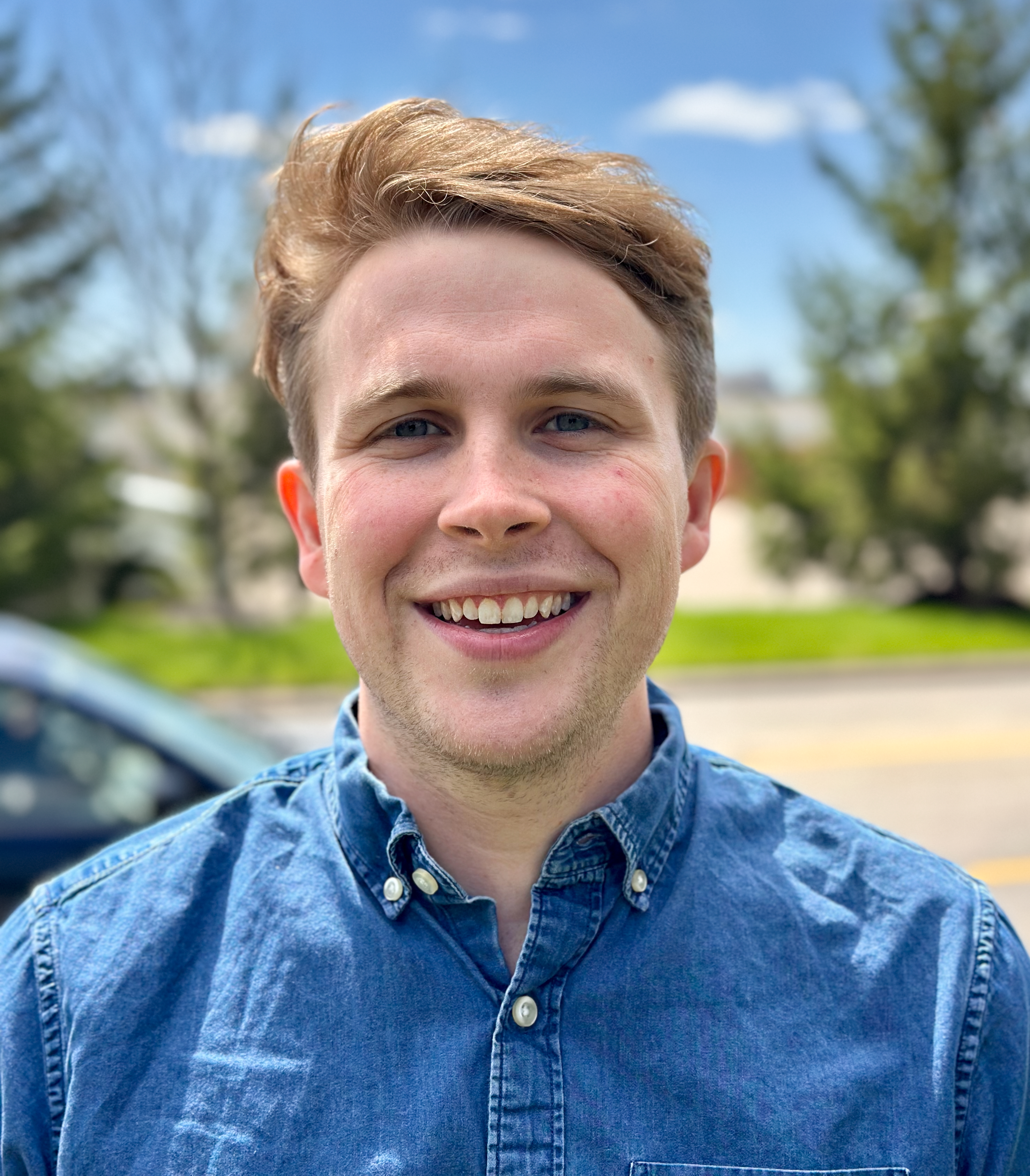
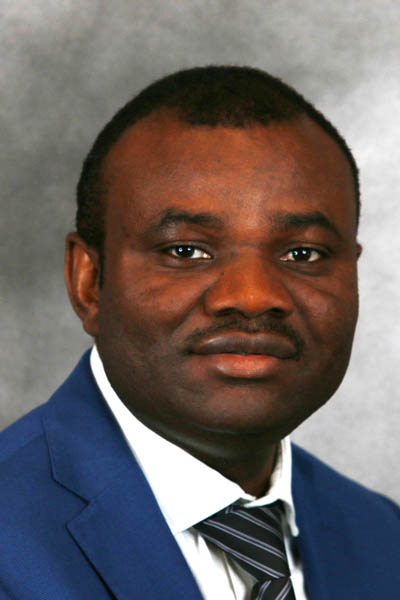
Katarzyna Wac is a researcher at the University of Geneva affiliated with the Faculty of Economics and Management and the Information Science Institute . Her work bridges Digital Health , Mobile Computing , and Human-Computer Interaction , focusing on leveraging wearable devices, smartphones, and AI for health and quality of life (QoL) quantification. Research Themes: Digital biomarkers for Alzheimer's and migraines, QoL assessment via ubiquitous computing, peer- and self-reported behavioral data, and QoE of mobile applications. Labs: Leads the mQoL Lab , a platform for interactive, mobile, and wearable-based studies. Her recent publications explore Transformer models for health data analysis, social robots in homecare, and ethical frameworks for digital mental health. She has contributed to standards for proxy-reported QoL measures and personalized drug delivery systems in digital health. The multimodal integration of emotional signals and context-aware QoS/QoE provisioning for m-health services are recurring technical themes. Key collaborations include the MobiHealth project and COPD24 , translating future internet technologies into telemonitoring solutions. Her work spans from foundational studies on mobile cognition to applied ambulatory assessment of affect and health risks.
R. Lorraine Collins, PhD, is a Professor in the Department of Community Health and Health Behavior and the Associate Dean for Research at the University at Buffalo’s School of Public Health and Health Professions (SPHHP). Her research focuses on cognitive and behavioral approaches to addictive behaviors, particularly among emerging and young adults. She is a leading expert in drinking restraint theory and has pioneered methodologies like ecological momentary assessment using cell phones for real-time data collection. Collins holds a PhD and has been affiliated with UB’s Research Institute on Addictions (RIA) since 1998. Her work emphasizes translational research with direct community impact, aiming to inform prevention and treatment programs for substance use disorders. Key contributions include developing the Temptation and Restraint Inventory (TRI), the Daily Drinking Questionnaire (DDQ), and the self-administered Timeline Follow-Back (S-TLFB) procedure. Collaborations span multiple disciplines, including pediatrics and biomedical sciences, reflecting her commitment to interdisciplinary solutions. Her NIH-funded research explores physical activity and marijuana use, leveraging expertise from diverse departments. Collins advocates for evidence-based interventions to address substance abuse across populations, emphasizing the societal relevance of her work in Western New York and beyond. Her awards and recognitions are tied to her contributions to addiction science, though specific prizes are not listed in the text. Her research has been widely cited in academic journals across psychology, public health, and behavioral medicine.
Jürgen Sauer is a Full Professor at the University of Fribourg , affiliated with the Department of Psychology under the Faculty of Letters and Human Sciences . With over 120 publications, his research focuses on Human-Machine Interaction , Usability Testing , User Experience (UX) , and Automation Design , particularly in high-stakes environments like X-ray baggage screening and spaceflight simulations . Email: juergen.sauer@unifr.ch Phone: +41 26 300 7622 Address: RM 01 bu. C-1.117, Rue PA de Faucigny 2, 1700 Fribourg Orcid: 0000-0003-2105-1694 His research projects, funded by the Swiss National Science Foundation (FNS), include: Improving work design for airport security officers (2019-2024): Developed pictorial scales for measuring psychological constructs in security environments. Social stress and support in hybrid teams (2018-2023): Investigated machine-induced social stressors and mitigation through social support. Automation in visual inspection tasks (2014-2018): Examined adaptable automation for baggage screening and system reliability effects. Usability testing effectiveness (2012-2016): Analyzed cultural background impacts and non-usability product features influencing test outcomes. Key contributions include the Luggage Inspection Simulation (LIS) environment for modeling work environments and the development of pictorial usability scales for multilingual applicability. His work bridges ergonomics , human factors , and applied psychology , with notable collaborations with researchers like Adrian Schwaninger and Andreas Sonderegger . His recent publications (2025-2014) analyze: Human-machine performance under false alarms and miscues Social stressor dynamics in hybrid teams Usability scale animation effects Phubbing behavior in professional contexts Accessible website design for non-disabled users
Shiwei Fang is an Assistant Professor in the Department of Computer & Cyber Sciences within the School of Computer and Cyber Sciences at the University of North Georgia. He holds a Ph.D. in Computer Science from the University of North Carolina (2021) and a B.E. in Computer Science from the State University of New York (2015). His research focuses on IoT systems, cybersecurity, sensor networks, and edge computing, with notable contributions to multimodal analytics, privacy visualization tools, and geospatial tracking datasets. He advises the Graduate Student Organization and serves on the SCCS Academic Web Oversight Committee. Education: Ph.D., Computer Science, University of North Carolina, 2021 B.E., Computer Science, State University of New York, 2015 Research interests include IoT security, context-aware systems, and sensor fusion. His work on IoBT-MAX and GDTM datasets highlights expertise in experimentation frameworks and geospatial tracking. Recent publications explore privacy risks in IoT, AR-based privacy visualization, and efficient inference models for edge computing. He has contributed to over 25 peer-reviewed articles since 2015, with a focus on real-world IoT applications and hardware-software co-design. Service roles include faculty advising and committee participation. He teaches courses like CSCI 3170/5170 on Computer Organization, bridging theoretical computer science with practical hardware concepts.
Sandeep Gopalakrishnan is an Associate Professor in the Department of Biomedical Sciences at the University of Wisconsin-Milwaukee (UWM), where he also serves as the Director of the Wound Healing and Tissue Repair Analytics Laboratory. His academic and research work is deeply integrated with his role as Co-Founder and CEO of Auxillium Health, a health technology startup focused on AI-driven solutions for chronic wound care. His educational background includes: Postdoctoral Fellowship, Department of Physiology, Medical College of Wisconsin, Milwaukee, WI (Mentor: David R. Harder, PhD) Ph.D. in Health Sciences/Biomedical Sciences, University of Wisconsin-Milwaukee (Mentor: Janis T. Eells, PhD) M.S. in Clinical Laboratory Sciences, University of Wisconsin-Milwaukee B.S. in Medical Laboratory Technology, Government Medical College, Thiruvananthapuram, University of Kerala, India Dr. Gopalakrishnan's research focuses on addressing the silent epidemic of chronic non-healing wounds through innovative therapeutic strategies and digital health tools. He is particularly interested in leveraging artificial intelligence and machine learning to develop smartphone-based wound assessment systems that empower patients to monitor their healing progress and make informed care decisions. His work also includes designing clinical trials and collecting patient-centered data on wound healing outcomes and health-related quality of life (HRQoL). Although no recent publications are listed in the provided text, his research program demonstrates a strong interdisciplinary focus on biomedical science, digital health, and AI-driven decision support systems in wound management. His notable scientific awards include: Chancellors Fellowship, UWM Graduate School Fight for Sight Summer Fellowship Quantum Devices Scholarship Victor A. Drill Award, Society of Toxicology, Midwest Regional Chapter Harriet H. Werley Nursing Faculty Research Award (2018) Molly Yeffeth Krain and Irwin Amrani Memorial Award (2009) Dr. Gopalakrishnan is actively involved in mentoring students in the Biomedical Sciences program and leads a research laboratory focused on analytics in wound healing. He is also connected to industry through Auxillium Health, which translates his research into real-world AI applications. His work bridges academic research, clinical innovation, and entrepreneurial development. He holds memberships in several professional organizations, including the American Professional Wound Care Association (where he serves as Secretary and Board Member), the Wound Healing Society, the American Society for Clinical Pathology, and the World Association for Photobiomodulation Therapy (WALT) as an Ad Hoc Board Member. His research laboratory, the Wound Healing and Tissue Repair Analytics Laboratory, serves as a hub for interdisciplinary collaboration, combining biomedical research with data science and digital health innovation.
Dr. Shervin Shirmohammadi is a Professor at the University of Ottawa's Faculty of Engineering, specifically within the School of Electrical Engineering and Computer Science. With an impressive h-index of 41 and over 6,800 citations across 473 publications, his research has made significant contributions to the fields of computer vision, biomedical instrumentation, and health monitoring systems. His academic journey spans over two decades, beginning with work on communication architectures for virtual environments in 2001 and evolving toward practical healthcare applications. Dr. Shirmohammadi's research interests center on Computer Vision , Image Processing , and Embedded Systems with a strong focus on healthcare applications including nutrition monitoring, mental health assessment, and driver safety systems. His most influential work examines computer vision applications for health monitoring, particularly food calorie measurement systems that use smartphone cameras to analyze nutritional content. His research has evolved to include EEG-based systems for ADHD detection and serious games for autism therapy, demonstrating a consistent trajectory toward practical healthcare solutions using advanced instrumentation techniques. Dr. Shirmohammadi maintains active collaborations with researchers including A. Yassine (118 joint publications), D. Ahmed, Ali Asghar Nazari Shirehjini, and B. Hariri. His publications appear primarily in IEEE Transactions on Instrumentation and Measurement, reflecting his strong connection to the instrumentation and measurement community.
PD Dr. habil. Anna Schnauber-Stockmann is a prominent researcher in media and communication science at Johannes Gutenberg University Mainz, where she has been a member of the Media Structure and Media Effects research group since 2010. She completed her habilitation in October 2024 with the thesis 'The Importance of the Situation in Media Use and Media Effects Research' and was awarded Venia Legendi in Communication Science. Previously, she served as an interim professor at IJK (HMTM Hannover) from April to September 2021. Her academic journey includes earning a Dr. phil. in Communication Research in May 2016 with a dissertation on 'Day-to-day Media Selection. The Role of Habits in the Selection Process' and completing her Master's degree at the University of Mainz in 2007. Dr. Schnauber-Stockmann's research focuses on media use and effects, particularly examining how situational factors influence media selection and consumption patterns. Her work explores media habits, mobile communication behaviors, self- and feedback-effects in media contexts, and the application of quantitative research methods, especially in situ methodologies. She investigates how daily routines shape media platform usage and how these patterns affect individual behavior and social interactions. Her research bridges theoretical frameworks with practical applications in digital media environments, with particular attention to how time, context, and personal characteristics interact in media consumption. Her recent publications reveal a strong emphasis on situational media research, with significant contributions to understanding phubbing behavior, mobile media habit formation, and the distinction between person-specific and situation-specific variations in media use. Through meta-analyses and longitudinal studies, she has advanced methodological approaches for measuring media habits and examining real-time media effects. Her work consistently applies sophisticated quantitative methods to capture the dynamic nature of contemporary media consumption. Top Faculty Paper 2023 of ICA's Mobile Communication Division Top Student-led Paper 2023 of ICA's Mobile Communication Division Best Proposal Award 2017 of the DGPuK division Methods Research grant from the 'Friends of the University of Mainz' for outstanding dissertation (2017) Award for best dissertation on media convergence, University of Mainz (2016) As an active member of the academic community, Dr. Schnauber-Stockmann serves as treasurer of the German Communication Association (DGPuK) since May 2020 and previously served as spokesperson for the Media Reception and Effects division (2019-2021). She is an editorial board member for 'Media Psychology' and 'Mobile Media & Communication' and regularly reviews for leading communication journals. Her work demonstrates significant influence through numerous invited presentations and collaborations with international researchers across multiple institutions.
Peter Brown is an Associate Professor in the School of Life Sciences at Anglia Ruskin University (ARU), Faculty of Science and Engineering. His research focuses on ladybird ecology, invasive species, and citizen science, with strong collaborations across the UK (especially the UK Centre for Ecology & Hydrology and University of Hull), Europe, and Chile. Education: PhD: The spread of the harlequin ladybird Harmonia axyridis (Coleoptera: Coccinellidae) in Europe and its effects on native ladybirds – Anglia Ruskin University (2010) BSc (Hons) Ecology and Conservation – Anglia Ruskin University (2004) Peter's research interests include ladybird ecology, the impacts of non-native species on native biodiversity, intraguild predation among arthropods using molecular tools, and the use of citizen science in ecological research, particularly through the UK Ladybird Survey and COST Action CA17122. He investigates the global spread and ecological effects of the harlequin ladybird (Harmonia axyridis) and evaluates the benefits and risks of exotic biological control agents. As director of the Citizen Science Research Group and member of the Applied Ecology Research Group, he emphasizes public engagement in science. His recent publications reveal a consistent focus on citizen science, invasive species monitoring, and conservation biology. Themes include volunteer motivations, digital tools for data collection, policy implications of alien species, and recovery strategies for native ladybirds. This body of work demonstrates a strong integration of field ecology, molecular techniques, and public participation. Scientific Awards and Memberships: Fellow, Royal Entomological Society Honorary Fellow, British Naturalists' Association Co-leader, UK Ladybird Survey Editorial board, Nature in Cambridgeshire Member, British Ecological Society Peter supervises postgraduate research in ladybird and insect ecology and welcomes PhD applications. He has secured collaborative research opportunities and leads projects involving citizen science data. He has also contributed to policy and management frameworks for invasive species in Europe. Peter leads the undergraduate module 'Invertebrate Biology' and postgraduate modules in conservation and biodiversity, including field-based learning. He directs the Citizen Science Research Group and is actively involved in public outreach, having appeared on BBC programs such as The One Show, Countryfile Diaries, and The Today Programme, enhancing public understanding of ecology and invasive species.
Enda Brophy is Associate Professor in the School of Communication at Simon Fraser University, where he researches and teaches at the intersection of political economy, labour, and social change in communication industries. Education & Training: While his formal degrees are not explicitly listed, Brophy’s extensive translation work of foundational Italian autonomist texts and his co-editorship of critical academic volumes signal advanced training in critical theory, labour studies, and communication research. Research Interests: Political economy of communication and digital media Labour and collective organising in media, cultural and creative industries Call-centre work and global outsourcing Platform labour and gig-economy dynamics Autonomist Marxist theory and worker inquiry Digital debt, financialisation, and resistance Student movements and university governance Precarious employment and creative labour Analysing his recent publications (2015-2020) reveals a consistent focus on the transformation of labour processes under communicative capitalism: from call-centre scripting and surveillance to food-delivery platform work during COVID-19, and from unpaid internships in creative industries to emergent forms of tech-worker organising using digital tools. These works collectively map how digital infrastructures mediate, discipline, and occasionally enable new solidarities among precarious workers. Awards & Recognition: 2018 Canadian Association of Work and Labour Studies Book of the Year Award for Language Put to Work 2018 Canadian Communication Association Gertrude J. Robinson Book of the Year Award for Language Put to Work Confederation of University Faculty Associations of BC Academic of the Year Award Research Grants & Collaborative Projects: He co-leads Cultural Workers Organize , a multi-investigator SSHRC-funded project with Greig de Peuter, Nicole Cohen, Kate Oakley and Marisol Sandoval, investigating collective responses to precarity among cultural and creative workers in Canada and the UK. Editorial board memberships at Studies in Political Economy , Work Organisation, Labour and Globalisation , and tripleC further anchor his scholarly leadership. Graduate Supervision & Teaching: Brophy currently teaches CMNS 130 Communication and Social Change and actively supervises MA and PhD students working on labour, social movements, and digital media. He is formally associated with SFU’s Labour Studies Program as an Associate.
Robert N. Jamison is a Professor at Harvard Medical School holding joint appointments in the Departments of Anesthesiology, Psychiatry, and Physical Medicine and Rehabilitation. As a clinical psychologist primarily assigned to the Pain Management Center at Brigham and Women's Hospital, he directs research at the intersection of behavioral medicine and pain management with significant institutional affiliations across Harvard's medical ecosystem. His research program systematically addresses three critical domains: psychological predictors of chronic pain outcomes, objective assessment of opioid misuse risk, and technological innovation in pain monitoring. This work produced clinically adopted instruments including the SOAPP-R and COMM for identifying patients requiring enhanced opioid monitoring, alongside foundational evidence on neuropsychological impacts of long-term opioid therapy that directly informs current pain management controversies. Publication analysis reveals an evolutionary trajectory from psychometric validation of pain measurement tools (1990s) through opioid risk assessment frameworks (2000s) to contemporary digital health applications. His most influential works demonstrate how electronic diaries achieve near-perfect compliance through interactive features, establishing new standards for pain clinical trials while addressing the urgent need for objective opioid safety metrics. Dr. Jamison's leadership includes principal investigator roles on multiple NIH-funded projects and editorial board positions for five prominent pain journals. His research team, currently comprising Limeng Wan as Research Assistant, operates within Brigham and Women's Hospital's Pain Management Center infrastructure, maintaining active collaborations with national pain organizations. The interdisciplinary Pain Management Center research group integrates anesthesiology, psychiatry, and rehabilitation medicine perspectives while pioneering smartphone-based monitoring systems. Recent work focuses on identifying patient subgroups most likely to benefit from digital interventions, positioning the team at the vanguard of personalized pain management technology implementation.
Masahiro Ryo is a Professor of Environmental Data Science at Brandenburg University of Technology (BTU) and leads the working group "Artificial Intelligence for Smart Agriculture" at the Leibniz Centre for Agricultural Landscape Research (ZALF). His research integrates machine learning with ecological systems to address global sustainability challenges, focusing on biodiversity, soil health, and AI-driven agricultural solutions. His work spans environmental data science, ecosystem services, and smart agriculture. Key themes include explainable AI for biodiversity monitoring, soil organic carbon prediction, and machine learning applications in ecological modeling. Recent publications highlight trends in environmental AI, with applications in yield mapping, fungal taxonomy, and global change ecology. He emphasizes the integration of ecological theory with deep learning to tackle small-data problems and improve model transferability. Contact: masahiroryo@gmail.com | Personal Website
Fallon Goodman is an **Assistant Professor of Psychological and Brain Sciences at George Washington University**, leading the **Emotion and Resilience Laboratory**. Her research focuses on fostering social connection and resilience among populations vulnerable to social stress, particularly sexual minorities and individuals with social anxiety. She employs smartphone-based ecological momentary assessment to study real-time emotional and behavioral patterns. **Education**: PhD in Psychology from George Mason University (2019), with clinical training including a doctoral internship at Harvard Medical School. **Research Interests**: Her work bridges clinical psychology and positive psychology, addressing mechanisms of social anxiety, health disparities, and resilience. Key topics include the role of technology in mental health monitoring, the impact of minority stress on well-being, and the development of interventions to promote authentic social engagement. **Lab Mission**: The Emotion and Resilience Lab emphasizes interdisciplinary collaboration and translational research, aiming to create equitable solutions for mental health challenges. Current projects investigate the daily dynamics of emotion regulation, the effects of social media on anxiety, and the use of wearable devices for psychological assessment. **Advising & Grants**: While no specific grants are listed, her lab's focus on real-time data collection suggests ongoing research initiatives. Collaborations with clinical institutions like Harvard Medical School highlight translational priorities. **Future Work**: Expanding studies on global mental health disparities, particularly among LGBTQ+ populations, and refining curricula for teaching resilience in academic settings.
Yoshitaka Tanimizu is a Professor at the School of Creative Science and Engineering, Faculty of Science and Engineering, Waseda University. His research focuses on intelligent manufacturing systems, scheduling optimization, and human-centered production models. He holds a Doctor of Engineering degree from Osaka University and maintains an active research laboratory.
Ryan Moore is an Assistant Professor in the School of Information at The University of Texas at Austin, where his research examines media and technology use across the lifespan with a focus on older adults. He investigates how individuals can effectively use technology to pursue goals while building resilience against online threats like scams and misinformation through methods including digital trace data analysis, experiments, and computational linguistics. Education: PhD, Stanford University MA, Stanford University BS, The Ohio State University Moore's work centers on aging, deception, digital literacy, and human-computer interaction, emphasizing practical solutions for vulnerable populations. His research combines technical analysis with social science to address real-world challenges in technology adoption and online safety for older adults, particularly regarding misinformation resilience and digital inclusion. His recent publications (2020-2024) reveal consistent focus on misinformation interventions for older adults and communities of color, virtual reality applications in elder care, and political information behavior across age groups. These studies demonstrate methodological diversity while maintaining thematic coherence around technology's societal impacts. Awards: Nathan Maccoby Dissertation Award, Department of Communication, Stanford University Top paper award, Communication and Technology Division, International Communication Association Top student paper award, Political Communication Division, International Communication Association Top paper award, Communication and Aging Division, National Communication Association Moore actively collaborates with interdisciplinary teams including the Stanford Social Media Lab and Stanford Lifespan Development Lab during his doctoral work, and currently leads projects developing technology-based strategies against fraud. His New Map of Life Fellowship at the Stanford Center on Longevity informs ongoing work at the intersection of aging and digital resilience.
Christopher Kucha is an Assistant Professor in the Department of Food Science & Technology at the University of Georgia's College of Agricultural and Environmental Sciences. His work focuses on integrating engineering principles with digital technologies to address challenges in agri-food production. Dr. Kucha's research centers on the development and application of sensing technologies, data analytics, and systems modeling to improve food quality, safety, and processing efficiency. His lab, the Precision Food Process Engineering Lab, aims to reduce food waste, conserve resources, and enhance sustainability in the food system through innovations such as machine vision, artificial intelligence, and non-destructive assessment techniques. Key research areas include machine vision systems for food analysis, AI and chemometrics for food safety, process analytical technologies, intelligent food design, and big data applications in food processing. He teaches courses such as Introduction to Food Science and Technology (FDST 3000) and Introduction to Artificial Intelligence in Food Systems (FDST 2001). His recent publications (2020-2025) demonstrate a strong focus on hyperspectral imaging and machine learning for food quality and safety assessment, with applications across meat, fruits, nuts, and protein products. The work emphasizes non-destructive, real-time monitoring and the integration of digital technologies like augmented reality and digital twins.