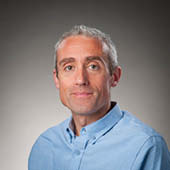
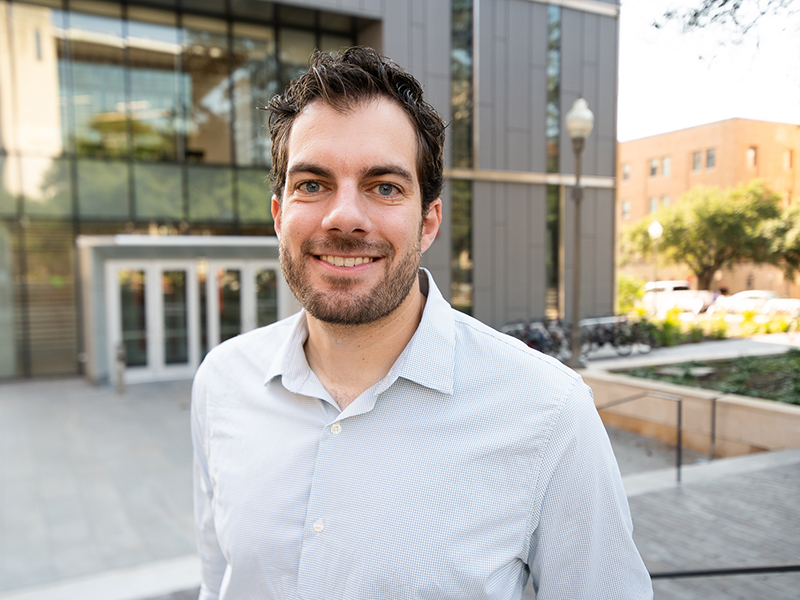
Professor Ian Walker is a leading environmental psychologist at Swansea University's School of Psychology , Faculty of Medicine, Health and Life Sciences. His interdisciplinary research bridges psychology with engineering and architecture to address real-world challenges in transport, energy, and water systems. Psychology lead for VSimulators building motion simulators Available for postgraduate supervision ORCID: 0000-0002-0079-3149 Research Expertise includes: Transport options and vulnerable road users Energy and water systems literacy Behavioral analysis of sustainable travel Psychological dimensions of building motion effects Recent Publications demonstrate cross-sector impact: Motonormativity framework development Wind-induced vibrations in tall buildings 20 mph speed limit effectiveness studies Equine regenerative medicine applications He contributes to pedagogical innovation through module PSY367 "Psychology of Building a Better World" and actively supervises research projects like SMART-AGE and air quality perception studies. His work appears in BMJ Open , Global Environmental Change , and Building Research & Information .
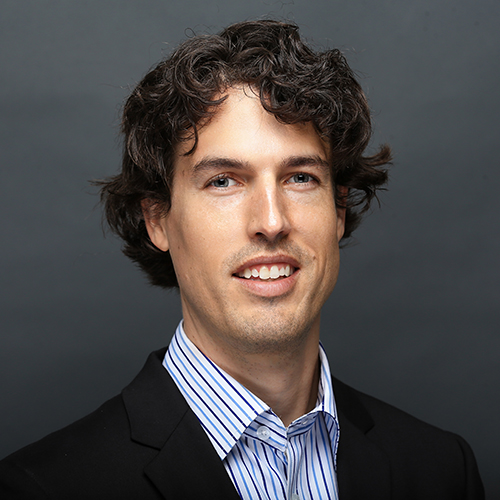
Timothy Reissman is an Associate Professor in the Department of Mechanical and Aerospace Engineering at the University of Dayton’s School of Engineering. He is a full-time faculty member actively engaged in research, teaching, and professional service. His work bridges engineering and healthcare, focusing on human-machine interfaces and assistive technologies. Education: Ph.D., Mechanical Engineering, Cornell University, 2013 M.S., Mechanical Engineering, Cornell University, 2008 B.S., Mechanical and Aerospace Engineering, Cornell University, 2002 Dr. Reissman's research centers on developing mechatronic systems to improve medical and assistive devices such as prostheses, exoskeletons, rollator walkers, and canes. His work integrates biomechanics, control systems, and wearable technology. He maintains clinical collaborations with physical therapy faculty and hospitals in the Dayton area, ensuring real-world relevance. His group also investigates coupled electromechanical systems and energy harvesting for autonomous devices. His recent publications span from 2025 to 2020, showing sustained productivity in interdisciplinary areas including rehabilitation engineering, robotics, smart thermostats, and engineering education. The research demonstrates a strong trend toward human-centered design, sensor integration, and the application of virtual reality and wearable sensors in mobility assessment. Scientific Awards: University Teaching Fellow, University of Dayton, 2017–2018 Kern Entrepreneurial Engineering Network Faculty Fellow, 2017 National Institutes of Health NRSA T32 Postdoctoral Fellow, 2013–2015 Intelligence Community Research Fellow, Department of Defense, 2010–2012 Dr. Reissman advises student research and teaches courses such as Mechatronics, Robotics, and Dynamic Systems. He has secured research grants related to assistive technology and engineering education, including NSF IUSE grants. He serves as an Associate Editor for the Journal of Assistive Technology and is active in ASME, IEEE, and ASEE. His work is supported by strong institutional and clinical partnerships. He leads a research group focused on autonomous systems and human augmentation, with access to labs in Kettering Laboratories. His team develops novel solutions such as smart prosthetic liners, energy-harvesting structures, and feedback devices for mobility aids. Future work includes expanding the use of VR and AI in rehabilitation and enhancing the functionality of wearable assistive devices.
Associate Professor Mike Perkins is an academic at Flinders University's College of Science and Engineering , specializing in Marine natural products chemistry , Stereoselective synthesis , and Organic chemistry . His research focuses on developing synthetic methodologies for novel bioactive compounds, particularly targeting antibiotic-resistant bacteria and diseases like cancer and AIDS. Key research areas include: Stereo-selective synthesis of polypropionates Marine mollusc-derived compounds (auripyrone, tridachiapyrones) Antibiotic discovery through genome analysis Electrochemical polymer synthesis His recent work involves compounds like (-)-membrenone-A, auripyrone-B, and Stenhouse adducts. Notable scientific award : 2013 Australian Fulbright Alumni (W G Walker) Scholarship As a supervisor, he guided Matthew Norris (2013 Fulbright recipient). Collaborations span marine chemistry, polymer science, and microbiology, with 74 research outputs and 23 h-index. Current SDG contributions include drug development for global health challenges.
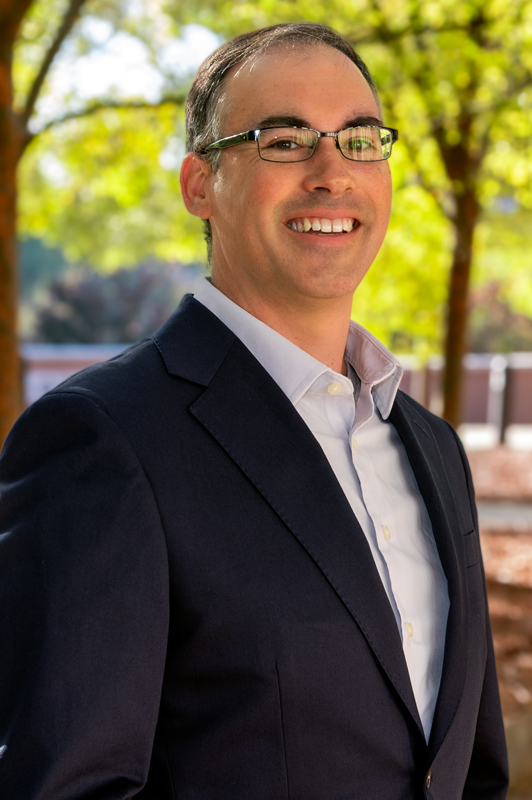
Daniel Bolliger serves as a Lecturer at the Institute of Electrical Engineering within the School of Engineering and Architecture at Lucerne University of Applied Sciences and Arts (HSLU). Based at the iHomeLab research group in Horw, Switzerland, his work bridges electrical engineering and human-centered technology applications for real-world implementation. His research spans Smart Home Systems, Assistive Technology for elderly and dementia care, Human-Computer Interaction, Demand Response in energy management, Quantum Sensors, and Telerehabilitation. Key projects include HAR (Human Activity Recognition), RecoveryFun, NV diamond quantum sensors, CleverGuard, and dementia-focused initiatives like BODYGUARD, Living Well with Anne, and CarerSupport. He actively explores technology integration in healthcare pathways and energy optimization systems. Dr. Bolliger's publication record reflects consistent contributions to ambient assisted living and smart building technologies, with recent emphasis on explainable AI in VR telerehabilitation and embodied conversational agents for dementia care. His work demonstrates strong interdisciplinary collaboration across engineering, healthcare, and social domains. He has contributed to over 15 research projects including OpOSaD, enerFACEpredict, Cyber-Human Systems for Parkinson patients, and Demand-Response initiatives, indicating sustained grant activity. As a core member of the iHomeLab, he advances smart home technologies through international conference presentations at venues like the AAL Forum and FTAL Conference on sustainable cities.
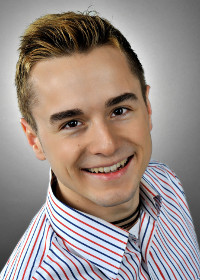
Andreas Lars Wachaja is a Doctoral Research Assistant at the Autonomous Intelligent Systems group within the Department of Computer Science at Albert-Ludwigs-Universität Freiburg, Technical Faculty, Germany. He has been actively contributing to research since 2013 under the supervision of Prof. Dr. Wolfram Burgard. His office is located at Georges-Köhler-Allee 080, Room 00-023, Freiburg i. Br. Education: Dipl.-Ing. in Mechanical Engineering, Karlsruhe Institute of Technology (2007–2013) Current Affiliation: Department of Computer Science, Albert-Ludwigs-Universität Freiburg Research Group: Autonomous Intelligent Systems Co-Founder: dotscene GmbH (2016) Andreas Lars Wachaja’s research interests lie at the intersection of robotics and assistive technology. He focuses on developing robotic systems for ambient assisted living , particularly for individuals with visual and mobility impairments. His work includes precise 3D SLAM using LiDAR , machine learning for sensor data analysis , and the design of smart walkers equipped with vibrotactile feedback systems. His research emphasizes real-world applications, usability, and human-centered design in robotic navigation aids. The recent publications highlight a strong trend in assistive robotics , especially in creating navigation solutions for the visually impaired. His work integrates SLAM, haptic feedback, and shared autonomy to develop inclusive technologies. The research spans both academic publications and practical implementations, reflecting a commitment to bridging the gap between robotics and rehabilitation. Andreas has contributed to teaching in areas such as operating systems and robot navigation. While no formal scientific awards are listed, his work has been featured in notable media outlets such as ingenieur.de, Heilbronner Stimme, and idw - Informationsdienst Wissenschaft, indicating public and scientific recognition. He has not supervised any students formally listed, but has collaborated extensively with researchers like Pratik Agarwal, Wolfram Burgard, and Knut Möller. He is involved in significant research projects including ZAFH-AAL (Center for Applied Research on Ambient Assisted Living) and iVIEW (intelligent vibrotactile-induced extended perception), which focus on cognitive and physical assistance through intelligent systems. These projects reflect a multidisciplinary approach combining engineering, computer science, and healthcare applications. Andreas is associated with the Autonomous Intelligent Systems lab at the University of Freiburg, a leading group in robotics and AI research. The lab specializes in mobile robotics, perception, and human-robot interaction, providing a strong foundation for his work in assistive technologies.
Jeffrey LaMondia is an Associate Professor in the Department of Civil and Environmental Engineering at Auburn University's Samuel Ginn College of Engineering. His research expertise includes travel demand modeling, active transportation safety, and discrete choice analysis, with a focus on equitable planning for vulnerable road users and long-distance travel behavior. Ph.D. in Transportation Engineering, University of Texas M.S. in Transportation Engineering, University of Texas B.S. in Civil Engineering, University of Connecticut Dr. LaMondia pioneers advanced methodologies for travel surveys and develops technologies like smartphone applications for cyclist route tracking, GIS-based tools for network prioritization, and longitudinal travel data collection systems. His work bridges transportation engineering with sustainability and social equity, particularly in rural and suburban contexts. Recent publications explore transportation resilience frameworks, climate-conscious travel behavior, GIS-enabled equitable route planning, and impacts of emerging mobility services. Awards include the Resilient Roads Roundtable’s Innovators and Influencers Award, National Academies' Fred Burggraf Best Paper Award, and Auburn University's Walker Teaching Award. He mentors graduate students and collaborates with agencies like the Centers for Disease Control and Prevention (CDC) on grants such as a $4.4 million initiative to improve active transportation in Alabama. His leadership also extends to Auburn University Transportation Research Institute (AUTRI).
Astrid Layton is an Assistant Professor and Donna Walker Faculty Fellow in the J. Mike Walker ’66 Department of Mechanical Engineering at Texas A&M University's College of Engineering. Her research integrates ecological principles into engineered systems design. Research focuses on sustainable system design, bio-inspired approaches, circular economy, industrial ecology, and resilience quantification. Key areas include ecological network analysis for human-engineered systems, bio-inspired diagnostics for cyber-physical security, and circularity in manufacturing. Recent publications emphasize machine learning integration for green buildings, makerspace optimization, and bio-inspired market systems. Articles demonstrate cross-disciplinary convergence of ecology, data science, and resilience engineering. Awards include: NSF CAREER Award (2024) ASME Best Paper Award (2020) Faculty Excellence in Teaching Award (2023) Graedel Best Paper (2nd place, 2017) Leads the Bio-inspired Systems Lab (BiSSL), exploring network-based sustainability solutions. Research involves industry collaborations including energy networks and manufacturing systems.
Michael Moreno is Associate Professor of Mechanical Engineering at Texas A&M University's College of Engineering, holding the J. Mike Walker '66 Faculty Fellowship. He serves as Assistant Dean of Innovation for Engineering Medicine and is affiliated with Biomedical Engineering. Education: Ph.D. in Biomedical Engineering (Texas A&M, 2009), M.S. in Biomedical Engineering (Florida International University, 2003), M.S. in Science Education (Florida International University, 1997), B.S. in Physics (Florida International University, 1996). His biomechanics research spans medical device innovation, cardiovascular systems, orthopedic applications, and sports performance. Current projects include LVAD hemocompatibility, 3D bioprinting, and motion analysis in veterinary contexts. Moreno's publications reflect cross-disciplinary approaches to medical challenges, with recent emphasis on computational modeling in orthopedics, innovative surgical techniques, and performance optimization in athletics. Technical developments include novel bioreactor systems and constitutive bone models. Dean of Engineering Excellence Award (2016) TEES Young Faculty Fellow Award (2016) ASME Bioengineering Division Skalak Award (2012) He leads research on cardiac compression devices and advises projects in sports biomechanics. Laboratory work includes custom instrumentation for soft tissue characterization and in vitro physiological simulation.
Dr. Zheng O'Neill is a Professor in the Department of Mechanical Engineering at Texas A&M University, holding the J. Mike Walker ’66 Professor II title. His research focuses on building energy efficiency, intelligent controls, and grid-interactive systems. He leads the Texas A&M Building Energy and HVAC&R Research Group, advancing sustainable building technologies. Education: Ph.D. in Mechanical Engineering from Oklahoma State University (2004), M.S. in Thermal Engineering from Tongji University (2000). Research Interests: Building/HVAC&R energy efficiency Intelligent building controls and optimization Grid-interactive efficient buildings Heat pump technologies Uncertainty quantification in building energy systems Well-being in the built environment Publications reflect a focus on cutting-edge topics like cyber-physical security, occupancy-centric controls, and AI-driven energy systems. Recent work emphasizes resilience, fault detection, and testbed development for smart buildings. Awards: Recognized as an IBPSA and ASHRAE Fellow (2021), recipient of multiple grants including Texas A&M’s Engineering Genesis Award (2020) and DOE-funded projects. His work bridges academia and industry, addressing global energy challenges. Grants and Collaborations: Active in NSF and DOE-funded initiatives, including the IN2WIBE network for well-being in buildings and the CYDRES project on cyber defense for grid systems. Collaborates with institutions like Pacific Northwest National Laboratory and Daikin. Labs/Teams: Maintains advanced facilities like the Smart and Connected Homes Testbed and the Water Source Heat Pump Testbed, enabling hardware-in-the-loop experiments and field demonstrations.
Dr Matthew Walker is a Research Associate in Molecular Biosciences at the University of Glasgow , affiliated with the James Watt School of Engineering and the Centre for the Cellular Microenvironment (CeMi) . His work combines cell biology, bioengineering, and materials science to develop advanced platforms for studying cell-extracellular matrix interactions. Bachelor's in Biology from University of Hull (2014) MRes in Glycosylation Mutants (University of York, 2015) PhD in Biomedical Nanomaterials (University of York, EPSRC-funded 2016-2019) His research focuses on mechanosensitive regulation of cell behavior using dynamic hydrogels and nanotopographical surfaces. Current work at CeMi investigates viscoelastic matrices for modeling cancer progression , fibrosis , and neurodegenerative diseases while developing smart biomaterials for therapeutic delivery. Recent publications highlight interdisciplinary work across biomedical engineering, polymer chemistry, and stem cell biology. Key themes include hydrogel mechanotransduction , dynamic extracellular matrix modeling , and biomaterials for tissue regeneration . Collaborations span multiple departments including Physics, Chemistry, and Electronics. Dr Walker has supervised 11 students on projects related to: Bladder tumor microenvironment modeling Tensile stretching device development Torsional AFM modalities Epithelial-mesenchymal transition Biolubrication studies Co-culture hydrogel systems
Alexander Marras is an Assistant Professor in the Walker Department of Mechanical Engineering at The University of Texas at Austin, affiliated with the Texas Materials Institute. He holds a PhD from The Ohio State University (Presidential Fellow) and completed postdoctoral research at the University of Chicago and Argonne National Laboratory. His research focuses on biomolecular self-assembly, DNA-based nanotechnology, and smart biohybrid materials. Notable achievements include pioneering work on DNA origami mechanisms and contributions to mRNA nanoparticle characterization. Education: PhD in Mechanical and Aerospace Engineering (Ohio State University), Postdoctoral Research at Pritzker School of Molecular Engineering (University of Chicago). His lab develops nanoscale engineering solutions for nucleic acid delivery, DNA sensors, and biohybrid systems. Awards include the Best Poster Award at Foundations of Nanoscience and recognition as a Presidential Fellow. Research interests span structural design of nanoparticles, polyelectrolyte complex micelles, and biomimetic materials. His group’s work bridges mechanical engineering with molecular biology, emphasizing translational applications in healthcare and nanotechnology. Recent projects include vaccine stability studies and photoacoustic imaging agents. Key roles: Co-chair of Biomolecular Self-Assembly sessions (AIChE), Guest Editor of Applied Sciences, User Executive Committee member (Lawrence Berkeley National Lab Molecular Foundry). Labs/Teams: Marras Research Group at UT Austin.
Daniele Berardini is a Research Fellow at the Department of Information Engineering (DII) of Università Politecnica delle Marche in Ancona, Italy. He is also a PhD student under Prof. Emanuele Frontoni, focusing on Edge Artificial Intelligence and real-time human behavior analysis through video surveillance. His work emphasizes lightweight Deep Learning methods for resource-constrained devices, with applications in healthcare monitoring, security systems, and environmental surveillance. Education: Bachelor's degree (cum laude) in Computer Science (2017), University of L'Aquila Master's degree (cum laude) in Computer Science (Network and Data Science) (2019), University of L'Aquila PhD in progress at Università Politecnica delle Marche (since 2020) Research Interests: His research integrates Machine Learning and Deep Learning techniques for developing efficient monitoring systems. Key areas include Edge AI for real-time analysis, human behavior detection in indoor/outdoor environments, and ethical considerations in AI deployment for healthcare and surveillance. His methodologies often combine optimization frameworks with neural networks to enhance computational efficiency. Labs/Teams: He is part of the Vision, Robotics and Artificial Intelligence (VRAI) research group at DII, focusing on interdisciplinary projects such as neonatal care monitoring, weapon detection in video surveillance, and sustainable AI for medical applications. Grants/Advising: No specific grants or advising roles explicitly mentioned in the text.
Lucia Migliorelli is a Research Fellow at the Polytechnic University of the Marche, Italy. She completed her Master of Science in Biomedical Engineering (cum laude) in 2018 and has been pursuing a PhD since 2018 under Prof. Emanuele Frontoni. Her research focuses on AI-driven monitoring systems for healthcare applications, leveraging multimedia data analysis without wearable sensors. Key areas include human action recognition, medical record analysis, and non-invasive patient monitoring for populations like preterm infants and elderly patients. Education highlights include a Master’s thesis on machine learning for diabetes management and ongoing PhD work on intelligent spaces for automated behavior analysis. Current projects involve federated learning for medical imaging (e.g., MRI-to-CT synthesis) and edge AI for real-time surveillance systems. She is based at the Polytechnic University of the Marche, contributing to interdisciplinary research at the intersection of biomedical engineering and artificial intelligence. Her publications span medical image analysis, AI in digital humanities, and ethical considerations in healthcare AI. She actively develops prototypes for neonatal intensive care units, emergency vehicle detection, and groundwater level prediction. No scientific awards are explicitly listed, though her work reflects strong contributions to AI-driven healthcare innovation. Current advising and grants are not detailed in the text, but her research aligns with lab efforts in environmental AI, rehabilitation robotics, and telemonitoring systems for neurological disorders. She collaborates with multidisciplinary teams to advance ethical, sustainable AI solutions for clinical and societal challenges.
Assoc.-Prof. Dr. Kerstin Hödlmoser is an Associate Professor at the Faculty of Social Sciences , University of Salzburg , affiliated with the Department of Psychology and the Centre of Cognitive Neuroscience (CCNS). Her work bridges biological psychology and sports psychology, focusing on sleep, cognition, and regeneration in competitive sports. Education : PhD in Psychology (2004–2007), University of Salzburg Master’s in Psychology with focus on sports sciences (1999–2004), University of Salzburg Her research employs longitudinal designs to explore biopsychological processes like sleep and motor learning from childhood to adulthood. She emphasizes practical applications, including collaborations with the Austrian Health Insurance Fund and FWF-funded studies such as 'How SMART is it to go to bed with the PHONE.' Key publications highlight her contributions to understanding sleep oscillations , motor adaptation , and developmental memory consolidation . Notable collaborations include work with Prof. Matthew Walker at the University of Berkeley. She maintains an active research group at www.sleepscience.at and leverages cross-disciplinary methodologies in sleep science and cognitive neuroscience.
Xanthi S. Papageorgiou is an Assistant Professor in the Department of Product & Systems Design Engineering (DPSD) at the University of the Aegean's School of Engineering (2025–present). She concurrently serves as Head of the Robotics and Cognitive Systems Unit at UBITECH in Athens and Limassol. Her academic roles also include adjunct positions at National Technical University of Athens (NTUA) School of Mechanical Engineering (2022–2024), University of Athens Department of Physics (2019–2021), and others. She holds a Mechanical Engineering Diploma (2003) and PhD (2009) from NTUA, with postdoctoral research at NTUA's Intelligent Robotics Lab (2013–2018). Research focuses on neuro-robotics, human-robot interaction, rehabilitation robotics, and adaptive control systems. Her work addresses challenges in gait analysis for mobility assistance devices, assistive bathing robots, and real-time human state estimation. Key contributions include user-adaptive control frameworks, gait stability prediction, and multimodal sensing integration. Publications span over 70 peer-reviewed articles in IEEE journals and conferences. Awards include multiple Thomaidion Awards (NTUA), Best Paper Awards, and scholarships from Eugenides Foundation. She reviews for international journals and conferences and is active in IEEE Robotics & Automation Society. Her labs and projects include the I-Support assistive bathing system and the development of robotic platforms for elderly care. Research collaborations span academia and industry, addressing both technical and clinical validation aspects of robotic systems.