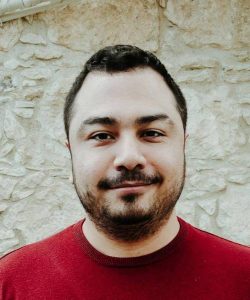
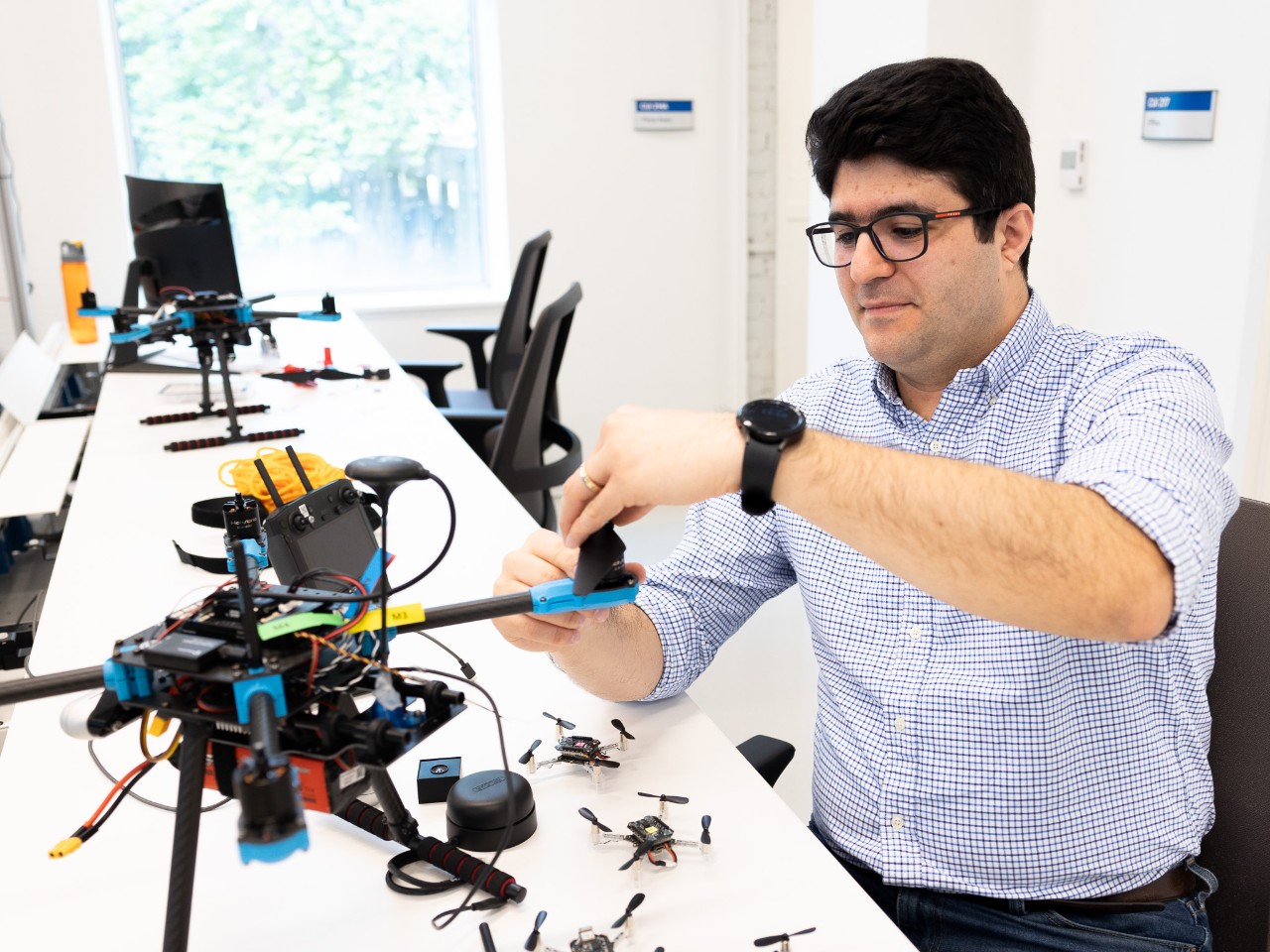
Andreas Kasis is a Research Lecturer at the KIOS Research and Innovation Center, University of Cyprus. He holds a PhD from the University of Cambridge (2017) and focuses on control systems for power networks. Research emphasizes: Stability analysis in smart grids Cyber-physical system security Optimal power allocation strategies Recent publications address sliding mode control under cyber attacks and traffic network stability.
Marc Bodson is a Professor of Electrical & Computer Engineering at the University of Utah, Salt Lake City. He holds a PhD in Electrical Engineering and Computer Science from the University of California, Berkeley, and has served as Chair of the Department of Electrical & Computer Engineering from 2003 to 2009. His research focuses on adaptive control with applications to electromechanical systems and aerospace, including work on doubly-fed induction machines and hybrid-electric propulsion systems. Education: Ph.D., Electrical Engineering and Computer Science, UC Berkeley (1986) M.S., Electrical Engineering and Computer Science, MIT (1982) M.S., Aeronautics and Astronautics, MIT (1982) Ingénieur Civil Mécanicien et Electricien, Université Libre de Bruxelles (1980) Research Interests: Adaptive control for electric motors and generators Control systems for hybrid-electric propulsion Stability and robustness analysis of power systems Complex-variable representation for control design Key Contributions: Developed control algorithms for doubly-fed induction generators (DFIGs) and motors, explored voltage and current control strategies for power converters, and contributed to mitigating sub-synchronous resonances in power grids. His work emphasizes practical implementations validated through experiments and simulations. Awards: IEEE Fellow (2006) AIAA Associate Fellow (2013) Utah Engineers Council Engineering Educator of the Year (2006) Life Fellow, IEEE (2023) Grant-funded projects include the W M Keck Foundation Award (2019-2022) and a Power Systems Program consortium grant (2008-2017). He has taught courses on electric generators, motor control, and power systems, emphasizing practical and theoretical integration. His editorial roles include Editor-in-Chief of the IEEE Transactions on Control Systems Technology (2000-2003).
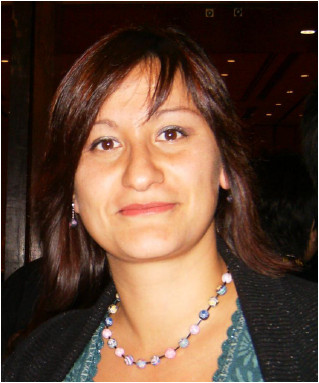
Angelo Cenedese is an Associate Professor at the Department of Information Engineering (DEI), University of Padova, and leads the SPARCS Lab (Flying Arena and Mobile Robotics Laboratory). He co-leads the NAVLAB (Autonomous Navigation Laboratory) and holds senior roles in IEEE societies, including the Control Systems Society (CSS) and Robotics and Automation Society (RAS). His academic activities span teaching, editorial work as Associate Editor for IEEE Transactions on Industrial Informatics, and leadership in research projects focusing on robotics, control systems, and multi-agent networks. His research interests include robotics , control systems , multi-agent coordination , computer vision , autonomous navigation , and industrial automation . His recent publications emphasize machine learning for industrial vision systems, adaptive control in aerospace robotics, distributed state estimation , and secure UAV navigation under GNSS spoofing. Key trends involve edge computing , collaborative robotics , and AI-driven optimization . Scientific Awards: Award for 'Most Innovative Application' at Quality Control by Artificial Vision Conference (QCAV 2019) His projects include AI in Manufacturing (AIMS5.0), Sustainable Mobility (PNRR-MOST), and 6G Networking (PREDICT-6G), often in collaboration with Italian and international institutions. Teaching roles cover Robotics and Control , Networked Control Systems , and Computer Vision courses at both undergraduate and graduate levels.
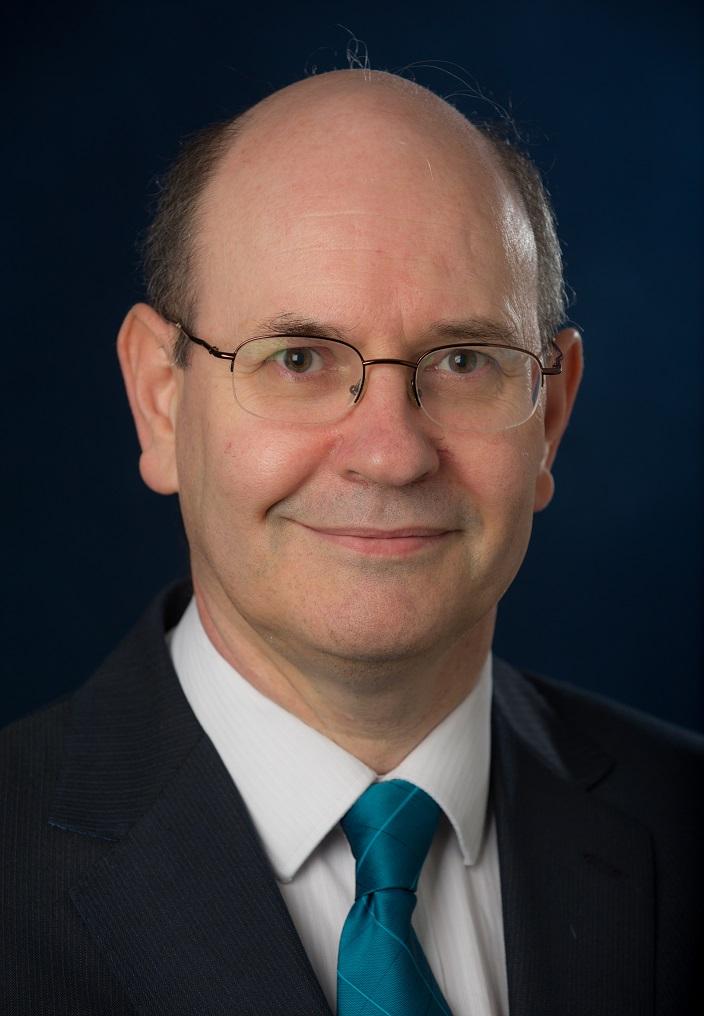
Mohamed Kamel was a Professor in the Department of Electrical and Computer Engineering, co-founding director of the Centre for Pattern Analysis and Machine Intelligence (CPAMI). He contributed extensively to interdisciplinary research across machine learning, robotics, biometrics, and vehicular networks. His work integrated computational methods with ecological, medical, and engineering challenges. Research interests span machine learning applications, biometric systems, robotics, image analysis, and VANET (Vehicular Ad Hoc Network) technologies. Notable contributions include biometric identification systems, human-robot interaction frameworks, and environmental modeling using Maxent techniques. He also explored advanced battery systems and genetic diagnostics for psoriasis treatment. Publications reflect a focus on interdisciplinary topics: from underwater gesture recognition to protein sequence analysis, and from Li-ion battery cathodes to medical imaging algorithms. His work bridges theoretical advancements with practical implementations in safety systems, conservation biology, and clinical diagnostics. Awards and recognitions are not explicitly stated in available texts. His legacy includes foundational contributions to the CPAMI and mentorship through collaborative research projects.
Clara Mihaela Ionescu is a Full Professor at the Faculty of Engineering and Architecture , Ghent University, Belgium, since October 2016. She leads the Dynamical Systems and Control (DYSC) research unit and contributes to the Centre of Excellence in Sustainable Pharmaceutical Engineering . Her academic journey includes an M.Sc. in Industrial Informatics and Automation (2003, Dunarea de Jos University) and a PhD in Biomedical Engineering (2009, Ghent University). Education : M.Sc. Automation & Applied Informatics, 2003 PhD Biomedical Engineering, 2009 Dr. Ionescu’s research spans fractional order systems , predictive control algorithms , and AI-driven biomedical applications . Her work focuses on optimizing multi-drug administration during anesthesia , developing non-invasive medical devices , and modeling respiratory and hemodynamic systems . She integrates hybrid AI methods with control theory to address clinical challenges. Recent publications highlight advancements in fractional-order control for anesthesia , LSTM-based pain prognosis , and ECG electrode sustainability . Her ERC Consolidator Grant (AMICAS) supports AI-enhanced drug infusion systems. She organizes international conferences (e.g., IFAC Advances in PID Control ) and serves as Associate Editor for IEEE Control Systems Society. Scientific Awards : ERC Consolidator Grant (2022) FWO Postdoctoral Fellowship (2011-2017) International Innovation Prizes in Medical Devices She mentors PhD researchers in AI for pain assessment, fractional control strategies, and hemodynamic stabilization. Her lab collaborates with Flanders Make and Centre for Sustainable Pharmaceutical Engineering , emphasizing cross-disciplinary innovation and clinical translation .
Glen McHale is Professor of Interfacial Science & Engineering and former Director of Chemical Engineering (2020-2024) at the University of Edinburgh. His research integrates wetting dynamics, bio-inspired surfaces, and acoustic wave technologies. Key innovations include slippery liquid-infused surfaces, dielectrowetting for liquid control, and Leidenfrost-based heat engines. Research explores nature-inspired surface engineering, droplet manipulation, and functional materials. Applications range from anti-biofilm coatings to energy harvesting systems. Recent publications advance understanding of friction in droplet motion and liquid-infused surface fluidics. Recipient of EPSRC Platform Grant for world-leading research Global Engineering Impact Award winner (National Instruments) Fellow of Royal Society of Arts, Institute of Physics, and Senior IEEE Member Teaching includes Chemical Engineering Laboratories, Study Projects, and research supervision. Actively leads the UK Fluids Network Special Interest Group on Bio-Inspired Surfaces and develops public engagement initiatives like 'Natures Raincoats'.
Dr. Zakariya Al-Hamouz is a Professor and Chair of Electrical Engineering at Indiana Tech's Talwar College of Engineering and Computer Sciences. He holds a Ph.D. in Electrical Engineering from King Fahd University of Petroleum & Minerals (KFUPM). His research focuses on power systems protection, control systems, and fault diagnosis in electrical machinery. He has authored over 100 refereed journal and conference papers, secured seven U.S. patents, and received prestigious awards like the IEEE/IAS James Melcher Prize Paper Award (2001) and Indiana Tech's 2023 Faculty of the Year award. Education: Ph.D., Electrical Engineering, KFUPM (Dissertation: Analysis of the Ionized Field Around HVDC Transmission Lines) M.Sc., Electrical Engineering, Jordan University of Science & Technology (Thesis: Transmission Expansion Planning Using Quadratic Programming) B.Sc., Electrical Engineering, Yarmouk University Research Interests: Dr. Al-Hamouz specializes in rotating machinery fault diagnosis, power systems automation, and renewable energy integration. His work bridges theoretical modeling with practical industrial solutions, including contamination monitoring systems for high-voltage insulators and corona power loss mitigation in transmission lines. Grants & Projects: AbuShamleh & Al-Hamouz (2022-2023): Basic Communication System ($3,000) Al-Hamouz & Rumsey (2020-2021): Reinforcement of Electrical Engineering Labs ($7,806) KFUPM Projects: Corona Power Loss Analysis, Ash Waste Management, Water Tree Analysis Awards & Recognition: Recipient of KFUPM Excellence in Research Award (2000) First Prize at IEEE-GCC Conference (2003) Indiana Tech's NICE Faculty of the Year (2023) Academic Leadership: Dr. Al-Hamouz advises the Indiana Tech Robotic Football Team and leads initiatives in mechatronics education. His courses include Linear Controls, Electrical Machines, and Senior Design Projects.
William Nagel, PhD, is an Assistant Professor in the Robotics Engineering Department at Widener University. He is affiliated with the Robotics Engineering (BS and MSE) programs and focuses on advanced control systems, precision mechatronics, and nanopositioning technologies. His work bridges theoretical and practical engineering, with applications in atomic force microscopy and additive manufacturing. Education: PhD, Mechanical Engineering, University of Utah (2022) MS, Mechanical Engineering, University of Nevada, Reno (2015) BS, Mechanical Engineering, University of Nevada, Reno (2013) Research Interests: Control systems and robotics Nanopositioning and precision mechatronics Atomic force microscopy (AFM) and additive manufacturing Smart materials and structures Awards: Mechanical Engineering Teaching Assistant of the Year Award, University of Utah (2019–2020) Best Session Presentation Award, American Control Conference (2016) UNR GK-12 Fellow (National Science Foundation E-Fellowship Program, 2013) Teaching and Pedagogy: Dr. Nagel emphasizes student engagement through diverse learning styles, incorporating kinesthetic, visual, and auditory methods to enhance understanding of complex engineering concepts. He collaborates on interdisciplinary projects, such as the Make:able Challenge, combining robotics engineering and occupational therapy to create assistive devices. Professional Affiliations: Member of IEEE, ASME, and SPIE.
Hamid Hamed is an FWO Postdoctoral Fellow and project leader at Hasselt University's Department of Electrochemical Engineering, focusing on physics-based and data-driven models for advanced batteries. His work integrates non-equilibrium thermodynamics and multicomponent transport theory in porous media. Education: B.Sc. (2013) and M.Sc. (2016) in Chemical Engineering from Sharif University of Technology (Iran). His Bachelor’s thesis addressed in-situ groundwater remediation, while his Master’s explored dialysis membrane microstructure optimization. He completed his Ph.D. (2017–2021) at Hasselt University under Prof. M. Safari, studying mesoscale properties-performance relationships in batteries. Research interests span electrochemical engineering, battery modeling, and sustainable materials for energy storage. His projects address challenges in lithium-ion batteries, sodium-ion systems, and supercapacitors, with a focus on improving energy density and operational efficiency through material design and process optimization. Notable contributions include studies on lithium metal electrode dendrite growth, sodium-ion battery electrolyte strategies, and biomass-derived electrode materials. His work bridges theoretical modeling with experimental validation, emphasizing practical applications in energy storage systems.
Mohammad Mahdi Agheli Hajiabadi is an Associate Teaching Professor in Robotics Engineering at Worcester Polytechnic Institute (WPI), affiliated with the Robotics Engineering and Mechanical Engineering departments. He holds a PhD in Mechanical Engineering from WPI (2013), an MS from Tarbiat Modares University (2009), and a BS from Isfahan University of Technology (2006). His research focuses on legged and parallel robots, humanoid robotics, soft robotics, and the intersection of robotics with manufacturing. Key projects include the HURON humanoid robot, which emphasizes cost-effective disaster-response applications, and the Bimodal Quadruped Robot transitioning between quadrupedal and bipedal modes. He actively advises students on MQP projects involving legged robots, soft sensors, and 3D printing systems. Research interests include reactive stability control, human-inspired robot design, and sensor integration. His work on momentum-based push recovery for bipedal robots demonstrates advancements in dynamic stability. Teaching emphasizes conceptual understanding in kinematics, dynamics, and controls, fostering critical thinking in students. Current projects prioritize real-world applications in manufacturing and disaster relief, with a focus on educational platforms for robotics research. Collaboration with students spans undergraduate and graduate levels, with ongoing projects like the Balance Monitoring Insole and 6DOF mobile 3D printer. His lab leverages interdisciplinary approaches, blending mechanical design, control theory, and sensor technology. Future goals include enhancing humanoid robot locomotion in complex environments and advancing soft robotics for biomedical applications.
Antonio Candea Leite is an Associate Professor at the Department of Mechanical Engineering and Technology Management, Norwegian University of Life Sciences (NMBU). His research focuses on adaptive and robust control systems, visual servoing, robot manipulators, and agricultural robotics applications. His work emphasizes: Development of autonomous navigation systems for agricultural robots Integration of computer vision for precision agriculture tasks Control strategies for uncertain robotic systems Automation in food quality measurement and pest management Advanced sensor integration for manufacturing processes Recent research trends show strong emphasis on: CNN-based crop row detection for autonomous navigation (2024) Human-robot collaboration frameworks for fruit picking (2024) Robotics solutions for fatty acid measurement in food production (2023-2022) Precision pest control systems using smart automation (2023) No scientific awards or grants are explicitly listed in the provided information. He is actively involved in advising and developing robotic platforms for agricultural and industrial applications without specific student names mentioned here.
Sk Khairul Hasan is an Assistant Professor in the Department of Mechanical and Manufacturing Engineering at Miami University. His research focuses on robotics, mechatronics, nonlinear control, and data-driven modeling, with particular emphasis on exoskeleton systems for human rehabilitation. He teaches undergraduate and graduate courses in electrical and mechanical engineering, emphasizing foundational knowledge transfer. Dr. Hasan holds a Ph.D. in Mechanical Engineering from the University of Wisconsin-Milwaukee (2021), an M.S. in Mechatronics Engineering from International Islamic University Malaysia (2010), and a B.Sc. in Mechanical Engineering from Khulna University of Engineering and Technology (2008). His research interests include exoskeleton robot design, mechatronics systems, mobile robotics, and industrial IoT. Notable projects include an 8-DOF lower extremity exoskeleton for rehabilitation, fuzzy logic controllers for hybrid vehicles, and a 3-DOF programmable manipulator arm. Recent publications highlight advancements in exoskeleton control systems, including radial basis function controllers and sliding mode control algorithms. His work bridges theoretical control strategies with practical robotic applications in healthcare and industry. Recipient of the UWM Chancellor Award for Outstanding Research (2021) Member of IEEE Robotics and Automation Society, SAE, and Institute of Engineers Bangladesh Labs/Teams: Biomechatronics System Design Laboratory.
Dr. Reza Faieghi is an Assistant Professor in the Department of Aerospace Engineering at Toronto Metropolitan University and serves as the Director of the Autonomous Vehicles Laboratory. He holds a PhD from the University of Western Ontario, an MSc from Iran University of Science and Technology, and a BSc from Hamedan University of Technology. His research focuses on robotics, machine learning, and virtual reality, with specific applications in uncrewed aerial/ground vehicles, motion control, and human-system interactions. His work integrates advanced control systems with human factors to enhance autonomous systems safety. Current projects include developing intelligent UAV control algorithms, biomechanical modeling for ergonomic design, and VR-based surgical training systems. His research spans aerospace engineering, control theory, biomechanics, and human-computer interaction. Dr. Faieghi teaches courses including Intro to Aerospace Engineering Design, Aerospace Sensors, and Introduction to Machine Learning. He directs the Autonomous Vehicles Laboratory, which focuses on developing intelligent systems for transportation and healthcare applications.
Prof. Zoran D. Jovanovic is a Full Professor at the Department of Automation, Faculty of Electronics, University of Nis. He earned his PhD in Automation from the same faculty in 2006, following a Master's degree (1992) and undergraduate degree (1984) in Automation. His academic career includes extensive contributions to control systems, signal processing, and automation technologies. Education: PhD in Automation, Faculty of Electronics, University of Nis (2006) MSc in Automation, Faculty of Electronics, University of Nis (1992) BEng in Automation, Faculty of Electronics, University of Nis (1984) Research Interests: Focuses on control systems, dynamical systems modeling, fuzzy logic control, orthogonal functions, and their applications in engineering. His work bridges theoretical advancements with practical implementations in automotive systems, signal processing, and electromechanical systems. Publications: His research spans 9 journal articles in high-impact journals such as Journal of the Franklin Institute and International Journal of Electronics , emphasizing orthogonal function applications, sliding mode control, and system modeling. Awards and Activities: Recipient of the Dr Miroslav Despotović Diploma for mentoring the winning student team project on wireless traffic signal control (2011). Active in national/international projects: 3 national and 5 international. Advising & Projects: Supervised projects including the award-winning "Pалилулска Рампа" traffic control system, involving students in real-world automation challenges. His mentorship reflects a commitment to bridging academic research and industrial applications.
Миодраг Д. Спасић is an Associate Professor at the Department of Automatics, Faculty of Electronic Engineering, University of Niš, appointed in 2021. His academic journey includes completing his undergraduate studies at the same institution in 2010, followed by earning his PhD from the Norwegian University of Science and Technology in Trondheim in 2019. Dr. Spasić's research focuses on advanced control systems, particularly in the areas of model predictive control, orthogonal functions, neural networks, and nonlinear systems. His work demonstrates a strong emphasis on practical implementations for electromechanical systems, particularly DC motor control and magnetic levitation systems. He has developed innovative approaches combining orthogonal polynomial networks with traditional control methodologies to address challenges in robustness and real-time implementation. His publication record shows consistent productivity with 13 papers in journals with impact factors. Analysis of his recent publications reveals a clear research trajectory focused on enhancing control system performance through orthogonal function-based approaches, with increasing sophistication in handling nonlinearities and uncertainties in complex systems. His work bridges theoretical control concepts with practical engineering applications. Dr. Spasić is actively involved in research projects, currently participating in 2 national and 1 international projects. His collaborative work with colleagues at the University of Niš demonstrates strong institutional research connections within the Department of Automatics.