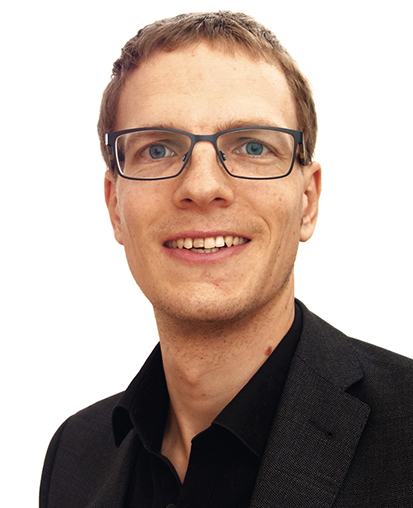
Tobias Kaufmann is a Full Professor of Neurotechnology and Computational Psychiatry at the University of Tübingen, Germany, and a Senior Researcher at the Norwegian Centre for Mental Disorders Research (NORMENT) at the University of Oslo, Norway. His research focuses on investigating the pathophysiological changes in brain structure and function, particularly exploring their genetic underpinnings through computational analysis of large-scale neuroimaging and genetic datasets. He has contributed to understanding the genetic architecture of brain regions like the thalamus and brainstem, their roles in psychiatric and neurological disorders, and the development of neuroimaging tools such as ARTiiFACT for artifact processing. His work bridges neurotechnology, computational methods, and clinical psychiatry to advance precision medicine approaches in mental health. His research interests include neuroimaging genetics, brain aging, and the application of machine learning to neuroimaging data. He has developed software tools for analyzing brain connectivity and functional networks, with a focus on schizophrenia, Alzheimer’s disease, and other psychiatric disorders. Kaufmann is also involved in collaborative initiatives like the ECNP NeuroImaging Network to promote open science and data-sharing in mental health research. His lab at NORMENT focuses on integrating multimodal data (e.g., MRI, genetics) to study brain disorders, while his role at the University of Tübingen emphasizes advancing neurotechnological methods. He has no listed awards but has published extensively in top journals like Nature Neuroscience and NeuroImage, with a strong emphasis on computational psychiatry and neuroimaging methodologies.
Marc Pomplun is a Professor and Chair of the Department of Computer Science at the University of Massachusetts Boston, and Director of the Visual Attention Laboratory. His research focuses on analyzing, modeling, and simulating human vision through eye-tracking, cognitive modeling, and interdisciplinary applications in education, neuroscience, and human-computer interaction. Education: Ph.D. in Cognitive Science (University of Bielefeld, Germany, 1998) Diploma Thesis in Computer Science (University of Bielefeld, 1994) Research Interests: Marc’s work spans visual attention, eye movements, dyslexia, human-computer interaction, and computational modeling of vision. He uses eye-tracking to study reading, memory, and visual search, and applies findings to assistive technologies and educational tools. Publications & Trends: His recent work includes AI-driven medical imaging for Alzheimer’s and cancer detection, gaze-based biometric identification, and adaptive learning systems for neurodiverse learners. He has published extensively in journals like Vision Research , PLoS ONE , and Journal of Vision . Scientific Awards: No specific awards are listed in the provided text. Advising & Grants: While no specific students are named, Marc has mentored numerous researchers and received funding for projects like GeoGaze, which integrates gaze data into geoscience education for neurodiverse learners. Labs & Teams: He directs the Visual Attention Laboratory at UMass Boston, focusing on interdisciplinary research in vision science and technology.
Prof. Dr.-Ing. Joachim Denzler is a Professor leading the Chair for Digital Image Processing (Lehrstuhl für Digitale Bildverarbeitung) at Friedrich-Schiller-Universität Jena. His research spans computer vision, machine learning, medical imaging, and remote sensing applications across diverse domains including biomedical analysis, environmental monitoring, and facial recognition systems. His research interests focus on explainable AI, causal discovery, physics-informed neural networks, and bias mitigation in deep learning models. He has made significant contributions to fine-grained classification, concept activation vectors, and privacy-preserving techniques in facial recognition. His work often bridges theoretical computer vision with practical applications in medical diagnostics, environmental science, and infrastructure monitoring. His recent publications demonstrate a strong trend toward causal discovery methods, physics-informed neural networks, and addressing bias in machine learning systems. His work spans both theoretical advancements in model interpretability and practical applications in medical imaging, environmental monitoring, and infrastructure safety. The interdisciplinary nature of his research is evident from collaborations with ecologists, neuroscientists, and civil engineers. Best Paper Award at International Conference on Pattern Recognition (ICPR) 2024 Prof. Denzler actively mentors numerous PhD students and postdoctoral researchers, with frequent co-authors including Maha Shadaydeh, Niklas Penzel, Gideon Stein, and Tim Büchner appearing as first authors on significant publications. His laboratory has secured research funding across multiple domains including medical imaging, environmental monitoring, and AI safety. His work on CausalRivers represents a major contribution to benchmarking causal discovery methods with real-world time series data. The Chair for Digital Image Processing maintains strong industry and clinical partnerships, particularly in medical imaging applications for facial palsy analysis and neonatal care. Prof. Denzler's team has developed novel techniques for dam deformation monitoring using remote sensing data and created advanced methods for analyzing plant diversity effects on ecosystem functioning.
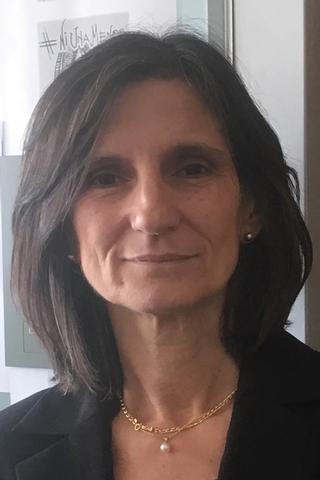
Isabel D. Fernandez, MD, MPH, PhD is an Associate Professor in the Department of Public Health Sciences at the University of Rochester School of Medicine and Dentistry. With expertise spanning nutritional epidemiology, public health, and clinical medicine, Dr. Fernandez focuses on understanding the determinants of nutritional status across the lifespan, particularly childhood malnutrition and obesity. Her research bridges population health with individual behaviors, examining how environmental factors interact with personal choices to influence nutritional outcomes. She has established herself as a leading researcher in weight management interventions, particularly in worksite and postpartum settings. Dr. Fernandez's educational background includes: PhD in Epidemiology from University of Minnesota (1999) MPH in Epidemiology from University of Minnesota School of Public Health (1994) MD from Buenos Aires National University (1981) As a nutritional epidemiologist, Dr. Fernandez specializes in the two ends of the nutritional status continuum - malnutrition and obesity. Her research examines societal determinants of nutritional conditions and how environmental factors interact with individual behaviors. Current projects include worksite interventions for weight gain prevention and qualitative studies on how low-income families navigate nutrition and physical activity choices. She integrates biological, behavioral, and environmental perspectives to develop comprehensive approaches to nutritional health, with particular focus on children, adolescents, and postpartum women. Her extensive publication record reveals a strong trajectory toward translational research that bridges nutritional science with practical interventions. Recent work spans pregnancy and postpartum health, worksite wellness, dietary assessment methodologies, and health disparities among minority populations. A notable trend is her increasing focus on technology-enabled interventions, including mHealth approaches for dietary assessment. She also maintains a strong interest in understanding the biological mechanisms underlying nutritional behaviors, as evidenced by studies examining cortisol patterns, gut hormones, and inflammatory markers in relation to eating behaviors and weight outcomes. Dr. Fernandez has received several prestigious awards throughout her career: Student Research Award (1998) Indirect Recovery Funds Award (1993) Predissertation Fieldwork Grant, MacArthur Interdisciplinary Program on Peace & International Cooperation (1992) Alumni Association Fellowship (1992) XIV Latin-American Pediatrics Congress Fellowship (1984) Honors Diploma (1981) Dr. Fernandez has led significant research projects including the "Images of a Healthy Worksite" group-randomized trial testing environmental interventions for worksite weight gain prevention and the "eMOMS" electronically-mediated weight intervention study for pregnant and postpartum women. Her grant portfolio reflects consistent funding for obesity prevention research across different life stages and settings. While specific students aren't listed in available information, her extensive publication record with multiple co-authors suggests active mentorship of graduate students and postdoctoral fellows. Dr. Fernandez is affiliated with the Center for Community Health and Prevention at the University of Rochester. Her collaborative work demonstrates involvement in multidisciplinary research teams that include experts in nutrition, epidemiology, behavioral science, and clinical medicine. She has developed strong partnerships with community-based organizations serving Latino and immigrant populations, particularly evident in her recent work with Mexican immigrant farmworkers.
Khald Aboalayon is a Part-Time Lecturer and Academic Program Director for the MS Data Analytics Program at Clark University's School for Professional Studies (SPS). He holds a Ph.D. in Computer Science & Engineering (2016) from the University of Bridgeport, where he also completed his post-doctoral research in Biomedical Engineering with the D-BEST laboratory. His academic journey includes a B.Sc. in Computer Science from Sebha University (Libya) and an M.Sc. in Intelligent Systems from the University of Utara Malaysia (2005). Dr. Aboalayon's research focuses on applying Machine Learning and statistical methods to healthcare challenges, particularly in Signal Processing for bio-physiological signals like EEG. His work addresses sleep disorders, epilepsy detection, and fatigue monitoring. He emphasizes solving real-world health issues through interdisciplinary approaches. His publications span 2005–2022, with notable contributions to EEG-based sleep stage classification, ECG signal denoising, and FPGA implementations. Collaborations include the D-BEST lab’s biomedical embedded systems projects. Despite no explicitly mentioned awards or grants, his work reflects sustained engagement in healthcare technology solutions.
Jesse Davis is a Professor at the Department of Computer Science , KU Leuven , actively contributing to the Machine Learning group and the Sports Analytics Lab . He is part of the Faculty of Engineering Science and the Leuven.AI Institute . Ph.D. in Computer Sciences from University of Wisconsin-Madison (2007) M.S. in Computer Sciences from University of Wisconsin-Madison (2005) B.A. in Computer Science from Williams College (2002) His research focuses on machine learning, data mining, big data analytics, and sports analytics, with significant work in: Transfer learning and Markov logic networks Anomaly detection and semi-supervised learning Medical NLP and biomechanical data analysis Soccer performance metrics and tactical analysis His recent work explores spatio-temporal data analysis in sports and explainable AI for medical applications, with collaborations spanning finance, healthcare, and semiconductor manufacturing. Notable scientific awards include: Best Paper Award (Applied Data Science Track) at KDD 2019 Best Technical Paper Award at Intelligence Analysis Workshop He advises numerous PhD and Master's students in areas like: Football analytics Tree ensemble compression Medical question-answering systems Biomechanical load prediction His lab develops tools such as: GSSL for Markov network structure learning TODTLER for transfer learning Alchemy system for Markov logic networks
Kaare Mikkelsen is an Associate Professor in the Department of Electrical and Computer Engineering at the Faculty of Technical Sciences, Aarhus University, specializing in biomedical engineering with a focus on ear-EEG technology for sleep and auditory neuroscience applications. His research pioneers non-invasive monitoring systems using ear-centered EEG sensors, developing machine learning frameworks for automatic sleep staging and auditory attention decoding. Key contributions include personalized sleep scoring algorithms that adapt to individual physiological variations and deep learning models for decoding brain responses to natural speech, enabling applications in hearing assistance and brain-computer interfaces. Recent publications (2022-2025) demonstrate a cohesive research trajectory centered on overcoming real-world challenges in wearable EEG: improving long-term reliability through electrode configuration studies, developing standardized data pipelines, and validating ear-EEG against clinical polysomnography. His work bridges engineering innovation with clinical sleep medicine, emphasizing at-home deployment and user-specific adaptation. Dr. Mikkelsen leads significant research projects including: Event based attention detection (2021-2024) Ear-EEG sleep monitoring (2015-present) His work receives funding from Danish research councils and involves collaborations with clinical partners for validation studies in naturalistic settings. As part of Aarhus University's Biomedical Engineering group, he utilizes advanced laboratories for sensor development and signal processing, contributing to the department's strategic focus on healthcare technology innovation.
Emmanuel Mignot is the Craig Reynolds Professor of Sleep Medicine at Stanford Medical School , where he directs the Stanford Center for Sleep Sciences and Medicine . His career spans molecular pharmacology, clinical neuroscience, and sleep medicine, with a focus on narcolepsy and autoimmune sleep disorders. Born: 1959 in Paris, France Education: Science Doctorate in Molecular Pharmacology, Université Pierre and Marie Curie Medical Degree, Necker-Enfants Malades, Université René Descartes École Normale Supérieure (Ulm) alumnus Mignot's research interests center on narcolepsy's autoimmune etiology, hypocretin/orexin biology, genetic susceptibility (HLA DQB1*06:02, DNMT1 mutations), and sleep-wake regulation. He pioneered understanding how H1N1 influenza and vaccinations trigger narcolepsy through molecular mimicry. His scientific contributions include over 200 publications, with recent work applying machine learning to sleep staging, proteomics in sleep apnea biomarkers, and genetic risk mapping across neurodegenerative conditions. Collaborative studies span pediatrics, neuroimaging, and autonomic dysfunction. Scientific Awards include the 2023 Breakthrough Prize in Life Sciences , Howard Hughes Medical Institute Investigator , McKnight Neuroscience Award , and membership in the National Academy of Sciences (IOM) . He chaired NIH advisory boards and served on editorial boards of premier sleep journals. Laboratory integrates genetics, proteomics, and AI for sleep research, mentoring postdocs and clinical researchers. Current projects explore orexin-based therapies , deep learning sleep models , and epigenetic mechanisms in ataxia-narcolepsy syndromes.
Madeleine Lowery is a Professor in the School of Electrical and Electronic Engineering at University College Dublin. She leads the Personal Sensing research group, focusing on engineering approaches to study the human nervous system in health and disease, with applications in therapies for impaired motor function. Her interdisciplinary research integrates neural engineering, electromyography, and biomedical signal processing. Specializes in neuromuscular systems and neural control of movement Develops myoelectric control systems for artificial limbs Designs high-density electrode systems for neural activity recording Investigates deep brain stimulation mechanisms in Parkinson’s disease models Her research spans neurodegenerative disorders (ALS, Huntington’s disease) and rehabilitation technologies , including wearable sensors for gait and sleep analysis. Key methodologies involve computational modeling , adaptive control systems , and biomedical signal analysis .
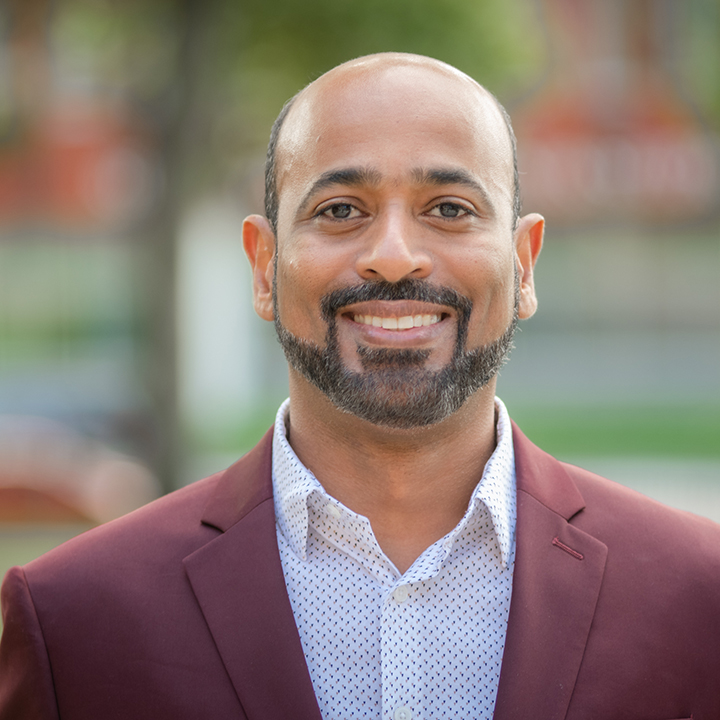
Emran Ali is a Graduate Researcher (Ph.D. candidate) and Part-Time Lecturer at Deakin University's School of Information Technology within the Faculty of Science, Engineering and Built Environment. He holds concurrent faculty appointments at Hajee Mohammad Danesh Science & Technology University (HSTU) in Bangladesh where he teaches computer science courses while on study leave. His academic journey includes a Master of Science (Research) in Information Technology from Deakin University (2022) and a Bachelor of Science in Computer Science and Engineering from HSTU. Doctor of Philosophy (Ph.D.) in Information Technology, Deakin University (2023–present) Doctor of Philosophy (Ph.D.) in Machine Learning, Coventry University (Cotutelle program, 2023–present) Master of Science (Research) in Information Technology, Deakin University (2020–2022) Bachelor of Science in Computer Science and Engineering, HSTU Bangladesh (2007–2012) Ali's research focuses on algorithm development and applied machine learning in health informatics, specializing in biosignal processing for neurological and sleep disorder detection. His work integrates time-series data analysis with explainable AI techniques to develop clinical decision support systems. Current projects include ML/DL modeling of sleep-stage transitions in aging populations and causal relationship analysis in sleep disorders using EEG data. Analysis of his 10 recent publications reveals strong concentration in biomedical ML applications (60%), particularly EEG-based neurological disorder detection and mental health diagnostics. Secondary focus areas include environmental monitoring systems (20%) and foundational computer science (20%). His work consistently employs ensemble methods and feature optimization techniques across diverse datasets, with increasing emphasis on real-world clinical applicability in recent publications. Deakin University Post-graduate Research Scholarship (DUPRS) through Cotutelle program with Coventry University National Fellowship from Bangladesh Ministry of Science and Technology (2020) Best Presentation Award at Deakin School of IT Conference (2021) AWS AI/ML Scholarships (2023, 2024) Next Generation Tech Booster Scholarship (2024) Ali provides research supervision at HSTU while serving as a Graduate Research Teaching Fellow at Deakin University for Machine Learning and Data Analytics units. His industry collaborations include projects with Monash University, Alfred Health, and AETMOS Australia focused on health informatics applications. Current funding includes AWS-sponsored nanodegrees and Deakin University research scholarships supporting his sleep disorder research. His technical work integrates cloud-based AI/ML platforms (AWS, Azure) with biosignal processing pipelines, utilizing collaborations across Australian healthcare institutions to validate clinical applications. Recent projects emphasize explainability in deep learning models for medical diagnostics, particularly in resource-constrained environments relevant to Bangladesh healthcare contexts.
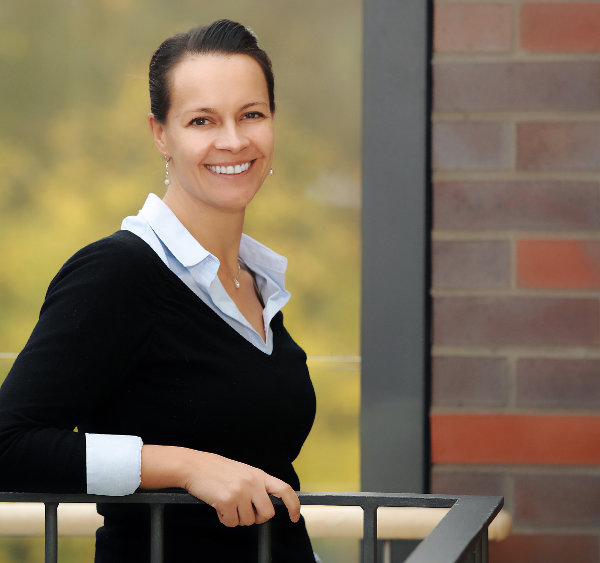
Celia Kjærby is an Associate Professor at the Department of Neuroscience, Faculty of Health and Medical Sciences, University of Copenhagen, where she also leads the Division of Sleep-Arousal State Transitions at the Center for Translational Neuromedicine. Her research focuses on understanding sleep micro-structures and their role in cognitive performance and brain health. Education: PhD, Graduate School of Health and Medical Sciences, University of Copenhagen (2012) M.Sc. (human biology), Faculty of Health and Medical Sciences, University of Copenhagen (2007) Bachelor of Science (biology), Faculty of Sciences, University of Copenhagen (2004) Kjærby's research investigates how sleep-arousal transitions impact restorative sleep processes related to memory consolidation and waste clearance. Her work is particularly relevant for understanding neurodegenerative and neuropsychiatric disorders where sleep disturbances play a significant role. She examines the complex micro-structures of sleep and how frequent short arousals contribute to normal sleep function. Her recent publications (2024-2025) reveal a strong focus on the glymphatic system, cerebral blood flow regulation during sleep, and the relationship between sleep disturbances and neurodegenerative conditions like Alzheimer's disease. Her research integrates advanced techniques including CRISPR/Cas9, fluorescent imaging, and machine learning approaches to analyze sleep patterns. Scientific Recognition: Member of Lundbeck Foundation Investigator Network (LFIN) (2022) Cover feature in Nature Neuroscience (August 2022) Kjærby has secured significant research funding including the Lundbeck Foundation Fellow award (2023), Lundbeck Foundation Seed Grant (2023), and an Inge Lehmann independent grant from the Independent Research Fund Denmark (2022). She serves on the editorial board of Frontiers in Neural Circuits and reviews for prestigious journals including Nature and Neuron. She is also active in scientific outreach, regularly participating in public lectures and media interviews about sleep science. She leads the research group focused on Sleep-Arousal State Transitions and has been instrumental in organizing neuroscience events including the monthly 'DIM the Brain' forum for students and postdocs at the University of Copenhagen since 2016.
Professor Maria Schweigel Prof. Maria Schweigel is a Professor at the Department of Autonomous Systems, Schmalkalden University of Applied Sciences. Her teaching focuses on automation control, electronic control systems, robotics, and embedded systems. She leads the research group 'Eingebettete Diagnosesysteme' (Embedded Diagnostic Systems) and specializes in artificial intelligence algorithms, optimization using genetic and evolutionary methods, and biosignal analysis for anesthesia and sleep studies. Her research spans robotics, embedded systems, image processing, and software development with tools like C/C++, MATLAB/Simulink, and LabView. Key projects include real-time EEG classification for anesthesia monitoring, low-SNR biomedical signal extraction, and SVM-based classification on resource-constrained platforms. She has contributed to international conferences like ECT and IWK TU Ilmenau, focusing on interdisciplinary applications in medical technology and autonomous systems. No scientific awards were explicitly listed in the provided materials. Her advising and grants are not detailed here, but her extensive publication record (2009–2016) demonstrates active involvement in collaborative research with colleagues like Wenzel, Walther, and Baumgart-Schmitt. She co-developed tools such as the Multi-EEG-Viewer and explored wireless biomedical signal transmission for relaxation control systems.
Hans van Dijk serves as a Senior Researcher in the Signal Processing Systems group within the Department of Electrical Engineering at Eindhoven University of Technology. He simultaneously holds leadership and research positions at multiple institutions, heading the Clinical Physics department at Kempenhaeghe (an institute specializing in Epileptology and Sleep medicine) and working as a Senior Researcher at the University Hospital in Ulm, Germany. His multidisciplinary career bridges engineering, clinical neurophysiology, and sleep medicine. Dr. van Dijk's research focuses on biomedical engineering applications in Clinical Neurophysiology, with particular expertise in electrophysiological techniques including EEG, EMG, and ECG. His work centers on developing and applying signal processing methods to diagnose neurological disorders, with specific emphasis on seizure detection using EEG , High-Density EMG for facial and masticatory muscles , and alternative diagnostic methods for sleep disorders . His recent publications demonstrate a strong focus on applying machine learning techniques to sleep medicine and epilepsy monitoring. Analysis of Dr. van Dijk's recent publications (2021-2025) reveals a consistent research trajectory in developing advanced signal processing methods for clinical neurophysiology. His work spans three main domains: epilepsy monitoring and seizure detection (particularly in children), sleep disorder diagnostics (using multimodal approaches beyond traditional polysomnography), and advanced EMG techniques for motor unit analysis. His research increasingly incorporates deep learning and multi-modal sensor fusion approaches to improve diagnostic accuracy while reducing the invasiveness of monitoring procedures. 2699 citations according to Scopus metrics 101 research outputs documented in institutional repository Active research collaboration with Philips Research and Kempenhaeghe Contributions to UN Sustainable Development Goals through medical diagnostics research Dr. van Dijk supervises research activities with 8 documented supervised works, collaborating extensively with clinical and engineering researchers across multiple institutions. His research program integrates signal processing expertise with clinical needs in neurology and sleep medicine, developing practical solutions for monitoring and diagnosing neurological disorders. His work at Kempenhaeghe focuses on translating engineering innovations into clinical practice for epilepsy and sleep disorder patients.
Richard J. Schwab, MD, is a Professor of Medicine specializing in Sleep Medicine at the Perelman School of Medicine, University of Pennsylvania. He serves as Division Chief of Sleep Medicine, leading clinical, research, and educational initiatives at the Penn Sleep Centers. His work integrates advanced imaging and biomechanical modeling to study obstructive sleep apnea pathogenesis. Education B.A., Haverford College (1979) M.D., University of Pennsylvania (1983) Dr. Schwab's research focuses on upper airway dynamics , utilizing MRI and CT to analyze biomechanical interactions in sleep apnea. Key interests include airway collapse mechanisms, obesity's role in respiratory disorders, and developing 3D modeling software for clinical applications. His team collaborates with Radiology and Engineering departments to innovate diagnostic tools. Recent publications (2024-2025) emphasize airway anatomy , pharmacological treatments (e.g., tirzepatide), and cerebral metabolism during sleep. Studies frequently employ multi-ethnic cohorts, pediatric genetic disorders, and advanced neuroimaging to explore apnea's systemic impacts. As Division Chief, he oversees multidisciplinary programs including the CPAP Clinic, Sleep Surgery, and Behavioral Sleep Medicine. The Penn Sleep Centers emphasize patient-centered care and train future specialists through fellowships and research collaborations.
Johan Hulleman is a Senior Lecturer at the University of Manchester's Division of Psychology Communication and Human Neuroscience. His research focuses on Visual Search, Visual Attention, and Methodology. He holds a PhD in Experimental Psychology from the University of Nijmegen (The Netherlands) and a BSc in Medical Biology from the University of Utrecht. Education: PhD in Experimental Psychology, University of Nijmegen BSc in Medical Biology, University of Utrecht Research interests include exploring how visual attention operates in complex tasks, error mechanisms in search processes, and the application of transcranial electrical stimulation (tES) to enhance cognitive performance. His work contributes to the UN Sustainable Development Goals by advancing understanding of neurological conditions like neurofibromatosis type 1 through electrophysiological studies. Recent articles highlight stochastic error analysis in visual search, cross-cultural reading direction effects, and meta-analyses of tES applications. Collaborations include projects with the University of Liverpool and Vrije Universiteit Amsterdam. He co-led the 'Application of Novel Techniques to Enhance Cognitive Performance' project (2020–2023), focusing on transcranial electrical stimulation. Teaching includes courses on psychological statistics and conceptual issues in psychology.