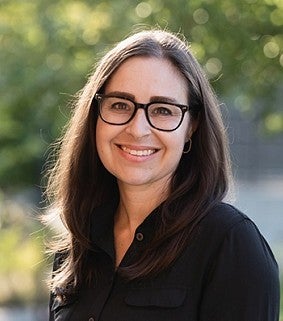
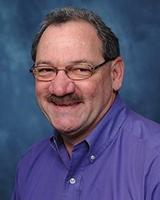
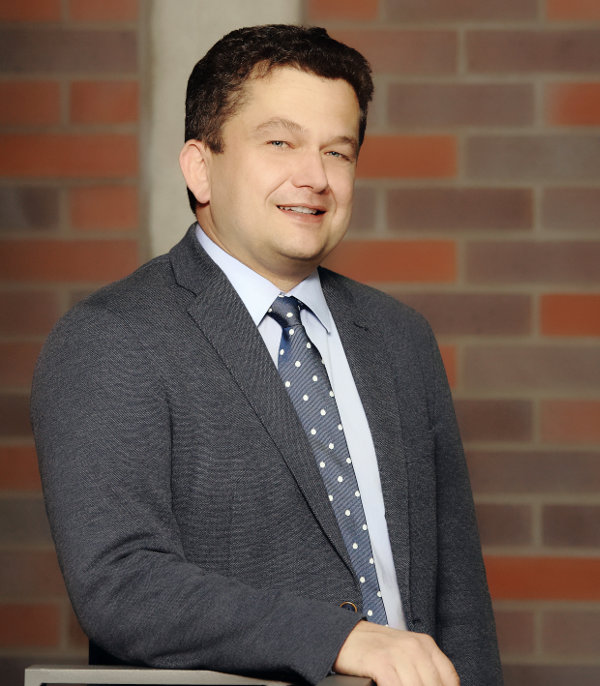
Mireia Orgiles Amorós is a Professor in the Department of Health Psychology at Miguel Hernández University of Elche. She is actively involved in teaching and coordinating courses related to psychological treatment with children and adolescents, including Anxiety Disorders, Behavioral and Learning Problems, and Parent Training. Administrative roles include Department Director and Executive Board Member of the university. Her research focuses on applied therapies for childhood and adolescent psychological disorders.
Dr. Ariel Williamson is an Assistant Professor at the Ballmer Institute for Children's Behavioral Health and in the Department of Psychology (clinical area) at the University of Oregon, where she directs the Behavior, Emotions, Development and Sleep (BEDS) Lab. She is a clinical psychologist and Diplomate in Behavioral Sleep Medicine with expertise in pediatric sleep health inequities and behavioral interventions. Dr. Williamson's research uses a socio-ecological approach to understand how multiple factors (child, family, school, healthcare system, neighborhood, and socio-cultural context) contribute to child sleep problems, inequities, and developmental outcomes. Her intervention research applies implementation science principles and community-engaged methods to promote pediatric sleep health and treat sleep problems in primary care and in partnership with community organizations. She conducts community-engaged research, which involves forming partnerships with families, primary care clinicians, and community organizations to adapt and implement behavioral sleep interventions in real-world settings, with a focus on ensuring evidence-based interventions are delivered flexibly, effectively, and with cultural humility. Dr. Williamson's recent publications reveal a strong focus on sleep health disparities, particularly examining how socioeconomic factors, race, and neighborhood context contribute to inequities in pediatric sleep. Her work spans from basic research on sleep patterns across development to implementation of evidence-based interventions in community settings. She has made significant contributions to understanding the bidirectional relationships between sleep problems and mental health outcomes, as well as the impact of sleep on child development and well-being. Carole L. Marcus Outstanding Achievement Award from American Thoracic Society (2023) Arthur Spielman Early Career Distinguished Scientific Achievement Award from Society of Behavioral Sleep Medicine (2023) Clinician Investigator Rising Star Award from Sleep Research Society (2024) Diane J. Willis Award for Outstanding Article in Journal of Pediatric Psychology (2020) Dr. Williamson is actively involved in mentoring and has expressed interest in accepting new doctoral students to the University of Oregon Clinical Psychology program. Her research has been funded by the National Institute of Child Health and Human Development (NICHD K23HD094905), the National Heart, Lung, and Blood Institute (NHLBI R01HL163798), the Sleep Research Society Foundation, and the American Academy of Sleep Medicine Foundation. She serves on the board of the Philadelphia-area Beds for Kids program, which provides beds, bedding, and sleep health education to families living at or below the federal poverty line, and she is a steering committee member for the Pacific Northwest Sleep and Circadian Network.
Richard A Arend serves as Assistant Professor in the Department of Psychiatry and Behavioral Sciences (Child Psychology) at Northwestern University's Feinberg School of Medicine, with clinical affiliation at Ann & Robert H. Lurie Children's Hospital of Chicago. Education: PhD, University of Minnesota (1984) His research specializes in child psychology interventions within community settings, focusing on mental health service delivery in public schools, treatment of oppositional defiant disorder in pediatric primary care, and sleep-behavior relationships in early childhood development. Work emphasizes underserved urban populations and integration of clinical psychology with public health frameworks. Publication analysis (2000-2011) reveals consistent investigation of accessible mental health models, particularly adaptation of evidence-based treatments for school and primary care environments. Key themes include behavioral disorder management in non-clinical settings and developmental impacts of sleep disruptions. Professional Affiliation: American Psychological Association (1984 - Present) Collaborative publication patterns indicate active research partnerships, though specific advising roles or grant funding details are not documented. No dedicated laboratory or research team structure is referenced in available materials.
Padraic Monaghan serves as Professor of Cognition in the Department of Psychology within Lancaster University's Faculty of Science and Technology. His interdisciplinary research bridges Psychology and Linguistics through behavioral experiments, observational studies, and computational modeling to investigate language cognition across developmental stages. Monaghan holds a BSc in Philosophy and Maths from the University of Manchester, and MSc/PhD in Cognitive Science from the University of Edinburgh. His prior academic appointments include positions at Edinburgh University, University of Warwick, University of York, and University of Amsterdam. His research spans Language Acquisition (examining how children integrate phonology, prosody, gesture, and environmental cues), Literacy Development (analyzing connections between oral language skills and reading training efficacy), Language Evolution (tracking learnability properties through diachronic studies), and Sleep-Cognition Interactions (investigating offline memory processing and problem-solving enhancement). His work employs cross-situational learning paradigms and computational approaches to model acquisition mechanisms. Recent 2025 publications demonstrate concentrated focus on vocabulary/grammar acquisition in children through cross-situational learning frameworks, with significant attention to individual differences, literacy outcomes, and neurodiverse populations. The corpus reveals strong emphasis on meta-analytic methodologies and experimental designs exploring phonological processing in native/non-native contexts, while sleep-related cognition appears in foundational work but not current publications. Scientific Awards: No awards documented in source materials. Monaghan supervises eight PhD candidates across Developmental Psychology and Language Learning Research Lab: Sophie Bennett, Hailong Chen, Sophie Lund, Delyth Piper, Summer Wang, Wensi Zhang, Liuqi Zhu, and Siqi Zou. His active funding includes ESRC CASE project on bilingual development (2023-2026), Bilingualism at School research (2022-2024), and ESRC International Centre for Language (2019-2025), building on prior leadership of the LUCID Centre for Language and Communicative Development (2014-2020). He directs the Language Learning Research Lab within Lancaster's Cognitive Psychology and Developmental Psychology research groups, examining environmental influences on linguistic development through collaborative, multi-method approaches to language acquisition and literacy.
Enda Murphy is Professor and Head of Planning at University College Dublin’s School of Architecture, Planning and Environmental Policy, where he directs the Professional Diploma in Foundations of Sustainable Development and leads the university’s core working group on SDG engagement. A Fulbright-EPA Scholar and visiting professor on five continents, he sits on the editorial board of PLOS ONE and the UN-SDSN SDG Academy High-Level Advisory Council. Education: BA – Trinity College Dublin Post-Graduate Diploma – Trinity College Dublin PhD – Trinity College Dublin Research interests integrate quantitative spatial planning and environmental assessment: urban land-use/transport sustainability modelling, strategic noise mapping and health-impact quantification, SDG benchmarking and index development, and critical analyses of neoliberal governance. His work has produced over 120 publications and three books, advancing policy-relevant metrics for Europe and the USA. Recent articles (2021-25) chart a coherent trajectory: construction of peer-based SDG indices for the USA, EU and Ireland; evaluation of CNOSSOS-EU noise models for Irish roads and railways; estimation of transport-noise health burdens (ischemic heart disease, annoyance, sleep disturbance); and exploration of COVID-19 lockdown noise reductions and cognitive effects in older adults. Awards & honours: Best Paper Award, AESOP 2020 RTPI Research Excellence Award 2015 – Early Career commendation Fulbright-EPA Scholar 2014-15 Geographical Society of Ireland Book of the Year shortlist 2014 He chairs the Irish Transport Research Network, advises Una Europa’s Sustainability & Climate Committee, and welcomes graduate research enquiries in urban planning, environmental noise and SDG governance.
Racheal Bryant is an Associate Professor in the Department of Agricultural Sciences at Lincoln University, New Zealand, specializing in sustainable dairy production systems. Her research focuses on nutritional strategies for reducing environmental impacts of dairying, with extensive collaboration with farmers and industry professionals through the South Island Dairy Event, South Island Dairying Development Centre, and DairyNZ farm discussion groups. Dr. Bryant earned her PhD from Lincoln University and a BApplSc(Hons) from Massey University. Her educational background provides a strong foundation in agricultural sciences, particularly in animal nutrition and pasture management systems relevant to New Zealand's pastoral farming context. Her primary research interests encompass dairy production systems with emphasis on nutritional management of lactating dairy cows and young stock, grazing behavior analysis, and pasture agronomy. She investigates the impact of various technologies including endophytes, nitrogen fertilizers, and gibberellic acid applications. Dr. Bryant's approach consistently focuses on translating scientific findings into practical, commercial tools that solve real-world agricultural problems while improving environmental sustainability. Analysis of her recent publications shows a strong thematic focus on nitrogen management solutions for dairy farming, particularly through innovative approaches like plantain integration, endophyte technologies, and precision monitoring techniques. Her work also demonstrates growing interest in sensor-based animal behavior monitoring and alternative forages to simultaneously improve animal productivity and reduce environmental impacts. Associate Editor for New Zealand Journal of Agricultural Research (2014-2022) Associate Editor for Grass and Forage Science (2015-2019) President of NZ Society of Animal Production (2017) Committee Member of NZSAP (2014-2018) Member of New Zealand Grassland Association As an educator, Dr. Bryant supervises numerous postgraduate research projects and teaches undergraduate courses including Advanced Animal Science, Advanced Livestock Production, Agricultural Practicum, and Dairy Production. Her Lincoln University Demonstration Farm (LUDF) serves as a practical platform for demonstrating research findings to farmers through field days, workshops, and farm visits, effectively bridging the gap between academic research and on-farm implementation.
Sylvain Turcotte serves as Dean at the University of Sherbrooke since 2022, with a distinguished career focused on physical education, health promotion, and pedagogical practices in school settings. His work bridges educational theory with practical implementation of physical activity programs across Quebec's educational institutions. His research interests center on physical activity promotion in schools , health education integration , pedagogical approaches for physical educators , and school environment interventions . Turcotte has developed frameworks for analyzing factors that influence positive physical activity perceptions among students and has extensively studied the implementation of daily physical activity programs in educational settings, particularly during the pandemic period. Turcotte's recent publications reveal a strong focus on pandemic impacts on student movement behaviors , flexible classroom arrangements that promote physical activity, and stakeholder perspectives on school-based physical activity interventions. His work demonstrates consistent application of ecological approaches to understanding physical activity promotion in educational contexts. Scientific Recognition: Multiple best poster/prize awards from International Association of Physical Education in Higher Education (AIESEP) ACFAS presentation awards Tousignant-Desrosiers Prize International fellowship recognition Turcotte has secured substantial research funding as principal investigator, including a $625,000 Kino-Québec Research Chair (2018-2023) focused on physically active lifestyles in school contexts, and numerous contracts with Quebec's Ministry of Education. His collaborative approach is evident through extensive co-authorship with researchers, educators, and health professionals across multiple institutions.
Arianne Imbeault serves as a Lecturer at the School of Psychoeducation , Faculty of Arts and Sciences, University of Montreal, with primary responsibilities in teaching and course instruction. Her contact information includes the institutional email arianne.imbeault@umontreal.ca . Her research expertise centers on child development and mental health , with specific focus areas including: Mental health problems in childhood Cognitive development trajectories Aggression development mechanisms Lifestyle habit impacts (physical activity, sleep, screen time) on internalizing problems Sports participation and emotion regulation This work aligns with frameworks like the Canadian 24-Hour Movement Guidelines, emphasizing holistic approaches to children's well-being. Professor Imbeault's scholarly contributions include media engagement such as her 2019 article on sports and emotion control in children, reflecting applied research with practical implications for educators and caregivers. No peer-reviewed publications or extensive publication history are detailed in the available information. As a lecturer, she contributes to the educational mission of the School of Psychoeducation without indication of graduate student supervision, research grants, or laboratory leadership. Her professional profile emphasizes teaching excellence and applied insights in child psychoeducation rather than extensive research infrastructure.
John S. Rhee, MD, MPH, is a tenured Professor and Chairman of the Department of Otolaryngology at the Medical College of Wisconsin, with a secondary appointment as Professor in the Department of Dermatology. He has led the Otolaryngology department since 2011. His primary institutional affiliation is the Medical College of Wisconsin, where he is also a member of the Comprehensive Injury Center and Neuroscience Research Center. Previously, he held positions at Mount Sinai Medical Center (Resident), University of Miami/Jackson Memorial Hospital (Fellow), and Zablocki VA Medical Center (Chief). Professor Rhee's research program is highly focused on improving outcomes in nasal airway surgery and facial plastics. Key areas include: Utilizing computational fluid dynamics (CFD) to model nasal airflow and predict surgical outcomes for obstruction. Developing and validating patient-reported outcome measures , notably the Skin Cancer Index (SCI) for nonmelanoma skin cancer. Advancing virtual surgical planning techniques for septoplasty and rhinoplasty. Investigating the biomechanics of facial trauma and upper airway collapsibility in sleep apnea. His work is characterized by integrating engineering principles with clinical otolaryngology. Analysis of his recent publications (2019-2024) reveals a dominant theme: the application of engineering tools (CFD, 3D imaging, virtual surgery) to solve clinical problems in nasal obstruction and facial reconstruction. His articles consistently bridge technical modeling with patient-centered outcomes, emphasizing evidence-based surgical planning and objective measurement of nasal function. Professor Rhee has received significant recognition for his contributions: Alpha Omega Alpha (1991) George Adams Young Faculty Award (Triological Society, 2009) Distinguished Service Awards (AAO-HNS 2013, MCW 2017) Excellence in Professionalism Award (MCW Physicians, 2013) Multiple Faculty Teaching Awards Consistent inclusion in Best Doctors in America (2007-2017) He has successfully secured substantial research funding, including NIH R01 grants (e.g., R01EB009557 for computer modeling of nasal surgical outcomes totaling over $1.1M). His leadership extends to directing the department's Clinical Outcomes Program. While no specific lab name is provided, his research program involves significant collaboration with engineers and utilizes advanced computational resources. He actively mentors residents and has held key educational leadership roles, including Residency Program Director and Chair of the ACGME Residency Review Committee for Otolaryngology.
Dr. Emily Abel is an Assistant Professor in Human Development & Family Science at Oklahoma State University's College of Education and Human Sciences. She completed her PhD in Human Development and Family Science from Purdue University in 2022 and joined Oklahoma State University in 2023. Her academic journey includes extensive training in pediatric sleep health, developmental assessment, and developmental disabilities. Dr. Abel's research focuses on measuring, understanding, and promoting sleep health for autistic children and their families. She specializes in increasing accessibility in sleep research using tele-health approaches to sleep measurement (non-invasive, remote monitoring). Her work aims to improve equity in recruitment strategies and develop opportunities for children and caregivers to determine what improvement in sleep and quality of life looks like for them. She leads the Researching Equitable Sleep Together (REST) Lab, where she and her team investigate the complex relationship between sleep, development, and autism spectrum disorder. Analysis of Dr. Abel's publication record shows a strong focus on sleep health in autistic children, with particular emphasis on measurement techniques, intervention approaches, and the relationship between sleep problems and daytime functioning. Her work spans multiple disciplines including sleep medicine, autism research, developmental psychology, and health disparities. Recent publications highlight her commitment to improving methodological approaches in sleep research and addressing diversity gaps in pediatric sleep intervention studies. Dr. Abel currently holds two active research grants: 'Incorporating Caregiver Concerns into Measures of Sleep Disturbance in Autistic Individuals' funded by the Autism Science Foundation and 'Centering Autistic Children and their Family in the Sleep Health Journey: Building an Inclusive Research Approach' funded by the College of Education and Human Sciences. She teaches courses including HLTH 2213 - Introduction to Public Health and HLTH 4233 - Health and Sexuality, and previously taught courses on developmental disabilities, infant and child development, and research practicum. Dr. Abel is accepting undergraduate research assistants for Spring 2026 and graduate students for Fall 2026 in the Community Health Sciences PhD program.
Prof. Dr.-Ing. Andreas Wenzel is a Professor at Schmalkalden University of Applied Sciences in the Faculty of Electrical Engineering, specializing in Embedded Systems. His office is located in Building M, Room 0401, and he can be reached at +49 3683 688 5113. With a distinguished research career spanning over two decades, Prof. Wenzel has established himself as a leading expert in embedded diagnostic systems with applications across multiple domains including biomedical engineering, industrial automation, and assistive technologies. Prof. Wenzel's primary research interests focus on the development and application of embedded diagnostic systems, with particular emphasis on neural networks for pattern recognition, fuzzy logic systems for classification problems, and real-time monitoring solutions. His work bridges theoretical machine learning approaches with practical engineering applications, resulting in innovative solutions for quality control in manufacturing processes, medical diagnostics, and mobility assistance technologies. He has made significant contributions to EEG data analysis for sleep stage and anesthesia depth monitoring, as well as developing smart systems for injection molding quality assessment and advanced mobility solutions for elderly individuals. Analysis of Prof. Wenzel's publication record reveals a consistent research trajectory focused on applying computational intelligence to solve practical engineering problems. His work demonstrates exceptional versatility across domains while maintaining a cohesive research theme centered on embedded diagnostic systems. From 2012-2016, his research output shows increasing focus on real-time embedded solutions with industrial applications, particularly in manufacturing quality control and assistive technologies, while continuing his foundational work in biomedical signal processing. The interdisciplinary nature of his research is evident in collaborations with medical professionals, industrial partners, and robotics specialists. Prof. Wenzel leads the Embedded Diagnostic Systems Research Group at Schmalkalden University of Applied Sciences, which maintains strong industry partnerships, particularly in plastics manufacturing and medical technology sectors. His team develops practical embedded solutions that address real-world challenges in production quality monitoring, medical diagnostics, and mobility assistance. The research group's work is characterized by its practical orientation, with many projects resulting in deployable systems rather than purely theoretical contributions. Prof. Wenzel's strategic focus on applied research ensures that his work has direct industrial relevance and practical impact.
Kyunghee Koh serves as Professor and Co-Director of the Neuroscience PhD Program within the Department of Neuroscience at Thomas Jefferson University's College of Life Sciences. She is affiliated with the Vickie and Jack Farber Institute for Neuroscience in Philadelphia, Pennsylvania. Her research elucidates the molecular and cellular basis of sleep and circadian rhythms using Drosophila melanogaster as a model system. Her laboratory discovered critical genes including jetlag (Science, 2006) and sleepless (Science, 2008), employing genetic tools to map sleep circuits and investigate phenomena like sleep plasticity, sex-based behavioral differences, and age-related sleep disorders. Dr. Koh leads an active research team at the Vickie and Jack Farber Institute, focusing on mechanosensory-induced sleep benefits, circadian transcriptional mechanisms (TARANIS/VRILLE/PDP1 interactions), and metabotropic glutamate receptor pathways in aging-related sleep problems.
Dr. Tish Knobf is a Professor of Nursing at Yale School of Nursing and an active member of the Yale Cancer Center. She holds a master's degree from the Yale School of Nursing and a nursing doctorate from University of Pennsylvania. With over three decades of clinical practice experience specializing in women with breast cancer, Dr. Knobf has established herself as a leader in oncology nursing research and education. Dr. Knobf's research focuses on symptom management in cancer patients, particularly examining the complex interrelationships between psychological and physical symptoms in breast cancer. Her work employs advanced statistical methods including network analysis and Bayesian modeling to understand symptom clusters related to fatigue, sleep disturbances, fear of recurrence, and psychological distress. She has published extensively on quality of life issues in cancer survivors across different cultural contexts. Dr. Knobf's scholarly contributions have been recognized through multiple prestigious awards including the Oncology Nursing Society Excellence in Breast Cancer Education award, the Yale School of Nursing Annie Goodrich Teaching award, and the American Cancer Society Bronze Medal. She was also named the American Cancer Society Professor of Oncology Nursing, reflecting her significant impact on the field. Oncology Nursing Society Excellence in Breast Cancer Education award Yale School of Nursing Annie Goodrich Teaching award American Cancer Society Bronze Medal Distinguished Service award American Cancer Society Professor of Oncology Nursing Her recent work demonstrates a strong focus on applying sophisticated analytical methods to understand complex symptom patterns in cancer patients, with particular attention to breast cancer. Dr. Knobf collaborates extensively with researchers across disciplines, as evidenced by her numerous co-authored publications addressing various aspects of cancer care and survivorship.
Dr. Michael Gascoigne is a Senior Lecturer in Clinical Psychology at Western Sydney University's School of Psychology, a position he has held since September 2021. Previously, he served as a Senior Lecturer at the Australian College of Applied Psychology, where he coordinated the Masters of Psychology (Clinical) degree and acted as postgraduate research coordinator. He maintains strong academic connections as an Honorary Associate of the School of Psychology at the University of Sydney and is an active member of both the Australian Paediatric Neuropsychology Research Network and the International Society for Behavioural Neuroscience. Dr. Gascoigne received both a Doctor of Clinical Psychology and a PhD in neuropsychology from the University of Sydney in 2014. His doctoral research examined memory deficits in children with Idiopathic Generalised or Temporal Lobe epilepsy, conducted collaboratively at the Children's Hospital at Westmead (CHW) and the Hospital for Sick Children in Toronto. Dr. Gascoigne's research primarily focuses on cognitive deficits in clinical populations, with particular emphasis on memory processes in children with epilepsy. His work has significantly contributed to understanding accelerated long-term forgetting in pediatric epilepsy patients, revealing how memory deficits may not be apparent in standard assessments but emerge over extended periods. His research spans multiple epilepsy types including Idiopathic Generalised Epilepsy and Temporal Lobe Epilepsy, examining how executive functions interact with memory processes. Through systematic reviews and longitudinal studies, Dr. Gascoigne has built a comprehensive understanding of memory rehabilitation approaches for epilepsy patients and the relationship between seizure characteristics and cognitive outcomes. Dr. Gascoigne has supervised numerous graduate students through his role as coordinator of the Masters of Psychology (Clinical) program at the Australian College of Applied Psychology and continues to mentor students at Western Sydney University. His research has been supported through various institutional grants, though specific funding details are not provided in the available information. His collaborative approach is evident through his extensive publication record and professional network across Australian and international institutions.
Dr. Giulia Risca is a researcher in the Department of Medicine and Surgery at the University of Milano-Bicocca, School of Medicine and Surgery. She recently completed her doctoral thesis on Bayesian methods for basket trials in rare diseases under the supervision of Professor Stefania Galimberti. Her research spans multiple domains including clinical trial methodology, hematology/oncology, and proteomics. Dr. Risca's research interests focus on developing innovative clinical trial designs for rare diseases, with particular expertise in Bayesian statistics and basket trial methodology. Her work addresses critical challenges in rare disease research where limited patient populations make traditional trial designs impractical. She has made significant contributions to understanding how information can be borrowed across sub-trials while maintaining appropriate statistical properties. Additionally, she conducts important translational research in CAR-T cell therapy for leukemia and develops diagnostic algorithms for iron metabolism disorders. Analysis of Dr. Risca's publication record reveals a strong focus on methodological innovation in clinical trials combined with impactful clinical applications. Her work demonstrates expertise in bridging statistical theory with practical clinical research needs, particularly in areas with limited patient populations. The publications span multiple disciplines but maintain a cohesive thread of methodological rigor applied to challenging clinical problems. Dr. Risca actively collaborates with clinical researchers across multiple medical specialties, contributing her statistical expertise to studies in hematology, oncology, nephrology, and ophthalmology. Her work on CARCIK-CD19 cell therapy, rare disease trial design, and diagnostic algorithms for iron overload represents significant contributions to their respective fields. She participates in multicenter studies across European institutions, demonstrating her integration into the broader research community. Dr. Risca leads research activities in biostatistics and clinical trial methodology, supervising analytical components of multiple clinical studies. Her work often involves developing and implementing sophisticated statistical approaches to address complex research questions where traditional methods are inadequate, particularly in the context of rare diseases with small sample sizes.