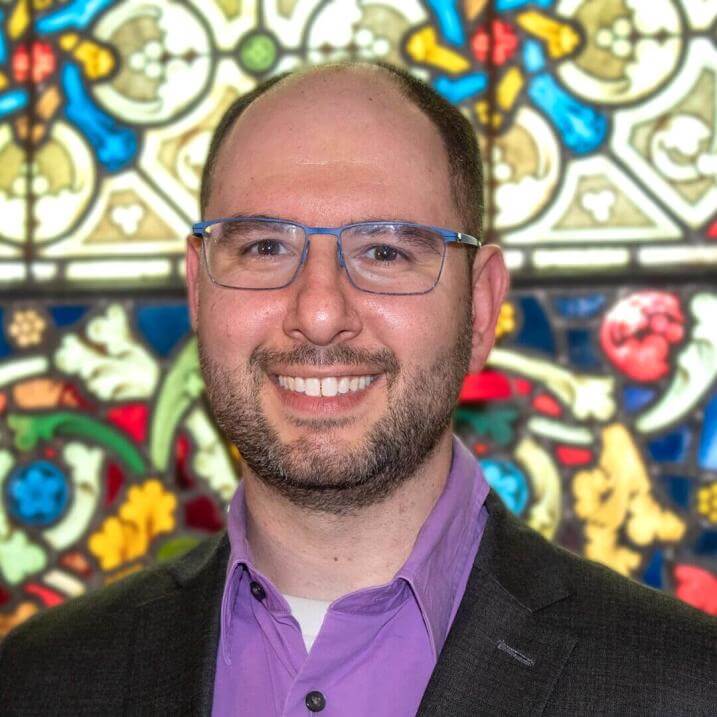
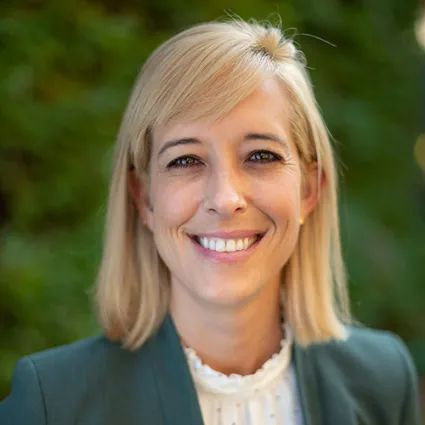
Ashli Owen-Smith is a behavioral scientist affiliated with the School of Public Health at Georgia State University , where her research focuses on mental health disparities, suicide prevention, and integrative/complementary approaches for complex mental-physical health conditions. She works with underserved populations including refugees/immigrants, incarcerated individuals, and LGBTQ+ communities through community-based participatory research and mixed-methods frameworks. Her current projects are funded by CDC , DBHDD , and DPH . Education: Ph.D. in Behavioral Sciences (Emory, 2009), S.M. in Public Health (Harvard, 2005), B.A. in Psychology (Smith College, 2001) Her research spans mental health , trauma , suicide prevention , and mindfulness-based interventions . Recent work examines telehealth adaptations for chronic pain and mental health, vaccine hesitancy in refugee communities, and social determinants of suicide . She leads studies on gender-affirming care and health disparities in LGBTQ+ populations. Key article trends include epidemiological analysis of suicide risk factors, COVID-19 impacts on mental health, ICD-10 coding for autism, and complementary medicine in trauma recovery. Subfields span telehealth , health equity , mental-physical comorbidity , and community engagement . Students she has mentored include C.A. Scarlett , T. Griner , and M.M. Sesay . Her work integrates public health policy , clinical research , and health systems analysis .
Jack J. Blanchard, Ph.D., is an Associate Provost for Enterprise Resource Planning and Professor in the Department of Psychology at the University of Maryland, College Park. He is affiliated with the Brain and Behavior Institute and serves as Academic Director of the Master of Professional Studies program in Clinical Psychological Science. Previously, he held roles as Department Chair and Director of Clinical Training. Education: Ph.D. in Clinical Psychology, State University of New York at Stony Brook (1991) B.S. in Psychology, Arizona State University (1984) NIMH Postdoctoral Fellow at Medical College of Pennsylvania (1990-1992) Research Interests: Dr. Blanchard’s work focuses on emotion-behavior interactions in psychotic disorders, particularly schizophrenia. His laboratory (LEAP) employs fMRI, smartphone-based ecological assessments, and actigraphy to study: Social affiliation deficits and paranoia Neural correlates of motivation and reward processing Impact of sleep on symptom severity Clinical and behavioral assessment innovations Publication Trends: Recent articles (2020-2025) demonstrate a strong emphasis on transdiagnostic approaches, integrating neuroimaging with real-world behavioral tracking to examine social reward processing, pandemic-related mental health impacts, and sleep-psychosis comorbidities. Methodological themes include fMRI, smartphone assessments, and longitudinal designs. Awards and Honors: Joel and Kim Feller Professorship (2016) Excellence in Teaching Mentorship Award Fellow, Association for Psychological Science Mentoring and Grants: Actively trains graduate/undergraduate researchers through LEAP lab. Secured major funding including: NIMH grants for neural correlates of social affiliation/paranoia University of Maryland Brain and Behavior Initiative awards for wearable tech integration Laboratory and Collaborations: Directs the Laboratory of Emotion and Psychopathology (LEAP), collaborating with psychiatry departments and neuroscientists. Focuses on minority-representative samples and integrates clinical, behavioral, and technological methodologies.
Dr. Robin Laycock is a Senior Lecturer in the Department of Health and Biomedical Sciences at RMIT University. He leads the Social and Cognitive Neuroscience (SoCoNeuro) Lab, focusing on behavioral and neural mechanisms of social perception in neurotypical and neurodivergent populations, including autism spectrum disorders and the neurocognitive effects of concussion. His research integrates methodologies such as eye-tracking, EEG, and fNIRS to study visual perception, face processing, and the impact of stress/anxiety on cognition. Dr. Laycock holds a PhD from La Trobe University, where he investigated visual processing pathways. His work also includes the BabyFace study, exploring social perception in pre-term infants using fNIRS. He is affiliated with RMIT’s Healthy Foundations Research Group and supervises research projects on topics like concussion neurocognition and social media’s neurobiological effects. Research interests span visual neuroscience, social neuroscience, and clinical applications of neuroimaging. He teaches undergraduate courses in Biological Psychology and supervises postgraduate research in vision science, neuropsychology, and affective neuroscience. His lab’s recent studies examine sex differences in sports-related concussion neuroimaging and the role of deepfakes in emotion perception research. He actively collaborates on projects addressing autism traits, stress effects on visual processing, and neuroimaging advancements.
Dr. Kelsey A. Bonfils is a Nina Bell Suggs Endowed Professor and Assistant Professor in the School of Psychology at the University of Southern Mississippi, where she directs the Social Cognition & Recovery in Schizophrenia (SCORS) Lab. Her academic journey includes a PhD and MS in Clinical Psychology from Indiana University-Purdue University Indianapolis, and a BS from the same institution. Dr. Bonfils' research focuses on social cognition mechanisms in schizophrenia-spectrum disorders, examining contributing factors like sleep disturbance and developing interventions to improve recovery outcomes. Her work spans clinical psychology applications for adults with serious mental illness, psychosis risk, and emotion regulation processes. She maintains active professional affiliations with the American Psychological Association, Society for Research in Psychopathology, and International Society of Interpersonal Psychotherapy. Her publication portfolio demonstrates strong research trends in: Social cognition and metacognition in psychotic disorders Sleep-psychopathology relationships Innovative psychotherapies for serious mental illness Mental health disparities and treatment accessibility Veterans' mental health services Dr. Bonfils has received the distinguished Nina Bell Suggs Endowed Professorship recognizing her contributions to clinical psychology research. She teaches graduate and undergraduate courses including Abnormal Psychology, Clinical Psychology Practicum, and Adult Psychotherapy. At the SCORS Lab, Dr. Bonfils leads research on social cognitive processes and recovery-oriented interventions for individuals with schizophrenia-spectrum disorders, with current projects investigating sleep-social cognition interactions and metacognitive therapies.
California Institute of Technology (Caltech)United States
John C. Doyle is the Jean-Lou Chameau Professor of Control and Dynamical Systems, Electrical Engineering, and BioEngineering at the California Institute of Technology (Caltech), where he holds appointments in the Division of Engineering and Applied Science with primary affiliation in the Control and Dynamical Systems Department. His research bridges theoretical foundations with applications across biological, technological, medical, and ecological networks. He earned a BS and MS in Electrical Engineering from MIT (1977) and a PhD in Mathematics from UC Berkeley (1984), followed by consultancy at Honeywell Systems and Research Center (1976-1990). MIT: BS & MS in Electrical Engineering (1977) UC Berkeley: PhD in Mathematics (1984) Doyle's research centers on universal laws and architectures in complex systems, emphasizing robustness-efficiency tradeoffs, speed-accuracy tradeoffs (SATs), diversity-enabled sweet spots (DeSS), bowtie/hourglass structures, and evolvability. His work pioneers System Level Synthesis (SLS) for control systems with sparse, local, saturating, delayed, noisy, quantized, and distributed (SLSDNQD) components, integrating control theory, computation, communication, and machine learning to address challenges from neural networks to infrastructure resilience. Key concepts include virtualization, horizontal transfer, and virality in multiscale systems. Analysis of his publication trends reveals consistent interdisciplinary impact across neuroscience (brain connectivity modeling), systems biology (metabolic oscillations), network science (internet topology), and physics (turbulence, earthquakes), with recurring themes of robust-efficiency limits and architectural principles governing complex networks. His work demonstrates exceptional translation from abstract theory to practical tools like the Matlab Robust Control Toolbox and Systems Biology Markup Language (SBML). His scientific recognition includes: 1990 IEEE Baker Prize (ranked among top 10 most important mathematics papers 1981-1993) Three IEEE Automatic Control Transactions Awards (1998, 1999, 2021) ACM Sigcomm Paper Prize (2004) and Test of Time Award (2016) IEEE Control Systems Field Award (2004) Multiple early-career honors including IEEE Centennial Outstanding Young Engineer (1984) Doyle has mentored generations of students whose contributions include foundational software tools adopted globally. His research has secured sustained funding from NSF, NIH, and other agencies supporting theoretical advances in control frameworks and their applications to biomedical systems, network infrastructure, and environmental modeling. The SBML initiative exemplifies his group's impact in standardizing computational biology research. He leads a highly collaborative research ecosystem at Caltech that integrates engineers, biologists, neuroscientists, and computer scientists to develop universal principles for complex networks. Current efforts focus on translating theoretical insights into health technologies, resilient infrastructure, and climate-responsive systems through the application of robust-efficiency frameworks to emerging challenges in cyber-physical and biological domains.
Professor Richelle Mychasiuk, affiliated with the School of Medical Sciences at the University of Sydney, specializes in Sleep Biology and the neurobiological impacts of early life experiences. Her research focuses on how perinatal trauma and adverse childhood events shape neurodevelopment, increasing susceptibility to sleep disturbances, chronic pain, and post-concussive symptomologies in adolescents, with a particular emphasis on sex differences. Education: PhD in Neuroscience Her work explores mechanisms by which early life stressors "under the skin" to alter neuroplasticity and microbiome-gut-brain interactions. She co-founded The GIN hub, integrating Gastroenterology, Immunology, and Neuroscience to study complex chronic disease models. Recent articles highlight her contributions to understanding dietary influences on pain, epigenetic modifications, microbiome depletion effects, and neurovascular interventions in TBI models. Grants: 2025 FMH Start-up Scheme (Faculty of Medicine and Health, University of Sydney) Collaborations: Brain and Mind Centre, University of Sydney; clinical research partnerships for translational studies.
Karin Coifman is a Professor and Chair at Kent State University's Department of Psychological Sciences. She holds a Ph.D. from Columbia University (2008) and specializes in clinical psychology with a focus on emotion regulation, stress, and psychopathology. Her research examines emotion processing and regulation in relation to mental health adjustments during acute and chronic stress. This includes studying resilience, mental illness development, and the role of psychophysiological and behavioral indices in emotion regulation. She leads the Kent Clinical Affective Science Lab and frequently teaches courses in Psychological Interventions and Introduction to Psychotherapy. Dr. Coifman's recent publications analyze pandemic response behaviors, emotion differentiation, and gene-environment interactions in affective disorders. Her work combines experimental methodologies with community and clinical populations. Labs/Teams: Kent Clinical Affective Science Lab
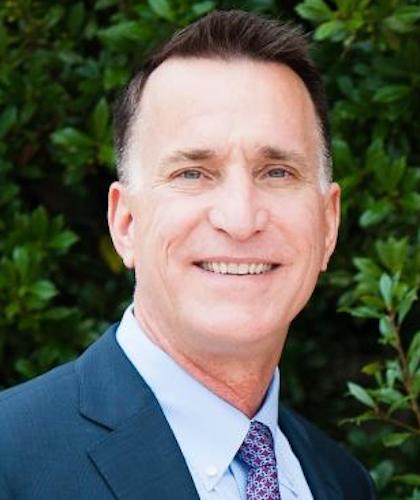
Dr. Dean G. Kilpatrick is a Distinguished University Professor in the Department of Psychiatry and Behavioral Sciences at the Medical University of South Carolina (MUSC). He holds leadership roles as Director of the National Crime Victims Research and Treatment Center and Director of the Charleston Consortium Clinical Psychology Internship Program. His career spans over 50 years with continuous NIH funding since 1985 and extensive extramural grants from agencies like CDC, NIMH, and NIJ. His research focuses on traumatic stress, particularly PTSD prevalence, sexual violence epidemiology, and mental health impacts of mass violence. He pioneered rape crisis advocacy in South Carolina and has authored over 300 peer-reviewed publications (h-index 109), with eight papers cited over 1,000 times. His work influences policy through roles in IOM committees and testimony to U.S. Congress. Key areas of expertise include posttraumatic stress disorder, trauma exposure measurement, and disaster mental health interventions. His recent studies address mass violence community responses, lead exposure screening, and mobile health apps for PTSD mitigation. He has directed major initiatives like the Bounce Back Now intervention trial and the National Survey of Adolescents. Awards include the Presidential Award for Victims of Crime (1990) and the South Carolina Order of the Palmetto (2020). Professional service includes Editor-in-Chief of the Journal of Traumatic Stress (1997-2005) and ISTSS presidency (2005-2006). His grants total millions, funding projects on sexual assault policy, disaster preparedness, and trauma genetics. He advises federal agencies on victim services and has trained generations of psychologists through MUSC's clinical programs.
Leah Doane is a Professor and Chair of the Department of Psychology at Arizona State University (ASU) since 2025. She holds affiliations with the Biodesign Center for Personalized Diagnostics and previously served as Associate Dean of Graduate Initiatives in the College of Liberal Arts and Sciences (2024). Her academic background includes a B.A. in Psychology from Cornell University (2002), M.A. and Ph.D. in Human Development and Social Policy from Northwestern University (2006/2008), and a postdoc at the University of Chicago in Psychiatry and Behavioral Neuroscience. Research focuses on developmental psychopathology, examining links between health behaviors, physiological stress (e.g., cortisol), and stressful experiences across childhood, adolescence, and emerging adulthood—with particular emphasis on Latinx youth and college transition challenges. Key themes include cultural adaptation, sleep health, epigenetic influences, and bicultural stress. Funded by NIH, CDC, and Army Research Institute, her work integrates ecological and ambulatory assessment methods. Leadership roles include Director of Faculty Success, Developmental Graduate Training Area Head, and Deputy Chair in ASU's Psychology Department. Awards include William T. Grant Foundation Scholar (2025-). Active in teaching advanced courses on research methods and thesis supervision, she mentors students through courses like Honors Thesis (PSY 493), Research (PSY 792), and Dissertation (PSY 799). Key grants include studies on Latino youth college pathways (Helios Education Foundation, 2015-2016), genetic/environmental influences on sleep and behavior (NICHD, 2015-2020), and culturally informed interventions. The Adolescent Stress and Emotion Lab (adolescentstressandemotionlab.org) serves as her research hub.
Rebecca Cox is an Assistant Professor in the Department of Psychological & Brain Sciences at Washington University in St. Louis, where she leads the Sleep, Circadian Rhythms, and Psychopathology (SCRAP) Laboratory. Her research investigates the role of sleep and circadian rhythm disruption in anxiety-related disorders, employing multimethod approaches such as actigraphy, melatonin assays, ecological momentary assessment, and clinical trials. Education: PhD, Vanderbilt University MA, Vanderbilt University BA, Hendrix College Her research focuses on how disruptions in sleep and circadian rhythms affect physiological, cognitive, and affective functioning, contributing to the development and persistence of anxiety disorders. She is particularly interested in leveraging sleep and circadian medicine—including light therapy and cognitive behavior therapy for insomnia—as novel treatment strategies. Her work spans populations such as young adults and perinatal individuals, aiming to identify modifiable behavioral targets to improve mental health outcomes. The recent publications highlight a strong trend in integrating objective and subjective sleep measures with clinical psychology, particularly in OCD, PTSD, and general anxiety. Her work increasingly employs real-time data collection and population-level analysis to understand temporal and biological influences on mental health. Scientific Awards: No awards listed in the provided text. Dr. Cox advises students through the SCRAP Lab and is involved in clinical and translational research, though specific grants are not detailed. Her lab uses innovative methodologies to bridge basic science with clinical applications in mental health treatment. Labs and Teams: She directs the SCRAP Lab (Sleep, Circadian Rhythms, and Psychopathology Laboratory), which conducts interdisciplinary research combining sleep science, circadian biology, and clinical psychology to address anxiety-related psychopathology.
Philip Gehrman is a Professor of Psychology in the Department of Psychiatry at the University of Pennsylvania Perelman School of Medicine and a clinical psychologist at the Philadelphia VA Medical Center . He directs the Sleep, Neurobiology and Psychopathology (SNaP) Lab , focusing on sleep-mental health interactions. Education : PhD in Psychology Key Research Areas : Sleep dysregulation in mental health, translational sleep research, genomics/metabolomics of insomnia, neuroplasticity in depression, CBT for sleep disorders His work spans clinical research and molecular investigations , including NIH-funded studies on genetic mechanisms and neural pathways of sleep disorders. Current projects involve: Telemedicine CBT for insomnia Wearable sleep monitoring in PTSD Slow-wave activity in depression CSF biomarkers for dementia Dr. Gehrman supervises graduate students and collaborates with multidisciplinary teams. His lab's publications highlight interdisciplinary approaches to sleep-mental health links.
Dr. Philip R. Holland is a Reader in Neuroscience at King's College London, affiliated with the Wolfson Sensory, Pain and Regeneration Centre within the School of Neuroscience and the Institute of Psychiatry, Psychology & Neuroscience. His research focuses on understanding migraine mechanisms and developing therapies, with a particular emphasis on neurovascular interactions and pain pathways. He leads a team funded by organizations like the Medical Research Council, Wellcome Trust, and European Research Council. Dr. Holland earned his PhD under Prof. Peter Goadsby at University College London, followed by postdoctoral research at UCSF and the University of Edinburgh. He actively engages in teaching, public awareness, and editorial roles (e.g., Cephalalgia). Key awards include the 2020 Medical Research Foundation Emerging Leaders Prize. His work spans clinical and translational research, aiming to bridge basic science with patient care. Education: PhD in Neuroscience, Postgraduate Certificate in Academic Practice (King's College London). External Roles: External Examiner at UCL, Science Editor of CGRP Forum, Associate Editor of Cephalalgia. Grants/Projects: Investigates trigeminal autonomic cephalalgias, neuroendocrine signaling, and novel therapies like cannabidiol combinations. Labs/Teams: Leads a migraine-focused research group exploring neurobiological and pharmacological interventions.
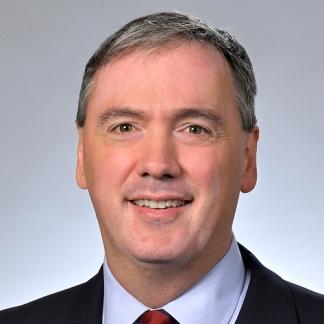
Matthew Price is the George W. Albee Green & Gold Professor of Psychological Science and Director of the Clinical Psychology Training Program at the University of Vermont's College of Arts and Sciences. He holds a B.A. from SUNY Binghamton (2004), an M.A. (2006), and Ph.D. (2011) from Georgia State University. His research focuses on expanding clinical care access for trauma survivors and anxiety disorder patients via technology-driven interventions. Key areas include mobile health applications, wearable sensors, and acute trauma care in Emergency Departments. His interdisciplinary approach involves collaborations with computer science, bioinformatics, and medicine. Current projects explore digital biomarkers (e.g., heart rate variability), technology adoption barriers, and culturally adapted therapies. He leads the Center for Research on Emotion, Stress, and Technology, emphasizing translational frameworks bridging basic research and clinical practice. Recent work includes randomized controlled trials evaluating mobile apps like 'Bounce Back Now' for disaster-related PTSD, and sleep-monitoring studies using wearable devices. Over 150 peer-reviewed articles highlight his focus on trauma mechanisms, symptom networks in veterans, and tech-enabled mental health innovations. His lab actively addresses global mental health disparities through mHealth solutions.
Valeria Bruschi is a Researcher at the Department of Information Engineering (DII) within the Faculty of Engineering at Università Politecnica delle Marche (UNIVPM) in Ancona, Italy. Her academic profile was last updated on April 13, 2024, and she maintains her office at the Engineering Faculty on via Brecce Bianche, with contact information including phone +39 071-220-4486 and email v.bruschi@staff.univpm.it. Dr. Bruschi's research spans multiple domains within audio and signal processing, with particular expertise in spatial audio systems, automotive human-computer interaction, and biomedical signal applications. Her work bridges theoretical signal processing techniques with practical implementations across diverse fields including automotive safety systems, hearing aid technology, sleep medicine, and agricultural monitoring. She has made significant contributions to head-related transfer function (HRTF) processing, real-time audio enhancement algorithms, and innovative monitoring systems that utilize acoustic signals for various applications. Analysis of Dr. Bruschi's recent publications reveals a strong trajectory in developing practical audio processing solutions with real-world applications. Her work shows increasing integration of machine learning techniques with traditional signal processing approaches, particularly in areas like driver monitoring systems, snoring detection and cancellation, and spatial audio rendering. A notable trend is her focus on creating lightweight, real-time implementations suitable for embedded systems and practical deployment scenarios, while maintaining high performance standards. Her research consistently demonstrates interdisciplinary collaboration, connecting audio engineering with fields as diverse as automotive safety, sleep medicine, and agricultural technology. Dr. Bruschi actively contributes to advancing audio engineering through her research on equalization techniques, noise reduction systems, and immersive audio technologies. Her work on pulse compression techniques for hearing aid distortion measurement represents an important contribution to audiological assessment methodologies. Her publication record demonstrates consistent scholarly output with increasing impact across multiple application domains, reflecting her ability to translate theoretical signal processing concepts into practical engineering solutions.
Stephanie Jarvi Steele is an Assistant Professor of Psychology at Smith College . She directs the Behavioral Assessment of Self-Injury Lab (BASIL) , focusing on risk factors for self-injurious thoughts and behaviors, including non-suicidal self-injury (NSSI) and self-disgust. She teaches courses such as Abnormal Psychology, Research Methods, and a seminar on high-risk behaviors in psychopathology. Steele is a licensed clinical psychologist in Massachusetts. She earned her Ph.D. in Clinical Psychology from Suffolk University and completed a predoctoral internship at Brown University's Warren Alpert Medical School. She held a postdoctoral fellowship at Boston University and served as a Visiting Assistant Professor at Williams College before joining Smith. Her research interests include non-suicidal self-injury (NSSI) , social contagion effects , implicit identity in self-injurious behaviors , and transdiagnostic cognitive-behavioral therapy , with a focus on treating comorbid mental health conditions. Her recent publications explore implicit associations in NSSI, teletherapy risk management, and longitudinal studies on sleep and suicide. Scientific Awards : NIH Loan Repayment Program (LRP) award (2019) Grants & Collaborations : She has collaborated on large-scale clinical trials, including the efficacy of transdiagnostic cognitive-behavioral therapy for comorbid alcohol use and anxiety disorders. She mentors students and co-authors research with mentees, indicated by footnotes in her publications.