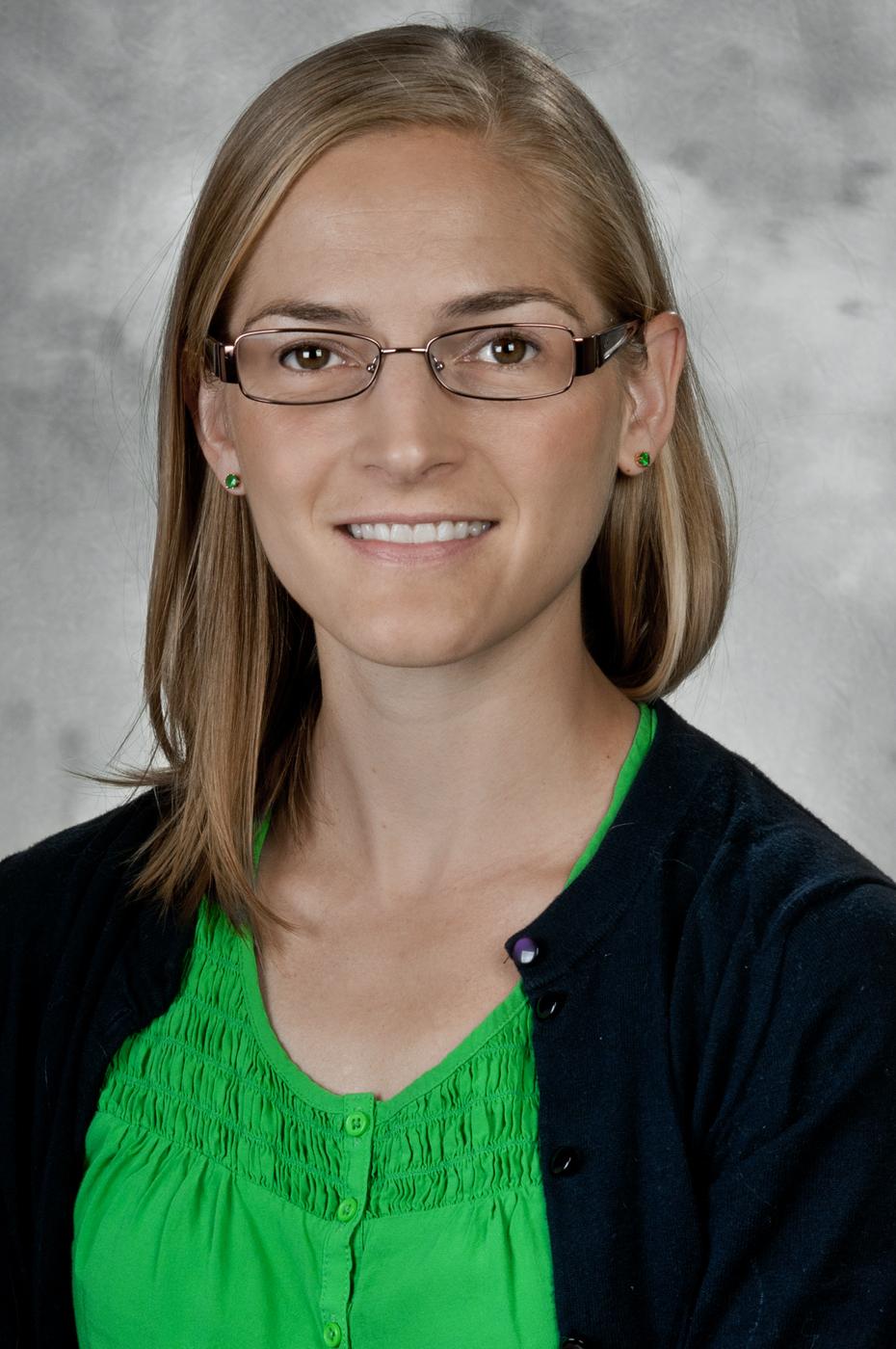
Margaret Bublitz is Associate Professor at Brown University with joint appointments in the Department of Psychiatry and Human Behavior , Department of Medicine , and Department of Obstetrics and Gynecology . She holds secondary appointments at the School of Public Health as Senior Investigator and Behavioral and Social Sciences faculty member. Dr. Bublitz earned her PhD in Clinical Psychology (2010) from the University of British Columbia, followed by postdoctoral training in Cardiovascular Behavioral Medicine at Brown Medical School. Her research focuses on: Psychological stress pathways to adverse perinatal outcomes Maternal childhood maltreatment effects on neurobiology Mindfulness interventions for hypertension and preterm birth prevention Her 15 most recent publications demonstrate expertise in perinatal mental health , sleep-disordered breathing , HPA axis regulation , and fetal neurodevelopment , with significant collaborations in neuroendocrinology and maternal-infant health disparities . Scientific recognition includes: 2024-2025 Global Fulbright Scholarship 2022 Brown Early Career Research Achievement Award Multiple NIH and foundation grants exceeding $6 million Bublitz leads NIH-funded projects examining mechanisms of mindfulness training (R01HL157288) and serves as mentor in the MORPHE Trial for digital maternal health innovations. She is a licensed psychologist and active member of Brown's Stress, Trauma and Resilience (STAR) Institute and Mindfulness Center .
Prof. Raimon Jané Campos is a leading figure in biomedical signal processing at the Universitat Politècnica de Catalunya (UPC) and Universitat de Barcelona (UB). As co-director of UPC's Biomedical Signal and System Group (CREB) and coordinator of the Biomedical Engineering PhD Programme, he bridges engineering and clinical applications. His work focuses on respiratory and sleep disorder diagnostics, with significant contributions to COPD and sleep apnea monitoring through wearable devices and machine learning. PhD in Biomedical Engineering (UPC, 1989) Visiting researcher at Université de Nice-Sophia Antipolis Vice-president of Spanish Society of Biomedical Engineering Research spans respiratory mechanics , sleep-disordered breathing , acoustic biomarkers , bioimpedance , and machine learning in biomedical contexts . His 2025 work on microcalorimetric pathogen classification and 2024 spiking neural networks for apnea detection demonstrate cutting-edge integration of computational methods with physiological monitoring. Articles from 2017-2024 reveal consistent focus on non-invasive diagnostics , cardiorespiratory synchronization , and smartphone-based health solutions . Awarded the Barcelona City Technology Research Award (2005) and serving on the International Advisory Board for Physiological Measurement since 2010, his career combines academic leadership with real-world clinical translation through IBEC's technology transfer initiatives.
Zsofia Zavecz is a Research Associate at the University of Cambridge Department of Psychology. Her work focuses on the neurophysiological mechanisms underlying sleep and memory consolidation, with particular emphasis on electrophysiological correlates of lucid dreaming and sleep-dependent learning. Research highlights include: Investigation of EEG functional connectivity during statistical learning Study of transcranial stimulation effects on probabilistic learning Analysis of sleep restriction impacts on hormonal regulation Exploration of cognitive reserve mechanisms in sleep disorders Her neuroscientific investigations span procedural memory systems, neural oscillations, and cross-population studies in both healthy individuals and pediatric sleep-disordered breathing patients.
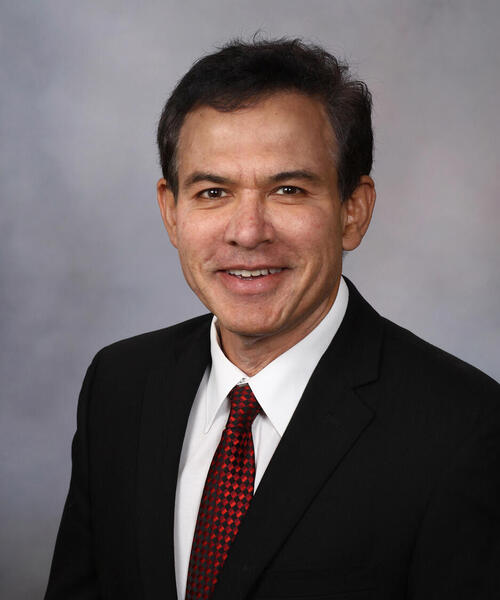
Virend Somers, M.D., Ph.D. , is a Professor of Medicine at Mayo Clinic in Rochester, Minnesota, with primary appointments in the Department of Cardiovascular Medicine, and joint appointments in Physiology & Biomedical Engineering and Nephrology & Hypertension. He directs the Cardiovascular and Sleep Facilities within Mayo Clinic's Center for Clinical and Translational Science. Education: MB ChB, University of Natal D.Phil., University of Oxford Resident, Internal Medicine, University of Iowa Fellow, Cardiovascular Diseases, University of Iowa Hospitals and Clinics Research Interests: Dr. Somers' research centers on neural and vascular mechanisms in circulatory control, particularly in sleep disorders such as obstructive and central sleep apnea, hypertension, obesity, and heart failure. His team investigates autonomic nervous system regulation, chemoreflex responses, and vascular biology in humans. His work bridges basic physiology with clinical applications to improve cardiovascular outcomes. Publication Trends: His recent publications (2021–2025) show a strong emphasis on sleep-cardiovascular interactions, including blood pressure regulation during sleep, cardiovascular mortality in the context of comorbidities like obesity and COVID-19, and neurocardiological mechanisms in arrhythmias and syncope. His work frequently appears in high-impact journals such as Sleep , Journal of the American Heart Association , and Journal of Physiology . Scientific Awards: Alice Sheets Marriott Professor (2016) CTSA Mentor of the Year (2012) Distinguished Scientist in Cardiopulmonary Physiology, American College of Chest Physicians (2017) Stanford University World's Top 2% Scientists (2021) Lifetime Achievement Award, South African Society of Sleep Medicine (2012) Doctor Honoris Causa, Masaryk University (2007) Advising and Grants: Dr. Somers has mentored numerous trainees who have won national awards. His research is supported by four NIH R01 grants, a Dana Foundation grant, and a NATO grant. His leadership in collaborative research spans institutions in the U.S., Europe, and South Africa. Labs and Teams: He leads the Cardiovascular Facility and Sleep Facility at Mayo Clinic’s Center for Clinical and Translational Science, fostering interdisciplinary research on sleep and cardiovascular disease.
Anne Holland is Professor of Physiotherapy and Head of Respiratory Research at Monash University and Alfred Health in Melbourne, Australia. She is an NHMRC Leadership Fellow (2021–2025) and a Chief Investigator for the NHMRC Centre of Research Excellence in Pulmonary Fibrosis and the NHMRC Centre of Research Excellence in Treatable Traits. Her research focuses on supportive therapies for chronic respiratory diseases, particularly COPD and pulmonary fibrosis, with a strong emphasis on pulmonary rehabilitation, telerehabilitation, and ambulatory oxygen therapy. Her research interests include: Respiratory physiotherapy Pulmonary rehabilitation (home-based and low-cost models) Access to care for chronic lung disease Telerehabilitation and digital health Symptom management in interstitial lung disease Exercise training and physical activity promotion Her recent publications focus on symptom management, digital self-management tools, treatable traits models, and clinical trials in pulmonary fibrosis and COPD. The body of work reflects a strong trend toward patient-centered, accessible, and evidence-based interventions that improve quality of life and clinical outcomes in chronic respiratory conditions. Her major scientific awards include: Society Medal, Thoracic Society of Australia and New Zealand (2021) European Respiratory Society Gold Medal for Allied Health Professionals (2022) NHMRC Investigator Fellow (Leadership 1) (2021) Fellow, Thoracic Society of Australia and New Zealand (2019) American Thoracic Society Pulmonary Rehabilitation Assembly Award (2016) Anne Holland supervises PhD students and is actively involved in advising and grant leadership. She is the Primary Chief Investigator on major trials such as the PERFORM trial and the TAPPET trial, and she leads a multinational ambulatory oxygen trial for fibrotic lung disease. Her work is supported by NHMRC and international collaborations. She is also President of the Thoracic Society of Australia and New Zealand, reflecting her leadership in the field. Anne leads the Holland Respiratory Care Research Group at Monash, which focuses on innovative models of care delivery, validation of remote monitoring tools, and improving patient self-management in chronic lung disease. The team collaborates widely across Australia and internationally, particularly in trials involving pulmonary rehabilitation and treatable traits.
Yuzhe Yang is an Assistant Professor of Computational Medicine and Computer Science at UCLA, with a visiting research scientist role at Google Health. He holds a PhD in Computer Science from MIT (2024), advised by Dina Katabi, and a B.S. with honors from Peking University. Research Focus: Machine learning for healthcare, medical AI fairness, and AI-driven biomedical discovery Key Contributions: Ten Notable Advances (Nature Medicine) and Ten Crucial Advances (The Lancet Neurology) His lab develops Trustworthy Learning Algorithms and Generalist Health Models that integrate Multimodal Data for personalized health coaching. Notable projects include AI-based Parkinson's Disease Biomarkers via nocturnal breathing and Foundation Models for Equitable Medicine . Recent publications at ICLR 2025 (wearable foundation models), Nature Medicine 2024 (medical AI fairness), and Science Advances 2025 (vision-language medical bias) highlight his interdisciplinary work. He serves on ML4H workshops and reviews for top conferences like NeurIPS and ICML. Awards include Forbes 30 Under 30 , Takeda Fellowship , and Baidu PhD Fellowship . Advising opportunities: Recruiting PhD students (CS/CompMed) and postdocs in AI for health. Lab: Health Intelligence Lab (HAIL)
Dr. Boubker Zaaimi is a Lecturer in Neuroscience at Aston University, affiliated with the School of Life & Health Sciences under the College of Health and Life Sciences. His 15+ years of experience focus on implanting electrodes in animal models (rodents to primates) to study brain activity modulation, particularly in stroke and epilepsy contexts. He specializes in brain-machine interfaces, optogenetics, and closed-loop protocols to regulate neural activity. Key projects include the CANDO project (Newcastle University) and collaborations with DARPA and industry partners like Autifony Therapeutics. His research uses magnetoencephalography (MEG) to advance human brain activity recording and modulation techniques. Employment History: Multiple postdoctoral roles at Newcastle University, Northwestern University, and City College, NY, culminating in his current faculty position. Research Interests: Optogenetic control, neural dynamics in primates, spinal cord plasticity, and neuromodulation therapies. His work bridges basic science and clinical applications, with recent focus on non-invasive neurostimulation (e.g., brain-responsive music) and closed-loop systems for epilepsy management. Over 19 peer-reviewed articles highlight his contributions to understanding neural pathways and developing therapeutic interventions.
Associate Professor Mathias Baumert is affiliated with the University of Adelaide, where he holds a position in the School of Electrical and Mechanical Engineering under the Faculty of Sciences, Engineering and Technology. He leads the Health Technology research theme in the School of Electrical Electronic Engineering and specializes in biomedical signal processing, focusing on dynamic electrocardiography and sleep-related phenomena. His work integrates clinical applications and technological advancements to address challenges in cardiology and sleep disorders. His research interests include the physiological underpinnings of ventricular repolarization variability and its clinical implications, particularly in post-myocardial infarction patients and those with sleep-disordered breathing. He also develops brain-computer interface (BCI) systems for stroke rehabilitation, leveraging real-time EEG analysis and motor function recovery techniques. Collaborations with clinical partners such as the Women’s and Children’s Hospital, Adelaide Institute of Sleep Health, and the Victor Chang Cardiac Research Institute highlight his translational research focus. His recent articles emphasize signal processing applications for risk stratification in cardiovascular disease, sleep apnea, and diabetes. Key themes include nocturnal hypoxemic burden prediction, REM sleep dynamics, and the development of novel diagnostic markers using ECG and EEG data. His work often bridges engineering and medicine, aiming to translate findings into clinical tools like adaptive servo-ventilation treatment optimization and personalized BCI systems. No scientific awards or fellowships are explicitly listed in the provided texts. He is eligible to supervise Masters and PhD students but current advisee names are not available. His research projects are supported by grants such as ARC DP110102049 (as noted in some articles). He teaches courses including Biomedical Instrumentation and Introduction to Medical Technology . His facilities include ECG equipment, polysomnogram repositories, and a BCI workstation with 64-channel EEG capabilities. He collaborates on lab-based and clinical partner studies to advance cardiac sensing algorithms and sleep-related diagnostic technologies.
Professor Mauricio Villarroel is an Associate Professor of Biomedical Engineering at the University of Oxford's Institute of Biomedical Engineering and a Fellow of Magdalen College. He leads the Laboratory for Computational Medicine and Technology (LCMT), which focuses on improving clinical decision-making through digital health innovations for both high-income and low- or middle-income countries. Villarroel was born in Bolivia where he completed his undergraduate engineering degree before obtaining his doctoral degree in Engineering Science from the University of Oxford. He previously worked as a research scientist at the Health Sciences and Technology department at MIT and Harvard University, collaborating with multidisciplinary teams from academia, hospitals, and industry to develop advanced monitoring algorithms for intensive care. He returned to Oxford as a post-doctoral research assistant in Data Fusion & Telehealth and later served as a Senior Researcher in Next Generation of Digital Health. His research focuses on developing non-contact video-based physiological monitoring technologies to create personalized biomarkers of health. He has founded the spinout company OxeHealth based on his early work. Currently, his laboratory develops AI models to identify meaningful physiological changes using multimodal sensing technologies including video cameras, wearable devices, wireless technologies, smartphones, and body-worn sensors. His primary research areas include cardiovascular disease and neurodegenerative diseases, spanning from early detection of chronic conditions to in-hospital monitoring and remote management in community settings. He is also the first academic appointment of The Podium Institute for Sports Medicine and Technology, where he develops technologies to monitor factors leading to sports injuries in young athletes aged 11-18 years. Analysis of his recent publications reveals a strong focus on non-contact physiological monitoring, particularly using photoplethysmography and video-based technologies. His work spans cardiovascular monitoring (blood pressure estimation, circadian rhythms), neurological applications (movement disorders), respiratory monitoring (particularly in infants), and sports medicine (athlete screening). A consistent theme across his research is the development of AI-driven, multimodal approaches to extract meaningful clinical information from non-invasive or contactless monitoring systems. Villarroel has received significant recognition for his work, with multiple publications referenced in patents and clinical guidelines. His research has been picked up by news outlets and widely shared on social media platforms, indicating substantial impact in both academic and practical domains. His work on non-contact monitoring has particularly gained attention for its potential applications in resource-limited settings. As a research leader, Villarroel collaborates extensively with clinicians, engineers, and industry partners. His laboratory offers DPhil opportunities at the intersection of medicine, engineering, and technology. His research has led to practical applications including technologies for monitoring post-operative patients, detecting apnea in infants, and screening athletes for cardiac conditions that could lead to sudden death. The Laboratory for Computational Medicine and Technology maintains strong connections with Oxford's Medical Sciences campus, adjacent to the Churchill Hospital, facilitating direct translation of engineering innovations into clinical practice. The lab's work bridges multiple domains including computer vision, signal processing, AI, and clinical medicine to address significant healthcare challenges.
Dr. Bradley V. Vaughn is a Professor of Neurology at the University of North Carolina School of Medicine. His clinical and research focus spans sleep disorders, epilepsy, and neurological conditions affecting sleep physiology. Currently based in Chapel Hill, NC, he specializes in understanding the complex interactions between neurological diseases and sleep patterns. MD from Hershey Medical School Internship/Residency at Hershey Medical Center Chief Residency and Fellowship at UNC Research interests center on sleep medicine and neurological comorbidities , particularly exploring: Interactions between epilepsy and sleep cycles Polysomnography technical advancements Sleep disturbances in neurogenetic disorders Management of nocturnal neurological events His publications since 2004 demonstrate consistent contributions to understanding sleep architecture in neurological contexts and advancing precision medicine applications . Recent work (2022-2025) explores genetic correlations and cancer-related sleep disturbances. No specific awards or student advisement information appears in the provided materials.
Dr Bastien Lechat is a Research Fellow at Flinders Health and Medical Research Institute (FHMRI): Sleep Health, within the College of Medicine and Public Health at Flinders University. He is also a Full Member of the College of Science and Engineering and the Medical Device Research Institute. As an NHMRC Emerging Leadership Fellow, he leads innovative research at the intersection of sleep medicine, artificial intelligence, and wearable technology. Education: PhD in Sleep Health, Adelaide Institute for Sleep Health, Flinders University (2018–2021) Bachelor of Engineering in Engineering Science/Acoustics, Université du Maine, France (2014–2017) Dr Lechat’s research focuses on understanding the physiological mechanisms and consequences of obstructive sleep apnea (OSA), particularly night-to-night variability and patient subtypes. He develops AI-driven tools for efficient and accurate diagnosis using wearables and signal processing. His work aims to create a scalable, low-cost model of care for sleep-disordered breathing, addressing global diagnostic gaps. His recent publications reveal a strong trend in digital health innovation, with a focus on machine learning for OSA detection, circadian rhythm modeling, cardiovascular risk prediction, and climate impacts on sleep. His research has been published in top journals including Nature Communications , Journal of Sleep Research , and Sleep Medicine , demonstrating interdisciplinary reach. Scientific Awards and Recognition: NHMRC Emerging Leadership Fellow (2023) Helen Bearpark Memorial Scholarship (2022) Emerging Research Leader Award, Flinders University (2021) Multiple early-career awards from Sleep Down Under, Australasian Sleep Association, and Adelaide Sleep Retreat Ranked in the top 5% of international authors in sleep apnea by Expertscape Dr Lechat has secured over $2.5 million in competitive research funding and actively supervises and mentors junior researchers. He serves on the program committee of the American Thoracic Society meetings and contributes to clinical guidelines. He collaborates globally with industry and academic partners to translate research into clinical practice. Laboratories and Research Teams: He co-leads the 'Novel use of digital innovations & technology development' theme at FHMRI: Sleep Health, working closely with Professor Danny Eckert. His team integrates expertise in biomedical engineering, data science, and clinical sleep physiology to advance digital sleep medicine.
Professor Banu Bayar is a distinguished faculty member at Muğla Sıtkı Koçman University's Faculty of Health Sciences, Department of Physiotherapy and Rehabilitation with specialization in Musculoskeletal Rehabilitation. With over two decades of academic and clinical experience, she has established herself as a leading researcher in physical therapy and rehabilitation sciences. Education: Bachelor's Degree: Hacettepe University - School of Physical Therapy and Rehabilitation (1990-1994) Master's Degree: Hacettepe University - Institute of Health Sciences - Physical Therapy and Rehabilitation (MSc) (1996-1998) Doctorate: Hacettepe University - Institute of Health Sciences - Physical Therapy and Rehabilitation (1998-2002) Professor Bayar's research spans multiple critical areas in rehabilitation science, with particular emphasis on stroke rehabilitation, musculoskeletal disorders, pain management, and geriatric rehabilitation. Her work integrates clinical practice with scientific research to develop evidence-based rehabilitation protocols. She has extensively studied proprioception, balance disorders, and functional recovery in neurological conditions, contributing significantly to the understanding of how physical interventions can improve patient outcomes. Her publication record demonstrates consistent scholarly output with a notable increase in high-impact research in recent years. The trend shows a strategic focus on developing assessment tools, validating measurement instruments, and investigating innovative rehabilitation techniques. Her work bridges clinical practice and scientific validation, with particular attention to culturally adapted assessment tools for the Turkish population. Recent publications reveal growing interest in technology-assisted rehabilitation, cognitive-motor interactions, and the psychological aspects of chronic conditions. Professor Bayar has served as an editor for multiple journals including the Journal of Karya Health Science (2020-2022) and has contributed to numerous book chapters on physiotherapy and rehabilitation. Her collaborative research approach is evident in her extensive co-authorship network, working with colleagues across various institutions to advance rehabilitation science. While specific grant information isn't detailed in the available records, her sustained publication output suggests successful research funding throughout her career.
Dr. Kannan Ramar is a Physician Scientist at the Mayo Clinic School of Graduate Medical Education within the Mayo Clinic College of Medicine and Science . His dual expertise in Pulmonary Medicine and Sleep Medicine spans clinical practice, research, education, and quality improvement initiatives. MBA from University of Minnesota (2024) Board Certifications: Sleep Medicine (ABIM, ABMS), Critical Care, Pulmonary Disease Leadership Roles: Assistant Dean, Chair of American Academy of Sleep Medicine committees His research focuses on sleep disorders (apneas, REM behavior disorder), critical care quality improvement , and risk communication . Recent work includes updated oral appliance therapy guidelines for sleep apnea and pandemic-era telemedicine adaptations in sleep medicine. Publications in J Clin Sleep Med and Chest highlight his contributions to clinical protocols and quality metrics. Dr. Ramar has received 16 teaching and research awards since 2005, including the 2022 EPITOME Educator Award and 2021 Diamond Lifetime Achievement Award . As a section editor for Mayo Clinic Proceedings and Fellow of multiple societies, he shapes national standards in sleep medicine and ICU safety.
Eva Lindberg is a Professor at the Department of Medical Sciences , Uppsala University , specializing in Lung, Allergy, and Sleep Research . She has contributed extensively to understanding the interplay between sleep-related disorders and respiratory/cardiovascular health. Research Themes : Sleep apnea, COPD, asthma, cardiometabolic risks, population-based studies. Key Collaborations : RHINESSA, SCAPIS, MUSTACHE cohorts. Her 2025 publications focus on cardiovascular consequences of sleep apnea, proteomic associations in lung disease, and cancer risks linked to nocturnal breathing disorders. Earlier work (2024–2022) examines obesity, physical activity, and environmental factors in sleep and respiratory health. Eva Lindberg is actively involved in clinical trials for sleep apnea interventions, including behavioral medicine and device-based therapies. She emphasizes sex-specific differences in sleep disorder diagnosis and outcomes.
Paul Major is Professor and Chair of the School of Dentistry, Senior Associate Dean (Dental Affairs), and ACFD Project Lead at the University of Alberta's Faculty of Medicine & Dentistry. He leads the Orthodontic Biomechanics Research Group and co-founded the Inter-disciplinary Airway Research Clinic (I-ARC), driving innovation across dental academia and clinical practice. His educational background includes a Doctorate of Dental Surgery (DDS) from the University of Alberta (1980) followed by MSc and Orthodontic Specialty training at the same institution (1988). He joined the academic staff in 1989 and served as Director of the TMD/Orofacial Pain Program (1991-2001) and Orthodontic Graduate Program (2001-2010). Dr. Major's research centers on Orthodontic Biomechanics , 3D Craniofacial Imaging , and Ultrasound Imaging . His Orthodontic Biomechanics Research Group developed the OSIM system for 3D force measurement on dental appliances, while his imaging work pioneers reconstruction of craniofacial structures and periodontal ultrasound diagnostics. Through the I-ARC, he leads interdisciplinary studies on pediatric sleep-disordered breathing, examining craniofacial morphology and orthodontic interventions. Analysis of his 190+ publications reveals consistent innovation in biomechanical analysis of orthodontic appliances, machine learning for dental image processing, and hydrogel development for intraoral imaging. Recent work bridges dentistry with engineering through projects on dental aerosols, clear aligner mechanics, and airway measurement software. Dr. Major has supervised over 75 graduate students while maintaining clinical teaching duties despite administrative leadership roles. His research is supported by grants enabling the OSIM system development and interdisciplinary I-ARC projects. He directs the Orthodontic Biomechanics Research Group's experimental biomechanics work and the I-ARC's clinical research team, which integrates pediatric ENT, pulmonology, radiology, and biomedical engineering specialists to advance treatment of pediatric sleep apnea through craniofacial analysis and innovative imaging techniques.