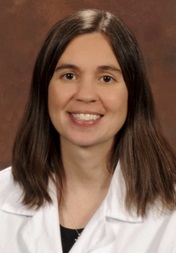
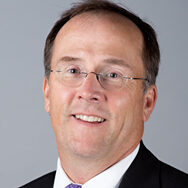
Allison Buchanan is an Associate Professor at the Dental College of Georgia , part of Augusta University . She serves as Interim Chair and Associate Chair for Oral Biology, while teaching at both predoctoral and graduate levels. Her work focuses on Cone Beam Computed Tomography (CBCT) and Digital Radiography , with a special emphasis on Quality Assurance and Obstructive Sleep Apnea imaging. Recent publications address radiation safety, disinfection methods for imaging plates, and software quality control in dental radiology. 2024 : Outstanding Faculty Award, Augusta University 2021 : Honorable mention awardee for Oral and Maxillofacial Radiology (OMR) section 2020 : Inducted into PHI KAPPA PHI Honor Society 2018 : Faculty Research and Scholarship Achievement Award Buchanan serves on multiple committees including the Standards Committee on Dental Informatics (2022-present) and the American Dental Association (2021-present), with editorial board memberships since 2018. Her teaching portfolio includes courses like Radiology Clinic II and Diagnostic Sciences Conference .
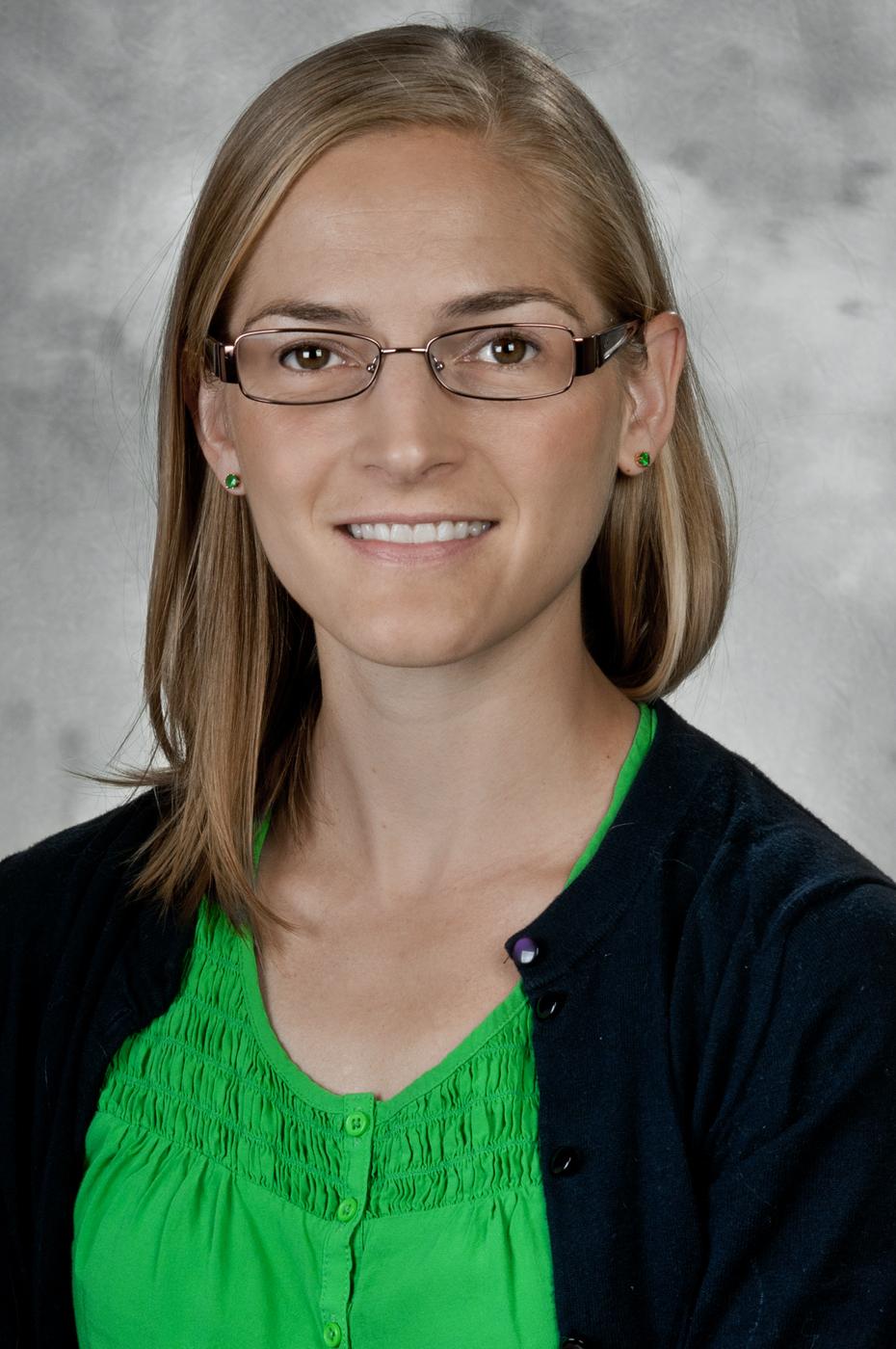
Margaret Bublitz is Associate Professor at Brown University with joint appointments in the Department of Psychiatry and Human Behavior , Department of Medicine , and Department of Obstetrics and Gynecology . She holds secondary appointments at the School of Public Health as Senior Investigator and Behavioral and Social Sciences faculty member. Dr. Bublitz earned her PhD in Clinical Psychology (2010) from the University of British Columbia, followed by postdoctoral training in Cardiovascular Behavioral Medicine at Brown Medical School. Her research focuses on: Psychological stress pathways to adverse perinatal outcomes Maternal childhood maltreatment effects on neurobiology Mindfulness interventions for hypertension and preterm birth prevention Her 15 most recent publications demonstrate expertise in perinatal mental health , sleep-disordered breathing , HPA axis regulation , and fetal neurodevelopment , with significant collaborations in neuroendocrinology and maternal-infant health disparities . Scientific recognition includes: 2024-2025 Global Fulbright Scholarship 2022 Brown Early Career Research Achievement Award Multiple NIH and foundation grants exceeding $6 million Bublitz leads NIH-funded projects examining mechanisms of mindfulness training (R01HL157288) and serves as mentor in the MORPHE Trial for digital maternal health innovations. She is a licensed psychologist and active member of Brown's Stress, Trauma and Resilience (STAR) Institute and Mindfulness Center .
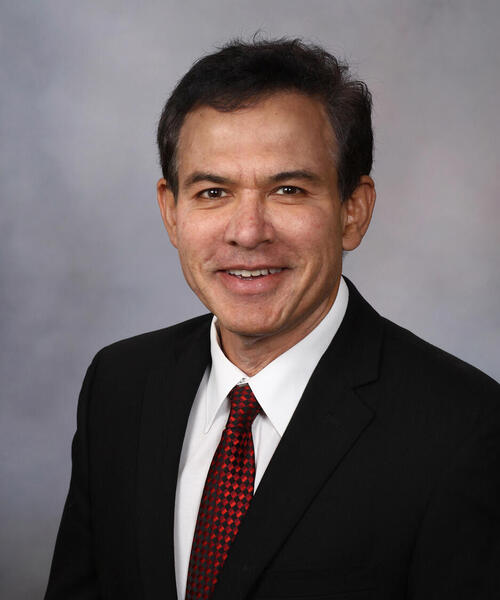
Hau-Tieng Wu is a Professor in the Department of Mathematics at the Courant Institute of Mathematical Sciences, New York University. Originally from Kaohsiung, Taiwan, he holds an MD from National Yang-Ming University (2003) and a PhD in Mathematics from Princeton University (2011). His research focuses on developing mathematical foundations for biomedical signal analysis, particularly in high-frequency and heterogeneous physiological signals such as ECG, EEG, and PPG. He leads the MISTA Lab, which bridges theoretical advancements with clinical applications in areas like sleep dynamics, surgical monitoring, and wearable device data analysis. Key academic roles include tenured positions at Duke University (2017–2023) and the University of Toronto (2014–2017). Notable awards include the Sloan Research Fellowship (2015) and PIMS Early Career Award (2017). His lab actively collaborates with physicians and engineers to advance interpretable medical AI systems. Research interests span nonlinear time-frequency analysis, manifold learning, and spatiotemporal data processing. Over 100+ journal publications and 10 conference proceedings highlight contributions to signal processing theory and clinical applications. The lab is recruiting PhD students/postdocs with backgrounds in applied math, statistics, or biomedical engineering.
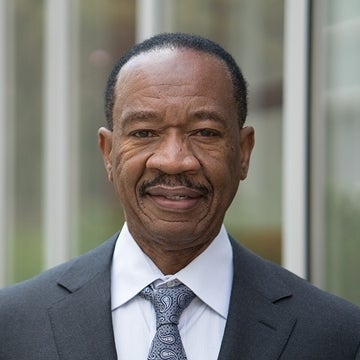
W. Hong Yeo is a Professor in the Woodruff School of Mechanical Engineering and Program Faculty in Bioengineering at the Georgia Institute of Technology, where he also directs the WISH Center. He holds adjunct appointments in the Wallace H. Coulter Department of Biomedical Engineering. Previously, he was an Assistant Professor at Virginia Commonwealth University (2014-2016) and a postdoctoral fellow at the University of Illinois Urbana-Champaign's Beckman Institute. Dr. Yeo's research integrates nanomechanics, soft materials, and nano-microfabrication to develop bio-interfaced systems. Key areas include: Flexible Bioelectronics : Wearable/implantable sensors for health monitoring Human-Machine Interfaces : Neural prosthetics and soft robotics Translational Nanoengineering : Nanoparticle biosensing and diagnostics His publications (2023-2025) demonstrate strong focus on wireless health technologies, including multi-modal wearable systems, implantable sensors for cardiovascular/neurological monitoring, and AI-integrated diagnostics. Trends show increasing emphasis on closed-loop therapeutic systems and scalable manufacturing. Awards & Recognition : BMES Innovation and Career Development Award Virginia Commercialization Award Blavatnik Award Nominee NSF Summer Institute Fellowship Research funding sources include MEDARVA Foundation, NIH, DARPA, and industry partners like CooperVision. He leads the Center for Human-Centric Interfaces & Engineering , developing next-generation bio-interfaced systems.
Mayo Clinic College of Medicine and ScienceUnited States
Virend Somers, M.D., Ph.D. , is a Professor of Medicine at Mayo Clinic in Rochester, Minnesota, with primary appointments in the Department of Cardiovascular Medicine, and joint appointments in Physiology & Biomedical Engineering and Nephrology & Hypertension. He directs the Cardiovascular and Sleep Facilities within Mayo Clinic's Center for Clinical and Translational Science. Education: MB ChB, University of Natal D.Phil., University of Oxford Resident, Internal Medicine, University of Iowa Fellow, Cardiovascular Diseases, University of Iowa Hospitals and Clinics Research Interests: Dr. Somers' research centers on neural and vascular mechanisms in circulatory control, particularly in sleep disorders such as obstructive and central sleep apnea, hypertension, obesity, and heart failure. His team investigates autonomic nervous system regulation, chemoreflex responses, and vascular biology in humans. His work bridges basic physiology with clinical applications to improve cardiovascular outcomes. Publication Trends: His recent publications (2021–2025) show a strong emphasis on sleep-cardiovascular interactions, including blood pressure regulation during sleep, cardiovascular mortality in the context of comorbidities like obesity and COVID-19, and neurocardiological mechanisms in arrhythmias and syncope. His work frequently appears in high-impact journals such as Sleep , Journal of the American Heart Association , and Journal of Physiology . Scientific Awards: Alice Sheets Marriott Professor (2016) CTSA Mentor of the Year (2012) Distinguished Scientist in Cardiopulmonary Physiology, American College of Chest Physicians (2017) Stanford University World's Top 2% Scientists (2021) Lifetime Achievement Award, South African Society of Sleep Medicine (2012) Doctor Honoris Causa, Masaryk University (2007) Advising and Grants: Dr. Somers has mentored numerous trainees who have won national awards. His research is supported by four NIH R01 grants, a Dana Foundation grant, and a NATO grant. His leadership in collaborative research spans institutions in the U.S., Europe, and South Africa. Labs and Teams: He leads the Cardiovascular Facility and Sleep Facility at Mayo Clinic’s Center for Clinical and Translational Science, fostering interdisciplinary research on sleep and cardiovascular disease.
John B. Jemmott III is the Kenneth B. Clark Professor of Communication and Psychiatry at the University of Pennsylvania, with dual appointments in the Annenberg School for Communication and the Perelman School of Medicine. His endowed chair honors psychologist Kenneth B. Clark, emphasizing social justice and health equity. Dr. Jemmott holds a Ph.D. in Psychology from Harvard University and previously held faculty positions at Princeton University. Research Focus: Jemmott develops culturally tailored, theory-based interventions to reduce health disparities. His work integrates social cognitive theory and qualitative community research to address HIV/STD risks, physical activity promotion, and COVID-19 mitigation. Key populations include African American adolescents/adults, South African communities, and postpartum women. Eight of his curricula are nationally disseminated by CDC and HHS. Publication Trends: Recent articles (2023-2025) focus on: Behavioral mechanisms in HIV/STD prevention Health equity interventions for Black communities COVID-19 vaccine hesitancy and mitigation Culturally adapted therapies (e.g., CBT-I) Syndemic influences on health behaviors Awards & Honors: Fellow, American Psychological Association Fellow, Association for Psychological Science Fellow, Society for Behavioral Medicine Grants & Advising: Jemmott has secured over $64M in NIH funding as principal investigator. Current projects include HIV stigma reduction and SARS-CoV-2 behavior mitigation. He teaches graduate courses in Attitude and Behavioral Prediction, Health Psychology, and Quantitative Methods, and mentors emerging researchers in health communication.
Albert M. Lai, PhD, is a Professor of Medicine and Computer Science & Engineering at Washington University in St. Louis, serving as Chief Research Information Officer (CRIO) for the School of Medicine and Deputy Director of the Institute for Informatics, Data Science and Biostatistics (I²DB). He leads WashU Medicine's data warehousing and informatics services, driving innovation in clinical research infrastructure. His expertise spans biomedical informatics, natural language processing (NLP), and telemedicine. Dr. Lai is also Deputy Faculty Lead for WashU’s Digital Transformation initiative, focusing on secure AI integration with sensitive healthcare data. He holds affiliations with the Institute for Public Health, Siteman Cancer Center, and the Center for Applied Health Informatics (CAHI). Research Interests: Dr. Lai develops informatics infrastructure to support clinical trial prescreening, leveraging NLP and machine learning for phenotype extraction from EHR data. He also explores telemedicine, mobile health applications, and EHR-driven cardiovascular health interventions for cancer survivors. His recent work addresses AI ethics in healthcare, including responsible data sharing and bias mitigation in generative AI models. Key Contributions: Over 77 peer-reviewed publications across clinical informatics, AI in healthcare, and pandemic response strategies. His projects include EHR-based cardiovascular health tools, SARS-CoV-2 surveillance in schools, and machine learning models for predicting transplant outcomes. Active mentorship of PhD/MSTP students in translational informatics and data science. Labs/Teams: Leads the Informatics Services Core and collaborates with the CRITICAL consortium for intensive care analytics. Engages in multi-institutional initiatives like the Greater Plains Collaborative for cancer data integration.
Philip Gehrman is a Professor of Psychology in the Department of Psychiatry at the University of Pennsylvania Perelman School of Medicine and a clinical psychologist at the Philadelphia VA Medical Center . He directs the Sleep, Neurobiology and Psychopathology (SNaP) Lab , focusing on sleep-mental health interactions. Education : PhD in Psychology Key Research Areas : Sleep dysregulation in mental health, translational sleep research, genomics/metabolomics of insomnia, neuroplasticity in depression, CBT for sleep disorders His work spans clinical research and molecular investigations , including NIH-funded studies on genetic mechanisms and neural pathways of sleep disorders. Current projects involve: Telemedicine CBT for insomnia Wearable sleep monitoring in PTSD Slow-wave activity in depression CSF biomarkers for dementia Dr. Gehrman supervises graduate students and collaborates with multidisciplinary teams. His lab's publications highlight interdisciplinary approaches to sleep-mental health links.
University of California, Los AngelesUnited States
Yuzhe Yang is an Assistant Professor of Computational Medicine and Computer Science at UCLA, with a visiting research scientist role at Google Health. He holds a PhD in Computer Science from MIT (2024), advised by Dina Katabi, and a B.S. with honors from Peking University. Research Focus: Machine learning for healthcare, medical AI fairness, and AI-driven biomedical discovery Key Contributions: Ten Notable Advances (Nature Medicine) and Ten Crucial Advances (The Lancet Neurology) His lab develops Trustworthy Learning Algorithms and Generalist Health Models that integrate Multimodal Data for personalized health coaching. Notable projects include AI-based Parkinson's Disease Biomarkers via nocturnal breathing and Foundation Models for Equitable Medicine . Recent publications at ICLR 2025 (wearable foundation models), Nature Medicine 2024 (medical AI fairness), and Science Advances 2025 (vision-language medical bias) highlight his interdisciplinary work. He serves on ML4H workshops and reviews for top conferences like NeurIPS and ICML. Awards include Forbes 30 Under 30 , Takeda Fellowship , and Baidu PhD Fellowship . Advising opportunities: Recruiting PhD students (CS/CompMed) and postdocs in AI for health. Lab: Health Intelligence Lab (HAIL)
Mark McQuilling is an Associate Professor of Aerospace and Mechanical Engineering at Saint Louis University's School of Science and Engineering. He holds a Ph.D. in Engineering from Wright State University, alongside M.S. and B.S. degrees in Mechanical Engineering from the University of Kentucky. His research focuses on experimental fluid mechanics, low Reynolds number flows, laminar-to-turbulent transition, airfoil design, unsteady aerodynamics (turbomachinery and airdrop systems), bio-fluid flows, and flow control. His work integrates advanced fluid dynamics techniques with practical applications in aerospace and biomedical engineering. Dr. McQuilling oversees the Fluid Systems Laboratory, which includes subsonic and supersonic wind tunnels, a water tunnel, and thermal system facilities. These labs support undergraduate and graduate research, with capabilities such as Laser Doppler Velocimetry, DPIV systems, and strain gauge balances. His thermal research spans micro-scale fluid phenomena to planetary atmospheric modeling, including studies on Uranus/Neptune vortex dynamics and airdrop parachute aerodynamics. Highlighted research areas include low-pressure turbine blade aerodynamics, parachute drag prediction, and bio-fluid studies like pharyngeal airflow analysis in sleep apnea patients. His peer-reviewed publications (over 20 entries) address topics ranging from micro-air vehicle wing design to thermal management in turbine blades. McQuilling is active in professional organizations like AIAA, ASME, and ASEE, and previously worked at the Air Force Research Laboratory. His email is mark.mcquilling@slu.edu.
Dr. Kelley Gabriel is a Professor and Associate Dean in the School of Public Health at the University of Alabama at Birmingham (UAB), with a primary appointment in the Department of Epidemiology. She holds additional roles as a Senior Scientist in multiple UAB research centers, including the Nutrition Obesity Research Center (NORC) and the Integrative Center for Aging Research. Her research focuses on optimizing physical activity and sedentary behavior measurement in large epidemiological studies, with a particular emphasis on cardiorespiratory fitness, chronic disease prevention, and life-course health trajectories. Dr. Gabriel earned her PhD in Public Health (Epidemiology) from the University of Pittsburgh, an MS in Exercise Physiology from Northeastern University, and a BS in Athletic Training and Sports Medicine from Ithaca College. Her research interests include developing methodological strategies for precise physical activity measurement, examining the timing of physical fitness and disease risk, and leveraging cohort studies like CARDIA and SWAN. She has secured grants from NIH, NHLBI, and other agencies to support studies on the 24-hour movement paradigm, cognitive health, and cardiovascular outcomes. Key collaborations involve large-scale epidemiological cohorts such as the Coronary Artery Risk Development in Young Adults (CARDIA) and the Multi-Ethnic Study of Atherosclerosis (MESA). Her over 200 peer-reviewed publications and four book chapters reflect expertise in physical activity epidemiology and translational research. Grants include NIH-funded projects on cognitive resilience to Alzheimer’s disease, cardiovascular health trajectories, and the role of activity patterns in aging populations. Her work emphasizes translational strategies to improve public health through evidence-based lifestyle interventions. Dr. Gabriel leads multidisciplinary teams at UAB, contributing to initiatives like the Osteoporosis in Men (MrOS) Study and the Cooper Center Longitudinal Study. Her research integrates wearable technologies, biomarker analysis, and advanced statistical methods to address global health challenges related to physical activity and chronic disease.
Nicola Hawley is an Associate Professor of Epidemiology (Chronic Disease) at the Yale School of Public Health with a secondary appointment in the Department of Anthropology at Yale University. She serves as Associate Director for Dissemination and Implementation Science at the Yale Center for Clinical Investigation and is affiliated with the Yale Institute for Global Health and Yale Network for Global Non-Communicable Diseases. Dr. Hawley is an internationally recognized expert in maternal and child health, with particular expertise in the developmental origins of obesity and related chronic diseases. Her interdisciplinary research bridges epidemiology, anthropology, and global health to examine how early life exposures during pregnancy, infancy, and childhood shape long-term health. She employs a life-course perspective and mixed-methods approaches across cross-sectional, cohort, and randomized controlled trial designs to identify critical windows for intervention. A hallmark of her work is the integration of community-engaged and culturally responsive strategies to address maternal and child health disparities in under-resourced and Indigenous settings. Her research primarily focuses on Pacific Islander communities in Samoa, American Samoa, and the US, with additional collaborations in South Africa, Uganda, New Zealand, and the United States. Dr. Hawley's current research portfolio includes NIH- and PCORI-funded studies addressing gestational and Type 2 diabetes, prevention of excess gestational weight gain, childhood obesity, and cardiometabolic risk across generations. Her recent publications demonstrate strong emphasis on Samoan health issues, including studies on genetic adaptations, sleep patterns, mental health, and food security, with a consistent focus on culturally appropriate interventions and community engagement. Yale School of Public Health Teacher of the Year (2016) As a mentor, Dr. Hawley plays a central role in training the next generation of US and global health scientists, serving as primary mentor on multiple NIH career development awards (K01, K99, F30, F31) focused on Pacific Islander health. She leads the Obesity, Lifestyle and Genetic Adaptations (OLaGA) Study Group, which uses a life course approach to understand the origins of obesity and related cardiometabolic diseases among Samoans and other Pacific Islanders. Her laboratory work emphasizes community partnerships and capacity building, with core values centered on equity, community engagement, interdisciplinary collaboration, and mentorship. The OLaGA Study Group is driven by the belief that innovative research should not only advance scientific understanding but lead to tangible improvement in health outcomes for all, particularly for populations often neglected in public health and genetic research.
Clarice Seifert Clemmens, MD, is a Professor at the Medical University of South Carolina (MUSC) in the College of Medicine's Department of Otolaryngology - Head and Neck Surgery. She specializes in pediatric otolaryngology with particular expertise in neonatal airway disorders and thyroid disorders, while also covering pediatric allergy/sinus disease, ear disease, hearing loss, sleep medicine, speech/swallowing disorders, and dysphagia. Dr. Clemmens completed her medical training at MUSC in 2009, followed by a residency at the University of Pennsylvania and a fellowship at Children's Hospital of Philadelphia. Education Medical Degree: Medical University of South Carolina (2009) Residency: University of Pennsylvania Fellowship: Children's Hospital of Philadelphia Her research focuses on pediatric airway disorders, evidenced by her publications on laryngomalacia interventions, cochlear implant auditory outcomes, sleep study diagnostics, and airway emergency protocols. She has contributed to systematic reviews examining tracheostomy management, neonatal airway anomalies, and sociodemographic barriers in newborn hearing screening. Dr. Clemmens maintains an active clinical practice at MUSC Children's Health ENT at Summey Medical Pavilion, where she provides comprehensive care for pediatric ear, nose, and throat conditions. She has presented her work nationally and regionally, and maintains board certification from the American Board of Otolaryngology since 2015.
University of North Carolina at Chapel HillUnited States
Dr. Bradley V. Vaughn is a Professor of Neurology at the University of North Carolina School of Medicine. His clinical and research focus spans sleep disorders, epilepsy, and neurological conditions affecting sleep physiology. Currently based in Chapel Hill, NC, he specializes in understanding the complex interactions between neurological diseases and sleep patterns. MD from Hershey Medical School Internship/Residency at Hershey Medical Center Chief Residency and Fellowship at UNC Research interests center on sleep medicine and neurological comorbidities , particularly exploring: Interactions between epilepsy and sleep cycles Polysomnography technical advancements Sleep disturbances in neurogenetic disorders Management of nocturnal neurological events His publications since 2004 demonstrate consistent contributions to understanding sleep architecture in neurological contexts and advancing precision medicine applications . Recent work (2022-2025) explores genetic correlations and cancer-related sleep disturbances. No specific awards or student advisement information appears in the provided materials.
Christian J. Hochstim, MD, PhD, is a Clinical Assistant Professor of Otolaryngology at the University of Southern California. His clinical expertise includes complex airway disorders, pediatric tracheostomy management, and vocal cord paralysis. He completed a pediatric otolaryngology fellowship at Stanford University and earned his PhD in developmental biology at Caltech. His research focuses on regenerative medicine strategies for airway reconstruction and preventing stenosis, leveraging stem cell technology. Dr. Hochstim’s education includes a dual MD/PhD, with postdoctoral training in head and neck cancer at Stanford. His research bridges developmental biology and clinical otolaryngology, addressing challenges in airway reconstruction and pediatric surgical outcomes. His clinical interests span aerodigestive disorders, obstructive sleep apnea, and cochlear implantation. He has published extensively on pediatric tracheostomy quality of life, biofilm-associated stenosis, and disparities in healthcare access. Notable studies include repurposing evolutionary gill gene programs for outer ear development and evaluating opioid-free anesthesia in OSA surgery. Key contributions include analyzing prognostic factors in pediatric fungal rhinosinusitis and investigating respiratory risks in endoscopic procedures. His work emphasizes translational research with clinical impact, particularly in underserved pediatric populations.