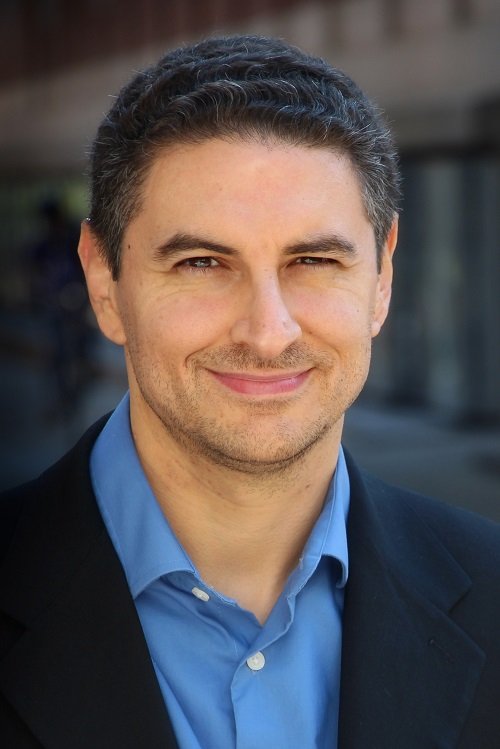
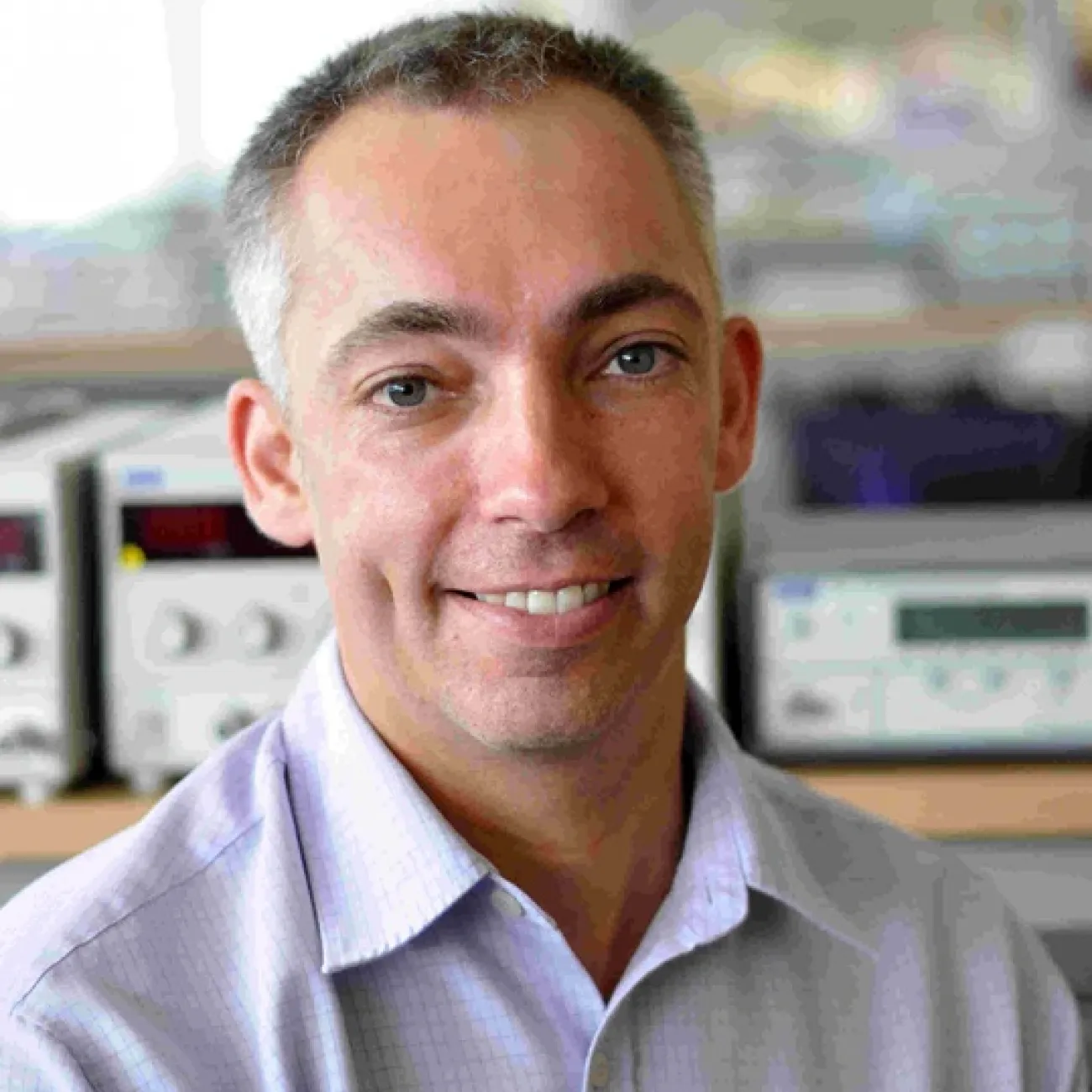
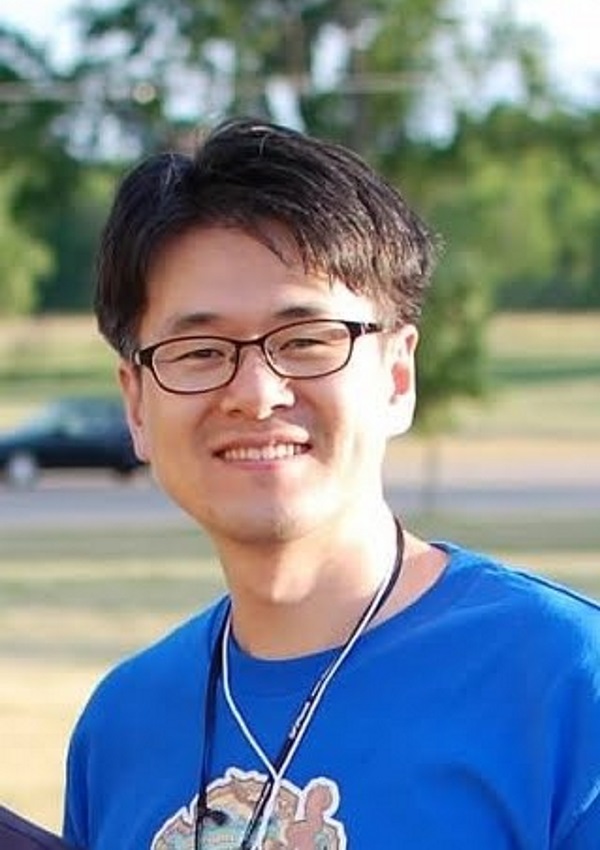
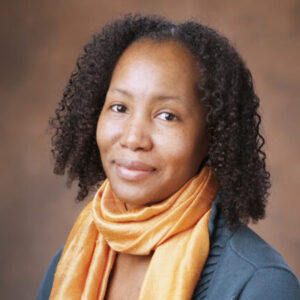
Michael McAlpine is a Professor in the Mechanical Engineering department at the University of Minnesota . He also holds affiliations with the Biomedical Engineering and Electrical and Computer Engineering departments. His research focuses on 3D printing functional materials & devices , Nanoscale inks , Biomedical devices , Bioelectronics , and Flexible Microsystems . Research Interests : 3D Printing, Biomedical Engineering, Nanotechnology, Flexible Electronics, Microfluidics Labs : ME 361/363 Contact : mcalpine@umn.edu , (612) 626-3303, ME 117 Recent Research Trends include 3D Printed Biomedical Devices , Flexible Electronics , and Bioprinting Applications . His work spans from Spinal Organoid Formation to Programmable Drug Release Capsules . Scientific Award : Circulation Research 2020 Best Manuscript Award
Massachusetts Institute of TechnologyUnited States
Edward H. Adelson is the John and Dorothy Wilson Professor of Vision Science at MIT, affiliated with the Department of Brain and Cognitive Sciences and the Computer Science and Artificial Intelligence Laboratory (CSAIL). His research spans computer vision, human vision science, and robotics, with a focus on artificial touch sensing and tactile robotics. He has pioneered technologies like the GelSight tactile sensor, enabling high-resolution touch sensing for robots surpassing human skin sensitivity. Adelson holds a PhD in Experimental Psychology from the University of Michigan (1979) and a BA in Physics and Philosophy from Yale University (1974). His career includes roles at MIT since 1987, progressing from Associate Professor to Professor and later the Wilson Chair. He contributed to early vision theories, including the plenoptic function and motion energy models, and has been recognized with prestigious awards like the Helmholtz Prize (2013) and Rank Prize (1992). His research interests include material perception, optical sensing, and the integration of vision and touch. Key innovations include the plenoptic camera, layered representation techniques for motion analysis, and tactile sensors for robotics. Adelson has authored over 300 publications and holds numerous patents in imaging, vision, and robotics. Awards and honors include membership in the National Academy of Sciences and the American Academy of Arts and Sciences. His work bridges neuroscience and engineering, advancing both fundamental understanding and practical applications in robotics and computer vision.
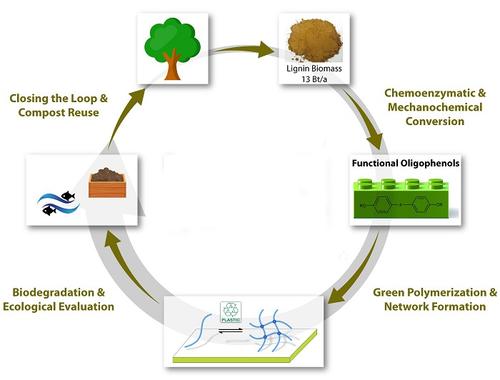
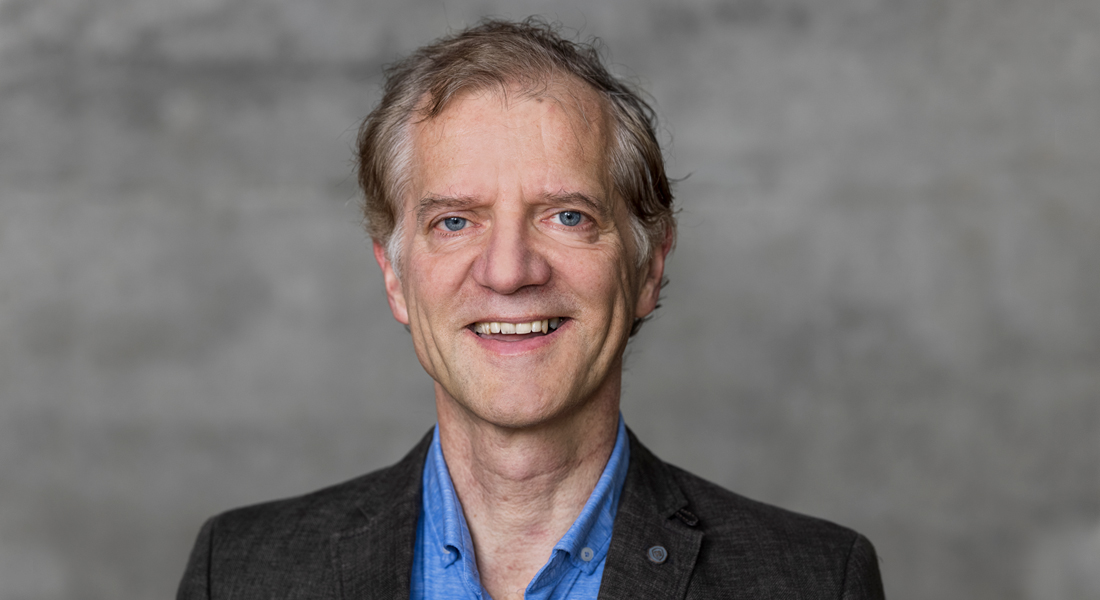
Rainer Haag is a Professor at the Department of Chemistry, Freie Universität Berlin, leading the Haag Group in the Institute of Chemistry and Biochemistry. His research focuses on biodegradable and sustainable materials, dynamic hydrogels, and polymeric nanosystems for biomedical applications. Department of Chemistry, Freie Universität Berlin Member of SFB 1449: Dynamic Hydrogels at Biointerfaces Collaborator in the StemGel startup project Co-founder of CSR|Berlin interdisciplinary research institute Research Interests: Development of stimuli-responsive polymers, multivalent virus inhibitors, and functional biointerfaces. Key projects include: Antiviral coatings using heteromultivalent polymers Thermoresponsive hydrogels for stem cell expansion Graphene derivatives for bacterial capture and disinfection Lignin upcycling for sustainable resin materials Supramolecular nanosystems for drug delivery Publication Trends highlight interdisciplinary work in polymer chemistry, nanotechnology, and biomedical applications. Recent articles focus on: 2D polyglycerols for virus interactions Redox-responsive nanogels Mucus-inspired adhesive hydrogels Tumor-targeting micelles Bacterial disinfection using graphene composites Labs & Collaborations include the Polymeric and Supramolecular Nanosystems subgroup, the Dynamic Hydrogels and Biointerfaces team, and partnerships with MIT in developing bioinspired adhesives. His group contributes to DFG-funded SFB 1449 and CSR|Berlin initiatives.
Professor Matthias Mann is a world-leading scientist serving as Director of the Proteomics and Signal Transduction department at the Max Planck Institute of Biochemistry in Martinsried, Germany, and Director of the Proteomics department at the Novo Nordisk Foundation Center for Protein Research, Faculty of Health Sciences, University of Copenhagen, Denmark. With an h-index exceeding 277 and over 350,000 citations, he is recognized as the highest cited German researcher and one of the most influential scientists globally in proteomics. His educational background includes: Ph.D. in Chemical Engineering from Yale University (1988) Master's Degree in Physics from Georg August University Göttingen (1984) Bachelor's of Arts in Mathematics from Georg August University Göttingen (1982) Professor Mann's research focuses on advancing mass spectrometry-based proteomics to understand biological systems at the protein level. His work spans technological developments in mass spectrometry, bioinformatics and computational analysis, signal transduction and posttranslational modifications, and clinical proteomics applications for disease diagnosis and treatment. The Mann lab has pioneered groundbreaking methods like SILAC for quantitative proteomics and MaxQuant for proteome data analysis. Their vision is to translate proteomics knowledge into clinical practice for predictive, diagnostic, and preventive medicine, with recent work focusing on AI-guided platforms for analyzing proteomes from minimal tissue samples. Analysis of Professor Mann's recent publications reveals a strong trend toward clinical applications of proteomics, particularly in cancer research, metabolic diseases, and neurodegenerative disorders. His work increasingly integrates spatial proteomics, single-cell resolution techniques, and artificial intelligence approaches to uncover disease mechanisms and identify potential biomarkers, with a clear shift from basic technology development toward direct clinical applications and personalized medicine. Professor Mann has received numerous prestigious awards throughout his career: 2025: Elected member of the American National Academy of Sciences 2024: Dr. H.P. Heineken Award for Biochemistry and Biophysics 2023: Otto Warburg Medal 2019: Nominated member of the Bavarian Academy of Sciences 2013: Elected member of Leopoldina German National Academy of Sciences 2012: Körber European Science Award, Louis-Jeantet Foundation Prize for Medicine, Ernst Schering Prize, and Leibniz Prize Professor Mann leads a highly collaborative research team involved in multiple international networks including the Bill & Melinda Gates Foundation, Michael J. Fox Foundation for Parkinson's Research, CLINSPECT-M, and Munich Heart Alliance. His lab has mentored numerous successful researchers, with several former postdocs receiving prestigious ERC Starting Grants. The Mann group has developed innovative clinical proteomics pipelines for analyzing archived tissue specimens and body fluids, aiming to identify protein markers for early detection of diseases such as diabetes and cancer. The Mann lab operates across two major research centers with state-of-the-art mass spectrometry facilities. Their Clinical Knowledge Graph platform integrates multi-omics data with extensive metadata, creating an ecosystem for machine learning applications in proteomics. Current research focuses on developing highly sensitive methods that can profile thousands of proteins from minimal cell samples, enabling the identification of critical disease-related proteins and supporting the development of individualized therapies.
Rhenish Friedrich Wilhelm University of BonnGermany
Prof. Waldemar Kolanus leads the Molecular Immunology and Cell Biology department at the University of Bonn's Life & Medical Sciences Institute (LIMES) . His research bridges immunoregulation , stem cell dynamics , and metabolic stress responses in immune cells. Unit 2 member at LIMES Principal investigator in SFB 704 and ImmunoSensation Cluster Leads a multidisciplinary lab with postdocs, PhD students, and technical staff His work focuses on intracellular signaling pathways connecting immune activation to tissue homeostasis, particularly through: Cytohesin proteins in integrin-mediated adhesion and migration TRIM71 in stem cell regulation and congenital hydrocephalus High-salt environments affecting macrophage function Publication trends show expertise in immune cell migration , genetic models , and chemical inhibition , with frequent use of mice and zebrafish for in vivo studies. Key articles explore: TRIM71's dual role in auditory development and germ cell maintenance Cytohesin family's Golgi regulation and insulin signaling Ruxolitinib's off-target migration inhibition of dendritic cells Contact details: Address: LIMES Institute, Carl-Troll-Straße 31, Bonn Email: kolanus.sekretariat@uni-bonn.de Phone: +49 228 73-62788
Dr. Benjamin C.K. Tee is an Associate Professor at the National University of Singapore (NUS), affiliated with the College of Engineering and the Department of Materials Science and Engineering. He leads the Sensors.AI Labs, focusing on transforming materials science, mechanics, and biology into cutting-edge technologies for robotics and healthcare in the AI era. His research explores novel materials and fabrication techniques to develop flexible, stretchable electronic sensors. These innovations enable applications in human-machine interfaces, biomedical devices, and AI-driven robotic systems. Key areas include self-healing materials, large-scale tactile sensing, and wireless health monitoring. His work has garnered international acclaim, including the James Dyson Foundation Prize (International Winner, 2021), MIT TR35 Innovator (2015), and recognition as a World Economic Forum Young Scientist (2019). His inventions have been commercialized through co-founded startups Privi Medical (acquired in 2021) and Hannah Life Technologies. Scientific Awards: National Research Foundation Fellowship (2017) MIT TR35 Innovator (Global) (2015) World Economic Forum Young Scientist (2019) James Dyson Foundation Prize - International Winner (2021) IES Prestigious Engineering Award (2020) Stanford University Top 2% Scientists (2021)
Professor Stephen Beeby is a leading academic at the University of Southampton in the Electronics and Computer Science department. His research spans Electronic Textiles , Flexible Electronics , and Energy Harvesting technologies. Research Focus: His work emphasizes the integration of smart printable materials into fabrics, enabling invisible wearable technologies . Projects include energy-harvesting insoles , skin hydration sensors , and thermoelectric devices for sustainable power. Recent Publications highlight advancements in zinc oxide nanoparticle films , flexible antennas , and gold-tooled e-textile circuits , reflecting his interdisciplinary approach to biomedical monitoring and smart clothing . Scientific Honors: Royal Academy of Engineering Chair in Emerging Technologies Fellow of IEEE (FIEEE) Fellow of Institute of Physics (FInstP) Fellow of Institution of Engineering and Technology (FIET) PhD Students: Supervising 10 active PhD candidates in areas like flexible sensors , smart garments , and energy-harvesting systems . Labs & Collaborations: Core member of the Centre for Flexible Electronics and E-Textiles (C-FLEET) and collaborates with European Union-funded initiatives like EnABLES and TEAM-NANO .
Jethro Johnson is an Innovation Track Principal Investigator at the Kennedy Institute of Rheumatology and Deputy Director of the Oxford Centre for Microbiome Studies (OCMS) at the University of Oxford. His work integrates computational genomics and microbiome research to explore host-microbiome interactions in health and disease. PhD in Nutritional Ecology (University of Auckland, 2012) MRC Career Development Fellowship Former postdoctoral researcher at Jackson Laboratory for Genomic Medicine Research focuses on: Mechanistic understanding of gut microbiome impacts on metabolic diseases Multi-omic data integration for host-microbiome studies Computational approaches to microbiome analysis Methodological developments in 16S rRNA gene profiling Publications emphasize microbiome-disease associations, methodological innovations, and computational genomics applications across human and mouse models. Key themes include metabolic dysfunction, immune interactions, and microbial diversity analysis. Scientific recognition includes: MRC Career Development Fellowship in Computational Genomics As OCMS Deputy Director, he contributes to advancing microbiome research infrastructure and collaborative projects while leading his own computational genomics group at the Kennedy Institute.
Han Joo Lee is a Professor and Director of Graduate Studies in the Department of Psychology at the University of Wisconsin-Milwaukee (UWM). He holds appointments in both the College of Letters & Science and the Clinical Psychology program. Lee earned his Ph.D. from the University of Texas at Austin in 2009. His research focuses on adult psychopathology, particularly anxiety disorders (e.g., OCD, social anxiety, PTSD), cognitive-perceptual processing abnormalities, and web-based psychological interventions. He has developed online assessment systems for anxiety disorders and conducted experimental studies on attentional biases and error-monitoring processes in clinical populations. Key research themes include: (1) maladaptive cognitive-perceptual mechanisms underlying anxiety disorders, (2) digital tools for mental health assessment, and (3) behavioral interventions targeting compulsive behaviors. His work integrates experimental, clinical, and neuroscientific approaches to understand symptom maintenance and treatment development. Lee's recent studies explore functional connectivity in skin-picking disorders, predictive factors for OCD treatment outcomes, and dual-hormone stress reactivity in PTSD. He collaborates with institutions like the UWM Psychology Clinic and maintains active grant-funded research projects. No specific awards are listed, but his extensive publication record reflects sustained contributions to clinical psychology. He advises the graduate program at UWM, overseeing training for clinical psychology doctoral students. His lab develops innovative interventions, including computerized response inhibition training for trichotillomania and interpretation-based treatments for thought-action fusion.
Hang Lu is an Associate Professor in the Department of Communication and Media at the University of Michigan's College of Literature, Science, and the Arts. He specializes in science, health, environmental, and risk communication (ComSHER), with a focus on media psychology. His research explores audience responses to media messages about sensitive topics and strategies to enhance message effectiveness. Lu holds a Ph.D. in Communication from Cornell University (2018), along with advanced degrees from Cornell, Marquette University, and Central South University in China. He directs the Media and Risk (MaR) Lab and previously served as a postdoctoral fellow at the Annenberg Public Policy Center. His research spans four main areas: 1) emotion dynamics in media responses, 2) predictors of information behaviors, 3) media effects on stigmatization, and 4) AI applications in sensitive domains. He has published in journals like Journal of Communication , Risk Analysis , and Public Understanding of Science , earning multiple top paper awards. As Vice Chair of the Environmental Communication Division at the International Communication Association, Lu contributes to interdisciplinary dialogue. His work addresses critical societal issues such as climate change communication, vaccination hesitancy, and emerging technology ethics.
Hyosang Lee is an Assistant Professor in the Robotics Section of the Mechanical Engineering Department at Eindhoven University of Technology (TU/e). He holds a PhD from KAIST and has held research positions at the Max Planck Institute and University of Stuttgart. His work focuses on tactile sensing technologies, including artificial skin development, soft robotics, and integration of sensory systems with AI. Bachelor's: Mechanical Engineering, Korea University Master's: Robotics and Mechanical Engineering (double major) PhD: Mechanical Engineering, KAIST (2017) Research interests span tactile sensor design, electrical impedance tomography (EIT), and human-robot interaction. His group emphasizes creating scalable, flexible tactile systems for robots. Recent work includes air pressure sensing for force estimation and biomimetic skin materials. Publications highlight innovations in multi-directional force sensing, soft component technologies, and haptic interfaces for autism therapy. He teaches 'Dynamics and Control of Robotic Systems' and serves on the editorial board of npj Robotics . No formal student advisees are listed, though his lab, the Tactile Sensing and Robotic Skin Group , likely involves graduate researchers. His research contributes to UN Sustainable Development Goals related to health and technology.
Prof. Jorge Piekarewicz is a Professor of Physics at Florida State University (FSU), affiliated with the College of Arts and Sciences. He earned his Ph.D. in theoretical nuclear physics from the University of Pennsylvania in 1985, followed by postdoctoral research at Caltech and Indiana University. Since 1990, he has been a faculty member at FSU. Education: Ph.D. in Theoretical Nuclear Physics, University of Pennsylvania (1985) Postdoctoral Fellowships: California Institute of Technology and Indiana University Research Interests: His work focuses on extreme-density nuclear matter in neutron stars, bridging terrestrial experiments and astrophysical observations. Key areas include: Neutron star structure and equation of state Weak interaction probes (e.g., parity-violating electron scattering) Multi-messenger astronomy insights from neutron star mergers Covariant energy density functionals and symmetry energy constraints Articles Trends: Recent work emphasizes refining the nuclear equation of state using PREX-CREX experiments, gravitational wave data (e.g., GW170817), and Bayesian methods. Key themes include neutron skin thickness, crust-core interactions, and symmetry energy sensitivity. Service & Outreach: Nuclear Science Advisory Committee (2012–2015) FRIB Theory Alliance Director (2017–2021) INT National Advisory Committee Chair (2018–2020) OLLI Lecturer on stellar evolution and neutron stars Collaborations: Active involvement with CERN, FRIB, JLab, and the Facility for Rare Isotope Beams (FRIB). Research leverages facilities like the Relativistic Heavy Ion Collider and the National Superconducting Cyclotron Laboratory.
Lieuwke Kranenburg is an Assistant Professor at the Faculty of Veterinary Medicine , Utrecht University , specializing in Equine Internal Medicine . She provides patient care at the University Equine Clinic and teaches Master's courses in equine digestion , infectious diseases , and skin problems . Research Focus: Equine internal medicine, digestive diseases, infectious pathogens, metabolic disorders Professional Certifications: EBVS® European Veterinary Specialist in Equine Internal Medicine International Collaboration: Trained Chinese veterinarians at Heilan Equestrian Centre Publications highlight her work on equine gastric disease management, diagnostic imaging, infectious disease epidemiology, and metabolic research. She contributes to equine clinical research through peer-reviewed journals and conference abstracts. Professional Involvement: Former board member of the Equine Medicine Group and current GGP representative for FEEVA, maintaining professional networks and advancing equine veterinary practice.
Audrey Bowden is an Associate Professor at Vanderbilt University in both the Department of Biomedical Engineering and Department of Electrical and Computer Engineering . She is also the Dorothy J Wingfield Phillips Chancellor Faculty Fellow . Education: PhD in Biomedical Engineering (2007) from Duke University BSE in Electrical Engineering (2001) from Princeton University Research Interests: Bowden's work focuses on biomedical optics and point-of-care diagnostics , with a strong emphasis on addressing healthcare disparities through low-cost technologies. Key areas include: Biomedical Imaging Biophotonics Image Processing Machine Learning in Medical Imaging Optical Coherence Tomography (OCT) Functional Near-Infrared Spectroscopy (fNIRS) Publication Trends: Recent work combines machine learning with endoscopic imaging to differentiate cancer from inflammation, develops low-cost OCT systems for smartphones, and improves fNIRS accessibility for diverse patient populations. Her lab also focuses on 3D reconstruction algorithms for urological applications and specular reflection removal in endoscopic videos. Lab & Clinical Collaborations: The Bowden Biomedical Optics Laboratory (BBOL) collaborates with clinical departments including urology , dermatology , otolaryngology , and women's health . The lab integrates optics , microfluidics , and computer science to create hardware/software tools for resource-constrained environments.
Mike Climstein serves as a Lecturer in Human Sciences within the Faculty of Health at Southern Cross University (SCU), where he coordinates the Master of Clinical Exercise Physiology program and acts as Deputy Academic Integrity Officer. He concurrently holds an adjunct Associate Professor position in the Physical Activity, Lifestyle, Ageing and Well-being Research Group at the University of Sydney and directs SCU's Aquatic Based Research initiative. His academic credentials include a PhD in Exercise Science & Human Performance from Oregon State University (1990), an MSc in Exercise Science from Utah State University (1986), and a BSc in Biology from Utah State University (1982). Climstein's research spans clinical exercise physiology with emphases on master athletes' health, chronic disease rehabilitation, sports injury surveillance (particularly surfing), cardiac rehabilitation, smart textile monitoring, and osteoporosis. His work integrates technology-driven health solutions with population-specific exercise interventions, notably for aging populations and athletes. Analysis of his recent publications reveals three dominant trends: 1) AI applications in dermatological diagnostics (e.g., melanoma detection systems), 2) physiological adaptations in aging populations through martial arts and aquatic exercise, and 3) epidemiological studies of chronic conditions in master athletes and occupational groups. These reflect his dual focus on technological innovation and practical health interventions. His scientific recognition includes: Fellowship by Sports Medicine Australia (FASMF) Fellowship by American College of Sports Medicine (FACSM) Fellowship by Exercise and Sports Science Australia (FAAESS) Climstein actively supervises 4 PhD and 2 Master's students while co-supervising 6 Doctor of Physiotherapy candidates. His research program is supported by 38 grants totaling over $7.8 million AUD, including studies on aquatic rehabilitation and smart textile monitoring. As Director of Aquatic Based Research, he leads interdisciplinary teams investigating water-based exercise interventions for chronic disease management, with ongoing projects in cardiac rehabilitation and osteoporosis prevention.