Stelios Andreadis is the SUNY Distinguished Professor of Chemical and Biological Engineering at the University at Buffalo, affiliated with the School of Engineering and Applied Sciences. He directs the Cell, Gene and Tissue Engineering Center and previously led the Stem Cells in Regenerative Medicine (SCiRM) Training Program. His research focuses on stem cell bioengineering, vascular and gland tissue engineering, and biomaterials design. He holds a PhD in Chemical Engineering from the University of Michigan and has been funded by NIH, NSF, and NYSTEM, totaling over $20M. His awards include the NSF CAREER Award, SUNY Chancellor’s Excellence in Scholarship, and AIMBE and BMES Fellowships. Research interests span stem cell rejuvenation, cell-free vascular grafts, and metabolic reprogramming. He has published 140+ papers and advised 28 PhD students, many now in academia or industry. His lab co-founded Angiograft, LLC to commercialize vascular grafts. Key achievements include developing self-healing vascular grafts and demonstrating monocyte recruitment for vascular regeneration. His work bridges basic science and clinical applications in regenerative medicine.
Tommy Lundberg is a Senior Lecturer and Docent in Physiology at Karolinska Institutet. He works at the Department of Laboratory Medicine, Division of Clinical Physiology. His email address is tommy.lundberg@ki.se, and his postal address is H5 Laboratoriomedicin, H5 Klinisk Fysiologi Gustafsson, 141 52 Huddinge. Lundberg is affiliated with the university library and has held positions since 2022. Research Interests: Lundberg's research focuses on skeletal muscle mass and function adaptation, particularly in athletic performance, disease contexts, aging, and transgender individuals undergoing hormone therapy. He investigates molecular, metabolic, morphological, and functional responses to resistance and aerobic exercises. His work also explores biological maturity selection biases in youth sports, bio-banding applications in soccer and ice hockey, and the impact of anti-inflammatory drugs on muscle hypertrophy. Article Trends: Lundberg's recent publications (2025–2024) cover topics like sex differences in disc golf, muscle atrophy in space exposome, longitudinal hormone therapy effects in transgender individuals, and bio-banding in youth sports. Earlier works delve into molecular pathways in muscle hypertrophy, concurrent training effects, mitochondrial function, and imaging techniques (CT/MRI) for muscle assessment. Scientific Recognition: Most prominent young researcher in Sport Science, Swedish Central Association for Sport Promotion (SCIF), 2017 Teaching and Editorial Roles: Lundberg teaches human physiology and sports science in nursing, physiotherapy, and biomedical analytics programs. He leads a contract education course in advanced exercise physiology and contributes to a PhD course on scientific writing. He is an Associate Editor for Frontiers in Physiology - Exercise Physiology (2022) and a member of the editorial board for Translational Exercise Biomedicine (2024). Collaborations and Expertise: He collaborates with the Swedish Football Association and Swedish Ice Hockey Association on bio-banding studies. Lundberg served as an invited speaker at the ACSM Annual Meeting (2024) on transgender athletes and as an expert panelist for World Rugby's transgender workshop (2020). His supervision includes Andrea Tryfonos (2021) and thesis evaluations at Mid Sweden University and Linköping University.
Woojin Han is an Assistant Professor in the Departments of Orthopedics and Cell, Developmental & Regenerative Biology at the Icahn School of Medicine at Mount Sinai. His research program focuses on the mechanobiology of skeletal muscle stem and progenitor cells, with applications in disease modeling and the development of advanced therapeutics for muscle injuries and degenerative diseases. Dr. Han earned his BS in Biomedical Engineering from the University of Rochester and his MS and PhD in Bioengineering from the University of Pennsylvania. He completed his postdoctoral training at the Georgia Institute of Technology, where he received awards from the American Federation for Aging Research (AFAR) and the NIH. Dr. Han's research integrates biomaterials, bioengineering, and in vivo genetic approaches to investigate cell-matrix interactions and mechanobiological signaling, aiming to uncover the mechanisms driving muscle regeneration and pathology. His work is supported by the National Institutes of Health (NIH) and the Department of Defense (DoD). Analysis of Dr. Han's recent publications reveals a strong focus on muscle regeneration mechanisms, particularly examining the role of extracellular matrix proteins, mechanical confinement, and signaling pathways in muscle stem cell behavior. His research spans from fundamental mechanobiology to translational applications using biomaterials for tissue regeneration. 2025 NEBEC Emerging Investigator Award 2024 Mount Sinai Faculty Council Award for Junior Faculty 2023 Popular Science's The Brilliant 10 2022 Stephen I. Katz Early Stage Investigator Grant Awardee American Federation for Aging Research (AFAR) award NIH award Dr. Han's research is supported by significant funding from the National Institutes of Health (NIH) and the Department of Defense (DoD). His work bridges basic science and clinical applications, with particular emphasis on developing advanced therapeutics for muscle injuries and degenerative diseases. Through his lab, he mentors junior researchers in the fields of biomechanics, bioengineering, and regenerative medicine. Dr. Han leads the Han Lab, which focuses on skeletal muscle regeneration research. The lab employs a multidisciplinary approach combining biomaterials engineering, molecular biology, and advanced imaging techniques to develop novel strategies for enhancing muscle repair and preventing pathological changes following injury.
Overview Soraya Williams is a Researcher at Loughborough University in the School of Sport, Exercise and Health Sciences. She holds a BSc and MSc in Biomedical Sciences from Plymouth University and completed a PhD through the Regenerative Medicine Centre of Doctoral Training Programme at Loughborough University, collaborating with Nottingham University and Keele University. Her PhD focused on optimizing processes for extracellular vesicle (EV) expansion, harvest, and isolation. Currently, she works as a Research Assistant under Dr. Owen Davies, focusing on EV applications in regenerative aesthetics with a private funder. Research Interests Her work centers on extracellular vesicles for regenerative medicine, particularly in dermatology and bone/muscle regeneration. Key areas include EV isolation methodologies, therapeutic applications, and epigenetic modulation of EV efficacy. She has contributed to standardization frameworks like MISEV2023 and explored biomaterial integration for enhanced tissue repair. Publications Trends Her publications emphasize EV isolation techniques, clinical applications in paediatrics, and translational strategies for regenerative therapies. Recent work addresses challenges in EV characterization and large-scale production for translational medicine. Awards & Grants No specific awards are listed, though her PhD training was supported by EPSRC/MRC funding. Current research is privately funded. Advising & Labs Collaborates with industry partners and academic institutions. Her lab focuses on translational EV research in sports medicine and aesthetic applications.
Eduardo N. Chini, M.D., Ph.D., is a Professor at Mayo Clinic with primary and joint appointments in the Department of Anesthesiology and Perioperative Medicine and the Department of Cancer Biology. He is based in Rochester, Minnesota, and leads a research program focused on NAD metabolism, aging, and their roles in diseases such as cancer, obesity, and kidney disease. Education: BS in Biology, Centro Educacional de Niteroi-RJ MD, Universidade do Rio de Janeiro PhD in Biological Chemistry, Universidade do Rio de Janeiro Fellow, Department of Physiology and Biophysics, Mayo Clinic Resident in Anesthesiology, Mayo Clinic College of Medicine Research Interests: Eduardo N. Chini's research investigates the central role of nicotinamide adenine dinucleotide (NAD) in cellular metabolism, aging, and disease. His lab has made foundational discoveries in NAD catabolism, identifying CD38 as the primary enzyme regulating NAD levels in mammals. His work explores SIRT1 regulation via CD38 and DBC1, NAD metabolism in cancer, and its implications in polycystic kidney disease. He is particularly interested in how NAD signaling influences aging, metabolic syndrome, and organ dysfunction. Recent Research Trends: His recent publications (2023–2025) reveal a strong focus on the role of CD38 in aging, immune function, and tissue metabolism. Key themes include NAD+ depletion triggering inflammatory responses, CD38 inhibition as a therapeutic strategy for cardiotoxicity and metabolic aging, and the interplay between senescence, stem cell function, and mitochondrial health. His work increasingly integrates translational models with molecular mechanisms in aging and cancer. Scientific Awards: Florida Investigator of the Year, Mayo Clinic (2024) Glenn/AFAR Breakthroughs in Gerontology Award (2007) Edward C. Kendall Award, Mayo Clinic Alumni Association (2002) Directors Award for Aging Research, Kogod Center on Aging (2018) Distinguished Scientist Seminar Series, Georgetown Medical School (2022) Grants and Leadership: Dr. Chini is a co-Principal Investigator on multiple NIH-funded grants, including projects on CD38 in scleroderma, CLL, and male reproductive aging. He is Co-Director of the Mayo Clinic Mitochondrial Care Center and Associate Director of the Robert and Arlene Kogod Center on Aging. He has served on numerous national review panels and advisory councils, including the NIH Hepatobiliary Pathophysiology Study Section and AFAR's National Scientific Advisory Council. Labs and Teams: Dr. Chini leads a research laboratory at Mayo Clinic focused on NAD metabolism and aging. His team collaborates extensively with experts in cancer biology, mitochondrial medicine, and aging research. He is affiliated with the Mayo Clinic Comprehensive Cancer Center, the Kogod Center on Aging, and the Robert M. and Billie Kelley Pirnie Translational PKD Center.
Chi (Jesse) Zhang is a Research Professor at Purdue University's Department of Chemistry, leading the Zhang Research Group. His work focuses on developing novel optical spectroscopy, imaging, and opto-control technologies to study chemical processes in living systems. He has pioneered techniques like Real-Time Precision Opto-Control (RPOC) and applies them to biomedical problems, including cancer metabolism and neurodegenerative diseases. His lab collaborates with institutions like Merck and has been recognized with awards such as the Astronaut Scholarship and Alice Watson Kramer Award. Education details are not explicitly provided, but his postdoctoral research at the Beckman Institute (2018–2020) indicates prior training in advanced scientific technology. His research integrates optical engineering with biological systems, emphasizing label-free imaging and real-time manipulation of cellular components. Key achievements include over 50 peer-reviewed publications and the development of the photokinesis technology platform (http://www.photokinesis.tech). His group hosts an active wet lab with projects ranging from lipid metabolism studies to optical device innovation. Recent milestones include successful student defenses, conference presentations, and impactful publications in ACS Photonics , Anal. Chem , and npj Imaging .
Rodrigo Fernandez Gonzalo is a Docent (Associate Professor) in Physiology and Principal Researcher at the Division of Clinical Physiology, Department of Laboratory Medicine, Karolinska Institutet. He leads the Space and Environmental Physiology research group focusing on skeletal muscle adaptation under various conditions including microgravity, aging, disease, and exercise. His research interests span skeletal muscle physiology, space physiology, and environmental physiology, with particular expertise in how skeletal muscle interacts with other physiological systems. His work employs diverse methodologies including human clinical studies, animal models, and cellular models to investigate functional, metabolic, morphological, molecular, and neural adaptations. Analysis of his recent publications reveals a strong focus on space physiology applications, particularly how microgravity affects skeletal muscle and immune systems, along with translational applications for clinical populations like those with cerebral palsy. His research integrates molecular analysis, imaging techniques, and physical performance outcomes to develop countermeasures for spaceflight effects. 4.5 MSEK funding from the Swedish National Space Agency (2020) Member of European Space Agency's Life Science Working Group (2022-2026) Member of Space Researchers Sweden (2021-) Dr. Fernandez Gonzalo serves as course responsible for Anatomy and Physiology in the nursing program (since 2018) and Advanced Human Physiology Research in the Master's programme in Translational Physiology and Pharmacology (since 2023). He also teaches Human Spaceflight at KTH and participates in the Erasmus Mundus Joint Master in Physiology and Medicine of Humans in Space and Extreme Environments. His laboratory utilizes facilities at Karolinska University Hospital and ANA Futura for human, animal, and cellular studies investigating space exposome effects.
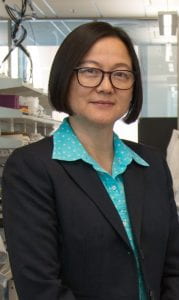
Professor Shanlin Fu is a distinguished academic at the University of Technology Sydney (UTS), holding the position of Professor in the School of Mathematical and Physical Sciences and affiliated with the Centre for Forensic Science. He serves as the Program Director for the Bachelor of Forensic Science program and is a Research Integrity Adviser for the Faculty of Science. With over $10 million in competitive research funding from ARC, NHMRC, and other national and international schemes since 2008, Professor Fu leads the Drugs and Toxicology Group, focusing on developing sensitive methods for clinical diagnosis, therapeutic drug monitoring, and drugs of abuse testing. Professor, UTS School of Mathematical and Physical Sciences (2019-present) Associate Professor, UTS School of Chemistry and Forensic Science (2015-2019) Senior Lecturer, UTS School of Chemistry and Forensic Science (2008-2014) Professor Fu earned his PhD in Medicinal and Pharmaceutical Chemistry from the University of Sydney (1989-1992), an MSc in Phytochemistry from Peking Union Medical College (1982-1985), and a BSc in Biology from Nanjing Normal University (1978-1982). Prior to his academic career at UTS, he served as a Senior Hospital Scientist at the Northern Sydney Area Health Service (2000-2008) and as a Senior Research Scientist at The Heart Research Institute (1993-2000). Professor Fu's research spans analytical chemistry, forensic chemistry, medical biochemistry, pharmacology, pharmaceutical sciences, forensic toxicology, and clinical toxicology. His work focuses on three main areas: Forensic Chemistry concerning identification of drugs of abuse including new psychoactive substances; Forensic Toxicology focusing on detection of drugs in biological matrices for clinical and medico-legal purposes; and Clinical Toxicology aiming to understand mechanisms of substance abuse harms. His research has strong real-world applications, with his patented 'Cathinone Test' already commercialized for law enforcement and potential healthcare settings. Analysis of Professor Fu's recent publications reveals a strong emphasis on developing innovative analytical methods for drug detection, particularly for new psychoactive substances. His work increasingly incorporates multi-omics approaches (metabolomics, lipidomics, proteomics) and machine learning techniques to enhance detection capabilities. There's a clear trend toward translating laboratory research into practical field applications, with numerous color spot tests and portable detection methods being developed for law enforcement use. His research also shows expanding applications in equine doping control and postmortem analysis. Vice-Chancellor's Medal for Research Excellence through Collaboration or Partnership (2023) UTS Teaching and Learning Award for Team Teaching (2022) MAPS Research Translation Award (2022) As a member of the HDR Panel since 2022, Professor Fu actively supervises Masters Research and PhD students in forensic science. His extensive grant portfolio includes leadership of the ARC Research Hub for Integrated Device for End-user Analysis at Low-levels and the Australian Centre for cannabinoid clinical and research excellence (ACRE). He has established key collaborations with Australian Federal Police, NSW Forensic and Analytical Science Service, Racing NSW, and international institutions including University of Copenhagen and University of Dundee. His research impact extends beyond academia through commercialization of detection technologies that improve efficiency and accuracy of illicit drug detection. Professor Fu heads the Drugs and Toxicology Group at the Centre for Forensic Science, which maintains strong industry partnerships with forensic laboratories and law enforcement agencies. His group is currently developing a multiplexer device that can simultaneously detect multiple new psychoactive substances including cathinones, NBOMEs, piperazines, and fentanyl analogues. The group's work bridges fundamental research with practical applications, with several technologies moving from the laboratory to real-world implementation in forensic and healthcare settings.
Gustavo Alberto Nader is a Professor of Kinesiology at The Pennsylvania State University , holding the Dorothy Foher and J. Lloyd Huck Chair in Molecular, Cellular and Integrative Physiology. His research focuses on skeletal muscle growth control , ribosome biogenesis , and transcriptional/epigenetic regulation in health and disease contexts. Affiliated with the Huck Institutes of the Life Sciences and College of Health and Human Development Principal Investigator on NIH-funded projects examining ribosomal control of muscle mass Research Interests span molecular mechanisms of muscle adaptation to exercise, cancer cachexia, chronic disease impacts on muscle, and cross-species Wnt signaling regulation by CO₂ levels. Key methodologies include human/animal/cell models, ribosomal analysis, and epigenetic profiling. Publication Trends show sustained focus on: Ribosome biogenesis in muscle hypertrophy (2012–2025) Cancer-induced muscle wasting mechanisms (2015–2024) CO₂/Wnt pathway interactions (2015–2019) Exercise-induced transcriptional responses (2001–2016) Scientific Awards include the Huck Chair, while his Grants & Collaborations involve NIH-funded studies on transcriptional/epigenetic mechanisms (2019–2026) with cross-disciplinary teams in physiology, oncology, and respiratory medicine.
Vivian Li is a Senior Group Leader and Assistant Research Director at The Francis Crick Institute in London, UK, leading a research group focused on intestinal stem cell biology and colorectal cancer mechanisms. Dr. Li earned her PhD from the University of Hong Kong's Department of Pathology in 2008, researching molecular mechanisms of human colonic development and tumorigenesis, for which she received the Gold Medal Prize. She then completed postdoctoral training with Hans Clevers at the Hubrecht Institute in the Netherlands, funded by the Croucher Foundation Fellowship, focusing on Wnt pathway proteomics and intestinal stem cell genes using transgenic mouse models. Her research program investigates how stem cells maintain healthy gut tissue and what goes wrong during cancer development, with particular emphasis on Wnt signaling pathways. Dr. Li's laboratory utilizes advanced organoid technology ('mini-guts') to study stem cell behavior in three-dimensional cultures, gene editing techniques, and state-of-the-art imaging approaches. Her work spans developmental biology, stem cell research, and cancer biology with significant translational implications. Analysis of her recent publications (2022-2025) reveals a strong focus on cancer stemness mechanisms, intestinal regeneration pathways, Wnt signaling components, and innovative organoid modeling approaches for colorectal cancer. Her research consistently bridges basic science with potential clinical applications in gastrointestinal medicine. Gold Medal Prize for PhD thesis Croucher Foundation Fellowship Dr. Li established her independent laboratory at the MRC National Institute for Medical Research in February 2013 and transitioned to the Francis Crick Institute in 2015. Her research aims to develop tumor-specific therapies for bowel cancer and grow replacement human gut tissue for transplantation or drug testing platforms. She leads a multidisciplinary team utilizing cutting-edge techniques including reverse mouse genetics, ex vivo organoid cultures, and advanced genomic and proteomic analyses to investigate stem cell regulation in health and disease. Her laboratory at the Crick Institute operates within the Biological Research Facility and collaborates extensively with other research groups both within the institute and internationally, contributing significantly to understanding intestinal stem cell niche dynamics and cancer development mechanisms.
Professor Craig Sale holds the position of Professor of Human Physiology and Nutrition at Manchester Metropolitan University (MMU) and previously led research initiatives at Nottingham Trent University (NTU). He specializes in investigating exercise and nutrition interventions, particularly focusing on bone and muscle adaptations. His roles include Co-Lead of NTU’s Health & Wellbeing Strategic Research Theme, Director of the SHAPE Research Centre, and REF Unit of Assessment Coordinator for UoA C24. His research spans bone metabolism, muscle performance, genetics, sports nutrition, biomechanics, and environmental physiology, with a commitment to impactful real-world applications. His research has addressed topics such as beta-alanine supplementation for exercise performance, diet/exercise interventions for bone health in athletes, and the biological actions of carnosine. He has supervised 17 completed PhD students and currently guides 8 more. His awards include Fellowship in the American College of Sports Medicine (ACSM) and a Section Editor role at the European Journal of Sports Sciences. Recent work emphasizes bone biomarker responses to exercise, myocardial carnosine roles, and pregnancy’s legacy on athletic performance.
Dr. Michael Gallaugher is an Assistant Professor of Statistical Science at Baylor University. He holds a Ph.D., M.S., and B.S. in Statistics from McMaster University. His research focuses on clustering and classification methodologies, particularly in matrix/tensor variate data, mixed-type data, clickstream analysis, and outlier detection. He has been recognized with prestigious awards including the Vanier Canada Graduate Scholarship and the Banting Postdoctoral Fellowship. Education: Ph.D., Statistics, McMaster University (2020) M.S., Statistics, McMaster University (2017) B.S., Statistics, McMaster University (2015) Research Interests: Dr. Gallaugher's work emphasizes advanced clustering techniques for complex data structures, including high-dimensional datasets, clickstream behavior analysis, and skewed distribution modeling. His contributions span statistical methodology development and applications in fields like bioinformatics and sports science. His recent work explores hidden Markov models for time series and robust co-clustering algorithms. Publications Trends: His publications reflect a strong focus on matrix-variate distributions, skewed data modeling, and algorithmic innovation in clustering. Recent work (2022-2025) highlights advancements in contaminated normal mixtures, co-clustering for high-dimensional data, and spatial regression models. Awards: Vanier Canada Graduate Scholarship Banting Postdoctoral Fellowship Advising & Grants: While no advisees are listed, his research has been supported by grants from the Natural Sciences and Engineering Research Council of Canada. He contributes to statistical consulting services at Baylor and collaborates internationally on methodological projects. Labs & Teams: He is affiliated with Baylor's Department of Statistical Science and collaborates with research groups focused on machine learning and statistical computing.
Dr. Jingsong Zhou is a Professor of Kinesiology and Associate Director of the Bone-Muscle Research Center at The University of Texas at Arlington. Her research focuses on neuromuscular diseases, particularly Amyotrophic Lateral Sclerosis (ALS), with expertise in striated muscle physiology, calcium signaling, and mitochondrial dysfunction. She leads the Neuromuscular Diseases Lab, which develops genetic mouse models and molecular probes to study ALS mechanisms. Dr. Zhou’s work has been supported by NIH, MDA, DOD, and the ALS Association. She serves on the NIH SMEP study section and has over 20 years of academic experience, including postdoctoral training at Vanderbilt University College of Medicine and a PhD from Rush University School of Medicine. Education: Postdoctoral Fellow in Pharmacology, Vanderbilt University College of Medicine (2001) PhD in Molecular Biophysics and Physiology, Rush University School of Medicine (1997) Diploma in Medicine, Hunan Medical University (Xiangya Medical School) (1986) Research Interests: Mechanisms of calcium signaling and mitochondrial dysfunction in ALS Role of sarcolemma repair and autophagy in neuromuscular disease progression Development of therapeutic strategies targeting mitochondrial health and membrane integrity Grants and Funding: NIH grants focused on ALS pathogenesis and muscle-bone interactions Support from MDA, DOD, and ALS Association for translational research projects Labs and Teams: Director of the Neuromuscular Diseases Lab at UT Arlington Collaborations in developing mouse models and molecular tools for ALS research
Prof. Dr. Leonid Ionov is a leading academic at the Faculty of Engineering Science , University of Bayreuth, specializing in Biofabrication and 4D Printing . He has held professorial roles since 2017, with prior positions at the University of Georgia and TU Dresden. Research Priorities: Smart responsive polymers, 3D/4D bioprinting, self-healing electronics, and bioinspired surface engineering. Teaching: Offers advanced courses in 3D Printing of Polymers , Biofabrication , and Polymer Science . His work integrates stimuli-responsive materials with additive manufacturing to create bioinspired actuators, vascular scaffolds, and self-healing conductive systems. Recent articles focus on 4D-printed vascular junctions , multi-responsive cellulose composites , and dynamic bilayer morphing . Scientific Achievements Recipient of the 2022 North Bavaria Business Plan Competition award 2012 Georg Manecke Prize for biopolymer research Developed European patents for Li-S battery cathodes and microfluidic devices Trained over 20 PhD/postdoc alumni now at institutions like Iowa State University and Harvard Medical School . Leads a multidisciplinary lab with advanced equipment for polymer synthesis, electrospinning, and cell culture studies.
Prof. Dr. Thomas Martin serves as Chair of Paleontology at the University of Bonn's Institute of Geosciences, where he has led the Vertebrate Paleontology department since October 1, 2006. He is also Vice President of the Paleontological Society since 2009 and holds a guest professorship at Shenyang Normal University in China since 2013. His research group focuses on mammalian evolution, with particular emphasis on jaw and dentition evolution, masticatory biomechanics, and the evolution of the ear region throughout mammalian history. Dr. Martin's educational background includes: Diploma in Geology-Paleontology from Eberhard Karls Universität Tübingen (1987) PhD from Rheinische Friedrich-Wilhelms-Universität, Bonn (1991) Habilitation from Freie Universität Berlin (1997) His research interests center on the origin and diversification of mammals, with particular focus on Mesozoic mammals. He employs cutting-edge 3D methods including µCT scanning, surface segmentation, DiceCT, Occlusal Fingerprint Analyzer (OFA), virtual animation, and simulation to investigate how changes in the masticatory apparatus and feeding habits have shaped mammalian evolution. His work has significantly advanced our understanding of dietary adaptations and associated hearing enhancements during crucial moments in mammalian evolutionary history. Analysis of his recent publications reveals a strong focus on Mesozoic mammal dentition, particularly the functional morphology of early mammalian teeth and jaws. His research spans multiple continents, with significant work on German, Russian, and Chinese fossil sites, and demonstrates consistent investigation into mammalian evolutionary patterns through detailed dental and skeletal analyses. His collaborations span internationally with researchers from Russia, China, and the United States. Scientific recognition includes: Fritz-Franck-Förderpreis der Deutschen Gesellschaft für Säugetierkunde (1993) Dr. Martin has secured substantial research funding through multiple DFG (German Research Foundation) projects, including ongoing work on polar vertebrates from the Lower Cretaceous of Yakutia, Russia, and functional studies of early mammalian dentition. He currently supervises several doctoral students including Marius Losco, Thomas Engler, and Sebastian Pommerening, and maintains an active research group with multiple postdoctoral researchers. His laboratory utilizes state-of-the-art imaging and analytical techniques, with particular expertise in virtual paleontology methods. The research group maintains strong international collaborations, particularly with institutions in Russia, China, and the United States, reflecting the global nature of his paleontological investigations.