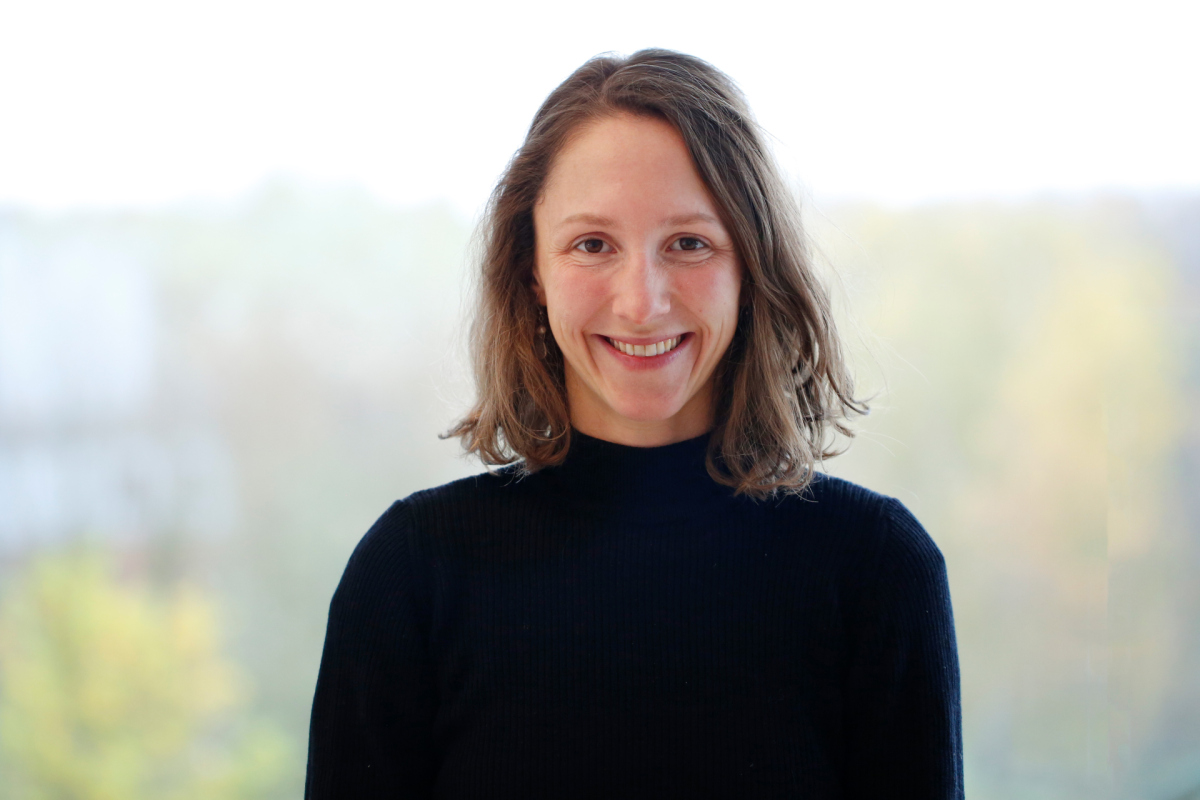
Jonathan D. Tward is a tenured Professor in the Department of Radiation Oncology at the University of Utah and directs the Huntsman Cancer Institute (HCI) Genitourinary Cancers Center (GUCC). With expertise in prostate, bladder, and penile cancers , he pioneers AI-driven digital-molecular oncology through innovations in precision radiation therapy , multimodal imaging , and prognostic biomarker development . Education: BS in Biology (UCLA), PhD in Biochemistry, MD (Tufts University), Residency in Radiation Oncology (University of Utah) Leadership: Director of GUCC, Utah ASTRO State Captain, NCCN Guideline Panel Member His research integrates machine learning with genomic/transcriptomic profiling to optimize radiation workflows and validate molecular signatures in clinical trials. He is a globally recognized authority in AI-enabled cancer discovery and digital pathology , holding the Vincent P. and Janet Mancini Endowed Chair. Dr. Tward’s work emphasizes resource-stratified oncology solutions for low/middle-income settings. Scientific awards include the Vincent P. and Janet Mancini Presidential Endowed Chair and Fellowship in the American Society for Radiation Oncology (FASTRO) . His 100+ peer-reviewed publications focus on AI-guided treatment adaptation , cell-cycle risk modeling , and multimodal prognostication in GU malignancies. Patient testimonials highlight his empathetic care , technical precision , and global leadership in radiation oncology.
Hong S. Lu, MD, PhD, is an Associate Professor at the University of Kentucky , affiliated with the Department of Physiology and the Saha Cardiovascular Research Center . His work focuses on cardiovascular diseases, particularly atherosclerosis and aortic aneurysms , with an emphasis on renin-angiotensin system mechanisms and genomic editing strategies. He collaborates with institutions including Baylor College of Medicine and University of Maryland . Doctor of Philosophy, Kanazawa University (2003) Doctor of Medicine, Zhejiang University (1993) His research explores pharmacological inhibition of angiotensinogen, Lipoprotein regulation , and vascular biology of receptors like LRP1 and PAI-1. Current projects include studying Etv5-mediated elastic fiber generation in aortic dissection and myeloid thrombospondin-1 roles in ECM suppression. Recent grants supported by the American Heart Association and National Heart, Lung, and Blood Institute address cardiovascular system heterogeneity and myocardial infarction models. Awards include ATVB Top Reviewer (2014, 2016) and New Investigator Travel Awards (2004, 2006). His 160+ research outputs since 2004 span topics like mouse models of coronary atherosclerosis, metformin effects on aneurysms, and complement component 4 suppression in liver steatosis. Collaborations with Dr. Alan Daugherty and others drive innovations in vascular pathology and cardiometabolic disease research.
Fernando Vicosa Bauermann, DVM, MSc, PhD, is an Associate Professor at the Department of Veterinary Pathobiology , Oklahoma State University . Originally from Brazil, he holds degrees from the Federal University of Santa Maria (DVM 2008, PhD 2013) and conducted postdoctoral research at USDA-APHIS (2013-2016) and South Dakota State University (2016-2018). His academic career focuses on virology , pathogenesis of bovine respiratory viruses , and biosecurity protocols for veterinary pathogens. Education : DVM, MSc, PhD in Veterinary Medicine (Universidade Federal de Santa Maria, Brazil) Research interests span virus-host interactions , bovine respiratory disease complex , emerging pestiviruses , and viral inactivation methods . His work addresses survivability of viral pathogens in feed ingredients , swine viral diagnostics , and cross-border disease surveillance . Key funding sources include USDA-NIFA , National Pork Board , and Swine Health Information Center . Current projects focus on vaccine adjuvants for ruminants , single-cycle vaccine development , and thermal virus inactivation protocols . He serves as peer reviewer for journals like Journals of Virology , Frontiers in Veterinary Science , and PLoS Pathogens . His teaching activities include Veterinary Virology and PhD Research Supervision , emphasizing diagnostic virology and viral pathogenesis .
Christopher M Waters is a Professor in the Department of Microbiology, Genetics, & Immunology at Michigan State University's College of Natural Science. He holds faculty appointments in the Genetics & Genome Sciences Program and Cell & Molecular Biology Program. His research focuses on bacterial chemical signaling mechanisms in pathogens, particularly Vibrio cholerae, investigating how these systems regulate virulence and biofilm formation. Education: B.S., 1997, University of Kansas Ph.D., 2002, University of Minnesota Post-doctoral studies, 2003-2008, Princeton University Research Focus: Dr. Waters' laboratory studies cyclic di-GMP signaling and quorum sensing in bacterial pathogens. His work reveals how these chemical communication systems control critical processes like biofilm formation and virulence factor expression. The lab employs molecular genetics, biochemistry, and microscopy to dissect signaling pathways in Vibrio cholerae, with emphasis on identifying environmental cues that modulate cyclic di-GMP levels and developing anti-infective strategies targeting bacterial communication. Publication Trends: Recent publications demonstrate Waters' leadership in cyclic dinucleotide signaling, with significant contributions to understanding c-di-GMP/phosphodiesterase regulation, biofilm heterogeneity, phage-bacteria interactions, and cross-talk between signaling systems. His work spans fundamental mechanisms in Vibrio cholerae while extending to Pseudomonas aeruginosa, Agrobacterium tumefaciens, and plant pathogens, revealing conserved principles in bacterial signal transduction. Teaching & Mentoring: Dr. Waters teaches Microbial Genetics (MGI 431), Undergraduate Research (MGI 499), and Topics in Microbiology (MGI 991). His laboratory provides training in advanced microbiological techniques while investigating bacterial pathogenesis mechanisms. He maintains an active research program supported by competitive grants focused on bacterial signaling and antimicrobial development. Research Facility: The Waters Lab (https://mmg.natsci.msu.edu/waters-lab/) operates within MSU's state-of-the-art Biomedical and Physical Sciences facility, utilizing specialized equipment for molecular microbiology, live-cell imaging, and biochemical analysis of bacterial signaling pathways.
Yufeng Wu is a Professor in the Department of Computer Science and Engineering at the University of Connecticut. He holds a PhD from the University of California, Davis (2007). His research focuses on computational biology and bioinformatics, particularly in population genomics, phylogenetics, and high-throughput sequencing analysis. He is the developer of software tools such as ScisTree, PedMix2, and GTmix, which address challenges in cell lineage tree inference and ancestry analysis. Professional roles include Associate Editor for IEEE/ACM Transactions on Computational Biology and Bioinformatics since 2013, and participation in program committees for conferences like RECOMB, ISMB, and BIBM from 2007 to 2024. His research interests span computational methods for genomic data, including single-cell analysis, phylogenetic network inference, and microbiome studies. Notable contributions include algorithms for detecting genomic variations, ancestry inference, and coalescent-based approaches for population genetics. His work has led to tools widely used in analyzing genetic data from population studies and clinical applications. Recent research highlights include studies on gut microbiome interactions in multiple sclerosis, scalable phylogenetic network methods, and improvements in single-cell lineage tree construction. He advises students on computational biology projects, with notable collaborations on software development and algorithmic innovations.
Dr. Michael Henderson is an Associate Professor in the Department of Neurodegenerative Science at Van Andel Institute (VAI) and Director of the VAI Brain Bank. His research focuses on neurodegenerative diseases like Parkinson’s and dementia with Lewy bodies (DLB), investigating protein pathologies (e.g., α-synuclein, tau) and genetic risk factors (e.g., LRRK2, GBA1). He earned his B.Sc. in Biological Science from Florida State University, Ph.D. in Neuroscience from Yale University (under Dr. Sreeganga Chandra), and conducted postdoctoral work at the University of Pennsylvania (with Drs. Virginia Lee and John Trojanowski). Promoted to Associate Professor in 2024, his lab combines primary neuron cultures, animal models, and computational modeling to study disease mechanisms and therapeutic targets. Key research areas include: (1) Mapping α-synuclein pathology spread via brain connectivity networks, (2) Evaluating LRRK2 kinase inhibitors and glucocerebrosidase modifiers, (3) Identifying cell-type vulnerabilities using spatial transcriptomics, and (4) Translating discoveries into clinical trials. His lab has published over 120 peer-reviewed papers, including 63 in high-impact journals (2024 alone). Notable grants include a $5.8M NIH grant (2025) studying cellular senescence in Parkinson’s and a $9M Aligning Science Across Parkinson’s award (2021). Awards include the NSF Graduate Research Fellowship (2012) and NIH Ruth L. Kirschstein Award (2017). His team includes 10+ advisees (Ph.D. students, postdocs, and technicians), with active collaborations across institutions like Yale and the University of Pennsylvania. The Henderson Lab aims to accelerate therapies by bridging basic science and clinical applications.
Peter W. Laird is a Professor and Peter and Emajean Cook Endowed Chair in Epigenetics at Van Andel Institute , Grand Rapids, Michigan. He previously held academic roles at the University of Southern California (USC) from 1996–2014, including directorship of the USC Epigenome Center. His research focuses on epigenetic mechanisms in cancer , particularly DNA methylation dynamics and their role in tumor initiation, progression, and translational applications. Education: B.S./M.S. from University of Leiden; Ph.D. (1988) from University of Amsterdam Postdoctoral Training: Netherlands Cancer Institute (Anton Berns), Whitehead Institute (Rudolf Jaenisch) Research Themes include: Mechanisms of DNA methylation in cancer Development of mouse models for epigenetic studies Single-cell epigenomic analysis Clinical applications of epigenetics in prevention/detection Key Contributions : Co-development of all epigenomic data for The Cancer Genome Atlas (TCGA), discovery of replication-associated DNA hypomethylation, and creation of tools like BISCUIT for DNA methylation analysis. His work has been recognized through the Clarivate Highly Cited Researchers list and major grants from NCI. Mentorship includes advising graduate students and postdoctoral fellows such as Nathan Spix, Felicia Ebot Ojong, and Jae Min Park. He has published over 122 peer-reviewed papers in 2024 alone, with 63 in high-impact journals.
Dr. Adelheid (Heidi) Lempradl is an Assistant Professor in the Department of Metabolism and Nutritional Programming at Van Andel Institute, where she leads a research laboratory focused on understanding how parental metabolic states are transmitted across generations. Her work bridges epigenetics, metabolism, and developmental biology to uncover mechanisms of intergenerational inheritance. Dr. Lempradl's research explores how environmental factors like diet impact future generations through epigenetic mechanisms. Her laboratory investigates molecular pathways that underlie phenotype transmission across generations, with particular focus on how parental nutrition affects offspring health. She was the first to demonstrate that paternal diet reprograms offspring metabolism in Drosophila and identified the first epigenetic signature of obesity conserved across species. Her recent publications reveal trends in early embryonic metabolism, transgenerational epigenetic inheritance, metabolic programming, and the identification of distinct cell subtypes relevant to metabolic diseases. Her work spans from fundamental mechanisms in Drosophila models to mammalian systems and human relevance. 2002 DOC-fFORTE Ph.D. Fellowship from the Austrian Academy of Sciences Nominated for the Helmholtz Young Investigator Diabetes (HelDi) Award in 2018 Keynote address at SETAC/iEOS Joint Topic Meeting on Environmental and (Eco) Toxicological Omics and Epigenetics Dr. Lempradl mentors several postdoctoral fellows and graduate students including Alix Booms, Eduardo Perez-Mojica, April Rickle, Ellen Stirtz, and Krittika Sudhakar. Her laboratory works closely with the Van Andel Institute Graduate School and collaborates extensively with researchers at Max Planck Institute. The Lempradl Laboratory is part of Van Andel Institute's comprehensive metabolism and nutrition research program launched in 2018.
Dr. Ahmed Salman is a Senior Immunologist-Vaccinologist and Research Group Leader at the Jenner Institute, University of Oxford, affiliated with Kellogg College. He specializes in developing vaccines against infectious and cancerous diseases, focusing on malaria, COVID-19, and veterinary pathogens. His work employs advanced technologies like viral vectors, viral-like particles (VLPs), and CRISPR-based approaches. He holds a DPhil in Clinical Medicine from the University of Oxford, following degrees from Ain Shams University and collaborations with institutions like the Statens Serum Institut. Research Interests: Dr. Salman’s research centers on identifying vaccine antigens, optimizing vaccine platforms, and advancing gene therapy for retinal diseases. His contributions include patents for malaria vaccines and pivotal roles in the Oxford-AstraZeneca COVID-19 vaccine development. He leads projects funded by the Bill & Melinda Gates Foundation and MRC, focusing on antigen selection for clinical trials. Grants & Awards: His work has been supported by major funders, and he holds patents for malaria vaccine candidates. He is a member of the British Society for Immunology and American Society of Tropical Medicine and Hygiene. Publications: His recent work spans malaria vaccine mechanisms, retinal immunology, and cybersecurity applications of AI. Contributions include studies on CRISPR delivery to the retina and AI frameworks for cybersecurity education.
David Raleigh, MD, PhD, is an Associate Professor and Physician-Scientist in the Department of Radiation Oncology at the University of California, San Francisco (UCSF), where he dedicates 80 % of his effort to laboratory research as a Principal Investigator in the UCSF Brain Tumor Center. He specializes in adult and pediatric brain tumors, focusing on developmental signaling pathways to uncover biomarkers and therapeutic targets for medulloblastoma, meningioma, and glioblastoma. Education & Training: University of California, Berkeley – B.A. (Honors) Molecular & Cell Biology and Cognitive Science (2000-2004) University of Chicago – Ph.D. Pathology (2007-2010) University of Chicago – M.D. (2005-2012) Kaiser Permanente Santa Clara – Intern, Internal Medicine (2012-2013) UCSF – Resident, Radiation Oncology (2013-2017) UCSF – Post-doctoral Fellow, Cancer Biology (2015-2017) Research Interests: Dr. Raleigh’s laboratory integrates biochemistry, molecular & cell biology, mouse genetics, genomics, bioinformatics, and pharmacology to decode developmental signaling cascades in brain tumors. His group discovered novel activators of oncogenic Hedgehog signaling in medulloblastoma and defined a FOXM1/WNT axis driving meningioma proliferation—work now serving as the basis for ongoing molecular therapy trials. Recent peer-reviewed output (2024-2025) reveals three major themes: (i) molecular & spatial atlases that refine risk stratification for meningioma and brain metastases; (ii) immune-microenvironment interrogations demonstrating IL-6-mediated immunosuppression and STING targeting opportunities; and (iii) therapeutic sensitization strategies employing CRISPRoff epigenetic editing, carbonic anhydrase inhibition, and DOTATATE-guided radiation planning. Honors & Awards: FASEB, Takeda, DDW Travel Awards Naomi Ragins Goldsmith Career Development Award UChicago Outstanding Graduate Student Oral Presentation UChicago Outstanding Performance in Radiation & Cellular Oncology Kaiser Permanente Teaching Award for Medical Student Education UCSF Resident Research Travel Award & RSNA Roentgen Award ASCO Top Young Investigator Awardee & ARS Young Oncologist Travel Grant Funding & Grants: NIH/NCI R01CA262311 (2021-2026) – “Understanding druggable drivers of meningioma tumorigenesis” (PI) NIH/NCI R01CA251221 (2021-2026) – “Mechanisms of Hedgehog signaling in glioblastoma” (PI) NIH/NCI K08CA212279 (2017-2022) – “Understanding How Ciliary Hedgehog Signaling Causes Medulloblastoma” (PI) Laboratory & Teams: Dr. Raleigh leads a multidisciplinary team within the UCSF Brain Tumor Center that collaborates with neurosurgery, neurology, bioengineering, and pharmaceutical partners. His group maintains active roles in multi-institutional consortia including the International Consortium on Meningiomas (ICOM) and cIMPACT-NOW, shaping global guidelines for molecular diagnostics and targeted trial design.
Laura Halbach is a researcher at the Max Planck Institute for Marine Microbiology, working within the Department of Biogeochemistry led by Prof. Dr. Marcel Kuypers. Her work focuses on microbial interactions, primary production, and nutrient cycling in diverse aquatic ecosystems ranging from tropical coastal habitats to polar fjords and glacier surfaces. Current research emphasizes N₂-fixing microbes (diazotrophs) in seagrass meadows (Posidonia oceanica, Cymodocea nodosa, Thalassia testudinum) Utilizes chemical, molecular, and single-cell imaging techniques (SIMS, SEM-EDS) Active in promoting research integrity as an institute Ombudsman Her studies address biogeochemical processes impacting climate regulation through carbon and nitrogen cycling. Key areas include: Glacier surface microbial communities and albedo reduction Marine nitrogen fixation and plant-microbe symbiosis Polar and tropical ecosystem nutrient dynamics Her publications reveal a focus on cryospheric microbiology, polar food webs, and imaging-based ecosystem analyses. Laura also contributes to teaching in the MarMic Master's program.
Aleksandar Milosavljevic is a Professor and holds the Henry and Emma Meyer Chair in Molecular Genetics at Baylor College of Medicine. He serves as Director of the Program in Quantitative & Computational Biosciences (QCB) and Co-Director of the Computational and Integrative Biomedical Research Center (CIBR). He is also a member of the Dan L Duncan Comprehensive Cancer Center. His research focuses on genomics, epigenomics, and bioinformatics, with a particular emphasis on cancer genomics, extracellular RNA communication, and clinical genome interpretation. Education: PhD from University of California, Santa Cruz (1990). Research interests include developing computational methods for analyzing genomic and epigenomic data, constructing biological atlases (e.g., Human Epigenome Atlas, exRNA Atlas), and advancing clinical genomic applications through projects like ClinGen. His work bridges basic science and translational medicine, with contributions to understanding tumor biology, genetic variant interpretation, and liquid biopsy technologies. Key projects include the NIH Roadmap Epigenomics Initiative, NIH Extracellular RNA Communication Consortium, and ClinGen, which developed tools like the Pathogenicity Calculator and Allele Registry. His lab collaborates widely, addressing challenges in structural genomics, stochastic epigenetic regulation, and precision medicine.
Associate Professor Ulrike Grunert is a distinguished researcher in the Faculty of Medicine and Health at the University of Sydney, where she serves in the Clinical Ophthalmology and Eye Health department at the Save Sight Institute. With over three decades of experience in visual neuroscience, her work has significantly advanced our understanding of retinal structure and function. Dr. Grunert received her PhD in Biology from Johann Wolfgang Goethe University in Frankfurt, Germany in 1985, followed by postdoctoral work at the University of Florida. She became a group leader at the Max-Planck-Institute for Brain Research before joining the University of Sydney in 1994 with a Feodor Lynen fellowship from the Alexander von Humboldt Foundation. She was awarded her Habilitation from Goethe University in 1994 and has maintained continuous research activity since then, with appointments including Lions Vision Research Fellow (2003-2009) and Honorary Principal Research Fellow at the University of Melbourne (2006). Her research focuses on the functional neuroanatomy of the mammalian retina, with special emphasis on the primate retina. Dr. Grunert's work has been instrumental in defining the neural circuitry of the eye , particularly related to retinal ganglion cells and their connections with other retinal cells and targets in the brain. Her laboratory employs advanced techniques including immunohistochemistry, confocal microscopy, and single-cell transcriptomics to investigate retinal cell types and their functional organization. Analysis of her recent publications reveals a consistent research trajectory focused on characterizing retinal cell types across primate species, with increasing emphasis on molecular markers and comparative approaches. Her work spans from fundamental cellular organization to translational applications in vision science, with particular attention to the human fovea and specialized retinal pathways. Her scientific achievements have been recognized with prestigious awards including: National Vision Research Institute Fellowship (2020) Nina Kondelos Award of the Australian Neuroscience Society (2017) Sydney Medical Foundation Fellowship (2017-2021) Lions Vision Research Fellowship (2003-2009) Dr. Grunert has successfully supervised numerous students and collaborated extensively with international researchers. Her grant portfolio includes multiple NHMRC Project Grants, ARC Centre of Excellence funding, and equipment grants supporting advanced retinal imaging. She currently leads research on retinal gene therapy delivery, mapping the human retina, and night vision pathways, often in collaboration with international partners in Italy, Japan, and the United States. Her laboratory at the Save Sight Institute maintains state-of-the-art facilities for retinal histology, confocal microscopy, and molecular analysis.
Artyom Kopp is a Professor in the Department of Evolution and Ecology at the University of California, Davis. His research focuses on molecular genetic mechanisms underlying evolutionary processes, particularly in Drosophila species. Key interests include genomic architecture, sexual dimorphism, gene regulation, and the evolutionary origins of novel traits. He leads the Kopp Lab, which utilizes genomic and developmental approaches to study how genetic changes drive morphological and behavioral adaptations. Education details are not explicitly listed, but his work emphasizes comparative genomics, phylogenetics, and developmental genetics. Research highlights include studies on de novo gene evolution, regulatory changes in sensory systems, and the genetic basis of sexual dimorphism. Notable projects involve highly contiguous genome assemblies of Drosophilidae species and single-cell analyses of developmental processes. His articles explore topics like gene expression dynamics, evolutionary innovations in Drosophila morphology, and the genomic basis of sexual traits. While no awards are listed, his contributions to Drosophila genomics and developmental evolution are significant. He advises no listed students but collaborates extensively on genomic resource development and evolutionary systems biology. The Kopp Lab (http://kopplab.ucdavis.edu/) integrates computational and experimental methods to address fundamental questions in evolutionary genetics. Current work includes dissecting the genetic pathways governing species-specific traits and understanding how regulatory changes contribute to phenotypic diversity.
Joel Parker, PhD, is an Adjunct Associate Professor in the Department of Genetics at the UNC School of Medicine, University of North Carolina at Chapel Hill. His research focuses on cancer genomics, particularly in breast cancer subtyping, biomarker development, and precision medicine. He leads studies on genetic and transcriptomic profiling to predict treatment responses and clinical outcomes in oncology. His work integrates liquid biopsy technologies, immune signatures, and genomic assays like HER2DX and TNBC-DX to improve diagnostic and therapeutic strategies. Key research areas include: Genetic drivers of therapeutic resistance in breast cancer Single-cell epigenetic and transcriptomic analysis of tumor heterogeneity Multimodal biomarker validation for personalized cancer care Immune microenvironment correlates in tumor progression Recent publications (2024-2025) emphasize: Validation of HER2DX and TNBC-DX genomic assays in clinical trials Plasma-based prediction of metastatic breast cancer outcomes Epigenetic mechanisms in melanoma and lymphoma Racial disparities in basal-like breast cancer prognosis Collaborations include the Sweden Cancerome Analysis Network (SCAN-B) and trials like NeoALTTO and TNT. No specific grants or awards are explicitly listed, though his work aligns with UNC’s broader oncology research initiatives.