

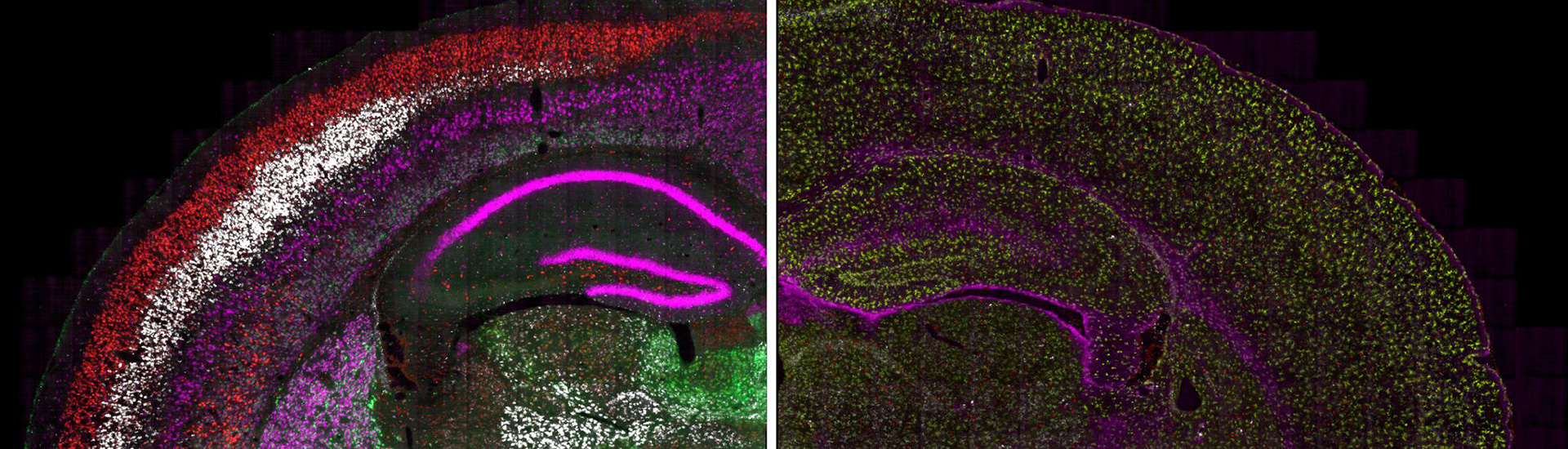
Long Cai is a Professor at the California Institute of Technology, affiliated with the Biology and Biological Engineering department. He pioneered the field of spatial genomics and co-developed transformative technologies such as seqFISH and MEMOIR. Research Interests: His work focuses on decoding biological systems through spatial genomics, integrating molecular imaging with computational analysis to uncover cellular organization in tissues. Key areas include developmental biology, neuroscience, kidney regeneration, and cancer biology. Publications: Recent studies highlight applications of spatial transcriptomics in kidney disease, brain nuclear architecture, and multi-omics tissue mapping. His research emphasizes creating high-resolution atlases of cellular dynamics. Scientific Awards: NIH Director’s Pioneer Award (2022) Labs & Collaborations: He leads the Cai Lab, which develops cutting-edge imaging tools in collaboration with the Elowitz Lab and other interdisciplinary teams.
جستوجوی استاد و پژوهشگر
استاد راهنما، استاد دانشگاه یا پژوهشگر مناسب برای مسیر پژوهشیتان را پیدا کنید و با او ارتباط بگیرید.
نمایش ۳۱-۴۵ از ۳٬۶۴۲ استاد راهنما
اطلاعات این پروفایلها از صفحات عمومی دانشگاهها جمعآوری شده و ممکن است بهروز نباشد.
Sabine Krabbeمشاهده پروفایل
استادیار
Dr. Sabine Krabbe is a Group Leader at the German Center for Neurodegenerative Diseases (DZNE) in Bonn, Germany, where she leads research on neural circuit mechanisms underlying adaptive learning and state-dependent decision-making. Her work integrates neuroscience, molecular biology, and behavioral approaches to understand how internal states influence behavior and how these processes are disrupted in neurological disorders. Dr. Krabbe's research focuses on the interactions between midbrain circuits of the substantia nigra and ventral tegmental area with their output structures such as the striatum and amygdala. She investigates how these networks integrate internal states with environmental cues to produce appropriate behavioral responses. Her laboratory employs state-of-the-art techniques including deep-brain calcium imaging at single-cell resolution in mice, opto- and pharmacogenetic manipulations, anatomical tracings, and molecular approaches to characterize neural circuit elements in detail. Her recent publications reveal significant insights into amygdala interneuron plasticity during fear learning, brain-wide representational drift in memory consolidation, and the molecular mechanisms underlying Parkinson's disease progression. Her work demonstrates how activity patterns within specific neural circuits change in early stages of neurodegenerative diseases and how this dysfunction contributes to cognitive deficits and emotional disturbances. Dr. Krabbe is actively involved in the neuroscience community, organizing the BonnBrain Conference 2026 and sharing research through social media platforms. She has established herself as an emerging leader in the field of systems neuroscience with a particular focus on the neural basis of emotional states and decision-making processes.

Xiuwei Zhangمشاهده پروفایل
استادیار
Xiuwei Zhang is the J.Z. Liang Early-Career Assistant Professor in the School of Computational Science and Engineering (SCoSE) at Georgia Institute of Technology, part of the College of Computing. Her research focuses on computational biology and bioinformatics, particularly in developing machine learning methods for analyzing single-cell omics data, including multi-modal, temporal, and spatial data integration. She leads a lab that designs tools like scDART , scMoMaT , and scMultiSim , which address challenges in multi-omics integration, lineage reconstruction, and simulation. Before joining Georgia Tech, she held postdoctoral positions at UC Berkeley (Nir Yosef’s group), the European Bioinformatics Institute (EBI), and École Polytechnique Fédérale de Lausanne (EPFL). She earned her PhD in computer science from EPFL under Bernard Moret. Her Erdős number is 3, reflecting her collaborative work across computational fields. Her research spans four key areas: multi-batch/single-cell data integration, temporal analysis of cell differentiation, spatial-temporal omics dynamics, and simulation tools for benchmarking methods. She has received prestigious awards, including the NSF CAREER Award (2022) and NIH MIRA (2021). She actively participates in conferences (RECOMB, ISMB) and serves on editorial boards (Journal of Computational Biology). Her group’s recent work includes the scMultiSim simulator (2025), which generates multi-omics spatial data, and LinRace (2023), reconstructing cell lineage histories. She mentors over 15 students and collaborates internationally on projects like the InQuBATE Workshop on Single-Cell Transcriptomics.
Omer Bayraktarمشاهده پروفایل
پژوهشگر
Omer Bayraktar is a Group Leader at the Wellcome Sanger Institute , leading research in the Cellular Genomics Programme. His work focuses on decoding human brain cellular diversity using spatial transcriptomics , imaging , and functional screening to study neural complexity in health and disease. Bayraktar's educational background includes a PhD from HHMI under Chris Doe, investigating neural diversity development in Drosophila , followed by postdoctoral work at University of California, San Francisco and University of Cambridge as a Life Sciences Research Foundation Fellow. He developed a spatial transcriptomic pipeline during his postdoc to analyze astrocyte heterogeneity in the cerebral cortex. His research explores neural cell type mapping , glial-neuronal interactions , and cellular pathways in neurodevelopmental disorders . Recent publications emphasize 3D tissue mapping , multi-omic integration , and computational tools like Cell2fate and WebAtlas. His work bridges neurogenetics and computational biology to advance understanding of human tissue ecosystems. Bayraktar's lab collaborates with the Human Cell Atlas initiative and develops technologies such as automated histology pipelines and highly-multiplexed smFISH for molecular cell typing. His team also investigates glia-based therapies and astrocyte functional heterogeneity in neurodevelopmental contexts. Key scientific contributions include: Discovering astrocyte layer patterns independent of neuronal laminae Developing cell2location for spatial cell mapping Characterizing Drosophila neural stem cell models with human relevance Notable awards include the Life Sciences Research Foundation Fellowship during his postdoctoral training. His current group includes a PhD student , Senior Data Scientists , and Bioinformaticians .
Prof. Dr. Oliver Krüger is a behavioral ecologist and evolutionary biologist at Bielefeld University 's Faculty of Biology , where he leads the Department of Animal Behaviour since 2013. His research spans avian and marine mammal systems, focusing on life history strategies, parasite-host interactions, and environmental adaptation. Education: Biology studies at Bielefeld University (1994-1996) MSc in Oxford (1996-1997) PhD at Bielefeld University with Fritz Trillmich and Jan Lindström (1998-2000) Research Themes: Behavioral ecology, evolutionary biology, and population dynamics across tropical and temperate ecosystems. Key projects include NC³ (Niche Choice/Construction) and studies on Galápagos sea lions, common buzzards, and pinniped species. Scientific Leadership: Spokesperson, SFB TRR 212 "NC³" (2018-2025) Advisory Board member: German Ornithologists Union, IUCN SSC pinniped group, German Primate Centre Peer review roles: Humboldt Foundation, DFG, HFSP, NSF Awards: Leopoldina Prize (2001) Niko Tinbergen Award (2008) DFG Heisenberg Professorship (2010-2015)

Brian Hieمشاهده پروفایل
استادیار
Brian Hie is an Assistant Professor of Chemical Engineering at Stanford University , a Dieter Schwarz Foundation Stanford Data Science Faculty Fellow , and an Innovation Investigator at Arc Institute . He leads the Laboratory of Evolutionary Design , focusing on the intersection of biology and machine learning . His prior roles include a Stanford Science Fellow in the Stanford University School of Medicine and a Visiting Researcher at Meta AI . Education: Ph.D. , Electrical Engineering and Computer Science , Massachusetts Institute of Technology (2021) Bachelor’s Degree , Stanford University Research Interests: Brian’s work bridges machine learning and computational biology , with a focus on protein engineering , single-cell RNA sequencing , and viral evolution . His Evolutionary velocity framework predicts protein evolutionary dynamics across timescales, while his Scanorama algorithm enables efficient integration of heterogeneous single-cell datasets. He also develops structure-informed language models for antibody optimization and uncertainty-aware ML for biological discovery. Publication Trends: His recent work (2023) emphasizes structure-based inverse folding for antibody evolution, evolutionary scale modeling , and unsupervised optimization . Earlier studies (2022-2021) cover evolutionary velocity , multi-modal single-cell analysis , and viral escape prediction using natural language analogies. Scientific Awards: Stanford Science Fellow (2021) National Defense Science and Engineering Graduate Fellowship (2019) Advising: He mentors doctoral students including Brandon Ameglio , Garyk Brixi , and Chang M. Yun , with a focus on biological design and computational methods . Labs & Collaborations: His lab collaborates with Bio-X and the Institute for Human-Centered Artificial Intelligence (HAI) , and he maintains affiliations with Sarafan ChEM-H and Stanford Data Science .

- Genomics
- Computational Biology
- RNA Biology
- +۴ مورد دیگر
Lior S. Pachter is the Bren Professor of Computational Biology and Computing and Mathematical Sciences at the California Institute of Technology (Caltech). He holds a B.S. from Caltech (1994) and a Ph.D. from MIT (1999). His affiliations include the Division of Biology and Biological Engineering at Caltech. Roles: Faculty member, Principal Investigator Departments: Computational Biology and Computing and Mathematical Sciences Research interests span computational and experimental genomics, with a focus on single-cell sequencing technologies and RNA biology. His lab develops tools like kallisto, sleuth, and gget for genomic analysis. Key contributions include methods for quantifying RNA-Seq data and analyzing high-dimensional genomic datasets. Publications highlight advancements in spatial genomics, bioinformatics tools, and genomic data retrieval. His work emphasizes open-source software, with repositories hosted on GitHub.

Ovijit Chaudhuri is an Associate Professor of Mechanical Engineering at Stanford University, with a courtesy appointment in Bioengineering. He leads research at the interface of mechanics and biology, focusing on how cellular and extracellular mechanical properties influence biological processes like cancer progression and tissue formation. His work employs advanced tools such as atomic force microscopy and 3D cell culture systems. Education: Ph.D., University of California, Berkeley/San Francisco (Bioengineering, 2009) B.S., University of California, Berkeley (Engineering Physics, 2003) Postdoctoral Fellow, Harvard University (Biomaterials, 2013) Research Interests: His lab explores molecular mechanisms behind cellular mechanics, extracellular matrix dynamics, and how mechanical cues regulate cell behavior. Key areas include cancer metastasis, mechanotransduction, and engineered biomaterials for 3D cell culture. Publications Trends: Recent work emphasizes viscoelastic hydrogels, matrix mechanics in cancer progression, and mechanistic insights into cell migration. Over 50 publications since 2015 highlight interdisciplinary approaches in biomaterials and mechanobiology. Awards: Not explicitly listed in provided materials. Advising & Labs: No specific advisee names listed, but his lab focuses on collaborative projects in mechano-biology. Active in developing biomaterial systems for drug discovery and tissue engineering applications. Labs/Teams: Leads the Chaudhuri Lab at Stanford, which integrates engineering principles with biological systems to address complex disease mechanisms and therapeutic strategies.
.png)
Xiaoyu Caiمشاهده پروفایل
استادیار
Xiaoyu Cai is an Assistant Professor at the Department of Medicine, Loyola University Chicago, specializing in lung regeneration, aging biology, and stem cell plasticity. Her research focuses on the molecular mechanisms governing alveolar type 2 (AT2) stem cell dynamics during aging and chronic lung diseases. Education: Bachelor of Medicine (Peking University, 2012), Master of Science (Peking University, 2015), PhD in Biology of Aging (USC & Buck Institute, 2021) Key Research Areas: Lung regeneration, inflammation resolution, stem cell aging, 3D organoid cultures Methodologies: Single-cell multiome, mouse genetics, multicellular organoid systems Collaborations: Translational partnerships with clinical teams for bench-to-bedside applications Dr. Cai's recent work explores lineage plasticity in aged lung stem cells, ferroptosis suppression via CRISPR screens, and cellular aging atlases across species. She previously held a postdoctoral position at Genentech Inc. and maintains a professional lab website. Contact: xcai2@luc.edu | Office: CTRE 123
Dana Pe'er is a Professor and Chair of the Computational and Systems Biology Program at the Sloan Kettering Institute (SKI) of Memorial Sloan Kettering Cancer Center. She is also an Investigator of the Howard Hughes Medical Institute and holds the Alan and Sandra Gerry Endowed Chair. Dr. Pe'er leads an interdisciplinary research group that combines advanced genomics approaches with machine learning to address fundamental questions in biomedical science, with particular focus on cancer biology, developmental biology, and immunology. Dr. Pe'er earned her PhD from Hebrew University in Jerusalem, Israel. Her academic journey includes a postdoctoral fellowship with George Church at Harvard Medical School. Before joining Memorial Sloan Kettering Cancer Center in 2016, she held faculty positions at Columbia University. Dr. Pe'er's research focuses on understanding cellular plasticity, the consequences of intra-tumor heterogeneity, cancer evolution and metastasis, and the mechanisms by which regulatory circuits go awry in disease. Her lab combines single-cell and spatial profiling technologies with machine learning approaches to investigate gene regulation, cellular plasticity, and cell-cell communication in the contexts of cancer, immunity, and development. They are particularly interested in how organisms develop from a single cell to generate diverse cell types, how epigenetic control rewires during development, and how cells communicate to execute multicellular responses. Analysis of Dr. Pe'er's recent publications reveals a strong focus on developing computational methods for single-cell and spatial genomics data analysis. Her work spans cancer types including pancreatic, prostate, colorectal, and breast cancer, with emphasis on tumor heterogeneity, metastasis mechanisms, and cellular plasticity. A significant portion of her research involves creating novel algorithms and tools like CellRank, REUNION, and SEACells that enable researchers to extract meaningful biological insights from complex genomic datasets. 2023 Class of 2023 Inductee - American Academy of Cancer Research (AACR) Academy 2023 Innovator Award - International Society for Computational Biology (ISCB) 2021 Fellow - International Society for Computational Biology (ISCB) Howard Hughes Medical Institute Investigator (2021) 2019 Ernst W. Bertner Memorial Award - University of Texas MD Anderson Cancer Center 2016 Lenfest Distinguished Faculty Award - Columbia University 2014 Director's Pioneer Award - National Institutes of Health 2014 Overton Prize - International Society for Computational Biology (ISCB) Dr. Pe'er is known for her dedicated mentorship approach, describing herself as "a mama bear" who cares deeply about her trainees while expecting independence, innovation, and hard work. She mentors numerous PhD students and postdocs in her lab. Her HHMI Investigator award provides approximately $9 million over seven years, enabling ambitious research directions. She also collaborates extensively with the Single-cell Analytics and Innovation Lab (SAIL) at MSK to generate new data from emerging technologies, working closely with wet-lab collaborators at MSK and beyond to apply computational methods to cutting-edge datasets across multiple disease areas. The Pe'er Lab is an interdisciplinary group of computational biologists with diverse backgrounds ranging from pure mathematics to clinical medicine. They work closely with wet-lab collaborators to apply their computational methods to cutting-edge datasets across cancer, immunology, and developmental biology. The lab is described as open, supportive, collaborative, and fun, with access to world-class facilities at the Sloan Kettering Institute. Dr. Pe'er's work continues to push the boundaries of computational biology and cancer research, with the ultimate goal of developing more effective, personalized therapies for cancer patients.
- Genomics
- Malaria Research
- Parasitology
- +۳ مورد دیگر
David Serre is a Professor in the Department of Microbiology and Immunology at the University of Maryland School of Medicine, with an additional appointment at the Institute for Genome Sciences. His research focuses on developing genomic approaches to study eukaryotic pathogens, particularly Plasmodium vivax, the leading cause of malaria outside Africa. His laboratory investigates parasite responses to antimalarial drugs, host immune responses, and mosquito vector biology using genomic and transcriptomic techniques. Education 1997–2000: Engineering degree in Chemistry, École Nationale Supérieure de Chimie, Montpellier, France 2000–2004: PhD in Biology, Max Planck Institute for Evolutionary Anthropology, Leipzig, Germany 2004–2007: Postdoctoral fellowship, McGill University and Genome Quebec Innovation Centre, Montreal, Canada Research Focus Dr. Serre’s work integrates genomics to study Plasmodium vivax’s drug resistance, relapse mechanisms, and interactions with hosts and vectors. Key areas include: Genomic assays to characterize parasite drug responses Transcriptomic analysis of host immune responses Genomic studies of Anopheles mosquitoes as malaria vectors Recent Trends in Publications Recent work highlights genomic and transcriptomic approaches to dissect Plasmodium vivax biology, including: Single-cell RNA sequencing to resolve transcript isoforms and stage-specific expression Analysis of relapse dynamics and drug resistance mechanisms Microbiome studies in mosquitoes and environmental contexts Grants & Advising No explicit grants or advisee names are listed in the provided text. Collaborators include institutions like the Max Planck Institute, McGill University, and the Institute for Genome Sciences. Labs & Teams His lab is affiliated with the University of Maryland School of Medicine and the Institute for Genome Sciences, focusing on genomic and molecular approaches to infectious diseases.
Lisa Westerberg is a Professor of Experimental Immunology at the Department of Microbiology, Tumor and Cell Biology, Karolinska Institutet. Her research focuses on understanding how compromised immune systems lead to immunodeficiency, autoimmunity, and hematological cancers, particularly studying the role of actin regulators in immune cell function. She leads the 'Immunodeficiency Diseases – Lisa Westerberg Group' and collaborates internationally with institutions like Harvard Medical School and the University College London. Education: PhD in Cell and Molecular Biology from Karolinska Institutet (2003), postdoc at Harvard Medical School (2009). Affiliations: Department of Microbiology, Tumor and Cell Biology; WASPSTINGS network (STINT-funded); Swedish Society for Immunology (Treasurer). Research Interests: Immunodeficiency diseases, actin cytoskeleton dynamics in immune cells, cancer immunology, and space immunology. Her lab investigates how genetic mutations in actin regulators affect immune cell communication, migration, and genomic stability. Recent projects include studying immune system adaptation in microgravity and developing therapies targeting actin regulators in cancer. Articles Trends: Recent work highlights immune cell adaptations in space environments, therapeutic modulation of actin pathways, and clonal evolution in lymphomas. Over 15 articles since 2020 explore mechanisms linking immune dysfunction to cancer and immunodeficiency. Awards: Ragnar Söderberg Fellowship, ERC Starting Grant (2019), Wallenberg Academy Fellow. Funding: Swedish Research Council, Knut och Alice Wallenberg Foundation, EU grants. Advising & Grants: Supervised over 40 students (PhD, Master’s, undergrad) since 2010. Active in training programs like the Amgen Scholars initiative. Collaborates with global teams on projects funded by VR, NIH, and international partnerships. Labs/Teams: Leads the core Immunodeficiency Diseases Group and collaborates with the Dosenovic Lab (focusing on B cell vaccine development). The group uses CRISPR, high-resolution microscopy, and single-cell sequencing to study immune mechanisms.
See Kiong Ng serves as Professor of Practice in the Department of Computer Science at the School of Computing, National University of Singapore (NUS), while concurrently holding leadership roles as Director of AI Technology at AI Singapore and Deputy Director of NUS's Institute of Data Science (IDS). His work focuses on translational data science research and developing integrated capabilities for Singapore's Smart Nation initiative through industry and public agency collaborations. His academic credentials include a B.S. in Applied Mathematics (Computer Science Track) from Carnegie Mellon University (1989), an M.S.E. in Computer & Information Science (Artificial Intelligence) from the University of Pennsylvania (1990), and a Ph.D. in Computer Science from Carnegie Mellon University (1998), supported by Singapore's National Computer Board overseas scholarship. Professor Ng's research bridges artificial intelligence with real-world applications across diverse domains. His primary interests span Data Mining, Machine Learning, Natural Language Processing, Smart Cities, and Computational Biology, with emphasis on extracting value from big data through interdisciplinary approaches. He actively pioneers applications in urban systems and bioinformatics, demonstrating data science's transformative potential beyond traditional boundaries. His publication record reveals consistent innovation in algorithm development for complex data challenges, with recent work focusing on taxonomy construction, single-cell genomics analysis, urban transportation systems, and imbalanced time series classification. These contributions demonstrate his commitment to solving practical problems through cutting-edge data science techniques. His major recognitions include: MTI Borderless Award (2014) as Green Growth Working Group project member Minister for National Development's R&D Award 2017 (Distinguished Award) for city-level analytics platform innovation A*STAR Borderless Award (2014) as Urban Systems Initiative team leader MTI Innovation Award (2013) for Strategic Technology Translation in Business Analytics Professor Ng has established significant research infrastructure including founding A*STAR's Data Analytics Department and leading the Urban Systems Initiative. His translational research model emphasizes industry partnerships and practical implementation, particularly in smart city development where he connects data science with urban planning challenges across Singapore's government agencies.
Anders Krogh is a Professor at the Department of Computer Science, University of Copenhagen, and also holds a position at the Department of Public Health in the Section for Health Data Science and AI. He serves as the head of the Center for Health Data Science (HeaDS) in the Faculty of Health and Medical Sciences. Previously, he was affiliated with the Department of Biology at the University of Copenhagen until 2020. Dr. Krogh earned his PhD in theoretical physics but transitioned into machine learning and bioinformatics during his doctoral studies. His research spans both theoretical foundations and practical applications in these fields. He is particularly renowned for his pioneering work on hidden Markov models for biological sequences, which has had significant impact in computational biology. In recent years, Krogh's research has focused on deep generative models applied to gene expression data and other biomedical applications. His work bridges computer science with healthcare, developing AI-driven approaches for precision medicine, cancer diagnostics, and analysis of complex biological systems. His current research integrates machine learning with quantum computing applications in biomolecular modeling. Analysis of his recent publications reveals a strong trend toward applying artificial intelligence to healthcare challenges, particularly in rare diseases, cancer diagnostics, and personalized medicine. His work increasingly incorporates federated learning approaches to address privacy concerns while enabling collaborative research across institutions. There's also a growing emphasis on quantum computing applications in biomolecular modeling and drug discovery. As head of the Center for Health Data Science, Krogh leads interdisciplinary research efforts that bring together computer scientists, medical researchers, and clinicians. His team develops novel computational frameworks like MOSAIC for multimodal analysis of rare cancers and multiDGD for multi-omics data integration. These tools are designed to translate AI innovations into clinical practice while addressing the unique challenges of medical data.
Vibhu Sahniمشاهده پروفایل
استادیار
Vibhu Sahni, Ph.D., is an Assistant Professor of Neuroscience and Lab Director of the Laboratory for Cell Fate Specification and Circuit Development at the Burke Neurological Institute, an affiliate of Weill Cornell Medicine. His research focuses on understanding molecular mechanisms underlying corticospinal circuit development and regeneration, particularly after injuries like spinal cord injury or stroke. His work integrates developmental neuroscience principles to identify strategies for repairing neural circuits involved in motor control. Research interests include axon guidance, segment-specific neural circuit formation, and the molecular basis of neural regeneration decline during development. Key projects investigate how genes like Cbln1 direct axon targeting to thoraco-lumbar regions and why long-distance regenerative ability varies across spinal segments. Recent publications highlight discoveries in segmental axon targeting specificity and the dynamic loss of regenerative capacity in corticospinal neurons. His lab employs advanced techniques such as single-cell RNA sequencing, in vivo electroporation, and microsurgical lesion models to study these processes. Current grants include funding from the Craig H. Neilsen Foundation and Wings for Life Spinal Cord Research Foundation to advance molecular strategies for corticospinal circuit repair.
فقط ۷۵۰ نتیجه اول نمایش داده میشود. برای رسیدن به نتایج دقیقتر، جستوجو را با فیلترها محدودتر کنید.