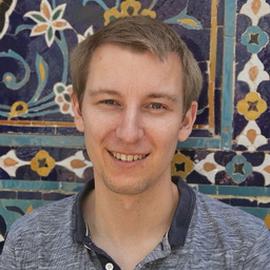
Prof. Dr. Andreas Reiner is a faculty member in the Department of Cellular Neurobiology at the Faculty of Biology and Biotechnology, Ruhr University Bochum. His research focuses on glutamate receptor signaling, synaptic plasticity, and the development of optical techniques for studying receptor dynamics in the central nervous system. University: Ruhr University Bochum School: Faculty of Biology and Biotechnology Department: Cellular Neurobiology Email: andreas.reiner@ruhr-uni-bochum.de His work emphasizes the use of chemical photoswitches (photoswitchable ligands) for light-based activation/inhibition of ionotropic (iGluRs) and metabotropic (mGluRs) glutamate receptors, enabling precise optogenetic and pharmacological studies. Research also explores receptor desensitization, subunit occupancy, and structural diversity. Recent publications highlight advancements in photoswitchable tools (2023), structural analysis of kainate receptors (2021), and subunit-selective antagonists for NMDA receptors (2020). Earlier work (2013-2016) established foundational techniques for optogenetic control of glutamate receptors.
Professor Zuzana Storchová is a leading researcher in molecular genetics at Rheinland-Pfälzische Technische Universität Kaiserslautern-Landau (RPTU), Germany, where she has served as Professor of Molecular Genetics in the Department of Biology since 2016. Her research group focuses on understanding how changes in chromosome numbers and structure affect cellular functions, with critical implications for developmental defects and cancer pathologies. Her research program encompasses several key areas of investigation: Chromosomal aberrations and their cellular consequences Impact of chromosome gain on DNA replication and genomic stability Consequences of chromosome loss (monosomy) in human cells Maintenance of protein homeostasis in response to chromosomal imbalance Whole genome doubling and its contribution to genome evolution and cancer development Professor Storchová's laboratory employs cutting-edge technologies including biochemistry, cell biology, and multi-omics approaches to study the molecular processes affected by aneuploidy. They have developed specialized human cell lines with specific chromosomal abnormalities to investigate how cells respond to altered chromosome numbers. Using genomics, transcriptomics and proteomics, her team analyzes genome stability and protein homeostasis in aneuploid cells and elucidates the molecular links to human disease. Her publication record demonstrates a consistent focus on understanding the proteomic consequences of aneuploidy, mechanisms of genomic instability following whole-genome duplication, and therapeutic vulnerabilities of aneuploid cancer cells. Recent work has revealed how missegregation of even a single chromosome strongly affects cellular physiology, with many aneuploid cells failing to proliferate while others develop severe consequences including impaired protein homeostasis and compromised genomic stability. Professor Storchová's research trajectory shows a progression from fundamental chromosome biology to translational cancer research, with her work providing critical insights into how chromosomal abnormalities drive cancer development and identifying potential therapeutic targets for aneuploidy-associated diseases.
Prof. Korbinian Schneeberger is a full Professor of Computational Genetics and Genome Plasticity at the Ludwig Maximilian University of Munich , embedded within the Graduate School of Life Science Munich (LSM) . He leads a multidisciplinary team of bioinformaticians, biologists, and biotechnologists, all driven by a shared curiosity in genomic technologies and plant genome evolution. Contact: k.schneeberger@lmu.de . Research Focus: Genome plasticity and mutational dynamics across plant species Development and refinement of next-generation sequencing and assembly pipelines Comparative genomics, pan-genome construction, and structural variation Epigenetic regulation and transposon biology in plant genomes Meiotic recombination and crossover patterning in holocentric plants Application of single-cell and single-nucleus technologies to dissect gamete-level variation His laboratory develops widely-used bioinformatics tools—including SHOREmap , findGSE , SyRI , and plotsr —that enable the community to assemble, compare, and interpret plant genomes at unprecedented resolution. Recent work advances understanding of centromere evolution, adaptation to extreme soils, layer-specific somatic mutation patterns in fruit trees, and large-scale Arabidopsis population genomics. Scientific Output & Impact: Since 2015, Prof. Schneeberger has published more than 60 peer-reviewed articles, many appearing in top-tier journals such as Nature Genetics , Nature Plants , and Genome Biology . His 2025 studies already tackle the mutational landscape of Arabidopsis centromeres, scalable eQTL mapping in gametes, and the phased pan-genome of tetraploid potato, underscoring a trajectory at the forefront of plant genomic science. Funding & Collaborations: Research in the Schneeberger Lab is supported by multiple national and international grants, providing resources for high-throughput sequencing, computational infrastructure, and interdisciplinary training. The group actively collaborates with leading plant research centers worldwide, sharing data and tools to accelerate discoveries in crop improvement and evolutionary biology. Team & Environment: The lab operates as a vibrant, international environment with state-of-the-art wet-lab and computational facilities. Trainees and staff benefit from the rich ecosystem of LSM, including structured doctoral programs, career mentoring, and access to cutting-edge core facilities.
Susanne Gerber is a Professor at iDNA and Adjunct Director at the Institute of Molecular Biology (IMB), Johannes Gutenberg University Mainz (JGU), affiliated with the Faculty of Biology's Bioinformatics department. Her academic journey includes an Assistant Professorship in Bioinformatics at JGU (2015-2020) and postdoctoral research at Università della Svizzera italiana. Her educational background comprises a PhD in Biophysics from Humboldt University of Berlin (2011), an M.Sc. in Bioinformatics from Free University of Berlin and Konrad Zuse Institute (2007), and a B.Sc. in Bioinformatics from Free University of Berlin and Max Planck Institute (2004). Dr. Gerber's research spans Bioinformatics, Computational Genomics, Systems Biology, Molecular Evolution, and Neuroinformatics , focusing on developing computational frameworks for genomic analysis, neurodegenerative disease modeling, and microbiome interactions. Her work integrates machine learning with multi-omics data to address complex biological questions in molecular evolution and neural systems. Analysis of her 15 most recent publications (2024-2025) reveals a strong emphasis on nanopore sequencing applications for RNA modification detection, deep learning frameworks for genomic data enhancement, and neurobehavioral modeling using AI-driven approaches. Key thematic clusters include epitranscriptomics, chromatin dynamics, and computational psychiatry with ethical AI considerations. Her methodological innovations include tools like COMET for network analysis, CCUT for chromatin data enhancement, and ModiDeC for RNA modification classification, demonstrating translational impact across genomics and neuroscience. Dr. Gerber leads research groups at IMB and iDNA focusing on computational genomics, advising students in bioinformatics and securing grants for AI-driven genomic analysis. Her labs develop open-source tools for nanopore data processing and neuroimaging analysis, fostering collaboration between computational and experimental biologists.
Ina Kurth is the Division Head of the Service Unit for Radiopharmaceuticals and Morszeck Preclinical Trial Unit (PCTU) at the German Cancer Research Center (DKFZ) in Heidelberg, Germany. She also serves as Deputy Head and Laboratory Head of the Division of Radiation Oncology/Radiobiology. Dr. Kurth’s research focuses on preventing therapy resistance in tumors, particularly radioresistance, with a translational emphasis on molecular markers bridging clinical and experimental research. Education: 1999–2005: MSc Biology (Diploma), Friedrich Schiller University Jena, Thesis: Cell adhesion dynamics and force development. 2005–2011: PhD, Technical University of Dresden, Dissertation: Hematopoietic stem cell differentiation in microcavity systems. Research Interests: Radiobiology, radiation oncology, therapy resistance mechanisms, biomarker translation, head and neck cancer biology. Her work integrates preclinical models, transcriptomics, and epigenetic analyses to develop strategies for overcoming radioresistance. Key Contributions: Built the joint radiooncological/radiobiological laboratory (2018) and PCTU (2022). Holds a patent on biomaterial systems for stem cell regulation (2008). Her recent work emphasizes single-cell transcriptomics and AI-driven imaging for precision oncology. Teaching & Leadership: Coordinates the Cancer Biology Master’s program at DKFZ, led the 2022 Summer School in Medical Physics, and supervised 10 student theses. Active in facility governance roles at DKFZ and DEGRO. Labs & Initiatives: Oversees the PCTU and radiopharmaceutical service unit, advancing translational research infrastructure in oncology.
Mark Robinson is a Full Professor for Statistical Genomics at the University of Zurich's Institute of Molecular Life Sciences. His research focuses on computational biology, bioinformatics, and genomics with expertise in RNA sequencing analysis and single-cell data science. He actively contributes to open-source tools and methodologies for genomic data processing. Key research interests include developing statistical frameworks for differential expression analysis, clustering of single-cell RNA-seq data, and integration of multi-omics datasets. His work emphasizes reproducible research practices and open-science initiatives. Notable contributions include peer-reviewed publications on single-cell data challenges and RNA-seq analysis workflows. His lab (robinsonlabuzh.github.io) develops software packages like 'conquer' and 'scRNAseq_clustering_comparison' for genomic analyses. Active on GitHub, he maintains repositories related to statistical genomics and bioinformatics tooling.
Prof. Dieter Saur is a Professor of Translational Tumor Research at the Technical University of Munich (TUM) and Head of the Department at the German Cancer Research Center (DKFZ). His research focuses on developing personalized cancer therapies through mechanistic studies of tumor-relevant genetic alterations, with a particular emphasis on pancreatic and gastrointestinal cancers. Education: Studied medicine at Ludwig Maximilian University of Munich, earned a doctorate in neurogastroenterology, completed specialist training in gastroenterology and gastrointestinal oncology, and habilitation in internal medicine. He became a senior physician at University Hospital rechts der Isar before his current roles at TUM and DKFZ. Research Interests: Translational cancer research, genetic drivers of tumor progression, early detection methods, and targeted therapies for pancreatic and gastrointestinal cancers. He uses genetically engineered mouse models and organoid systems to study tumor heterogeneity and therapeutic resistance. Awards: Recipient of prestigious grants like the ERC Consolidator Grant (2015) and awards such as the Martin Wienbeck Award (2014) and Rising Star Award (2006). His work bridges basic science and clinical translation, emphasizing interdisciplinary approaches. Labs/Teams: Leads the Translational Tumor Research group at TUM and collaborates with the DKFZ to advance preclinical and clinical cancer research. Key projects include exploring KRAS signaling pathways, tumor microenvironment dynamics, and immune checkpoint therapies.
Prof. Dr. Alexander Schönhuth is a Professor at Bielefeld University, affiliated with the Faculty of Engineering, the Center for Biotechnology (CeBiTec), and the Institute for Bioinformatics Infrastructure (BIBI). He leads the Genome Data Science Group and serves as Head of Microbial Analyses and Services at BIBI. His academic roles include serving on the Faculty Conference as Personal Deputy for Prof. Dr. Helge Rhodin and as a Member of the Habilitation Committee. He provides academic student advisory services for the Master of Science in Computer Science program. Prof. Schönhuth's research focuses on the intersection of bioinformatics, computational biology, and data science, with particular emphasis on genome data analysis and precision medicine. His work spans multiple domains including metagenome assembly, viral haplotype reconstruction, single-cell sequencing analysis, and the application of machine learning techniques to complex genetic diseases. He has developed numerous computational methods and tools such as StrainXpress, Strainline, VeChat, and ProSolo that address specific challenges in genomic data analysis. His recent publications reveal a strong trend toward integrating advanced machine learning approaches, particularly deep learning and graph-based methods, with genomic data analysis. His work bridges the gap between theoretical computational methods and practical applications in healthcare, especially in precision medicine and oncology. The research demonstrates a consistent focus on developing scalable, accurate computational methods for analyzing complex genomic datasets, with increasing attention to clinical applications. Prof. Schönhuth has secured significant research funding, including ongoing European Union support for the "Smart pathology slide scanner for diagnosis and patient-specific treatment recommendation in oncology" project (2025-2027) and previously completed the "ALgorithms for PAngenome Computational Analysis" (ALPACA) project (2021-2024), which was funded by the European Union under the Marie Skłodowska-Curie program. His research collaborations span multiple institutions across Europe including Centre National de la Recherche Scientifique, Comenius University Bratislava, Dutch Research Council, and others. He leads the Genome Data Science Group within the Faculty of Engineering and is closely associated with the Bielefeld Center for Data Science (BiCDaS). His laboratory work focuses on developing computational methods for genomic data analysis, with particular attention to strain-aware metagenome assembly, viral quasispecies analysis, and precision medicine applications. The group maintains strong connections with both computational and biological research communities, facilitating interdisciplinary approaches to complex genomic challenges.
Bill Faquin, MD, PhD is a Professor of Pathology at Harvard Medical School and serves as a Pathologist at Massachusetts General Hospital with subspecialty expertise in Head and Neck Pathology & Cytopathology. He is a key member of the Head & Neck and Endocrine Pathology Division at Massachusetts General Hospital, which handles over 10,000 surgical cases annually and accounts for more than 10% of the MGH Pathology Service case volume. Dr. Faquin is also affiliated with the Center for Head and Neck Cancers at the Massachusetts General Hospital Cancer Center. Dr. Faquin completed his medical education at Harvard Medical School, followed by residency and fellowship training at Brigham and Women's Hospital. He is board certified in Cytopathology and Anatomic Pathology by the American Board of Pathology. His clinical practice focuses on cytopathology (particularly fine-needle aspiration cytology) and head and neck pathology, with special expertise in thyroid and salivary gland neoplasms. Dr. Faquin's research combines expertise in cytopathology and head and neck pathology to investigate key issues in the carcinogenesis of head and neck and thyroid neoplasia. His translational research focuses on the detection, diagnosis, and prognostication of cancers involving the thyroid and salivary glands, squamous cell carcinomas of the oropharynx, and tumors of the jaws and oral cavity. Recent publications demonstrate his leadership in genomic analysis of thyroid carcinoma, molecular diagnostics, and consensus guidelines for mutational testing in thyroid cancer. His work shows a consistent trajectory toward integrating molecular pathology with traditional diagnostic approaches to improve cancer classification and treatment. Among his notable achievements, Dr. Faquin serves as Editor-in-Chief of Cancer Cytopathology, the premier cytology journal, and is the primary author of the Milan System for Reporting of Salivary Gland Cytopathology, which has become a standard reference in the field. These contributions represent significant recognition of his expertise and leadership in cytopathology. As an educator, Dr. Faquin participates in the training of pathology residents and fellows at Harvard Medical School and Massachusetts General Hospital. He is involved in the Head & Neck and Endocrine Fellowship program, which prepares pathologists for academic and clinical leadership roles. His mentorship has contributed to the development of pathologists who have gone on to faculty positions at leading institutions worldwide including the University of Chicago, Mayo Clinic, UCLA, and Harvard Medical School. Dr. Faquin collaborates extensively with the Head & Neck and Endocrine Pathology Division, which includes weekly Head & Neck Pathology Staff Conferences, Head & Neck Tumor Boards, and participation in Endocrine Oncology Conferences. His work bridges clinical practice, research, and education in head and neck pathology, contributing significantly to advances in diagnostic approaches and cancer management.
Prof. Dr. Ludovic Vallier is a Max Planck Fellow and Research Group Leader at the Vallier Lab , affiliated with the Berlin Institute of Health at the Charité (BIH) and the Max Planck Institute for Molecular Genetics (MPIMG) . His lab, established as a satellite group at MPIMG in 2022, focuses on stem cell biology , liver regeneration , and organoid technology for clinical translation. University : Max Planck Institute for Molecular Genetics Department : Vallier Lab Academic Rank : Professor Research Interests : The Vallier Lab investigates human liver development , leveraging human induced pluripotent stem cells (hiPSCs) and primary organoids to model liver diseases and develop cell-based therapies. Their work bridges regenerative medicine , developmental biology , and tissue engineering to address clinical challenges in liver dysfunction. Publication Trends : His recent articles (2023–2025) emphasize organoid applications in liver and pancreatic research, stem cell differentiation , and metabolic or immunological mechanisms in disease contexts. Keywords span Stem Cell Biology , Developmental Biology , and Regenerative Medicine , with sub-fields like hepatic lineage specification , single-cell transcriptomics , and inflammatory reprogramming . Scientific Awards : Max Planck Fellow Lab and Collaborations : The Vallier Lab collaborates closely with MPIMG researchers, utilizing 3D organoid cultures and hiPSC-derived cells to study liver regeneration and disease. Their work aligns with BIH’s mission to translate basic research into clinical therapies for liver disorders.
Dr. Pamela Nono Nankam serves as a Post-Doctoral Researcher at the Helmholtz Institute for Metabolic, Obesity and Vascular Research (HI-MAG) of the Helmholtz Zentrum München, located within the University Hospital Leipzig at the University of Leipzig's Faculty of Medicine. She leads research within Matthias Blüher's Clinical Obesity Research Group, focusing on translational approaches to metabolic disorders. Her academic foundation includes: Bachelor and Master of Sciences in Animal Physiology from the University of Dschang, Cameroon PhD in Human Biology from the University of Cape Town, South Africa, supported by NRF-TWAS and DAAD fellowships Dr. Nankam's research centers on adipose tissue dysfunction mechanisms, particularly in lipedema and obesity. She pioneers single-cell/nuclei investigations of human adipose tissue across diverse fat distributions, while identifying novel circulating biomarkers for early disease detection. Her work bridges basic science with clinical applications to develop personalized treatment frameworks. Analysis of her recent publications reveals dominant themes in adipose tissue heterogeneity, with increasing focus on lipedema pathophysiology and ethnic-specific metabolic responses. The integration of single-cell sequencing with clinical phenotyping represents a significant methodological evolution in her research trajectory. Her scientific contributions have earned recognition through: Science Prize Award of the Lipedema Society e.V. (2023) Proof of Concept Award from the Lipedema Foundation (2022) DAAD Research Grant for doctoral studies (2018) NRF-TWAS Doctoral Fellowship (2016) Funding for her work includes an active grant from the Lipedema Foundation (USA) supporting biomarker discovery in lipedema. She maintains strategic collaborations through the German Lipedema Society and European Association for the Study of Diabetes, with research directly informing clinical practice improvements. Within HI-MAG's infrastructure, she directs single-cell genomics workflows for adipose tissue characterization while contributing to the Clinical Obesity Research Group's mission of transforming diagnostic paradigms for metabolic disorders through mechanistic insights.
Professor Andreas Schlitzer leads the Quantitative Systems Biology research group at the Life and Medical Sciences Institute (LIMES) , University of Bonn. His work focuses on myeloid cell development, particularly dendritic cells, monocytes, and macrophages, using single-cell sequencing and computational approaches. Institution: University of Bonn Research Unit: LIMES Institute, Unit 2 (Molecular Immune & Cell Biology) His research investigates how immune cells acquire tissue-specific adaptations and functional specialization through transcriptomic and functional studies. Recent projects include spatial-omics techniques for gastrointestinal analysis and understanding macrophage heterogeneity in inflammatory contexts. Key article trends highlight innate immunity , metabolic reprogramming , developmental cell biology , and computational immunology . Awards include the Postdoktorandenpreis der Robert-Koch-Stiftung . The lab employs cutting-edge flow cytometry , in vivo assays , and multiplexed tissue imaging to map myeloid cell systems.
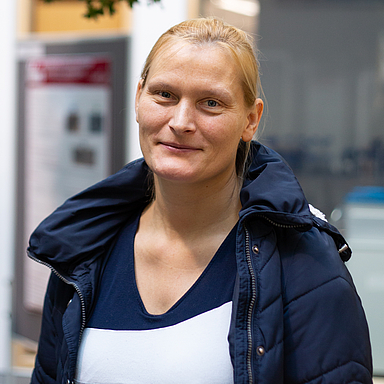
Regine Dress is a Researcher at the Faculty of Medicine , University of Hamburg , affiliated with the Center for Molecular Neurobiology Hamburg (ZMNH) and the Institute of Systems Immunology . She is based at the University Medical Center Hamburg-Eppendorf (UKE) in Hamburg, Germany. Her research focuses on Immunology , Systems Immunology , and Neurobiology . She specializes in the development and function of Dendritic Cells and Mononuclear Phagocytes , including their roles in Inflammatory Diseases , Vaccine Development , and Neurodegenerative Disorders . Her work leverages Single-Cell RNA Sequencing and large-scale ImmGen datasets to explore cellular metabolism and differentiation. Regine has co-authored numerous high-impact studies in Nature Immunology , Nature Communications , and Immunity , with recent contributions to SARS-CoV-2 vaccine platforms and Biliary Atresia immunopathology . She collaborates with international teams and contributes to standardizing Flow Cytometry protocols in immunological research. Contact: r.dress@uke.de
Jan Pennekamp is a postdoctoral researcher at the Chair of Communication and Distributed Systems (COMSYS) within the Department of Computer Science at RWTH Aachen University. He is a member of the Security and Privacy research group and is actively involved in the Cluster of Excellence 'Internet of Production,' where he serves as deputy workstream coordinator. His academic journey includes a B.Sc. and M.Sc. in Computer Science from RWTH Aachen, with exchange studies at Aalto University and an internship at the University of Luxembourg. His research interests center on security and privacy in the Industrial Internet of Things (IIoT), privacy-enhancing technologies (PETs), secure computation, and interdisciplinary applications in healthcare, particularly synthetic data and single-cell genomics. He has led and contributed to numerous research projects, including CALCIPROTECT, RFC, RUST, SUSTAINET-guardian, and SYNCLIVER. His methodological focus includes both technical innovation and rigorous evaluation in real-world scenarios. His recent publications demonstrate a strong trend toward privacy-preserving data sharing in industrial and healthcare contexts, leveraging techniques such as confidential computing, blockchain, and machine learning. His work bridges computer science with industrial engineering and clinical research, emphasizing secure, interoperable, and accountable data ecosystems. Scientific Awards: Klaus Tschira Boost Fund Fellow 2025 Attendee of the 12th Heidelberg Laureate Forum 2025 Young Researcher Award 2022, Cluster of Excellence Internet of Production ICT Young Researcher Award 2021 TDWI Award 2018 (best master thesis) Google Scholarship 2018 Finalist, Artifacts Competition and Impact Award at ACSAC 2022 Outstanding Reviewer Award, TheWebConf/WWW 2024 Jan has advised numerous B.Sc. and M.Sc. theses on topics ranging from privacy-preserving benchmarking to intrusion detection and blockchain-based accountability. He has received research stipends and travel grants from RWC and ACSAC and has held leadership roles in academic service, including organizing conferences and serving on program committees for top venues like IEEE S&P, CCS, and EuroS&P. He is also a Certified ScrumMaster and RWTH Research Manager, reflecting his strong project and team leadership skills. He is actively engaged in interdisciplinary research labs and teams, particularly within the 'Internet of Production' initiative, collaborating with industrial partners and medical researchers to develop secure and privacy-preserving information systems for real-world applications.
Karl Deisseroth is the D.H. Chen Professor of Bioengineering and of Psychiatry and Behavioral Sciences at Stanford University, where he leads a research laboratory focused on developing innovative technologies for neuroscience. He is also an Investigator with the Howard Hughes Medical Institute (HHMI) and serves as an attending physician at Stanford Hospital and Clinics. Deisseroth earned his A.B. in Biochemical Sciences from Harvard University in 1992, followed by an M.D. and Ph.D. in Neuroscience from Stanford University in 1998. He completed his medical internship and psychiatry residency at Stanford University School of Medicine. Deisseroth is renowned for pioneering two revolutionary neurotechnologies: optogenetics, which uses light to control specific neurons, and hydrogel-tissue chemistry (including CLARITY and STARmap), which makes biological tissues transparent for detailed examination. His research integrates these technologies to study neural circuit function in both healthy and diseased states, with particular emphasis on understanding the neural basis of psychiatric disorders. His work spans multiple disciplines including neuroscience, bioengineering, and psychiatry, with applications in understanding depression, anxiety, addiction, and other neurological conditions. Analysis of his recent publications reveals a continued focus on advancing both optogenetics and hydrogel-tissue chemistry technologies while applying them to increasingly complex questions in neural circuit function. His work has evolved from foundational technology development to sophisticated applications examining causal relationships in neural circuits underlying behavior and disease. National Academy of Medicine (2010) National Academy of Sciences (2012) National Academy of Engineering (2019) Breakthrough Prize in Life Sciences (2016) Kyoto Prize (2018) Albert Lasker Award for Basic Medical Research (2021) Japan Prize (2023) As a mentor, Deisseroth has guided numerous students and postdoctoral fellows who have gone on to establish their own successful research programs. His laboratory has received substantial funding from the NIH, HHMI, and various private foundations to support its innovative work at the intersection of engineering, neuroscience, and psychiatry. The Deisseroth Lab at Stanford maintains a strong emphasis on interdisciplinary collaboration, bringing together experts from diverse fields to tackle complex problems in brain science. The Deisseroth Lab operates as a highly collaborative environment where engineers, neuroscientists, and clinicians work together to develop and apply cutting-edge technologies. The lab has established numerous resources for the scientific community, including detailed protocols for optogenetics and tissue-clearing techniques, fostering widespread adoption of these methods across neuroscience research worldwide.





/hsii/regine_dress_1_kontaktbild.jpg)