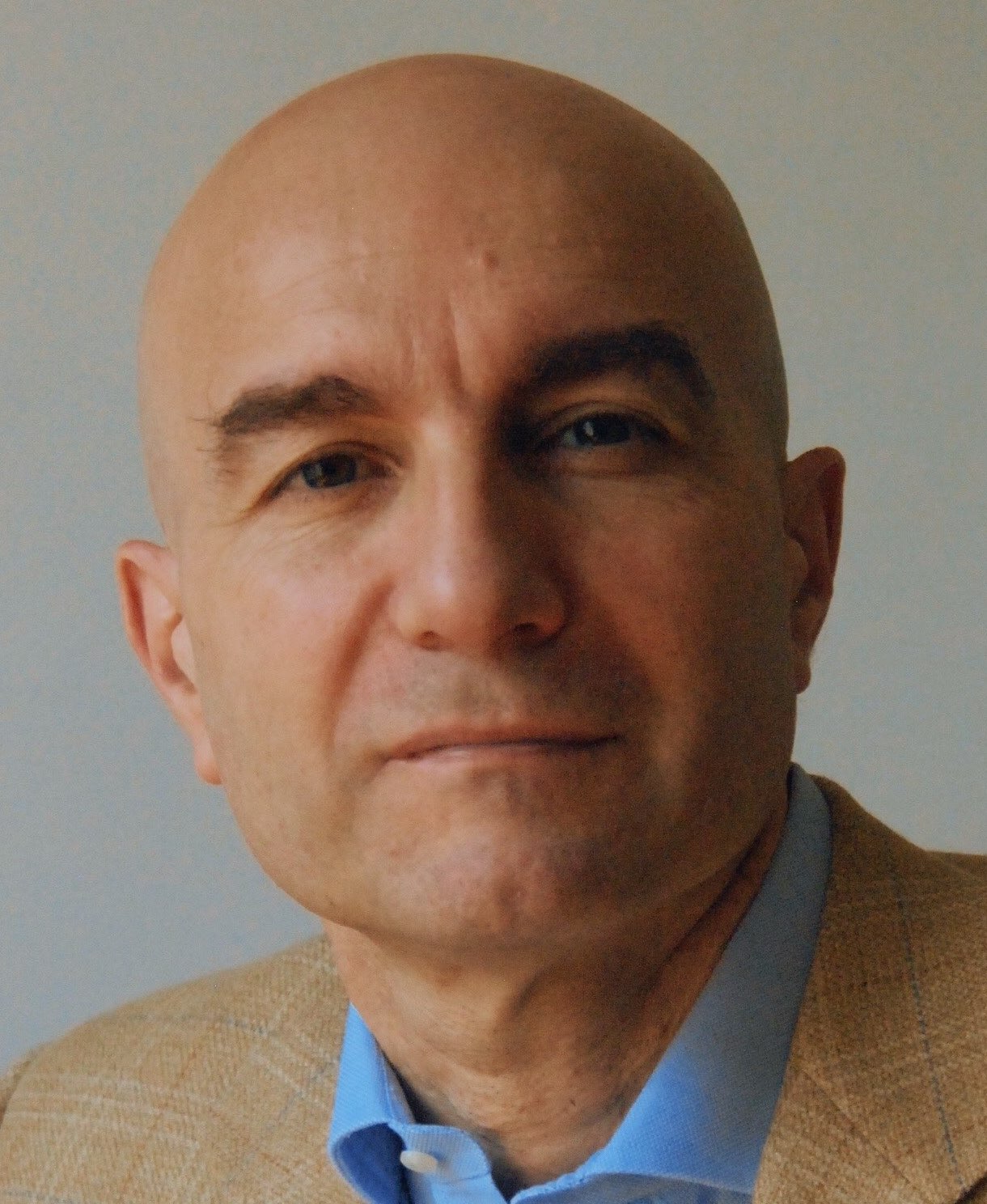
Overview Peter Puschner is a full Professor at the Faculty of Informatics at TU Wien, specializing in Computer Engineering and Real-Time Systems. He serves as Faculty Representative for Research and Infrastructure, overseeing strategic initiatives in informatics research and infrastructure development. His academic role also includes leading the Service Unit Infrastructure (E199-02) and heading the Cyber-Physical Systems department (E191-01). Education and Roles Puschner holds a Diplom-Ingenieur (Dipl.-Ing.) and a Dr.techn. from TU Wien, alongside the title Ao.Univ.Prof. His roles include teaching and supervising students in advanced topics such as Operating Systems, Real-Time Systems, and Scientific Research methodologies. He has been actively involved in curriculum design for Computer Science and Business Informatics programs. Research Interests His research focuses on: Timing Analysis: WCET analysis for real-time systems, especially in multi-core and mixed-criticality environments. Embedded Systems: Designing time-predictable architectures for safety-critical applications. Communication Networks: Time-triggered protocols for automotive and industrial systems. Publications and Tools Puschner has authored over 160 publications, including seminal work on the Platin WCET analysis tool and the T-CREST multi-core architecture. His recent work emphasizes compiler-driven timing predictability and dual-path code paradigms. Grants and Awards Recipient of the Marie-Curie Fellowship (2003) and a founding member of the IFIP 10.2 WG on Embedded Systems. His projects have been funded by the EU (e.g., T-CREST, Multicores Partitioning), FWF, and industry collaborations. Students and Supervision He has supervised numerous PhD and Master’s students, including Elias Maroun (2024), Matthias Platzer (2022), and Bledar Cilku (2018). Key topics include WCET analysis, memory hierarchy design, and secure communication protocols. Labs and Teams Puschner leads the Real-Time Systems Lab, collaborating with industry partners (e.g., automotive, aerospace) to develop safety-critical embedded systems. His team contributes to open-source tools like Platin and the Patmos processor.