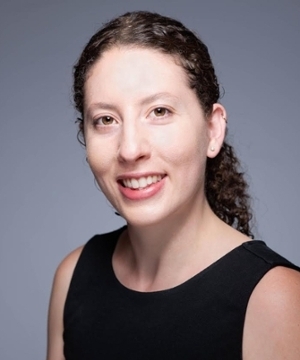
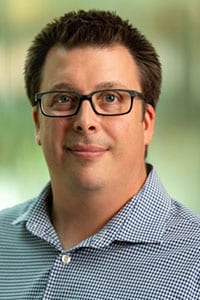
Andrea Pickel is an Assistant Professor at the University of Rochester, holding joint appointments in the Department of Mechanical Engineering, Materials Science, and the Institute of Optics, while also serving as a Scientist at the Laboratory for Laser Energetics (LLE). She received her PhD in Mechanical Engineering from UC Berkeley (2019) and a BS from Carnegie Mellon University (2014). Her research focuses on nanoscale heat transfer, leveraging luminescent materials and super-resolution imaging to address challenges in thermal management, catalysis, and energy systems. Education: PhD, Mechanical Engineering, UC Berkeley, 2019 BS, Mechanical Engineering, Carnegie Mellon University, 2014 Research interests include luminescence nanothermometry, single-nanoparticle imaging, and high-temperature thermal metrology. Her work integrates experimental methods like stimulated emission depletion (STED) imaging and operando spectroscopy to advance understanding of energy transport at the nanoscale. Notable awards include the NSF CAREER Award (2022), ACS PRF Doctoral New Investigator Award (2020), and Furth Fund Award (2021). She was also named a Scialog Fellow in 2024. Advancing thermal measurement techniques, her group collaborates across disciplines to tackle applications in carbon capture, battery technology, and plasmonic photocatalysis. Current projects emphasize developing dual-mode sensing tools for real-time thermal and chemical monitoring. Labs/Teams: Active at the Laboratory for Laser Energetics (LLE) and leads the Pickel Research Group in the Department of Mechanical Engineering.
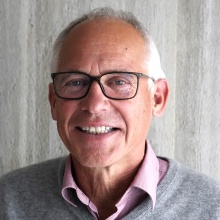
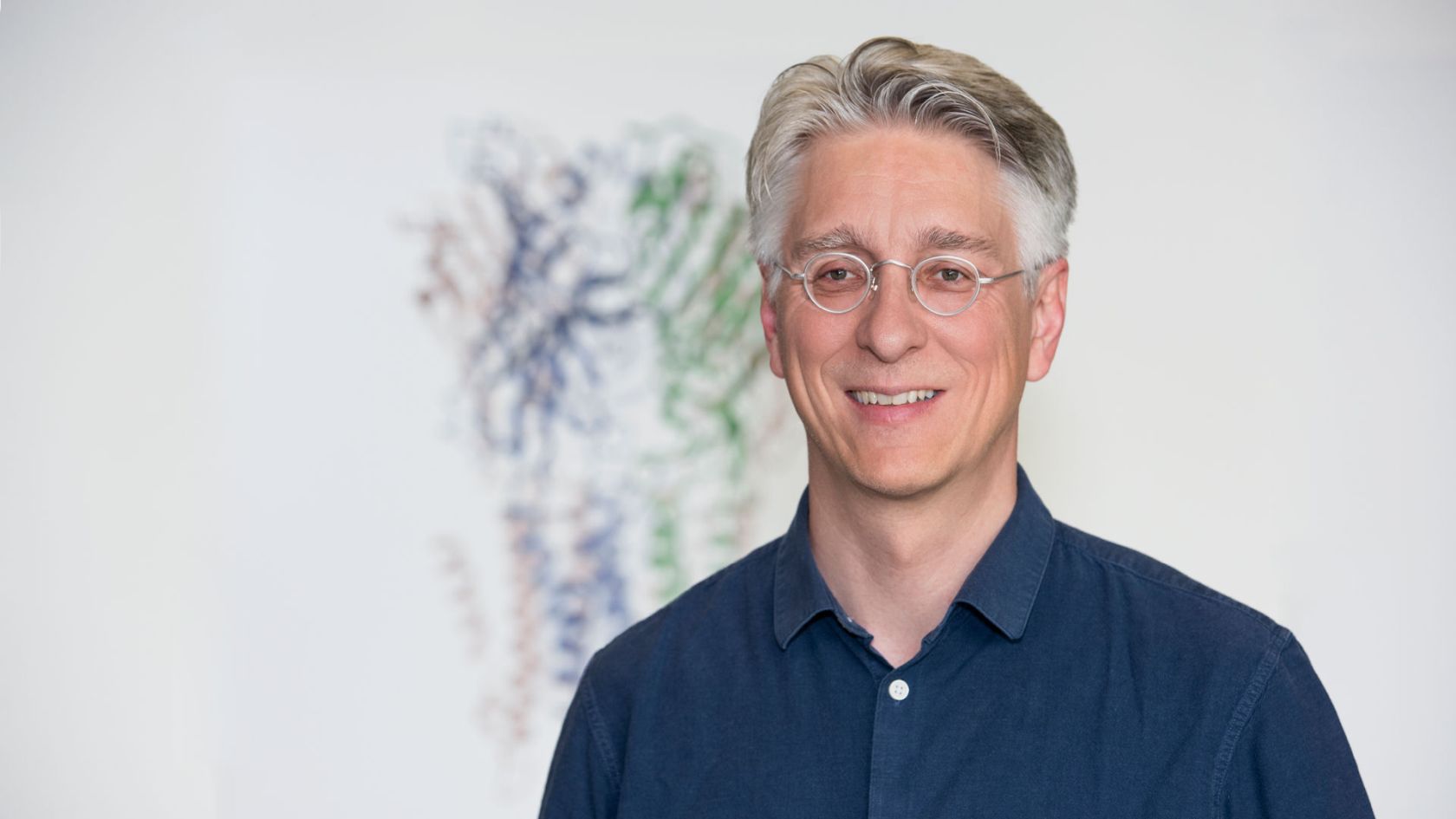
George M. Church is a Professor of Genetics at Harvard Medical School and affiliated with MIT, where he directs PersonalGenomes.org, providing open-access genomic, environmental and trait data. His laboratory focuses on transformative technologies for reading and writing 3D/4D biological structures with attention to ethics, safety, and equitable access. Church has co-initiated major scientific initiatives including the BRAIN Initiative (2011) and multiple Genome Projects (GP-Read-1984, GP-Write-2016, PGP-2005). Church's research spans multiple cutting-edge domains including genome engineering, synthetic biology, aging reversal, and space genetics. His lab pioneered foundational methods for direct genome sequencing, molecular multiplexing and barcoding in 1984, leading to the first genome sequence in 1994. His innovations contributed to nearly all next-generation DNA sequencing methods and companies. Current research directions include machine learning for protein engineering, tissue reprogramming, organoids, gene therapy, and in situ 3D DNA/RNA/protein imaging. His work bridges fundamental biology with therapeutic applications across diverse fields from Alzheimer's disease to de-extinction biology. Church's recent publications reveal a remarkable breadth of scientific inquiry, spanning from fundamental genome editing techniques to applications in aging research, neuroscience, and space biology. His work increasingly integrates artificial intelligence with biological systems, as seen in papers on machine-guided cell-fate engineering and automation of systematic reviews with large language models. His research maintains a strong translational focus, with numerous papers addressing therapeutic applications in cancer immunotherapy, gene therapy, and diagnostics. The consistent theme across his diverse publications is the development and application of transformative technologies to address fundamental biological questions and medical challenges. National Academy of Sciences (NAS) membership National Academy of Engineering (NAE) membership Franklin Bower Laureate for Achievement in Science Co-initiator of the BRAIN Initiative (2011) Director of multiple NIH Centers for Excellence in Genomic Science (2004-2020) Church directs numerous research centers including the NIH-CEGS, Personal Genome Project (PGP), Lipper Center for Computational Genetics, and Wyss Institute Synthetic Biology center. His laboratory has trained PhD students across multiple Harvard and MIT programs including Biophysics, BBS, Biomedical Informatics, ChemBio, Chemistry, SSQB, MCO, Virology, HST, EE/CS, Physics and Applied Math. His commercial impact is extensive through companies spanning medical diagnostics (Knome/PierianDx, Alacris, Nebula, Veritas) and synthetic biology/therapeutics (AbVitro/Juno, Gen9/enEvolv/Zymergen/Warpdrive/Gingko, Editas, Egenesis). Church also pioneered new privacy, biosafety, ELSI, environmental and biosecurity policies. The Church Lab operates across multiple research domains including molecular multiplexing, next-generation sequencing, nanopore technology, and genome engineering. The lab maintains strong connections with the Personal Genome Project, Wyss Institute, and multiple commercial ventures. Current research directions include the Spatial Atlas of Human Anatomy (SAHA), human skin rejuvenation via mRNA, and space genetics research through the Consortium for Space Genetics and BioAstra. The lab's mission focuses on transformative technologies for reading and writing 3D/4D structures at any scale, inspired by but not limited by biology.
Udo Seifert is a Professor in the II. Institute for Theoretical Physics at the University of Stuttgart, part of Faculty 08. His research focuses on stochastic thermodynamics, non-equilibrium statistical mechanics, and entropy production in complex systems. He has contributed significantly to understanding Markov networks, thermodynamic inference, and the interplay between fluctuations and irreversibility. His work bridges theoretical frameworks with experimental techniques, such as single-molecule experiments and motor-bead assays. Key areas of interest include entropy estimation in partially accessible systems, localization of entropy production, and the development of model-free entropy estimators. His recent studies explore the thermodynamic uncertainty relation, active matter systems, and the dynamics of biochemical oscillators. He has published extensively on topics like nonequilibrium fluctuations in chemical reaction networks, driven systems, and the application of stochastic processes to biophysical systems. Seifert's research also extends to membrane mechanics, with studies on fluid vesicle shapes and membrane-mediated interactions. His work emphasizes the integration of theoretical models with experimental data, aiming to uncover fundamental principles governing non-equilibrium phenomena. Despite the absence of listed awards or students in the provided text, his prolific publication record underscores his influential role in advancing stochastic thermodynamics and related fields.
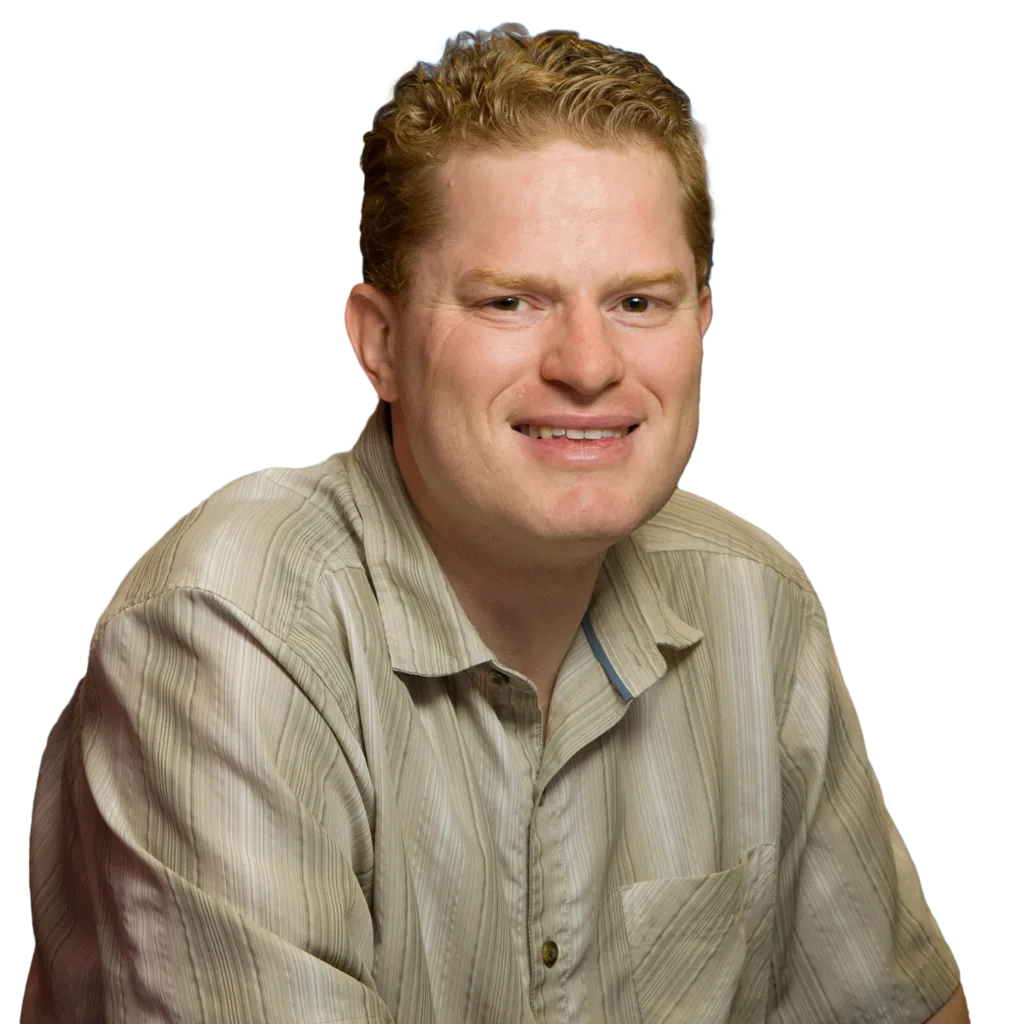
Alisha Jones is an Assistant Professor of Chemistry at New York University, affiliated with the Department of Chemistry within the College of Arts & Science. She holds a Ph.D. in Chemistry from the University of Washington and dual Bachelor’s degrees in Chemistry and Zoology from Miami University of Ohio. Her research focuses on RNA structural dynamics, particularly the role of long noncoding RNAs (lncRNAs) in gene regulation and disease mechanisms. Dr. Jones employs a combination of biochemical, biophysical, and computational approaches to study RNA structure and function, including chemical probing, molecular dynamics simulations, and machine learning. Her group investigates how structural conformations of lncRNAs influence their biological roles, such as regulating gene expression through conformational changes. They also explore therapeutic strategies to target these RNA structures in diseases like cancer and viral infections. Notable projects include studying the Xist lncRNA’s A-repeats, SARS-CoV-2 methylation complexes, and the functional core of the lncRNA Cyrano. Publications highlight her work on RNA structure probing techniques, cooperativity effects in chemical experiments, and the interplay between RNA dynamics and biological function. Her lab, the Jonesy Research Group, emphasizes interdisciplinary approaches and hosts outreach initiatives to promote RNA science. Dr. Jones is based at NYU’s Silver Center, and her contact information includes aj3863@nyu.edu.
Prof. Dr. Ferdinand Evers is a Chair of Computational Condensed Matter Theory at the Institute of Theoretical Physics , University of Regensburg. His research spans quantum transport , spintronics , molecular electronics , and many-body localization , with a focus on ab initio and DFT-based modeling of nanostructures and low-dimensional systems . Key Research Areas: Quantum transport in molecular junctions Spin-orbit coupling and chiral effects Multifractality at quantum phase transitions Electronic structure of topological materials Ultrafast laser-driven electron dynamics Anderson localization and disorder Recent Article Trends (2021–2024): High-harmonic generation in topological insulators Spin-selective transport in chiral systems Mechanical torque in molecular rotors Self-consistent GW methods for molecular electronics Quantum interference in graphene nanoribbons Teaching: Lecturer for Theoretical Physics I-IV , Advanced Quantum Mechanics , and Scientific Perspectives courses at the University of Regensburg Focus on statistical mechanics , quantum transport , and computational nanoscience
Paul Rothemund is a Visiting Associate in Computing and Mathematical Sciences and Computation & Neural Systems at the California Institute of Technology . His research focuses on expanding the toolkit of DNA nanotechnology , particularly through the development of DNA origami and its integration into fields like biological engineering and translational research . He is part of the Biology and Biological Engineering divisions and collaborates with the Winfree and Qian labs. B.S., Caltech (1994) Ph.D., University of Southern California (2001) Research Interests Rothemund’s work centers on programmable molecular systems , with a focus on DNA origami for creating nanoscale shapes, RNA nanostructures , and lipid nanodiscs . His lab develops methods for molecular self-assembly , nanophotonic architectures , and single-molecule assays . Key applications include hybrid nanodevices , precision biomolecular placement , and dynamic DNA/RNA systems . Publication Trends Over 15 recent articles, Rothemund’s research spans DNA/RNA origami , lipid bilayer engineering , nanoarray fabrication , and biomolecular sensing . Themes include modular design , co-transcriptional folding , and programmable nanoscale materials . Scientific Recognition Beckman Senior Research Fellow (2001-04) Bryan R. Coles Prize (2017) Advising & Collaborations Rothemund has advised doctoral students and postdocs such as Anya Mitskovets (now at KLA) and Tyler Ross (MIT/Harvard). His lab forms a DNA nanotechnology supergroup and engages in interdisciplinary collaborations.
Patrick Kluth is a Professor at the Research School of Physics, Australian National University, leading a research group focused on swift heavy ion-modified materials and nanopore technology. His work bridges materials science, physics, and biomedical applications. Education : Dipl. Phys. from Düsseldorf, Germany; PhD in Physics from RWTH Aachen, Germany (2002, summa cum laude). Research Interests center on: Ion track technology for solid-state nanopore fabrication Advanced materials characterization (SAXS, X-ray absorption spectroscopy) Defect engineering in semiconductors and superconductors Nano-fabrication and semiconductor processing methods Bio-sensor development and ion separation technologies Recent Research Trends show a focus on: Developing affordable microcontroller-assisted nanopore fabrication platforms Enhancing flux pinning in superconductors via ion irradiation Engineering nanomaterials for space applications (carbon-fibre composites) Exploring radiation effects on perovskite solar cells and graphene-enhanced composites Combining machine learning with nanopore sensing for biomarker detection Scientific Awards : Feodor-Lynen Fellowship Borcherts-Medal for PhD excellence Three ARC Fellowships (Postdoctoral, Research, Future) Leadership Roles : Head of Department (2018-2020), Associate Director HDR (2020-2023). His projects include collaborations on Alzheimer's detection sensors and carbon-fibre additive manufacturing for space applications.
Ramses Martinez is an Assistant Professor in the Department of Industrial Engineering and Biomedical Engineering at Purdue University . He holds a B.A. in Applied Physics from Universidad Autonoma de Madrid (2004) and a Ph.D. in Physics and Materials Science from the Spanish National Research Council (CSIC) in 2009. Prior to joining Purdue, he conducted postdoctoral research in the lab of Prof. George M. Whitesides at Harvard University, focusing on nanofabrication, microfluidics, and soft robotics. Education B.A. in Applied Physics, Universidad Autonoma de Madrid (2004) Ph.D. in Physics and Materials Science, Spanish National Research Council (CSIC) (2009) His research bridges soft robotics , flexible electronics , and nanofabrication , with a focus on creating self-powered e-textiles , omniphobic paper-based devices , and programmable mechanical metamaterials . His work has led to over 25 publications and 9 patents, emphasizing practical applications in health monitoring and industrial automation . Notable projects include waterproof electronic decals for biofluid monitoring, smart bandages for chronic wound detection, and laser nanoforming methods for scalable metallic structures. His research has been recognized through the Fulbright Fellowship and the Marie Curie IOF Grant .
Randy Bartels is a Professor in the Department of Biomedical Engineering at the University of Wisconsin-Madison. His laboratory specializes in developing advanced biomedical imaging techniques to study complex biological phenomena and translate these methods into applications that enhance fundamental understanding of biology and disease treatments. Education: PhD, University of Michigan (2002) MS, University of Michigan (1999) BS, Oklahoma State University (1997) Research Interests: Bartels focuses on creating novel coherent nonlinear optical imaging modalities, such as spatial frequency modulation imaging (SPIFI), impulsive stimulated Raman scattering (ISRS), and synthetic aperture holography. His work emphasizes label-free imaging, optical scattering robustness, and computational enhancements for resolution and sensitivity. Scientific Awards: 2021 Institut Fresnel Visiting Professor 2013 American Physical Society Fellow 2011 Optical Society of America Fellow 2006 Presidential Early Career Award in Science and Engineering (PECASE) 2005 Sloan Research Fellow (Physics) 2004 NSF CAREER Award Recent Article Trends: Bartels' publications highlight innovations in label-free imaging, nonlinear microscopy, and computational techniques. Key themes include hyperspectral coherent Raman imaging, quantum-classical fusion for super-resolution, and robustness to optical scattering in biological and industrial applications. His work spans fundamental physics, engineering, and biomedical translation. Laboratory: Bartels leads a research group dedicated to advancing imaging technologies, with a focus on overcoming limitations in resolution, depth, and sensitivity through optical and computational methods.
Timothy Grant is an Assistant Professor of Biochemistry at the University of Wisconsin–Madison and an Investigator at the Morgridge Institute for Research , embedded within the John W. and Jeanne M. Rowe Center for Research in Virology . His laboratory, the Grant Lab , focuses on pushing the limits of cryo-electron microscopy (cryo-EM) to visualize ever-smaller and more dynamic biological macromolecules. Education & Academic Home: Faculty appointment: Assistant Professor, Department of Biochemistry, UW–Madison College of Agricultural and Life Sciences. Concurrent appointment: Morgridge Institute Investigator, Rowe Center for Research in Virology. Research Interests: The Grant group develops computational and experimental methods that extend cryo-EM into two major frontiers: size —capturing structures of very small proteins previously invisible to cryo-EM—and motion —resolving conformational changes of molecular machines in real time. These advances are integrated into the open-source software package cisTEM , which provides a user-friendly workflow for single-particle image processing. Publication Trends: Across the 15 most recent papers (2021-2025), Grant’s work spans method-centric algorithmic innovation, high-resolution structural studies of bacterial DNA replication-restart machinery, and integrative technologies that couple native mass spectrometry with cryo-EM. A clear trajectory emerges from tool development toward application in virology and antibiotic-target validation. Scientific Awards: None explicitly mentioned in the provided text. Students & Research Team: Grant currently mentors six graduate students (Colin Hemme, Gan Li, Heidy Elkhaligy, Peter Ducos, Roma Broadberry, Shashwat Shastri) and several postdoctoral researchers and staff, including Alex Duckworth, Raison Dsouza, and Tim Wagner. Laboratory & Collaborations: The Grant Lab is physically located within UW–Madison’s Biochemistry Building and leverages the Center for High-Throughput Computing shared between UW–Madison and Morgridge to perform large-scale cryo-EM data processing.
Yanping Long is a Research Associate Professor at Southern University of Science and Technology (SUSTech) in Shenzhen, China, affiliated with the School of Life Sciences and Department of Biology. She holds a PhD in Developmental Biology from the Institute of Genetics and Developmental Biology, Chinese Academy of Sciences (2015), and a B.S. in Biotechnology from Northwest Agriculture and Forestry University (2007). Her career includes positions as Research Assistant Professor at SUSTech (2019-2023) and postdoctoral research under Dr. Jixian Zhai. Her research integrates wet-lab and computational approaches to develop cutting-edge genomic technologies. Primary interests include: Single-cell sequencing for plant systems (e.g., FlsnRNA-seq) Long-read sequencing applications (e.g., FLEP-seq, Pore-C) Gene expression regulation focusing on RNA processing, epigenetics, and transcriptional dynamics Her publications (2019-2023) demonstrate a strong focus on developing novel genomic methods and applying them to plant systems. Key themes include single-cell transcriptomics, chromatin architecture, RNA processing dynamics, and epigenetic regulation in model plants (Arabidopsis, Medicago) and crops (soybean, rice). Awards: Outstanding Young Women Award, Chinese Society for Plant Biology (2022) She holds patents for genomic technologies including single-cell library construction and barcoded gel bead methodologies. No student advisees or grant details were mentioned in the source materials.
Aleksandra Radenovic is a Full Professor at École Polytechnique Fédérale de Lausanne (EPFL) holding multiple positions across the institution. She is a Full Professor at the Laboratory of Nanoscale Biology (LBEN) within the School of Engineering (STI), a Full Professor in Teaching at the School of Life Sciences (SV), and a Full Professor in Teaching at the School of Engineering (STI). Additionally, she serves as Co-Director of both the IBI-STI and IBI-SV administrative units, and is a Member of both the STI School direction and SV School direction. Dr. Radenovic received her PhD from the University of Lausanne in 2003, where she worked with Prof. Dietler in the Laboratory of Physics of Living Matter. Prior to that, she studied physics at the University of Zagreb from 1994-1999, and completed her baccalaureate at a Classical gymnasium in 1994. She conducted postdoctoral research at the University of California, Berkeley from 2004-2007 in the group of Prof. Liphardt. Her research focuses on single molecule biophysics, with particular emphasis on developing techniques and methodologies based on optical imaging, biosensing, and single molecule manipulation. Her laboratory works on three major research directions: (i) developing and using nanopores as platforms for molecular sensing and manipulation, particularly solid-state nanopores in glass nanocapillaries and 2D-material membranes; (ii) studying biomolecular function, especially protein and nucleic acid interactions, using force-based manipulation techniques like optical tweezers and Anti-Brownian Electrokinetic traps; and (iii) developing super-resolution optical microscopy based on single molecule localizations for quantitative cellular imaging. Her work bridges physics, engineering, and biology to create innovative tools for understanding molecular processes at the nanoscale. Analysis of her recent publications reveals a strong focus on nanofluidics, 2D materials (particularly MoS 2 and hBN), nanopore sensing, super-resolution microscopy, and the development of novel instrumentation for biophysical applications. Her research demonstrates increasing interdisciplinary collaboration, integrating materials science, nanotechnology, and biological applications to address fundamental questions in molecular biophysics. Dr. Radenovic has received numerous prestigious awards and grants, including: 2021: ERC Advanced Grant 2021: Optica Fellow 2016: CCMX Materials challenge award 2015: SNSF-ERC Consolidator Grant 2010: ERC Starting Grant 2003: SNSF Fellowship She has successfully advised numerous PhD students whose research spans single molecule biophysics, nanofluidics, and optical techniques. Her laboratory, the Laboratory of Nanoscale Biology (LBEN), is well-equipped for advanced biophysical research, with capabilities in nanopore fabrication, optical trapping, super-resolution microscopy, and 2D materials characterization. Dr. Radenovic has secured significant research funding through competitive grants, including multiple ERC grants, which have supported her innovative research program at the intersection of physics, engineering, and biology.
Dr. Daniel Nettels is a Senior Scientist at the University of Zurich's Department of Biochemistry within the Faculty of Science. His research focuses on biophysical methods, including single-molecule spectroscopy and fluorescence techniques, to study protein folding, misfolding, and the dynamics of biomolecular condensates. He joined Prof. Ben Schuler's group in 2004 after completing a Ph.D. in physics at the University of Fribourg and prior studies in physics at the University of Bonn. Nettels teaches the module BCH 306: Biochemical and Biophysical Methods. His work integrates experimental and computational approaches to understand disordered proteins and their roles in biological systems. Education: Ph.D. in Physics, University of Fribourg (2003) M.Sc./Diploma in Physics, University of Bonn (1998) Research Interests: Single-molecule FRET and spectroscopy Biomolecular condensates and their dynamics Intrinsically disordered proteins Teaching: BCH 306 module in the Faculty of Science
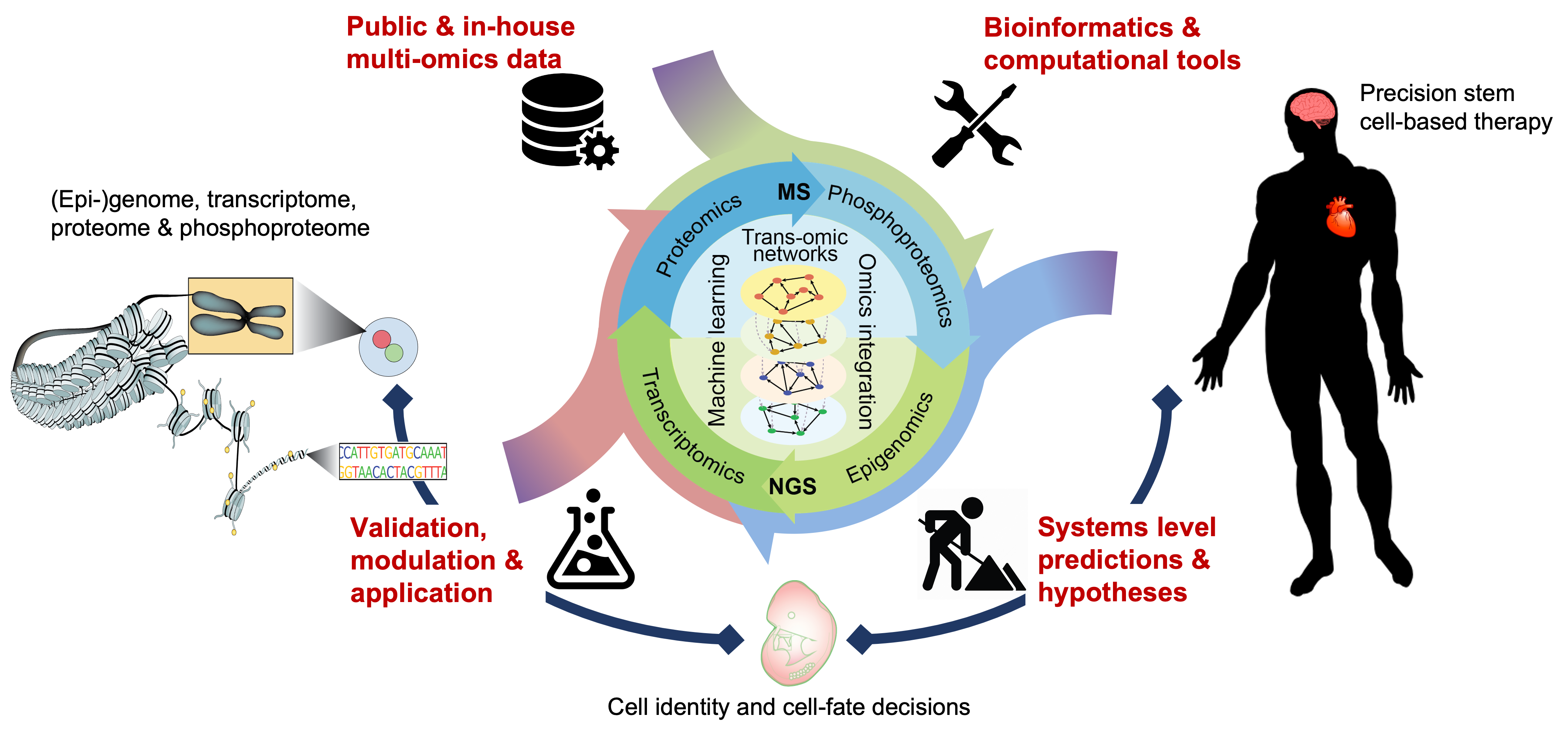
Pengyi Yang is an Associate Professor and University of Sydney Robinson Fellow at the School of Mathematics & Statistics, University of Sydney. He leads the Computational Systems Biology group at the Charles Perkins Centre and holds a conjoint appointment as Unit Head of Computational Systems Biology at the Children's Medical Research Institute (CMRI). His research focuses on computational approaches to understand trans-regulatory networks in stem cells and their applications in regenerative medicine. Yang holds a Ph.D. and has been recognized with awards such as the National Stem Cell Foundation Metcalf Prize (2021). His research spans computational systems biology, machine learning for bioinformatics, and spatial/single-cell omics analysis. Key projects include modeling pluripotency transitions, developing stem cell-derived organoids, and creating computational tools for phosphoproteomics and multi-omics integration. Collaborations include international initiatives like the Laboratory of Data Discovery for Health (InnoHK). Yang advises multiple PhD students and leads grants on topics like stem cell-derived brain organoids and embryonic development modeling. His lab develops tools like Cepo, PhosR, and CiteFuse for omics data analysis. He teaches data science and molecular systems biology at the University of Sydney.
Simon Mochrie is a Professor of Physics and Applied Physics at Yale University, affiliated with the Department of Physics within the Faculty of Arts and Sciences. His research focuses on experimental biophysics and condensed matter physics, with emphasis on chromatin dynamics, nuclear mechanics, and super-resolution microscopy. He holds a Ph.D. from MIT (1985) and has pioneered techniques such as optical tweezers and STED microscopy to study biological systems like the ubiquitin-proteasome system in yeast. Current projects include single-molecule measurements on nucleosomes and developing novel imaging methods like LIVE-PAINT for live-cell super-resolution imaging. Educations: Ph.D., Physics, MIT (1985) Research interests center on understanding how chromatin organization influences nuclear mechanics, with studies on heterochromatin condensation, cohesin-driven loop extrusion, and chromatin-envelope interactions. His lab develops advanced microscopy techniques to visualize protein dynamics and subnuclear structures in real time. Recent work explores diffusive states of membrane proteins and the role of phase separation in heterochromatin mechanics. His articles demonstrate a focus on interdisciplinary approaches, combining biophysical experimentation with computational modeling to elucidate fundamental mechanisms in cell biology and soft matter physics. Notable themes include the interplay between chromatin structure and nuclear stiffness, loop extrusion dynamics, and quantitative analysis of intrachromosomal contacts. Teaching contributions include developing introductory physics courses tailored for life sciences students, emphasizing applications in biology and medicine. He actively participates in STEM education initiatives, including collaborative research networks for graduate students in physical biology. The Mochrie Lab also emphasizes instrumentation innovation, such as building fast-scanning STED microscopes and reversible peptide-based imaging systems.