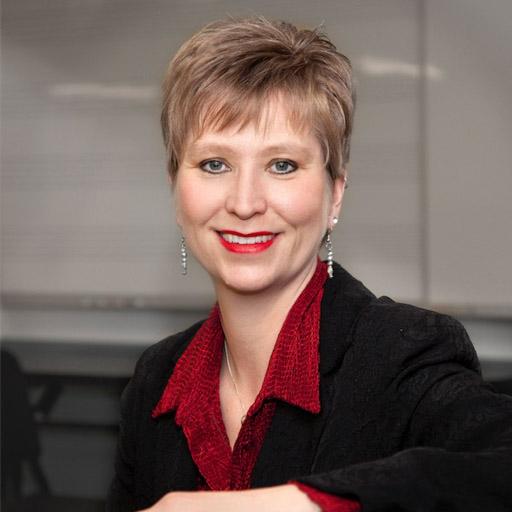
Dr. Laurel Young is a Professor in the Department of Creative Arts Therapies at Concordia University, specializing in music therapy with a focus on gerontology, palliative care, and neurodiverse populations. She holds certifications in the Bonny Method of Guided Imagery and Music (FAMI) and has over 23 years of clinical experience across geriatrics/dementia, oncology, HIV care, and developmental disabilities. Her roles have included Professional Leader of Creative Arts Therapies at Sunnybrook Health Sciences Centre and teaching positions at Wilfrid Laurier University and Temple University. Dr. Young’s research spans multicultural competence in therapy, ethical frameworks, and the intersection of music with health and well-being. Key themes include end-of-life care for dementia patients, singing groups for autistic adults, and bereavement support through music. She has published extensively in peer-reviewed journals and books, including editorial leadership for Barcelona Publishers’ Qualitative Inquiries in Music Therapy Monograph Series (2012–2013). Her work emphasizes bridging research and clinical practice, with a focus on marginalized groups such as older adults, individuals with disabilities, and those facing chronic illnesses. Awards include the 2014 CAMT Research & Publications Award and teaching accolades from Wilfrid Laurier and Temple Universities. Current projects explore AI-assisted therapeutic technologies and community-based music interventions.
Donna Gallo is an Assistant Professor of Music Education at the University of Illinois Urbana-Champaign (UIUC), School of Music. She previously held faculty positions at Westminster Choir College, where she coordinated the Kodály Certification program, and taught K-6 general/choral music in Fairfax County Public Schools (VA) and Simsbury Public Schools (CT). Gallo’s academic background includes a Ph.D. from Northwestern University, an MME from Silver Lake College, a BME from Indiana University, and training at the Kodály Institute in Hungary, where she received the International Kodály Society Scholarship . Her research focuses on: Inservice teacher learning through collaborative professional development structures. Creative music-making and the integration of popular music practices in elementary education. Community partnerships as critical experiences for preservice teacher training. Quantitative research methodologies in music education. Educational equity through culturally responsive teaching and service learning. Teaching strategies for neurodivergent and physically divergent students. Gallo has secured grants for professional development programs and community partnerships with local music educators and school districts. Notably, she collaborated with the School of Music and College of Engineering on a UIUC grant to address systemic racism and social injustice. She has published in leading journals such as the Journal of Research in Music Education , Music Education Research , and International Journal of Music Education , and authored book chapters in The Routledge Companion to Creativities in Music Education and Toward Equity in School Music . Scientific Awards: International Kodály Society Scholarship (Kodály Institute, Hungary). In advising and grants, Gallo emphasizes culturally responsive teaching and first-year teacher support through service learning. Her work bridges music education with interdisciplinary initiatives, leveraging technology and partnerships to drive equity-focused innovation. She is actively involved in editorial roles, including past editor of AOSA Echo (2012–2016) and current editorial board member of the Music Educators Journal . Her collaborations span the UIUC School of Music and College of Engineering, as well as local schools and community artist mentors. Gallo’s efforts aim to transform music education through inclusive curricula, technology integration, and systemic change.
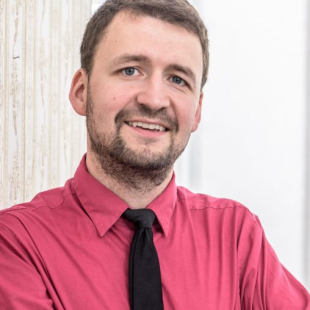
Dr. Alexander Hunter is a Lecturer and Composition Convenor at the School of Music, Australian National University (ANU). He holds a PhD in composition from Edinburgh Napier University (2014) and has taught composition, theory, and music history since relocating to Canberra in 2014. Hunter founded ANU's Experimental Music Studio, focusing on open-form compositions that engage performers in fluid interpretive roles. His research spans open musical forms, spectralism, acoustic ecology, and intersectional feminism, with a commitment to disability and autistic advocacy in the arts. Education includes studies at Northern Illinois University (BA 2006) and HNC from Colaisde Bheinn na Faoghla (2007). His work integrates multimedia collaborations with artists like Mike Parr and Martyn Jolly, exploring themes of dis/ability, environmental health, and Métis cultural heritage. Key projects include Helping the River Sing (2018–2021), linking river health with artistic expression, and AI-driven music composition research with Charles Martin. Hunter’s performance-led projects often involve magic lantern technology, reimagining 19th-century projection as a medium for contemporary ecological and historical narratives. Research interests also encompass New York School music, reductionist improvisation, and anarchist philosophies in composition. His collaborations with ensembles like Ensemble Dal Niente and the Edinburgh Quartet highlight his commitment to experimental performance practices. Recent publications (2023–2025) explore AI applications in music creation and interdisciplinary performance frameworks.
Elisabeth Anvik is an Associate Professor in the Department of Early Childhood Education at the Faculty of Education and International Studies, Oslo Metropolitan University (OsloMet). She also serves as Head of Studies – Area of Responsibility 4, contributing to academic leadership in teacher education. Her work is deeply rooted in music, cultural heritage, and arts-based pedagogy in early childhood contexts. Position: Associate Professor Institution: Oslo Metropolitan University School: Faculty of Education and International Studies Department: Department of Early Childhood Education Email: elisabeth.anvik@oslomet.no Office: Pilestredet 42, Q4041, Oslo Her research interests center on early childhood education, with a focus on music, immaterial cultural heritage, sustainability, play, aesthetics, and technology. She is actively involved in the research groups BLEST (sustainability, play, aesthetics and technology), KunstForsk (arts-based and artistic research), and Philosophy, Art and Culture. Her work emphasizes cultural diversity in teacher training and the role of music in preserving and renewing traditions within kindergarten settings. The recent publications and dissemination activities reveal a consistent engagement with transformative singing practices, digital tools in music education (e.g., the 'Trall' app), and the integration of artistic research in professional pedagogy. Themes across her work include cultural continuity, pedagogical innovation, and the expressive dimensions of early learning. Elisabeth Anvik is a key contributor to the ongoing research project Vibrant Connections , which investigates how music supports cultural heritage in Norwegian kindergartens and teacher education programs. She collaborates extensively with colleagues such as Liv Anna Hagen, Siri Haukenes, and Nina Engesnes. She has authored scientific publications, a textbook ( RAFFE RIFF. Sanger i sirkel ), and over 130 dissemination works, demonstrating a strong commitment to both academic and public engagement. While no formal scientific awards are listed, her extensive output and project leadership indicate significant recognition in her field. She advises on educational practices, contributes to curriculum development, and leads initiatives that bridge research, artistic practice, and early childhood pedagogy. Her work is supported through institutional research funding and collaborative projects rather than individual grants, as per available data. She is affiliated with multiple research groups: BLEST, KunstForsk, and Philosophy, Art and Culture—each contributing to interdisciplinary and arts-integrated approaches in education.
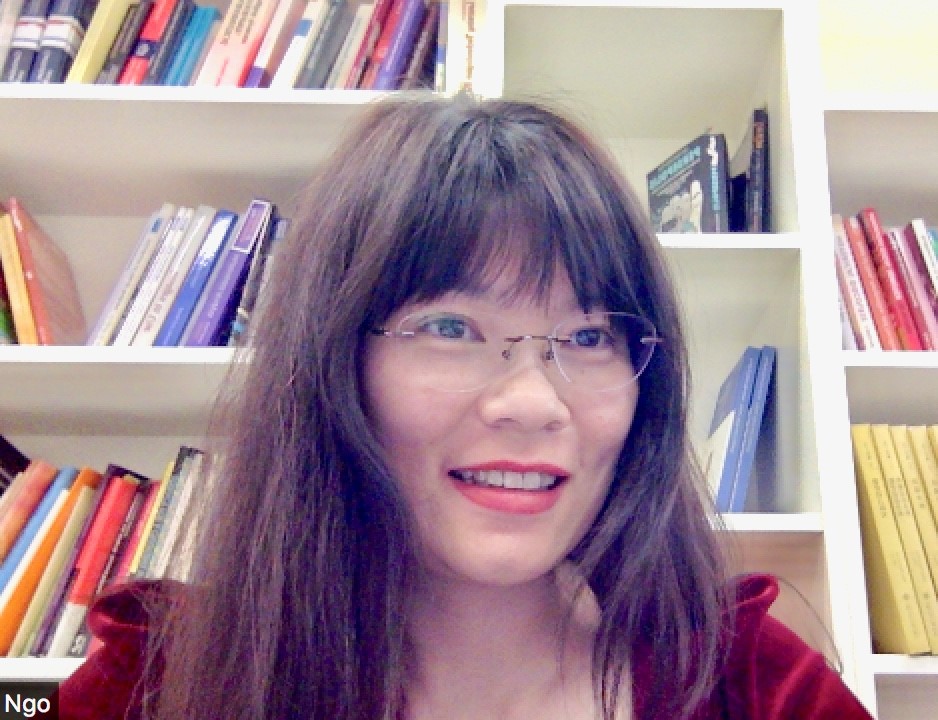
Dr Thu Ngo is a Researcher at UNSW Sydney, affiliated with the School of Arts, Design & Architecture. She holds a Ph.D. in Education Linguistics from the University of New England, Australia, focusing on evaluative language deployment. Her expertise spans Systemic Functional Linguistics, Multimodal Digital Literacy Education, Paralanguage analysis (body language, gesture, facial expressions), and Children’s Literature. Dr Ngo has received grants including the ACU Teaching Development Grant (2019-2020) for visualizing multimodal literacy pedagogy and the Explorance Faculty Research Grant (2021) for student-feedback-based course redesign. Her research integrates linguistic theory with practical educational applications. Recent work explores emotional expression in music education through semiotics, gesture in science communication, and the role of paralanguage in fostering equity for international students. She actively contributes to interdisciplinary projects, such as analyzing characterisation in children’s literature adaptations and refining appraisal frameworks in ESL contexts. Dr Ngo’s publications include a 2021 book on paralanguage modeling and peer-reviewed articles in journals like Research Studies in Music Education and Research in Science Education . She is also active on ResearchGate and maintains an ORCID profile.
Clare Hall is a Senior Lecturer in Performing Arts at the School of Curriculum Teaching & Inclusive Education, Monash University. Her interdisciplinary research focuses on social justice, equity, and cultural diversity through arts engagements, particularly in music and sociology. She holds a PhD and a BA in Music Performance from the Victorian College of the Arts. Her work addresses gender, class, ethnicity, and neurodiversity in education and the arts, supported by grants from the Australian Research Council (ARC). Key Projects: Singing Indigenous Languages Collective (SILC): Revitalizing First Nations languages through song Neurocomplexity Collaboratory: Fostering neurodiversity in education Decolonising and Indigenising Music Education (Routledge, 2024) Research Interests: Intersectionality in music education Queer and feminist methodologies Neurodiversity in teaching professions Indigenous language revitalization Awards: Award for Doctoral Research in Education (2013) Mollie Holman Doctoral Medal (2013) Teaching Commitment: Courses including EDF5860, EDF3065, and EDF2078, emphasizing transdisciplinary arts pedagogies.
Jenni Alisaari is a Professor of Education specializing in Linguistically and Culturally Diverse Education at the School of Applied Educational Science and Teacher Education, University of Eastern Finland. Her work focuses on linguistically responsible pedagogy, multilingualism in education, and culturally responsive teaching practices. Teaches Master’s Degree Programme in Early Language Education for Intercultural Communication Former roles include University Lecturer of Finnish at University of Stockholm, Special Researcher in Sociology at INVEST Research Centre, and Teacher Trainer at University of Turku and Åbo Akademi Research interests intersect language, culture, and identity in educational contexts. She studies: Linguistically Responsible Pedagogy Multilingual Learners Support for Newly Arrived Students Using Music in Language Instruction Language as a Cultural Identity Resource Curriculum Reform Implementation Her publications since 2015 reveal a focus on: Intercultural Communication in Classrooms Migrant Student Belonging Language Policy in Nordic Countries Cognitive Benefits of Musical Language Instruction Teacher Training for Linguistic Diversity Educational Equity Frameworks
Dr. Hyun Kyong Hannah Chang serves as Senior Lecturer in Korean Studies within the East Asian Studies department at the University of Sheffield's School of Languages, Arts and Societies. A musicologist and historian specializing in trans-Pacific Korea, her work examines vocal practices at the intersection of empire, religion, and identity formation from the colonial period to contemporary diasporas. Her educational background includes a BA from Cornell University and PhD from UCLA, where her doctoral research explored Korean Protestant church singing across Pyongyang and California communities. Current projects center on her book manuscript A Vocal Interior: Korean Hymns and Prayers between US and Japanese Empires , incorporating multilingual archives from Yale and Ewha Womans University. Chang's research bridges musicology and East Asian studies through transnational frameworks, analyzing how hymnody and prayer shaped modern Korean subjectivities under US and Japanese imperial influence. Her forthcoming work investigates Japan-educated Korean leftist composers and proletarian movement networks in 1930s East Asia, examining intersections of political ideology, modernist techniques, and pedagogical relationships. Her publications reveal consistent engagement with Cold War memory, colonial pedagogy, and diasporic soundscapes, with increasing emphasis on global music history methodologies and decolonial approaches to archival research. Recent special issues she co-edited demonstrate leadership in reshaping musicological pedagogy through transnational perspectives. Scientific recognition includes prestigious fellowships from: Andrew W. Mellon Foundation American Musicological Society As an educator, Chang teaches History of Korean Popular Music (EAS21006), East Asian religions, and global musicology courses. Her pedagogy emphasizes critical source analysis and recovering marginalized histories, encouraging students to interrogate knowledge production about Korea. She previously taught at New York University before joining Sheffield. Chang actively contributes to the Centre for Korean Studies and maintains research networks with institutions in Korea, Japan, and the United States, positioning her at the forefront of interdisciplinary Korean studies.
Justin J. West is an Assistant Professor of Music and Human Learning at The University of Texas at Austin's Sarah and Ernest Butler School of Music. He previously held positions at LSU, where he received the 2021 Rising Faculty Research Award. His research focuses on music teacher professional development (PD), organizational resilience in music programs, and arts education policy. West teaches courses on children’s musical development, qualitative research, and arts education law. Educations: Ph.D. in Music Education, University of North Texas M.A. in Music Education, Columbia University B.M. in Music Education, Lamar University Research Interests: Music teacher learning trajectories, pandemic-era PD adaptations, policy frameworks for arts education, and organizational strategies for rebuilding music programs. He employs qualitative, quantitative, and mixed-methods approaches to study how PD impacts teacher motivation and institutional sustainability. Articles Trends: His recent work analyzes post-pandemic PD innovations, comparative studies between music and non-music teacher practices, and longitudinal evaluations of certification pathways. Themes emphasize system-level coordination, crisis-driven educational changes, and evidence-based policy design. Awards: 2021 Rising Faculty Research Award (LSU) Sandra E. New Endowed Professorship Fellowship Butler School of Music Endowment Fellowship Advising & Grants: Recipient of UT Austin’s Office of the Vice President for Research grants. Leads PD design initiatives for Louisiana and Texas music teachers. Active in the Society for Music Teacher Education’s professional development working group. Labs/Teams: Collaborates with editorial boards of Journal of Research in Music Education and International Journal of Research in Choral Singing . Coordinates reciprocal peer coaching programs for music educators.
Assoc. Prof. Hana Vančová, PhD., is a dedicated academic at Trnava University's Faculty of Education, where she has served as an Associate Professor in the Department of English Language and Literature since 2013 (promoted from Assistant Professor following her 2022 habilitation). Currently Deputy Head of Department for Education, she oversees curriculum development and serves as study advisor for single-subject and combined English language teacher education programs at bachelor's, master's, and doctoral levels. Her institutional commitment spans over a decade with full-time employment since 2013. Education: 2004–2009: Master of Arts (Mgr.) in English Language and Literature – Slovak Language and Literature, Faculty of Education, Trnava University 2009–2012: Doctor of Philosophy (PhD.) in Pedagogy, Faculty of Education, Trnava University 2019: Professional Development: "Teaching languages in the digital era: the best apps, web platforms and ICT solutions for learning languages", Institute for Training, Employability and Mobile Learning Hana Vančová's scholarly work centers on English pronunciation pedagogy , with pioneering research in technology-enhanced instruction . Her primary domains include phonetics and phonology , lexicology , and digital language learning tools , investigating how AI, mobile applications, and multimedia resources optimize pronunciation acquisition. She bridges theoretical linguistics with practical classroom applications through ergonomic educational design, emphasizing learner-centered methodologies that address sociolinguistic factors like accent identity and intelligibility. Her habilitation thesis established her as a key innovator in pronunciation technology. Analysis of Vančová's publication trajectory (2014-2024) reveals a decisive shift from foundational studies on Slovak learners' pronunciation errors toward cutting-edge research on AI-driven pronunciation training. Her recent work explores karaoke-based methods and ethical AI implementation in CALL (Computer-Assisted Language Learning), highlighting human-AI interaction dynamics. The consistent thread is her commitment to making pronunciation instruction accessible through technological innovation, with publications increasingly addressing inclusivity, ethical considerations, and ergonomic design in digital language learning environments. While no specific scientific awards are documented beyond her academic promotion, Vančová's habilitation procedure—evaluated by an international committee including scholars from Poland, Czech Republic, and Slovakia—represents significant scholarly recognition. Her work has received 36 citations (14 foreign, 22 domestic) as of 2021. As study advisor for English language teacher training programs, Vančová mentors students across bachelor's, master's, and doctoral studies, guiding curriculum development for profile subjects in phonetics, lexicology, and digital language education. She maintains structured consultation hours (Wednesdays 10:00-11:30, study advising 11:30-13:00 via MS Teams) and demonstrates sustained research productivity through monographs, textbooks, and peer-reviewed articles. Though specific grant funding isn't detailed, her habilitation thesis exemplifies capacity for substantial scholarly projects with practical pedagogical impact. No dedicated laboratories or formal research teams are documented; Vančová's academic activities operate within the Department of English Language and Literature framework, focusing on individual research initiatives and departmental leadership in educational technology integration.
Prof. Dr. Marc Godau serves as Professor and Head of the Institute for Talent Research in Music (IBFM) at the University of Paderborn, while also acting as Speaker for Empirical music education with special consideration of school and pop cultural contexts. His academic work bridges music pedagogy with digital cultural studies, focusing on how contemporary technologies reshape musical practices and education. Godau's research centers on post-digital music education , critically examining algorithmic influences on creative processes, platform-mediated music practices (particularly TikTok and Instagram), and the sociomaterial dimensions of informal learning. He challenges traditional 'liveness norms' in music education that marginalize digital and popular cultural forms, advocating for pedagogical approaches that embrace cultural diversity and technological innovation in both school and informal settings. Analysis of his publication trajectory reveals consistent focus on digital transformation in music education, with recent work exploring YouTube tutorials, app-based music creation, and platform musicianship. His scholarship demonstrates how social media algorithms reshape songwriting subjectivity while highlighting tensions between institutional music education frameworks and emerging digital practices. As Principal Investigator for the KuMuS-ProNeD project (Professional networks for digital innovations in teacher training for art, music and sports), Godau drives systemic change in educator development. His teaching portfolio includes forward-looking courses such as 'Making and learning music in (post)digital culture' and 'Musical & Educational Influencers – Music Education of the Future?', positioning him at the vanguard of reimagining music pedagogy for digital generations.
Christine S. Sing is a linguist and educator affiliated with the Department of English Studies at the University of Siegen, Germany. She holds a PhD from the University of Regensburg, focusing on American presidential rhetoric and ideological discourse. Her research integrates discourse analysis, corpus linguistics, and cognitive linguistics, with specialization in ESP (English for Specific Purposes), second language writing, and business communication. She has taught at multiple institutions, including the Universities of Vienna, Giessen, and Heidelberg, as well as the Vienna University of Economics and Business. Her ongoing post-doctoral project examines technicality in L2 student writing through corpus and qualitative analysis. Key research areas include Systemic Functional Linguistics (SFL), critical discourse analysis (CDA), and the role of English as an international lingua franca (ELF). She actively publishes on topics such as multimodal discourse analysis, academic writing pedagogy, and the intersection of business communication and multilingualism. Education: PhD in Linguistics, University of Regensburg Masters in General Linguistics, University of Poitiers Undergraduate Studies in English/French/German, University of Heidelberg Her teaching spans courses on corpus linguistics, discourse analysis, business English, and academic writing. She has contributed to interdisciplinary research projects, including the DFG-funded 'Cultures of Lying' at the University of Regensburg.
Philip Silvey is a Professor of Music Teaching & Learning and Director of ESM/UR Treble Chorus at the Eastman School of Music, University of Rochester. He also serves as Affiliate Faculty in Conducting & Ensembles and Instructor of Arts Leadership. His roles include teaching choral arranging, directing treble choruses, and advising state honors choruses across multiple states. His research focuses on choral pedagogy, therapeutic songwriting applications in healthcare, and narrative exploration in choral performance. Notable publications appear in Journal of Research in Music Education , Music Educators Journal , and Choral Journal . He has contributed to textbooks like Teaching Music through Performance in Choir and composed choral works published by Carl Fischer, Hal Leonard, and others. Key Contributions: Over 20 years of choral education research, compositions performed at all-state levels, leadership in ACDA Professional Affiliations: Past President of Maryland-DC ACDA chapter, National ACDA Repertoire Chair Themes in Work: Women's choral dynamics, folk/spiritual music, narrative-driven performances, music+health intersections His compositions often explore themes like nature, female poet texts, and persistence, emphasizing accessible yet meaningful choral literature for diverse ensembles.
Elizabeth Coombes is a Senior Lecturer at the University of South Wales, affiliated with the Faculty of Life Sciences and Education and the Health, Care and Wellbeing Research and Innovation Group. Her research focuses on music therapy's role in global health contexts, neonatal care, and cultural competency. Education: PhD in Music Therapy (University of South Wales, 2021) MA in Music Therapy (University of Wales, 2006) Bachelor of Music (Royal Holloway College, 1985) Research Interests: Elizabeth explores music therapy applications in neonatal units, cross-cultural practice, and healthcare equity. Her work addresses challenges in conflict zones like the Palestinian Territories and emphasizes inclusivity in training programs. She also investigates climate change's impact on clinical practice and palliative care methodologies. Awards: Collaborative Award for Teaching Excellence (2017) Finalist in USW Research Impact Awards (2018) Small Research Grant (2019) Student Choice Awards (2017) Fellow of the Higher Education Academy (2016) Advising & Grants: Elizabeth leads projects like the Singing Unit pilot study in neonatal care and contributed to the Beit Sahour therapeutic music training in Palestine. She is also a HCPC Fitness to Practice Assessor (2022–2025). Professional Roles: European Representative, World Federation for Music Therapy Advisory Panel Member, Music as Therapy International
Dr. Debra Phyland is an Adjunct Associate Professor at the School of Clinical Sciences at Monash Health, Monash University, where she works part-time as Director of Clinical Research for the ENT, Head and Neck Department of Monash Health. With over 36 years of experience as a speech pathologist primarily in acute hospital settings, she combines clinical practice with academic work and performance arts. Her educational background includes: PhD MAppSc (Master of Applied Science) DipEd (Diploma of Education) BAppSc (Bachelor of Applied Science) FSPAA (Fellow of Speech Pathology Australia Association) Dr. Phyland's research focuses on the intersection of voice medicine and performing arts, with particular expertise in neurolaryngology, professional voice disorders, and vocal rehabilitation. Her clinical work bridges the gap between medical science and performance, addressing the unique needs of professional voice users. She has developed specialized assessment and rehabilitation protocols for performers, integrating medical knowledge with practical performance demands. Analysis of her recent publications reveals a strong emphasis on vocal cord dysfunction, diagnostic methodologies, and evidence-based interventions. Her work increasingly incorporates multidisciplinary approaches, bringing together otolaryngology, respiratory medicine, and speech pathology to address complex voice disorders. A significant portion of her research addresses the needs of performing artists, reflecting her dual career as both clinician and performer. Dr. Phyland has received multiple prestigious awards recognizing her contributions: Victorian Green Room Award 'Outstanding Contribution to the Melbourne Stage' (2012) Australian Voice Association award for 'Outstanding contribution to the Australian voice community' (2014) Speech Pathology Australia Association's Elinor Wray Award (2010) Churchill Fellowship (2002) Garnet-Passe Post-Doctoral fellowship (2016-2018) As an active researcher and clinician, Dr. Phyland has secured competitive funding including the Garnett Passe and Rodney Williams Memorial Foundation grant for her project on 'The relationship between vocal load, inflammation and the development of benign laryngeal pathologies' (2016-2018). She serves as PhD supervisor and is accepting new students through Monash University's Supervisor Connect program. Her leadership extends to professional organizations where she previously served as president of the Laryngology Society of Australasia (2014-2017) and currently chairs the Voice Committee for the International Association of Communication Sciences and Disorders. Dr. Phyland co-founded and owns the Melbourne Voice Analysis Centre and serves as principal speech pathologist for Voice Medicine Australia, a team of eight specialists dedicated to laryngology. Her clinical work uniquely combines with her background as a music theatre singer-performer, giving her distinctive insight into the vocal demands of professional performers. She has served as resident voice consultant for the Melbourne Theatre Company for over twenty-two years and for major productions including Frozen, Moulin Rouge, and Six the Musical.