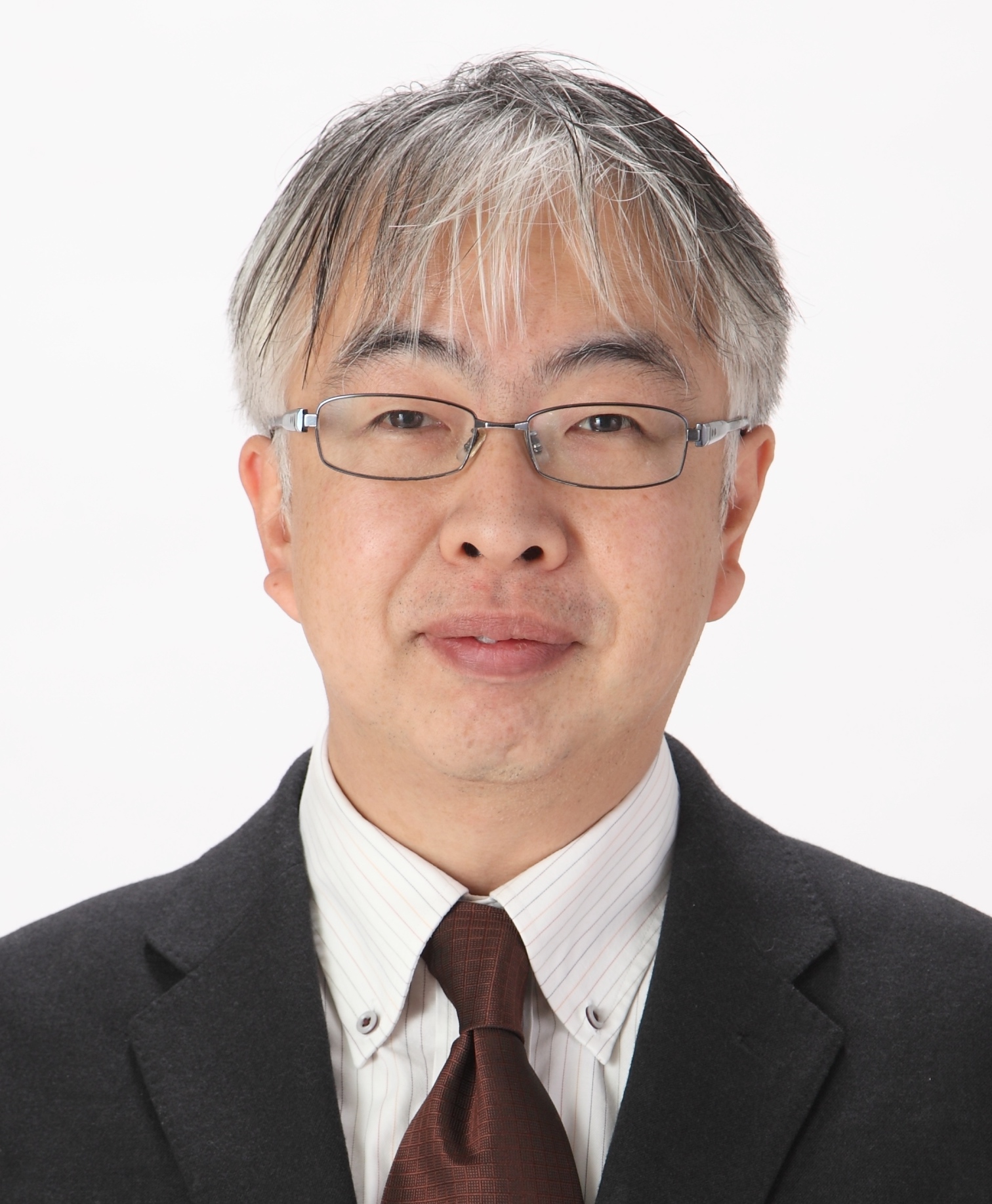
Keiko Momoseمشاهده پروفایل
دانشیار
Keiko Momose is an Associate Professor at Waseda University's Faculty of Human Sciences, specializing in Biomedical Engineering. She holds a Doctor of Engineering degree from Waseda University and has maintained continuous academic appointment since 2005. Her academic journey began with undergraduate studies at Waseda University's School of Science and Engineering, followed by advanced research that led to her current position. Dr. Momose's research primarily focuses on biosignal interpretation, with particular expertise in visual evoked potentials (VEPs), eye movement analysis, and mother-infant interaction studies. Her work integrates engineering principles with neuroscience to develop novel methods for assessing visual function and understanding human cognitive processes. She has made significant contributions to the development of pseudorandom binary sequence (PRBS) stimulation techniques for rapidly assessing temporal frequency characteristics of the visual system, which has important clinical applications in diagnosing and monitoring conditions like glaucoma and macular degeneration. Her recent research has expanded into cross-cultural studies of mother-infant interactions, comparing Japanese and Scottish parenting behaviors during feeding and infant pick-up scenarios. This work reveals culturally specific patterns in intersubjectivity, timing, and empathy between mothers and infants, demonstrating how cultural contexts shape early developmental experiences. Her publications show a clear progression from technical development of VEP measurement techniques to broader applications in developmental psychology and cross-cultural neuroscience. Dr. Momose has secured multiple research grants from the Japan Society for the Promotion of Science, including projects on eye movement training for children with dyslexia, blink-based detection methods for visual motion evoked potentials, and the early development of parent-infant inter-body relationships. Her research demonstrates consistent innovation in methodology development while addressing clinically and developmentally significant questions. She actively teaches across Waseda University's programs, including undergraduate courses in Human Sensory Processing and Measurement and Modeling of Human, as well as graduate-level seminars in Biomedical Engineering. Her teaching spans both traditional and online degree programs, reflecting her commitment to accessible education in biomedical engineering principles and applications.