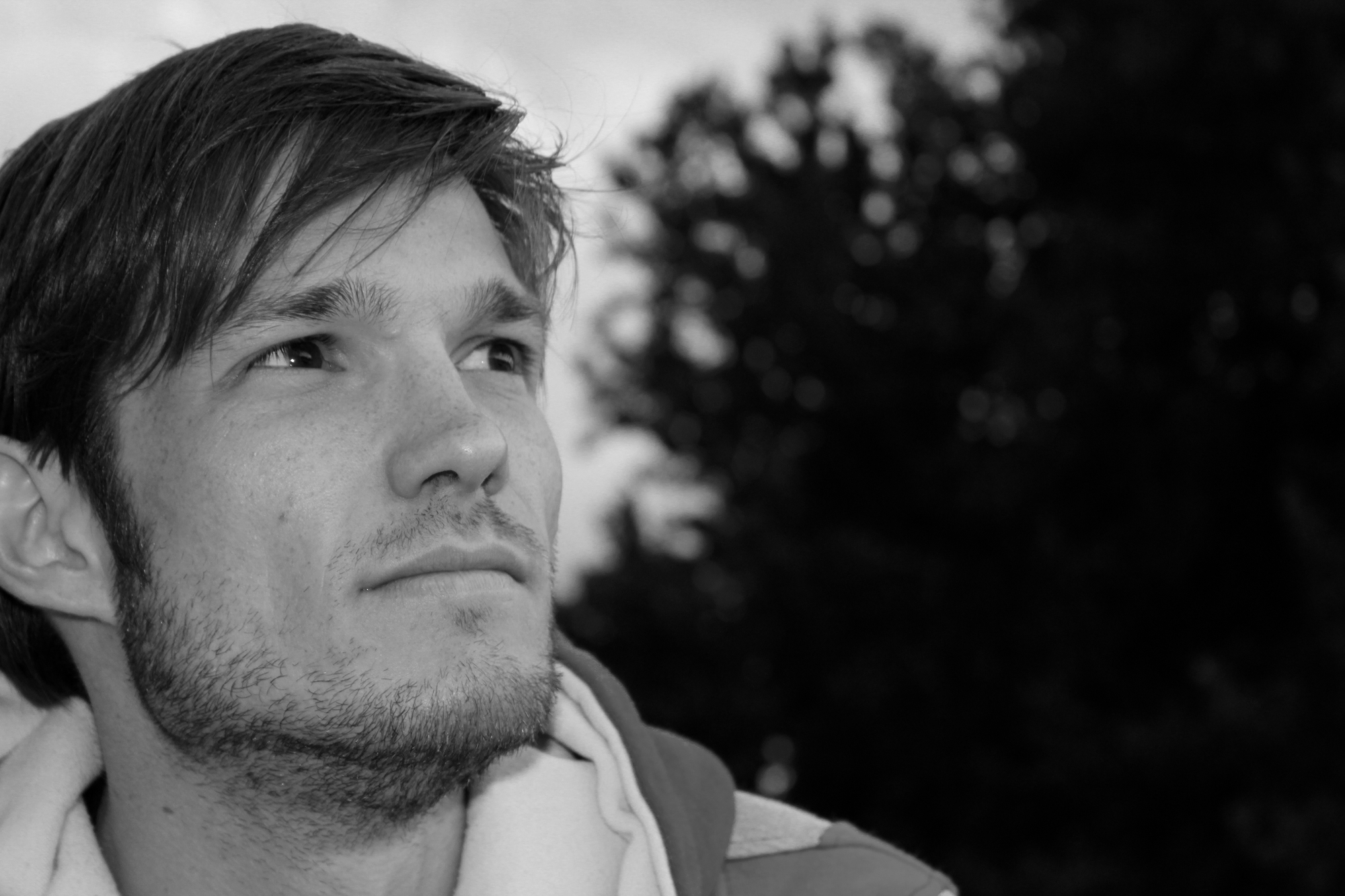
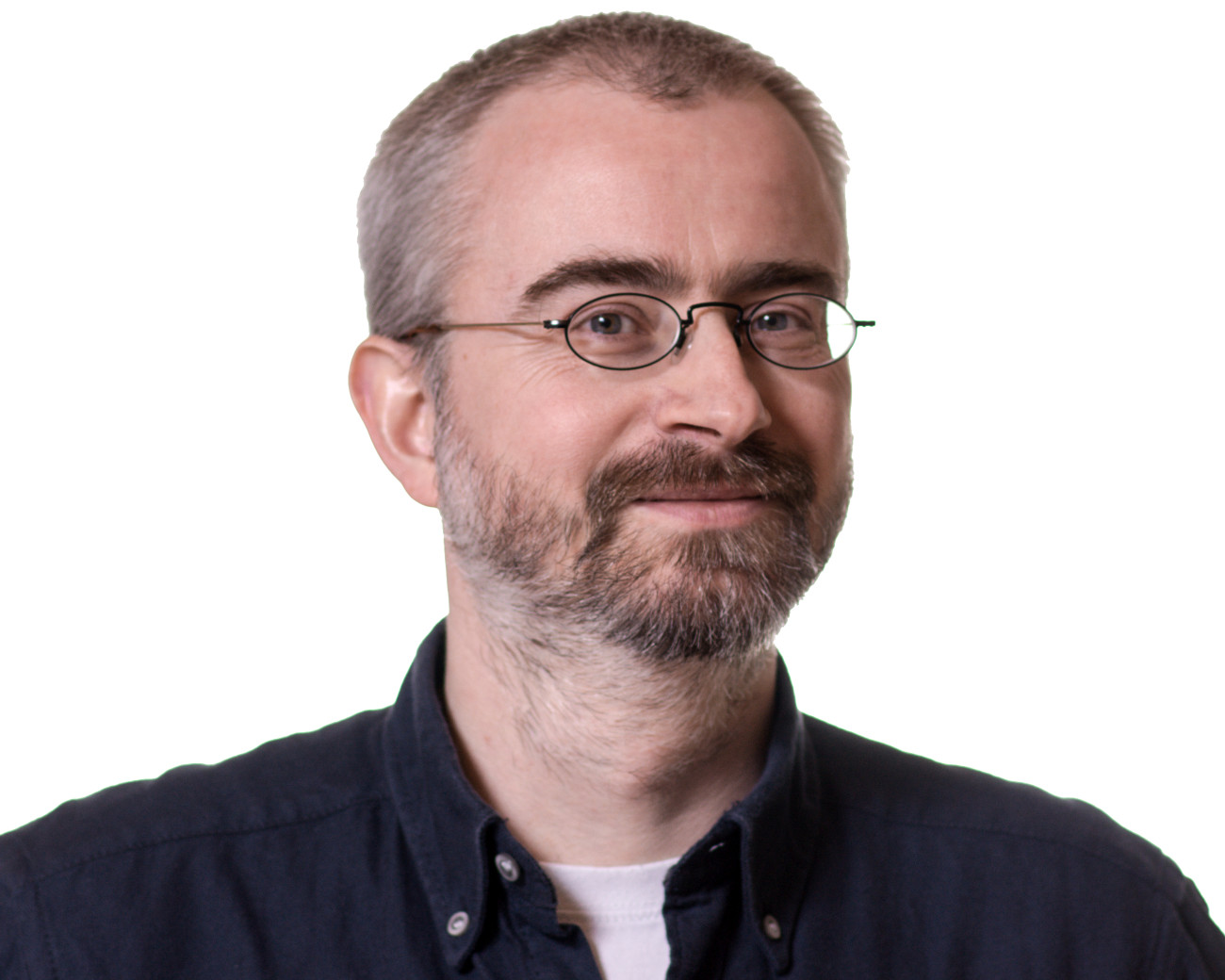
Sebastian Reich is a Professor of Numerical Analysis at the University of Potsdam and holds an honorary Visiting Professorship at Imperial College London . He leads the Chair of Numerical Mathematics and serves as Editor-in-Chief of the SIAM/ASA Journal on Uncertainty Quantification since 2021. Research Interests Numerical methods for Hamiltonian systems Data assimilation in geoscience Stochastic particle filters Bayesian inference algorithms Molecular dynamics simulation Multi-scale modeling Collaborative Projects : Principal Investigator and former Speaker (2017-2024) of SFB 1294 Data Assimilation , a DFG-funded Collaborative Research Center Active participant in SFB 1114 Scaling Cascades in Complex Systems at Freie Universität Berlin Books Authored : Probabilistic Forecasting and Bayesian Data Assimilation (Cambridge UP, 2015) Simulating Hamiltonian Mechanics (Cambridge UP, 2005) Technical Contributions : Development of symplectic integration methods Innovations in ensemble Kalman filtering Regularization approaches for geophysical models Stochastic algorithms for molecular simulations
Dr. Peter Kotzian is a Researcher at Heinrich Heine University Düsseldorf, associated with the Chair of Business Administration (Accounting). Since 2014, he has focused on experimental behavioral research, institutional comparison, and democratization of international governance through civil society. His educational background includes a PhD in Political Science (University of Mannheim, 2002), habilitation in Political Science (TU Darmstadt, 2009), and a second PhD in Business Economics (2020). His research interests span Experimental Behavioral Research Institutional Comparison Democratization of Governance Empirical Methods Data Science and AI Applications Within DIID, he is preparing projects on digitalization’s impact on corporate decision-making and business analytics. His publications cover ethical culture in compliance programs, sustainability reporting, and decision biases. Co-authors include Barbara E. Weißenberger, Thomas Stöber, and Rüdiger Hahn. He has taught modules like Digital Reporting and Data Science until Wintersemester 2024/25.
Dr. Marc Hesse serves as Team Leader of the Cognitronics & Sensor Technology Group at Bielefeld University's Faculty of Engineering and is also a Board member of the Center for Cognitive Interaction Technology (CITEC). His work bridges engineering, robotics, and sensor technology with practical applications across multiple domains. Dr. Hesse's research spans wireless sensor networks, robotics, machine learning applications, and Industry 4.0 technologies. His work focuses on developing practical solutions for real-world problems, including physiological monitoring systems, UWB localization in challenging environments, and edge computing applications for smart grids and manufacturing. He has made significant contributions to educational robotics through the AMiRo platform, which integrates research and teaching in robotics education. His publication record shows consistent output across multiple domains, with recent work emphasizing machine learning applications in sensor networks, edge computing implementations, and digital twin technologies. The research demonstrates a trajectory from fundamental sensor and system design to applied implementations in agriculture, healthcare, and industrial settings. Dr. Hesse collaborates extensively across disciplines and institutions, with publications spanning biomedical engineering, robotics, electrical engineering, and sports science. His work often addresses the practical challenges of implementing theoretical concepts in real-world environments with resource constraints.
Rainer Martin is a Professor of Information Technology and Communication Acoustics at Ruhr-Universität Bochum, where he has been affiliated since 2003. He served as Dean of the Faculty of Electrical Engineering and Information Sciences from 2007 to 2009. He holds a Dipl.-Ing. and Dr.-Ing. from RWTH Aachen University and an M.S.E.E. from Georgia Institute of Technology. His research focuses on signal processing, machine learning, and acoustic systems for voice communication, hearing instruments, and human-machine interfaces. Key areas include speech enhancement, noise reduction, binaural processing, cochlear implant optimization, and acoustic sensor networks. His work integrates deep learning with traditional signal processing for real-world applications. Recent publications emphasize neural networks for noise control, hearing aid algorithms, radar interference mitigation, and auditory perception modeling. Trends show strong convergence of machine learning with acoustic engineering, particularly in low-power embedded systems and healthcare applications. Awards: Fellow of the IEEE He leads projects on acoustic sensor networks, automotive radar, and hearing technology, collaborating with industry partners. His lab develops algorithms for hearing aids, cochlear implants, and robust communication systems, with patents spanning noise reduction, echo control, and speech enhancement.
Michael Franke is a Professor in the Department of Linguistics at the University of Tübingen. His research focuses on experimental pragmatics, cognitive modeling, and evolutionary approaches to language use, reasoning, and decision-making processes. He employs probabilistic modeling techniques to investigate higher-order cognition and the relationship between empirical data, abstract theory, and mathematical modeling. His primary research interests include experimental pragmatics, cognitive and evolutionary modeling, probabilistic reasoning, Bayesian statistics, and computational linguistics. Franke's work bridges theoretical linguistics with experimental cognitive science, using both human behavioral data and computational modeling approaches. He has made significant contributions to understanding scalar implicatures, pragmatic reasoning, and the application of game theory to linguistic phenomena. Recent publications reveal a growing focus on the intersection of human cognition and language models, particularly examining how large language models handle pragmatic phenomena like scalar implicatures, quantifier interpretation, and question answering. His work increasingly integrates neural and symbolic approaches to model pragmatic reasoning processes. Professor Franke has developed several important research tools including magpie (a framework for web-based experiments), faintr (an R package for interpretation of categorical predictors in Bayesian regression), and R_eproducible_LaTeX (for writing reproducible research papers). He has also created educational resources including web-books on probabilistic pragmatics, Bayesian regression, and understanding large language models. In his teaching, Franke offers courses on logic, data analysis, and Bayesian regression. His educational materials demonstrate his commitment to making complex statistical and computational methods accessible to students in linguistics and cognitive science.
Dr. Johannes Greiner is a researcher at the Faculty of Biology at University of Bielefeld, Germany, with a strong research focus on stem cell biology, particularly neural crest-derived stem cells and their molecular regulation. His work bridges fundamental cellular mechanisms with potential clinical applications in regenerative medicine and cancer therapy. Dr. Greiner's primary research interests include: Neural crest-derived stem cell characterization and differentiation pathways NF-κB signaling mechanisms in stem cells and disease contexts Sex-specific differences in stem cell behavior and differentiation potential Osteogenic and neuronal differentiation processes Cancer stem cell biology and therapeutic targeting strategies Analysis of Dr. Greiner's publication record from 2011-2024 reveals a consistent research trajectory focused on molecular mechanisms governing stem cell behavior, with particular emphasis on NF-κB pathway regulation and sex-based differences in cellular responses. His work demonstrates methodological diversity, employing techniques ranging from single-cell analysis to molecular pathway interrogation, reflecting a comprehensive approach to understanding stem cell function in both health and disease contexts. Dr. Greiner has contributed to numerous publications in specialized journals focusing on molecular biology, regenerative medicine, and cancer research, with collaborative work spanning multiple research groups. His research output demonstrates sustained productivity and evolving focus toward understanding the fundamental mechanisms that govern stem cell behavior and their implications for human health.
Eva Riethmacher is an Assistant Professor at Nazarbayev University School of Medicine (NUSOM) in Kazakhstan, where she has been working since February 2016. She serves as the program director for the Ph.D. program in Biomedical Sciences at NUSOM. Prior to joining Nazarbayev University, she worked at the Faculty of Medicine, University of Southampton, UK (2008-2016), was a Senior Scientist at ZMNH, Hamburg, Germany (1999-2008), and completed postdoctoral training at MDC, Berlin, Germany (1995-1999) and MDL/MPI, Cologne, Germany (1993-1995). Dr. Riethmacher earned her PhD from the University of Cologne in 1993 and completed her Diploma at the same institution in 1989. Her academic journey spans over three decades with significant contributions to biomedical research. Dr. Riethmacher's research focuses on cancer development and progression, inflammatory bowel disease, and the application of mouse models in studying disease development. Her work has increasingly centered on periostin, a matricellular protein that plays crucial roles in inflammation, allergy, and cancer progression. She has made significant contributions to understanding the role of periostin in inflammatory bowel disease, bladder cancer, and its interactions with the CCL5-CCR5 axis. Her research has evolved from early work on signal transduction during development using mouse models to current investigations of cancer mechanisms and inflammatory processes. Her recent publications demonstrate a strong focus on the role of periostin in various disease contexts, particularly inflammatory bowel disease and cancer. This work has revealed important connections between periostin expression, immune regulation, and disease progression. Her research bridges basic science with potential clinical applications, particularly in understanding disease mechanisms that could lead to new therapeutic approaches. Dr. Riethmacher has received significant research funding for her work, including as Principal Investigator on grants related to genetically engineered microbiome treatments for inflammatory bowel disease and expanding the therapeutic landscape of CCR5 blockade. She has also served as Co-PI on multiple grants studying periostin in bladder cancer, colon cancer, and inflammatory bowel disease. As an educator, Dr. Riethmacher is heavily involved in supervising MD students, master's students, and PhD candidates in their research. She has supervised diploma and PhD students throughout her career, demonstrating a strong commitment to training the next generation of scientists and clinicians.
Dr. Franziska Labrenz is a researcher at the Department of Medical Psychology and Medical Sociology within the Faculty of Medicine at Ruhr University Bochum. Her work focuses on the complex mechanisms of visceral pain and its modulation by psychological and social factors. Department: Medical Psychology and Medical Sociology Academic Rank: Researcher Key Collaborators: Prof. Elsenbruch, Dr. Icenhour, Prof. Benson Research Interests : Dr. Labrenz investigates interoceptive sensations, particularly chronic visceral pain, through behavioral experiments and neuroimaging studies. Her research explores how stress, anxiety, attention, and learning/memory processes influence pain perception, with a focus on gut-brain interactions and neurovascular responses during inflammation. Publication Trends : Her recent work (2023-2015) spans visceral pain neuroimaging, inflammation-related anxiety, fear conditioning models, and sex-based differences in pain processing. Key methodologies include fMRI, functional connectivity analysis, and experimental endotoxemia. Core Themes : Visceral Pain Mechanisms Neuroimaging & Functional Connectivity Stress-Anxiety-Pain Interactions Gut-Brain Axis Sex Differences Conditioning & Extinction Processes
Dr. Denis Tikhonov is a Researcher at the Center For Free-Electron Laser Science (CFEL) in Hamburg, Germany, where he focuses on quantum chemistry and molecular dynamics. His work combines computational methods with experimental techniques like ultrafast electron diffraction and spectroscopy to study complex chemical systems. His research spans topics such as reaction path analysis, coherent tunneling dynamics, vibrational scaling, and chiral molecular interactions. He develops protocols for simulating infrared spectra and analyzing ionization energies in cluster systems. Analysis of his publications reveals a strong emphasis on computational physics, spectroscopy, and chemical thermodynamics, particularly in applications involving dispersion-corrected quantum methods and pump-probe spectroscopy. He has contributed to understanding hydrogen bonding, ring-opening reactions, and nuclear quadrupole coupling in molecular dissociation. Dr. Tikhonov's work frequently addresses challenges in ultrafast dynamics of polycyclic aromatic hydrocarbons (PAHs) and quantum corrections in molecular simulations. His recent studies explore time-dependent coherent chiral tunneling and inverse problems in spectroscopy, demonstrating an interdisciplinary approach bridging theoretical and experimental chemistry.
Dr. Goratz Beobide Arsuaga is a Research Scientist in Climate Modelling at the University of Hamburg's Faculty of Mathematics, Informatics and Natural Sciences. His research focuses on climate variability, extreme weather events, and predictive modeling, particularly concerning European heatwaves and Atlantic climate systems. Research Interests: Specializes in climate dynamics with emphasis on heatwave mechanisms, ocean-atmosphere interactions, and climate model development. Current investigations include precursor signals for extreme events and decadal climate predictability. Publication Trends: Research demonstrates strong focus on atmospheric dynamics and climate extremes, with recent work advancing heatwave prediction through sea surface temperature analysis and model ensemble techniques. Articles show consistent methodological innovation in statistical climate analysis.
Prof. Tobias Knopp is a Professor of Experimental Biomedical Imaging at Hamburg University of Technology (TUHH) and the University Medical Center Hamburg-Eppendorf (UKE). He leads the Institute for Biomedical Imaging and serves as Editor-in-Chief of the International Journal on Magnetic Particle Imaging (IJMPI). His expertise spans tomographic imaging, image reconstruction, and signal processing with a focus on Magnetic Particle Imaging (MPI). Education: Diplom in Computer Science (University of Lübeck, 2007) PhD in Biomedical Imaging (University of Lübeck, 2010) awarded the Klee Prize (2011) Research Interests: Tomographic imaging methods, MPI system development, model-based reconstruction, and hardware optimization. His work emphasizes MPI applications in clinical imaging and tracer development. Awards: Klee Prize from DGBMT (2011) for groundbreaking MPI research. Key Contributions: Pioneered the first commercial MPI system, developed open-source reconstruction frameworks (e.g., MRIReco.jl), and advanced MPI for real-time clinical applications. His research bridges theoretical models with practical hardware implementations.
Guangpu Yang is a Researcher at the Institute of Computer Architecture and Computer Engineering , part of the University of Stuttgart. His work focuses on Computational Imaging Systems within the ITI (Institute for Visualization and Interactive Systems) research group. He holds a position within Faculty 05 of the University, contributing to interdisciplinary projects at the intersection of computer engineering and advanced imaging technologies. Contact details include the institute's address at Universitätstraße 38, 70569 Stuttgart, Germany. No specific email or academic awards/grants are listed in the provided information.
Omid Elmi is a Researcher at the Department of Geodesy within the Institute of Geodesy at the University of Stuttgart. His work focuses on advancing satellite-based remote sensing techniques for hydrological applications, particularly in monitoring global water resources and dynamics. Key areas of research include satellite altimetry, river discharge estimation, and the integration of geodetic data with hydrological models. Elmi’s research emphasizes innovative methods such as bin-space-time (BiST) retracking, probabilistic drought characterization, and automated tools for analyzing satellite imagery (e.g., Google Earth Engine). His contributions address critical challenges in water resource management, environmental sustainability, and climate change adaptation through cutting-edge geodetic and remote sensing technologies. His publications highlight advancements in satellite mission design for river monitoring, spatio-temporal data analysis, and the application of Bayesian methods to improve inland water altimetry. Elmi’s work bridges geodesy, hydrology, and environmental science, offering practical solutions for global change monitoring.
Günther Haas is a Researcher at the Institute of Communications Engineering, Ulm University, with a focus on digital communications and coding theory. His academic work spans over two decades, involving teaching, research assistance, and contributions to telecommunications engineering. Lecturer for Lab Courses in Digital Communications (2020-2025, 2014-2018) Instructor for Project and Internship courses in Communications Engineering (2013-2024) Contributor to academic exercises in Channel Coding (1999/2000) and Communications Engineering (2024/2025) His research interests center on digital modulation techniques, error correction coding, and wireless communication systems. Key publications focus on generalized concatenation and Gaussian filtered continuous phase modulation (CPM) in telecommunications. Active in academic collaboration, he has worked with researchers like Martin Bossert, Sergo Shavgulidze, and Armin Häutle. His role includes organizing Communication Systems courses (2005-2013) and maintaining technical infrastructure for teaching.
Dr. Simon Christ is a Researcher at the Department of Computational Biology within the Institute of Cell Biology and Biophysics at Leibniz University Hannover's Faculty of Natural Sciences. His office is located in Building 4160, Room 110 at Herrenhäuser Str. 2, 30419 Hannover. He can be contacted via phone (+49 511 762 16174) or email (christ@cell.uni-hannover.de). Christ holds a Doctor rerum naturalium (PhD) from the University of Potsdam (2020) and a Master of Science from Humboldt University of Berlin (2014). His doctoral research focused on morphological transitions of vesicles under nonuniform conditions, while his master's thesis examined non-Markovian systems in statistical physics. His research focuses on computational approaches to biological systems, including: Development of reproducible scientific workflows and open-source tools Agent-based simulations of biological processes Numerical solutions of differential equations in biological contexts Computational modeling of membrane dynamics and vesicle behavior Research software engineering practices and tools He is proficient in multiple programming languages including Julia, C/C++, MATLAB, Mathematica, Python, and R, and is a certified instructor for The Carpentries. Christ's recent publications demonstrate a strong focus on research software engineering, computational biology methods, and biophysical modeling of cellular systems. His work frequently appears in computational biology, biophysics, and software engineering journals, with consistent contributions to open science practices and reproducible research methodologies. No specific awards or student advising relationships are mentioned in the available documentation. His current work appears to be conducted within the computational biology research group at Leibniz University Hannover, with collaborations extending to other institutions including the University of Potsdam and Max Planck Institute.