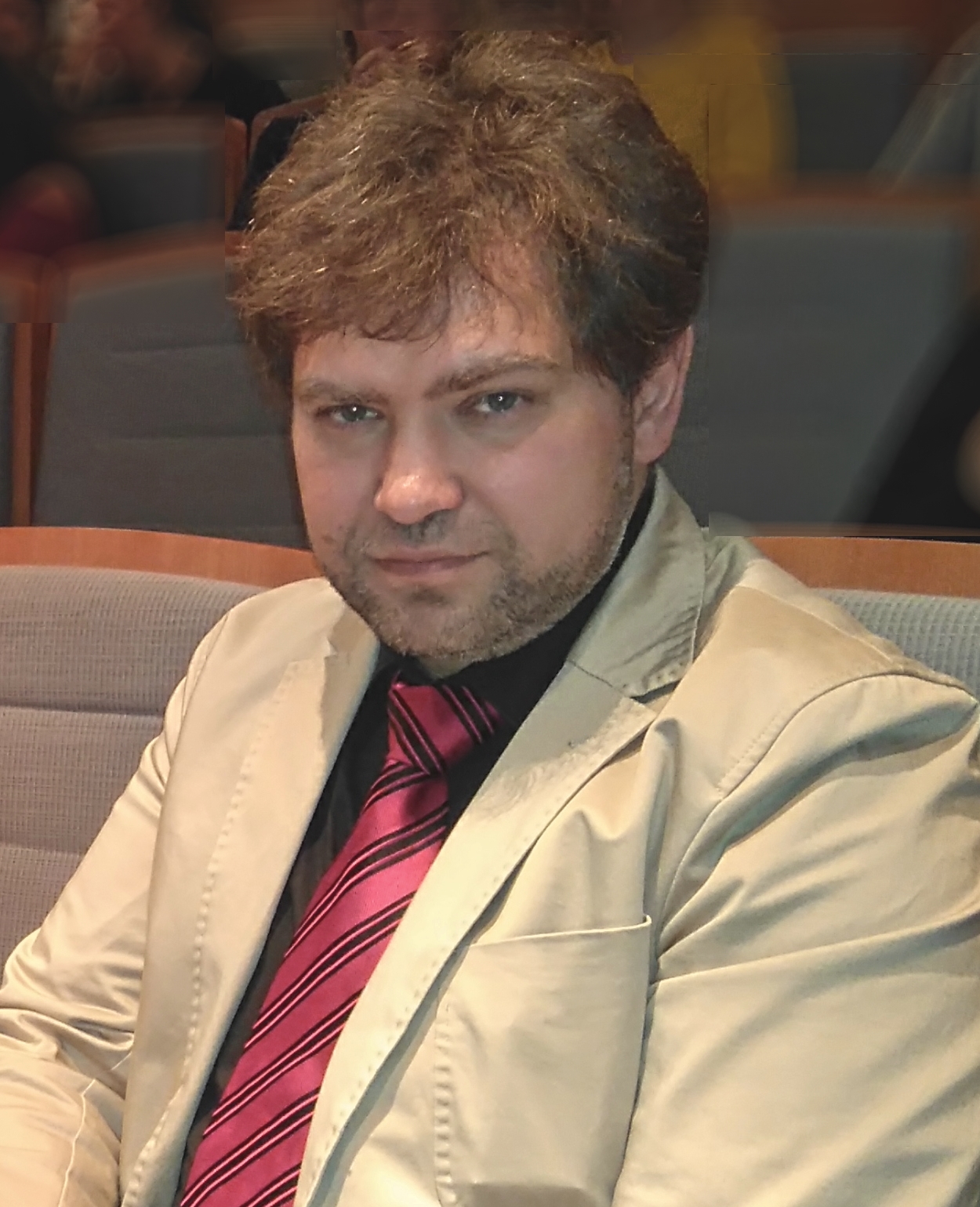
Elissaios Sarmas is a researcher in the field of AI and machine learning applications for energy systems and smart cities. He has collaborated extensively with researchers like Vangelis Marinakis, Haris Ch. Doukas, and Ioannis Papias across institutions. Research Interests: AI in Energy Sector Smart Grid Analytics Data-Driven Decision Making Demand Response Programs Energy Poverty Mitigation Climate Change Adaptation Publication Trends: His recent work focuses on ensemble AI models for energy measurement, clustering methodologies for electricity loads, and large language models in energy digital twins, covering 2023-2025. Articles span journals like IEEE Access , Applied Soft Computing , and Information Sciences .
Elena Fregonara is a professor in the Department of Architecture and Design at Politecnico di Torino, where she conducts research at the intersection of sustainable architecture, real estate economics, and environmental policy. Her work emphasizes life cycle thinking, circular economy principles, and the integration of environmental costs into financial decision-making in the construction sector. Institution: Politecnico di Torino Department: Department of Architecture and Design Research Focus: Sustainable Architecture, Life Cycle Assessment, Real Estate Appraisal, Circular Economy Her research interests revolve around sustainable urban development, with a strong emphasis on the economic evaluation of building sustainability. She investigates how embodied energy, carbon emissions, daylight, and green attributes influence real estate values and investment decisions. Her work bridges theoretical economics with practical applications in public procurement, urban regeneration, and building retrofitting. The trends in her recent publications show a consistent focus on integrating environmental externalities into traditional economic models. She employs life cycle costing (LCC), life cycle assessment (LCA), structural equation modeling, and net present value (NPV) frameworks to evaluate sustainability across scales—from materials to urban systems. Her research increasingly addresses policy implications, especially in public procurement and urban governance. Elena Fregonara has contributed to significant research initiatives such as the “Circular Design for Natural Fibers” (CD4NF) project under the PNRR, reflecting her engagement with national sustainability strategies. She has no listed scientific awards in the provided data. She has collaborated extensively with researchers such as Diego G. Ferrando, Alice Barreca, and Irene Rubino on topics including building upcycling, discount rate modeling, and sustainable public procurement. While her mentorship of students is not explicitly detailed, her collaborative work suggests active engagement in research teams and academic networks. She is involved in developing methodological tools like the “Smart SPP LCC-CO2 Tool” for sustainable decision-making. Her research lab or team is not explicitly named, but her involvement in EU and PNRR-funded projects indicates leadership or key roles in interdisciplinary research groups focused on sustainable construction and urban development.
Wesam Bachir, PhD, is an Assistant Professor at the Institute of Metrology and Biomedical Engineering, Faculty of Mechatronics, Warsaw University of Technology (Politechnika Warszawska). His expertise lies at the intersection of biomedical engineering, laser spectroscopy, and optical diagnostics for medical applications. Research Interests Dr Bachir’s core research areas include: Biomedical optics & spectroscopy: developing diffuse reflectance and transmittance methods for non-invasive monitoring of tissue oxygenation, hemodynamics, and vital signs. Laser-tissue interaction & photodynamic therapy: optimizing light dosimetry, photosensitizer selection, and treatment planning for breast and skin cancers. Optical phantoms & Monte Carlo modeling: creating tissue-mimicking phantoms from everyday materials (milk, intralipid, India ink) and validating optical properties through advanced simulations. Smartphone-based sensing: leveraging mobile devices and their built-in light sources for point-of-care photoplethysmography and respiratory monitoring. Publication Trends Across 36 peer-reviewed publications (h-index 6 Scopus, 5 WoS), Dr Bachir demonstrates a consistent upward trajectory in both clinical translation and fundamental optical modeling. His 2024–2025 papers emphasize AI-enhanced spectroscopy and ultra-short-term physiological monitoring, while earlier work (2019–2022) concentrated on Monte Carlo algorithms for PDT planning and phantom characterization. The portfolio spans experimental validation, computational modeling, and proof-of-concept clinical studies. Supervision & Grants He has successfully supervised four doctoral theses to completion and currently leads or co-leads three active research projects funded by national and international agencies, focusing on non-contact respiratory monitoring, AI-driven spectral diagnostics, and optimized fiber-coupled light delivery for photodynamic therapy. Laboratory & Collaboration Dr Bachir’s laboratory is embedded within the Institute of Metrology and Biomedical Engineering, providing access to state-of-the-art laser sources, integrating sphere systems, and high-resolution spectrometers. He collaborates extensively with clinicians at local medical centers and maintains active partnerships with research groups in Europe and the Middle East to accelerate technology transfer from bench to bedside.
Drew B. Winters serves as Professor of Finance and holds the Lucille and Raymond Pickering Chair in Finance at Texas Tech University's Rawls College of Business, where he conducts influential research on money markets and financial institutions. Education: PhD in Finance from the University of Georgia MBA in Finance from the University of Georgia BS in Computer Science and Accounting from Duke University Research Interests: Professor Winters specializes in the intraday dynamics of short-term interest rates, money market mutual fund operations, and regulatory impacts on financial institutions. His work examines liquidity provision mechanisms, crisis responses in banking, and the interplay between monetary policy and market microstructure. Current projects analyze post-pandemic regulatory shifts and behavioral aspects of investor decision-making in volatile markets. Publication Trends: Recent publications demonstrate consistent focus on money market fund regulation, banking crises (including SVB collapse analysis), and discrimination in lending. His empirical work frequently employs event studies and natural experiments, with growing emphasis on pandemic impacts, government shutdown effects, and community bank resilience during disasters. The research bridges theoretical finance with practical regulatory concerns. Scientific Awards: Lucille and Raymond Pickering Chair in Finance Advising and Grants: While specific student names aren't documented in available materials, his extensive publication record indicates active graduate mentorship. Research appears consistently supported by institutional resources at Texas Tech, with potential external funding implied by empirical work using HMDA and CRA datasets, though explicit grants aren't listed. Labs and Teams: The profile indicates independent scholarship with frequent co-authorship, but no dedicated research labs or structured teams are mentioned in the provided materials.
Professor Christopher Ring is a faculty member in the School of Sport, Exercise and Rehabilitation Sciences at the University of Birmingham, where he has been working since 1995. He holds the academic rank of Professor in Psychology and contributes significantly to research and teaching in psychophysiology and sport psychology. BSc in Psychology, University of Hull, UK MSc and PhD in Psychology, State University of New York at Stony Brook, USA His research interests are broad and interdisciplinary, focusing on skill acquisition , performance under pressure (including 'choking' in sport), cheating in sport , interoception , and the social neuroscience of morality in sport . He also investigates how exercise and mental stress affect immune responses to vaccination, sensorimotor function, and cardiovascular reactivity. His recent publications reflect a strong trend in psychophysiological mechanisms underlying sport performance, moral behavior in athletes , and inflammation-immune-cognitive interactions . His work often integrates physiological measures (e.g., EEG, heart rate, blood pressure) with behavioral and psychological assessments. He has received grants from research councils, charities, and industry, and has collaborated with international experts. He teaches a popular third-year module on the psychophysiology of sport and has supervised over 30 doctoral students who now work at universities worldwide. His research lab focuses on experimental psychophysiology, with studies involving stress testing, vaccination trials, motor performance tasks, and moral decision-making paradigms. He continues to lead innovative research on behavioral adjuvants to vaccination and the neural basis of expert performance.
Brandon N. Cline, Ph.D., is the John 'Nutie' and Edie Dowdle Professor of Finance at Mississippi State University's College of Business, where he serves in the Department of Finance & Economics. He holds dual roles as Graduate Programs in Finance Coordinator and Co-Director of the Institute for Market Studies. His research specializes in insider trading, executive compensation, corporate governance, and equity offerings, with work featured in top journals including Journal of Financial Economics and The Accounting Review . Education includes: Ph.D., Finance, The University of Alabama (2005) M.A., Banking and Finance, The University of Alabama (2002) B.S., Finance, The University of Alabama (2001) His publications demonstrate consistent focus on market efficiency, regulatory impacts, and executive decision-making, with recent work examining auditor responses to managerial misconduct, CEO transitions, and global interest rate derivatives. Research frequently intersects behavioral finance, securities regulation, and institutional trust. Major awards and honors: 2024 Southwestern Finance Association Best Paper Award 2014 Wharton School-WRDS Outstanding Paper in Empirical Research 2012 Journal of Financial Research Outstanding Article Award Multiple Eastern/Southern Finance Association Outstanding Paper Awards (2008-2010) As Graduate Programs Coordinator, he oversees finance graduate education and advises doctoral candidates. Additional leadership includes serving on the Mississippi State University Foundation Board since 2023, past presidency of the Southern Finance Association, and current editorship of the Journal of Financial Research .
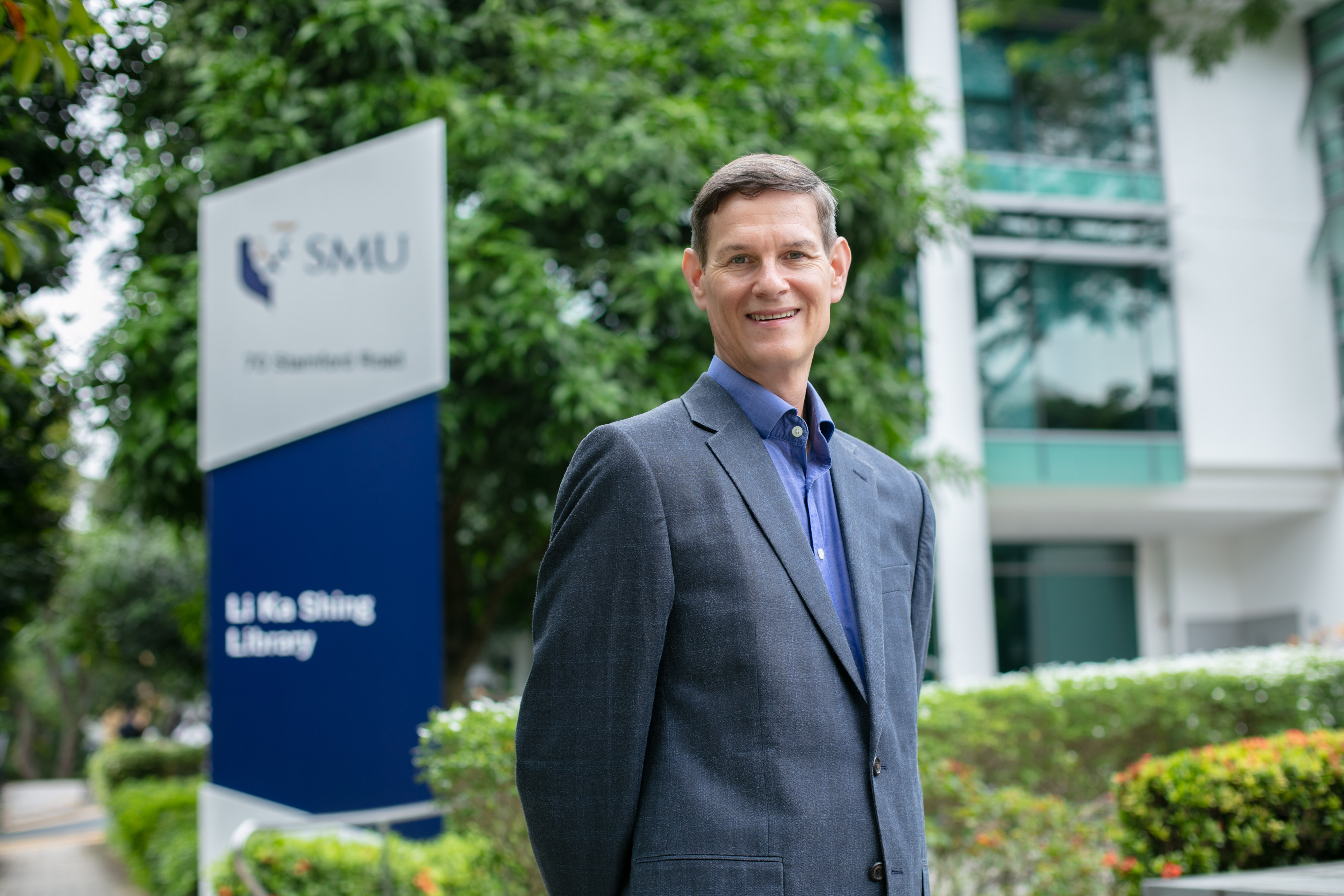
Leo Krippner serves as a Research Fellow at the Sim Kee Boon Institute for Financial Economics (SKBI) within Singapore Management University and holds an Honorary Senior Research Fellow position at the University of Waikato. His academic career bridges theoretical physics and quantitative finance, with significant contributions to monetary policy analysis and term structure modeling. His educational foundation includes: PhD in Finance and Economics from the University of Waikato (2006) Master of Science in Theoretical Physics (First Class Honours) from the University of Waikato (1991) Bachelor of Science with majors in Physics, Mathematics, and Chemistry from the University of Waikato (1989) Krippner specializes in term structure modeling at the zero lower bound, monetary policy transmission mechanisms, and advanced time series econometrics. His research develops rigorous frameworks for yield curve analysis, shadow rate estimation, and macro-finance modeling. He has pioneered eigensystem representations of vector autoregressions and created practical tools for measuring unconventional monetary stimulus. His publication trajectory reveals consistent innovation in macro-finance methodologies, with recent work focusing on eigensystem VAR techniques and zero lower bound modeling. These contributions demonstrate evolving sophistication in handling unconventional policy environments while maintaining strong connections to empirical finance applications. No scientific awards were documented in the provided materials. Available information does not indicate formal student supervision or specific research grants administered by Dr. Krippner. His primary research affiliation is with SKBI at Singapore Management University, where he contributes to financial economics research initiatives.
Emanuele Piuzzi is an Associate Professor in Electrical and Electronic Measurements at the Department of Information Engineering, Electronics and Telecommunications, Sapienza University of Rome. He holds an M.S. and Ph.D. in Electronic Engineering from Sapienza University, with a thesis on electromagnetic field exposure and a dissertation on human exposure to wireless telecommunication systems. His research focuses on dielectric spectroscopy, TDR applications, impedance pneumography, UWB radar for physiological monitoring, and electromagnetic field safety assessment. He is a reviewer for IEEE Transactions on Instrumentation and Measurement and a member of IEEE and the Italian Electrotechnical Committee. Teaching includes courses on 'Electrical Measurements' for Electronic and Biomedical Engineering students. Research interests span biomedical engineering, telecommunications, and medical imaging, with a strong emphasis on practical applications like non-invasive monitoring systems and material characterization. His work on radar systems for medical diagnostics and sensor networks for structural health monitoring demonstrates interdisciplinary innovation. Over 150 publications highlight contributions to electromagnetics, biomedical devices, and metrology.
Tomas Kvalheim Eriksen is an Associate Professor at the Department of Physics, University of Oslo, Norway. He holds a PhD in Nuclear Physics from the Australian National University (2018) and MSc/BSc degrees from the University of Oslo. His research focuses on experimental nuclear physics, particularly nuclear structure, reactions, astrophysics, and medical applications. He has contributed to studies on gamma-ray strength functions, nuclear level densities, and the Hoyle state decay. Education: PhD in Nuclear Physics, Australian National University (2014–2018) MSc in Nuclear Physics, University of Oslo (2010–2012) BSc in Physics, University of Oslo (2007–2010) Research Interests: Experimental nuclear physics with an emphasis on neutron capture reactions, gamma-ray spectroscopy, and nuclear astrophysics. His work includes studies of nuclear reactions relevant to stellar nucleosynthesis, pygmy resonances, and the application of nuclear physics to medical technologies. Key Publications: Over 30 peer-reviewed articles in journals like Physical Review C and Physical Review Letters , focusing on topics such as the Hoyle state, gamma strength functions, and astrophysical reaction rates. Recent work includes remeasuring the γ-decay branching ratio of the Hoyle state (2025) and photoneutron cross-section measurements on Pb-208 (2024). Awards: 2012: Martin Landrøs Prize for Outstanding Master's Thesis in Physics 2015: Short Term Scientific Mission Grant (COST) Collaborations: Active partnerships with institutions including the Australian National University, ELI-NP (Magurele, Romania), and the Research School of Physics. His work often involves international collaborations on advanced instrumentation for nuclear experiments.
Dr. Silvia Greses Huerta is a researcher in the Department of Chemical Engineering at the School of Engineering, Universitat de València, where she contributes to the CALAGUA-UV Research Group on Environmental Technologies. Her work focuses on anaerobic fermentation processes for the valorization of organic waste into valuable biochemicals such as volatile and short-chain fatty acids. Her research interests lie at the intersection of environmental biotechnology, waste-to-resource conversion, and sustainable bioprocess engineering. She investigates microbial community dynamics, process stability, and optimization strategies in anaerobic systems, particularly for food waste, microalgae, and agroindustrial residues. Her work integrates experimental design with process modeling and sustainability assessment. Recent publications highlight a strong focus on process robustness, operational parameters (e.g., HRT, pH, temperature), and microbial responses in anaerobic fermentation. Her research spans lab-scale experimentation to techno-economic and environmental assessments, indicating a systems-level approach to biorefinery development. She obtained her PhD from the Universitat de València in 2018 with a thesis on the anaerobic degradation of microalgae from membrane reactor effluents, supervised by Dr. Aurora Seco Torrecillas and Dr. Daniel Aguado García. While no scientific awards are listed in the provided text, her sustained publication output in high-impact areas suggests active research funding and collaboration. She likely supervises students within the CALAGUA-UV group, though specific advisees are not named. The CALAGUA-UV research group, which she is part of, specializes in environmental technologies, particularly water reuse, anaerobic membrane bioreactors (AnMBR), and resource recovery from wastewater and organic residues, aligning closely with her research themes.
Dr. Alfonso Dufour serves as Associate Professor of Finance at the ICMA Centre, part of Henley Business School at the University of Reading. He also holds the position of Programme Co-Director for the MSc Finance and Financial Technology (FinTech) program, demonstrating his leadership in both academic research and curriculum development within financial markets education. His educational background includes a Laurea in Economia e Commercio (cum laude) from the University of Venice, Italy, followed by an MA and PhD in Economics from the University of California, San Diego. This strong theoretical foundation has supported his extensive research career focused on empirical financial markets analysis. Dufour's research centers on financial econometrics, market microstructure, and financial regulation. His work spans forecasting models for transaction prices, measures of market liquidity, and comparative analysis of alternative market structures. Recent research focuses on market fragmentation effects on European markets, bond market dynamics, and the growing intersection of climate awareness with financial markets. His publications reveal a consistent pattern of sophisticated quantitative analysis applied to real-world market phenomena, often collaborating with leading researchers at the ICMA Centre. His scholarly contributions have been recognized with a shortlisting for the Smith-Breedon best paper prize in the Journal of Finance (2001) for his work 'Time and the price impact of a trade' co-authored with Nobel laureate Robert F. Engle. This early recognition signaled the importance of his contributions to understanding price formation mechanisms in financial markets. In addition to his research, Dufour plays a significant role in academic instruction as Course Convenor for Derivative Securities – Pricing and Trading on the BSc programme and Trading and Exchanges on the MSc programme. His teaching directly connects his research expertise in market microstructure with practical financial applications for students pursuing careers in finance.
Daniel Kaufmann is a Full Professor of Applied Macroeconomics and Director of the MSc in Applied Economics at the University of Neuchâtel , with research affiliations at the KOF Swiss Economic Institute (ETH Zurich) and the Swiss Journal of Economics and Statistics (co-editor). His work bridges macroeconomic theory, monetary policy analysis, and historical financial systems. Chair of Applied Macroeconomics (2023–present) Co-editor, Swiss Journal of Economics and Statistics (2023–present) Research Fellow, KOF Swiss Economic Institute (2017–present) Former Senior Economist, Swiss National Bank His research interests span: Monetary policy effects at zero lower bounds Historical analysis of Swiss franc stability Price and wage rigidities in macroeconomic fluctuations Financial market integration during regulatory transitions High-frequency economic indicators International finance and exchange rate dynamics Recent publications focus on multi-dimensional policy shocks, long-term interest rate drivers, and pandemic-era fiscal credit programs. Notable awards include the 2020 Best Paper Award in Studies in Nonlinear Dynamics & Econometrics . He advises policymakers through commissions and contributes to public discourse on inflation, deflation, and Swiss macroeconomic challenges.
Dr. Klaus-Jürgen Gern serves as a Researcher at the Kiel Institute for the World Economy within the Research Center Macroeconomics and Group for International Economics and Economic Policy, where he leads international economic forecasting initiatives covering global developments in trade, monetary policy, and fiscal trends. His research specializes in International Macroeconomics with emphases on Global Economic Outlook modeling, Commodity Markets (particularly oil, metals, and grains), Global Imbalances analysis, and European Economic Policy coordination. His methodology integrates short-term and medium-term forecasting to assess impacts of policy shifts and market dynamics on worldwide economic stability and growth trajectories. Recent publications reveal consistent analytical frameworks examining cyclical convergence patterns, trade policy uncertainties, and slowdown mechanisms across global economies, with recurring attention to monetary-fiscal policy interactions and commodity-driven growth fluctuations. This body of work demonstrates methodological continuity in forecasting approaches while adapting to emerging geopolitical and institutional challenges. As an active contributor to the Research Center Macroeconomics, Gern engages in developing the institute's forecasting models and provides expert analysis for European policy coordination mechanisms, maintaining regular engagement with economic institutions through media commentary and advisory services.
Kehui (Kevin) Xu is a Professor in the Department of Oceanography & Coastal Sciences at Louisiana State University (LSU) and serves as the Director of the Coastal Studies Institute . His research focuses on sediment dynamics in coastal and deltaic systems, particularly in the Mississippi River Delta and Yangtze River Delta, with an emphasis on sediment diversion, dredging, and morphodynamic modeling. He has led major projects funded by the National Science Foundation (NSF), NOAA, and BOEM, and his work addresses anthropogenic and climatic impacts on sediment transport and coastal resilience. Education : B.S. and M.S. in Geology from Ocean University of China (1999, 2002), Ph.D. in Marine Science from College of William & Mary (2006). Research Interests: Coastal restoration, sediment diversion, sediment dredging, geological oceanography, coastal morphodynamics, numerical modeling of sediment transport, and deltaic processes. His lab investigates how climatic and anthropogenic forces alter sediment fluxes from rivers to oceans, influencing delta sustainability and wetland preservation. Recent Article Trends: His publications highlight interdisciplinary approaches, integrating numerical modeling , field observations , and machine learning to study dredge pit evolution , mass wasting , and storm-induced sediment transport in the Mississippi and Yangtze deltas. Key subfields include deltaic engineering , radioisotope dating , paleoenvironmental analysis , and coastal hazard mitigation . Scientific Awards: LSU Distinguished Faculty Award (2023) LSU College of the Coast & Environment Outstanding Faculty Research Award (2021) Phi Kappa Phi Non-Tenured Professor Award (2015) Advising and Grants: He has advised numerous Ph.D. and M.S. students on sediment dynamics and coastal restoration. Over the past decade, he has secured NSF, NOAA, BOEM, and Water Institute of the Gulf grants exceeding $10M, focusing on sediment management, hurricane impacts, and deltaic sustainability. Labs and Teams: Xu leads the Sediment Dynamics Lab (SDL) at LSU, a hub for interdisciplinary research on sediment fluxes using laser particle analyzers , acoustic profilers , and sub-bottom profilers . His collaborations with institutions like Coastal Carolina University, Tulane University, and the Water Institute of the Gulf highlight his role in large-scale coastal research initiatives.
Dmitri A. Jdanov is the Head of the Laboratory of Demographic Data at the Max Planck Institute for Demographic Research (MPIDR) in Rostock, Germany. He is a leading expert in demographic data systems, focusing on mortality, fertility, and migration databases. His research contributes significantly to population health and statistical demography. Research Interests: His work spans key areas including mortality studies , fertility trends , data quality adjustment , life expectancy , and public health impacts of global crises such as the COVID-19 pandemic. He develops and applies advanced statistical methods to correct demographic data distortions and assess population-level health outcomes. The recent articles highlight a strong focus on the impact of the pandemic on fertility and mortality , seasonal and spatial mortality patterns , and methodological innovations in demographic measurement . His publications frequently appear in high-impact journals such as The Lancet , BMJ Public Health , and Population and Development Review . Scientific Awards: While specific awards are not listed in the provided text, his leadership in major international data projects and his extensive publication record in top journals indicate significant recognition in the field of demography. Advising and Grants: Dmitri A. Jdanov leads multiple research projects funded by international and institutional sources, including the Human Fertility Database, Human Mortality Database, and the Monitoring Mortality Inequalities Consortium. He supervises and collaborates with a broad network of researchers and contributes to the training of early-career demographers through the MPIDR’s research school. Labs and Teams: He heads the Laboratory of Demographic Data , which plays a central role in maintaining and advancing global demographic databases. His team collaborates closely with the Laboratory of Population Health and other research groups at MPIDR, contributing to interdisciplinary studies on population dynamics and health.