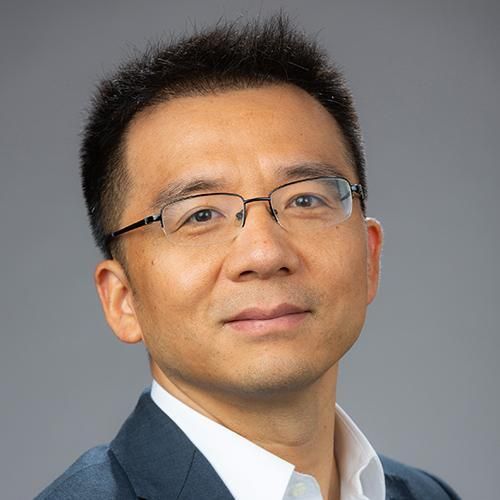
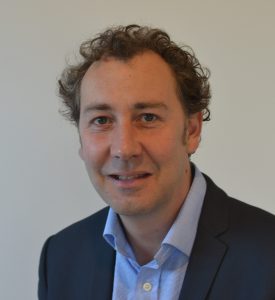
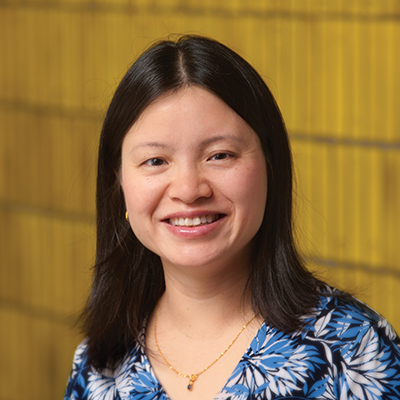
Ramses Martinez is an Assistant Professor in the Department of Industrial Engineering and Biomedical Engineering at Purdue University . He holds a B.A. in Applied Physics from Universidad Autonoma de Madrid (2004) and a Ph.D. in Physics and Materials Science from the Spanish National Research Council (CSIC) in 2009. Prior to joining Purdue, he conducted postdoctoral research in the lab of Prof. George M. Whitesides at Harvard University, focusing on nanofabrication, microfluidics, and soft robotics. Education B.A. in Applied Physics, Universidad Autonoma de Madrid (2004) Ph.D. in Physics and Materials Science, Spanish National Research Council (CSIC) (2009) His research bridges soft robotics , flexible electronics , and nanofabrication , with a focus on creating self-powered e-textiles , omniphobic paper-based devices , and programmable mechanical metamaterials . His work has led to over 25 publications and 9 patents, emphasizing practical applications in health monitoring and industrial automation . Notable projects include waterproof electronic decals for biofluid monitoring, smart bandages for chronic wound detection, and laser nanoforming methods for scalable metallic structures. His research has been recognized through the Fulbright Fellowship and the Marie Curie IOF Grant .
Tony Jun Huang is the William Bevan Distinguished Professor of Mechanical Engineering and Materials Science at Duke University, with additional professorships in Electrical and Computer Engineering and Biomedical Engineering. His research focuses on acoustofluidics, optofluidics, and micro/nano systems for biomedical diagnostics and therapeutics. Ph.D. in Mechanical and Aerospace Engineering (UCLA, 2005) Huang's research has revolutionized biomedical microsystems through acoustofluidic technologies, enabling contactless particle manipulation, exosome isolation, and advanced diagnostic platforms. His work has been cited over 36,000 times (h-index: 102) with 30 issued/pending patents. Recent publications highlight his innovations in acoustic tweezers, extracellular vesicle analysis, topological acoustofluidics, and AI-assisted biomimetic imaging. His lab develops technologies for single-cell analysis, non-invasive diagnostics, and programmable material systems. 2023 Highly Cited Researcher (Web of Science) 2020 Fellow of the National Academy of Inventors (NAI) 2019 Van C. Mow Medal (ASME) 2017 Analytical Chemistry Young Innovator Award (ACS) 2010 NIH Director's New Innovator Award Huang has taught courses including ME 535: Biomedical Microsystems and mentored numerous graduate students through his Duke Acoustofluidics Lab. His lab's technologies are applied in cancer biomarker detection, Alzheimer's diagnostics, and wound healing hydrogels.
Professor Luke Connal is a full professor at the Research School of Chemistry at the Australian National University (ANU), where he leads the Connal Group. He joined ANU in 2017 after serving as a Senior Lecturer at the University of Melbourne. Currently, he holds an ARC mid-career industry fellowship and serves as the chair of the Royal Australian Chemical Institute (RACI) polymer division. Professor Connal is also an associate editor for the Royal Society of Chemistry journal "Molecular Systems Design and Engineering" and co-founder of two spin-out companies focused on polymer technologies. Professor Connal received his Bachelor of Chemical Engineering and PhD in polymer chemistry from the University of Melbourne, Australia. Following his doctoral studies, he completed a post-doctoral position with Professor Frank Caruso at the University of Melbourne, developing new techniques for the self-assembly of polymers. He then held a joint Sir Keith Murdoch postdoctoral Fellowship and Australian Linkage International Fellowship at the University of California, Santa Barbara, working with Professor Craig Hawker. Professor Connal's research focuses on the development of molecular design concepts to create new materials for diverse applications, including artificial skin and tissues, sustainable polymers and surfactants, additive manufacturing electronics, and water harvesting. His core competencies center around advanced polymer design, self-assembly, and catalysis . His group explores four main research themes: Catalysis, Functional Materials and Interfaces, Soft Matter, and Supramolecular Chemistry . They develop innovative materials such as enzyme-inspired polymer catalysts, smart polymers for 3D printing, and polymer electrolytes for energy storage applications. Analysis of Professor Connal's recent publications reveals a strong focus on developing biomimetic materials and responsive polymers. His work bridges fundamental polymer chemistry with practical applications in environmental remediation, healthcare, and sustainable technologies. A notable trend is the increasing emphasis on CO2 capture technologies through enzyme-inspired catalysts and hydrogel systems. His group has also made significant contributions to 3D printing of functional materials , particularly self-healing gels and pH-responsive polymers. The research demonstrates a consistent trajectory toward creating smart, responsive materials with applications addressing global challenges in sustainability and healthcare. David Syme Research Prize (2020) Grimwade Prize in Industrial Chemistry (2019) Professor Connal actively supervises multiple PhD students including Lilian Boton, Jason Buchanan, Sandra Jestin, Saif Rahaman, Peidong Shen, Ming Li Tan, Moki Thanusing, and Jekaterina Viktorova. His current research is supported by several significant grants including projects on sustainable and compostable plastic alternatives, multimaterial 3D printed antenna arrays, developing vitrimers as next-generation reusable plastics, multi-material 3D printing, and smart materials for atmospheric water management. These projects demonstrate his commitment to translating fundamental polymer research into practical solutions for environmental and technological challenges. The Connal Group at ANU operates at the intersection of polymer chemistry and materials science, developing innovative solutions across multiple domains. Their laboratory work focuses on creating new polymers with applications spanning artificial skin development, sustainable packaging alternatives, atmospheric water harvesting, and advanced electronics. The group's unique approach combines biomimicry principles with cutting-edge polymer synthesis techniques to create materials with precisely controlled properties. Current projects include developing strong and self-healing polymer materials for biological applications, expanding 3D printing capabilities for functional materials, creating fully recyclable or compostable plastics, and designing thermoresponsive polymer desiccants for sustainable water harvesting.
Dr. Matthieu Gresil is a Senior Lecturer in both the Department of Materials Science and Engineering and the Department of Mechanical and Aerospace Engineering at Monash University. He joined Monash in 2020 and leads the Circular Plastic Research Node within the Faculty of Engineering, focusing on advancing sustainable materials and recycling technologies. His expertise spans multifunctional composites, vitrimers, bio-based materials, and structural health monitoring. Gresil holds a PhD from École Normale Supérieure of Cachan (2009), with postdoctoral experience at the University of South Carolina and the University of Manchester. Education: BSc in Physics, University of Nantes (2004) MSc in Physics (Matter and Materials), University of Nantes (2006) PhD in Physics/Materials, École Normale Supérieure of Cachan (2009) Research Interests: Multifunctional composites (health monitoring, self-healing) Vitrimers and bio-based polymers Nanocomposites and recycling technologies Bio-inspired morphing materials via 3D printing and nanotechnology Grants and Projects: "Vitrimer composites - a new material for Defence applications" (2025–2026) "Developing vitrimers: next generation reusable plastics" (2024–2027) "Recycled Materials for Tram Stop Platforms" (2021–2024) Labs and Roles: Leads the Circular Plastic Research Node, fostering collaboration on sustainable materials and circular economy initiatives.
Shu Yang is the Joseph Bordogna Professor and Department Chair of Materials Science and Engineering at the University of Pennsylvania's School of Engineering and Applied Science. Her research spans multiple departments, with primary appointments in both Materials Science and Engineering and Chemical and Biomolecular Engineering. She directs the Yang Lab, which operates at the intersection of multi-materials synthesis, nano-/microfabrication, and device processing, backed by deep understanding of physical, mechanical and biological principles. Director, Center for Analyzing Evolved Structures as Optimized Products (AESOP) Principal Investigator, NSF NRT: Climate Action and Resilience for Extreme Urban Heat (CLIMATE-CARE) Member of the Engineering Research Visioning Alliance (ERVA) Professor Yang's research focuses on developing novel materials synthesis, assembly and eco-manufacturing of complex, multi-functional, nano- to macrostructured soft, sustainable materials and composites. Her lab addresses fundamental questions centered around surface/interface, actuation mechanisms, and structure-property relationships. Through directed assembly of oligomers, polymers, gels, colloids, liquid crystals, amphiphiles, and their composites with inorganic materials and biomolecules across nano- to macroscales, her team creates complex, multi-functional nano- and microstructures with unique surface, optical, and mechanical properties. Analysis of Professor Yang's recent publications reveals a strong trend toward environmentally responsive materials with applications in sustainability, water harvesting, carbon capture, and climate resilience. Her work increasingly integrates kirigami engineering principles with liquid crystal elastomers to create programmable, shape-morphing materials. The research shows a clear trajectory from fundamental materials science toward real-world applications addressing global challenges, particularly in climate action and sustainable infrastructure. Inaugural Nat Geo 33 Extraordinary Changemaker List 2022 Cozzarelli Prize from PNAS for Class III: Engineering and Applied Sciences Advanced Materials Hall of Fame collection recognition Multiple highly cited papers according to Web of Science Professor Yang's research group has secured significant funding for projects addressing climate change, sustainable materials, and advanced manufacturing. Her lab has developed numerous technologies with potential applications in coatings, adhesives, smart windows, displays, sensors, soft robotics, biomedical devices, dehumidifiers, and carbon-absorbing concrete. The Yang Lab maintains a strong mentoring record with numerous students and postdocs who have gone on to successful careers in academia and industry. Her group actively collaborates across disciplines, working with biologists, physicists, environmental scientists, and engineers to tackle complex challenges. The Yang Lab operates state-of-the-art facilities for materials synthesis, characterization, and fabrication. The lab is particularly known for its expertise in liquid crystal elastomers, kirigami engineering, and biomimetic materials. The group maintains strong industry partnerships and has filed multiple patents based on their research. Their facilities enable everything from molecular-scale synthesis to macro-scale manufacturing of functional materials, with particular strength in bridging these scales through innovative design principles.
Dr. Sepideh Ghodrat is an Assistant Professor of Shape Morphing Design at TU Delft's Faculty of Industrial Design Engineering. She bridges materials science and design, focusing on stimuli-responsive materials for dynamic, interactive products. Her research emphasizes 4D printing, smart materials, and sustainable applications. Research Projects include 4D Printing Magnetically Activated Shape Morphing Objects and SereniSleeve (wearables for anxiety modulation). Courses taught: Materials and Manufacturing (2023-2024). Research Interests : Shape Morphing Design (SMD) Stimuli-Responsive Materials (e.g., shape memory alloys, polymers) 4D Printing and Magnetic Soft Materials Applications in healthcare, automotive, and sustainability Key Contributions : Developed modular self-folding hinges (Mimosa Kit). Explored haptic wearables for visually impaired users. Advocates for adaptive, environment-responsive products. Labs/Teams : Involved in multiple interdisciplinary research teams at TU Delft, focusing on smart materials and sustainable design engineering.
Professor Hongbin Li is a Professor and Canada Research Chair in the Department of Chemistry at the University of British Columbia. His research program focuses on single molecule biophysical chemistry, biomaterials, and protein engineering. He leads an active research group investigating the mechanical properties and conformational dynamics of elastic proteins using advanced single molecule techniques. Professor Li received his B.Sc in Polymer Engineering from Tianjin University, China in 1993. He earned his Ph.D. in Polymer Chemistry and Physics from Jilin University, China in 1998 under the supervision of Profs. Jiacong Shen, Xi Zhang and Hermann E. Gaub. During his doctoral studies, he was a visiting PhD student at Ludwig-Maximilians-Universität München, Germany (1996-1997) working with Prof. Hermann E. Gaub. Following his Ph.D., he completed a Research Fellowship at Mayo Medical Center, USA (1999-2002) with Prof. Julio M. Fernandez. Professor Li's research program centers on understanding the mechanical properties and conformational dynamics of elastic proteins at the single molecule level. His laboratory combines protein engineering with single molecule atomic force microscopy (AFM) and computational approaches to rationally design and engineer proteins with tailored mechanical properties. Using AFM as their primary tool, his team directly manipulates proteins one molecule at a time to measure mechanical properties and monitor folding/unfolding trajectories in real time. His research spans four main directions: (1) Protein Mechanics and Engineering, where they design proteins with specific mechanical properties; (2) Single Protein Folding/Unfolding Dynamics, investigating folding mechanisms at the single molecule level; (3) Protein-based Biomaterials, designing biomaterials with tailored mechanical properties for biomedical applications; and (4) Polymer physical chemistry using single molecule AFM. His work bridges fundamental protein mechanics with practical applications in biomaterials design. Professor Li has received numerous prestigious awards recognizing his contributions to biophysical chemistry and protein engineering: 2020: AAAS Fellow (the American Association for the Advancement of Science) 2012: Changjiang Guest Chair Professorship (Jilin University, China) 2011: JILA Visiting Fellowship (JILA and University of Colorado, Boulder) 2011: Alexander von Humboldt Fellowship (Technical University of Munich, Germany) 2010: JILA Distinguished Short-term Visiting Fellow 2010: Charles McDowell Award for Research (UBC) 2006: Michael Smith Foundation for Health Research Career Investigator Award 2005: Peter Wall Institute for Advanced Studies Early Career Award (UBC) Professor Li has mentored numerous graduate students and postdoctoral fellows throughout his career at UBC. His research has been supported by multiple grants, including his Canada Research Chair position which he has held continuously since 2004. His work bridges chemistry, physics, and biology, attracting funding from diverse sources including the Natural Sciences and Engineering Research Council of Canada (NSERC), the Michael Smith Foundation for Health Research, and international collaborations. His laboratory maintains strong connections with research groups worldwide, particularly in China and Germany, reflecting his international research profile. Professor Li leads an active research group within the Department of Chemistry at UBC that combines expertise in protein engineering, single molecule biophysics, and biomaterials science. His laboratory is equipped with state-of-the-art atomic force microscopes and optical trapping systems, enabling cutting-edge single molecule studies. The group maintains close collaborations with researchers in the Michael Smith Laboratories and other interdisciplinary centers at UBC, fostering a highly collaborative research environment focused on understanding protein mechanics and developing novel protein-based materials.
Anna C. Balazs is the John A. Swanson Chair of Engineering and Distinguished Professor of Chemical Engineering at the University of Pittsburgh Swanson School of Engineering, with an adjunct appointment in the Department of Chemistry. She has held visiting professorships at the Scripps Research Institute, University of Texas at Austin, and Oxford University. Dr. Balazs serves on the Advisory Board of the Materials Council for Materials Sciences and Engineering Division of the Department of Energy, Basic Energy Sciences, and is a member of the Editorial Advisory Boards of Langmuir, Soft Matter, and Polymer Reviews. Education: A.B. in Physics from Bryn Mawr College (1975) Ph.D. in Materials Science from MIT (1981) Postdoctoral research at Brandeis University, MIT, and University of Massachusetts Dr. Balazs specializes in the statistical, mechanical, and computer modeling of complex chemical systems, with particular expertise in polymer blends and the behavior of polymers at surfaces and interfaces. Her research focuses on developing theoretical frameworks for understanding responsive materials, particularly self-oscillating polymer gels, active matter systems, and nanocomposites. She investigates how chemical reactions can drive mechanical motion and pattern formation in soft materials, creating biomimetic systems with lifelike functionality. Her work bridges fundamental theoretical modeling with practical applications in microfluidics, drug delivery, and smart materials design. Analysis of Dr. Balazs' recent publications reveals a strong focus on the integration of chemistry, fluid dynamics, and mechanics to create responsive materials systems. Her research demonstrates how chemical reactions can drive complex mechanical behaviors in polymer gels and microstructures, enabling the spontaneous formation of 3D patterns, self-propulsion, and lifelike functionality. The work spans from fundamental theoretical modeling to practical applications in microfluidics and soft robotics, with a particular emphasis on enzyme-powered systems, chemically responsive materials, and the autonomous assembly of hierarchical structures. Dr. Balazs has made significant contributions to the field through her extensive publication record in top journals including Proceedings of the National Academy of Sciences, Nature Nanotechnology, and Advanced Functional Materials. Her work has been widely cited and has influenced multiple disciplines including materials science, chemical engineering, and soft matter physics. As a leading researcher in computational materials science, Dr. Balazs has mentored numerous students and postdoctoral researchers throughout her career. Her research has been supported by various funding agencies including the National Science Foundation and Department of Energy. She has established herself as a leading authority in the theoretical modeling of complex soft matter systems. Dr. Balazs' research group at the University of Pittsburgh focuses on developing computational models to understand and predict the behavior of responsive materials. Her team employs a range of simulation techniques to study phenomena ranging from molecular-scale interactions to macroscale material behaviors, with particular emphasis on the coupling between chemical reactions and mechanical responses in polymer systems.
Dr. Alexa Simone Kuenstler is an Assistant Professor in the Department of Chemical and Biomolecular Engineering at the University of Illinois. Her research focuses on advanced polymer chemistry, particularly in liquid crystal materials, dynamic networks, and photopolymerization techniques. She works at the intersection of materials science and chemical engineering, with expertise in thiol-ene reactions and 3D printable systems. Recent research highlights include: Controlling reaction kinetics in thiol-ene photopolymerizations (2025) Modeling degradation mechanisms in thioester networks (2024) Developing thermally reversible 3D printable cast molds (2024) Engineering crystallization processes in dynamic polymer systems (2023) Creating mechanically aligned liquid crystal networks via Diels-Alder chemistry (2023) Her work has been cited across multiple platforms and is actively discussed in academic networks. She can be contacted at akuenstler@illinois.edu .
Dr. Mike Bambach is a Senior Lecturer at the University of Sydney's School of Civil Engineering, where he also serves as Director of the Centre for Advanced Structural Engineering and Undergraduate Program Director for Civil Engineering. His research spans composite materials, crashworthiness, and structural optimization. Structural Engineering Composite Material Analysis Road Safety & Impact Mechanics Research Interests Dr. Bambach investigates advanced structural systems using fiber-reinforced polymers (FRP), natural fiber composites for sustainable construction, and crash energy absorption in transportation systems. His work combines experimental testing with numerical modeling to improve structural performance under extreme loads. Recent Publications (2025-2018) Current research focuses on natural fiber composites for structural applications, hybrid metal-composite energy absorption systems, and innovative buckling control mechanisms. Key trends include sustainable material development and dynamic structural response analysis. Teaching & Supervision He teaches foundational civil engineering courses and supervises PhD/Master's students working on projects like AI-based quality control in steel fabrication, sustainable cementitious composites, and deep foundation reuse solutions.
Associate Professor Wim van Rees is affiliated with the Department of Mechanical Engineering at Massachusetts Institute of Technology. His research focuses on computational methods for fluid-structure interactions, bio-inspired propulsion, and shape-shifting structures. PhD, ETH Zurich (2014) BSc/MSc, Delft University of Technology (2008) Postdoctoral Fellow, Harvard University (2015) Research Interests : Develops advanced numerical simulations to study: Bio-inspired propulsion – optimizing swimmers' gait and shape using evolutionary techniques Vortex dynamics – analyzing vortex interactions and helicity dynamics Shape-shifting structures – designing stimuli-responsive materials that deform under environmental triggers Recent Publications span computational methods (e.g., immersed finite-difference techniques), vortex dynamics, and bio-inspired design across mechanics, ocean engineering, and materials science. US Department of Energy Early Career Award (2020) Army Research Office Early Career Award (2021) DOE Mission Science award (2022) Laboratory : The van Rees Lab develops high-performance numerical methods and applies evolutionary optimization to design fluid-driven systems and responsive materials.
Dr. Stephen Henthorn is a Lecturer in Wireless Communications at the University of Sheffield , affiliated with the School of Electrical and Electronic Engineering and the Department of Electronic and Electrical Engineering. His research focuses on energy-efficient wireless systems, leveraging metamaterials and reconfigurable intelligent surfaces for next-generation communication networks.
Dr. Yang Yi, a researcher at the National University of Singapore (NUS), has a multidisciplinary background in civil engineering, sustainability, and biomedical device development. He earned his BEng (1st Class Honours) and PhD in 2013 and 2017 respectively from NUS, focusing on lightweight sustainable construction materials and dynamic responses under blast loading. PhD, National University of Singapore, 2017 BEng (1st Class Honours), National University of Singapore, 2013 His research spans two distinct domains: sustainable construction and flexible bioelectronic devices . At NUS, he contributes to advancing implantable and wearable technologies for neuroscience applications, while previously driving sustainability initiatives at JTC Corporation and structural design at Meinhardt. The 15 most recent publications highlight his work on implantable optogenetic devices , flexible bioelectronics , and neural interfaces . These studies integrate materials science, neuroscience, and wireless engineering for applications in neuromodulation and biomedical systems. Scientific Awards: IES Sustainability Awards (Engineering Projects, 2023) Public Sector Engineering Innovation Challenge Award (2022) Silver Prize, ACI Singapore Chapter (2022) President Graduate Fellowship (2013-2017) Class of 1977 Silver Medal (2013) Multiple book prizes and medals (2010-2012) Contact: yangyi@nus.edu.sg
Paul Robinson serves as Professor of Mechanics of Composites and Head of the Department of Aeronautics within the Faculty of Engineering at Imperial College London. His research and teaching activities are centered at the South Kensington Campus, where he maintains affiliations with the Aerospace Materials and Structures group and The Composites Centre. Robinson holds an MSc and PhD, joining Imperial College London in 1988 as a lecturer after working as a structural engineer at Buro Happold Consulting Engineers and British Aerospace Space and Communications Division. His research focuses on polymer matrix composites, pioneering delamination resistance characterization tests and predictive models for static, impact, and fatigue loading scenarios. Current research explores ductile composite architectures (EPSRC Programme Grant: High Performance Ductile Composite Technologies), compression response enhancement (EPSRC: Next Generation Fibre-Reinforced Composites), and morphing structures with controllable stiffness (EU HyFiSyn network). His work integrates fundamental mechanics with aerospace applications through industry collaborations. Professor Robinson supervises PhD and Masters students in composite materials, supported by major grants including: EPSRC Programme Grant: High Performance Ductile Composite Technologies (co-Investigator) EPSRC Programme Grant: Next Generation Fibre-Reinforced Composites (co-Investigator) EU HyFiSyn: Hybrid Fibre-Synthetic training network (partner) He leads research within Imperial's Aerospace Materials and Structures group and The Composites Centre, addressing critical challenges in high-performance composite technologies for aerospace systems.
Shuo Li is a Professor in the Department of Macromolecular Engineering at ETH Zürich, Switzerland. His research focuses on innovative biomaterials, bioelectronic systems, and implantable medical devices. Key areas include bioresorbable materials for transient electronics, flexible/stretchable sensors, and soft robotics applications. His work integrates materials science with biomedical engineering to address challenges in tissue integration, real-time diagnostics, and programmable drug delivery. Recent projects emphasize wireless implantable sensors for continuous monitoring of physiological parameters such as blood flow, oxygen saturation, and pH levels in surgical flaps and organ grafts. He has pioneered 3D shape-morphing displays using liquid metal actuators and developed self-healing elastomeric switches for haptic interfaces. His research spans biomaterial synthesis, optoelectronics, and additive manufacturing of soft materials. Publications highlight advancements in bioresorbable platforms for drug delivery, light-controlled actuation systems, and optical probes for in vivo pharmacology. His interdisciplinary approach bridges material design, device fabrication, and clinical applications, with a focus on translating lab innovations into practical medical solutions. Advising and grants: No specific advisees or grant details listed in the provided text. However, his extensive publication record indicates active collaboration with research groups in bioelectronics, soft robotics, and biomedical engineering. Labs/Teams: Likely affiliated with ETH's Macromolecular Engineering lab and collaborate with multidisciplinary teams in materials science, robotics, and medical device development.