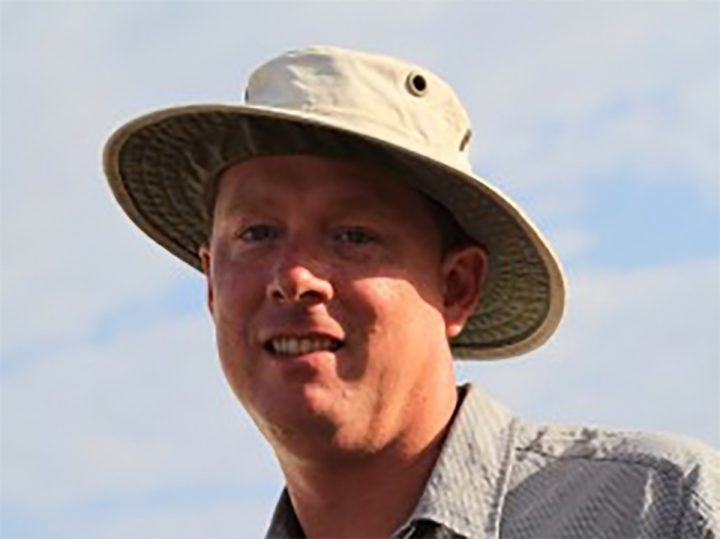
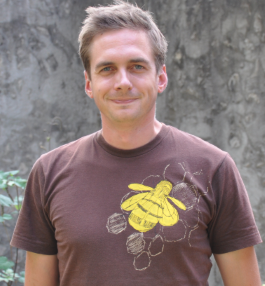
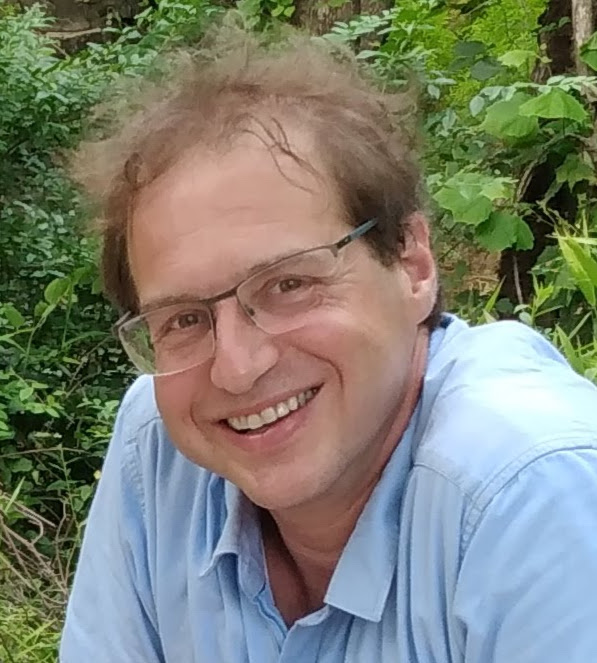
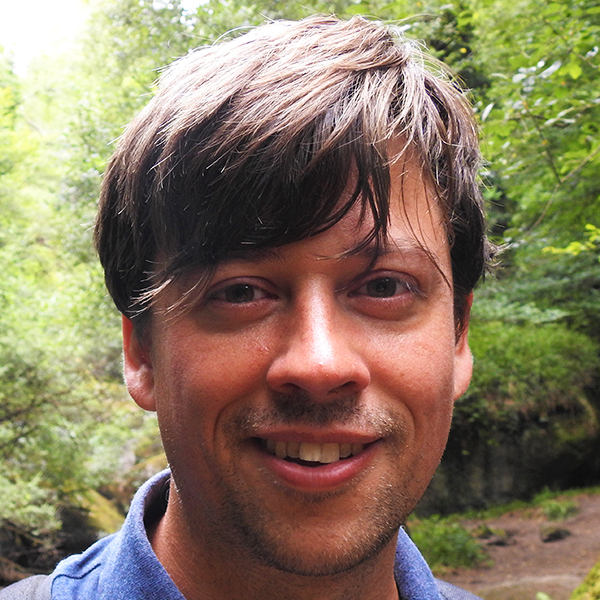
Dr Jacob C Dunn is an Associate Professor of Evolutionary Biology at Anglia Ruskin University's School of Life Sciences. Formerly a Senior Lecturer at Anglia Ruskin (2016–2020) and Lecturer at the University of Cambridge's Division of Biological Anthropology (2012–2016), he leads the Primate Evolution and Ecology Research Group and directs the Behavioural Ecology Research Group . His research focuses on primate vocal communication, language evolution, and conservation applications of bioacoustics, with international collaborations including the Fitch Lab at the University of Vienna. Research Interests: Bioacoustic analysis of primate vocal anatomy Macroevolutionary hypothesis testing Comparative studies of fear evolution Eco-acoustic approaches to animal welfare Phylogenetic comparative methods Notable Grants: £15,000 from Accelerate-C2D3 (2022–2023) £65,000 QR Funding (2021–2022) £340,000 Hydrophis Gas grant (2019–2022) £66,000 Anglia Ruskin University grant (2019–2020) Teaching: BSc (Hons) Zoology, Animal Behaviour, and Ecology & Conservation.
Daniel Rabosky is a Professor in the Department of Ecology and Evolutionary Biology at the University of Michigan, where he also serves as Curator at the Museum of Zoology. His research program spans macroevolution, speciation dynamics, and phylogenetic comparative methods, with particular expertise in Australian reptiles and squamate evolution. Rabosky maintains an active laboratory and is currently seeking new graduate students and postdoctoral fellows to join his research team. Rabosky's research interests focus on macroevolutionary patterns and processes, particularly the connections between microevolutionary dynamics and large-scale biodiversity patterns. His work integrates phylogenetic comparative methods with ecological and morphological data to understand speciation processes, adaptive radiations, and the evolutionary dynamics of reptile communities, especially Australian skinks. He has made significant contributions to methodological developments in evolutionary biology through software tools like BAMM (Bayesian Analysis of Macroevolutionary Mixtures) and BAMMtools for analyzing evolutionary rate heterogeneity across phylogenetic trees. Analysis of Rabosky's recent publication record reveals a strong focus on evolutionary theory, methodological development, and empirical studies of reptile diversification. His work spans theoretical macroevolution, phylogenetic comparative methods, Australian herpetology, and the connections between population-level processes and macroevolutionary patterns. The research demonstrates increasing integration of genomic data with traditional morphological and ecological approaches, reflecting broader trends in evolutionary biology. Rabosky actively mentors graduate students including Matheus Januário and Tristan Schramer, and supervises postdoctoral fellows Michael Harvey, Jonathan Mitchell, Sonal Singhal, and Rudolf von May. His laboratory receives research funding supporting multiple projects in macroevolutionary dynamics, with recent grants likely supporting work on the connections between metapopulation ecology and speciation rates, as evidenced by his 2025 Ecology Letters paper. The Rabosky Lab maintains a strong presence in both theoretical and empirical evolutionary biology, with particular strengths in phylogenetic methods development, squamate reptile evolution, and the interface between micro- and macroevolution. The lab actively collaborates with researchers across institutions and contributes to major initiatives like the openVertebrate project for 3D imaging of museum specimens.
Christopher J. Collins is a Professor of Human Resource Studies and Director of Graduate Studies at the School of Industrial and Labor Relations (ILR) , Cornell University. He holds a Ph.D. in Organizational Behavior and Human Resources from the University of Maryland. His research focuses on strategic HR practices, employee engagement, and innovation. He teaches courses in Human Resource Management, Organizational Consulting, and Business Strategy to master's and undergraduate students. Collins has consulted for Fortune 500 firms and startups, specializing in talent management and strategic HR planning. He serves on editorial boards for journals like the Academy of Management Journal and Journal of Applied Psychology . His recent publications address workplace sexual harassment perceptions and employer branding strategies. He actively participates in professional networks including the Academy of Management and Society for Human Resource Management.
Irby Lovette serves as the Fuller Professor of Ornithology at Cornell University and directs the Fuller Evolutionary Biology Program, Cornell Museum of Vertebrates, and Cornell Lab’s Academic Affairs. His work integrates cutting-edge genomic approaches to explore avian biodiversity, evolution, and conservation. Dr. Lovette's research centers on deciphering the genetic basis of bird traits and evolutionary history through whole-genome analyses, which he describes as the "Hubble Telescope" for evolutionary biology. His expertise spans ornithology, evolutionary genomics, conservation genetics, speciation mechanisms, and climate-driven adaptations in avian populations, with emphasis on how genomic tools reveal biodiversity origins. His recent publications demonstrate a cohesive focus on genomic dissection of avian speciation, adaptation, and conservation challenges. Key themes include genetic structuring in endangered species, plumage evolution in raptors, hybrid zone dynamics, and climate-responsive genomic selection across diverse bird lineages from Australian finches to North American warblers and flycatchers. As an educator, Dr. Lovette actively mentors undergraduates, graduate students, and postdocs drawn to Cornell's ornithology programs. He leads The Lovette Lab, which cultivates collaborative research at the intersection of evolutionary biology, genomics, and bird conservation through hands-on student engagement and interdisciplinary partnerships.
Rosemary Morgan, PhD, MSc, is a Research Professor at Johns Hopkins Bloomberg School of Public Health in the Department of International Health. She holds primary affiliations with the International Health Department and is associated with the Johns Hopkins Center for Global Women's Health and Gender Equity and the Johns Hopkins Center for Women's Health, Sex, and Gender Research. Dr. Morgan's educational background includes a PhD from the University of Leeds (2012), an MSc from the University of Edinburgh (2007), and a BA from the University of British Columbia (2006). Prior to joining Johns Hopkins, she served as a Lecturer in Global Health Policy at the University of Edinburgh's Global Public Health Unit and as a Research and Teaching Fellow at the Nuffield Centre for International Health and Development at the University of Leeds. Her research focuses on gender inequities in health systems, women's health and wellbeing, and the impact of gender on public health interventions. Dr. Morgan specializes in qualitative research methods and has conducted extensive work on gender analysis in health systems, reproductive health, and the gendered effects of pandemics. Her work often examines how gender norms and power relations affect health outcomes and system performance, particularly in low- and middle-income countries. Dr. Morgan's publication record shows consistent scholarly output from 2014 through 2025, with a notable increase in productivity in recent years. Her research spans multiple domains including gender-responsive monitoring and evaluation, moral distress among healthcare workers, vaccine hesitancy (particularly among pregnant individuals), and the intersection of gender with various health conditions. She has developed methodologies for gender analysis in health systems research and has contributed significantly to understanding how gender influences health outcomes across diverse contexts. Faculty Advisor of the 2023-2024 academic year award from the Global Health: Policy and Evaluation DrPH Program Concentration, JHSPH Excellence in Teaching, Johns Hopkins Bloomberg School of Public Health Excellence in International COVID-19 Public Health Practice, 2021 Nominated for Canadian Women Leaders in Global Health, 2018 and 2020 Selected for 300 Women Leaders in Global Health, 2014 Dr. Morgan serves as co-Editor in Chief of the journal SSM - Health Systems and is a current board member of Health Systems Global. She has advised numerous major research projects including those funded by the Bill & Melinda Gates Foundation, CIHR, USAID, and TDR. Her current leadership roles include being Principal Investigator on the Monitoring for Action and Learning (MAGE) project supporting the Global Financing Facility for reproductive, maternal, newborn, child and adolescent health initiatives. She also leads the Gender and Health Certificate program at JHSPH and co-directs the Gender and Health Summer Institute. Dr. Morgan teaches courses on Gender Analysis in Health Research and Interventions, Foundations in Gender and Health, and Health Systems in Low- and Middle-Income Countries. Her teaching reflects her research expertise, emphasizing practical applications of gender analysis in global health settings.
Laura Vandenbosch is a Senior Lecturer at KU Leuven's Faculty of Social Sciences , actively leading the Lab for Media Psychology (OG) . She contributes to interdisciplinary research networks like DigiSoc , LC&Y , and Leuven One Health , with formal university affiliations confirmed through ORCID (0000-0001-6834-8386). Key research themes: digital media effects on adolescent mental health, body image, political identity, and social media literacy Current projects focus on topics like positive body image in preadolescence , influencer morality , and digital intimacy literacy Her 2025 publications include multi-method studies on appearance-focused social media activity, AI chatbot interactions, and political socialization through non-political figures Advises PhD candidates through promotor roles in diverse media psychology research areas
Marcel Dorken is a Professor in the Department of Biology at Trent University. He holds a B.Sc. from the University of Guelph, M.Sc. from Queen's University, Ph.D. from the University of Toronto, and postdoctoral training at Oxford University. His research focuses on the evolution and ecology of plant reproduction, particularly transitions from hermaphroditism to dioecy, clonality, and plant-pollinator interactions. He investigates these topics through field experiments, genetic analysis, and modeling. Current projects include studying the ecological impacts of invasive hybrid cattails and the role of spatial structure in plant fitness. Teaching responsibilities include BIOL 1020H (Foundations of Biodiversity), BIOL 3170H (Plants and their Ancestors), BIOL 3190H (Wild Plants of Ontario), and BIOL 4610H (Evolutionary Ecology). His lab actively mentors graduate and undergraduate students in field and lab-based research. Contact: marceldorken@trentu.ca, Office DNA C250.
Professor Vincent Savolainen is a Professor of Organismic Biology at Imperial College London's Department of Life Sciences (Silwood Park Campus), part of the Faculty of Natural Sciences. He serves as Director of the Georgina Mace Centre for the Living Planet, focusing on interdisciplinary environmental challenges. Previously, he was Deputy Head of the Department of Life Sciences (2013–2016) and Deputy Head of Molecular Systematics at the Royal Botanic Gardens, Kew (2007–2016). His research integrates field ecology, molecular phylogenetics, and population genomics to address biodiversity preservation, evolutionary biology, and societal challenges like pandemic monitoring. Key areas include ecological speciation in palms, same-sex behavior in animals, and zoonotic disease surveillance in bats. He has pioneered environmental DNA (eDNA) techniques for biodiversity assessment and led studies on the genetic basis of traits like sexual orientation in primates. Professor Savolainen holds prestigious awards, including the Linnean Society’s Bicentenary Medal (2006), European Research Council Advanced Grant (2008), and Coincy Medal for Botany (2014). He sits on UK Natural Environment Research Council panels and Royal Society committees. His group includes researchers like Dr Marco Balducci and Dr Louis Bell-Roberts, and collaborates with institutions like the Zoological Society of London and Royal Society of Biology. Current projects explore plant-insect coevolution, conservation genetics of deer species, and the evolution of endothermy in fish.
Jochen Wolf is Chair of the Evolutionary Biology Division at Ludwig-Maximilians-Universität München (LMU) and a Max Planck Fellow of the Max Planck Institute for Biological Intelligence since 2022. His research integrates evolutionary biology, genomics, and ecology to address fundamental questions about speciation, adaptation, and biodiversity across multiple biological systems. Dr. Wolf's research program applies an integrative approach to understand microevolutionary processes and genetic mechanisms underlying species divergence. His work combines large-scale genomic analyses with laboratory and field experiments to characterize genomic divergence across populations and species. Key empirical systems include natural populations of birds (particularly corvids, swallows, and cuckoos), marine mammals (pinnipeds and killer whales), plant communities, and experimental evolution in fission yeast. His research spans multiple scales from immediate microevolutionary processes to broader evolutionary patterns across time. His recent publications reveal a sophisticated integration of genomic, epigenetic, and ecological perspectives. A notable trend shows increasing focus on structural genomic variation, chromosomal rearrangements, and epigenetic mechanisms as drivers of evolutionary processes. His work demonstrates how these molecular mechanisms interact with ecological factors to shape patterns of biodiversity and adaptation. Dr. Wolf's research has gained significant recognition through publications in top-tier journals including Nature, Science, and Nature Ecology & Evolution. His groundbreaking studies on crow hybrid zones, killer whale ecotypes, and experimental evolution of speciation have been featured in prominent media outlets such as The New Yorker, The Guardian, Scientific American, and Der Spiegel, demonstrating the broad impact of his work. As Principal Investigator, Dr. Wolf actively mentors doctoral students and postdoctoral researchers, fostering the next generation of evolutionary biologists. His lab maintains strong international collaborations, particularly through affiliations with SciLifeLab in Uppsala. Research in his group is supported by multiple funding sources including German Research Foundation grants and European Union programs, enabling both fundamental research and applications to conservation biology. The Wolf lab operates within LMU's Division of Evolutionary Biology, which provides access to state-of-the-art facilities including the Leibniz Supercomputing Centre. The lab maintains strong connections with the Max Planck Institute for Biological Intelligence and SciLifeLab in Uppsala, creating a rich collaborative environment for interdisciplinary research in evolutionary genomics. This network enables comprehensive studies spanning from molecular mechanisms to ecological and evolutionary consequences across diverse biological systems.
Dr. Adam A. Pack is a Full Professor at the University of Hawaiʻi at Hilo with a joint appointment in the Departments of Psychology and Biology. He chairs the Psychology Department, contributes to the Master of Science Degree Program in Tropical Conservation Biology and Environmental Science, and co-created the LOHE Bioacoustics Laboratory. He has led the Pack Marine Mammal Laboratory since 2008 and served as former chair of the Hawaiian Islands Humpback Whale Sanctuary Advisory Council. Current research focuses on marine mammal behavioral ecology, cognition, and bioacoustics Over 30 years studying dolphin perception, whale social systems, and conservation Collaborations with NOAA, Pacific Whale Foundation, and Wild Dolphin Project Research Trends include: Humpback whale communication, mating systems, and habitat use Dolphin cognitive abilities, echolocation, and social behavior Conservation strategies for marine mammals Acoustic tagging and videogrammetry techniques Scientific Awards : 2017 University of Hawaii Board of Regents Award for Excellence in Teaching 2008 Research Corporation of the University of Hawaii 15-year Service Award 1999 APA Division 6 F.A. Beach Comparative Psychology Award Advising and Grants show mentorship of graduate students in multiple institutions. Notable grants include ONR and NOAA funding for whale endocrine studies and collision mitigation. Labs : Founded the Pack Marine Mammal Laboratory at UH Hilo, contributing to bioacoustics research infrastructure.
Evyatar Marienberg is Professor in the Department of Religious Studies at the University of North Carolina at Chapel Hill, specializing in the history of religions with emphases on rabbinics, medieval Jewish-Christian social history, and contemporary global Catholicism. His work uniquely interweaves Jewish legal literature, gender and sexuality studies, and the religious dimensions of popular culture. Education Ph.D., École des Hautes Études en Sciences Sociales (EHESS), Paris, 1999–2002 D.E.A., École Pratique des Hautes Études (EPHE-Sorbonne), Paris, 1998–1999 Licence de Théologie, Institut Catholique de Paris, 1994–1998 Rabbinics, Yeshivat ha-Kibbutz ha-Dati, Ein Tzurim, 1990–1993 Research Interests Marienberg’s scholarship ranges across rabbinic legal texts, the lived religious experiences of medieval Jews and Christians, and the contemporary Catholic Church. A recurring focus is sexuality—especially laws and customs surrounding menstruation, marital relations, and sexual education—analyzed through both historical and ethnographic lenses. More recently he has turned to religion in popular music, producing groundbreaking studies on the Catholic imagination in the work of rock musician Sting. Selected Fellowships & Awards Fellow, Frankel Institute for Judaic Studies, University of Michigan (Winter 2014) Starr Fellow, Center for Jewish Studies, Harvard University (Spring 2008) Carey Postdoctoral Fellow, Erasmus Institute, University of Notre Dame (2006–2007) Postdoctoral Fellow, Tel Aviv University (2004–2006) Teaching & Mentorship At UNC-Chapel Hill, Marienberg teaches undergraduate courses such as Religion and Society in Historical Novels , Catholicism Today , and Sexuality & Marriage in Jewish Tradition , as well as graduate seminars including Medieval Jewish Bible Interpretation and Advanced Seminar in Contemporary Catholicism . He actively advises graduate students working at the intersection of Jewish studies, religious history, and gender studies. Labs, Teams & Future Directions While not laboratory-based, Marienberg collaborates with interdisciplinary working groups at the Frankel Institute and Harvard’s Center for Jewish Studies. Future projects include a comparative study of Jewish and Catholic sexual ethics after Vatican II and a monograph on the reception of Leviticus 20:18 in medieval Christian exegesis.
Dr. Joost Leunissen is a Senior Lecturer in Psychology and Co-Programme Leader for the BSc Psychology programme at the University of Winchester. He holds degrees from Leiden University (BA, MPhil, MA) and a PhD from Erasmus University Rotterdam (2014). Previously, he held positions at the University of Southampton and Nottingham Trent University before joining Winchester in 2019. His research focuses on organizational nostalgia, narcissism, and reconciliation processes, with emphasis on work meaning, employee motivation, and interpersonal dynamics. Education: BA in Psychology, Leiden University MPhil in Social and Organizational Psychology (cum Laude), Leiden University BA and MA in Public Administration, Leiden University PhD in Psychology, Rotterdam School of Management, Erasmus University Rotterdam Research Interests: Dr. Leunissen explores how organizational nostalgia enhances workplace motivation and meaning, particularly in contexts of injustice. He investigates narcissism’s role in apology avoidance and examines mechanisms of forgiveness and reconciliation. His studies combine experimental methods with organizational behavior frameworks to address real-world challenges in workplace culture and social interactions. Key Research Trends: His publications emphasize the dual nature of nostalgia (e.g., affective ambivalence), the motivational impact of organizational nostalgia in low-justice environments, and the psychological underpinnings of forgiveness. Recent work bridges social psychology with organizational studies, offering insights into workplace well-being and conflict resolution. Advisory & Grants: While no specific grants are cited, Dr. Leunissen actively supervises research students exploring emotions, organizational behavior, and reconciliation. His work contributes to academic-practice linkages through evidence-based models for improving organizational dynamics.
Dr. Lara Urban is a Principal Investigator at Helmholtz Munich and Helmholtz AI, and a TUM Junior Fellow at the Technical University of Munich's Life Sciences School. Her research integrates genomics and artificial intelligence to address One Health challenges, focusing on environmental health, biodiversity conservation, and pathogen surveillance. She holds a PhD from EMBL-EBI and the University of Cambridge (2019) and Master's degrees from Julius-Maximilians-University of Würzburg (2015). Her work leverages portable genomic technologies for real-time data analysis in clinical, environmental, and conservation contexts. Key areas include studying bioaerosols, pathogen detection, and genomic diversity in endangered species like the kākāpō. Awards include the Young Scientist of the Year 2022 and Humboldt Research Fellowship. Her team has published on nanopore sequencing applications, antibiotic resistance, and conservation genomics. Collaborations span institutions like the University of Zurich and ETH Zurich, funded by EU Horizon Europe, BMBF, and Helmholtz grants. Current initiatives include fieldwork in Chile and advancing genomic equity through democratized tools.
Benjamin D. Piekut is a Professor in the Department of Music at Cornell University, New York. His academic journey includes a Ph.D. in historical musicology from Columbia University, M.A. in composition from Mills College, and B.A. in music and philosophy from Hampshire College. Research Focus: Music and performance after 1950, critical improvisation studies, sound art, and intersections of music with race/gender politics Key Publications: Experimentalism Otherwise (2011), Henry Cow: The World Is a Problem (2019), and The Oxford Handbook of Critical Improvisation Studies (2016) Recognitions: Whiting Foundation Fellow, MIT Press '50 Most Influential Articles' selection, and funding from NEH and Arts and Humanities Research Council Editorial Roles: Co-editor of Oxford Handbook, editor of Tomorrow is the Question, and special issues for Contemporary Music Review and Third Text Contemporary Engagement: Curatorial advisory board member at Blank Forms (NYC), contributor to Flash Art and Texte zur Kunst His recent work explores the 'vernacular avant-garde' concept, analyzing experimental music's relationship with commercial institutions and mass audiences. Research spans from 1960s New York avant-garde to 1970s European experimental rock band Henry Cow. Current projects include sound art preservation challenges and media-specific music analysis.
Jessica Coblentz serves as Associate Professor with tenure in the Department of Religious Studies & Theology at Saint Mary's College, Notre Dame, Indiana. Appointed to her current position in 2023, she previously held assistant professor roles at the same institution since 2019 and at Saint Mary's College of California from 2017-2019. Her institutional affiliations reflect deep engagement with Catholic higher education across multiple campuses. Dr. Coblentz's educational background includes a Ph.D. in Theology from Boston College (2017), an M.T.S. from Harvard Divinity School (2011), and a B.A. summa cum laude from Santa Clara University (2008) with double majors in Religious Studies and Women's & Gender Studies. Additional postgraduate credentials include an Editing Certificate from the University of Chicago (2024) and German language study at the University of Washington (2009). Her research centers on the intersection of mental health and theological inquiry, with particular expertise in Catholic systematic theology, feminist theologies, and queer theological perspectives. Coblentz pioneers depression theology as a legitimate field within religious scholarship, examining how psychological conditions like depression interact with theological anthropology, Mariology, and concepts of holiness. Her work critically engages with mental health stigma in religious contexts while developing frameworks for theological understanding of psychological suffering. Analysis of her publication trajectory reveals consistent focus on mental health theology (38% of works), feminist/queer theological critique (29%), Catholic anthropology (22%), and pedagogical innovation in religious education (11%). Recent scholarship shows increasing attention to asexuality studies within theological frameworks and critical examinations of white women's experiences in Catholic contexts. Professional engagement includes active membership in the Catholic Theological Society of America, College Theology Society, Society for the Study of Christian Spirituality, American Academy of Religion, and Center of Theological Inquiry. Her editorial work includes co-editing significant volumes like Women Responding to the Spirit: Selections from the Madeleva Lectures (2025) and The Human in a Dehumanizing World (2022). Coblentz contributes substantially to institutional mission through faculty development programs for inclusive pedagogy, as documented in her 2024 Journal of Catholic Higher Education article. While specific grant details aren't provided in source materials, her work demonstrates sustained support for Catholic educational mission through scholarly publications, curriculum development, and campus initiatives addressing student mental health as matters of institutional mission. Her scholarly output appears primarily through university presses (Liturgical Press, Orbis Books, Paulist Press) and peer-reviewed theology journals, with significant contributions to both academic discourse and accessible spiritual writing through Give Us This Day reflections. Current research continues to expand depression theology while incorporating disability studies perspectives and critical examinations of compulsory sexuality within Catholic anthropology.