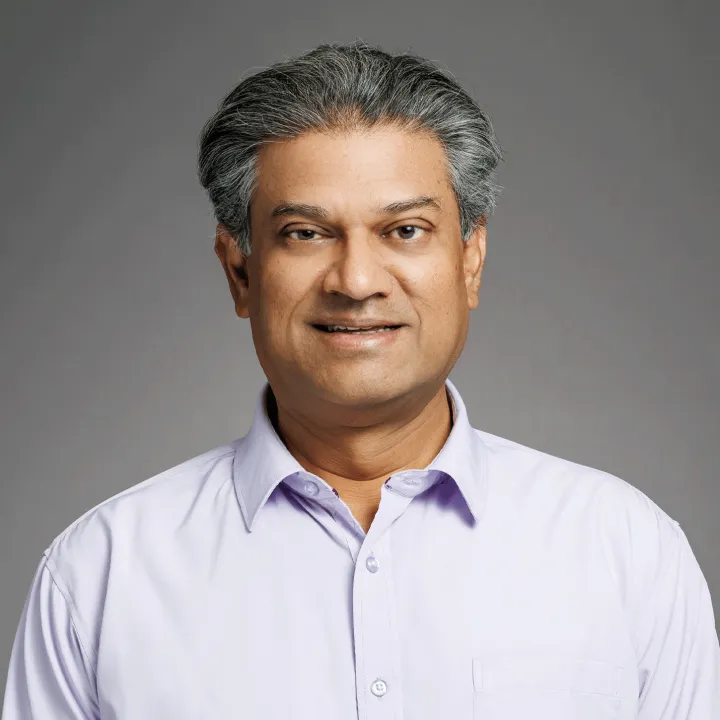
Daniel Ventus is a Project Leader at Åbo Akademi University's Faculty of Education and Welfare Studies, specializing in interdisciplinary research across Psychology, Sexual Health, and Educational Technology. He leads the Experience Lab Health-related solutions and contributes to EU-funded projects like INTAKT and APOLLO2028 , focusing on academic procrastination interventions and healthcare worker resilience. Key research areas: Premature Ejaculation, High-Intensity Interval Training, Resilience Processes, Educational Robotics, and Mental Health interventions Recipient of the 2024 Best Poster Presentation Award at SWESrii for internet interventions His recent publications (2024-2025) examine: HIIT's impact on ejaculation control Real-time resilience assessment tools LLM-powered language learning systems for vulnerable children Physiological and psychological factors in sexual dysfunction As a peer reviewer for journals including Andrology and Scientific Reports , he contributes to multiple disciplines. Media visibility includes coverage in Finland-Swedish educational initiatives and sexual health research outreach (2018-2025).
Lucia O'Sullivan is a Professor and Chair in the Department of Psychology at the University of New Brunswick. She holds a PhD in Experimental Psychology from Bowling Green State University, with postdoctoral research training in HIV at Columbia University. Her research focuses on the intersection of sexuality and intimate relationships, including digital technologies' impact on relationships and barriers to sexual health care. She has conducted international studies in South Africa, the UK, Guatemala, India, and the US. Dr. O’Sullivan has authored/co-authored over 175 peer-reviewed articles, a textbook on human sexuality, and serves on multiple journal editorial boards. She is currently not accepting graduate students. Education: B.A. (Hons.) and M.A. in Clinical Psychology from UNB; PhD in Experimental Psychology from Bowling Green State University; Postdoctoral training in HIV at Columbia University. Research interests include adolescent and young adult sexuality, sexual violence prevention, and the role of technology in relationships. Her work emphasizes global health perspectives and collaborative international research. Key contributions include co-editing a book on sexual coercion and developing measurement tools like the Short Sexual Subjectivity Inventory. Her recent studies explore sugar arrangements, bystander intervention in sexual aggression, and infidelity predictors.
Dr. Megan MacKenzie is a Professor and Simons Chair in International Law and Human Security at Simon Fraser University’s School for International Studies. She holds a D.Phil. from the University of Alberta, an M.A. from the University of Saskatchewan, and a B.A. from the University of Regina. Her research focuses on gender and war, military culture, and post-conflict reconstruction. She is internationally recognized for work on military sexual violence, systemic discrimination in militaries, and feminist critiques of security studies. Key contributions include Good Soldiers Don’t Rape (2023) and co-editing Feminist Solutions to Ending War (2021). MacKenzie is co-Director of the Research Network on Women, Peace and Security, advancing gendered approaches to conflict and security. Her interdisciplinary work bridges academia and policy, addressing issues like racial bias in academia, equity initiatives in universities, and the intersection of gender and global health during pandemics. Recent publications analyze racial disparities in academic responses to students, implicit bias in healthcare, and institutional resistance to EDI reforms. Her advocacy extends to policy advocacy on military reform and post-conflict recovery.
Dr. Mohamed Mostafa Arafa is a prominent academic and clinician in the field of andrology and male reproductive health. He is affiliated with the Faculty of Medicine at Cairo University, Hamad Medical Corporation, Weill Cornell Medicine-Qatar, and the Cleveland Clinic Foundation, reflecting a strong international presence in research and clinical practice. His research interests are centered on male infertility , sexual dysfunction , varicocele management , and the impact of metabolic factors like BMI on reproductive outcomes. He has led global surveys on clinical practices and contributed significantly to understanding patient perceptions in sexual health, particularly in the Middle East. The most recent articles highlight trends in clinical andrology, with a focus on evidence-based urology, surgical outcomes, and methodological rigor in systematic reviews. His work bridges patient care, epidemiological research, and global clinical guidelines. Scientific Sponsorships: National Institutes of Health (NIH) European Commission American Center for Reproductive Medicine, Cleveland Clinic National Research Foundation National Science Foundation Dr. Arafa has secured funding from leading international bodies, underscoring the global relevance of his research. While no formal students are listed, his leadership in multi-center studies suggests active mentorship and collaboration. He is involved in advancing patient support systems, especially during public health crises like the COVID-19 pandemic. He is associated with key organizations including the Global Andrology Forum , Egyptian Society of Andrology , and the Cleveland Clinic Lerner College of Medicine , indicating deep integration into both regional and global andrology networks.
Fuchsia Howard, PhD, RN serves as an Associate Professor and PhD Coordinator at the University of British Columbia School of Nursing. Her office is located at T201 2211 Wesbrook Mall, Vancouver, BC V6T2B5, with contact via phone (1-604-822-4372) and email (fuchsia.howard@ubc.ca). Her research spans oncology nursing, reproductive health, critical care survivorship, and health equity . She investigates fertility preservation for cancer patients, endometriosis-associated dyspareunia management, and digital health interventions for sexual health. Her work emphasizes patient-reported and family-reported outcomes , particularly in chronic disease management and post-ICU recovery. Current projects address social determinants of health in critical illness survivorship and destigmatizing design for sexual health technologies. Her recent publications (2023-2025) demonstrate strong focus on Patient-centered outcome measures in oncology and gynecology Digital resource development for endometriosis and fertility challenges Family caregiver roles in critical illness recovery Health equity in Canadian cancer care systems Key methodologies include qualitative studies, scoping reviews, and mixed-methods approaches. As PhD Coordinator, she guides nursing doctoral candidates though specific students aren't listed in available materials. Her work connects with clinical practice through collaborations with BC Cancer and UBC-affiliated hospitals.
Marvin Diaz is an Associate Professor and Behavioral Neuroscience Area Head at the Department of Psychology, Binghamton University. His research focuses on understanding neurobiological and behavioral alterations caused by early developmental insults such as prenatal drug exposure, with emphasis on sex differences. He employs advanced techniques including electrophysiology, optogenetics, and molecular biology. His work addresses mechanisms underlying anxiety disorders, substance misuse, and neurodevelopmental trajectories. Education: PhD and MA from Wake Forest University School of Medicine, BS from University of NC at Wilmington. Research Interests: Neurodevelopment, prenatal drug exposure, substance use disorder, neural circuits, and the role of sex as a biological variable. Key Findings: Demonstrated that prenatal methadone/alcohol exposure alters amygdala function, GABAergic transmission, and ethanol intake behavior in sex-dependent ways. Highlighted cytokine modulation of adolescent neurophysiology and stress-related behaviors. Awards: SUNY Faculty Diversity Award (202?), Gordon Conference Minority Fellowship (202?), Dean’s Research Semester Award (202?). Labs: Director of the Alcohol Development Lab. Active in studying developmental neurotoxicology and stress-anxiety interactions.
Dr. Michael D. Burton is an **Associate Professor** and **Eugene McDermott Distinguished Professor** in the Department of Neuroscience at the University of Texas at Dallas (UT Dallas), affiliated with the **School of Behavioral and Brain Sciences**. He is a founding member of the **Center for Advanced Pain Studies (CAPS)** and holds roles in the **Center for Vital Longevity (CVL)**. His research focuses on neuroimmunology, pain mechanisms, and metabolic disorders, emphasizing how immune-nervous system interactions influence chronic pain, depression, anxiety, and aging-related conditions. Dr. Burton’s work bridges preclinical and translational research, using rodent models and human clinical samples. Education: PhD in Animal Science (Immunophysiology and Behavior), University of Illinois at Urbana-Champaign (2012) B.S. in Animal Science and Biotechnology, University of Illinois at Urbana-Champaign (2006) Postdoc in Pain Neurobiology, UT Dallas (2017) Postdoc in Diabetes/Metabolism Research, UT Southwestern Medical Center (2015) Research Interests: Dr. Burton investigates how peripheral stimuli (diet, alcohol, immune activation) affect pain and behavior through neuroimmune pathways. Key areas include: Sex differences in pain sensitivity and neuroinflammation Risk factors for chronic pain (e.g., high-fat diets, aging) Neuroimmune biomarkers for pain and delirium Development of non-opioid analgesics (e.g., cannabinoids) Awards: 2024 ROAR Research Award, UT Dallas 2023 Eugene McDermott Distinguished Professorship 2022 SFNova/Rising Star (Society for Neuroscience) 2019 Mitchell Max Award for Pain Research Grants & Leadership:** Co-Director, **Enhancing Neuroscience Undergraduate Research Experiences (ENSURE)** program ($900K grant) NIH R35, R21 grants (pain and metabolism) Editorial roles: *Neurobiology of Pain*, *Journal of Neuroinflammation*, and others Labs & Teams:** Neuroimmunology and Behavior Lab (UT Dallas) Member, NIH Pain Consortium and Endocrine Society’s Basic Science Group
Dr. Katherine Angel is a Senior Lecturer at Queen Mary University of London's School of English and Drama and a Fellow at the Institute for Humanities and Social Sciences. She specializes in literary non-fiction, with research focusing on sexuality, feminism, gender, psychoanalysis, and psychiatry. Her notable works include Unmastered (2012), Daddy Issues (2019), and Tomorrow Sex Will Be Good Again (2021), which explore themes of desire, consent, and post-MeToo dynamics. Angel holds a PhD in History and Philosophy of Science from Cambridge University and has held postdoctoral fellowships at the University of Warwick and Queen Mary. Previously, she taught at Birkbeck College and Kingston University, where she led creative writing programs. She is also undergoing psychoanalytic training at the Site for Contemporary Psychoanalysis. Her research spans medical humanities, queer theory, and feminist critique. Angel’s work has been translated into 13 languages and widely praised in media outlets like The Guardian , New York Times , and Boston Review . She actively engages in public discourse through lectures, podcasts, and festivals globally, advocating for nuanced discussions on sexuality and consent. Her current project critiques the historical tensions between psychoanalysis and feminism. Angel’s academic contributions include publications in History of the Human Sciences , Studies in Gender and Sexuality , and Current Opinion in Psychiatry . She welcomes doctoral students interested in her research areas and collaborates with institutions like the Freud Museum and Wellcome Collection. Her interdisciplinary approach bridges literature, science, and culture, reflecting a commitment to advancing critical feminist and queer scholarship.
D.S. Fahmeed Hyder is a Professor of Biomedical Engineering at Yale University, with additional appointments in Radiology & Biomedical Imaging. He holds a Ph.D. from Yale University and leads the Hyder Lab, which focuses on advancing quantitative and translational imaging technologies using magnetic resonance methods to study brain function and dysfunction at the laminar level. His research integrates multidisciplinary approaches, including molecular imaging, neurophysiology, and material science. Research Interests: Neurovascular and neurometabolic coupling mechanisms Molecular imaging probes for disease diagnostics Functional MRI (fMRI) and metabolic imaging in health and disease Imaging applications for Alzheimer’s, stroke, and cancer Publications: Dr. Hyder’s recent work emphasizes cutting-edge imaging techniques, such as pH-sensitive biosensors, high-resolution fMRI, and multimodal optical imaging. His research highlights include studies on neurovascular dysfunction in Alzheimer’s models, therapeutic interventions for brain injury, and molecular imaging of tumor microenvironments. Awards: Niels Lassen Award (2003), for cerebral blood flow research Early Career Faculty Award (1998), NSF & NIH Pilot Awards from JDRF & Yale-UCL Collaborative (2008, 2013) Labs/Teams: The Hyder Lab collaborates with institutions like UCL and the James S. McDonnell Foundation, advancing translational imaging solutions for clinical applications.
Dr. Yvonne M. Ulrich-Lai is a Professor in the Department of Pharmacology and Systems Physiology at the University of Cincinnati. Her research focuses on the neural and hormonal mechanisms linking diet, obesity, and stress, particularly the role of the HPA axis and reward systems in behavioral and physiological stress responses. PhD in Neuroscience, University of Minnesota (2002) Postdoctoral Fellowship, University of Cincinnati College of Medicine (2007) BSc in Biology, Harvey Mudd College (1994) Her work investigates: How comfort foods modulate stress through brain reward pathways Ketogenic diets' impact on HPA axis activity Sexual dimorphism in stress-induced metabolic dysfunctions Neuroanatomical circuits regulating stress-food interactions Recent publications highlight her focus on rodent models to study diet-induced obesity, HPA axis plasticity, and stress-related behavioral changes. Scientific awards include the 2012 Amgen/Endocrine Society Early Investigators Award . She holds multiple federal grants from NIDDK and NIMH, including R01 and R56 awards, and collaborates with interdisciplinary teams on metabolic phenotyping and stress resilience.
Victoria Clarke is an Associate Professor in the Health and Social Sciences school at the University of the West of England, Bristol, where she has been employed since 2003. She holds a PhD and is widely recognized for her work in qualitative research methods, particularly thematic analysis, which she has developed collaboratively with Professor Virginia Braun. Her research focuses on gender and sexuality, appearance and embodiment, family and relationships. Her educational background includes: Postgraduate Certificate of Education (Higher Education) from University of the West of England, Bristol (2003-2004) PhD in Women's Studies/Psychology from Loughborough University (1997-2002) BSc in Psychology from Brunel University London (1993-1997) Professor Clarke's research interests center on qualitative methodologies, particularly thematic analysis which she has helped shape through her award-winning publications. She has made significant contributions to gender studies, with a focus on LGBTQ+ experiences, body image, and family dynamics. Her work often employs innovative qualitative methods such as story completion to explore sensitive topics around sexuality, embodiment, and social relationships. She is particularly known for her collaborative work with Virginia Braun on thematic analysis methodology. Her recent publications demonstrate a continued focus on advancing qualitative research methods while applying these approaches to important social issues. There's a clear trend toward methodological refinement, with numerous publications addressing best practices in thematic analysis and qualitative research reporting. Simultaneously, she maintains strong engagement with substantive research areas including LGBTQ+ experiences, mental health, embodiment, and gender studies. Her work increasingly examines the intersection of methodology and substantive topics, particularly in health contexts. Professor Clarke has received several prestigious awards for her scholarly contributions: British Psychological Society 2022 President's Award British Psychological Society 2022 Book Award Association of Women in Psychology Distinguished Publication Award (2014) British Psychological Society Book Award (Textbook) (2013) American Psychological Association Division 44 Award for Best Book in Lesbian, Gay, and/or Bisexual Psychology (2007) Throughout her career at UWE Bristol, Professor Clarke has provided extensive supervision for undergraduate, master's, and doctoral students. Her research has been supported by various funding sources, including a Lord Chancellor's Department funded project on money management and marital commitment in new couples during her time at the University of Exeter. She has developed and led numerous research projects exploring gender, sexuality, and qualitative methodologies, often collaborating with interdisciplinary teams across psychology, health sciences, and social work. Professor Clarke leads a productive research laboratory focused on qualitative methodologies and their application to social and health psychology questions. Her lab collaborates with researchers across the UK and internationally, particularly with Virginia Braun at the University of Auckland. The lab is known for advancing story completion methodologies and reflexive thematic analysis, with active projects examining LGBTQ+ experiences, mental health, embodiment, and methodological innovation in qualitative research.
Dr. Grieteke Pool is an Assistant Professor & Clinical Psychologist at the University of Groningen's Faculty of Medical Sciences, affiliated with the University Medical Center Groningen (UMCG). She specializes in clinical psychology with a focus on psycho-oncology, existential psychotherapy, and patient-clinician relationships. Her research explores coping strategies, therapeutic alliance dynamics, and psychosocial care in chronic illnesses like cancer and epidermolysis bullosa. Pool has contributed to over 20 peer-reviewed publications since 1995, emphasizing qualitative methodologies and patient-centered care. She holds clinical and academic roles in healthcare psychology, including supervision of PhD and clinical psychology trainees. Her work aligns with UN Sustainable Development Goals related to good health and well-being.
Dr. Katarzyna Grunt-Mejer is an academic at SWPS University of Social Sciences and Humanities, based at the Poznań campus. She is affiliated with the Faculty of Psychology and Law and works within the Department of Clinical and Health Psychology at the Institute of Psychology. Holding a Doctor of Humanities in Psychology degree with additional training in sexology, philosophy, and bioethics, she serves as an Assistant Professor teaching sexology, basic psychology, and research methods in clinical psychology. She also directs the postgraduate studies in practical sexology. Dr. Grunt-Mejer's research focuses on sexual ethics, psychological support, the functioning of close relationships, and sexology. She has made significant contributions to understanding consensual non-monogamy, having led an international project from 2013 to 2015 examining attitudes toward non-mononormative relationships. Her work spans multiple disciplines including psychology, bioethics, and social sciences, with particular emphasis on the ethical implications of sexual health practices and the social construction of sexual norms. Her publication record shows consistent output across multiple domains, with her most recent work addressing contemporary issues in sexology, relationship structures, and sexual health. The articles demonstrate a clear progression from foundational research on relationship types to more nuanced examinations of ethical considerations in sexual health and the medicalization of sexual desire. Member of the scientific committee for the "Conference on the Future of Monogamy and Non-monogamy" Recipient of National Science Centre funding (SONATA competition) for her project "The concept of norm in sexology" (2017-2020) Contributor to significant research on road aggression and transportation psychology Dr. Grunt-Mejer actively engages in both academic and public discourse, participating in conferences like the Impact 2024 congress and contributing to public understanding of human sexuality. She leads the Sexology Scientific Club at the university and has been involved in numerous research projects examining the intersection of psychology, ethics, and sexual health. Her work demonstrates a commitment to bridging academic research with practical applications in clinical settings and public education.
Andrea Salonia is Associate Professor of Urology at Vita-Salute San Raffaele University , with a clinical role in the Urology Unit of IRCCS San Raffaele Hospital in Milan. He serves as Director of the URI-Urological Research Institute within the Division of Experimental Oncology at the same institution. Medical Degree: University of Milan Specialization in Urology: University of Trieste Specialization in Endocrinology: Vita-Salute San Raffaele University His research focuses on: Experimental clinical and surgical treatment of bladder and prostate cancer Functional urology in multiple sclerosis patients Male/female sexual dysfunctions Testicular cancer outcomes Male infertility and health demographics Steroid endocrinology in prostate cancer Penile anomalies and surgical rehabilitation Key research trends in 2024 publications include: Infertility-male health correlations Adiposity-fertility interactions Testicular cancer reproductive outcomes Advanced imaging for urological conditions Centralized care for rare genetic syndromes Teaching Activities (2025): Residency rotations in Surgery Courses on Endocrine/Kidney diseases Surgical patient management Outpatient clinic training Sociocultural challenges in healthcare He coordinates doctoral programs in Molecular Medicine (2020-2024) and engages in public outreach initiatives like Book City events.
Dr. Joel Gelman is a Clinical Professor in the Department of Urology at the University of California, Irvine School of Medicine. He serves as the Director of the Center for Reconstructive Urology at UCI Medical Center, where he has been a faculty member since 1998. Dr. Gelman is a world-renowned expert specializing in male urethral and penile-genital reconstructive surgery with over 1,400 reconstructive procedures performed throughout his career. Dr. Gelman's educational background includes undergraduate studies at Indiana University, medical school at the Medical College of Ohio, residency training at Indiana University and UCLA, and fellowship training in reconstructive surgery at the Devine Center in Norfolk, Virginia. Prior to joining UCI, he served on the faculty at Albert Einstein College of Medicine in New York and Ohio State University. Dr. Gelman's research focuses on advanced urological reconstructive techniques, with particular expertise in urethral stricture disease, Peyronie's disease, hypospadias repair, and erectile dysfunction including penile implant surgery. His clinical practice is exclusively dedicated to male urethral and genital reconstructive procedures, making him one of the most specialized surgeons in this field. His publication record demonstrates consistent contributions to the advancement of reconstructive urological techniques, with particular emphasis on improving surgical outcomes and patient satisfaction. Dr. Gelman is a Diplomat of the American Board of Urology and has served on the Board of Directors of the Society of Genitourinary Reconstructive Surgeons. His editorial contributions to major urological journals reflect his standing as a thought leader in the field of reconstructive urology. As Director of the Center for Reconstructive Urology, Dr. Gelman leads a specialized clinical program focused on complex male genitourinary reconstruction. His work has established the center as a referral destination for challenging reconstructive cases, attracting patients from across the country seeking his expertise in procedures that few surgeons perform with similar frequency and success.