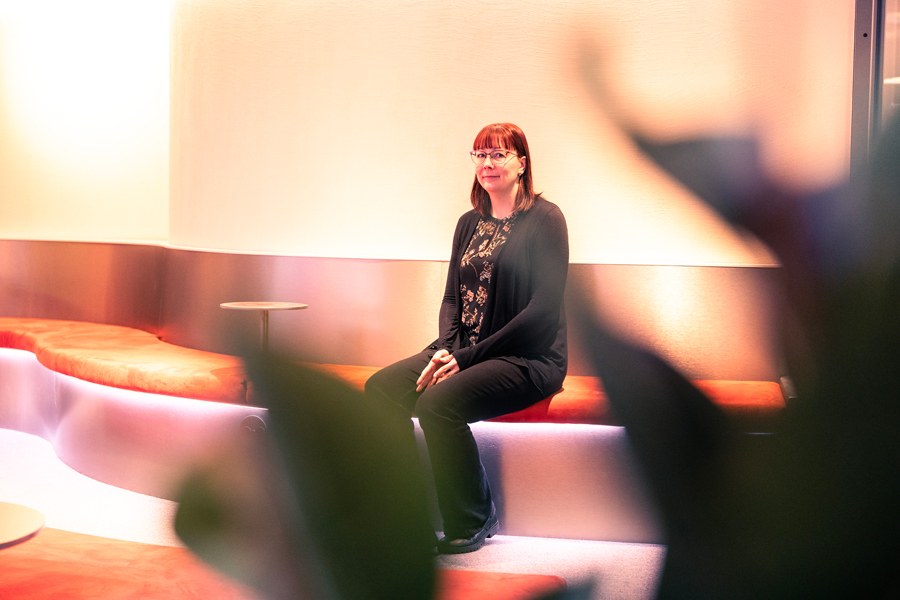
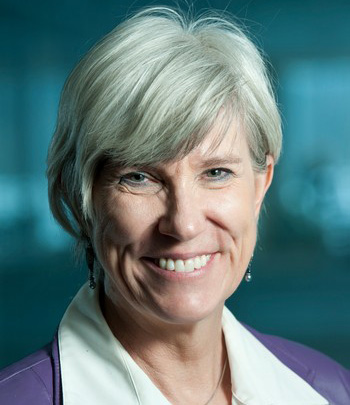
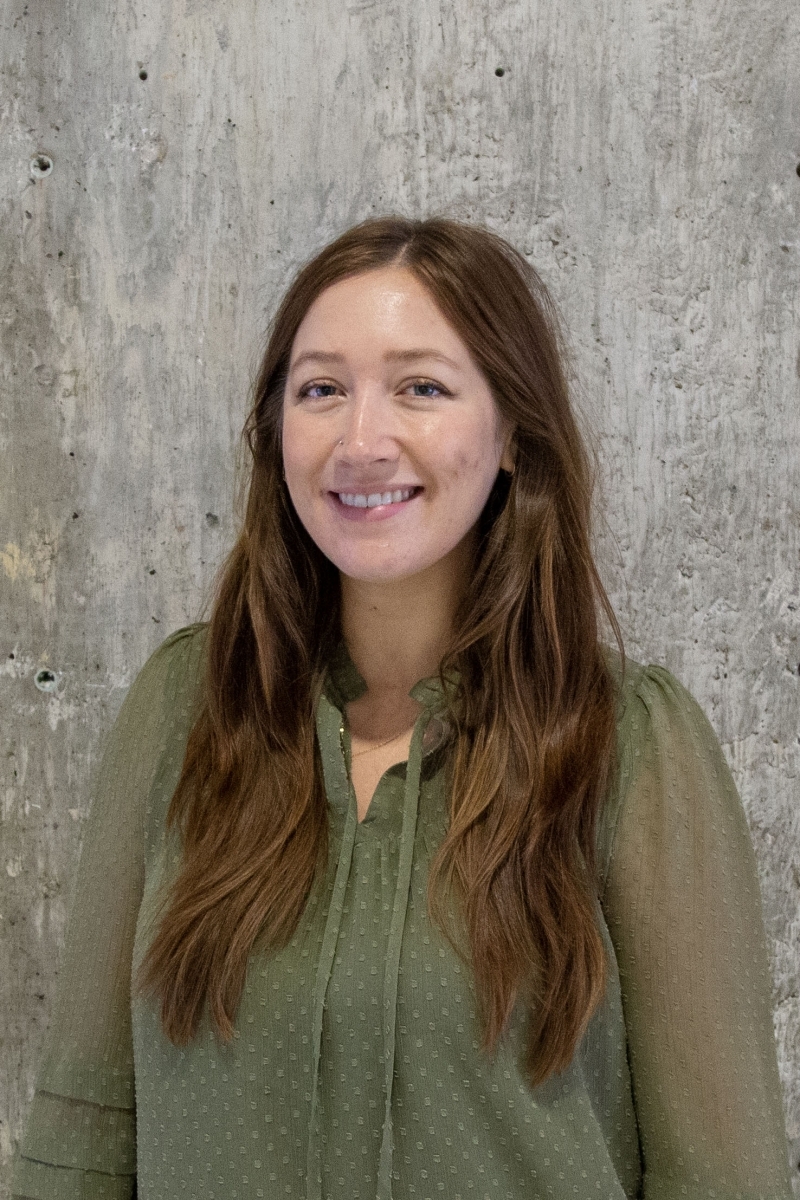
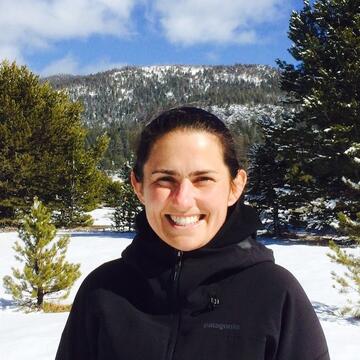
Marika Kokko is a Professor of Bio- and Circular Economy at the University of Tampere, affiliated with the Faculty of Engineering and Natural Sciences and the Department of Materials Science and Environmental Engineering. Her research focuses on sustainable solutions for carbon dioxide utilization, nutrient recovery, and bioelectrochemical systems. She leads projects such as isoSUS (developing short-chain fatty acid conversion) and BioNH4 (recovering ammonium nitrogen from wastewater). Education: Doctor of Science (Technology), Tampere University of Technology (2013) Postdoctoral Researcher, University of Freiburg, Germany (2014–2016) Tenure-track career progression at Tampere University since 2016 Research Interests: CO₂ conversion via microbial electrosynthesis and bioelectrochemical processes Electrochemical nitrogen recovery from wastewater Microplastic analysis in environmental matrices Bioremediation of industrial waste streams Grants & Collaborations: Funded by Business Finland, Ministry of the Environment, and international consortia Active in interdisciplinary projects like CICAT2025 and UPCE Labs/Teams: Her research group investigates bioelectrochemical systems, microbial communities, and circular economy innovations. They collaborate with industry partners to scale sustainable technologies.
Marc Habash is an Associate Professor at the School of Environmental Sciences, University of Guelph. His work focuses on microbial interactions in environmental systems, particularly pathogen detection, microbial biofilms, and water quality. He holds a BSc in Cellular and Molecular Biology from the University of Toronto, an MSc in Microbiology and Immunology from the University of Western Ontario, and a PhD in Environmental Biology from the University of Guelph. Research interests include molecular and culture-based detection of waterborne pathogens, microbial source tracking using Bacteroidales spp., and biofilm formation studies involving probiotics. Collaborative efforts examine proteomic analysis via mass spectrometry techniques. His lab is located in the Edmund C. Bovey Building (Room 3238). Publications emphasize environmental microbiology applications: from yeast tolerance mechanisms to advanced PCR methods for microbial viability quantification. Recent work explores bacterial surface dynamics, insect pest diapause induction, and enzymatic dehalogenation processes. Research consistently bridges fundamental microbiology with practical environmental monitoring solutions. No scientific awards are listed. Advising and grants sections remain unpopulated in available records. His interdisciplinary approach connects environmental engineering, molecular biology, and ecological systems analysis.
Prof. Andreas Farnleitner is a Professor at TU Wien, affiliated with the Environmental Microbiology and Molecular Diagnostics Research Group. His research focuses on microbial water quality, molecular diagnostics, and environmental microbiology. Key areas include PCR-based methods for fecal pollution tracking, antimicrobial resistance in aquatic environments, and climate change impacts on waterborne pathogens. He has contributed to advancements in DNA aptamer technology for rapid water quality monitoring and employs machine learning for predictive modeling in hydrology. His work spans collaborations across Europe, addressing One Health challenges and wastewater-based epidemiology. Recent projects include studies on Vibrio cholerae in Austrian bathing waters and the biostability of drinking water resources. Prof. Farnleitner leads interdisciplinary initiatives to improve water safety and environmental management. Publications highlight his expertise in microbial source tracking, climate change effects on infection risks, and antibiotic resistance patterns. His team develops innovative diagnostic tools and models for environmental monitoring, with applications in both academic and applied settings. Current projects emphasize the integration of molecular biology and engineering to address global water quality challenges.
Syed Hashsham is a Professor in the Department of Civil and Environmental Engineering at Michigan State University (MSU), with an adjunct appointment in the Center for Microbial Ecology and Plant, Soil, and Microbial Sciences. His research focuses on microbial community dynamics, field-deployable genetic testing tools, and environmental biotechnology processes. He leads the NIEHS Superfund Research Center’s Project 4 on dioxin remediation and has pioneered innovations like the Gene-Z handheld genetic analyzer and antimicrobial resistance gene screening chips. Education: Ph.D. in Environmental Engineering (University of Illinois, 1996), M.S. in Environmental Science (IIT Bombay, 1986), B.S. in Civil Engineering (Aligarh Muslim University, 1984). Research interests include microbial community stability, bioremediation of chlorinated solvents, and development of low-cost diagnostic tools. His work bridges environmental engineering and microbiology, with applications in water safety, soil remediation, and public health. Over 150 peer-reviewed publications and numerous grants from NIH, EPA, and other agencies highlight his impact. Notable awards include the MSU Distinguished Faculty Award (2011) and the Withrow Distinguished Scholar Award (2007). He teaches courses like Biological Processes in Environmental Engineering (ENE804) and advises on capstone projects. His lab has produced pioneering technologies for real-time microbial detection and environmental monitoring. Grants and collaborations span multi-million-dollar projects with the NIEHS, USDA, and U.S. Army. His team includes postdocs, PhD students, and visiting scholars working on topics like gut microbiome-host interactions and ARG dissemination via biofilms.
Dr. Isabel Douterelo Soler serves as a Lecturer in Water & Applied Microbiology at the University of Sheffield's School of Mechanical, Aerospace and Civil Engineering within the Department of Civil and Structural Engineering. Since joining as a Research Associate in 2010 on an EPSRC Challenging Engineering project, she has established herself as a leading researcher in urban water systems, culminating in her independent EPSRC Living with Environmental Change Fellowship award in 2016. Her research spans interdisciplinary water quality challenges at the intersection of drinking water supply, sewage infrastructure, and groundwater systems. Key focus areas include biofilm ecology in distribution networks, climate change impacts on water safety, molecular monitoring of pollution, and public health risks from urban flooding. She employs advanced techniques like metagenomics and machine learning to develop risk mitigation technologies for climate-resilient water infrastructure. Analysis of her 15 most recent publications reveals dominant trends in phosphate dosing effects on microbial communities, temperature-driven changes in biofilm dynamics, and molecular methods for pollution tracking. Her work consistently bridges laboratory research with real-world applications through collaborations with water utilities and environmental agencies. Her scientific recognition includes the prestigious EPSRC Living with Environmental Change Fellowship. Major Grants: EPSRC Challenging Engineering project, NBIC proposal with Welsh Water, CIVVSNSF CBET collaboration (US NSF/EPSRC), and Dwr Cymru Welsh Water phosphate dosing initiative. Advising Status: Not currently seeking new PhD students but maintains active supervision through research projects. She actively contributes to the Groundwater Protection & Restoration, Water Distribution Systems & Infrastructure, and SuDS research groups while collaborating with the Pennine Water Group and Co-UDlabs on sustainable urban drainage solutions.
Associate Professor Mohammad Katouli is an academic at the University of the Sunshine Coast (UniSC), Queensland, Australia, holding a position in the School of Science, Technology and Engineering and the Department of Microbial Ecology. He earned his PhD from the UK and a BSc from Tehran, Iran. His research spans medical microbiology, infectious disease pathogenesis, and microbial ecology, with a focus on E. coli, antibiotic resistance, and environmental health. He has supervised over 84 students (45 Honours, 39 PhD/Master's) and authored 169 peer-reviewed articles and 87 conference proceedings. Education: PhD in Medical Microbiology, United Kingdom BSc in Microbiology, Tehran, Iran Research Interests: Molecular pathogenesis of bacterial infections (e.g., E. coli sepsis, urinary tract infections) Probiotics' role in gut health and pathogen inhibition Microbial source tracking in surface waters Antibiotic resistance in clinical and environmental settings Host-microbe interactions in inflammatory diseases Notable Contributions: Developed a commercialized biochemical fingerprinting method for microbial epidemiology Established the Microbiology and Biotechnology program at UniSC Recipient of the 1st Prize for Best Original Article in Clinical Nutrition (2005) Advising and Grants: Supervised 45 Honours and 39 postgraduate students. Active in research grants related to microbial source tracking, probiotic efficacy, and hospital wastewater analysis. Labs and Collaborations: Member of the Centre for Bioinnovation at UniSC. Collaborates with national and international institutions on projects like microbial quality of surface waters and gut microbiota dynamics.
Joan B. Rose is the Homer Nowlin Chair in Water Research and Professor at Michigan State University's College of Agriculture and Natural Resources, Department of Fisheries and Wildlife. She serves as Director of the Water Alliance and is internationally recognized for her expertise in water microbiology, water quality, and public health safety. Dr. Rose is a member of the National Academy of Engineering (2011) and recipient of the prestigious 2016 Stockholm Water Prize. She has also been honored as an honorary citizen of Singapore for her contributions to their water infrastructure. Her research focuses on the application of new molecular methods, pathogen surveillance, microbial source tracking, removal of pathogens by water and wastewater treatment, and quantitative microbial risk assessment. With over 300 publications, Dr. Rose has significantly advanced our understanding of water-related health risks. Her work spans multiple critical areas including Great Lakes viral invasions via ballast water, septic system impacts on freshwater contamination, and wastewater surveillance systems for public health protection. Dr. Rose collaborates extensively with government agencies including the Michigan Department of Environment, Great Lakes and Energy, and the Michigan Department of Health and Human Services. Her research has directly influenced water quality policies and practices both nationally and internationally, particularly in Singapore where she worked for 14 years to help build the country's water infrastructure. National Academy of Engineering (2011) 2016 Stockholm Water Prize Honorary Citizen of Singapore As an advisor and researcher, Dr. Rose has secured numerous grants supporting her work on water quality monitoring, pathogen detection, and risk assessment methodologies. She leads the Water Alliance at MSU, which brings together interdisciplinary teams to address complex water challenges. Her laboratory work focuses on developing advanced technologies for water testing and creating frameworks for translating scientific findings into practical water management solutions that protect public health.
Katy Graham is an Assistant Professor at the Georgia Institute of Technology's School of Civil and Environmental Engineering, within the College of Engineering. She joined Georgia Tech in 2023 after completing a President’s Postdoctoral Fellowship there. Her academic background includes a PhD and MS in Environmental Engineering and Science from Stanford University (2015–2021) and a BSE in Chemical Engineering from the University of Michigan (2015). Her research focuses on microbial water quality, water, sanitation, and hygiene (WASH), public health risk assessment, and environmental virology. Her lab employs molecular biology, microbiology, and modeling tools to address water-related health challenges globally. Key research themes include pathogen fate and transport in built/natural environments, wastewater-based epidemiology (WBE), and green stormwater infrastructure efficacy. In 2023, her team received a $2.1M EPA grant to study pathogens and disinfection byproducts in drinking water distribution systems. She leads the WatCH (Water, Climate, and Health) lab at Georgia Tech and collaborates on projects like fecal source tracking and cold-chain-free nucleic acid preservation for wastewater surveillance. Dr. Graham has contributed to high-profile studies on SARS-CoV-2 persistence in wastewater, viral adsorption to sampling tools, and the development of novel microbial source tracking markers such as Tomato Brown Rugose Fruit Virus genes.
Professor Stuart Khan is Head of School and Professor in the School of Civil Engineering at the University of Sydney. He has secured funding for over 40 major competitive research projects and published over 200 peer-reviewed papers on water quality and treatment. His research encompasses drinking water, wastewater, recreational water systems, water recycling, and desalination. Research focuses on: Advanced water treatment technologies Fate and transport of contaminants Water recycling safety frameworks Sustainable sludge management practices Emerging contaminant remediation Publication analysis reveals strong focus on PFAS remediation, nature-based water treatment systems, wastewater epidemiology, and sustainable sludge management across international contexts. Recent work increasingly employs machine learning and Bayesian modeling for water quality prediction. Honors include professional fellowships: FIEAust (Engineers Australia) FTSE (Australian Academy of Technological Sciences) FRSN (Royal Society of New South Wales) FRSC (Royal Society of Chemistry)
Lauren Sassoubre serves as Associate Professor and Department Co-Chair of the Engineering Department at the University of San Francisco, holding a full-time faculty position with expertise in environmental engineering and marine science. Her research employs molecular techniques to address coastal microbial pollution and resource management challenges. Her academic credentials include: PhD in Environmental Engineering, Stanford University (2014) MS in Environmental Engineering, Stanford University (2008) MS in Marine Science, CSU Monterey Bay BA in Sociology, Colby College Dr. Sassoubre's research investigates environmental DNA applications in urbanized coastal waters, focusing on microbial pollution sources and fate to improve fisheries management and environmental health protection. Her interdisciplinary approach integrates engineering with ecological monitoring. Publication analysis shows consistent emphasis on environmental DNA dynamics across aquatic systems, with studies examining eDNA decay in marine/freshwater environments, microbial source tracking, and pathogen behavior in polluted waters. These contributions advance precision in water quality assessment and pollution source identification. Professional recognition includes: Early Career Fellow, Center for Ocean Solutions Her academic trajectory spans leadership at USF since 2019, prior faculty roles at University at Buffalo (2016-2019), and Stanford University appointments including postdoctoral research. While administrative responsibilities as Department Co-Chair are documented, student advising and grant details remain unspecified in available materials.
Ivana Matić Bujagić serves as an Assistant Professor in the Department of Environmental Engineering at the Faculty of Technology and Metallurgy, University of Belgrade. Her academic appointment was confirmed on April 17, 2025, and she teaches courses related to solid waste management, environmental impact assessment, soil pollution and remediation, and hazardous substances management. Her research focuses on environmental contaminants, particularly artificial sweeteners as indicators of municipal pollution in water systems. Her research interests span environmental engineering with emphasis on waste management, water quality assessment, soil pollution and remediation, and emerging contaminants. She has developed expertise in analyzing artificial sweeteners as markers for wastewater contamination in groundwater and river systems, with particular focus on the Belgrade area and Danube River Basin. Her work bridges environmental chemistry, risk assessment methodologies, and practical applications for water quality monitoring. Analysis of her recent publications reveals a consistent research trajectory focused on emerging contaminants in water systems, particularly artificial sweeteners as pollution indicators. Her work spans from analytical methods development for detecting trace contaminants to ecological and human health risk assessments. A notable secondary research direction involves biomedical applications of composite materials, particularly examining drug release mechanisms from hydroxyapatite/polymer coatings, suggesting interdisciplinary collaboration between environmental and biomedical engineering fields. Dr. Matić Bujagić actively contributes to environmental monitoring efforts in Serbia, with publications addressing wastewater treatment efficiency, groundwater contamination, and ecological risk assessment in the Danube River Basin. Her methodological expertise includes advanced analytical techniques for detecting trace contaminants in water and sediment samples, with publications on liquid chromatography-tandem mass spectrometry methods.
Dr Anthony Chariton is an Associate Professor in the School of Natural Sciences at Macquarie University, Australia. He leads the Environmental e(DNA) and Biomonitoring Lab, pioneering environmental DNA (eDNA) metabarcoding for aquatic and terrestrial ecosystem monitoring. His work integrates 'omic' technologies with traditional ecology to assess community responses to environmental stressors, including anthropogenic impacts like pollution and climate change. Chariton’s research focuses on sedimentary and groundwater ecosystems, leveraging eDNA to track taxa distribution—from fish in aquatic systems to mammals via leeches and mosquitoes. He has contributed to global guidelines, including the revised Australian and New Zealand Sediment Quality Guidelines, and served as President of the Society of Environmental Chemistry and Toxicology Australasia. His mid-career research was recognized with their prestigious Mid-Career Researcher Medal in 2020. Key projects include using mosquito DNA to detect mammals in semi-arid regions, establishing groundwater health indices in the Murray-Darling Basin, and developing data governance frameworks. Chariton’s interdisciplinary collaborations span environmental chemistry, microbiology, and remote sensing, with over 94 publications and 2,454 citations. His work bridges academic research and practical applications, aiding regulators and industries in adopting eDNA tools for ecosystem management. Recent trends in his articles emphasize satellite-based eDNA monitoring, microbial community responses to stressors, and innovative sampling methods in groundwater systems.
Christian Zwiener is a Professor (W3) for Environmental Analytical Chemistry at the Center for Applied Geoscience, University of Tübingen since 2009. He holds a Habilitation and Venia Legendi in Water Chemistry (KIT, 2004) and a Ph.D. in Water Chemistry (Technical University of Munich, 1995). His research focuses on PFAS analysis , non-target screening , and environmental fate of contaminants using high-resolution mass spectrometry . Education: Habilitation in Water Chemistry, KIT (2004) Ph.D. in Water Chemistry, Technical University of Munich (1995) Diploma in Analytical and Environmental Chemistry, University of Ulm (1989) Research Trends: PFAS contamination in soils , human hair , and textiles Non-target screening workflows for novel contaminants and transformation products Environmental fate of pharmaceuticals and biocides Development of HRMS data mining tools (e.g., FindPFΔS, PFΔScreen) Scientific Awards: Level II Scientific and Technological Achievement Award (STAA) , EPA (2008) Research Award , Water Chemical Society, GDCh (2001) Professional Service: Chairman, Journal Vom Wasser (2016–present) Delegate, EUChemS Division of Chemistry & Environment (2020–present) Member of Water Research Perspectives Commission (2018–present) Advisory Board, VEGAS, University of Stuttgart (2014–present) His work bridges analytical chemistry , environmental toxicology , and public health , with key contributions to PFAS contamination and CKDu groundwater links . He has developed standardized methods for PFAS analysis and electrochemical oxidation protocols for contaminant degradation.
Josephine Lübeck serves as a Researcher within the Section for Environmental Chemistry and Physics at the University of Copenhagen's Department of Plant and Environmental Sciences, Faculty of Science. Holding a Ph.D. in Environmental Sciences (awarded 2020), she maintains active research collaborations with the University of Copenhagen and international institutions as evidenced by her co-authorship network spanning Denmark, Italy, and the Netherlands. Her research expertise centers on advanced analytical methodologies for environmental contaminant characterization, with particular emphasis on non-target screening techniques, supercritical fluid chromatography, and high-resolution mass spectrometry applications. Dr. Lübeck specializes in developing complementary analytical platforms for identifying organic pollutants in complex matrices including urban sediments, sewage sludge, and bio-oils, with recent work focusing on circular economy applications for waste-to-energy conversion. Analysis of her publication record (2016-2025) reveals an evolving research trajectory from fundamental pollutant source apportionment toward innovative methodological developments for renewable energy feedstocks. Her 2023-2025 work demonstrates increasing focus on sewage sludge pyrolysis biocrude analysis and non-target screening prioritization strategies, reflecting growing interdisciplinary connections between environmental chemistry and sustainable engineering. Dr. Lübeck maintains active research collaborations with Professor Jan H. Christensen's group at the University of Copenhagen and international partners including researchers from the University of Amsterdam and University of Campinas. Her work has generated significant academic engagement with 30+ Mendeley readers per recent publication and social media mentions across Bluesky and X platforms.
Associate Professor Nicole Masters holds dual roles as Associate Dean (Learning and Teaching) and Associate Professor in Bioscience at the University of the Sunshine Coast (UniSC), affiliated with the School of Health and the Centre for Bioinnovation. She completed her PhD at UniSC investigating novel methods for detecting microbial water pollution sources. Her research focuses on water microbiology, environmental microbiology, and biomedical science communication, with notable contributions to microbial source tracking, bacterial pathogenesis, and STEM education strategies. She has published extensively on E. coli virulence, fecal pollution markers, and student engagement in foundational courses. Her work bridges environmental science and public health, emphasizing practical applications of microbiology in water quality management. Teaching areas include Introductory Bioscience and Cell Biology, complemented by professional development in learning-centered pedagogy. Professional memberships include the Australian Society for Microbiology and International Water Association. Education: PhD in Bioscience, University of the Sunshine Coast BSc (Hons) in Bioscience, University of the Sunshine Coast Graduate Certificate in Professional Learning, University of the Sunshine Coast Research Interests: Nicole’s work addresses microbial contamination in water systems, particularly using molecular methods to trace pollution sources. She investigates virulence traits of E. coli strains linked to human and environmental health, with implications for inflammatory bowel disease and urinary tract infections. Her educational research focuses on optimizing synchronous/asynchronous STEM learning through blended learning strategies, lecture design, and active learning frameworks. Publications Trends: Her articles span environmental microbiology, clinical microbiology, and education innovation. Recent work emphasizes E. coli clonal group behavior in human/environmental contexts and pedagogical tools to enhance student engagement in first-year STEM courses. Early-career research focused on developing sensitive pathogen detection methods in surface waters, reflecting a trajectory from methodological innovation to interdisciplinary applications. Grants & Advising: While specific grants are not detailed, her research activities imply sustained funding in environmental and biomedical sciences. She advises students in bioscience disciplines, though formal advisee names are not documented here. Labs/Teams: Active member of the Centre for Bioinnovation, collaborating on projects linking microbial science to health and environmental sustainability.