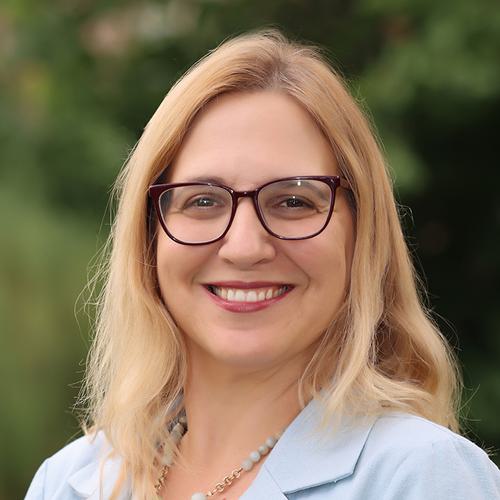
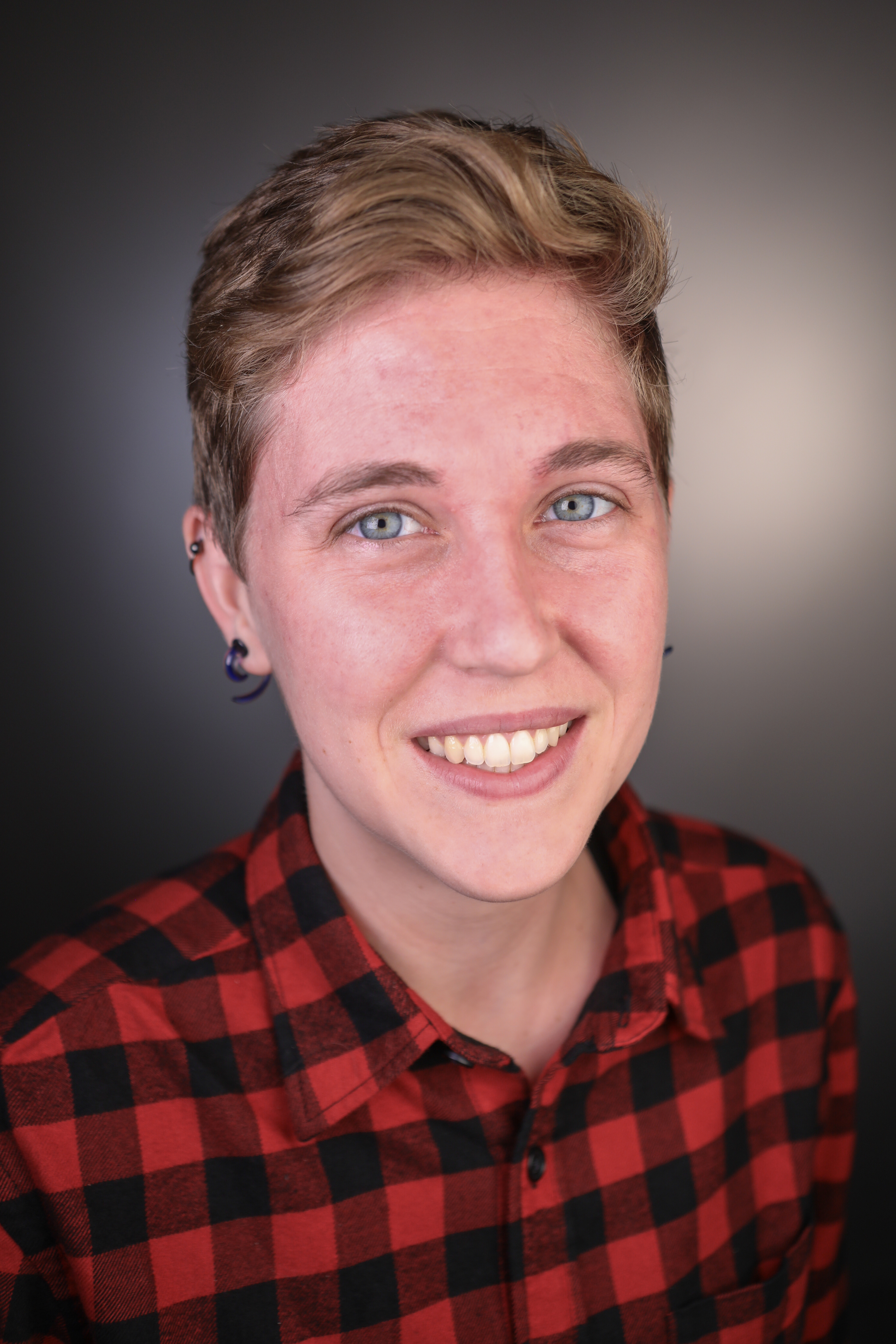
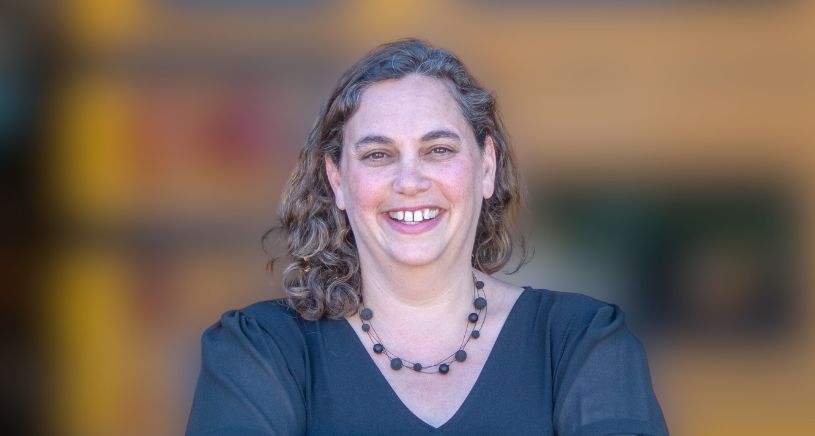
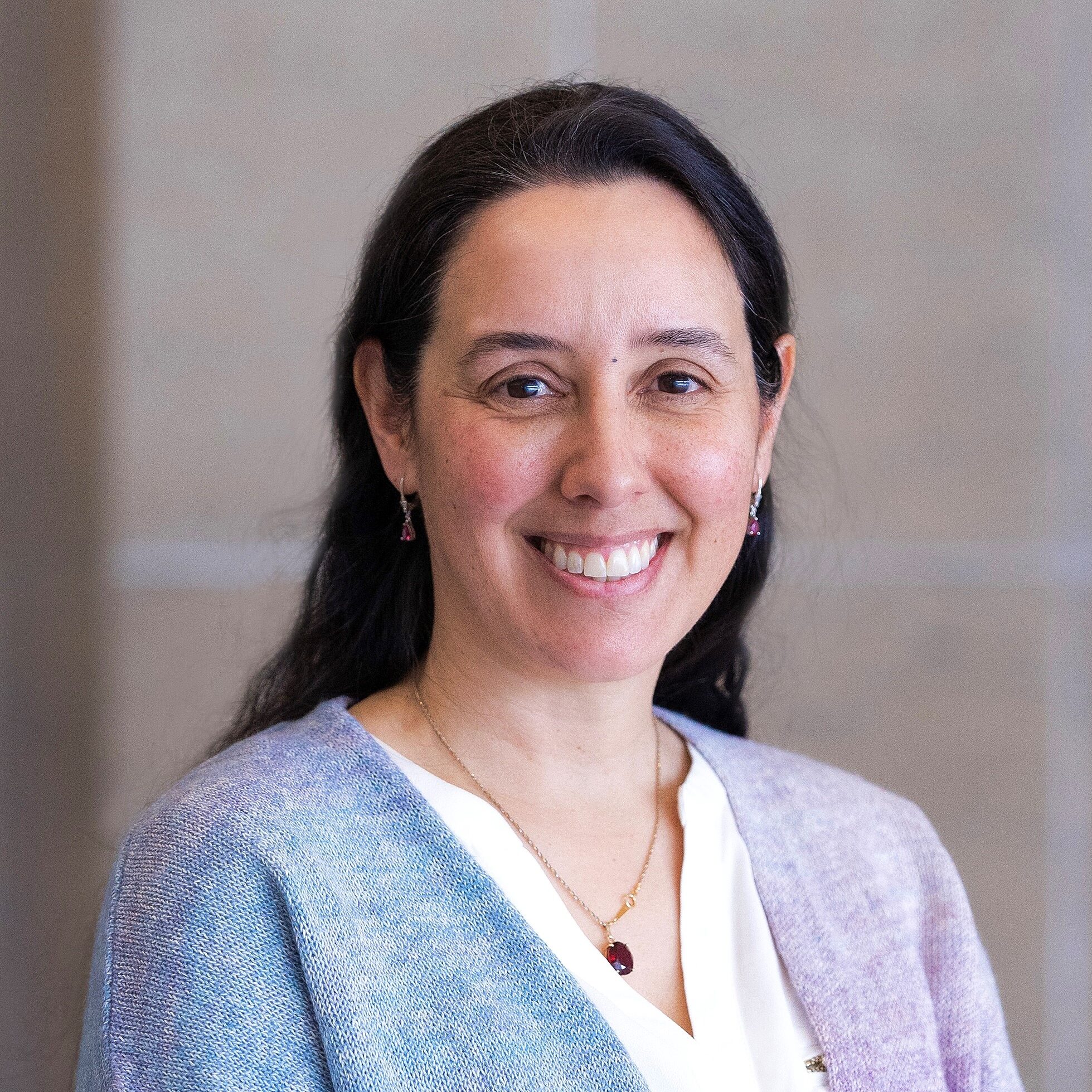
Liz Chesworth is a Senior Lecturer in Early Childhood Education at the School of Education, University of Sheffield . A Senior Fellow of the Higher Education Academy (SFHEA), her work bridges research, teaching, and professional practice. BA (Hons), PGCE, PhD Her research focuses on contemporary play cultures , dynamic curriculum approaches , and children’s participation in research . She explores power dynamics in peer cultures and digital play’s impact on well-being, with funded projects like the Lego Foundation's Responsible Innovation in Technology for Children and EU Horizon 2020’s MakEY makerspace initiative. Her work has received international recognition through keynotes and consultancy. Recent publications emphasize participatory methods, cross-cultural family engagement, and technology integration in early years. She co-edits journals and serves on editorial boards, while leading the full-time Masters in Early Childhood Education and teaching in the White Rose Doctoral Training Programme . Senior Fellow of the Higher Education Academy (SFHEA) Liz collaborates with institutions such as The Froebel Trust and contributes to policy debates on inclusive practices.
Professor Ola Isaksson is a faculty member in Product Development at Chalmers University of Technology, where he leads the Systems Engineering Design research group. With over 40 research projects nationally and internationally, his work bridges academic research and industrial application, particularly in aviation and transport-related manufacturing sectors. His expertise spans digitalization, sustainability, and advanced manufacturing methods in product development. Ola Isaksson received his PhD in Computer Aided Machine Design from Luleå University of Technology in 1999. Prior to his academic career, he had a specialist career at GKN Aerospace Engine Systems (formerly Volvo Aero) in Trollhättan, focusing on design and product development until 2015. Professor Isaksson's research focuses on developing new product development capabilities to address societal and industrial needs through digitalization and advanced manufacturing. His primary interests include platform-based development, Set Based Engineering, multidisciplinary engineering methods, Value-driven development, and knowledge-intensive system support. He has particular expertise in additive manufacturing integration, design space exploration, and sustainability transition in product development. Analysis of Professor Isaksson's recent publications reveals a strong focus on integrating digital technologies with sustainable manufacturing practices. His work demonstrates a progression from traditional design methodologies toward AI-assisted design, digital twins, and advanced data analytics. Key thematic areas include additive manufacturing implementation, design margin management, sustainability integration, and aerospace component optimization, reflecting his commitment to bridging theoretical research with industrial applications. Professor Isaksson is one of the founders of the Swedish Product Development Academy and maintains active membership in the Design Society, ASME, and SIG PM, reflecting his significant contributions to the field of engineering design. With over 100 scientific publications and leadership in more than 40 research projects, Professor Isaksson has established himself as a leading figure in product development research. His work frequently involves close collaboration with industry partners, particularly in the aviation sector, securing substantial research funding for projects addressing digitalization, sustainability, and advanced manufacturing challenges. Professor Isaksson leads the Systems Engineering Design research group at Chalmers University of Technology. His team focuses on developing methodologies for complex product development, with particular emphasis on digital tools, sustainability integration, and manufacturing innovation. The group maintains strong industry connections, especially with aerospace manufacturers, facilitating the translation of research into practical applications.
Natalia Imad Khalaf, MD, MPH, FACP is an Assistant Professor in the Department of Medicine at Baylor College of Medicine with dual appointments as Clinical Investigator in the Clinical Effectiveness and Population Health Program and Core Faculty in the Health Policy, Quality & Informatics Program at the Center for Innovations in Quality, Effectiveness and Safety (IQuESt) at Michael E. DeBakey VA Medical Center. Her academic trajectory spans clinical gastroenterology, epidemiology, and health services research with focus on cancer outcomes. Her educational foundation includes: BA in Biological Sciences from Rice University (2007) MD from Baylor College of Medicine (2011) Internal Medicine Residency and Chief Medical Residency at Baylor College of Medicine (2014-2015) Gastroenterology & Hepatology Fellowship at Brigham and Women's Hospital (2018) MPH in Epidemiology from Harvard T.H. Chan School of Public Health (2018) Dr. Khalaf's research program centers on pancreatic cancer epidemiology, with emphasis on early detection biomarkers (particularly new-onset diabetes), metabolic risk factors, and healthcare system interventions. Her work integrates clinical gastroenterology with population health methodologies to address diagnostic delays, racial disparities in treatment, and implementation of evidence-based guidelines in gastrointestinal cancers. She actively develops risk prediction tools using health informatics and deep learning approaches. Analysis of her recent publications reveals a concentrated focus on pancreatic cancer pathophysiology and outcomes, with significant contributions to understanding pre-diagnostic metabolic changes, emergency presentation consequences, and diabetes-cancer linkages. Her colorectal cancer work examines screening adherence barriers and medication risk associations, while quality improvement research targets guideline implementation for gastric intestinal metaplasia. Her scientific recognition includes: AGA Academy of Educators Elected Member (2018) Bob Parsons Inaugural Fellow in Pancreatic Cancer Research (2017-2018) American Gastroenterological Association Early Career Investigator Recognition (2017) Soma Weiss Award for Clinical Teaching Excellence (2017) Dean of Medical Education Outstanding Resident Teacher Award (2013) Phi Beta Kappa Honor Society (2007) Dr. Khalaf directs multiple federally funded research initiatives including: VA Career Development Award: Health Informatics Approaches to Improve Early Diagnosis of Pancreatic Cancer ($1.09M, 2022-2026) National Academy of Sciences: Clinical Quality Measures for Gastrointestinal Cancers (2022-2027) Gordon and Betty Moore Foundation: Implementing Digital Quality Measures (2024-2025) American Pancreatic Association Young Investigator Grant (2019-2021) She operates within the IQuESt research ecosystem at the Michael E. DeBakey VA, leveraging the Clinical Effectiveness and Population Health Program infrastructure for her work on cancer diagnostic excellence, veteran health outcomes, and implementation science projects targeting gastrointestinal cancer care pathways.
Dr. Kristen Jones-Bonofiglio is an Associate Professor and Director of the School of Nursing at Lakehead University. She also serves as Director of the Centre for Health Care Ethics within the Faculty of Health & Behavioural Sciences. Her work bridges nursing practice with ethical frameworks, focusing on moral distress and compassionate care. Academic Background: PhD in Educational Studies (Cognition & Learning Stream), Lakehead University MPH in Nursing Specialization, Lakehead University BScN, Lakehead University Research Focus: Dr. Jones-Bonofiglio's research addresses ethical decision-making in health care, moral distress, teaching compassion in nursing, substance use in inpatient settings, and digital storytelling. She integrates theory with practical applications, such as patient care planning using computer-aided design. Publication Trends: Recent works include pandemic ethics, rural health care frameworks, nurse practitioner retention, and patient-oriented research. Many publications analyze moral distress in acute and community settings, while others explore digital storytelling and educational innovations. Scientific Contributions: AMS Phoenix Fellow Co-editor of Health Care Ethics through the Lens of Moral Distress (2020) Editorial Board, Global Bioethics Enquiry Leadership & Collaboration: She leads the Centre for Health Care Ethics and contributes to EPID@Work Research Institute. Her affiliations include the Centre for Research on Aging & Health. She supervises student theses and emphasizes interdisciplinary collaboration.
Ayşe Zeynep Aydemir is an Assistant Professor of Architecture at MEF University's Faculty of Arts, Design and Architecture since 2017. She earned her PhD in 2017 from a joint program between Istanbul Technical University and KU Leuven, focusing on architectural design studio practices. Her academic journey includes a TÜBİTAK 2219 Research Fellowship at Royal College of Art (2019–2020) and a TÜBİTAK 2214 fellowship at KU Leuven (2014–2016). Her research interests span architectural education, design studio pedagogy, adaptive reuse of urban structures, and the intersection of architectural humanities with practice-based research. She emphasizes process-driven design, horizontal learning, and the role of spatial experience in education. Key publication trends include studies on adaptive reuse of office buildings for housing practice-led research in small architectural firms parallax views in metropolitan analysis Her work bridges academic theory with real-world applications, particularly in Istanbul's urban context. Scientific awards include TÜBİTAK 2219 and 2214 fellowships. She also led the Kilyos Boathouse design-build studio (2018), which won recognition in Turkey.
Orit Shaer is a Professor and co-Chair of Computer Science at Wellesley College , where she founded and directs the Human-Computer Interaction (HCI) Lab . Her work bridges tangible interaction, human-AI collaboration, and mixed-reality interfaces, focusing on transforming work and learning environments through embodied technologies. Education : B.A. from Academic College of Tel-Aviv, M.S. and Ph.D. in Computer Science from Tufts University Research interests center on novel human-computer interaction paradigms : Human-AI collaboration frameworks Tangible and embodied interface design Mixed-reality applications for productivity Genomics collaboration tools STEAM education technologies Recent publications highlight human-AI co-creation (CHI 2024), temporal dynamics in automated work (CHIWork 2024), and pandemic-era remote interaction studies (IEEE Pervasive Computing 2021). Awarded: NSF CAREER Award Agilent Technologies Research Award Google App Engine Education Award Pinanski Prize for Excellent Teaching Best Paper Honorable Mention (ACM CHI 2014) Honorable Mention (CHIWork 2022) She co-founded the international CHIWork Symposium and chairs the ACM TEI conference. Her NSF IRES grant (2022) supports US-German collaboration on human-automation interaction.
Isaac Lage is an Assistant Professor of Computer Science at Colby College since July 2023, specializing in interactive optimization methods for sociotechnical machine learning applications. Their work bridges technical rigor with societal impact, emphasizing accessibility in educational settings and algorithmic accountability. Harvard University PhD in Computer Science (NSF GRFP Fellow) Microsoft Research Intern (Adaptive Systems and Interaction Group) Research Software Engineer at MIT/NYU with David Sontag Research focuses on interpretable machine learning , human-AI collaboration , and healthcare equity analysis . Current projects explore sociotechnical implications of computing systems through EHR data patterns , fairness in predictive models , and user-driven interpretability frameworks . Recent publications show trends in explainable AI (2020-2022), with subfields including clinical decision support , policy summarization , and uncertainty communication . Key themes: healthcare disparities , robust interpretability , and human-in-the-loop learning . Scientific Awards: NSF GRFP Fellowship NeurIPS Spotlight Presentation (2018) AAAI HCOMP Honorable Mention (2019) As a Pedagogy Fellow at Harvard SEAS (2022-23), they contributed to curriculum design for CS 152 and CS 231 at Colby. Also earned a Teaching Certificate from Harvard's Derek Bok Center (Spring 2023).
Jürgen Sauer is a Full Professor at the University of Fribourg , affiliated with the Department of Psychology under the Faculty of Letters and Human Sciences . With over 120 publications, his research focuses on Human-Machine Interaction , Usability Testing , User Experience (UX) , and Automation Design , particularly in high-stakes environments like X-ray baggage screening and spaceflight simulations . Email: juergen.sauer@unifr.ch Phone: +41 26 300 7622 Address: RM 01 bu. C-1.117, Rue PA de Faucigny 2, 1700 Fribourg Orcid: 0000-0003-2105-1694 His research projects, funded by the Swiss National Science Foundation (FNS), include: Improving work design for airport security officers (2019-2024): Developed pictorial scales for measuring psychological constructs in security environments. Social stress and support in hybrid teams (2018-2023): Investigated machine-induced social stressors and mitigation through social support. Automation in visual inspection tasks (2014-2018): Examined adaptable automation for baggage screening and system reliability effects. Usability testing effectiveness (2012-2016): Analyzed cultural background impacts and non-usability product features influencing test outcomes. Key contributions include the Luggage Inspection Simulation (LIS) environment for modeling work environments and the development of pictorial usability scales for multilingual applicability. His work bridges ergonomics , human factors , and applied psychology , with notable collaborations with researchers like Adrian Schwaninger and Andreas Sonderegger . His recent publications (2025-2014) analyze: Human-machine performance under false alarms and miscues Social stressor dynamics in hybrid teams Usability scale animation effects Phubbing behavior in professional contexts Accessible website design for non-disabled users
Czarecah Tuppil Oropilla (Eya) serves as a Postdoctoral Researcher at Western Norway University of Applied Sciences (HVL) within the Department of Pedagogy, Religion and Social Sciences. She actively contributes to the KINDknow Centre for Systemic Research on Diversity and Sustainable Futures and co-leads the EX-PED-LAB project focused on pedagogical innovations in early childhood education. Her academic foundation includes a cum laude Bachelor's degree in Family Life and Child Development from the University of the Philippines and an internationally recognized Erasmus Mundus Master's degree in Early Childhood Education and Care, earned through a consortium of Oslo Metropolitan University, University of Gothenburg, Technical University Dublin, and University of Malta. Dr. Oropilla's research investigates intergenerational engagements between children and elderly adults, children's participatory rights, and social sustainability within Early Childhood Education and Care (ECEC) frameworks. Her work emphasizes collaborative explorations and co-creative pedagogical approaches to foster sustainable futures in diverse educational settings. Her 2024 publications reveal thematic cohesion around emergent ocean literacy through coastal explorations, playful co-creation tools for educators, and movement-based learning in preschool contexts. These works collectively advance ECEC through interdisciplinary methodologies bridging environmental education, teacher professional development, and child-centered innovation. Scientific recognition includes: Erasmus Mundus Scholarship for Master's studies Cum laude distinction for Bachelor's degree As an educator, she supervises MBA 515/516 courses and delivers lectures for MARE550 on Ageing and Interprofessional Collaboration. Her EX-PED-LAB leadership and "PedPod" podcast initiative facilitate knowledge exchange among global ECEC researchers through dialogic formats. She actively participates in the KINDknow Centre's Work Package on Families, Generations and Belonging and the "Barnehagen som (ut)danningsarena" research group, examining systemic approaches to diversity and sustainability in Norwegian kindergarten practices through collaborative research frameworks.
Sara Dubowsky Adar is a Professor of Epidemiology and Global Public Health at the University of Michigan School of Public Health. Her research integrates epidemiology, environmental health, exposure science, and biostatistics to investigate environmental hazards' impacts on human health, with primary focus on air pollution and noise effects on healthy aging. Her educational background includes: ScD in Environmental Epidemiology from Harvard T.H. Chan School of Public Health (2005) MHS in Environmental Health from Johns Hopkins School of Public Health (1998) BS in Environmental Engineering from Massachusetts Institute of Technology (1996) Dr. Adar's research centers on environmental risk factors for aging, particularly examining how living environments influence healthy aging trajectories through cross-disciplinary collaborations with environmental epidemiologists, climatologists, exposure scientists, economists, and demographers. Her work spans air pollution, noise exposure, cardiovascular disease, and intervention strategies to improve health outcomes. Her extensive publication record reveals strong thematic patterns across environmental exposures and neurological/cognitive outcomes, with increasing focus on source-specific particulate matter, dementia pathways, and intervention effectiveness in recent years. The research demonstrates methodological sophistication through large cohort studies, randomized trials, and harmonized international assessments. Professional recognition includes: Sandra A. Daugherty Award for Excellence in Cardiovascular Epidemiology (American Heart Association) Excellence in Teaching Award (University of Michigan School of Public Health) Dr. Adar serves as Associate Editor at Environmental Health Perspectives and previously held leadership roles including Secretary/Treasurer of the International Society for Environmental Epidemiology. Her research group actively develops evidence-based interventions to reduce environmental health hazards while maintaining strong educational commitments to trainees. The Adar Research Group operates within the Department of Epidemiology at Michigan Public Health, focusing on interdisciplinary environmental health research with particular emphasis on vulnerable populations including children, older adults, and communities in low-resource settings globally.
Prof. Dr. Nadine Scholten is a faculty member at the University Hospital Bonn , leading the Health Communication and Health Services Research (CHSR) center since 2024. She works within the Clinic for Psychosomatic Medicine and Psychotherapy under Prof. Geiser, affiliated with the Medical Faculty of the University of Cologne , where she earned her doctorate and habilitation and leads the LiVe working group . Research focus: Organizational health services research in hospital settings, implementation of therapies/innovations, secondary data analysis, patient/provider perspectives, cross-sectoral healthcare coordination, and regional health services. Current projects include Neo-Milk (donor milk banks in NICUs), Neo-CamCare (webcam use in NICUs), CoRe-Net (regional health development), and studies on outpatient antimicrobial therapy and pandemic impacts on healthcare. Teaching: Leads health communication skills training in medicine. Memberships: DNVF e.V., DGMS, AGENS (secondary data working group). Recent article trends: Focus on data linkage, patient experience, pandemic-era care adaptations, and cross-sectoral healthcare integration, with methodologies spanning qualitative/quantitative analysis of routine data (statutory insurance, DRG statistics).
Onita Basu, Professor in the Department of Civil and Environmental Engineering at Carleton University's Faculty of Engineering and Design, specializes in water and wastewater treatment technologies. With a Ph.D. from the University of Waterloo, she leads the Basu Research Group, focusing on filtration/membrane bioreactors, biological removal of pharmaceuticals, and community-based water solutions in Tanzania. Her teaching includes courses like ENVE 3001 Water Treatment Principles and Design and graduate-level membrane processes. B.A.Sc., M.A.Sc. (University of British Columbia) Ph.D. (University of Waterloo) Professional Engineer (P.Eng.) Research Interests: Professor Basu investigates integrated water treatment systems, emphasizing membrane fouling control, nanoparticle disinfection mechanisms, and removal of recalcitrant organics. Her work bridges advanced technologies like ceramic ultrafiltration with practical implementations in low-resource settings through projects such as the Tanzania Water Hub. Recent Publications: Her 2025 studies on silver-doped zinc oxide for antimicrobial water treatment and PFAS removal strategies highlight emerging contaminant solutions, while 2024 work explores graphene oxide adsorption and climate change education programs. Earlier articles focus on membrane fouling, nanoparticle elution, and biofiltration optimization. Labs & Projects: The Basu Research Group operates pilot plants for membrane testing, biofiltration systems, and community engagement initiatives in Tanzania. They hosted Carleton's 3MT event in 2023 and collaborate with institutions like Humber College on NSERC-funded projects.
Mona Kasra is an Iranian-American Associate Professor of Digital Media Design in the Department of Art at the University of Virginia. Her work bridges new media art, projection design, and immersive theatre, exploring political and theoretical implications of visual media technologies across cultural contexts. Ph.D. in Arts & Technology from University of Texas-Dallas M.F.A. in Video/Digital Art from California State University Northridge B.A. in Graphic Design from Art University of Tehran Her research focuses on hybrid practices integrating digital technologies with live performance, emphasizing audience immersion and narrative reconfiguration. Key areas include: Projection mapping for theatrical spaces Interactive media installations Cross-cultural digital storytelling Immersive audience experiences Time-space manipulation in performance Recent creative works demonstrate trends in: Site-specific installations (abandoned buildings, warehouses) Collaborative design with choreographers/musicians Exploration of identity in hyper-mediated environments Integration of indigenous rituals with modern technology Academic leadership roles include: Faculty co-lead, Karsh Institute’s Digital Technology for Democracy Lab Chair of ACM SIGGRAPH (2023-2024) Board member, New Media Caucus Executive Committee member (2019-2025), UVA Scientific awards: Helen Hayes Award nominations for media design (2022) United Scenic Artists Local 829 membership Her transdisciplinary approach has been supported by grants including the Arts Enhancement Grant and collaborations with institutions like the Smithsonian's Lemelson Center.
Yasser Arafat Payne is a Professor of Sociology & Criminal Justice at the University of Delaware's College of Arts & Sciences, with a joint appointment as an associate professor in the Department of Africana Studies. His academic work focuses on street ethnographic research examining policing and reentry, economic well-being and educational inequality, and gun violence with street-identified Black Americans through the innovative Street Participatory Action Research (Street PAR) framework. Payne earned his Ph.D. and M.Phil. from the City University of New York Graduate Center, an M.A. from Seton Hall University, and a B.A. from Wagner College. His educational background has informed his distinctive approach to studying marginalized communities through the lens of those who live within them. Payne's research program challenges dominant arguments in the literature by asserting that all of the streets of Black and Brown America are resilient. His work focuses on racial identity, street identity, school violence, physical violence, Gangster Rap music and culture, and the methodology of street participatory action research. He has developed Street PAR as a framework that includes three essential features: research orientation, intervention for Street PAR members, and a vehicle for action and activism in local communities. His recent publications reveal a consistent focus on violence exposure, police-community relations, reentry challenges, and resilience among street-identified Black populations. Payne's work spans multiple disciplines including criminology, sociology, public health, and urban studies, with particular attention to the intersection of structural inequality and individual experience. Payne actively engages with media on issues of policing and structural violence, as evidenced by his July 2024 commentary on stop-and-frisk policies for NBC News and his August 2023 presentation to the Wilmington Reparations Task Force. He co-authored the book 'Murder Town, USA: Homicide, Structural Violence and Activism in Wilmington' (Rutgers University Press, 2023), which has become a key resource for understanding gun violence in urban communities. As an educator, Payne teaches specialized courses on street ethnography, Gangster Rap Music and Culture, Racial Stratification, and core courses on Race, Class & Gender and Race, Gender & Poverty. His teaching philosophy centers on bringing the lived experiences of street-identified populations into academic discourse through innovative pedagogical approaches. Payne leads a research lab focused on Street PAR methodology, training community members to document experiences of street-identified Black populations through surveys, interviews, and dual interviews. His approach emphasizes community ownership of research and the transformative potential of participatory methodologies in addressing structural violence.
Dr. Mellinee Lesley is a Professor in the Language, Diversity & Literacy Studies program at Texas Tech University's College of Education. She serves as Associate Vice Provost for Outreach and Engagement, leading the Community Engaged Learning initiative. Previously, she worked as a high school English teacher and directed a developmental reading program. Ph.D. in Language in Education, Reading/Writing/Literacy from University of Pennsylvania M.A. in English, Rhetoric and Teaching of Composition from New Mexico State University B.A. in English from University of Iowa Her research focuses on critical literacy , disciplinary writing , and equity in education , particularly for marginalized student populations. She explores intersections of media literacies , gender identity , and literacy reform in K-12 settings. Recent publications highlight trends in adolescent writing pedagogy , critical media frameworks , and community-engaged scholarship . Her work bridges high-stakes testing contexts with student-centered literacy approaches . Community Engagement Scholarship Award for Exemplary Projects (APLU/W.K. Kellogg Foundation) Fellow of the National Writing Project Dr. Lesley mentors graduate students in engaged scholarship and examines the democratization of knowledge through collaborative research methodologies . She co-founded the Llano Estacado Writers' Alliance to support equitable literacy practices.