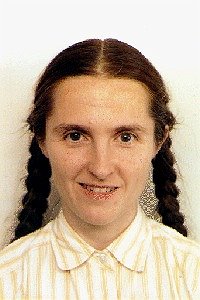
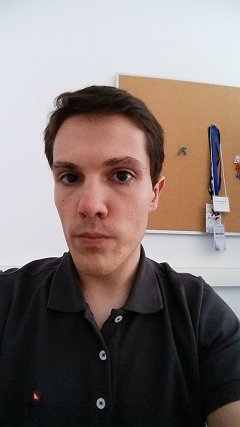
Dr. Bhautesh Jani is a Clinical Senior Lecturer/Honorary Consultant in General Practice & Primary Care at the University of Glasgow. He joined in 2010 and earned a PhD in 2016 on 'Allostatic Load Biomarkers in Depressive Symptoms.' He holds a NRS Career Research Fellowship (2017-2020) and is the National Clinical Lead for the NRS Primary Care Research Network in Scotland. His roles include sessional GP at John Street Surgery and Cluster Quality Lead for Bellshill. Education: PhD (University of Glasgow, 2016) Research Interests: Multimorbidity, primary care risk assessment, cardiovascular disease, kidney disease, health inequalities, treatment burden, and AI in healthcare His research focuses on chronic disease management, particularly in underserved populations, with emphasis on multimorbidity clusters and kidney failure risk equations. He has contributed to over 120 publications, including studies on AI-driven consultation transcription, treatment burden in kidney replacement therapy, and health disparities in chronic conditions. Awards include the NRS Fellowship, Scotland Canada Travel Fellowship, and Best Poster at the European Society of Cardiology Congress (2015). He collaborates with interdisciplinary teams on projects like the Affordable Cardiac Rehabilitation Study (ACROSS) and leads initiatives addressing healthcare inequities.
Rachel Wilson, Ph.D., is an Associate Professor of Business & Economics and Director of Partnership Outreach at Wittenberg University. She holds a Ph.D. in Economics from Middle Tennessee State University (2009), an M.A. in Economics (2006), and a B.S. in Economics from Miami University (2002). Her research focuses on sustainability education, economics of higher education, and interdisciplinary curriculum development. Dr. Wilson has co-authored the $2.4M NSF-funded BASICS grant promoting STEM-Business sustainability education. She has presented at conferences including the Academy of Management and Society of Business, Industry, and Economics (SOBIE). Key awards include the Best Paper in Session Award at the Clute Institute (2013). Her teaching spans courses like Econometrics, Financial Management, and Investment Analysis. Professional memberships include the Academy of Management and Society for Case Research. Current research emphasizes transdisciplinary sustainability curricula and liberal arts impacts on business communication. She collaborates with institutions such as Bentley University and Carleton's Science Education Resource Center.
Nobuko Yoshida is an Honorary Senior Research Fellow at Imperial College London's School of Computing Science. Her research specializes in theoretical computer science with focus areas including formal methods for distributed systems, session types, and process calculi. She investigates computational complexity and verification techniques for concurrent systems. Recent publications demonstrate expertise in: Formal modeling of concurrent processes Reversible computation frameworks Causal relationships in distributed algorithms Type systems for communication protocols
Elsa L Gunter is a Research Professor and Senior Lecturer at the University of Illinois at Urbana-Champaign's Department of Computer Science. Her academic background includes a Ph.D. in Mathematics from the University of Wisconsin, Madison. She leads research in formal methods, programming languages, and human-computer systems. Research Interests: Her work spans formal verification, programming language semantics, automated theorem proving, and security. She develops tools for compiler optimization verification, human-automation system safety, and concurrent program analysis. Key projects include the VeriF-OPT framework for parallel program transformations and Tutela for human-computer system protection analysis. Publications Focus: Her recent research emphasizes compiler verification, concurrency models, and human-system interaction. Work includes symbolic analysis for CSP, dependently-typed session systems, and robustness verification for safety-critical interfaces. Awards: Most Influential 10 Year Paper award at Requirements Engineering (RE 2010) EASST Best Software Science Paper at ETAPS 2001 Best Paper award at Fourth International Conference on Requirements Engineering (2000) Funding and Labs: Secured NSF grants for projects on parallel program verification ($450K) and human task analysis ($500K). Leads the Formal Methods and Verification Lab, collaborating with NASA on NextGen aviation systems. Student Advising: Mentored 7 PhD graduates and 12+ Master's students. Current PhD candidates work on secure distributed programming (Dennis Griffith) and formal methods for concurrent systems (Liyi Li, Susannah Johnson).
Bernardo Toninho is an Assistant Professor at the School of Science and Technology, NOVA University of Lisbon, with a research focus on type theory and its applications to concurrent and distributed systems. He is affiliated with NOVA-LINCS and actively works on session types, linear logic, and program verification in languages like Go, Rust, and Haskell. Research interests include Type Theory, Programming Languages, Linear Logic, and Meta-programming Current teaching: Concurrent Programming Languages, Introduction to Programming (Fall 2022) Organizer of Programming Languages Mentoring Workshop (PLMW) at POPL 2019 Judge for Student Research Competition at SPLASH 2019 His work on Refinement Kinds (with Luís Caires) explores type-safe meta-programming by extending refinement types to the kind level. Articles highlight his contributions to session type theory, type systems for concurrency, and formal verification of channel-based communication. Scientific Awards Distinguished Reviewer Award (ESOP 2022) He has served on program committees for OOPSLA, ICFP, ESOP, and CONCUR, and contributed to foundational work in session types and linear logic. Projects include GOLEM (funded research) and Featherweight Go (formalization of Go's concurrency model).
Davide Sangiorgi is a Full Professor in the Department of Computer Science and Engineering at the University of Bologna, Italy, where he conducts research and teaching in theoretical computer science. His work is affiliated with the College of Science and Engineering, contributing to foundational advancements in computing. His primary research interests lie in theoretical computer science , with a focus on concurrency theory , process calculi such as the pi-calculus, programming language semantics , and type systems for ensuring program correctness. His work bridges formal methods and programming language design, aiming to enhance the reliability and expressiveness of concurrent and distributed systems. Davide Sangiorgi has authored numerous influential publications in top-tier theoretical computer science venues. His research demonstrates a consistent focus on the logical and mathematical foundations of computation, particularly in modeling dynamic and mobile systems. Over the years, his work has evolved to include behavioral equivalences, coinduction, and session types, contributing to both the theory and practical application of secure and correct communication protocols. No scientific awards were mentioned in the provided text. He is actively involved in academic advising and research supervision, though specific names of students are not listed. He has likely secured research grants through national and international funding bodies in computer science, given his senior academic position and research output, although specific grants are not detailed in the source material. Davide Sangiorgi is associated with the Department of Computer Science and Engineering at the University of Bologna, which serves as his primary research and teaching unit. He may collaborate with research groups in programming languages, formal verification, and distributed systems, both within the university and internationally.
Prof. Şule Öğüdücü is a full-time Professor in the Department of Artificial Intelligence and Data Engineering at Istanbul Technical University (ITU), Faculty of Computer and Informatics. She has been serving as the Department Chair since 2019 and has held various administrative roles including Associate Dean (2012–2015) and Faculty Board Member. Her academic journey began with a B.Sc. in Electronics and Communication Engineering from ITU, followed by an M.Sc. in Biomedical Engineering from Boğaziçi University, and a Ph.D. in Computer Engineering from ITU. During her doctoral studies, she was a Research Associate at the University of Waterloo’s Database Laboratory (2001–2003), supported by NSERC and Tinçel Foundation grants. B.Sc., Electronics and Communication Engineering, Istanbul Technical University, 1987–1991 M.Sc., Biomedical Engineering, Boğaziçi University, 1991–1995 Ph.D., Computer Engineering, Istanbul Technical University, 1999–2003 Her research is centered on data mining, web mining, recommendation systems, social network analysis, big data, community detection, and forecasting applications in finance and demand. She is recognized internationally, ranking 27th in Google Scholar in recommendation systems and 1st in Turkey. Her recent work emphasizes AI-driven solutions in network security, explainable AI, and industrial applications such as oil industry flash point prediction and e-commerce demand forecasting. The analysis of her recent publications (2022–2025) reveals a strong trend toward integrating deep learning and graph neural networks (GNNs) into recommendation and network anomaly detection systems. There is a growing focus on explainability (XAI), semi-supervised learning, and real-world applications in critical infrastructure (e.g., backbone networks, traffic, oil industry). Her work bridges theoretical AI advancements with practical implementations in cybersecurity, smart cities, and industrial automation. Her scientific honors include: Siemens Excellence Award, 2004 TÜBİTAK Threshold Award, 2024 Prof. Öğüdücü has led numerous research projects, including TÜBİTAK-funded initiatives and ITU Research Fund grants. She is the Principal Investigator (PI) of multiple ongoing projects such as 'Explainable AI Methods for Earthquake Prediction,' 'AI-Based Demand Forecasting for the Fashion Industry,' and 'Black Hole Anomaly Detection in Backbone Networks.' She also engages in sectoral collaborations with companies like Ericsson, KariyerNet, and IDEA Technology, providing academic consultancy in dynamic pricing, financial analysis, and real-time system scaling. She has supervised 33 academic works, reflecting her active role in mentoring students. Additionally, she founded the IEEE Turkey WIE Affinity Group in 2010, contributing significantly to the promotion of women in engineering. She leads research teams working on AI and data engineering applications, particularly in network security, recommendation systems, and industrial AI. Her labs focus on developing benchmark datasets (e.g., IBB Traffic Graph Data), predictive models, and explainable AI frameworks. Current teams are engaged in projects funded by TÜBİTAK and industry partners, emphasizing real-time, scalable, and interpretable AI solutions.
John Dubé is an Associate Professor of Biology at Chatham University's College of Arts & Sciences, where he also serves as Program Director for the MA Biomedical Studies program. His research focuses on skeletal muscle biology, cardiometabolic disease, and mitochondrial function in human health and disease. Ph.D., University of Pittsburgh (2005) M.S., James Madison University (1997) B.S., Shenandoah University (1995) Dr. Dubé's work examines lipid metabolism, insulin resistance, and mitochondrial performance across diverse populations, including older adults and obese individuals. His research often investigates exercise's paradoxical role in lipid accumulation and metabolic health. As a Principal Investigator, he has contributed to studies on: Exercise-induced metabolic flexibility Acute lipid overload effects on muscle physiology Racial differences in insulin sensitivity Role of Klotho in aging muscle Calorie restriction and mitochondrial adaptation Scientific Awards National Institutes of Health Loan Repayment Program Recipient (2008) Dr. Dubé has presented at major conferences including the American College of Sports Medicine Annual Meetings and American Diabetes Association Scientific Sessions, with work published in journals such as Diabetes , Am J Physiol , and Med Sci Sports Exerc .
Owen Nelson Parker is an Associate Professor in the Department of Management at the College of Business, University of Texas at Arlington. He previously served as an Assistant Professor at both UTA and Oklahoma State University, building a strong academic and research profile in strategic management and organizational behavior. PhD in Business Management, Indiana University (2015) MPhil in Development Studies, University of Cambridge (2010) MSW and BSW in Social Work, University of Southern Mississippi (2009, 2008) His research centers on how firm reputation influences strategic decision-making, performance, and managerial discretion. He also investigates gender bias in entrepreneurship and how physical appearance and unconventional behavior affect professional perceptions. His work integrates behavioral theory, institutional theory, and social cognition. Dr. Parker’s recent publications in top journals such as Strategic Management Journal , Academy of Management Review , and Journal of Management reveal a consistent focus on reputation dynamics, impression management, and bias mitigation. His work often examines how sequences of performance, strategic negativity, and stakeholder perceptions shape organizational outcomes. Best Reviewer of the Year (2022, 2023, 2024), Strategic Management Society Outstanding Reviewer, Academy of Management (2019, 2021, 2023) Best Research Paper, Spears School of Business (2019) Excellence in Online Teaching, Spears School of Business (2019) Spears Faculty Fellow (2019) Finalist for Best Paper, Strategic Management Society (2018, 2019) Best Paper Proceedings, Academy of Management (2013, 2015, 2021) Dr. Parker advises PhD students in strategic management and entrepreneurship, including Spencer Fraseur and Brooke Escudero. He has served on multiple grant and research committees and has been a consultant for various local businesses, supporting experiential learning. He is actively involved in editorial boards for Journal of Management , Strategic Organization , and Journal of Business Venturing , and regularly reviews for top journals and conferences. He is a member of the Strategic Management Society and the Academy of Management, and has chaired sessions at the Oxford University Reputation Symposium. His leadership extends to departmental and university service, including chairing search and review committees and contributing to assurance of learning initiatives.
Hemant Surale is a Researcher specializing in Human-Computer Interaction (HCI) and Applied AI, with expertise in Mixed Reality (MR), Wearable Computing, and Gestural Interfaces. His work bridges theoretical research and practical implementation in tech R&D departments at companies like Meta, Microsoft, Snap, and Google/North. He earned his Ph.D. in Computer Science from the University of Waterloo, Canada, under the guidance of Daniel Vogel, Mark Hancock, and Edward Lank. Research Focus : Hemant explores Mode-switching principles for MR applications Wearable input devices (e.g., rings, wristbands) AI integration in user interface design Empirical evaluation of interaction techniques Scientific Awards : David R. Cheriton Graduate Scholarship (3x) IDSA CS Achievement Snap Research Fellowship Advising & Collaborations : Hemant has advised multiple researchers, including Shwetha Rajaram (CHI'25), Ruei-Che Chang (UIST'25), and Junxiao (Shawn) (University of Bristol, UK). His work often involves cross-industry teams, particularly in XR and multimodal interaction projects.
Marco Carbone is a Professor of Theoretical Computer Science at IT University of Copenhagen. His research focuses on session types , concurrency theory , structured communication , and formal verification of distributed systems. He leads the Center for Information Security and Trust and serves as Head of Education for the Master of Science in Computer Science program. Research Areas: Session Types, Concurrency, Security Protocols, Trust Management, Programming Logic Projects: GAINER (2023-2024), MECHANIST (2021-2025), PROBABILIST (2025-2028), BeHApi (2018-2023) Scientific Awards: International Prize (2018) His recent work explores probabilistic choreographies, asynchronous session subtyping, and mechanized proofs for session type systems. He has published extensively in venues like Logical Methods in Computer Science and Lecture Notes in Computer Science .
Jakob Linnet is a Clinical Associate Professor at the Department of Clinical Research, affiliated with the Karolinska Institute and Odense University Hospital , where he leads the Research Unit of Occupational and Environmental Medicine. His work bridges psychology and clinical neuroscience, focusing on behavioral and neurological aspects of psychiatric disorders. Primary affiliations: Karolinska Institute, Odense University Hospital Department: Clinical Research His research centers on Binge Eating Disorder and Pathological Gambling , examining dopaminergic mechanisms, cognitive impairments (e.g., Iowa Gambling Task), and neurobiological substrates like the ventral striatum. He has contributed to ICD-11 diagnostic frameworks for adjustment disorders and PTSD in vulnerable populations. Recent projects include: Developing treatments for Type 2 Diabetes and Binge Eating Disorder comorbidity (2024-2027) Validating ICD-11 adjustment disorder diagnostics (2022-2024) Long-running leadership in Gambling Disorder and BED research (since 2018) Prominent methodologies span cohort studies, logistic regression analysis, and mixed-methods evaluations of internet-based cognitive behavioral therapy (iCBT) efficacy. Linnet actively translates research through media contributions, discussing topics such as mobile phone addiction, brain science festivals, and substance use interventions.
Edward Richmond is an Associate Professor and Director of Graduate Studies in the Department of Mathematics at Oklahoma State University. He previously held postdoctoral positions at the University of British Columbia (2010-2014) and the University of Oregon (2008-2010), and earned his Ph.D. in Mathematics from the University of North Carolina at Chapel Hill in 2008 under Prakash Belkale. His academic career includes roles such as Teaching Fellow (2002-2008) and Math Help Center Director (2006-2007) at UNC. Research Interests: His work focuses on algebraic combinatorics, algebraic geometry, Lie theory, and representation theory. Key research themes include Coxeter groups, Schubert varieties, billey-postnikov decompositions, and applications to geometric and combinatorial problems. He has contributed to understanding isomorphism problems in Schubert varieties, noncommutative coefficients, and smoothness criteria for algebraic structures. Recent Publications: Recent studies explore permutation pattern avoidance, cominuscule Schubert varieties, and nil-Hecke rings. These papers highlight collaborations with researchers like S. Oh, T. Grigsby, and K. Zainoulline, with applications to Young's lattice, Springer fibers, and affine flag varieties. Academic Service: Richmond has co-organized numerous special sessions at conferences, including topics in combinatorics, Lie theory, and Schubert calculus. He has also contributed to course design, such as Math 3933: Introduction to Research Methods at OSU, and participated in outreach activities like Math Mania and ELMACON.
Sian Faustini is a Research Fellow at the University of Birmingham's Institute of Immunology and Immunotherapy within the College of Medical and Dental Sciences. Her research focuses on translational immunology with emphasis on vaccine responses, infectious diseases, and diagnostic development. Her educational background includes a Doctor of Philosophy in Immune responses to pneumococcal immunisation in HIV-infected adults from the University of Birmingham (awarded 2018), a Master of Research in How does CD8 loss impact the immune response to systemic Salmonella infection (2013), and a Bachelor of Science in Cellular Co-receptors required for HIV-1 entry from Washington College (2009). Dr. Faustini's research spans multiple critical areas including SARS-CoV-2 immunology, HIV vaccine responses, autoantibody detection in diabetes, and lateral flow diagnostic development. Her work integrates cellular immunology with clinical applications, particularly examining T cell responses in infectious disease contexts and developing point-of-care diagnostic tools. Current projects focus on maternal vaccination, rapid saliva testing for vaccine monitoring, and monoclonal gammopathy surveillance. Her publication record shows consistent productivity with 79 research outputs including 58 articles, with significant recent contributions in 2024-2025 focusing on multi-omic approaches to COVID-19 pathogenesis, T cell regulation in liver disease, and innovative diagnostic platforms. Her research demonstrates strong interdisciplinary collaboration across immunology, diagnostics, and clinical medicine. British Society for Immunology Travel Grant (2018) British Society for Immunology Travel Grant (2019) BSI Communicating Immunology Public Engagement Award (2019) BSI Early Career Researcher Grant (2023) BSI Travel Grant (2024) Dr. Faustini serves as Co-Investigator on multiple major research projects including IRONMUM (maternal vaccination), MPXV serosurveillance, Diabetes 4ward, and rapid saliva testing for LMICs. Her collaborative activities include the FLARE Investigators network and PITCH Consortium. She has presented at significant venues including the Multiplex Immunoassay Network Meeting and chaired sessions for visiting researchers.
A/Prof Xanthe Spindler serves as Discipline Leader in Forensic Science within the School of Mathematical and Physical Sciences at the University of Technology Sydney (UTS). With over 15 years of dedicated academic service at UTS, she has established herself as a leading researcher in forensic trace evidence analysis and latent fingermark detection. Dr. Spindler's educational journey began with a Bachelor of Science (Forensic)(Honours) from the University of Newcastle (2006), followed by a PhD in Applied Chemistry from the University of Canberra (in collaboration with UTS Centre for Forensic Science). Her academic appointments at UTS include sessional academic (2010-2012), Chancellor's Postdoctoral Research Fellow (2012-2016), and Lecturer (2016-present). Her research program focuses on understanding and improving methods for detecting latent fingermarks on forensic evidence and at crime scenes. She investigates factors affecting detection success rates and develops better methods using new biomolecular and chemical technologies. Dr. Spindler supervises a collaborative research group working on diverse forensic problems spanning fingermark detection, fingerprint identification, criminalistics, and questioned document examination. Her publication record reveals an evolution from fundamental studies of fingermark composition to practical applications of advanced detection techniques. Recent work demonstrates expanding focus to trace evidence beyond fingerprints, including fiber transfer dynamics in assault scenarios, submersion effects on evidence, and bacterial profiling for donor characteristics. She has made significant contributions to forensic science literature, particularly in nanoparticle applications for fingermark detection. Dr. Spindler holds memberships in the International Fingerprint Research Group and the Australian and New Zealand Forensic Science Society. Her research collaborations include Australian Federal Police, NSW Police, Victoria Police, and international universities. She has successfully secured substantial research funding from the Australian Research Council, US National Institute of Justice, and Defence Science and Technology Group for projects including 'Development of next-generation fingermark lifters' and 'Next-generation latent fingermark detection using functional nanomaterials.' Her work bridges academic research with practical forensic applications, directly impacting crime scene investigation methodologies.