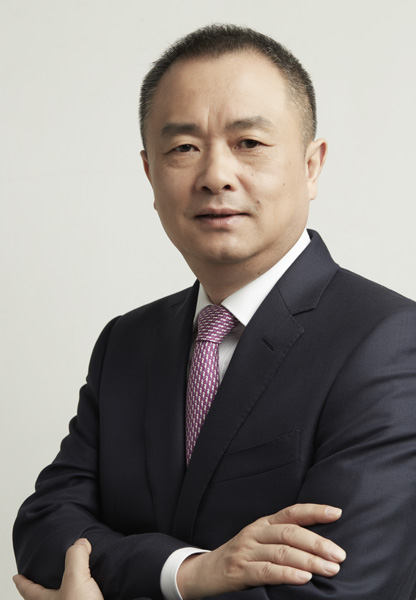
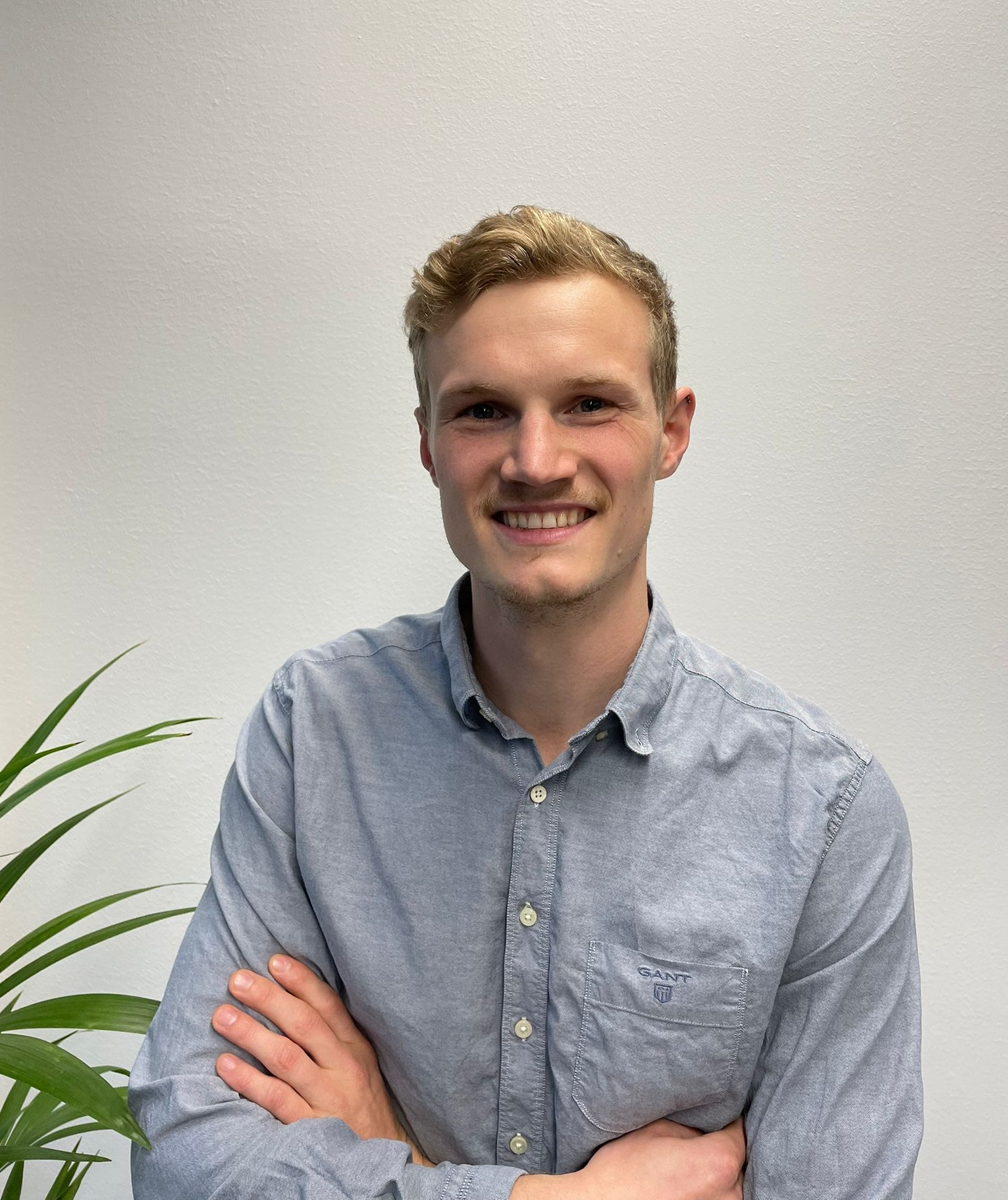
Martin Polaschek is an Associate Professor at the Faculty of Computer Science, affiliated with the Research Group Workflow Systems and Technology. His research focuses on enterprise architecture, service-oriented architecture, and requirements analysis, with additional expertise in social networking, mobile applications, and collaboration systems. Publications from 2011–2012 highlight his work in Service-Oriented Architecture (SOA) for telecommunications applications and conceptual frameworks for Enterprise 2.0 collaboration platforms. His research integrates social enterprise principles with technical infrastructure. His activities include a 2003 talk on stochastic branch and bound methods for workflow optimization, underscoring his long-term engagement with workflow systems.
Ulrich Meyer is a University Professor and Head of the Department of Sociology with a focus on Innovation and Digitalization (SID) at the Institute of Sociology, Johannes Kepler University Linz. He also serves as the Institute Director and holds an office in the Kepler Building. Previously, he held an Acting Professorship in "Sociology of Digital Work" at Ruhr University Bochum (2018-2019) and led the Post-Doc Lab Reorganizing Industries at the Munich Center for Technology in Society, Technical University of Munich (2015-2019). Professor Meyer earned his doctorate with the dissertation titled "Innovation Paths" in Sociology and studied sociology, computer science and economics at the Technical University of Berlin. His academic journey includes post-doctoral positions at TU Berlin and research associate roles at both TU Berlin and the Social Science Research Center Berlin (WZB). His research focuses on the intersection of digital transformation and social structures, particularly examining how digitalization reshapes work, organizations, and societal institutions. Meyer investigates the complex dynamics of innovation processes, organizational change in the digital age, and the socio-technical aspects of Industry 4.0. His work often employs field-theoretical perspectives to analyze how new technologies are integrated into existing social frameworks and how they potentially transform them. He has made significant contributions to understanding the everyday practices of digitalization projects and the social negotiation of technological futures. Professor Meyer's recent publications demonstrate consistent scholarly output with a clear trajectory focusing on digital work, organizational recombination, and the social dimensions of technological innovation. His work shows increasing attention to practical implications of digital transformation in workplaces and how these changes affect labor relations and organizational structures. As an active researcher, Meyer leads multiple funded projects including MENOKI (focusing on AI and work transformation in Upper Austrian companies), sustainable mobility for children and youth, and the Dyslexia Lab. He maintains an extensive network of academic collaborations across European institutions and regularly participates in scholarly conferences where he presents research findings and chairs sessions on innovation and digitalization topics. Professor Meyer is involved in several research networks and initiatives, including the SOZNET research network and the HBS research project "Who does good work?" His work on the LIFT_C research project examines "The transformative power of cooperation towards sustainable work in automotive production and digital platform services [COOPOWER]." He also leads the Working Group on Social Partnership, demonstrating his commitment to bridging academic research with practical social applications.
Mei Hong is a Professor and Vice President for HR and International Collaboration at Beijing Institute of Technology. Previously held roles include Professor and Vice President at Shanghai Jiao Tong University (2013-2016), Director of key national research centers at Peking University, and leadership positions in software engineering education and research. Holds dual academic leadership and technical expertise in software engineering. Education: BSc/MSc (Nanjing University of Aeronautics & Astronautics, 1984/1987); PhD (Shanghai Jiao Tong University, 1992). Research focuses on software architecture, cloud computing systems, component-based engineering, and software testing. Has pioneered the 'Internetware' paradigm and contributed to national standards for software development. Publications span software engineering methodologies and tools, with recent work emphasizing mobile computing optimization and automated testing techniques. Over 20 awards including IEEE Fellow (2014), Member of Chinese Academy of Sciences (2011), and multiple best paper awards. Advisory roles include Alibaba DAMO Academy's Academic Board, China's National Key R&D Program, and leadership in 863 High-Tech Program committees. PI of 40+ grants totaling over 200 million CNY. Editorial leadership includes SCIENCE CHINA-Information Sciences (Editor-in-Chief since 2018), ACM Computing Surveys, and top-tier journals/conferences. Active in conference organization (General Chair for ICSME 2017, SPLC 2016).
Ass.-Prof. Dr. Sashko Ristov is an Assistant Professor at the Department of Computer Science, University of Innsbruck. His research focuses on serverless computing, distributed systems, and workflow orchestration, with applications in cloud computing, healthcare informatics, and high-performance computing. He leads research on federated serverless infrastructures, resilient function choreographies, and digital twins in construction engineering. His work addresses challenges in cross-cloud resource management, workflow scheduling, and anomaly detection in microservices. Recent contributions include frameworks like StoreLess for federated storage orchestration and CODE for cross-platform serverless deployment. Research trends in his publications emphasize bi-objective optimization for batch workflows, GPU-accelerated document processing, and disaster-resilient cloud systems. He actively participates in workflows community summits to advance scientific workflow standards and interoperability. Dr. Ristov has collaborated on projects like the Montage workflow analysis and ECG monitoring systems using serverless architectures. His work bridges theoretical computing models with practical implementations in healthcare and civil engineering domains.
Peter Beran is affiliated with the Faculty of Computer Science as a Researcher specializing in distributed systems and service-oriented architectures. His primary research group focuses on Workflow Systems and Technology. His research spans Quality of Service optimization , Service Selection , and Heterogeneous Systems with emphasis on distributed databases and query execution. Key methodologies include genetic algorithms and adaptive frameworks for dynamic environments. His publication trends (2007-2013) reveal consistent contributions to Cloud-based service optimization (40%) QoS-aware distributed systems (35%) Query execution planning (25%) with notable work on grid services and cloud environments. Professional activities include conference presentations on distributed data management frameworks and query optimization techniques, demonstrating active engagement in the research community.
Chris Oostenbrink is a University Professor at the Institute of Molecular Modeling and Simulation , University of Natural Resources and Life Sciences, Vienna. He has held this position since 2009, following prior roles as a University Lecturer at VU University Amsterdam (2004-2009). His academic journey includes a Dr. Nat.Sci. in Physical Chemistry from ETH Zurich (2000-2004) and MSc degrees in Chemistry and Pharmaceutical Sciences from VU University Amsterdam. Key Research Areas : Molecular dynamics simulations, free energy calculations, biomolecular modeling, soil organic matter interactions, protein-ligand binding, quantum-classical hybrid methods (QM/MM), computational drug design. Notable Contributions : Development of enhanced sampling techniques for free-energy calculations, structural refinement methods combining experimental data with simulations, and mechanistic studies of enzymes like cytochromes P450 and lytic polysaccharide monooxygenases. His scientific output spans computational biology, soil science, and pharmaceutical applications. Recent work focuses on polarizable QM/MM simulations with machine learning, free-energy methods in drug design, and molecular modeling of soil systems. He has presented extensively at international conferences, including keynote addresses at the Virapid Workshop 2024 and the Free Energy Methods in Drug Design Workshop. His scientific services include editorial roles (e.g., Associate Editor for Living Journal of Computational Molecular Science ) and peer-review activities for over 20 journals.
Ulrich Bodenhofer serves as a full-time Professor for Artificial Intelligence at Upper Austria University of Applied Sciences (Hagenberg campus) since September 2020, while maintaining a part-time role as Chief Artificial Intelligence Officer at QUOMATIC.AI since June 2018. His institutional affiliations include Research Center Hagenberg AIST and multiple Centers of Excellence: Automotive/Mobility, Medical Technology/TIMed, Smart Production, Computed Tomography, and Digital Transformation within the Strength area of ICT - Information & Communication Technology. His academic credentials include a Habilitation (2003), Dr. techn. (1998), and Dipl.-Ing. (1996), all in Technical Mathematics from Johannes Kepler University Linz. His research focuses on applying fuzzy logic systems to practical problems across healthcare, industry, and finance. Key areas include: Machine Learning & Artificial Intelligence in Sales Analytics Healthcare and Bioinformatics applications Nondestructive Testing methodologies Financial Condition Monitoring systems His publication record shows consistent output since 1996 with 74 publications, demonstrating evolving expertise from foundational fuzzy logic research to current AI applications in medical imaging and industrial processes. Recent work emphasizes human-centered AI approaches, explainable systems, and practical implementations addressing real-world challenges in critical infrastructure and healthcare diagnostics. Bodenhofer actively leads and participates in significant research projects including HCAI (2022-2027), FLARE (2025-2027), and iReduce (2025-2026), securing funding from diverse sources including FWF - doc.funds.connect and KIRAS cooperative research programs. His collaborative approach spans multiple disciplines and institutions, reflecting the interdisciplinary nature of modern AI research. His professional activities include 54 scientific engagements through 2025, featuring numerous invited lectures on AI applications across finance, healthcare, and industrial contexts. He has supervised 9 academic works according to institutional records, mentoring the next generation of AI practitioners through hands-on research projects focused on practical implementation challenges.
Univ.-Prof. Dr. Tara Andrews is Professor of Digital Humanities and Deputy Head of the Department of History at the University of Vienna's Faculty of Historical and Cultural Studies. Her office is located at Universitätsring 1, 1010 Wien (Room O1.94), and she holds regular office hours on Mondays during term time. Education includes: D.Phil. in Oriental Studies from University of Oxford (2009) M.Phil. in Byzantine Studies from University of Oxford (2005) B.Sc. in Humanities and Engineering from MIT (1999) Research focuses on computational approaches to historical scholarship, particularly: Digital editing of medieval texts and chronicles Linked open data applications for historical research Computational analysis of manuscript traditions Event-based modeling of historical information She leads major projects including the ERC-funded RELEVEN (2021-2026) and participates in Horizon 2020's REWIRE initiative. Awards and fellowships: European Association for Digital Humanities Small Project Award (2013) Leventis Prosopography Studentship (2008-2009) Mary Blaschko Graduate Scholarship (2006-2008) Professional service includes committee roles for DH conferences, SWITCH Cloud Programme, and COST Actions. Teaches courses including Introduction to Digital Humanities and Master's Thesis Seminars.
Guruswami (Ravi) Ravichandran is the Otis Booth Leadership Chair of the Division of Engineering and Applied Science (EAS) and John E. Goode, Jr. Professor of Aerospace and Mechanical Engineering at the California Institute of Technology. He has held this professorship since 2005 and served as Director of Graduate Aerospace Labs at Caltech from 2009-2015. His academic journey began at the University of California, San Diego as an Assistant Professor (1987-1990) before returning to Caltech where he progressed from Assistant Professor (1990-1995) to Associate Professor (1995-1999) to full Professor (1999-2005) to his current named professorship. His educational background includes: B.E. (Honors) in Mechanical Engineering from the University of Madras (1981) Sc.M. in Engineering and Applied Mathematics from Brown University (1983) Sc.M. in Engineering and Applied Mathematics from Brown University (1984) Ph.D. in Solid Mechanics and Structures with minors in Materials Science and Applied Mathematics from Brown University (1986) Ravichandran is internationally recognized for his contributions to mechanics of materials. His research spans a broad range of topics with particular emphasis on dynamic deformation, damage and failure mechanisms, micro/nano mechanics, wave propagation phenomena, composite materials behavior, active materials properties, cell mechanics, and innovative experimental methods. His work bridges fundamental mechanics with practical applications in aerospace, materials science, and mechanical engineering. The interdisciplinary nature of his research connects solid mechanics with biology (cell mechanics), materials science (composites, microstructures), and advanced experimental techniques. His publication record includes 162 journal papers, 5 book chapters, 7 edited volumes, and 8 patents, with citation metrics showing Google Scholar: 8,990 citations (h=52), Scopus: 6,447 citations (h=44), and Web of Science: 6,329 citations (h=42). His recent work shows continued focus on experimental mechanics techniques, cell-matrix interactions, materials characterization, and innovative measurement methods. His scientific achievements have been recognized with numerous prestigious awards: Member of US National Academy of Engineering (2015) Warner T. Koiter Medal from ASME (2014) William M. Murray Lecture and Medal from SEM (2014) A.C. Eringen Medal from SES (2013) Foreign Member of European Academy of Sciences and Arts (2012) Foreign Member of International Academy of Engineering (2012) Fellow of American Academy of Mechanics (2012) Chevalier de l'ordre des Palmes Academiques from Republic of France (2011) Fellow of Society for Experimental Mechanics (2010) Andrew Heiskell Award for Innovation in International Education (2010) Charles Russ Richards Memorial Award from Pi Tau Sigma and ASME (2008) B. J. Lazan Award from SEM (2005) Doctor honoris causa from Paul Verlaine University (2006) Fellow of American Society of Mechanical Engineers (2000) Ravichandran has demonstrated exceptional leadership in academic service and education. As the 6th Director of the Graduate Aerospace Laboratories at Caltech (GALCIT) from 2009-2015, he chaired the Aerospace Historical Society which annually awards the International von Karman Wings Award. He has served as Option Representative for both graduate Aerospace and undergraduate Mechanical Engineering programs. He played a key role in developing the dual Masters degree program in mechanics between Ecole Polytechnique and Caltech, which received the 2010 Andrew Heiskell Award. He has mentored more than 75 graduate students, postdoctoral scholars and visiting researchers who now hold prominent positions worldwide in academia, government, and industry. As a past President of the Society for Experimental Mechanics, he has significantly shaped the direction of this important professional organization. His research group at Caltech operates within the Graduate Aerospace Laboratories (GALCIT), a world-renowned center for aerospace and mechanical engineering research. He has held distinguished visiting scholar appointments including CNRS Senior Scientist at Ecole Polytechnique, Chair in International Cooperation at Tokyo Institute of Technology, and Aditya Birla Chair at the Indian Institute of Science, reflecting his global impact and collaborative approach to research.
Xavier Franch is a Full Professor at Universitat Politècnica de Catalunya (UPC), leading the GESSI research group. His expertise spans Requirements Engineering, Software Quality, Agile Development, and Software Engineering for AI-based Systems, with significant contributions to empirical software engineering and conceptual modeling. Coordinated EU projects Q-Rapids (H2020) and RISCOSS (FP7) Scientific director of SUPERSEDE (H2020) Principal investigator of 9 Spanish research programs Secured >€3.6 million in research funding Mentored 13 PhD students with highest qualifications His work focuses on software evolution, systems modeling, and AI-integrated engineering practices. Publications include ~400 peer-reviewed works with 7,900+ citations (H-index 47). He actively contributes to editorial boards of IST, REJ, and Computing journals, while holding leadership roles in major conferences like CAiSE, IEEE RE, and PROFES.
Boris Sedlak is a PostDoc Researcher and Ph.D. student in the Distributed Systems Group (DSG) at TU Wien, Austria. His research focuses on ensuring runtime requirements in large-scale computing systems through causal inference and active inference concepts, with applications in edge computing, vehicular networks, and distributed systems governance. Education: Ph.D. in Computer Science (Ongoing) at TU Wien, funded by the TEADAL EU Horizon project. M.Sc. in Software Engineering & Internet Computing (Distinction) at TU Wien (2018–2022). B.Sc. in Media Informatics at FH St. Pölten, Austria (2015–2018). Research Interests: Boris specializes in distributed computing continuum systems, active inference for system equilibrium, causal inference in distributed environments, edge computing elasticity, and privacy-preserving data stream processing. He explores applying neuroscience-inspired concepts to computing systems for adaptive and self-organizing solutions. Key Projects: TEADAL (2022–2025): Focuses on federated and trustworthy data lakes in distributed systems. INTEND (2024–2026): Investigates intelligent service adaptations through active inference. AloTwin (2023–2025) and FogProtect (2020–2022): Address edge computing security and data governance. Recent Contributions: Boris has published extensively on adaptive stream processing, SLO-aware task offloading in vehicular platoons, and equilibrium models using active inference. His work bridges causal reasoning and system design, emphasizing scalable solutions for heterogeneous edge infrastructures. Advisory & Collaboration: Supervises bachelor/master theses and actively collaborates on topics involving service-level objectives, causal models, and edge intelligence. He has presented at ICSOC, IEEE Edge Computing, and AIoTwin Summer School.
Franz Wotawa is an Associate Professor at the Institute of Information Systems Engineering, Faculty of Informatics, TU Wien. His primary research areas include model-based and qualitative reasoning, software engineering, configuration, verification and validation, intelligent agents, and theorem proving. He is affiliated with the Databases and Artificial Intelligence research group (E192-02) and can be contacted at franz.wotawa@tuwien.ac.at. Wotawa's research spans model-based reasoning for diagnosis and testing in service-oriented architectures, software verification techniques, and intelligent agent applications. His work bridges theoretical theorem proving with practical SOA validation challenges, emphasizing configuration management and qualitative analysis methods within distributed systems. His 2013 publications reveal a strong focus on risk-aware SOA testing methodologies, integrating criticality metrics with business impact analysis to optimize testing frameworks. These works demonstrate consistent exploration of grey-box testing approaches and reliability assessment in complex service compositions. Wotawa has supervised the following Master's theses: Hybrid approach for model-based random testing (J. P. Wallner, 2010) Model transformation from UML state machines to input/output symbolic transition systems (C. Thurnher, 2008) Entwurf und Implementierung eines wertebasierten Diagnose-Modells für VHDL-Programme (F. Bruckner, 2003) Constraint satisfaction problems: hybrid decomposition and evaluation (M. Hutle, 2002) Framework für generische Suche in einem komplexen Objektmodell am Beispiel von See Your Client (B. Schmidt, 2002) System analysis and monitoring (H.-P. Petek, 2001) He has led significant research projects: D-Flat (2013-2017): Dynamic programming via tree decompositions START (2014-2022): Argumentation semantics analysis Audit 4 SOAs (2011-2014): Criticality-based SOA testing INDENICA (2010-2013): SOA testing frameworks
Schahram Dustdar is a Full Professor and Head of the Distributed Systems Research Unit at TU Wien's Faculty of Informatics. His research focuses on Cloud Computing, IoT, Edge Computing, and Federated Learning. He leads projects funded by the European Commission and industry partners, including the TEADAL and INTEND initiatives. Dustdar has over 300 publications and actively contributes to conferences like IEEE Services and ACM SenSys. His work emphasizes distributed intelligence, active inference, and secure edge systems. He teaches courses on distributed systems and advanced internet computing. Notable contributions include frameworks like QEdgeProxy and PolarisProfiler for optimizing edge-cloud resource management.
Dorian Achim Prill is a Researcher at the School of Information Technology and Systems Management, Salzburg University of Applied Sciences, specializing in digitization and digital transformation within Industry 4.0 contexts. He serves as Deputy Project Manager for DIH-West-Neu (2024-2028) and contributes to multiple funded research initiatives including Retailization 4.0 and RetailLab4.0, focusing on practical implementations of digital technologies in production and retail environments. His research integrates Machine Learning and Data Science with industrial maintenance systems, developing intelligent frameworks for predictive maintenance scheduling and service choreography. Key interests include Publish-subscribe architectures, Learning Systems for production optimization, and Planning Frameworks that bridge theoretical models with real-world manufacturing applications. His work emphasizes data-driven process monitoring and cloud-based intelligence for industrial IoT ecosystems. Recent publications demonstrate a clear trajectory toward applied machine learning in maintenance engineering, with increasing focus on smart factory implementations and service-oriented architectures. The research consistently connects broad computer science principles with specific industrial subfields like friction coefficient measurement for vehicle safety and retail digitalization. Prill actively participates in externally funded projects totaling 11 initiatives since 2017, securing grants for Digital Innovation Hubs and living labs. His collaborative approach involves interdisciplinary teams across academia and industry, particularly evident in RetailLab4.0's living lab environment and FriCamMod's vehicle safety research. He has shared expertise through invited lectures on data-driven maintenance planning and marine maintenance intelligence. He operates within dynamic project teams including RetailLab4.0's retail digitalization consortium and FriCamMod's vehicle safety collaboration, working closely with principal investigators like S. Kranzer and R. Zniva. Current projects emphasize scalable digital transformation frameworks for both manufacturing and retail sectors through the DIH-West-Neu initiative.