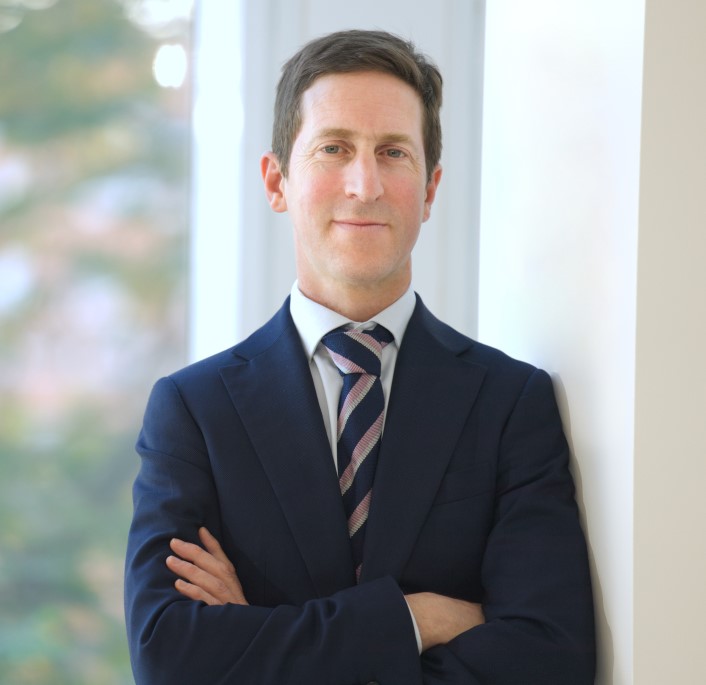
Neil Shah is a Lead Research Scientist at Snap Inc., leading initiatives in user modeling, personalization, and trust and safety across Snapchat. His research focuses on advancing machine learning algorithms for large-scale structured data, including graph and sequential representations, with applications to recommendation systems and social platform security. PhD in Computer Science, Carnegie Mellon University (2017), advised by Christos Faloutsos B.S. in Computer Science, North Carolina State University Current research interests span: Graph Neural Networks (GNNs) for real-time inference and scalable training Cross-domain recommendation systems and generative modeling Test-time augmentation and hyperbolic geometry in representation learning Explainability methods for GNNs and fairness-aware outlier detection Recent publications highlight productionized GNN frameworks (GiGL), multimodal graph benchmarks, and novel approaches to link prediction and collaborative filtering. His work has appeared at top venues like KDD, ICLR, NeurIPS, and WWW. Scientific recognition includes: Outstanding Service Award at WSDM 2022 Best Paper Honorable Mention at CHI 2019
Dr. Angela M. Locks is a Professor and Department Chair in Educational Leadership at California State University, Long Beach (CSULB), within the College of Education. She also serves as the Executive Director of the Center for Evaluation & Educational Effectiveness. Her career spans nearly three decades in higher education, with 16 years at CSULB, where she has held leadership roles in diversity, equity, and inclusion, including Executive Director for Diversity, Equity, and Inclusion in Academic Affairs (2020–2024), and founding roles in undergraduate research programs. Education: Ph.D. in Higher Education (Diversity & Governance), University of Michigan, Ann Arbor M.A. in Education, University of Michigan, Ann Arbor B.A. in Psychology, University of Michigan, Ann Arbor Her research centers on diversity, equity, and inclusion in higher education , with a focus on college access, retention, campus climate, and the experiences of racially and ethnically underrepresented students. She examines how institutional policies and practices affect student outcomes, particularly through intergroup dialogue, high-impact practices, and diversity programming. Her work emphasizes the holistic development of students and the role of equity-mindedness in educational leadership. The recent publications and edited volumes highlight a sustained focus on debunking deficit narratives (e.g., 'grit'), supporting Students of Color, and understanding the structural barriers faced by Latina/o, African American, and first-generation students. Her research bridges theory and practice, often involving longitudinal and qualitative studies that inform institutional strategies for inclusion and retention. Scientific Awards: 2021 Wang Family Excellence Award Outstanding Faculty Service Nominee, CSULB 2014 Outstanding Faculty Mentor for Student Engagement in Research, CSULB Academic Affairs 2014 Most Valuable Professor, College of Education, CSULB Alumni Association Dr. Locks has supervised 18 doctoral dissertations and 23 master’s theses, demonstrating a strong commitment to mentoring the next generation of scholars. She led the Mellon Mays Undergraduate Fellowship Program (2017–2024) and founded the Undergraduate Research Opportunity Program, securing external funding and institutional support for student research. Her leadership extends to national initiatives, including serving as principal investigator for the Truth, Racial, Healing, and Transformation (TRHT) Campus Center with AAC&U. She is actively involved in research centers and programs at CSULB, including the Center for Evaluation & Educational Effectiveness and the Office of Undergraduate Research Services. Her work continues to shape institutional practices around diversity, equity, and student success through research, policy engagement, and community collaboration.
Hens Runhaar is Professor of Policy and Governance for Sustainable Food Systems at Utrecht University's Copernicus Institute of Sustainable Development. He holds positions as Chair of the Examination Committee for Sustainable Development and is a member of the Core Team of Future Food Utrecht. Additionally, he serves on the Editorial Board of Earth System Governance Journal and as Associate Editor of Frontiers in Sustainable Food Systems journal. His research focuses on sustainable food systems, policy and governance for biodiversity conservation, and nature-inclusive agriculture. Runhaar's research interests center on understanding the connectivity issues in Western food systems that lead to sustainability challenges including biodiversity loss, climate change, and food-related diseases. He investigates the decoupling of food production from environmental conditions, disconnects between feed production and livestock farming, and the separation between food production and consumption areas. His work emphasizes biodiversity as a key indicator of sustainable food systems, with special interest in scaling up agroecology, regenerative agriculture, and nature-inclusive agriculture. He delivered his inaugural lecture on January 17, 2025, titled 'Governing towards sustainable food systems: new connections for more diversity'. His recent publications demonstrate a strong focus on biodiversity policy integration, nature-based solutions, and transformative food system changes. Runhaar has been instrumental in special issues on biodiversity governance and environmental policy integration. His research projects include COMBINED (2025-2031), REWIRE, DivGrass, and work on the Water Framework Directive after 2027. Editorial Board Member of Earth System Governance Journal Associate editor of Frontiers in Sustainable Food Systems journal Member of the Scientific Advisory Committee of Dutch Bird Protection Association Senior Research Fellow of Earth System Governance research network Fellow of Wageningen School of Social Sciences Runhaar actively supervises numerous PhD students and postdoctoral researchers, with a focus on sustainable food systems, biodiversity conservation, and nature-inclusive agriculture. He has contributed significantly to societal debates through media appearances in NRC, De Volkskrant, and EenVandaag, addressing topics like nitrogen policy, nature restoration, and the role of farmers in sustainability transitions. Beyond academia, he volunteers with the Badger Working Group Utrecht and 't Gooi Foundation, monitoring badgers since 2012 and contributing to nature conservation efforts.
Professor Peter Watkinson serves as Professor of Intensive Care Medicine at the University of Oxford and is an NHS consultant in intensive care at the Oxford University Hospitals NHS Foundation Trust. He leads the Critical Care Research Group based at the Kadoorie Centre for Critical Care Research & Education at the John Radcliffe Hospital, Oxford. His work bridges clinical practice with academic research in the field of critical care medicine through the Nuffield Department of Clinical Neurosciences. Professor Watkinson's research primarily focuses on the identification of deteriorating patients in hospital settings. His work encompasses: Design and implementation of studies on wearable monitoring devices Exploration of non-contact monitoring technologies Analysis of standard electronically-recorded patient descriptors Pattern recognition in vital signs data to predict clinical deterioration Development of electronic monitoring systems Application of human factors techniques for technology integration in healthcare Assessment of long-term effects of critical illnesses on patient quality of life The Critical Care Research Group maintains a strong collaborative link with the University of Oxford Institute of Biomedical Engineering. Using data collected from thousands of patients' vital signs both in Oxford and elsewhere, the multi-disciplinary team investigates patterns that precede and predict clinical deterioration in hospitalized patients. Recent publications indicate a strong focus on early warning scores, patient monitoring technologies, and the application of machine learning approaches to critical care data. Professor Watkinson's research output demonstrates consistent productivity with numerous 2024-2025 publications spanning systematic reviews of early warning systems, development of novel monitoring technologies, and analytical approaches to predicting patient deterioration. His work frequently employs rigorous methodology including systematic reviews, meta-analyses, and innovative study designs to address critical questions in intensive care medicine. As leader of the Critical Care Research Group, Professor Watkinson oversees a multi-disciplinary team investigating vital sign patterns and developing predictive algorithms that have direct clinical applications. The group's research has significant implications for improving patient safety through earlier recognition of clinical deterioration and more effective resource allocation in hospital settings.
Terese Johannessen serves as an Associate Professor in the Department of Health and Nursing Sciences at the University of Agder (UiA), Norway. Her academic work focuses on quality improvement, leadership development, and implementation science within healthcare settings, particularly in nursing homes and home care services. Dr. Johannessen's research primarily centers on understanding quality and safety in long-term care environments. Her work investigates contextual factors influencing healthcare quality, leadership interventions for improvement, and the conceptualization of 'quality' among healthcare providers. She employs qualitative methodologies to explore managers' experiences, implementation challenges, and the development of practical tools for frontline staff. Her research has significant implications for improving care delivery in nursing homes and home care services through evidence-based leadership approaches. Analysis of Dr. Johannessen's publication record reveals a strong thematic focus on the SAFE-LEAD project, a comprehensive research initiative examining leadership interventions for quality and safety in nursing homes and home care. Her work spans multiple dimensions including intervention design, implementation challenges, contextual mapping, and evaluation of leadership approaches across different healthcare settings. The research demonstrates a methodological preference for qualitative and mixed-methods approaches to capture the complex realities of healthcare improvement work. Dr. Johannessen collaborates extensively with researchers including Siri Wiig, Eline Ree, and Ingunn Aase, primarily through the SHARE Centre for Resilience in Healthcare at the University of Stavanger. Her work bridges academic research and practical application in healthcare settings, with significant contributions to understanding how quality improvement efforts can be effectively implemented in real-world contexts. Her research portfolio demonstrates consistent productivity with multiple publications annually, showing progression from foundational studies on contextual factors to the development and testing of specific leadership interventions. The SAFE-LEAD project represents a cohesive research program addressing critical challenges in long-term care quality and safety through systematic investigation and practical tool development.
Aideen Quilty is Associate Professor of Gender Studies and Social Justice at University College Dublin (UCD), where she also serves as Head of School for the School of Social Policy, Social Work and Social Justice and as Associate Dean of Social Sciences. With academic responsibility for all social science undergraduate degrees and programs at UCD, she plays a significant leadership role in one of the university's largest academic units. Her educational background includes a BEd, M Equality Studies, and PhD from Maynooth University, along with a Diploma in Public Relations from the Public Relations Institute of Ireland. Her academic journey reflects a deep commitment to social justice, equality, and community engagement. Professor Quilty's research is profoundly interdisciplinary, weaving together gender studies, queer theory, human geography, and adult education. Her work centers on two major strands: LGBTQI+ experiences in higher education and society, and widening participation in higher education through spatial theory and critical pedagogies. She approaches her scholarship as a form of critical civic practice, seeking to challenge normative structures and promote social change through education. Her research consistently addresses issues of intersectionality, particularly how gender, sexuality, and spatial positioning affect educational access and outcomes. Her publication record demonstrates a consistent focus on LGBTQI+ issues, particularly youth homelessness and educational inclusion. The most recent articles show an increasing emphasis on spatial justice and the intersections of gender, sexuality, and place. Her work consistently applies queer and feminist theoretical frameworks to practical educational and social contexts, with a strong focus on Irish society while maintaining a European perspective through transnational collaborations. Professor Quilty has received numerous prestigious awards recognizing her excellence in teaching and commitment to student learning: University teaching excellence award (2022) Research Fellowship in teaching and learning from UCD (2019-2021) University Award for Outstanding Contribution to Student Learning (2017) College Teaching and Learning excellence award (2017) UCD Values in Action (VIA) award for her work on the Active Bystander Programme As an advisor, Professor Quilty supervises PhD students working in LGBQI+ and transgender scholarship and EDI in higher education. Her grant activity includes significant projects such as the first nationally funded qualitative research investigation into LGBTQI+ Youth Homelessness in Ireland (2018-2020) and a transnational ERASMUS+ research project developing an LGBTQI+ Inclusion Index for Higher Education Institutions in Europe (2020-2023), which she leads as Principal Investigator. She was also Co-PI on the EU-funded DAPHNE programme (2013-15) exploring LGBTQ youth empowerment. Professor Quilty co-directs the innovative research centre for Gender, Feminisms and Sexualities (CGFS) and works closely with community outreach partners, particularly the Women's Collective Ireland (WCI), as a trusted 'critical friend.' Her work bridges academic research with practical community engagement, creating meaningful connections between university resources and social justice initiatives. She is currently conducting a cross-university impact evaluation research project on the Bystander Programme (2021-22) and serves on the Royal Irish Academy's interdisciplinary committee of social sciences.
Miriam Stock is Professor of Cultural Studies at the Institute of Humanities at Pädagogische Hochschule Schwäbisch Gmünd, where she also serves as Director of the Cultural Studies Department and Spokesperson for the Master's program 'Interkultur und Integration.' She is a founding member of the Center for Migration and Integration Studies 'Migration – Society – School.' Dr. Stock holds a PhD in Geography from Europa-Universität Viadrina Frankfurt (Oder) and completed her diploma in Geography at Ludwig-Maximilians-Universität München. Her academic journey includes research fellowships, organizational roles in international projects, and advisory work with refugee communities. Her research focuses on migration geographies, cultural theories, postcolonial approaches, urban development from post-migrant perspectives, and qualitative research methodologies. She examines migration and flight between the Arab region and Europe, urban development and consumption, rural perspectives on migration society, anti-discrimination in schools, critical masculinity and family studies, and theoretical-practical approaches. Dr. Stock's recent publications reveal a strong emphasis on transnational migration experiences, particularly Syrian refugee families, with attention to emotional dimensions, gender dynamics, and educational contexts. Her work frequently bridges theoretical frameworks with practical applications through projects like Erasmus Mundus Joint Master Program 'Education, Migration, and Diversity' (2024-2030). Success Story 2020 award for the Enable project As an advisor, Dr. Stock has supervised PhD candidates like Sara Mazzei (University of Calabria/PH Schwäbisch Gmünd) working on Arab-Islamic education systems in migrant experiences. Her grant portfolio includes significant Erasmus+ projects such as Enable (Self-learning for Arab refugee children) and PARENTable (Communicating with parents of newly migrated children), alongside research funded by the Werner-Zeller Foundation. Dr. Stock leads the Institute for Humanities and directs Cultural Studies department activities, including organizing lecture series on topics like 'Right Established - How the New Right Changes Education and Society,' 'Migration and Body,' and 'Emotions in Migration Society.'
Leid Zejnilovic is an Assistant Professor at Nova School of Business and Economics (Nova SBE), where he co-founded the Data Science Knowledge Center and serves as Academic Director, and co-founded the Open and User Innovation Knowledge Center as Scientific Deputy Director. He also co-founded the Patient Innovation platform, enabling patients and caregivers to share self-made healthcare solutions. With a double PhD from Carnegie Mellon University and Católica-Lisbon School of Business and Economics, his career spans over 20 years of international consulting, academic entrepreneurship, and teaching at institutions like Imperial College Business School and Ludwig Boltzmann Institute. PhD in Strategy, Entrepreneurship and Technological Change (Carnegie Mellon University / Catholic University of Portugal, 2014) Master in Engineering and Public Policy (Carnegie Mellon University, 2012) Master in Information Technology (Dzemal Bijedic University, 2007) Bachelor in Telecommunications (University of Sarajevo, 2002) His research focuses on Technology and Innovation Management, Human-Computer Interaction, and data-driven solutions across healthcare, tourism, and education. He has published extensively in journals like California Management Review , PLoS ONE , and Marine Policy , with recent work analyzing big data in tourism, machine learning for oral health, and pandemic impacts on fisheries. As an Associate Editor for Data & Policy Journal , his contributions bridge academic research and real-world applications. Co-founding the Data Science for Social Good Foundation and leading over 100 talks in industry and academia, Zejnilovic's career emphasizes translating innovation into social and economic impact through platforms, policy, and education.
Gavin Schwarz is a Professor and Head of School at the School of Management and Governance within the UNSW Business School . He specializes in organizational change , organizational failure and inertia , and the dynamics of virtual teams , with a focus on how organizations fail during change processes and how to develop applied strategies for change management . His work spans diverse sectors including healthcare, technology, and education, with publications in leading journals such as Academy of Management Learning and Education and Administrative Science Quarterly . Education : PhD in Management (University of Queensland), MPhil (Hons) in Management (University of Auckland), BA in Management and English (University of Auckland). Grants : 2020 Brock University grant for "University communication in times of COVID-19" , 2020 UNSW Medicine grant for "Translation and change: Embedding effective change management in health" , and earlier Australian Research Council and Gordon J. Samuels Fellowship awards. His research explores the development of knowledge in organizational theories , with an emphasis on collective responses to change , HR management during crises , and technology strategy . He has contributed to understanding organizational communication , team innovation , and structural inertia . His 15 most recent publications cover topics from AI’s role in organizational change to pandemic-driven research adaptation, with keywords spanning management science , behavioral economics , and digital transformation . Scientific Awards 2021-2023 : Outstanding Reviewer Awards (Academy of Management Review) 2017-2020 : Best Reviewer Awards (Journal of Organizational Behavior) 2019, 2013, 2011 : Best Paper Finalist/Awardee (Academy of Management divisions) 2007, 2006 : Editorial Board Excellence (Academy of Management Journal) and Gordon J. Samuels Fellowship As an active supervisor in organizational change and HR development , his work supports healthcare innovation and digital transformation. He serves as Editor-in-Chief for the Journal of Applied Behavioral Science and is on the editorial boards of Academy of Management Review , Journal of Management , and Journal of Organizational Behavior . Contact: g.schwarz@unsw.edu.au
Simon Crouch is a Senior Research Fellow in Biostatistics at the University of York's Health Sciences department. With a strong mathematical background from Cambridge and Warwick, he leads the analytics team within the Epidemiology and Cancer Statistics Group and works closely with the Haematological Malignancy Research Network (HMRN) and Cardiovascular Health team. His work focuses on statistical modeling of complex epidemiological data related to hematological malignancies. University of Cambridge: MA, MMath in Mathematics University of Warwick: PhD in Mathematics University of Lancaster: MSc in Medical Statistics Dr. Crouch specializes in the statistical modeling of complex epidemiological data, with particular focus on hematological malignancies. His research encompasses predictive modeling, event history analysis, and machine learning applications in cancer epidemiology. He has made significant contributions to understanding myelodysplastic syndromes, lymphoma classification, and survival analysis in blood cancers through population-based studies. His work often involves collaboration with international registries including the European Myelodysplastic Syndromes Registry (EUMDS) and the Haematological Malignancy Research Network. Analysis of his recent publications reveals a strong focus on myelodysplastic syndromes (MDS), with particular attention to risk stratification, survival analysis, and treatment outcomes. His work increasingly incorporates genomic and molecular data to refine disease classification and prediction models. The trend shows progression from purely statistical methodology development toward integrated translational research that combines clinical, genomic, and epidemiological data to improve patient outcomes. Extensive publication record with 113 research outputs including 66 articles, 21 patents, and numerous meeting abstracts Active participation in major international research consortia including MDS-RIGHT and ImmunAID Significant contributions to the development of statistical methodologies for cancer epidemiology Dr. Crouch actively supervises PhD students in mathematical and statistical modeling applied to cancer epidemiology, with particular interest in time-to-event models, complex longitudinal models, and simulation techniques. His research has been supported through multiple projects, including the European Myelodysplastic Syndromes Registry and the MDS-RIGHT project focused on facilitating informed decision-making in hemato-oncology. He contributes to the Advanced Health and Social Statistics module for postgraduate students at the University of York.
Dr. Erin Ash is an Associate Professor in the Department of Communication at Clemson University , where she also serves as a Faculty Scholar in the Clemson University School of Health Research (CUSHR) and an Embedded Faculty Scholar at the South Carolina Department of Public Health. Ph.D. in Mass Communications, Pennsylvania State University (2013) M.A. in Media Studies, Pennsylvania State University (2010) B.A. in Communication, College of Charleston (2008) Her research focuses on media’s role in shaping public perceptions of social issues , particularly health behaviors and policies. Recent work examines reproductive health attitudes , racial stereotypes in sports media , and narrative persuasion for health policy support . She also explores intersectional representation in gaming and media-induced elevation for intergroup connectedness . Dr. Ash’s recent publications (2024–2025) emphasize social media’s impact on health communication , including teen pregnancy prevention , cross-cultural communication norms , and maternal health disparities . Earlier studies (2023–2015) analyze racialized athlete portrayals , binge drinking prevention , and media framing of public health crises . Award for Excellence in Service, Clemson University (2025) Top Faculty Paper, AEJMC (2011) Doctoral Award for Excellence in Communications, Penn State (2012)
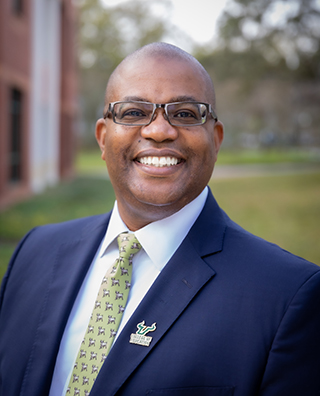
R. Anthony Rolle is a Professor at the University of South Florida’s College of Education, specializing in the Department of Leadership, Policy, and Lifelong Learning. He previously served as Dean of the USF College of Education from 2021 to 2024, and earlier as Dean at the Alan Shawn Feinstein College of Education & Professional Studies at the University of Rhode Island, as well as in leadership roles at the University of Houston and Texas A&M University. Dr. Rolle is a nationally recognized scholar in K-12 education finance and economic policy , known for developing models measuring school system effectiveness and efficiency . His work spans special needs education funding , educational productivity , and policy reform , with a focus on international collaboration and community partnerships. Scientific Awards & Affiliations: President, National Education Finance Academy Distinguished Research Fellow, Shanghai Academy of Education Sciences Research Fellow, National Education Policy Center (Education and Public Interest Center & Education Policy Research Unit) Editorial/Advisory Board Member, multiple national education associations
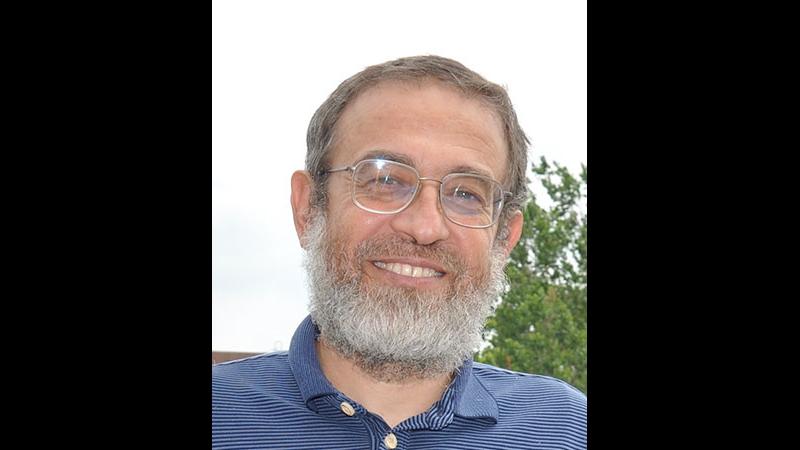
Walid G. Aref is a Professor of Computer Science at Purdue University since Fall 1999. His research focuses on database systems, spatial and spatio-temporal data management, query processing, and indexing. He has led projects funded by NSF, NIH, and industry partners. Aref is a Fellow of the IEEE and has received awards including the NSF CAREER Award (2001) and VLDB’s Ten-Year Best Paper Award (2016). He serves as Editor-in-Chief of ACM Transactions on Spatial Algorithms and Systems and has authored numerous influential papers. Education: BSc/MSc from Alexandria University (Egypt), PhD from University of Maryland (1993). Research Interests: Extending database functionality for emerging applications like spatial, graph, and sensor databases. Notable contributions include the Chameleon project, AQWA system for big spatial data, and privacy-preserving Casper framework. Selected Projects: NSF-funded work on multi-predicate spatial queries, in-memory graph relational systems, and adaptive spatio-textual processing. Systems like Tornado (spatio-textual streams) and LocationSpark (distributed spatial data) exemplify his contributions. Awards: Multiple best paper awards, IEEE Fellow, and leadership roles in ACM SIGSPATIAL.
Charles C. Davis is a Professor of Organismic and Evolutionary Biology at Harvard University and Curator of Vascular Plants in the Harvard University Herbaria. He leads the Davis Lab, focusing on plant diversity through integrative research in systematics, paleobiology, ecology, and molecular biology. His work emphasizes phylogenetic theory, biogeography, and the application of herbarium collections to address global change challenges. Davis is particularly noted for leveraging herbarium specimens to study plant responses to climate change, phenology, and biodiversity patterns. Research interests include plant-insect interactions, genome architecture evolution in parasitic plants, and the ethical use of herbarium specimens. His lab has pioneered high-throughput phylogenomic pipelines (e.g., PhyloHerb) and explored the future of herbaria in the digital age. Collaborations span global institutions, emphasizing digitization, spectral imaging, and AI-driven analysis of biodiversity data. Recent work highlights the impact of anthropogenic change on plant communities, the role of phenology in species survival, and strategies to mitigate collecting biases in herbaria. Davis teaches courses on plant systematics and evolution, and his lab actively participates in public engagement through exhibits like the HMNH’s *In Search of Thoreau’s Flowers*. His research has been featured in *Trends in Ecology & Evolution*, *Molecular Phylogenetics and Evolution*, and *Current Biology*, with a focus on advancing methodologies for biodiversity science while addressing ethical challenges in specimen sampling.
Hua Cai is the Thomas and Jane Schmidt Rising Star Associate Professor at Purdue University's Edwardson School of Industrial Engineering with a joint appointment in Environmental & Ecological Engineering. She holds a PhD in Environmental Engineering & Natural Resources from the University of Michigan, an MS in Environmental Engineering from Penn State, and a BS from Tsinghua University. Her research integrates operations research and production systems to address sustainability challenges, with focus areas including: Environmental implications of emerging technologies Urban sustainability modeling and infrastructure resilience Industrial ecology and complex adaptive systems Sustainable transportation and mobility systems Recent publications demonstrate strong focus on sustainable transportation systems, with extensive analysis of shared mobility patterns (bike/e-scooter systems), autonomous vehicle impacts, and microgrid resilience. Her work consistently applies advanced computational methods including reinforcement learning, agent-based modeling, and spatiotemporal analysis to urban sustainability challenges. Dr. Cai has received recognition including the Thomas and Jane Schmidt Rising Star Professorship for her contributions to sustainable systems engineering. She leads research on renewable energy integration in transportation infrastructure and advises projects on climate-resilient urban systems.