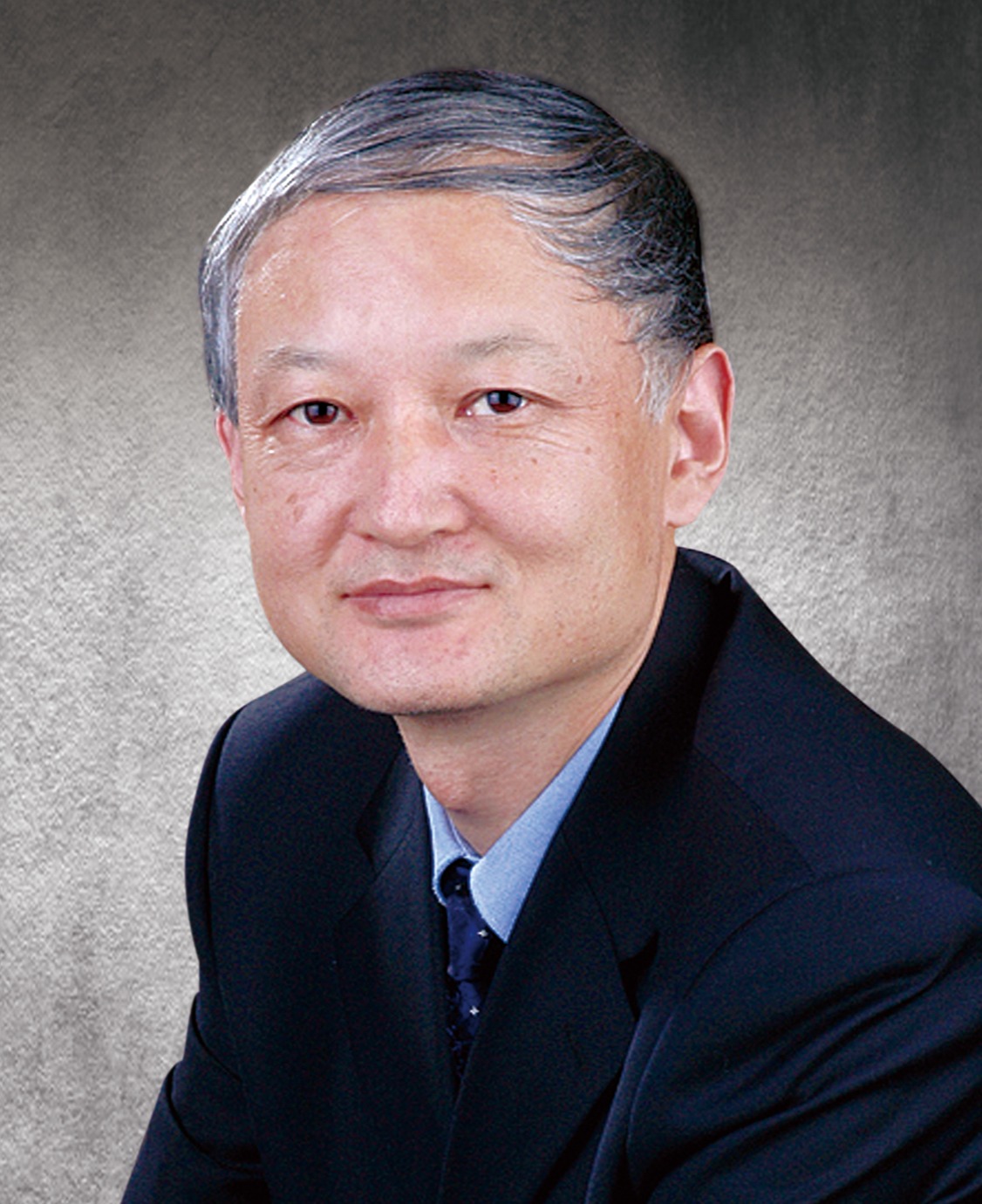
Toomas Hinnosaar is an Associate Professor in Economics at the University of Nottingham, holding a PhD from Northwestern University. He specializes in game theory, mechanism design, and behavioral economics, with a focus on strategic interactions, market structures, and digital public goods. His research explores sequential contests, network pricing, and the impact of online information on real-world outcomes. Key findings include the role of transparency in strategic environments and the economic implications of social media dynamics. His work has been featured in major outlets like the Guardian , BBC Radio , and VoxEU . Scientific recognition includes selection for the Journal of the European Economic Association 's Virtual Issue: Editor's Choice Collection (2019). His methodological contributions span randomized field experiments, auction theory, and dynamic pricing models.
Sasa Zorc is an Assistant Professor in the Data Analytics and Decision Sciences area at the Darden School of Business, University of Virginia. He holds a B.Sc. and M.Sc. from the University of Zagreb, an MBA from Cotrugli Business School Zagreb, and an M.Sc. and Ph.D. in Decision Sciences from INSEAD Singapore. His research focuses on incentives in multi-agent systems , particularly in healthcare and decentralized matching markets. He employs rigorous methodological frameworks including stochastic dynamic games , search theory , mechanism design , and data-driven simulations to analyze complex decision-making environments. Zorc's recent publications address topics like delegated search, exploding offers in matching markets, and antimalarial drug access challenges. His work integrates mathematical modeling with real-world applications to improve policy design and market efficiency. In teaching, he delivers the full-time core course Decision Analysis to first-year students, emphasizing analytical rigor and practical application.
Chen Guoqing is a Professor and Senior Professor of Humanities at Tsinghua University's School of Economics and Management, where he serves as Deputy Director of the Academic Committee. He chairs the National Natural Science Foundation of China's Big Data Major Research Program Guidance Expert Group and directs the Ministry of Education's Higher Education Management Science and Engineering Professional Teaching Guidance Committee, with additional roles on national informatization and New Liberal Arts committees. Education: Bachelor's Degree, Renmin University of China (1982) Master's Degree, University of Leuven, Belgium (1988) Doctorate, University of Leuven, Belgium (1992) Research Focus: Professor Chen pioneers research in Business Intelligence and Big Data Analysis, developing frameworks like PAGE for data-driven decision-making. His work spans E-commerce, IT Strategy, and Fuzzy Logic, with recent emphasis on personalized recommendation systems, online consumer behavior, and AI-human collaboration in business contexts. His publications reveal a trajectory from foundational fuzzy logic research to cutting-edge big data applications, consistently bridging technical innovation with managerial relevance. Awards: AIS Fellow (first from mainland China) IFSA Fellow Fudan Management Outstanding Contribution Award Changjiang Scholar Distinguished Professor National Science Fund for Distinguished Young Scholars National Outstanding Doctoral Dissertation Advisor Leadership: As former Executive Vice Dean of Tsinghua SEM and Vice President of IFSA, he has shaped academic policy globally. He leads major NSFC projects and international collaborations while advising government bodies on informatization strategy. His teaching includes national-level courses like "Management Information Systems" and "Management in the Big Data Era."
Andrew Wait is an Associate Professor at the School of Economics , University of Sydney , with a PhD from Australian National University and a Bachelor of Economics (Honours) from University of Adelaide. His research spans organizational economics, industrial organization, and game theory. Key areas: industrial organization, organizational economics, game theory, contract theory, innovation, and corporate governance. His publications focus on strategic decision-making in firms, market entry dynamics, sequential investment, and delegation models. Recent work explores diversity dynamics, deep learning applications in energy markets, and power structures in teams. Scientific contributions include co-founding the Annual Organizational Economics Workshop and collaborating with Vladimir Smirnov and Kieron Meagher on organizational structures and trust dynamics.
Chethan Kamath is an Assistant Professor in the Department of Computer Science and Engineering at IIT Bombay, where he is a member of the Theory Group and Trust Lab. His primary research focus is on cryptography, particularly its foundations, with broader interests extending to theoretical computer science. His educational journey includes: PhD from IST Austria (2014-2020) under Krzysztof Pietrzak, with thesis titled "On the Average-Case Hardness of Total Search Problems" Master's in CS from IISc Bangalore (2010-2013) under Sanjit Chatterjee, with thesis titled "Constructing Provably Secure Identity-Based Signature Schemes" Bachelor's in CS from University of Kerala (2005-2009) at TKM College of Engineering, Kollam Dr. Kamath's research interests span the theoretical foundations of cryptography, with particular focus on secure computation, complexity theory, and cryptographic hardness assumptions. His work often bridges theoretical computer science with practical cryptographic applications, exploring the boundaries of what can be efficiently computed while maintaining security guarantees. His research frequently addresses fundamental questions about the relationship between cryptographic primitives and complexity classes, especially the PPAD and TFNP complexity classes. His recent publications demonstrate a consistent focus on foundational aspects of cryptography, with particular emphasis on secure computation (garbled circuits, Yao's protocol), proofs systems (proofs of work, proofs of exponentiation), and complexity-theoretic aspects of cryptographic primitives. A notable trend is his exploration of the connections between complexity classes like PPAD and cryptographic assumptions, as well as his work on verifiable delay functions and their underlying number-theoretic assumptions. His research often employs tools from algorithmic graph theory (treewidth, separators) to analyze cryptographic protocols. His notable scientific achievement includes: Azrieli Fellowship during his post-doc at Tel Aviv University Dr. Kamath actively mentors students and researchers, currently advising several PhD and MS students at IIT Bombay, often in collaboration with Sruthi Sekar. His service to the academic community includes extensive program committee memberships for major conferences including Crypto, Eurocrypt, and TCC, demonstrating his standing in the cryptographic research community. He has co-organized educational events like the "Introduction to Cryptography" school as part of the ACM India Summer School 2025 and the "Theoretical Foundations of Cryptography" school as part of the ACM India Summer School 2024. He leads research activities within the Trust Lab at IIT Bombay, which focuses on theoretical and applied aspects of cryptography and security. The lab actively recruits MS/PhD students and post-docs, with ongoing research in foundational cryptography and its applications to secure computation, verifiable delay functions, and complexity-theoretic aspects of cryptographic security.
Голуб Тетяна Василівна serves as an Associate Professor in the Department of Computer Systems and Networks at Zaporizhzhia National Technical University's Faculty of Computer Science and Technologies. With over 12 years of academic experience since joining the university in 2011, she specializes in computer electronics, computer circuitry, signal and image processing, and reliability of computer systems. Dr. Golub's research focuses on text processing algorithms, text classification, and data processing with particular emphasis on hardware acceleration using FPGA technologies. Her work bridges theoretical computer science with practical engineering applications, developing efficient methods for natural language processing tasks through specialized hardware implementations. She has pioneered approaches to optimize text classification speed while maintaining accuracy through innovative vector space modeling and stemming algorithms. Her publication record shows a strong trajectory from foundational work on text classification methods (2019) through hardware acceleration techniques (2020-2021) to current research on AI applications in education and neural network-based classification systems (2023-2025). The research demonstrates consistent focus on improving computational efficiency of text processing systems while expanding into educational technology applications. Dr. Golub maintains active scholarly presence with verified profiles on Scopus (ID: 57189328111), Web of Science (Researcher ID: G-9688-2019), Google Scholar, and ORCID (0000-0001-6024-008X), reflecting her commitment to academic transparency and international scholarly communication. She teaches core computer engineering subjects while conducting research that combines theoretical computer science with practical hardware implementation. Her laboratory work in computer electronics provides students with hands-on experience in circuit design and digital systems. Fluent in English, Ukrainian, and Russian, Dr. Golub operates from room 53b at the university's Zaporizhzhia campus (69063, Ukraine, Zhukovsky Street, 64).
Dr. Su Jung Jee is a Lecturer (equivalent to Assistant Professor) in Operations and Technology Management at Leeds University Business School, University of Leeds, affiliated with the Department of Analytics, Technology and Operations. She holds a concurrent position as Associate Fellow at the Institute for New Economic Thinking (INET), University of Oxford. Previously, she served as Assistant Professor at the University of Sheffield Management School and University of Bradford Management School, with visiting positions at INET Oxford and the Science Policy Research Unit (SPRU), University of Sussex. Her research investigates innovation ecosystems through multiple lenses: Core domains: Intellectual property regimes, technology transfer mechanisms, and AI industrial dynamics Methodological expertise: Patent analytics, bibliometrics, and complex systems modeling Applied contexts: Climate technology diffusion, catch-up strategies in emerging economies, and sustainable system transitions Publication analysis reveals consistent focus on: Longitudinal tracking of technology evolution through patent and citation networks Cross-sectoral innovation patterns between AI, clean tech, and manufacturing Policy frameworks for knowledge sharing in developing economies Awards and fellowships: Overseas Postdoctoral Research Fellow, National Research Foundation of Korea (funded Oxford visit) Postdoctoral Researcher Fellowship, NRF Korea (2021) ESRC InterAct ECR Fellowship (2023-2024) Research leadership includes: Co-Principal Investigator for SSHRC New Frontiers project on gender dynamics in STEM (£146k, 2023-2025) Principal Investigator for ESRC project on AI-driven material innovation Consultancy leadership for GIZ on climate technology IP frameworks (2022-2023) Educational background comprises a PhD and BS in Industrial Engineering from Yonsei University, South Korea, specializing in Technology Management and Analytics. She holds Fellowship of the Higher Education Academy (FHEA) status.
Dr. Raghu Nandan Sengupta is a Professor at the Department of Management Sciences, Indian Institute of Technology Kanpur (IITK). With a Ph.D. from IIM Calcutta and a BE in Mechanical Engineering from BIT Mesra, he has held visiting positions at institutions including Princeton University, University of Warsaw, and Technische Universität Dresden. His academic leadership includes serving as Head of Department (2017-2020) and Chairman of GATE/JAM-2025. Research Focus: Sequential Estimation, Statistical Reliability Theory, Risk Analysis, Optimization Techniques in Finance, Meta Heuristic Algorithms, and Robust Optimization His publications span topics like reliability-based portfolio optimization , multiobjective decision-making , and brand sensitivity in B2B marketing . Key awards include DAAD Research Stays, EU-NAMASTE Erasmus Mundus Fellowship, and Indo-US S&T Forum Fellowship. He has advised 16 PhD students and contributed to editorial boards of journals including Sequential Analysis and Foundations of Computing and Decision Sciences . Scientific Awards: DAAD Research Stays (2017, 2015) EU-NAMASTE Erasmus Mundus Fellowship (2015) Indo-US S&T Forum Fellowship (2008) Erasmus Mundus Europe Asia Fellowship (2011) He has taught courses such as Probability and Statistics , Quantitative Methods for Decision Making , and Security Analysis & Portfolio Management at IITK, University of Warsaw, and IGIDR Mumbai. His work bridges statistical inference , financial engineering , and operations research , emphasizing practical applications in industry and academia.
Mingxiu Hu is an Adjunct Professor of Biostatistics at the Yale School of Public Health and a recognized expert in statistical methodologies for drug development. He currently serves as Senior Vice President, Data Science and Systems at Nektar Therapeutics, following prior leadership roles at Takeda Pharmaceuticals and Pfizer. Ph.D. in Statistics, George Washington University M.S. in Statistics, Peking University M.A. in Biology, Brown University Dr. Hu specializes in clinical trial designs , biomarker strategies , and longitudinal data analysis , with a focus on adaptive designs and missing data imputation. His work emphasizes statistical innovation in pharmaceutical research and global clinical trial harmonization. His publications and software tools, including IVIVC Modeling SAS Macro and REE SAS Macro , have advanced methodologies for drug development and robust statistical estimation . He has authored over 20 scientific articles and two books. Fellow, American Statistical Association Featured in PharmaVoice for clinical trial innovations Leadership roles in ASA Board of Directors and Fellow Selection Committee
Dr. Demet Batur serves as Associate Professor of Supply Chain Management and Analytics in the College of Business at the University of Nebraska-Lincoln, a position she has held since 2019 after joining as Assistant Professor in 2011. Her expertise bridges industrial engineering and business analytics with significant contributions to stochastic decision-making methodologies. Education: Ph.D. in Industrial and Systems Engineering, Georgia Institute of Technology M.S. in Industrial and Systems Engineering, Georgia Institute of Technology B.S. in Industrial Engineering, Marmara University, Istanbul, Turkey Research Focus: Dr. Batur pioneers quantile-based selection and stochastic dominance frameworks for risk-aware decision systems. Her work transforms supply chain responsiveness through advanced simulation modeling, particularly in high-tech manufacturing where quantile regression metamodeling optimizes production under uncertainty. She also develops dynamic pricing algorithms for wireless networks that adapt to stochastic capacity fluctuations. Publication Evolution: Her research trajectory shows progression from foundational ranking/selection methodologies (2006-2010) to applied spectrum management (2014-2019) and quantile-based system selection (2021). A unifying thread is the integration of risk metrics into traditionally mean-centric optimization frameworks, creating more robust decision support systems across supply chains and telecommunications. Research Funding: Dr. Batur secures substantial external grants as Co-PI, primarily through NSF collaborations: SWIFT: LARGE: DYNAmmWIC (2021-2023, $500,000 UNL portion) for dynamic mmWave spectrum sharing in public safety SpecEES: CoSeC-RAN (2017-2020, $435,399 UNL portion) for cognitive secure cloud radio access networks Cog-TV (2013-2016, $283,879 UNL portion) analyzing cognitive radio TV spectrum access UNL internal grants including $2,500 for stochastic dominance optimization (2011) and $19,561 for wireless underground sensor networks (2010) These projects demonstrate her ability to translate theoretical advances into practical wireless spectrum management solutions while maintaining strong industry connections through projects like the Aurora Cooperative ethanol plant optimization ($5,000, 2010-2011).
Professor Vassilios Tsikaris is a distinguished academic in the Department of Chemistry at the University of Ioannina, Greece, where he has served as a faculty member since 1989. He progressed from Lecturer (1989-1994) to Assistant Professor (1994-1999), Associate Professor (1999-2006), and finally to Professor (2006-present). He has also held significant administrative roles including Head of the Department of Chemistry (2010-2014), President of the Hellenic PASTEUR INSTITUTE (2015-2017), and Hospital Manager of the University Hospital of Ioannina (2017-2020). Dr. Tsikaris earned his Diploma in Chemical Engineering with "excellent" distinction from the Institut Polytechnic "Gh. Ashaki" in Roumania (1977-1982). He completed his doctoral thesis entitled "Arginine Sequential Polypeptides as Histone models. Studies on their Synthesis, Conformation and Interactions with DNA. Circular Dichroism Spectroscopy" at the University of Ioannina (1985-1988). He also completed multiple short-term postdoctoral research fellowships in NMR, CD, and IR spectroscopy at the Institut National Polytechnique de Lorraine, ENSIC-INPL, CNRS UA 494, Nancy, France, supported by EC, EMBO and FEBS. Professor Tsikaris specializes in peptide chemistry, with research spanning the design and synthesis of biologically active peptides for applications in autoimmune diseases, vaccine development, and antithrombotic therapy. His laboratory has made significant contributions to understanding the structure-function relationships of peptides, particularly in the context of platelet aggregation inhibition and autoimmune disease mechanisms. His work on Sequential Oligopeptide Carriers (SOCs) has provided innovative platforms for antigen presentation and vaccine design. His publication record demonstrates a strong focus on translating basic peptide chemistry into therapeutic applications, particularly in cardiovascular medicine. Over the past 15 years, his research has increasingly focused on developing peptide-based inhibitors of platelet aggregation that work through non-RGD mechanisms, which may offer advantages over traditional antiplatelet therapies by avoiding certain side effects. His work bridges fundamental biochemistry with translational medical applications, particularly in thrombosis and autoimmune disorders. Professor Tsikaris has supervised 13 concluded and 1 ongoing PhD theses, as well as 23 concluded Master's theses. He has participated in 34 European and Greek funded research projects with significant contributions to peptide-based therapeutic development. His laboratory has received funding from various sources including the Greek General Secretariat for Research and Technology (GSRT), the Greek Ministry of Education, and industry partners. His research group has developed innovative artificial carriers X-(Lys-Aib-Gly)4-NH2 and X-(Lys-Aib-Cys)4-NH2 as scaffolds for reconstituting biomolecular mimics. These carriers have been applied to autoimmune diseases including Sjogren Syndrome, Systemic Lupus Erythematosus, Rheumatoid Arthritis, and Systemic Sclerosis, as well as Myasthenia gravis. The group has also developed potent cyclic (S,S)-CDC- containing peptide inhibitors of platelet aggregation that have shown efficacy in animal models of thrombosis.
Dr. Saber Darmoul is an Associate Professor specializing in Systems Engineering and Multidisciplinary Design. His research bridges artificial intelligence with industrial applications, focusing on cyber-physical production systems, operational resilience, and smart transportation. He actively explores knowledge representation, reinforcement learning, and agent-based modeling to address complex system challenges. Key Research Interests: Operational resilience, AI in manufacturing, multi-agent systems, smart mobility Technical Expertise: Ontology modeling, simulation platforms, immune-inspired control architectures His recent publications (2025-2019) demonstrate a consistent focus on integrating artificial immune systems into control architectures for transportation and manufacturing. Notable trends include: Development of knowledge-based systems for dynamic reconfiguration Application of multi-criteria decision frameworks in production environments Advancing predictive maintenance strategies through distributed systems Exploring 6G system-of-systems engineering While no explicit awards or student advisement information appears in available records, his 15 most recent publications reflect sustained academic productivity and evolving focus from foundational control systems (2017-2019) to advanced applications in Industry 4.0 (2020-2025).
Fabian Akkerman is a researcher at the Digital Society Institute within the Industrial Engineering & Business Information Systems department at the University of Twente . His work bridges theoretical advancements in machine learning with practical applications in logistics, energy sustainability, and transportation systems. Primary Affiliation : University of Twente, Industrial Engineering & Business Information Systems Research Focus : Artificial Intelligence, Reinforcement Learning, Autonomous Systems, and Sustainable Logistics Fabian's research specializes in sequential decision-making problems, particularly in dynamic and stochastic environments. A key area of his contributions lies in applying reinforcement learning and optimization techniques to address challenges in: Vehicle routing with uncertain demand Inventory management and warehouse operations Time slot pricing for delivery services Smart transportation and freight logistics Stochastic modeling for supply chain resilience Industry 4.0 adoption in production systems His work demonstrates a strong emphasis on developing algorithmic frameworks (e.g., DynaPlex) that combine statistical modeling with real-world implementation. Recent publications highlight applications in autonomous vehicles, intelligent transport systems, and circular economy strategies. Scientific Awards : 2024 Transportation Science Meritorious Service Award 2025 2nd Place in ISIR Research Challenge for Production-Inventory Planning at ASML
Dr. Jonathan A. Fridell is a Professor of Surgery at Indiana University School of Medicine and Chief of Abdominal Transplant Surgery at IU Health. He joined IU in 2002 and has since expanded the pancreas and multivisceral transplant programs into national leaders. His clinical practice specializes in pancreas transplantation for Type 1 and Type 2 diabetes patients with hypoglycemic unawareness. His research spans: Pancreas & liver transplantation : Innovations in surgical techniques and outcomes optimization. Diabetes management : Addressing hypoglycemic unawareness through advanced transplants. Multivisceral transplants : Pioneering intestine/multiorgan procedures. He publishes extensively on transplant efficacy, organ allocation ethics, and clinical guidelines. Leadership roles include: Councilor, International Pancreas & Islet Transplant Association (IPITA) Board Member, Indiana Donor Network Former Chair, UNOS Pancreas Transplant Committee Honors: IU Health President’s Values Leadership Award (2020) Education: MD & Surgical Training: McGill University Fellowship: University of Pittsburgh Starzl Transplant Institute
Dr. Maryam Eghbalizarch serves as Assistant Professor in the Department of Industrial and Systems Engineering at Kennesaw State University's Southern Polytechnic College of Engineering and Engineering Technology. Her institutional affiliations include: Current: Assistant Professor, Kennesaw State University Previous: Data Scientist, The University of Texas MD Anderson Cancer Center Previous: Postdoctoral Fellow, Wayne State University (2022-2024) Previous: Assistant Professor, Alzahra University (2021-2022) Visiting Researcher, University of Pittsburgh (2016-2017) Member, Cancer Intervention and Surveillance Modeling Network (CISNET) Member, Society for Medical Decision Making (SMDM) Member, INFORMS and IISE Her educational background features a Ph.D. in Industrial Engineering from the University of Tehran (2018), with M.Sc. and B.Sc. degrees from K.N. Toosi University of Technology. As director of the Health Systems Optimization Lab, she leads research at the intersection of advanced modeling techniques and healthcare applications. Dr. Eghbalizarch's work integrates Markov decision processes , multi-objective optimization , and machine learning to solve critical problems in cancer care (ovarian/lung cancer modeling) and diabetes management . Her methodology-driven approach focuses on sequential decision-making under uncertainty to improve healthcare delivery and patient outcomes through cost-effective interventions. Her recent publications (2024-2025) demonstrate strong momentum in oncology modeling and healthcare optimization, with multiple papers in high-impact journals including American Journal of Obstetrics and Gynecology and Lung Cancer. These works reveal consistent themes in histology-specific cancer modeling, natural history validation, and diabetes treatment optimization using advanced analytics. Key recognitions include: Institute for Data Science in Oncology Fellowship at MDACC Consecutive Postdoctoral Trainee Research Awards (Wayne State, 2023-2024) National Elites Foundation Award (Iran) International Affairs Department Research Grant Dr. Eghbalizarch maintains active grant funding through CISNET and currently recruits fully funded graduate students for Fall 2026. Her mentorship approach emphasizes hands-on research experience in healthcare analytics, with students contributing to high-impact projects in cancer screening optimization and diabetes management systems. The HSOpt Lab provides a collaborative environment focused on translating engineering methodologies into practical healthcare solutions, with strong connections to cancer research networks and clinical partners. Current projects emphasize data-driven decision support systems for medical practitioners and health policy makers.