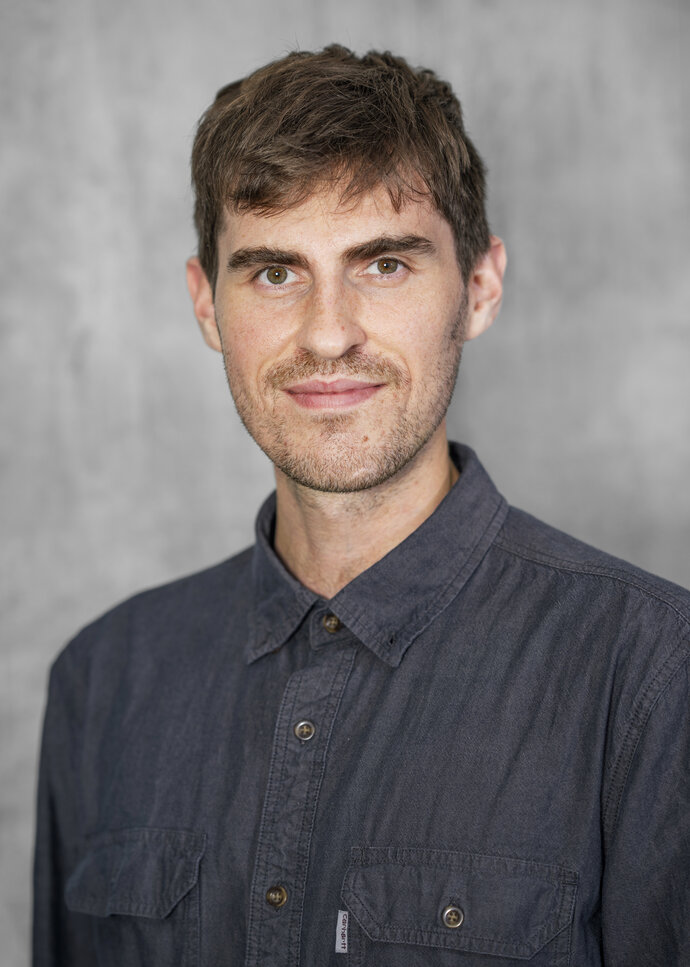
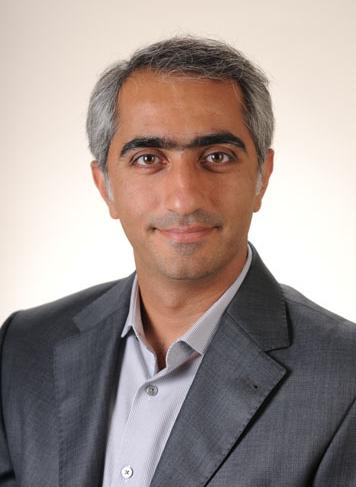
Martha Shumway is a Professor in the Department of Psychiatry at the University of California, San Francisco (UCSF) School of Medicine . Her research focuses on substance use disorders , trauma-informed care , and health disparities in marginalized populations , particularly women with HIV, justice-involved youth, and unstably housed individuals. She has led multiple NIH-funded studies including R01MD007669 on disparities in acute psychiatric care and R34MH074504 on cognition in patient-reported outcomes. Key Research Areas : Public Health, Substance Abuse, Trauma & Violence, Women's Health, HIV/AIDS, Social Sciences Her recent publications emphasize digital health innovations (e.g., telehepatology, eHealth peer navigation), intervention strategies for at-risk populations , and epidemiological analysis of trauma-related outcomes . She collaborates extensively with UCSF colleagues including Christina Mangurian, Elise Riley, and Marina Tolou-Shams. Grants : NIH R01MD007669, NIH R34MH074504, NIH K01MH064073
Dr. Rob Tillyer serves as Professor and Associate Dean of Student Success in the Department of Criminology and Criminal Justice at the University of Texas at San Antonio's College for Health, Community and Policy (HCAP). With a distinguished academic career focused on criminal justice system dynamics, Dr. Tillyer has established himself as a leading researcher in police decision-making, victimization patterns, and crime prevention strategies. Dr. Tillyer earned his Ph.D. in Criminal Justice from the University of Cincinnati, following an M.A. in Criminology from Simon Fraser University and a B.A. with Honors from the same institution. His educational background has provided a strong foundation for his research in criminal justice system operations and outcomes. Dr. Tillyer's research interests span multiple critical areas of criminology and criminal justice, with particular emphasis on criminal justice system decision making, victimization patterns across different demographic groups, crime prevention strategies, and the dynamics of criminal events. His work frequently examines racial and ethnic disparities in policing practices, the effectiveness of various crime reduction strategies, and the complex relationship between victimization and offending behaviors. Notably, Dr. Tillyer has made significant contributions to understanding hot spots policing, officer decision-making during street stops, and the measurement of racial disparities in police-citizen encounters. Analysis of Dr. Tillyer's recent publications reveals a consistent focus on methodological rigor in studying police practices and criminal justice outcomes. His work often employs sophisticated statistical techniques to examine complex relationships between officer characteristics, citizen demographics, and police actions. A significant portion of his research investigates how contextual factors influence police decision-making and crime patterns, with particular attention to geographic concentrations of crime and the sequential nature of police-citizen interactions. Dr. Tillyer's scholarship bridges theoretical criminology with practical implications for law enforcement agencies seeking to improve community relations while maintaining effective crime control. Dr. Tillyer has contributed significantly to the field through his numerous publications in top-tier criminology and criminal justice journals, including Police Quarterly, Justice Quarterly, and the Journal of Research in Crime and Delinquency. His research has been instrumental in advancing methodological approaches to studying racial disparities in policing and has provided valuable insights for evidence-based policing practices. As Associate Dean of Student Success, Dr. Tillyer plays a key leadership role in supporting student achievement within the College for Health, Community and Policy. His administrative responsibilities complement his scholarly work by connecting academic research to practical student outcomes and institutional effectiveness.
Jouko Lampinen serves as the Dean of the School of Science (SCI) at Aalto University, Finland, overseeing academic and research operations across the institution. His professional contact includes the dean-sci@aalto.fi email address and phone number +358505604827. Lampinen maintains an active research profile in computational information technology while fulfilling his administrative leadership role, with expertise grounded in advanced algorithmic and statistical methodologies. His research spans machine learning, Bayesian statistics, neural networks, and their applications in brain imaging (fMRI/MEG) and computer vision. Key interests include probabilistic modeling for emotion recognition, object detection in autonomous systems, and medical diagnostics. His work addresses critical challenges in reproducibility, scalability, and interpretation of complex models, bridging theoretical machine learning with practical neuroscience and robotics applications. This interdisciplinary focus demonstrates consistent innovation from the late 1990s through 2018. Analysis of his recent publications reveals a dominant trend in applying Bayesian methods and neural networks to neuroimaging data, with significant contributions to emotion processing algorithms, brain-computer interfaces, and point cloud analysis for autonomous vehicles. His scholarly output shows increasing emphasis on real-world validation of computational models, particularly in medical diagnostics and human-computer interaction contexts, while maintaining foundational work in statistical learning theory. No scientific awards or honors were documented in the provided information. Details regarding student mentorship, grant funding, or specific research teams/labs are absent from the source material, though his deanship implies strategic oversight of research infrastructure within Aalto University's School of Science.
Mattias Ohlsson is a Visiting Professor at the School of Information Technology , Halmstad University . His research focuses on machine learning and deep learning for analyzing diverse health data, particularly patient trajectory modeling with multimodal approaches. Primary affiliation: IT - Computer Department Collaboration areas: Healthcare sector and industry His work emphasizes explainable AI in clinical contexts, including survival analysis, cardiac event prediction, and cross-domain applications in satellite poverty mapping. Recent projects explore temporal healthcare data analysis using transformer architectures and self-supervised learning . Key article trends include: 2025: AI integration with medical expertise for emergency diagnostics 2024: Survival model evaluation, temporal data challenges, and graft failure prediction 2023: Multi-robot routing optimization and fatty liver disease etiology modeling 2022: Heart failure mortality algorithms and anomaly detection systems Current affiliations include the CAISR Health research group, with technical expertise spanning CNNs, transformers, and robust imputation methods.
Marco Barassi is an Associate Professor in Econometrics at the Department of Economics, Birmingham Business School, University of Birmingham. He joined the Department in September 2001 as a Lecturer in Econometrics and has established himself as a prominent researcher in time series econometrics with particular expertise in structural changes and non-stationary models. Dr. Barassi received his PhD from Imperial College London and holds an MSc from Birkbeck College. His academic journey reflects a deep commitment to advancing econometric methodologies and their applications in real-world economic problems. His research focuses on applied time series econometrics with particular emphasis on non-stationary time series models, long memory models, and non-linear models. His work spans diverse application areas including environmental economics (particularly CO2 emissions analysis) and financial economics (including interest rate modeling and market efficiency). This dual focus demonstrates his ability to bridge theoretical econometric advances with pressing real-world economic issues. An analysis of his recent publications reveals a consistent pattern of sophisticated methodological contributions applied to significant economic questions. His work frequently examines structural breaks, long memory properties, and nonlinear relationships across diverse contexts from energy markets to climate change impacts. The breadth of his research demonstrates how advanced time series techniques can illuminate complex economic phenomena. Dr. Barassi teaches Econometric Theory at the undergraduate level and offers specialized courses including Econometrics with Financial Applications at the MSc level in Money Banking and Finance and Mathematical Finance programs. His teaching reflects his research expertise, providing students with both theoretical foundations and practical applications of modern econometric techniques. As Programme Director for the BSc Mathematical Economics and Statistics and BSc Economics with Languages and Economics Joint Honours programs, Dr. Barassi plays a significant role in shaping the academic experience for undergraduate students at Birmingham Business School.
Georg Weissenbacher is a Professor at Vienna University of Technology , affiliated with the Network Lab and the research area of Formal Methods in Systems Engineering . His academic work focuses on software verification , formal methods , and concurrent systems . University: Vienna University of Technology Research Area: Formal Methods in Systems Engineering Academic Rank: Professor Education: D.Phil. Univ.Prof. Dipl.-Ing. Research Interests : Weissenbacher's work centers on formal verification techniques for software and hardware systems. Key areas include: Hyperproperties : Analyzing properties of systems involving multiple execution traces, such as security and robustness. Model Checking : Applying bounded model checking to automotive software (e.g., AUTOSAR components) and concurrent systems. Symbolic Execution : Leveraging symbolic execution for bug detection in programs with complex behaviors like speculative execution. Concurrency Bugs : Formalizing heisenbugs and developing methods to extract safe thread schedules from incomplete model checking results. Automated Reasoning : Improving interpolation-based techniques and SAT solvers for program analysis and fault localization. Publication Trends : His recent articles (2024-2025) emphasize symbolic execution for hyperbug detection, machine learning in security verification, and automotive software validation. Earlier works (2023-2021) explore model checking , mutation testing , and concurrent system analysis . Projects : He leads initiatives such as: Abstraction-based Parameterized TLA Checker Bit-level Accurate Reasoning and Interpolation Tools for Concurrent and Distributed Systems LogiCs-Stipendien (Formal Methods in Computer-Aided Design) Collaboration and Supervision : Weissenbacher co-edits conference proceedings (e.g., FMCAD 2023 , CAV 2018 ) and supervises students in formal verification, including Andreas Fellner (model-based mutation testing), Emmanuel Pescosta (speculative non-interference), and Tobias Nießen (hyperproperty counterexamples).
Prof. Dr. David Ginsbourger is a Professor of Statistical Data Science at the University of Bern , leading the Uncertainty Quantification and Spatial Statistics Group within the Institute of Mathematical Statistics and Actuarial Science. He has held visiting roles at institutions like the Isaac Newton Institute (Cambridge, UK) and actively collaborates across engineering , geosciences , and medicine . University of Bern (2021-present) Idiap Research Institute (2015-2020) Swiss Academy of Sciences (elected member, 2025) Education : PhD in Applied Mathematics, École des Mines de Saint-Etienne (2009) Double Graduate Diploma, École des Mines de Saint-Etienne & Berlin Technical University (2005) Master’s in Applied Mathematics, Jean Monnet University & École des Mines de Saint-Etienne (2005) Licence in Mathematics, Joseph Fourier University (2002) David’s research focuses on uncertainty quantification , Gaussian process modeling , Bayesian optimization , and design of experiments . His work spans theoretical developments (e.g., kernel design, excursion set estimation) and applications in climate science , medical diagnostics , and engineering . Recent collaborative projects address inverse problems in hydrogeology , autonomous ocean sampling , and high-impact weather forecasting . Publications highlight trends in adaptive experimental design , kernel methods for equivariant models , and uncertainty quantification in multidisciplinary contexts . Key themes include excursion set estimation , Bayesian optimization , and spatial distributional modeling . Awards & Memberships : Elected member, Swiss Academy of Sciences (2025) Elected member, International Statistical Institute (2023-) Member, ELLIS Society (2024-) Long-term member, Swiss Mathematical Society Advising & Collaboration : David has advised numerous PhD and master’s students, including Athénaïs Gautier , Cédric Travelletti , and Mickael Binois . He has led projects at Idiap Research Institute and collaborates with institutions like the Oeschger Center for Climate Change Research and the Center for Artificial Intelligence in Medicine . Labs & Teams : He founded the Uncertainty Quantification and Optimal Design group at Idiap (2015-2020) and currently leads research at the University of Bern , integrating with multidisciplinary initiatives in climate change and infectious diseases .
Adriana Birlutiu is a Lecturer in the Computer Science Department at 1 December 1918 University of Alba Iulia , Romania. Her expertise lies in machine learning, computer vision, bioinformatics, and transfer learning, with a recent focus on porcelain-industry optimisation. Education Ph.D., Radboud University Nijmegen, Netherlands (2011) M.Sc., Babeș-Bolyai University of Cluj-Napoca & University of Lorraine (Erasmus), 2005 B.Sc., Babeș-Bolyai University of Cluj-Napoca, 2004 Research Interests Adriana's research spans machine learning , deep learning , computer vision , and bioinformatics . She has contributed to preference learning, domain adaptation, protein–protein interaction prediction, and automated quality control in porcelain manufacturing. Her recent projects integrate deep neural networks with industrial computer-vision systems to detect defects and recognise characters on ceramic surfaces. Publication Trends Across 15 recent publications (2010-2019), Adriana has consistently explored transfer learning , multi-task learning , and Bayesian methods . Articles cluster around two major axes: biomedical applications (protein networks, cancer relapse prediction, respiratory-motion modelling for radiotherapy) and industrial AI (porcelain defect detection, character recognition). The work shows a clear evolution from theoretical machine-learning foundations to practical, domain-specific implementations. Grants & Projects SIVAP (2016-2018): Intelligent ML & computer-vision system for porcelain manufacturing optimisation, UEFISCDI PN-III-P2-2.1-BG-2016-0333. CMRCC (2017-2018): Computational Models for Reproducing Ceramics Colors, UEFISCDI PN-III-P2-2.1-PED-2016-1835. Student Supervision & Mentoring Adriana has supervised more than 25 undergraduate and master’s theses. Her students have won multiple awards at national conferences such as In-Extenso and SCCSS-IEECC , covering topics from automated defect detection to web applications for academic scheduling. Teaching Responsibilities She teaches courses including Machine Learning , Mathematical Software , Fundamental Algorithms , Object-Oriented Databases , and Modelling and Simulation at both undergraduate and master levels.
Pierre Klintefors is a Researcher at the Department of Philosophy, Lund University, affiliated with the Joint Faculties of Humanities and Theology. His work bridges theoretical neuroscience, cognitive science, and robotics. Room: LUX:B476 Visiting Address: Helgonavägen 3, Lund Email: pierre.klintefors@lucs.lu.se Research Focus: Pierre investigates computational aspects of the body schema —an agent’s internal representation of its body. He employs frameworks like predictive processing and active inference , which hypothesize that the brain minimizes sensory prediction errors via hierarchical Bayesian inference. His models are implemented on humanoid platforms to explore embodied robotics and theoretical neuroscience . Publications: His work spans robotics , Bayesian statistics in psychology, and pattern processing in social cognition. Current projects include his dissertation on Action-Oriented Body Perception (2023–2027), and participation in public robotics events like Robotveckan 2024 . Contact: Mobile: +46 70 942 84 58 | Postal Address: Box 192, 221 00 Lund | Internal Post Code: 30
Amit Mitra is a Professor in the Department of Mathematics & Statistics at the Indian Institute of Technology Kanpur (IIT Kanpur), India. He has held academic positions at IIT Kanpur since 2005, progressing from Assistant Professor (2005-2007) to Associate Professor (2008-2012) and Professor (2012-present). Prior to this, he served as an Assistant Professor at IIT Bombay (2002-2005) and held research roles at the Reserve Bank of India (1996-2002). His international collaborations include visiting positions at Uppsala University (Sweden) and universities in Australia and Cyprus. His educational qualifications include: Ph.D. in Statistics from IIT Kanpur (1996) M.Sc. in Statistics from IIT Kanpur (1991) B.Sc. (Honors) in Statistics from the University of Calcutta (1988) Professor Mitra's research centers on statistical signal processing with emphasis on parameter estimation for nonlinear time series models, particularly chirp signals, and data mining of financial/economic time series. His work develops robust algorithms for signal model estimation using techniques like genetic algorithms, M-estimators, and wavelet filtering, with applications in radar, sonar, finance, and image processing. He has pioneered methods for 1D/2D chirp signal analysis and volatility modeling in econometrics. His 15 most recent publications (2018-2023) reveal a sustained focus on advanced parameter estimation for chirp and sinusoidal models, with increasing attention to computational efficiency and real-world applicability. Key trends include the development of robust M-periodogram approaches, asymptotic analysis of quantile estimators, and extensions to multidimensional signal processing—particularly for image applications through nonnegative matrix factorization. His scientific awards include: Excellence in Teaching Award (2019, IIT Kanpur) Distinguished Teacher Award (2010, IIT Kanpur) M. N. Murthy Award from the Indian Statistical Institute (2002) Postdoctoral award from Swedish Foundation for Strategic Research (2000) Research award from National Board for Higher Mathematics (1992) Professor Mitra has supervised 67 students including 3 PhD candidates (1 completed), 4 M.Tech students, and 59 Masters students across Mathematics, Economics, and Statistics programs. His applied work includes consultancy projects with Politis (Cyprus) on market data modeling, Retailzoom (Cyprus) on retail analytics, and QuantLink Solutions (USA) on data mining software development for financial applications. No specific research labs or teams are mentioned in the provided text, though his patent in image processing (US Patent 9,940,868) indicates collaborative work with engineers on real-time display systems.
Jörn Hees is a Professor at the German Research Center for Artificial Intelligence (DFKI), affiliated with the Smart Data & Knowledge Services department. His work bridges deep learning, linked data, and knowledge graphs, with projects like TreeSatAI (AI for environmental monitoring) and DeFuseNN (deep network fusion). Research Interests : Deep learning, machine learning, data mining, knowledge graphs, semantic web, linked data, and association modeling. Projects : TreeSatAI (remote sensing AI), MInD (machine intelligence for digital transformation), DeFuseNN (neural network fusion), MOM (multimedia opinion mining). Recent publications focus on outlier detection for tabular data (Fin-Fed-OD, RECol), super-resolution techniques, and transformer-based models. He actively develops open-source tools like the RDFLib Python library and Graph Pattern Learner for SPARQL query generation. No scientific awards are explicitly mentioned in the available data.
Jeffrey W. Ohlmann is an Associate Professor and Director of Graduate Studies in Business Analytics at the Tippie College of Business, University of Iowa. He holds a PhD in Industrial and Operations Engineering from the University of Michigan and a BS in Mathematics from the University of Nebraska-Lincoln. Research focuses on sequential decision making under uncertainty, logistics optimization, and sports analytics 2022 Master of Business Analytics Instructor of the Year recipient 2010 Strategic Innovation Faculty of the Year award winner His recent publications address stochastic vehicle routing, crowdshipping dynamics, and social media applications in sports recruitment. Ohlmann has received significant recognition for teaching excellence and has presented at international conferences including INFORMS and Metaheuristics International Conference. Key research areas: Operations Research, Logistics, Sports Analytics, Stochastic Programming, Dynamic Programming Applications in college football recruiting, delivery systems, and lean production
Dmitry Sergeevich Osipov is a Professor at the Moscow Institute of Electronics and Mathematics (part of National Research University Higher School of Economics ), with 22 years of scientific and teaching experience . He has been employed at HSE since 2013 and also serves as a Senior Researcher at the Institute for Information Transmission Problems (IITP RAS) since 2003. Education: Doctor of Technical Sciences (2023), Moscow Institute of Physics and Technology Candidate of Technical Sciences (2008), Moscow Institute of Physics and Technology Specialist (2003), Bauman Moscow State Technical University in 'Aircraft Control Systems' Research Interests include multiple access coding theory , wireless communication , information theory , wireless optical communication , and the Internet of Things . His work focuses on nonparametric detection, order statistics, and robust communication systems under interference. Recent Publications emphasize nonparametric reception techniques , coding schemes for FH OFDMA systems , and wireless channel simulation , with applications in IoT and massive machine-to-machine communication. Scientific Awards: Laureate of the Moscow Government Prize (2013) in Information and Communication Technologies Recipient of Faculty of Computer Science Gratitude (2018) Advising includes mentoring students on: Nonbinary code decoding (Malakhova, 2019) Soft decoding techniques (Titov, 2017) Signal-code constructions (Subbotin, 2016) Multiagent system strategies (Egorov, 2015)
Kamran Paynabar is the Fouts Family Chair and Professor at the H. Milton Stewart School of Industrial and Systems Engineering at Georgia Institute of Technology . He specializes in Engineering-Driven Statistical Modeling , Statistical Learning Methods for Big Data Analytics , and Quality Engineering , with applications in Manufacturing Systems and Healthcare . B.S. and M.Sc. in Industrial Engineering from Iran University of Science and Technology and Azad University (2002, 2004) M.A. in Statistics and Ph.D. in Operations Engineering from the University of Michigan (2010, 2012) His research focuses on high-dimensional data analysis for system monitoring, diagnostics, and prognostics using semi-parametric and nonparametric approaches . Methodologies he develops address applications in automotive, aerospace, medical device manufacturing , and healthcare , including cardiac and orthopedic surgery analytics. Dr. Paynabar’s publications from 2016–2025 highlight trends in anomaly detection , tensor analysis , Gaussian process modeling , and active learning applied to photovoltaic systems , additive manufacturing , and smart grids . INFORMS Data Mining Best Student Paper Award Best Application Paper Award from IIE Transactions Wilson Prize for Manufacturing Systems Research POMS Best Paper Award Georgia Tech CETL/BP Teaching Excellence Award He has advised students like Xiaolei Fang (University of Florida), Hao Yan (Arizona State University), and Chitta Ranjan , with grants from the National Science Foundation (NSF) . His work emphasizes interdisciplinary collaboration , bridging industrial engineering , machine learning , and system optimization .
Dr. Xian Yu is an Assistant Professor in the Department of Medicine-Health Services Research at Baylor College of Medicine (Houston, Texas). With a PhD in Statistics from The University of Texas at Dallas and master's degrees in Statistics (University of Alaska Fairbanks) and Economics (Texas A&M University), Dr. Yu specializes in epidemiological modeling and health outcomes research. His research focuses on: Developing risk-prediction models for liver diseases (e.g., hepatocellular carcinoma, cirrhosis) Analyzing metabolic dysfunction-associated steatotic liver disease (MASLD) progression Investigating therapeutic outcomes of diabetes and antiviral medications Studying health disparities and social determinants in chronic disease management Recent publications (2020-2024) demonstrate strong emphasis on: Serum biomarker validation for liver cancer risk stratification Comparative effectiveness of GLP-1 agonists in metabolic liver diseases Health services research within Veterans Affairs populations Social determinants of health in immigrant and pediatric care No information about research grants, supervised students, laboratory leadership, or scientific awards was available in the source materials.