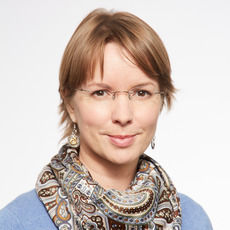
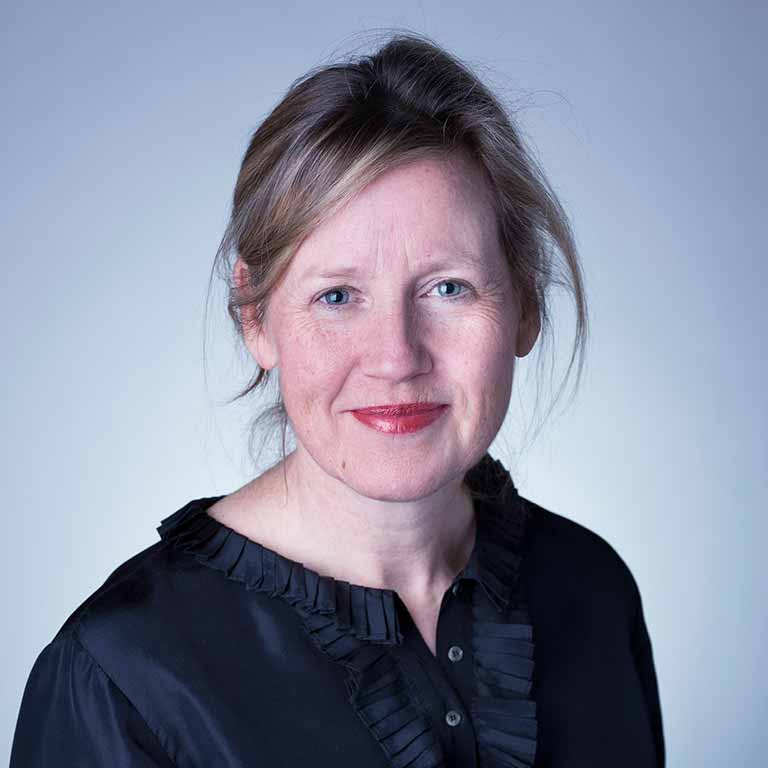
Dr Vera Axyonova is an Assistant Professor at the University of Birmingham's Department of Political Science and International Studies within the School of Government. Holding a PhD from the University of Bremen and Jacobs University Bremen, she has held prestigious positions including Marie Skłodowska-Curie REWIRE Fellow at the University of Vienna and Hurford Next Generation Fellow at the Carnegie Endowment. PhD: University of Bremen & Jacobs University Bremen (2013) MA: Fulda University of Applied Sciences (2008) Diploma: East Kazakhstan State University (2006) Her research focuses on international crisis management, cross-border norm transfer, and knowledge production in conflict environments. Recent projects examine European normative engagements in Eastern Europe and academic freedom challenges during forced migration. Her publications appear in top-tier journals like Peacebuilding and European Security . Notable awards include the Marie Skłodowska-Curie REWIRE Fellowship and Carnegie Endowment's Hurford Next Generation Fellowship. She co-chairs the ECPR Research Network on Statehood and Sovereignty and has held visiting positions at European University Institute, Freie Universität Berlin, and George Washington University.
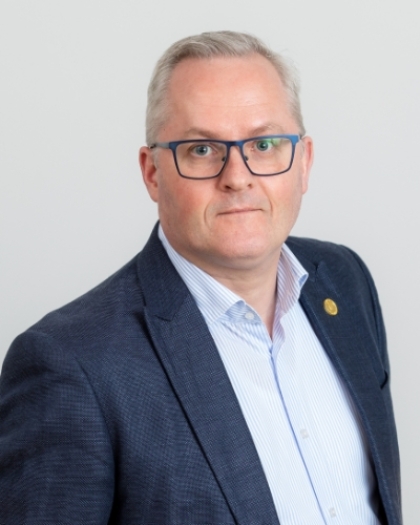
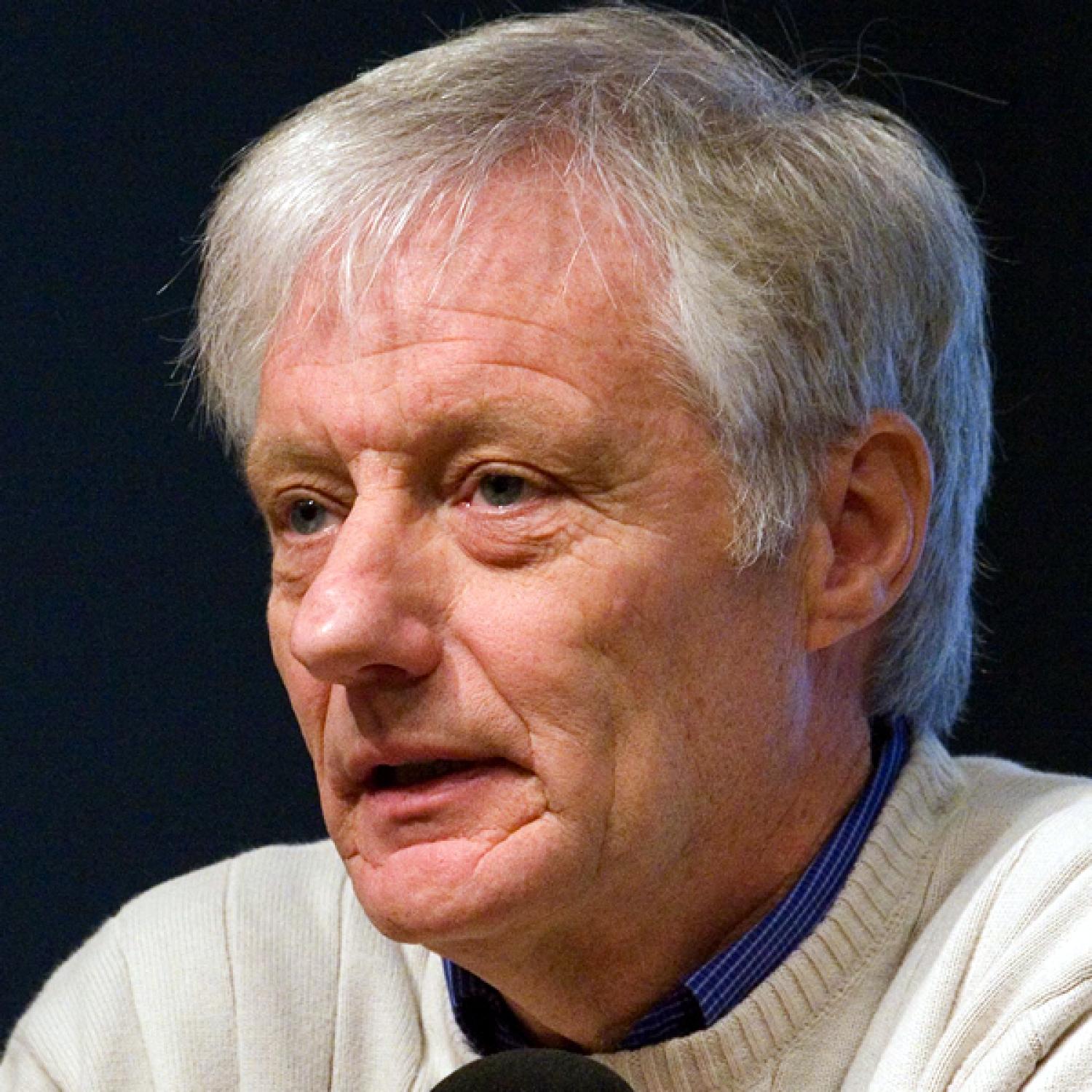
Jan Oskar Engene is an Associate Professor in the Department of Comparative Politics at the University of Bergen, Norway. His academic career spans several decades with significant contributions to both terrorism studies and heraldry research. Engene's research interests have evolved significantly over time, beginning with a strong focus on terrorism, political violence, and European security. His early work centered on the TWEED (Terrorism in Western Europe: Explaining the Trends) dataset, which documented terrorist incidents across Western Europe from 1950 onward. Over the years, his research expanded to include political symbolism, heraldry, and flag history, particularly regarding Norwegian political symbols and their evolution. His work demonstrates a unique interdisciplinary approach, bridging political science with historical and symbolic analysis. Analysis of Engene's publication trends reveals a clear evolution from predominantly terrorism-focused research in the 1990s and early 2000s toward increasing engagement with heraldry, political symbolism, and Norwegian historical identity markers in recent years. The earlier works focus on quantitative terrorism analysis, counterterrorism policy, and European security frameworks, while more recent publications examine municipal heraldry, county coats of arms, and historical political symbols. This shift demonstrates Engene's ability to apply political science methodologies to diverse research areas while maintaining a consistent focus on political symbolism and identity. Engene has supervised numerous Master's theses at the University of Bergen, primarily in the areas of terrorism studies, European politics, and political identity. His supervision record includes students researching topics such as state responses to terrorism in Italy, Nordic political systems, and regional identity in Western Europe. While specific grant information isn't detailed in the available materials, his TWEED project represents a significant research undertaking that likely involved external funding. Engene maintains active engagement with public discourse through media appearances, having participated in numerous television and radio programs discussing terrorism, security policy, and political symbolism. His work with the TWEED project established him as a leading expert on European terrorism patterns, while his more recent heraldry research has positioned him as a specialist in Norwegian political symbolism and historical iconography.
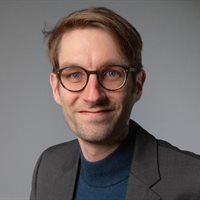
Shannon Bell is a Professor in Political Science at York University, working as a performance philosopher who integrates digital video technology with political theory. Her research examines intersections of cyberpolitics, aesthetics, and power through projects like 'Shooting Theory', which visualizes philosophical concepts through film. She has authored books including 'Fast Feminism' and 'Reading, Writing and Rewriting the Prostitute Body'. Current SSHRC-funded projects explore bioart and robotic art extremes, with residencies at Symbiotica (UWA) and international exhibitions. She teaches courses on modern political thought, technopolitics, and aesthetics. Educational background includes a PhD in Political Science from York University. Professional leadership includes directing the Resource Centre for Public Sociology.
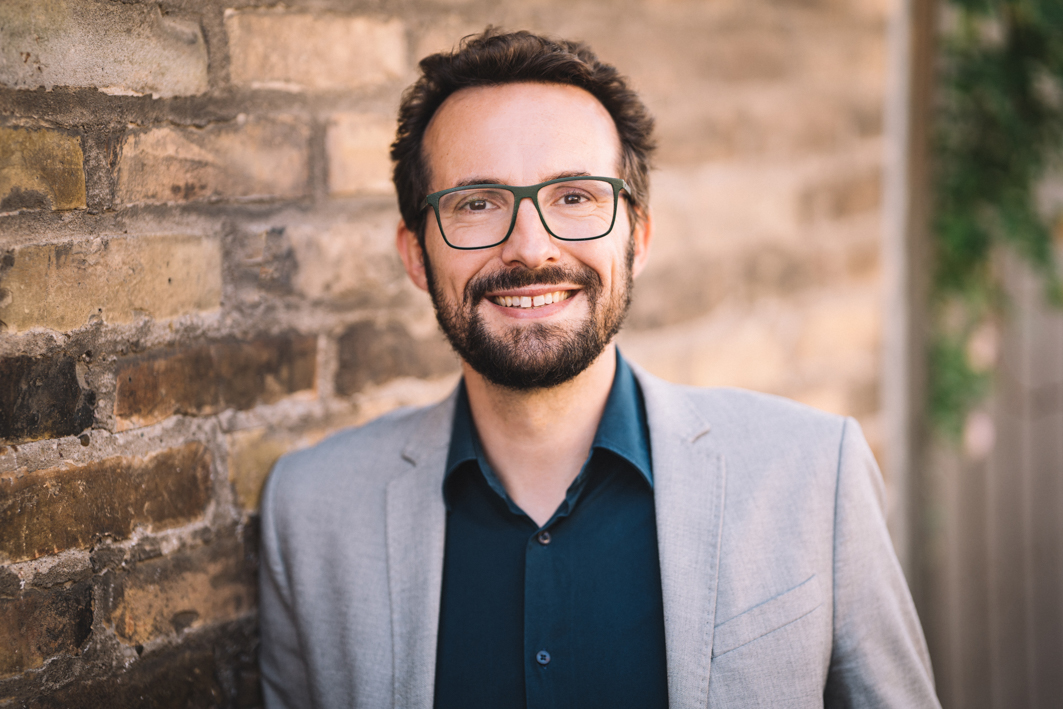
Carl Müller-Crepon is an Assistant Professor at the Department of Government, London School of Economics and Political Science (LSE) . His research focuses on state-building, political ethnicity, conflict, and geographic analysis, particularly in Africa and Europe. He previously held roles at the University of Oxford and ETH Zurich, and has affiliations with Harvard University. His work combines computational methods with geospatial data to study historical and modern dynamics of ethnicity, state capacity, and political violence. Education: PhD in Political Science, ETH Zurich (2019) MA in Political Science, ETH Zurich (2015) BA in International Affairs and Economics, University of St. Gallen (2013) Research Interests: His work explores how administrative borders shape ethnic identities, the impact of colonial policies on development, and the role of nationalism in territorial disputes. He innovates in geospatial data analysis and machine learning, publishing in top journals like the American Political Science Review and International Organization . Key Contributions: Developed the SIDE dataset for fine-grained ethnic demography analysis. Studied the reciprocal relationship between ethnic geographies and political borders since the 19th century. Explored state capacity in Africa using travel time metrics and road networks. Grants & Labs: Leading projects on colonial administrative design and ethnic persistence. Collaborations with institutions like ETH Zurich’s International Conflict Research Group.
Lars-Erik Cederman is a Full Professor in the Department of Humanities, Social and Political Sciences at ETH Zurich, Switzerland, where he conducts cutting-edge research at the intersection of political science, international relations, and computational social science. His work focuses on the structural and historical drivers of ethnic conflict, nationalism, and state formation across global contexts. His primary research interests include: Political Science International Relations Ethnic Conflict Nationalism Civil War State Formation Computational Social Science Cederman's scholarship demonstrates exceptional methodological innovation, combining large-scale historical datasets like CShapes and Ethnic Power Relations with computational modeling to analyze patterns of violence and state transformation. His recent publications reveal a sustained focus on how historical legacies—particularly colonialism, infrastructure development, and ethnic geography—shape contemporary conflicts, with significant contributions to understanding ethnic cleansing, separatist mobilization, and the geopolitical strategies of nationalist movements from post-Napoleonic Europe to modern Russia. His work bridges theoretical rigor with empirical depth, offering critical insights for conflict resolution and peacebuilding.
Thomas Blank is a Professor of Ancient Cultural History at Johannes Gutenberg University Mainz (JGU) since August 2016, affiliated with the Department of History. Previously, he held positions as Junior Professor of Greek History at Saarland University (2013-2016) and served as Acting Chair of Ancient History at the University of Münster (2019-2020). His academic trajectory includes research assistantships in Tübingen and Mainz. Education: Dr. phil. in Ancient History (summa cum laude) from Eberhard Karls Universität Tübingen (2012) State Examination in History, Latin, and Greek from Eberhard Karls Universität Tübingen (2007) Undergraduate studies in History, Latin, and Greek at Eberhard Karls Universität Tübingen (2001-2007) Research Focus: Blank's work centers on ancient rhetoric's intersection with political philosophy (especially in Classical Athens), Roman religious practices, and cultural communication mechanisms. He investigates how social 'third spaces' form through religious secrecy, neighborly relations, and theatrical performance. Current projects include urban foreignness studies and the cultural role of Graeco-Roman rhetoric. Publication Trends: His 15 most recent articles demonstrate consistent focus on Isocratean rhetoric, political communication in Athenian/Roman contexts, and reception of antiquity in modern media. Methodologically, they blend historical analysis with literary criticism and cultural theory, frequently examining power dynamics through rhetorical frameworks. Awards & Fellowships: Research Scholarship from Friedrich-Ebert-Stiftung (2008-2010) Study Grant from Friedrich-Ebert-Stiftung (2002-2007) Academic Leadership: Blank directs doctoral candidates in projects ranging from Athenian legal systems to Ptolemaic athletic competitions. He leads the DFG-funded graduate program 'Urban Difference' and co-leads subprojects in the LOEWE Center 'DynaRel' and MSCA-DN 'TheSPIS'. As liaison lecturer for the Friedrich-Ebert-Stiftung since 2015, he mentors scholarship recipients. Professional Engagement: Secretary General of the International Society for the History of Rhetoric (ISHR) and founding president of Societas Isocratica. He has held administrative roles including Managing Director of JGU's History Department (2022-2023) and serves on multiple academic committees.
Dr Harry Munt is a Senior Lecturer in Medieval History at the University of York, specializing in the Islamic world (600–1500 CE), with particular focus on the Arabian Peninsula, holy cities, pilgrimage practices, and Arabic historiography. BA (Cambridge), DPhil (Oxford) Joined York in 2014 after British Academy Postdoctoral Fellowship at Oxford Research Interests Early Islamic Arabian Peninsula Origins of Arabic local history-writing Hajj pilgrimage development Economic history of Islamic Middle East Interfaith relations in medieval urban centers Contested processes of sacred space creation Recent Publications examine: Caliphal authority in ḥijāz economy Medieval Meccan historiography Hajj ritual evolution Local vs. universal historical narratives Awards British Academy Postdoctoral Fellowship Current Projects include a book on medieval Islamic local history-writing and its implications for understanding urban concepts and interfaith dynamics.
Stuart James Ward is Professor of Imperial and Global History at the Saxo Institute, University of Copenhagen, specializing in settler colonialism and decolonization legacies across Africa, South Asia, Canada, the Caribbean, and Australia. His research examines imperial retrenchment's impact on post-war Britain, culminating in Untied Kingdom: A Global History of the End of Britain (2023). Education: BA (Hons) in History, University of Queensland PhD in History, University of Sydney Ward's work centers on global historical trajectories of empire dissolution, with emphasis on Australia's post-colonial transformation and Britain's internal political fractures following imperial collapse. His methodology integrates transnational perspectives to analyze how decolonization reshaped national identities and geopolitical alignments across settler colonies. Recent publications (2023-2024) reveal intensified focus on Brexit-era reckonings with imperial legacies, Scottish separatism within post-imperial frameworks, and Australia's evolving relationship with British heritage. These works demonstrate consistent engagement with contemporary political discourse through historical analysis. Scientific Awards: No specific scientific awards are mentioned in the provided text. Ward has held visiting fellowships at Australian National University (2018) and Nuffield College Oxford (2023), reflecting international scholarly recognition. As Provost of Regensen since 2010 and former Head of the Saxo Institute (2018-2023), he maintains significant academic leadership roles. His 90+ publications indicate extensive supervision and research direction despite no explicit student listings. No specific laboratories or dedicated research teams are referenced in the source material.
Robert Brown serves as an Associate Professor in the Department of Political Science at Spelman College, where he has held faculty positions since 2013. His teaching portfolio includes foundational courses in Data Analysis & Research Methods (PSC 203) and Urban Government & Policy Making (PSC 340), emphasizing methodological rigor in political inquiry. His academic credentials include: B.A. from Brown University Ph.D. from the University of Michigan MSPH from Emory University Dr. Brown's research critically examines race-politics intersections through multiple lenses: Black political participation dynamics, urban governance structures, and critical race theory applications. His scholarship consistently investigates how racial identity shapes political representation, public policy formation, and social movement emergence in American cities. Recent work extends into data science pedagogy, bridging quantitative methods with substantive political analysis to modernize curriculum development. Publication trends from 2017-2021 reveal concentrated scholarly activity in racial representation frameworks and urban political economy, with notable expansion into critical race theory foundations and data science integration. His work demonstrates methodological evolution from historical analysis of the Great Migration's political impacts toward contemporary examinations of Black municipal leadership in public housing transformation. Scientific Awards: No awards or fellowships were documented in available sources. Advising and Grants: The provided materials contain no information regarding graduate student mentorship, research grants, or sponsored projects. Labs and Teams: No affiliations with research laboratories, collaborative teams, or institutional research centers were indicated in the source materials.
Pierre Englebert serves as the H. Russell Smith Professor of International Relations and Professor of Politics at Pomona College, where he has held faculty positions since 1998 and maintains an office in Alexander Hall 236. He also holds the designation of Oldenborg Faculty Fellow within the institution. His educational foundation includes a Ph.D. from the University of Southern California, an M.A. from Johns Hopkins University's School of Advanced International Studies, and dual B.A. and M.A. degrees from the Free University of Brussels. With over three decades of specialized research, Professor Englebert focuses on African political systems, particularly in Francophone West and Central Africa. His scholarly work examines state fragility, nationalist movements, separatist dynamics, development challenges, democratization processes, and security frameworks. This research is informed by extensive fieldwork, with biannual research trips to Africa supporting his analysis of postcolonial state formation. His recent publications (2015-2019) demonstrate consistent engagement with critical African political issues, particularly electoral integrity in the Democratic Republic of Congo, secessionist movements across the continent, Sahelian state reconstruction efforts, and the enduring legacies of colonial border demarcation. These works collectively highlight patterns of state resilience amid fragility and the complex interplay between international interventions and local political realities. Professor Englebert's scholarly contributions have been recognized through significant honors including: Minerva research grant (2018-2021) from the U.S. Department of Defense Overseas Development Institute Grant (2016-2018) Wig Distinguished Professor Award for Excellence in Teaching (2016) Three Pomona College Wig Distinguished Teacher Awards (2001, 2006, 2011) 2010 Best Book Award from the African Politics Conference Group Fulbright Scholar designation at University of Bordeaux (2010-2011) His teaching portfolio spans advanced seminars in African politics, comparative political economy, and international relations methodology, while his research has secured substantial external funding from organizations including the Minerva Research Initiative, Overseas Development Institute, and United States Institute of Peace, reflecting sustained scholarly impact in the field of African political studies.
Vivian Chenxue Lu is an Assistant Professor of Anthropology at Rice University, affiliated with the Center for African & African American Studies. Her research focuses on the cultural politics of profit, ethnonationalism, and transnational migration, particularly examining Nigerian businessmen's global networks and their socio-economic impacts in Nigeria. She previously held positions at Fordham University and Yale University, and conducted fieldwork at the University of Lagos. Her work is supported by the National Science Foundation, Wenner-Gren Foundation, and ACLS. She currently serves as program co-chair for the Association for Africanist Anthropology. Education: Ph.D. (visiting at University of Lagos) | Professional History: Assistant Professor (Fordham University), Postdoctoral Associate (Yale University), Visiting Scholar (University of Lagos). Research Interests: Cultural politics of transnational migration and capitalism Market formation and postcolonial economic sovereignty Race, gender, and kinship dynamics in commercial networks Nigeria’s geopolitical engagements with BRICS and the Global South "Local business" narratives in the American West Selected Publications Trends: Her work bridges African Studies with global economic systems, focusing on diasporic communities, digital media activism, and the intersections of law, violence, and identity. Recent articles explore Afro-Asian cultural exchanges, megacity commercial practices, and diasporic citizenship. Awards & Grants: Research supported by NSF, Wenner-Gren, and ACLS fellowships. No explicit awards listed but significant institutional backing. Advising & Labs: Active in mentoring through Rice’s anthropology program; collaborates with Lagos Studies Association and Association for Africanist Anthropology.
Prof. Dr. Ali AVCU is a Turkish academic specializing in the history of Islamic sects. He has held faculty positions at Ankara Social Sciences University (2020-), Cumhuriyet University (2011-2015), and others, with a focus on Basic Islamic Sciences . His administrative roles include Department Head and Deputy Dean . Education : PhD in History of Islamic Sects (Ankara University, 2009); MSc in Fundamental Islamic Sciences (Ondokuz Mayıs University, 2002); BA in Theology (Ondokuz Mayıs University, 1999) Research Areas center on Islamic sectarian movements, particularly Shia, Kharijism, and Ismaili traditions. His work explores doctrinal conflicts (e.g., Imamate legitimacy), esoteric interpretation systems, and historical interactions between Islamic theological schools. Recent publications analyze Gnostic influences in Ismailism, Batinism's epistemology, and the evolution of sectarian concepts like zekat. His teaching includes undergraduate and graduate courses on Islamic sectarian history, methodological issues in sectarian research, and classical text analysis. Academic Leadership : Served as Director of Research Application Center (2015-2016) and thesis advisor for 9 students. His 32 publications (192 citations) reflect deep engagement with Islamic intellectual history.
Professor Philip Davies serves as Professor of Intelligence Studies and Director of the Brunel Centre for Intelligence and Security Studies (BCISS) at Brunel University London's Department of Politics and History within the College of Business, Arts and Social Sciences. A political sociologist specializing in intelligence institution-building, he co-founded BCISS and developed the MA in Intelligence and Security Studies program. His academic journey includes a PhD in Sociology from the University of Reading (1997), MA in Social and Political Thought from York University Canada (1987), and BA (Hons) in Sociology from Trent University Canada (1984). PhD Sociology, University of Reading (1997) MA Social and Political Thought, York University Canada (1987) BA (Hons) Sociology, Trent University Canada (1984) Postgraduate Certificate in Teaching and Learning in Higher Education, Brunel (2006) Davies' research focuses on the organization and governance of intelligence agencies, national intelligence cultures, intelligence professionalization, and doctrine development. His work bridges practical intelligence operations with academic theory, examining how intelligence institutions interact with government machinery, international allies, and defense structures. A pioneer in comparative intelligence studies beyond the Anglosphere, he developed the theory of 'intelligence culture' and has conducted extensive research on UK, US, Indian, and Malaysian intelligence systems. His current work centers on defense and military intelligence concepts, doctrine evolution, and cyber-security policy. Analysis of his 15 most recent publications reveals a dominant trend in comparative intelligence studies with strong emphasis on British and US intelligence systems, expanding to include Malaysia and India. His work consistently examines intelligence politicization, accountability mechanisms, and the practical implementation of intelligence doctrine. The publications demonstrate increasing focus on military intelligence integration (evident in ISTAR/ISR debates) and historical case studies of intelligence failures/successes. Davies has made significant impact through practical applications of his research: Provided foundational input for UK Joint Intelligence Doctrine (JDP 2-00) and JDP 04 Understanding Advised on 2016 Investigatory Powers Act as Home Office consultative panel member Led EU INTCEN's Basic Intelligence Assessment course (2013-2019) Contributed to UK military Joint Intelligence Doctrine development (2010-2012) Delivered impact case studies for REF 2014 and REF 2021 through BCISS As an educator, Davies convenes postgraduate modules on Intelligence Concepts and Counterintelligence, while directing BCISS as a University Interdepartmental Research Centre. His media presence includes regular commentary on intelligence matters for outlets like LBC, particularly regarding the ISC Russia Report and Edward Snowden disclosures. He serves on editorial boards for Intelligence and National Security and International Journal of Intelligence and CounterIntelligence, and chairs the UK Political Studies Association/BISA Security and Intelligence Studies Group.
John O'Loughlin is a Professor of Geography at the University of Colorado Boulder's College of Arts and Sciences, and a Faculty Research Associate at the Institute of Behavioral Science (IBS). He earned his PhD from Pennsylvania State University in 1973. His research examines spatial dimensions of conflict using geographic data analysis and surveys, with regional expertise in the former Soviet Union and sub-Saharan Africa. Research interests focus on: Geopolitical attitudes and territorial disputes Climate change impacts on violence De facto states in Caucasus/Black Sea regions Household security in environmental crises Current projects include: NSF/UK-funded study of post-Soviet geopolitical preferences (12,000 surveys across 6 countries) Longitudinal household surveys in Kenya examining climate change impacts Awards: Professor of Distinction Advises graduate students and collaborates with researchers at Virginia Tech, University College London, and CU's IBS. Teaches courses in Political Geography, Former Soviet Union studies, and Climate Change impacts.
Emma Gilligan is an Associate Professor in the Department of International Studies at Indiana University, Bloomington, within the Hamilton Lugar School of Global and International Studies. She is also a Senior Advisor to the U.S. Department of State's Office of Global Criminal Justice (GCJ), where she co-founded the Atrocity Crimes Advisory Group (ACA) for Ukraine, a multilateral initiative involving the U.S., UK, and EU in response to war crimes following Russia's invasion. Her work bridges academia and high-level policy, focusing on human rights, war crimes, and post-conflict justice. Her research interests include: War crimes in Chechnya and Ukraine International human rights movements Contemporary Russian studies Humanitarian intervention and R2P (Responsibility to Protect) Post-conflict justice and moral harm Domestic litigation of international crimes Gilligan’s recent publications reflect a deep engagement with legal, moral, and historical dimensions of war, particularly in the Russo-Chechen conflicts and Ukraine. Her work analyzes war crime litigation, propaganda, collective punishment, and the role of international law in holding states accountable. She frequently contributes to mainstream media and has been featured on MSNBC, NPR, Al Jazeera, and Voice of America. Her scientific awards include: U.S. Secretary of State Performance Award (2022) for founding the ACA Best Book Award from the Institute for the Study of Genocide (2012) for Terror in Chechnya Kennan Fellow (2018–2019) at the Woodrow Wilson Center Franklin Fellow at the U.S. Department of State (2019–2020) Gilligan has held significant advisory and leadership roles, including Task Force Member for Afghans-at-Risk during the U.S. withdrawal from Afghanistan (2021), and former Director and Associate Director of the Human Rights Institute at the University of Connecticut (2011–2016). She has also been a post-doctoral fellow at the University of Chicago. Her grants and policy work are primarily tied to U.S. government initiatives and international human rights advocacy. She teaches courses on human rights history, international law, genocide, and global institutions. She is actively involved in research teams and initiatives related to the Atrocity Crimes Advisory Group and collaborates with civil society, prosecutors, and international bodies on strategic litigation and capacity-building in Ukraine.