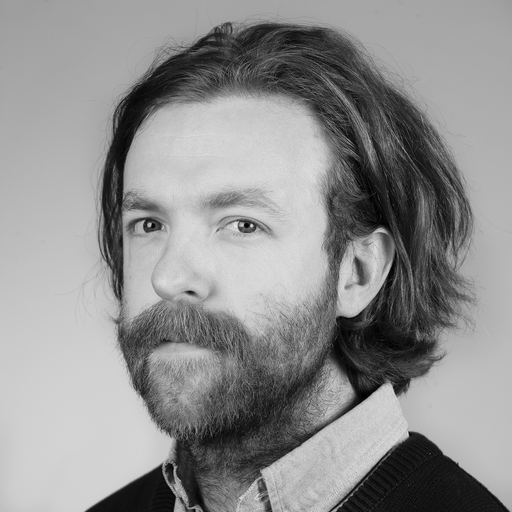
Christopher I Moore serves as Associate Director of the Carney Institute of Brain Science and Professor of Neuroscience and Professor of Brain Science at Brown University, focusing on the relationship between neocortical dynamics and perception through experimental and computational approaches. Education: 1998: PhD, Massachusetts Institute of Technology 1990: BA, Oberlin College Research Interests: Dr. Moore's laboratory investigates neocortical dynamics occurring on millisecond to second timescales to determine their computational significance for sensory perception. His work examines the origins and functional roles of neural oscillations while pioneering research into neurovascular coupling —how blood flow systems contribute to information processing. Using integrated methodologies including optogenetics , electrophysiology , and neural imaging , his research bridges systems neuroscience and cognitive theory with strong engineering applications. Awards: No scientific awards were documented in the provided source material. Advising and Grants: While teaching responsibilities are confirmed, specific student advisement details and grant funding information were not disclosed in the available text. Laboratory: Dr. Moore leads an active research laboratory within the Carney Institute for Brain Science that combines experimental neuroscience with theoretical modeling to decode cortical information processing mechanisms.
Hauke Heekeren is a full Professor in the Division of Biological Psychology and Cognitive Neuroscience within the Department of Education and Psychology at Freie Universität Berlin. He leads a research group focused on the neural mechanisms underlying human decision-making, emotion regulation, and social cognition, utilizing neuroimaging and computational approaches. His research interests center on understanding how the human brain processes value, makes perceptual and economic decisions, regulates emotions, and engages with social environments, including digital platforms like social media. His work integrates methods from cognitive neuroscience, psychology, and computational modeling to explore fundamental aspects of brain function. The recent publications highlight a strong trend in investigating decision-making under uncertainty, the neural valuation system, emotion regulation strategies, and the social brain. His studies frequently employ fMRI and behavioral paradigms to dissect the prefrontal-striatal and fronto-parietal circuits involved in cognition. Over time, his research has expanded from basic perceptual decisions to complex social and economic behaviors. While no specific awards are listed in the provided content, his publication record in top-tier journals such as Nature Human Behaviour , Nature Neuroscience , and PNAS reflects significant scientific impact and recognition in the field of cognitive neuroscience. As a principal investigator, he likely supervises graduate students and postdoctoral researchers, though no named students are listed. His work is supported by research grants, implied by his extensive publication output and institutional position, though specific funding sources are not detailed in the provided text. He is affiliated with the Division of Biological Psychology and Cognitive Neuroscience at Freie Universität Berlin, where he conducts research using advanced neuroimaging techniques to explore the neural basis of human behavior.
Stéphanie Caillies is a Professor of Cognitive Psychology at the University of Reims Champagne-Ardenne and serves as Deputy Director of the C2S Laboratory (Cognition, Santé, Socialisation EA 6291). Her research focuses on social cognition, language processing, and theory of mind from developmental, neuropsychological, and psychopathological perspectives. Research Interests: Pragmatic language comprehension and figurative language processing Neural correlates of social cognition in clinical populations (schizophrenia, bipolar disorder) Developmental trajectories of theory of mind in neurotypical and at-risk children Neurocognitive mechanisms of irony and metaphor understanding Parent-child interactions in premature infants Her recent publications demonstrate strong emphasis on neuroimaging approaches (fMRI, ERP) to study social cognition, with recurring themes in clinical populations and developmental disorders. Research frequently bridges psycholinguistics, clinical psychology, and cognitive neuroscience. Current Research Projects: POSTURE (2023-2027): Psychologie et réalité virtuelle - ANR-funded project on dynamic posture recognition EDIRE (2022-2025): Horizon Europe project on educational development PHRC CALIN: Hospital clinical research on sensory-tonic stimulation for premature infants Teaching Activities: Regularly teaches courses in Statistics, Language Development, Academic Learning, and Social Cognition Disorders. Organized multiple scientific conferences including the 59th Congress of the French Society of Psychology. Doctoral Supervision: Currently supervising theses on executive functions in premature children and parent-child interactions. Previously supervised dissertations on pragmatic language in reading comprehension and neurofunctional correlates of theory of mind in schizophrenia.
Dr. Julia Gillard is a Senior Lecturer in Clinical Psychology at Anglia Ruskin University (ARU), affiliated with the Faculty of Science and Engineering and the Psychology, Sport and Sensory Science department. She also works as a Clinical Psychologist in an NHS specialist mental health service for adults with Post-traumatic Stress Disorder (PTSD). Her research spans clinical psychology, cross-cultural psychology, and neural mechanisms underlying mental health conditions, with a focus on trauma, depression, and social cognition. Education: Doctorate in Clinical Psychology, University College London (2016-2019) PhD in Biological Sciences, MRC Cognition and Brain Sciences Unit, University of Cambridge (2013-2016) MSc in War & Psychiatry, King’s College London (2012-2013) BSc Hons Psychology, University of Glasgow (2008-2012) Her work includes trauma-focused interventions like Cognitive Behavioral Therapy (CBT) and Eye Movement Desensitization and Reprocessing (EMDR), with a particular interest in risk and resilience factors in mental health. She leads research projects examining digital innovation in mental health services and has contributed to systematic reviews on disaster response therapies. Dr. Gillard is a member of the ARU Centre for Mind and Behaviour and holds professional certifications with the Health and Care Professions Council (HCPC), British Association for Behavioural and Cognitive Psychotherapies (BABCP), and European Society of Traumatic Stress (ESTSS). She received the Topol Digital Fellowship for her work on digital inclusion in mental health. Scientific Awards: Topol Digital Fellow, Health Education England, NHS, UK
Justine Cléry, PhD, serves as an Assistant Professor in the Department of Neurology and Neurosurgery at McGill University's Faculty of Medicine and Health Sciences. She leads the Sensory and Social Brain Mechanisms (SSBM) Lab at The Neuro (Montreal Neurological Institute) and contributes to autism research through the Azrieli Centre for Autism Research (ACAR). Her work bridges fundamental neuroscience with clinical applications in neurodevelopmental disorders. Education: Doctorate in Neurosciences, University of Claude Bernard Lyon 1 (2017), supervised by Prof. Suliann Ben Hamed at Institut des Sciences Cognitives Postdoctoral Associate, Robarts Research Institute, University of Western Ontario (2017-2021), with Prof. Stefan Everling Research Interests: Dr. Cléry pioneers fMRI studies in awake non-human primates to decode neural mechanisms of social cognition and sensory processing . Her work examines how the brain represents peripersonal space, processes looming visual stimuli, integrates multisensory cues, and constructs social interaction networks. This research employs marmoset models to investigate fundamental questions with implications for autism spectrum disorder and neurodevelopmental conditions, uniquely combining cognitive neuroscience and advanced neuroimaging . Publication Trends: Her 2015-2021 publications reveal a cohesive trajectory using ultra-high field fMRI to map brain networks in marmosets. Key themes include social interaction observation systems, somatosensory/visual processing hierarchies, and spatial representation mechanisms. This body of work establishes critical methodological frameworks for awake primate neuroimaging while advancing understanding of neural substrates underlying social and sensory functions. Scientific Awards: BrainsCAN Postdoctoral Fellowship Tier II (2017-2021) BrainsCAN Postdoctoral Fellowship Tier I (2021-2022) CIHR Postdoctoral Fellowship (2021-2022) Berthe-Fouassier Foundation Fellowship (2016-2017) Advising and Grants: Dr. Cléry has secured competitive postdoctoral fellowships from BrainsCAN, CIHR, and Berthe-Fouassier Foundation. As SSBM Lab director, she mentors graduate researchers in neuroimaging techniques and primate neuroscience. Her work leverages institutional resources at The Neuro and collaborative frameworks through ACAR, with funding supporting cutting-edge fMRI capabilities for awake animal studies. Labs and Teams: The Sensory and Social Brain Mechanisms (SSBM) Lab develops innovative fMRI paradigms for awake marmosets to investigate social and sensory brain functions. Dr. Cléry actively contributes to the Azrieli Centre for Autism Research (ACAR), participating in interdisciplinary initiatives that connect basic neuroscience with autism spectrum disorder research through The Neuro's open science framework.
Michelle Carr is an Assistant Professor at the University of Montreal, Faculty of Medicine, Department of Psychiatry and Addictology. Her research focuses on the intersection of dreams, REM sleep physiology, and emotion regulation, particularly exploring lucid dreaming and its therapeutic potential. She also investigates the sociocultural dimensions of dreaming through collaborations in cinema and media studies. CRSNG-funded project on REM sleep and emotional processing FRQS-funded dream engineering research CRSH partnerships analyzing cinematic representations of dreaming Investigating social well-being through dream analysis Exploring inclusivity in dream research for visually impaired individuals
Dr. Kate Baker is a Programme Leader at the MRC Cognition and Brain Sciences Unit, University of Cambridge, and holds joint appointments as Assistant Professor of Clinical Genetics in the Department of Pathology and Honorary Consultant at Cambridge University Hospital. Her research bridges clinical genetics and cognitive neuroscience, focusing on neurodevelopmental disorders of genetic origin. She leads the Genomic Disorders and Cognitive Development group and the BINGO project, investigating how genetic variations impact neural systems and cognitive abilities like communication and social interaction. Her work emphasizes translational genomic medicine, aiming to improve evidence-based, person-centered care for individuals with intellectual disabilities. Research spans neurogenetics, cognitive phenotyping, synaptic function, and developmental trajectories. Publications consistently explore genotype-phenotype correlations in disorders like SYT1, ZDHHC9, and DDX3X, with recent work expanding into pandemic impacts on neurogenetic families. Key funders include the Baily Thomas Charitable Trust, NIHR Cambridge Biomedical Research Centre, and Great Ormond Street Hospital Charity. No awards are documented in available sources.
Daniel M. Spielman is a Professor of Radiology and Electrical Engineering (courtesy appointment) at Stanford University. His office is located at the Lucas Center P-274. Dr. Spielman's research focuses on medical imaging, particularly magnetic resonance imaging and in vivo spectroscopy, with applications spanning cancer diagnosis, treatment monitoring, and neurodegenerative diseases. Dr. Spielman's research interests center on advancing magnetic resonance imaging (MRI) and spectroscopy techniques to provide clinically valuable metabolic imaging. His work addresses challenges of low metabolite concentrations, overlapping resonances, and field inhomogeneities through improved spectroscopic imaging, shimming methods, and optimal data quantification. Current applications include cancer diagnosis, treatment monitoring, prediction of therapy response, brain development in pediatric patients, and neurodegeneration associated with Alzheimer's disease, alcoholism, epilepsy, and aging. His publications demonstrate a strong focus on hyperpolarized carbon-13 MRI, metabolic imaging, and multimodal imaging approaches. The research trend shows increasing emphasis on clinical translation of advanced imaging techniques, particularly for oncology applications, with significant contributions to understanding metabolic processes in various disease states. Dr. Spielman collaborates extensively with faculty and staff across Stanford's Medical School and School of Engineering. He advises graduate students in Biophysics, Bioengineering, Electrical Engineering, and Medical Informatics programs. His research is conducted in collaboration with various departments at Stanford, focusing on developing novel imaging techniques that bridge engineering principles with clinical applications.
Professor Kate Tchanturia is a leading academic at King's College London , affiliated with the Institute of Psychiatry, Psychology & Neuroscience and serving as a Professor in the Department of Psychological Medicine . She is a Consultant Clinical Psychologist at the South London and Maudsley NHS Foundation Trust and holds visiting professor roles at Ilia State University (Georgia) and Tbilisi State Medical University. Her work bridges clinical practice, research, and education in eating disorders and autism. Doctor of Clinical Psychology, Tbilisi State University (1998) PhD in Experimental Psychology, Tbilisi Academy of Sciences (1989) MSc in Psychology, Tbilisi State University (1982) Her research focuses on neuropsychological, cognitive, and emotional aspects of eating disorders , particularly in women and autistic individuals. She explores treatment innovations, cultural adaptations, and recovery trajectories through translational studies. Recent projects include the PEACE Pathway for autism-inclusive care and SOOTH-ED with sensory technology. Her 15+ recent articles highlight collaborations in autism and eating disorder comorbidity , cognitive remediation therapy , and neuroimaging . Key awards include the National Award of Georgia , President of the Eating Disorders Research Society , and Academia Europaea membership . She mentors PhD students and supervises clinical trainees.
Lung-Pan Cheng is an Associate Professor in the Department of Computer Science and Information Engineering at National Taiwan University. His research focuses on creating innovative interfaces that bridge physical and virtual realities, with particular emphasis on virtual reality systems, haptic feedback mechanisms, and perceptual illusions. Dr. Cheng's work explores how to create more immersive and believable virtual experiences through: Novel haptic feedback systems that simulate physical interactions in virtual environments Real walking techniques that overcome physical space limitations in VR Perceptual illusions that enhance the sense of presence in virtual worlds Human actuation approaches that leverage people as part of the VR infrastructure Optical illusions applied to digital media and gaming experiences Advanced fabrication techniques for interactive physical objects His recent publications (2022-2024) demonstrate a continued trajectory of innovation in VR interaction techniques, with work focusing on directional force feedback, infinite vertical navigation, and the integration of optical illusions into virtual experiences. Dr. Cheng's research consistently combines hardware innovation with perceptual psychology to create compelling user experiences that push the boundaries of virtual environments. Dr. Cheng has received notable recognition for his work: Best Paper Award at CHI 2022 for 'AirRacket: Perceptual Design of Ungrounded, Directional Force Feedback to Improve Virtual Racket Sports Experiences' SIC People's Choice Award at UIST 2022 for 'Garnish into Thin Air' His research has been featured in media outlets including MIT News and New Scientist, indicating broader impact beyond academic circles. Dr. Cheng maintains active collaborations with researchers worldwide, as evidenced by his international co-authorship patterns across multiple disciplines including computer science, psychology, and engineering.
Alexander Mertens serves as Associate Professor and Department Head of the Institute of Industrial Engineering within RWTH Aachen University's Faculty of Mechanical Engineering, concurrently leading the Ergonomics and Human-Machine Systems group. His dual doctorates (Dr.-Ing. and Dr. rer. medic.) underpin his interdisciplinary approach bridging engineering and medical sciences. His research centers on human-centered technology integration , with core interests in Ergonomics , Human-Machine Systems , and Virtual Reality applications . He investigates physiological workload monitoring, human-robot collaboration, and inclusive workplace design—particularly through AR/VR systems and sensor-based interventions for manufacturing and healthcare contexts. His work emphasizes translating biomechanical and psychosocial insights into practical solutions for worker safety and performance. Analysis of his 2024-2025 publications reveals three dominant trends: human-robot collaboration in manufacturing (evident in VR-based robot assistance studies), physiological workload assessment (using pupillometry and multimodal signals), and workplace health innovation (addressing interruptions, musculoskeletal disorders, and aging populations). These threads consistently prioritize human factors in digital transformation across automotive, healthcare, and industrial domains. Prof. Mertens directs the Ergonomics and Human-Machine Systems laboratory, driving initiatives like AixistenzRobotik (Aachen Competence Center for Interactive Robotics in Health/Care) and workHEALTH (holistic prevention of work-related musculoskeletal disorders). His team develops adaptive interfaces for inclusive factories and evaluates digital escape signage through age-differentiated studies, maintaining strong industry partnerships for real-world implementation.
Professor Michael Breakspear is an internationally recognized leader in computational neuroscience, brain imaging, and translational neurotechnology at the University of Newcastle's School of Psychological Sciences. His research bridges complex systems theory, mathematical modeling, and clinical neuroscience to advance understanding of brain dynamics in health and disease through interdisciplinary collaboration across mathematics, physics, neuroimaging, psychiatry, and artificial intelligence. Professor Breakspear holds a Doctor of Philosophy from the University of Sydney, along with multiple undergraduate degrees including a Bachelor of Medicine and Bachelor of Surgery. His academic journey includes professorial appointments at the University of Sydney (School of Physics), University of Queensland (School of Psychiatry), and University of Western Sydney (School of Psychiatry), where he progressed from Post-doctoral Research Fellow to Associate Professor. Current: Professor, University of Newcastle, School of Psychological Sciences 2017-present: Principal Research Fellow, National Health & Medical Research Council 2017-present: Senior Scientist and Head, QIMR Berghofer Medical Research Institute 2012-2017: Professor (adjunct), University of Sydney, School of Physics 2011-present: Professor (adjunct), University of Queensland, School of Psychiatry 2007-2012: Associate Professor, University of Western Sydney, School of Psychiatry Professor Breakspear's research program integrates expertise across mathematics, physics, neuroimaging, psychiatry, and artificial intelligence. His core expertise includes computational neuroscience (modeling brain dynamics using nonlinear systems theory), neuroimaging and connectomics (pioneering methods to analyze brain networks), brain disorders and mental health (applying computational models to disorders like schizophrenia and bipolar disorder), and neurotechnology and AI (developing machine learning techniques for imaging biomarkers). His recent publications demonstrate a strong focus on brain dynamics, neuroimaging techniques, and applications to psychiatric and neurological disorders. His work spans theoretical frameworks to clinical applications, with particular emphasis on understanding the neural basis of mood disorders, Alzheimer's disease, and psychosis, employing advanced computational approaches to uncover fundamental principles of brain organization and dysfunction. Senior Researcher Award (2017) Principal Research Fellow, National Health & Medical Research Council (2017-present) Professor Breakspear actively collaborates with clinical researchers, engineers, and technology developers to translate theoretical frameworks into practical diagnostic and therapeutic innovations. He provides leadership in training programs at the nexus of neuroscience, mathematics, and data science, fostering the next generation of interdisciplinary researchers through mentorship and collaborative projects that bridge theoretical and clinical domains.
Isak Wisløff is an Assistant Professor in Furniture Design at the Oslo National Academy of the Arts (KHIO), focusing on artistic research and design innovation. His work bridges material experimentation with contemporary design practices. Recent research outcomes include: Dopamining Exhibition Artistic Research Week (2023) - A museum exhibition exploring sensory and material design experiences. Dopamining (2022) - A report in the research archive documenting experimental design processes. His research emphasizes furniture design, material innovation, and artistic development through practical and theoretical investigations.
Milica Popović Stijačić is an Assistant Professor at the Faculty of Media and Communications (Singidunum University), specializing in cognitive psychology, psycholinguistics, and experimental methodology. She earned her degrees in psychology (University of Novi Sad) and applied statistics (University of Novi Sad), with a doctoral thesis titled The influence of perceptual information in word processing - the perspective of embodied cognition . Graduate and Master's in Psychology, University of Novi Sad Master's in Applied Statistics, University of Novi Sad PhD in Cognitive Psychology, University of Novi Sad Her research focuses on perceptual richness in semantic processing, embodied cognition, and statistical modeling of cognitive tasks. She leads a student research group at the FMK Lab, collaborating on projects related to cognitive psychology presented at domestic and international conferences. Key publications include studies on attribute framing effects (2024), emotional word processing during the pandemic (2023), and perceptual influences on memory recall (2022). Recent collaborative work explores AI applications in sustainable fashion (2022) and socioeconomic impacts on preschool intelligence (2020). She contributes to methodological advancements through comparative statistical approaches (2018) and investigates multisensory learning mechanisms (2015). Current collaborations include projects on sensorimotor deficits in psychosis/dementia (University of Zagreb, since 2021) and research on fundamental psychic processes (Ministry of Serbia-funded, 2018-2020). Teaching responsibilities include courses on lower/higher cognitive processes, contemporary psychological research, and scientific methodology.
Vikaas Sohal, MD, PhD is a Professor in the Department of Psychiatry at the University of California, San Francisco (UCSF) School of Medicine and a member of the UCSF Weill Institute for Neurosciences. He directs a neuroscience laboratory investigating the brain circuits underlying fundamental aspects of cognition and emotion, with particular focus on gamma oscillations in normal cognition and schizophrenia, as well as how rhythmic brain activity encodes emotional states. Dr. Sohal is also a board-certified psychiatrist who supervises residents in the Early Psychosis (PATH) clinic. Dr. Sohal earned his A.B. and S.M. in Applied Mathematics from Harvard University in 1997, followed by an M.A.St. in Mathematics from the University of Cambridge in 1998. He completed his M.D./Ph.D. in Neuroscience at Stanford University in 2005, where he also completed his residency in adult psychiatry. During his residency, he conducted postdoctoral research with Dr. Karl Deisseroth, performing some of the first experiments using optogenetics to study information processing in brain circuits. Dr. Sohal's research has focused on neural circuit mechanisms underlying cognitive and emotional processes, with particular emphasis on gamma oscillations, prefrontal-hippocampal interactions, and the role of specific interneuron subtypes in information processing. His laboratory has made significant contributions to understanding how parvalbumin interneurons generate gamma oscillations that organize prefrontal networks to promote behavioral adaptation. His recent work has explored the circuit basis of emotional states, pain-related aversion, and neuropsychiatric disorders. His publication record shows a consistent trajectory of high-impact research, with recent publications spanning topics from psilocybin effects to thalamocortical organoids for neuropsychiatric disorder modeling. His work demonstrates a progression from fundamental circuit mechanisms to translational applications for psychiatric disorders, particularly focusing on schizophrenia and emotional processing abnormalities. Dr. Sohal has secured continuous NIH funding as Principal Investigator since 2009, including multiple R01 grants, an R56, DP2, R00, and K99 awards, demonstrating sustained research productivity and significance. His research program represents a sophisticated integration of molecular, cellular, circuit, and behavioral approaches to understand and potentially treat neuropsychiatric disorders.