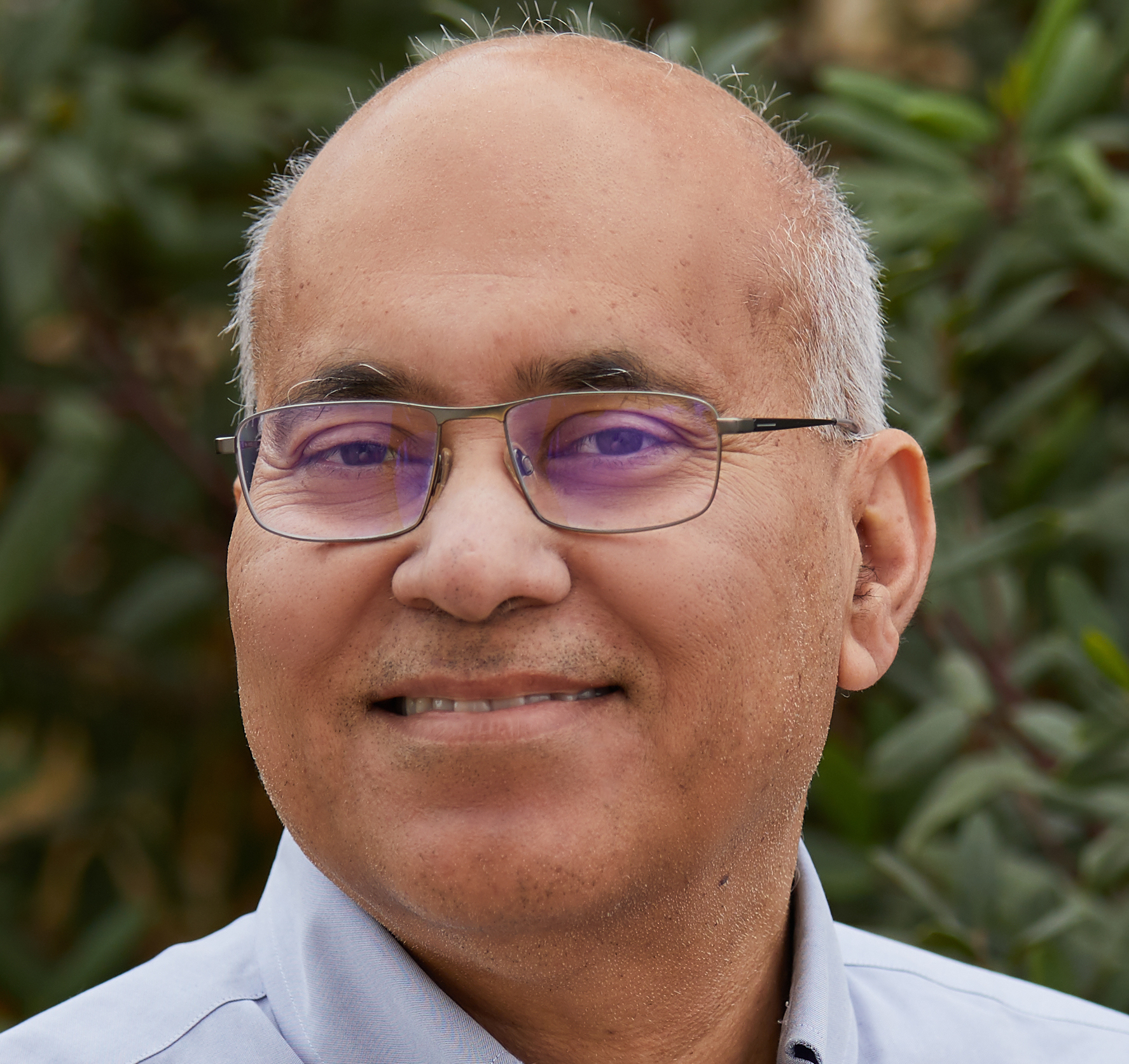
Ludovic Saint-Bauzel is a lecturer at Sorbonne University and head of the IRIS team at the Institute of Intelligent Systems and Robotics (ISIR). His work focuses on improving physical human-robot interaction for individuals with autonomy loss through disability or aging. Specializes in computational models of disabilities Develops user intent detection through sensor fusion Active in IFRH and Fedrha federations IEEE and True Life Lab member Research interests His research centers on Human-robot physical interaction with applications in Elderly care , Smart-walker development, and Walking exoskeleton systems. Key methodologies include: Sensor fusion (depth cameras, force sensors, IMUs) Adaptive robot control systems Pathological movement modeling Motor intent prediction algorithms Article trends show consistent focus on haptic communication (6/15), assistive robotics (9/15), and sensorimotor interaction (11/15) across 2013-2022 publications. Laboratory involvement : Leads the IRIS team at ISIR, part of Fedrha (Federation for Research on Disability and Autonomy) with 50+ research teams.
Jitendra Malik is the Arthur J. Chick Professor of Electrical Engineering and Computer Sciences (EECS) at the University of California, Berkeley, with affiliations in Bioengineering, Cognitive Science, and Vision Science groups. He previously served as Chair of the Computer Science Division (2002-2004) and Department Chair of EECS (2004-2006 and 2016-2017). He also worked part-time as Research Director and Site Lead at Facebook AI Research (Meta Inc.) during 2018-2019. Education : B.Tech in Electrical Engineering (IIT Kanpur, 1980), PhD in Computer Science (Stanford, 1985) Current Research : Computer Vision, Robotics, Machine Learning, Computational Modeling of Human Vision, and Biological Image Analysis Making significant contributions to computer vision , robotics , and machine learning , Malik’s work includes foundational algorithms like anisotropic diffusion , normalized cuts , and R-CNN . His recent research focuses on embodied AI agents , dexterous manipulation , 3D scene reconstruction , and vision-language-action models . His publications have received 11 best paper awards , including test-of-time awards like the Longuet-Higgins Prize (3x) and Helmholtz Prize (3x). Malik has mentored over 80 PhD students and postdoctoral fellows , many of whom hold prominent positions at institutions like MIT, Caltech, Google, and Meta. His lab’s work spans computer vision , robot learning , and 3D modeling , with applications in autonomous systems, medical imaging, and computational biology. Scientific Awards Presidential Young Investigator Award (1989) Distinguished Alumnus Award, IIT Kanpur (2008) IEEE PAMI-TC Distinguished Researcher (2013) K.S. Fu Prize, IAPR (2014) ACM-AAAI Allen Newell Award (2016) IJCAI Award for Research Excellence (2018) IEEE Computer Society Pioneer Award (2019) Fellow, IEEE, ACM, AAAS Member, National Academy of Engineering and National Academy of Sciences As a leader in sensorimotor learning and humanoid robotics , Malik has pioneered approaches for vision-based quadcopter control , humanoid locomotion , and visuo-tactile perception , further advancing the field of artificial intelligence and computational vision .
Jennifer Gutsell is an Associate Professor of Psychology at Brandeis University, affiliated with the Department of Psychology, the Benjamin and Mae Volen National Center for Complex Systems, and the Interdepartmental Program in Neuroscience. Her research focuses on social neuroscience, affective neuroscience, and the neural mechanisms underlying social interactions and perception, utilizing EEG and physiological measures. She holds a Ph.D. and M.A. from the University of Toronto. Her work emphasizes integrating social, cognitive, and biological perspectives to study how humans perceive and adapt to others' emotions and intentions. The Social Interaction and Motivation (SIM) Lab, led by Gutsell, employs multi-method approaches including behavioral experiments and neuroimaging. Key research themes include dehumanization, group biases, empathic accuracy, and sensorimotor resonance. Her studies explore how interpersonal dynamics and social categorizations influence neural processing and empathetic responses. Notable awards include the 2016 Provost Research Award and the 2017-2018 Provost Faculty Diversity Grant. Gutsell’s grants and collaborations highlight interdisciplinary work, leveraging affiliations with Brandeis’ neuroscience programs to advance understanding of complex social behaviors. Her research bridges psychological theory with neurobiological data, addressing societal issues like prejudice reduction and sustainable lifestyle motivations.
Associate Professor Amit Pujari is a biomedical engineer and neuroscientist at the University of Hertfordshire, leading the Neu(RAL)² Laboratory. He holds an honorary position at the University of Aberdeen and is a Royal Academy of Engineering Industrial Fellow. His work focuses on developing non-invasive neuromodulatory devices for stroke and spinal injury rehabilitation. Education: PhD in Biomedical Engineering, University of Aberdeen (2016) MSc in Biomedical Engineering, University of Strathclyde (2007) BE in Instrumentation & Control Engineering, Pune University (2003) Research Interests: Optimizing neuromodulatory stimuli (vibrotactile/electrical) for rehabilitation, neurophysiological basis of vibration therapy, and assistive technologies. His lab is equipped with advanced tools like high-density EMG systems, TMSi devices, and custom vibration stimulators. Awards: Academy of Medical Sciences’ Top 25 Emerging Leaders (2023) British Science Association Award Lecture (2022) Winston Churchill Memorial Trust Fellowship (2017) Grants/Projects: VECTOR: Randomized controlled trial for Crohn’s disease rehabilitation (2024–2027) SPASMS: Wearable sensor technology for spasticity management (2023–2025) User-led design of neurotechnologies for stroke survivors (2023–2025) Labs: Neu(RAL)² Laboratory focuses on neural systems rehabilitation, housing state-of-the-art equipment for EMG/EEG, TMS, and custom devices.
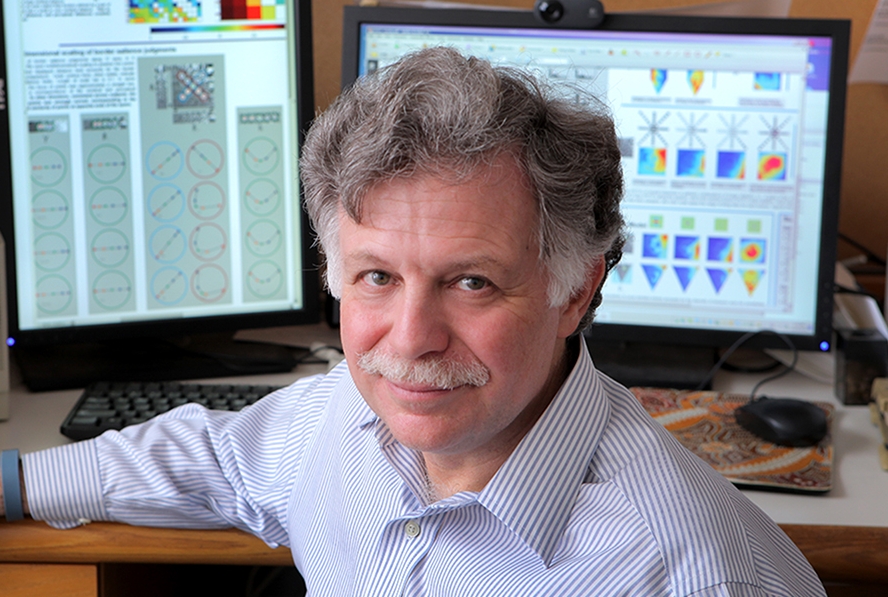
Jonathan D. Victor is a Professor at Weill Cornell Medicine’s Graduate School of Medical Sciences, affiliated with the Department of Neurology and the Feil Family Brain & Mind Research Institute. His research focuses on understanding neural computations, sensory processing, and brain dynamics in health and disease, particularly in vision, olfaction, and disorders of consciousness. He employs interdisciplinary approaches, integrating mathematical modeling, computational techniques, and experimental neuroscience. Victor earned an undergraduate degree in Mathematics from Harvard College in 1973 and completed an MD-PhD program at Rockefeller University and Cornell University, specializing in visual neuroscience. He completed a neurology residency at The New York Hospital and has been at Weill Cornell since 1986. His research spans sensory systems (vision, gustation, olfaction), neural circuits, and sensorimotor integration. Key projects include analyzing perceptual spaces, image statistics in natural and medical contexts, active vision and olfaction, and large-scale brain dynamics in disorders of consciousness. He collaborates with Mary Conte (visual psychophysics), Keith Purpura (neurophysiology), and Nicholas Schiff (neurology and brain injury). Recent publications highlight his work on visuomotor integration, statistical properties of natural scenes, locomotor dynamics in Drosophila, spectral analysis in medical imaging, and cortical synchronization mechanisms. His lab develops methods like spike train metrics and binless embedding to analyze neural data. Scientific awards include the McKnight Scholars Award, NINCDS Teacher-Investigator Award, Klingenstein Fellowship in Neuroscience, and the Cornell Discovery Award. Victor also serves as co-Editor-in-Chief for the Journal of Computational Neuroscience and Vision Research .
Steven Charles is an Associate Professor in the Department of Mechanical Engineering at Brigham Young University. His research focuses on understanding human movement control, characterizing movement disorders, and developing robotic technologies for rehabilitation. He has held academic and research positions at institutions including MIT, Harvard-MIT Division of Health Sciences and Technology, Johns Hopkins University, and Kennedy Krieger Institute. Ph.D. in Mechanical and Medical Engineering from Harvard-MIT Division of Health Sciences and Technology (2008) M.S. in Mechanical Engineering from MIT (2004) B.S. in Mechanical Engineering from Brigham Young University (2001) Dr. Charles’s research lies at the intersection of biomechanics, neuroscience, and robotics. He investigates how humans control movement, the role of passive stiffness in wrist dynamics, and the application of technologies like rehabilitation robots and motion capture systems to assess and assist patients with movement disorders. His work has significant implications for neurorehabilitation and prosthetics. His recent publications emphasize essential tremor analysis, motor control in upper limb disorders, and the development of quantitative assessment tools using motion capture and robotics. Studies include tremor decomposition methods, coherence frameworks for motor inputs, and markerless monitoring systems for movement disorders. Dr. Charles has contributed extensively to neuromechanics and rehabilitation engineering, with a focus on translating biomechanical insights into clinical applications. His work spans both theoretical modeling and practical device development, including instrumented figure skating blades and compliant robots for human-robot interaction.
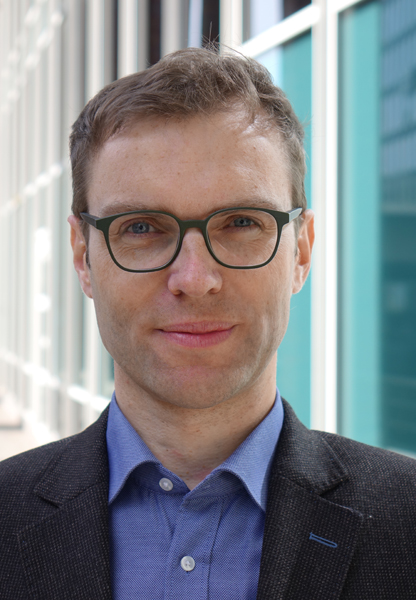
Simon Sponberg is the Dunn Family Associate Professor at Georgia Institute of Technology, holding joint appointments in the School of Physics and School of Biological Sciences within the College of Sciences. He directs the Agile Systems Lab and serves as Physics & Biological Sciences Director. His research bridges physics, biology, and engineering to understand the principles of animal locomotion. Dr. Sponberg received his Ph.D. in Integrative Biology from UC, Berkeley and completed postdoctoral research at the University of Washington. His academic journey began with undergraduate studies at Lewis & Clark College, where he first explored biomechanics research focusing on gecko adhesion. Dr. Sponberg's research centers on neuromechanics - an integrative science examining how physics and physiology enable animals to achieve remarkable stability and maneuverability. His work specifically investigates insect flight mechanics, particularly in hawkmoths (Manduca sexta), exploring how nervous systems interact with muscle mechanics to produce locomotion. Key research areas include: Mechanisms of Maneuverability: How animals maintain stable flight during perturbations Sensing in Complex Environments: Multisensory integration of vision and mechanosensation Multiscale Physics of Muscle: How muscle structure relates to function across scales Evolution of Flight: Comparative studies of different insect flight strategies His publication record reveals a strong focus on the intersection of biomechanics, neuroscience, and physics, with recent work emphasizing resonant mechanics in insect flight, precise neural control of movement, and multisensory integration for robust performance across varying environmental conditions. A notable trend is the integration of experimental biology with computational modeling and robotics to extract general principles of movement. Dr. Sponberg's scientific achievements have been recognized with numerous awards and fellowships: Hertz Fellow (since 2002) National Science Foundation Fellowships American Physical Society Awards Society of Integrative and Comparative Biology Awards Woods Hole Marine Biological Institute Fellowships University of California Fellowships International Association of Physics Students Awards As an advisor, Dr. Sponberg mentors a diverse team of graduate students and postdoctoral researchers through the Quantitative Biosciences Graduate Program, Neuroscience and Neurotechnology Graduate Program, and Bioengineering Graduate Program. His lab has received significant funding, including an NSF-funded Biological Integration Institute (the Integrative Movement Sciences Institute) and a FLAP MURI grant. His mentoring philosophy emphasizes interdisciplinary collaboration and hands-on research experience, with over 120 undergraduate students having participated in his lab through Georgia Tech's Vertically Integrated Projects program. The Agile Systems Lab, housed in the Howey Physics Building at Georgia Tech, brings together researchers from physics, biology, engineering, and neuroscience to study the fundamental principles of movement. The lab features state-of-the-art equipment for high-speed videography, electrophysiology, robotic flower tracking systems, and X-ray diffraction studies of living muscle. Current collaborative projects include the NSF-funded Integrative Movement Sciences Institute, which explores movement across scales from molecules to organisms, and the FLAP MURI grant investigating resonant mechanics in flapping flight.
Nashra Ahmad is a Research Fellow at Durham University, affiliated with the Department of Music and the Institute for Medical Humanities. She is a PhD candidate supported by the Durham Doctoral Studentship and holds a Master's in Cognitive Science from IIT Gandhinagar (2021) and a BA in Psychology (First Class Honours) from Aligarh Muslim University (2018). Her research focuses on rhythm perception, consonance/dissonance dynamics, and music cognition, combining neuroscience and interdisciplinary approaches. She is an active member of the Music and Science Lab and an editorial assistant for DURMS . Additionally, she teaches Psychology at the Durham Centre for Academic Development (DCAD). Key research interests include: rhythmic entrainment in North Indian classical music, sensorimotor synchronization, and neural correlates of musical perception. Her work bridges cognitive science, musicology, and technology, with publications in Data in Brief , Frontiers in Neurorobotics , and Music & Science . Awards include the Sabarmati Bridge Fellowship (2021) for pre-doctoral research and the Durham Doctoral Studentship (2022). Education: Bachelor of Arts in Psychology (First Class Honours), Aligarh Muslim University, 2018 Masters in Cognitive Science, Indian Institute of Technology Gandhinagar, 2021 Her publications analyze EEG responses to music, resonance strategies in AI design, and beat prediction from neural data. She has presented at international conferences such as the International Conference of Students of Systematic Musicology (2023) and the Max-Planck-Institut für empirische Ästhetik (2022). Awards: 2022: Durham Doctoral Studentship 2021: Sabarmati Bridge Fellowship Teaching and Outreach: She teaches Psychology to foundation-year students at DCAD and has prior experience teaching guitar and music theory in India. Her creative interests include landscape painting and sculpting, reflecting her interdisciplinary engagement with art and science.
Clemens Wöllner is a Professor of Systematic Musicology at the University of Music Freiburg (since 2022) and previously held the same position at the University of Hamburg (2013–2022). He also served as a Visiting Researcher at UC San Diego (2018–2019), Acting Professor at the University of Bremen (2010–2013), Research Fellow at the Royal Northern College of Music (2008–2010), and Research Associate at the Martin Luther University Halle-Wittenberg (2007–2008). Education : Doctorate (2007) and Master of Arts in Psychology of Music (2003) from the University of Sheffield. Scholarships from the Evangelisches Studienwerk , German National Academic Foundation , and Royal College of Music London . His research focuses on music psychology , timing and time perception , musical expressiveness , multimodal perception , movement analysis , and the sociocultural foundations of musical conducting . He led the 5.5-year EU-funded project 'Slow Motion' (ERC Consolidator Grant 725319), which investigated transformations of musical time in perception and performance. Selected recent publications explore topics such as interoceptive systems in musical emotions , social situation evaluations through music , and sensorimotor synchronization in time perception . His work bridges musicology, cognitive science, and movement analysis. Honours and Awards European Research Council Consolidator Grant (2016) Associate Junior Fellowship (2011) ESCOM Young Researcher Award (2006) He currently chairs the Doctoral Committee and Ethics Committee at the University of Music Freiburg, and previously served on the State Graduate Funding Committee . He is President of the German Society for Music Psychology (since 2022) and a board member of ESCOM , GfM , and SEMPRE .
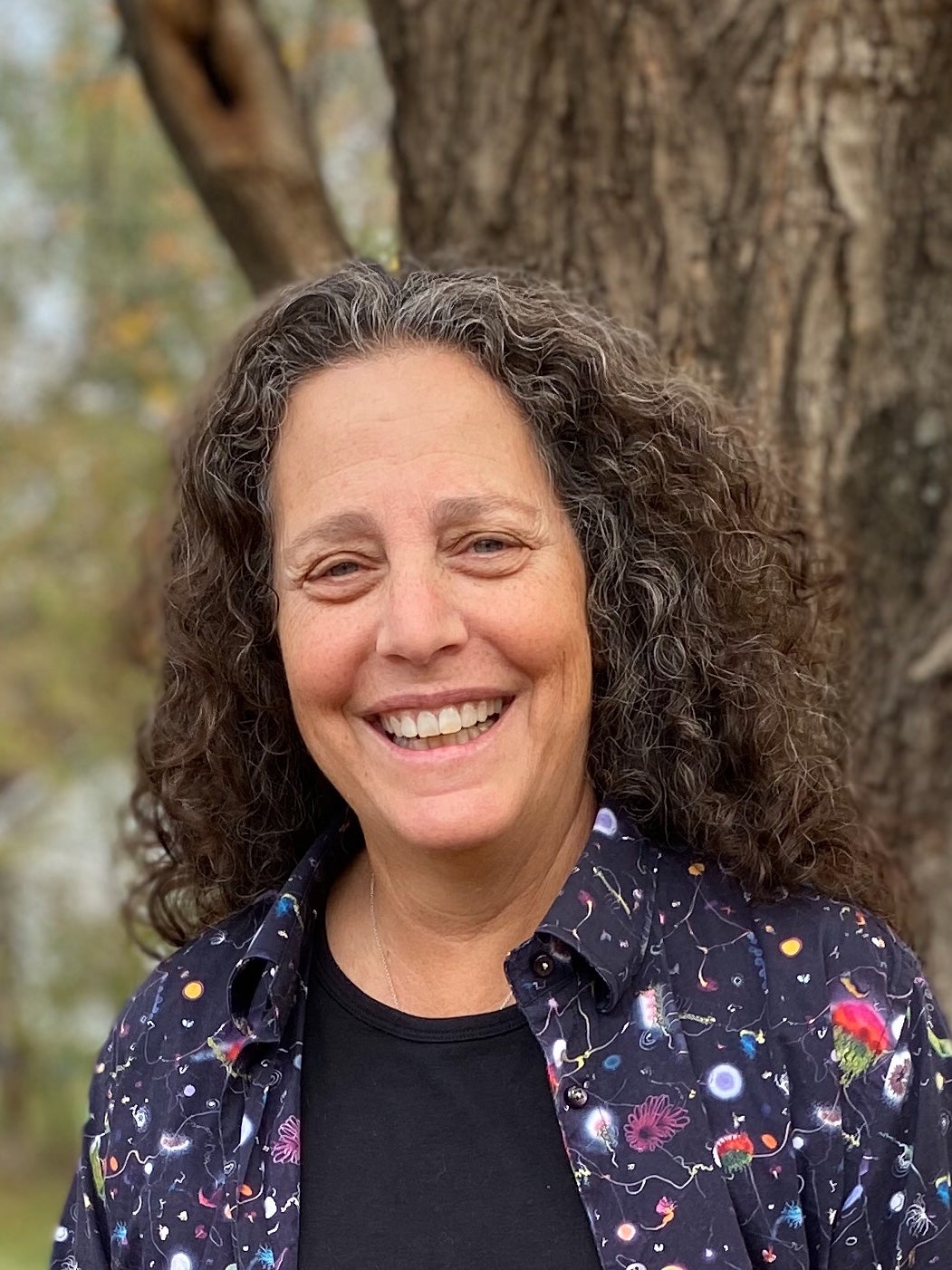
Leslie M. Kay is a Professor of Psychology and Deputy Dean for Research at The University of Chicago. Her research focuses on olfactory neurophysiology, oscillatory dynamics, and the interplay between context and cognition in sensory processing. Education: BA in Liberal Arts from St. John's College, Santa Fe; PhD in Biophysics from UC Berkeley At the Institute for Mind & Biology, her lab investigates how behavioral context affects olfactory and limbic system neurophysiology through psychophysical and electrophysiological approaches. Key research areas include: Roles of respiratory rhythms in neural synchronization Theta/gamma oscillation mechanisms Odor perception across sensory pathways Neurocognitive strategies in odor processing
Andrew Warshaw is Associate Professor of Music and Dance at Marymount Manhattan College, where he also serves as Music Director in the Department of Dance and Coordinator of the Music Minor. He holds a B.A. from Wesleyan University and an M.F.A. from New York University. His research lies at the intersection of music, movement, and cognition, focusing on how vertebrate locomotion influences musical structure and perception. Key areas include evolutionary music theory, music and medicine, and embodied composition. He has presented and published on locomotion-encoded musical patterns, proposing frameworks that link biological movement to musical organization. His recent publications reveal a consistent interdisciplinary trajectory, connecting music with cognitive science, neuroscience, and evolutionary biology. These works explore self-organizing musical systems, clinical applications, and theoretical models grounded in human and animal movement. While no scientific awards are listed, his scholarly contributions reflect a deep engagement with both artistic and scientific communities. He advises on the music minor and integrates research into performance and pedagogy. There is no mention of formal advisees or laboratory affiliations, but his work suggests collaborative potential across music, dance, and medical research domains.
Paul Tiesinga is Professor of Neuroinformatics at Radboud University's Faculty of Science, where he directs the Neuroinformatics group at the Donders Centre for Neuroscience. His research focuses on understanding information processing in the brain, particularly the role of oscillations ('brain waves') in cognitive functions and disease mechanisms. He combines computational modeling with experimental approaches including optogenetics to investigate cortical dynamics. As Director of Education for the Institute for Mathematics, Physics and Astronomy, he oversees academic programs while maintaining active research in: Computational modeling of cortical circuits Oscillation mechanisms in neural coding Data sharing policies for neuroscience Information transfer between brain areas His recent publications reflect advances in neurotechnology development, thalamocortical connectivity analysis, and novel methodologies for neural data interpretation.
Dr. Karen May-Newman is a Professor in the Department of Mechanical Engineering at San Diego State University (SDSU), affiliated with the College of Engineering. She holds academic roles in SDSU's Academic Affairs and leads research through the Cardiovascular Biomedical Lab (CBL). Her primary affiliations include the San Diego Heart Institute and the Center for Sensorimotor Neural Engineering. Her research focuses on improving cardiovascular patient outcomes through medical device innovation, particularly in Left Ventricular Assist Devices (LVADs). Key areas include LVAD-induced hemodynamic effects, fluid dynamics in heart failure patients, and regulatory science for medical device approval. She has pioneered studies on aortic valve insufficiency, vortex dynamics in LVAD-supported hearts, and computational modeling for regulatory compliance. Dr. May-Newman’s work spans experimental and mathematical modeling, with recent emphasis on pump obstruction effects, artificial pulse synchronization, and patient-specific flow analysis. She actively mentors master’s students in biomedical engineering and collaborates on NSF/FDA-funded projects advancing ventricular pump design and regulatory tools. No scientific awards are explicitly listed, though her contributions to cardiovascular engineering and device safety are significant. She directs the CBL, fostering interdisciplinary research in assistive technology and cardiovascular biomechanics.
John Rinzel is a Professor of Neural Science and Mathematics at New York University, affiliated with the Center for Neural Science and the Courant Institute. He holds academic positions within the College of Arts and Science and the Graduate School of Arts and Science. His research focuses on computational neuroscience, integrating biophysical mechanisms with mathematical modeling to understand neural computations at cellular and network levels. Education: Ph.D. in Mathematics (1973) and M.S. in Mathematics (1968) from NYU’s Courant Institute, and a B.S. in Engineering from the University of Florida (1967). Ph.D. in Mathematics, NYU Courant Institute (1973) M.S. in Mathematics, NYU Courant Institute (1968) B.S. in Engineering, University of Florida (1967) Research Interests: Rinzel studies biophysical mechanisms underlying neural computations, including dendritic computation, neuronal excitability, auditory pathway modeling, perceptual bistability, and rhythmic timing. His work combines theoretical models with experimental collaborations, emphasizing reduced biophysical models for cellular and network-level dynamics. Recent research trends include auditory streaming, perceptual dynamics, and rhythmic beat generation in music. His models explore gamma oscillations, thalamic spindle rhythms, and sleep-related neural excitability. Publications highlight applications in sensory processing, neural network oscillations, and cognitive functions like attention and memory coordination. No scientific awards explicitly listed. Rinzel leads a research group focusing on computational neuroscience, collaborating on projects involving auditory neuroscience, mathematical biology, and theoretical neurophysiology. His lab is part of NYU’s Center for Neural Science, fostering interdisciplinary approaches to brain function.
David Moses is an Assistant Professor in the Department of Neurological Surgery at the University of California, San Francisco (UCSF) School of Medicine. His research focuses on developing advanced brain-computer interfaces (BCIs) and speech neuroprostheses to restore communication in individuals with paralysis or speech impairments. Moses works at the intersection of neuroscience, biomedical engineering, and artificial intelligence, utilizing cortical activity mapping to create real-time decoding systems. Research Areas: Brain-Computer Interfaces Speech Neuroprosthetics Neural Signal Decoding Artificial Intelligence in Medicine Cortical Activity Analysis Cognitive Neuroscience Publication Trends: Moses' recent work (2024-2025) emphasizes streaming brain-to-voice neuroprostheses, bilingual speech decoding, and user agency in neuroprosthetic design. Earlier publications (2016-2022) established foundational methods for continuous phoneme decoding, real-time dialogue systems, and AI-driven cortical signal translation. Key Collaborations: Moses frequently collaborates with Edward Chang (UCSF), Gopala Anumanchipalli (UCSF), Karunesh Ganguly (UCSF), and Adelyn Tu-Chan (UCSF) on high-impact neuroprosthetic research. His work is cited extensively in medical and neuroscience literature, with significant social media and policy influence.