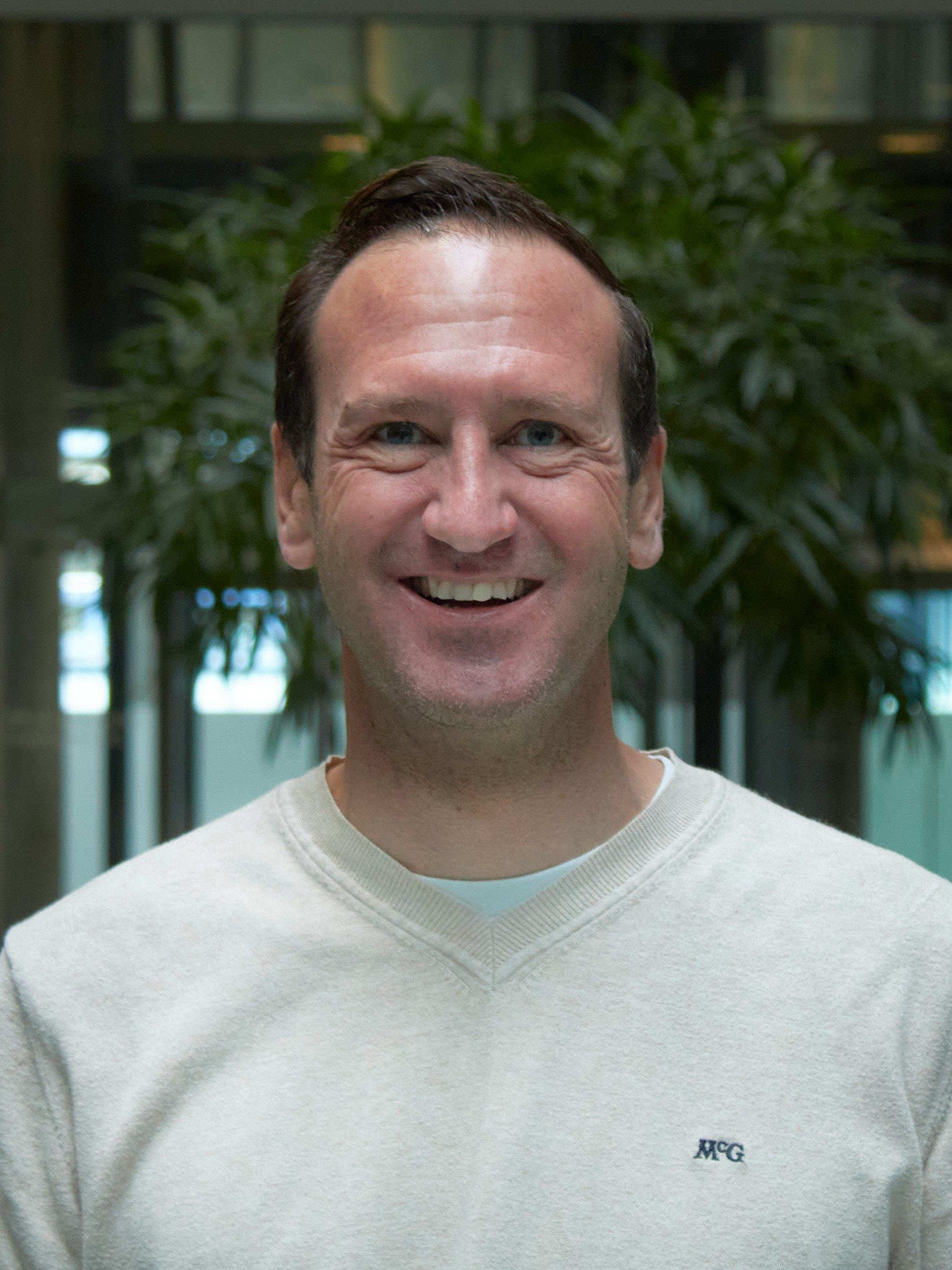
Lars Brorson Fich is an Associate Professor at the Department of Architecture, Design and Media Technology within the Technical Faculty of IT and Design at Aalborg University. His research focuses on the intersection of architecture, neuroscience, and human behavior, particularly exploring how built environments influence cognitive processes and physiological responses. Education: Cand. Arch. (Architectural Degree). Research interests include architectural affordances, neuroaesthetics, embodied cognition, stress assessment in design, and the impact of urban spaces on memory and emotion. He leads the Brain, Body, Architecture Research group and collaborates with interdisciplinary teams on projects like 'The City as a Memory System' and 'Stress Assessment Tool for Architectural Design.' Notable projects include studying neuronal rhythms in urban environments, co-creation with children for space activation, and investigating how architectural elements affect cortisol levels. His work bridges cognitive science with design through methods like mobile brain imaging (MoBI) and virtual reality experiments. Publications span topics from spatial cognition in VR to material trajectories in construction. Media engagements highlight critical evaluations of urban planning failures (e.g., Hirtshals case studies) and advocacy for evidence-based architectural design in healthcare and education sectors.
Zakaria Djebbara is an Associate Professor at Aalborg University's Department of Architecture, Design and Media Technology, part of The Technical Faculty of IT and Design. His research explores how built environments influence human cognitive processes, focusing on neural synchronization patterns and the interplay between architectural features and attention/working memory. He employs Virtual Reality (VR) combined with mobile EEG and body tracking to study these phenomena. Key Projects: "Neuronal and Urban rhythms effect on memory" (2024-2027, PhD supervision) "Architecture & Transitions: an enactive and electrophysiological approach" (2017-2020) Research Themes: Neuroarchitecture and cognitive neuroscience Embodied cognition and sensorimotor interactions Mobile brain/body imaging (MoBI) His work bridges architecture, neuroscience, and technology, examining how spatial rhythms and visual patterns shape neural activity. Recent studies include EEG investigations in historical cities like Ghardaïa, Algeria, and VR experiments analyzing navigation strategies. Awards: 2021 Spar Nord Fondens Forskningspris 2020 Brain Products MoBI Award Key Contributions: Developed the BeMoBIL pipeline for multimodal neuro-architectural data analysis Advocated for biophilic design and adaptive facades to enhance well-being Co-organized the Designing Atmospheres symposium (2023)
Andy Alexander is an Assistant Professor in the Department of Psychological and Brain Sciences at UC Santa Barbara. He holds a B.S. and Ph.D. in Cognitive Science from UC San Diego and completed postdoctoral training at Boston University. His research focuses on neural mechanisms underlying spatial cognition, memory, and corticothalamic circuit interactions. Current projects investigate how large-scale neural ensembles coordinate to mediate spatial navigation and mnemonic processes in rodents, using advanced techniques like in vivo electrophysiology and neuroimaging. Education: B.S. in Cognitive Science, UC San Diego Ph.D. in Cognitive Science, UC San Diego Postdoctoral Fellow, Boston University (Hasselmo Lab) Research Interests: Neural coding of spatial and temporal information Cortico-cortical and cortico-thalamic interactions Computational models of spatial navigation Neural ensemble dynamics during behavior Lab Environment: Housed in UCSB's Neuroscience Research Institute Recruiting graduate students (PB&S or Dynamical Neuroscience programs) and postdoctoral fellows Focus on interdisciplinary approaches combining experimental and computational neuroscience
Marianne Gullberg is a Professor of Psycholinguistics at Lund University , where she serves as Director of the Lund University Humanities Lab and Huminfra , Sweden's national infrastructure for digital and experimental humanities research. Her work integrates second language acquisition , bilingualism , and gesture studies , focusing on semantic and discourse processing in multilingual contexts. Research Leadership: She leads the TEAM program on transdisciplinary approaches to multilingualism and co-founded the LAMiNATE network for language acquisition and teaching. Scientific Contributions: Known for pioneering research on speech-gesture integration in bilinguals, she co-established the Nijmegen Gesture Centre and directed the Max Planck Institute's Dynamics of Multilingual Processing group (2003-2009). Honors: Recipient of the 2019 European Second Language Association Distinguished Scholar Award , 2019 Swenson Prize , and 2014 Rausing Prize . Leadership Roles: President of the International Society for Gesture Studies , Vice-President of EuroSLA (2003-2007), and Non-resident Fellow at the Swedish Collegium for Advanced Studies . Academic Service: Former Associate Editor for Language Learning (2009-2014), Frontiers in Psychology , and Gesture (2000-2017). Key Research Themes include embodied cognition in language learning, multimodal communication, and cognitive-linguistic interactions in multilingual speakers. Her recent publications emphasize methodological innovations (e.g., smartphone-based tracking via the LANG-TRACK-APP ) and comparative studies of language exposure in migration vs. study abroad contexts. Scientific Awards: European Second Language Association Distinguished Scholar Award (2019) Swenson Prize in Humanities and Social Sciences (2019) Rausing Prize in Humanities (2014) Eva and Lars Gårding's Prize in Linguistics (2010) Infrastructure Development: As Director of Huminfra, she coordinates national digital humanities resources. Her editorial work spans top journals like Language Learning and Frontiers in Psychology .
Fleur Bouwer is an Assistant Professor at the Cognitive Psychology Unit of Leiden University , affiliated with the Music Cognition Group and Amsterdam Music Lab . Her research bridges cognitive neuroscience and music perception , focusing on rhythmic behavior, auditory processing, and neural mechanisms of temporal expectations. PhD from University of Amsterdam (Music Cognition Group) Postdoc under Prof. Heleen Slagter Her work investigates how humans and non-human animals process rhythm through ERP studies , cross-species comparisons , and neural oscillation analysis . Recent publications include methodological guides for testing rhythmic abilities and neural distinctions between beat-based and pattern-based expectations. Key scientific recognition includes the NWO Veni Grant (2020) for rhythm perception research. Public outreach includes: Interactive platform Toontjehoger (KNAW Gewaardeerd! program) Amsterdam Dance Event explanations on NPO2 Atlas TV Children's lectures at NEMO Science Museum Media commentary in Volkskrant and RTL EditieNL She also explores applications in music therapy, examining interpersonal perception of musical significance through experimental participation programs.
Simone Falk is a Full Professor in the Department of Linguistics and Translation at the Faculty of Arts and Sciences, University of Montreal. She holds the prestigious Canada Research Chair in Interdisciplinary Studies on Rhythm and Language Acquisition and is a member of BRAMS (International Laboratory for Brain, Music and Sound Research) and the Centre for Research on Brain, Language and Music (CRBLM). Her research focuses on the interface between language and music, with particular emphasis on rhythmic phenomena in communication, language acquisition, and speech pathology. Drawing from experimental linguistics, neuroscience (including EEG), cognitive science, and movement sciences, her work examines how rhythmic and temporal predictions influence language processing. Key research areas include characterizing developmental speech and language deficits, understanding verbal and motor coordination between speakers, and developing music-based interventions for speech pathology. Analysis of her recent publications reveals a strong focus on the neural and cognitive mechanisms underlying speech rhythm, with particular attention to stuttering, infant language development, and the therapeutic potential of musical training. Her work spans multiple disciplines, connecting linguistics, neuroscience, and clinical applications, with a growing emphasis on translational research that bridges basic science with clinical practice in speech-language pathology. Scientific Awards: Canada Research Chair in Interdisciplinary Studies on Rhythm and Language Acquisition Professor Falk actively supervises graduate students, with recent master's theses focusing on topics such as adjective agreement processing in adolescents, rhythmic coordination during alternating reading tasks, and music-speech transfer effects. Her extensive grant portfolio includes multiple major projects funded by Canadian and Quebec research agencies (CRSNG, CRSH, FRQSC, FRQNT), with a current focus on rhythm's role in speech perception and production (2021-2027), group singing for communication disorders (2023-2025), and stuttering choir interventions (2020-2024). She leads research within the BRAMS laboratory and CRBLM, collaborating with speech-language pathologists and clinicians to develop novel intervention approaches for communication disorders based on musical training, singing, and rhythmic interaction. Her work has significant implications for understanding the fundamental connections between rhythm, language, and movement in both typical development and clinical populations.
Robert Zatorre is a Professor in the Department of Neurology and Neurosurgery at McGill University's Faculty of Medicine. He is a leading expert in auditory neuroscience and music cognition, with significant contributions to understanding brain plasticity and reward mechanisms related to music. Zatorre co-founded the International Laboratory for Brain, Music and Sound (BRAMS) in 2006 - a multi-university consortium focused on cognitive neuroscience of music. Key Research Areas Functional and structural properties of the auditory cortex Hemispheric specialization in auditory processing Neural mechanisms of musical emotion and reward Brain plasticity from sensory loss or training Advanced neuroimaging techniques (fMRI, MEG, EEG) Scientific Achievements 2011 IPSEN Foundation Prize in Neuronal Plasticity 2013 Knowles Hearing Science Award 2017 Fellow of the Royal Society of Canada Advising Directed PhD research on auditory prediction mechanisms (2023) Publication Trends show consistent focus on music's neurobiological basis, with recent work exploring cortical rhythmic activity in Parkinson's disease, speech-in-noise perception, and neural correlates of singing. His research combines experimental neuroscience with theoretical frameworks in cognitive science.
Prof. Dr.-Ing. Muthuraman Muthuraman holds the Associate Professorship for Computer Science in Medical Technology at the University of Augsburg and maintains a secondary affiliation as Head of the Neural Engineering with Signal Analytics and AI (NESA-AI) group at the Julius-Maximilian University of Würzburg Department of Neurology. Previously, he served as Assistant Professor at Johannes Gutenberg University Mainz (2016-2024) and Senior Postdoc at Christian-Albrechts University Kiel (2013-2016). Research Focus : Mathematical time series analysis of oscillatory signals, biomedical statistics, multimodal neuroimaging (EEG/MEG/fMRI/EMG), structural and functional network analysis from MRI/DTI/PET, machine/deep learning applications, and proteomic-genomic network modeling including RNA/mRNA/Spatial transcriptomics in neurodegenerative and psychiatric disorders. Publication Trends : His recent work emphasizes neuroinflammatory biomarkers in MS, machine learning applications in multimodal data, deep brain stimulation effects on immune dysregulation, and cross-frequency coupling analysis in movement disorders. Scientific Recognition : Awarded as Best Paper of the Year in Brain Topography (2016) for cortical connectivity studies. Labs & Collaborations : Leads the Informatik für Medizintechnik (IMT) group in Augsburg and NESA-AI unit in Würzburg, collaborating extensively with German Competence Network for MS (KKNMS) and international consortia.
Stefan Elmer is a Senior Researcher at ETH Zurich specializing in computational neuroscience of speech and hearing. His work investigates neural mechanisms of language processing, bilingualism, and music cognition, with emphasis on how musical expertise influences speech perception and word learning across the lifespan using EEG and neuroimaging techniques. Dr. Elmer's research spans speech neuroscience, hearing neuroscience, and bilingualism, focusing on neural plasticity in interpreters and musicians. Key studies examine cognitive load during simultaneous interpretation, neural correlates of absolute pitch, and age-related changes in temporal speech processing. His work demonstrates how experience in music or language reshapes brain connectivity in dorsal/ventral streams. Analysis of his 2019-2023 publications reveals consistent themes: neural adaptations in simultaneous interpreters, music-language interactions in word learning, and clinical applications for tinnitus/hearing loss. His research highlights EEG-based biomarkers for individual cognitive profiles and lifespan effects of expertise on auditory processing. Dr. Elmer contributes to ETH Zurich's Computational Neuroscience of Speech & Hearing group, which employs interdisciplinary approaches to unravel auditory processing mechanisms through collaborative projects bridging neuroscience, linguistics, and clinical audiology.
Simon Høffding is a researcher at the University of Oslo, specializing in music cognition and interdisciplinary research methodologies. He served as the principal investigator for the MusicLab Copenhagen project (2021), a landmark collaborative research concert with the Danish String Quartet that combined music performance with scientific data collection. Key Contributions : Pioneered 'research concerts' as hybrid art-science events Methodologies : Motion capture, heart rate monitoring, audience sensor data Open Science : Advocates for FAIR data principles and open research practices His research focuses on understanding musical experience through multimodal data analysis, examining how performers and audiences interact in live settings. He has developed innovative synchronization protocols using mobile phone sensors and motion tracking to study collective musical engagement. Notable collaborations include projects with the fourMs Lab (grant #322364) and RITMO Center for Interdisciplinary Studies in Rhythm, Time and Motion (grant #262762). The dataset from MusicLab Copenhagen has been published on Open Science Framework under a CC-BY license. The research team produced a documentary film, The Sound of Consciousness , to disseminate findings. Technical resources include GitHub repositories for motion alignment scripts and mobile data capture frameworks.
Joel S. Snyder, Ph.D., is a Professor in the Department of Psychology at the University of Nevada, Las Vegas (UNLV), where he also directs the Auditory Cognitive Neuroscience Laboratory (ACNL). His research integrates cognitive psychology and neuroscience to explore how humans perceive and remember complex auditory environments, with a special focus on musical rhythm, groove, and emotional responses to sound. Education: While specific degrees are not listed in the provided text, Dr. Snyder holds a Ph.D. and is a tenured Professor at UNLV, indicating extensive academic training in psychology and neuroscience. Research Interests: Auditory Scene Perception: How listeners parse and remember real-world auditory environments. Musical Rhythm and Groove: Neural and cognitive mechanisms underlying beat perception, rhythm production, and emotional responses like groove and chills. Memory for Natural Sounds: Long-term memory for auditory and visual stimuli in naturalistic contexts. Misophonia and Musicality: The relationship between sound sensitivity disorders (e.g., misophonia), musical training, and brain function. Cognitive Neuroscience Methods: Use of EEG, fMRI, and brain stimulation to study auditory cognition. Publication Themes: Dr. Snyder’s recent work spans consciousness theory critique, replication studies in EEG and rhythm perception, auditory scene analysis in natural environments, and the psychological impact of sound in both neurotypical and clinical populations (e.g., autism, misophonia). His collaborative output includes theoretical reviews and empirical studies in high-impact journals like Nature Neuroscience , Nature Reviews Psychology , and Philosophical Transactions B . Scientific Contributions & Recognition: Dr. Snyder has co-authored open letters critiquing prominent theories of consciousness, participated in large-scale replication efforts (e.g., #EEGManyLabs), and contributed to public science communication through interviews with The New York Times and podcasts. His lab’s work has been featured in international conferences (e.g., Neurosciences and Music, ICMPC, Timing Research Forum). Teaching & Mentorship: He teaches undergraduate and graduate courses in Perception and Cognitive Neuroscience. His lab has mentored students including Maggie McMullin, Solena Mednicoff, Dan Berkowitz, and Karli Nave, some of whom have gone on to medical school or presented at international venues. Labs & Collaborations: The Auditory Cognitive Neuroscience Laboratory (ACNL), founded in 2007, collaborates with scholars worldwide on projects exploring auditory cognition, rhythm, and consciousness. The lab uses state-of-the-art EEG, behavioral, and neuroimaging techniques to study auditory perception in both natural and controlled settings.
Genevieve Albouy serves as a Lecturer in the Department of Human Movement Sciences at KU Leuven and is an active member of the KU Leuven Brain Institute (LBI). Her academic profile centers on the intersection of motor control, memory systems, and sleep neuroscience, with particular emphasis on neurodegenerative conditions like Parkinson's disease. She contributes to interdisciplinary research through collaborative projects examining how sleep architecture influences motor memory consolidation. Dr. Albouy's research program investigates how sleep-dependent processes mediate motor memory consolidation, with special focus on phase-specific neural mechanisms during slow-wave sleep. Her work employs multimodal approaches including fMRI, EEG, and non-invasive brain stimulation to dissect cortico-striatal-hippocampal network interactions during motor learning. Current projects explore schema-mediated memory integration, targeted memory reactivation techniques, and the impact of Parkinson's disease on online/offline learning dynamics, revealing compensatory neural mechanisms in neurodegenerative populations. Analysis of her recent publication trajectory shows concentrated investigation into sleep-motor memory interactions, with increasing emphasis on clinical translation for Parkinson's disease rehabilitation. Her work demonstrates how targeted interventions during specific sleep phases can enhance motor memory consolidation, while her Parkinson's research identifies paradoxical offline learning enhancements that may inform novel neurorehabilitation strategies. Dr. Albouy has secured significant research funding as promoter of the project 'Modulating motor memory with noninvasive brain stimulation: a multimodal neuroimaging study' (2017-2023) and co-promoter of 'Schema and Motor Memory: A Multimodal Neuroscience Study' (2019-2024) and 'Connectivity in Large-Scale Brain Networks and Sleep-Dependent Motor Memory Consolidation' (2019-2023). She serves as co-supervisor for doctoral candidates, including Reverberi's thesis on schema and motor memory, and actively collaborates with international teams studying sleep-dependent memory processes. As a core member of the KU Leuven Brain Institute, she contributes to interdisciplinary neuroscience initiatives focusing on large-scale brain networks. Her laboratory work integrates sleep monitoring, neuroimaging, and behavioral paradigms to investigate memory consolidation mechanisms, with recent expansions into clinical applications for neurodegenerative disorders through collaborations with movement disorder specialists.
Alexandre Lehmann is an Associate Professor at the Department of Otolaryngology - Head and Neck Surgery, Faculty of Medicine and Health Sciences, McGill University, and an Investigator at the Research Institute of the McGill University Health Centre (RI-MUHC). His work integrates auditory neuroscience, neural plasticity, and rehabilitation science to address hearing challenges. Research areas include brain mechanisms of hearing loss and restoration, therapeutic applications of music, and pharmaco-assisted neural regeneration. His lab employs advanced technologies like brain imaging and virtual reality to study sound processing, adaptation, and innovative rehabilitation strategies. Recent publications focus on cortical responses in cochlear implant users, auditory-motor entrainment, and genetic factors influencing implant outcomes. His studies reveal cross-modal plasticity in visual cortex adaptation and EEG methodology improvements for implant research. Key collaborations include teams at RI-MUHC's Brain Repair and Integrative Neuroscience (BRaIN) Program. Current projects explore drug-enhanced neural learning and multisensory integration in hearing recovery.
Jlenia Toppi is an Associate Professor at the Department of Computer, Control and Management Engineering, Sapienza University of Rome. With a background in Biomedical Engineering (B.Sc. and M.Sc. summa cum laude from University of Rome, Ph.D. from University of Bologna), she leads research at the Neuroelectrical Imaging and BCI Laboratory, IRCCS Fondazione Santa Lucia, focusing on EEG signal processing, brain connectivity modeling, and graph theory applications in cognitive and clinical neuroscience. Education: B.Sc. Clinical Engineering (2006), M.Sc. Biomedical Engineering (2009), Ph.D. Biomedical Engineering (2013) Awards: IEEE EMBC Student Paper Finalist (2012), Young Bioingegneria Award (2012), IEEE EMBS Best Poster (2011) Her research develops advanced EEG methodologies for brain mapping and dynamic connectivity estimation , applied to disorders of consciousness, stroke rehabilitation, and social neuroscience. She pioneered hyperscanning EEG for interpersonal brain-to-brain analysis and contributed to BCI systems like RECOM and The Promotoer. Recent publications highlight her work on hybrid BCI rehabilitation , muscle synergy extraction , and multi-modal assessment of therapeutic interventions . She serves as editor for Computation and Mathematical Methods in Medicine and collaborates with international projects including Horizon 2020.
Mesut Sahin is a Professor in the Department of Biomedical Engineering at the College of Engineering, New Jersey Institute of Technology (NJIT). His academic journey includes a Ph.D. in Biomedical Engineering from Case Western Reserve University (1998) and a B.S. in Electrical Engineering from Istanbul Technical University (1986). Currently, he focuses on neuromodulation of the cerebellum using transcranial AC Stimulation (tACS) and Focused Ultrasound (FUS), while developing floating microstimulators for spinal cord applications (FLAMES). His research spans neural circuits, brain injury recovery, and biomedical signal processing. Education: Ph.D., Biomedical Engineering, Case Western Reserve University (1998) M.S., Biomedical Engineering, Case Western Reserve University (1993) B.S., Electrical Engineering, Istanbul Technical University (1986) Research Interests: Mesut Sahin's work centers on neuromodulation techniques, including transcranial AC Stimulation (tACS) and Focused Ultrasound (FUS), to study cerebellar dynamics and recovery from neural injuries. He has pioneered the development of floating microstimulators for spinal cord applications (FLAMES), enabling wireless neural stimulation. His research also investigates the electrophysiological correlates of brain injuries, neural signal processing methods, and the design of biocompatible devices for chronic implantation. Key themes include neural circuit plasticity, motor control recovery, and the application of advanced technologies like carbon fiber electrodes and PDMS optical waveguides. Scientific Awards: Mesut Sahin is recognized as a Senior Member of the IEEE/EMBS since 2006, highlighting his contributions to biomedical engineering. His work spans over 100 peer-reviewed publications, three patents, and a textbook on bioinstrumentation. Mentoring: He has mentored 17 Ph.D. and 23 Master’s theses, emphasizing student training in neural engineering and biomedical device development.