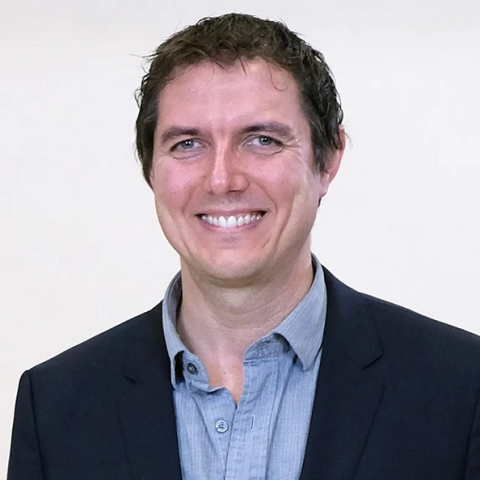
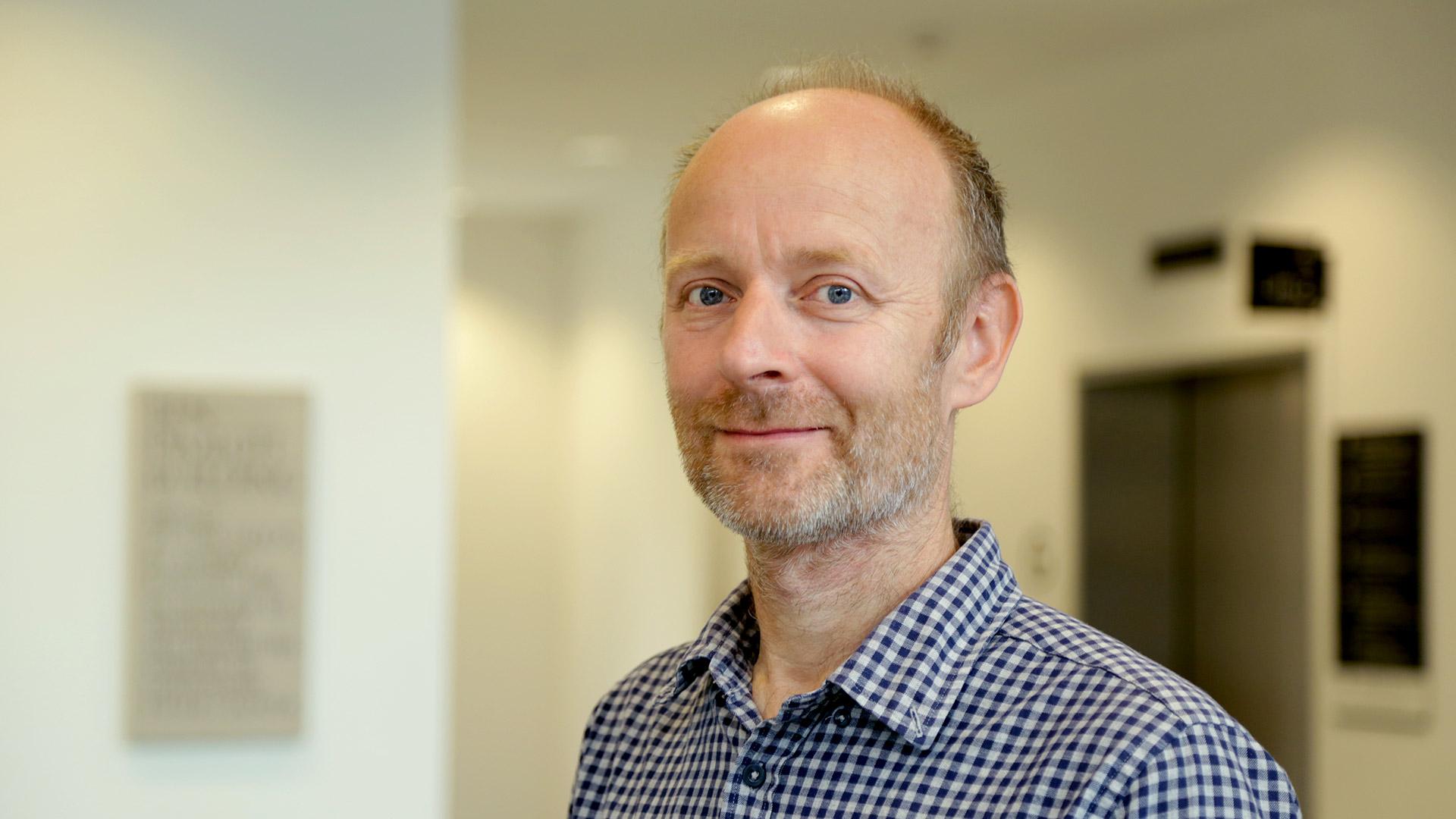
Matthew Binder is a researcher at Trinity University specializing in neuroscience and autism spectrum disorder (ASD) . His work focuses on elucidating neural mechanisms underlying communication deficits in ASD using mouse models , with emphasis on behavioral, immunohistochemical, pharmacological, and imaging techniques. He teaches Introduction to Neuroscience and is affiliated with the Neuroscience and Psychology departments . Research Interests : Neural mechanisms of autism communication deficits Environmental, biological, and genetic factors in ASD Mouse behavioral and vocalization analysis Pharmacological and dietary interventions Notable Contributions : Developed the SNAP protocol for tactile sensory analysis Validated DeepSqueak as a vocalization analysis tool Studied PTEN and FMR1 knockout models Explored effects of vitamin D supplementation on mouse behavior
Kimberly Chan is an Assistant Professor in Biomedical Engineering and FIRST scholar at UT Southwestern Medical Center. She earned her PhD from Johns Hopkins University developing MR spectroscopy techniques. Her research focuses on advancing magnetic resonance spectroscopy (MRS) methods for studying brain metabolism in neurological disorders and cancer. She leads multisite collaborations including the 'Big GABA' studies standardizing MRS across research sites. Recent Publications Focus: Neurochemical alterations in Lafora disease, spinal cord injury metabolism, and technical innovations in MRS reconstruction methods.
Gualtiero Piccinini is a Curators' Distinguished Professor at the University of Missouri, specializing in philosophy of mind, computation, and cognitive science. His research focuses on the intersection of philosophy, neuroscience, and computational theory, with particular emphasis on neural mechanisms, the nature of computation, and epistemological questions. He holds a PhD in History and Philosophy of Science from the University of Pittsburgh. His work integrates mechanistic philosophy with cognitive neuroscience, addressing topics like neural representation, embodied cognition, and the physical realizability of computational processes. Key research areas include: computational theory of mind, neurocognitive mechanisms, physical computation, and the philosophy of scientific methodology. His influential books include *Neurocognitive Mechanisms* (2020) and *Physical Computation: A Mechanistic Account* (2015). Recent publications explore the 'physical signature of computation,' neurocognitive practicalism, and embodied cognitive computational frameworks. He has received awards like the Scholars Award for Explaining Cognition Mechanistically (2017). Piccinini's work bridges philosophical analysis with empirical sciences, advocating for mechanistic explanations in understanding biological cognition and mental processes.
Jan de Fockert is a Professor of Psychology and Co-Head of Department at Goldsmiths, University of London. His research centers on human visual selective attention, cognitive control, and neuroimaging (fMRI/EEG), with emphasis on individual differences across age groups and cultures. His methodologies include behavioral experiments and neuroimaging to study frontal lobe control mechanisms. Core research themes include selective attention, working memory interactions, local/global visual processing, and cognitive load effects. Publications analyze cognitive biases, anxiety impacts, and sensorimotor processing in clinical populations, utilizing electrophysiological and behavioral data. Grant support includes awards from ESRC, Wellcome Trust, and British Academy. Public engagement involves media outreach and school lectures.
Bernadette Murphy is a Professor in the Faculty of Health Sciences at Ontario Tech University. Her research focuses on sensorimotor integration, neural adaptation, and the neurophysiological mechanisms underlying musculoskeletal treatments, chronic pain, and brain plasticity in virtual reality. She holds a PhD in Physiology from the University of Auckland, an MSc in Physiology, a Doctor of Chiropractic from Canadian Memorial Chiropractic College, and a BA in Life Sciences from Queen's University. Education: PhD Physiology, University of Auckland MSc Physiology, University of Auckland Doctor of Chiropractic, Canadian Memorial Chiropractic College BA Life Sciences, Queen's University Her research employs techniques such as EEG, TMS, and EMG to investigate sensory feedback mechanisms and neural plasticity. Recent grants include NSERC Discovery Grants and industry-funded studies on chiropractic care and exercise effects. She advises graduate students on topics like chronic pain processing and virtual reality applications. Grants: NSERC Discovery Grant (2022): $325,000 NSERC Research Tools Grant (2022): $68,638 Canadian Chiropractic Research Foundation (2021–2023): $26,500 MITACS (2019–2021): $45,000 Her lab explores sensorimotor integration deficits in chronic pain and the role of spinal manipulation in neuromuscular function. Collaborations include studies on ADHD-related sensory processing and proprioceptive deficits post-neck fatigue.
Laurel Trainor is a Professor of Psychology, Neuroscience and Behaviour at McMaster University, where she holds multiple prestigious distinctions including Fellow of the Royal Society of Canada (FRSC), Fellow of the Canadian Institute for Advanced Research (CIFAR), and Fellow of the Association for Psychological Science. She is also a McMaster Distinguished University Professor and a Research Scientist at the Rotman Research Institute. Trainor earned her Ph.D. in Experimental Psychology from the University of Toronto in 1991, following an M.A. in the same field (1987) and a Bachelor of Music Performance (1981). Her pioneering research focuses on the neuroscience of auditory development and music perception, particularly how infants acquire musical systems similarly to language acquisition. Trainor has demonstrated that listening to a beat activates motor networks in the brain even without movement, reveals how predictive processes in rhythms shape communication between people, and shows that synchronous movement to musical beats increases prosocial behavior even in infants. Her work spans multiple disciplines including auditory neuroscience, cognitive development, and music therapy. Analysis of Trainor's recent publications (2023-2025) reveals a strong focus on infant and child development, particularly regarding rhythm processing, neural mechanisms of musical perception, and applications for developmental disorders. Her research increasingly incorporates advanced methodologies like machine learning for EEG analysis, online motion tracking, and live performance studies in the unique LIVELab environment. Key themes include the relationship between rhythm perception and motor coordination, cross-modal interactions in music processing, and the therapeutic applications of music. Fellow of the Royal Society of Canada (FRSC) Fellow of the Canadian Institute for Advanced Research (CIFAR) Fellow of the Association for Psychological Science McMaster Distinguished University Professor Lifetime Achievement Award from the Society for Music Perception and Cognition (2022) YWCA Woman of Distinction Award for Arts Culture and Design Co-holder of patent for the Neuro-compensator hearing aid Trainor has secured major funding from prestigious organizations including the Canadian Foundation for Innovation, Canadian Institutes of Health Research, Natural Science and Engineering Research Council of Canada, Social Science Research Council of Canada, and the Grammy Foundation. She is the founding and current director of the McMaster Institute for Music and the Mind (MIMM), which houses the LIVELab—a unique research-concert hall with high acoustic control equipped with multi-person motion capture and EEG systems. This facility enables groundbreaking studies on performer-audience interactions and music's role in health and well-being. Trainor is also an accomplished musician, serving as principal flute of the Burlington Symphony.
Professor Sukhvinder Obhi works at McMaster University's Department of Psychology, Neuroscience & Behaviour, where he directs the Social Brain, Body & Action Lab. He holds a PhD in Cognitive Neuroscience from University College London, completed postdoctoral work at Western University, and was a Visiting Graduate Fellow at Harvard Medical School. His research focuses on the neural and cognitive mechanisms underlying social behavior, particularly exploring power dynamics, status effects, sense of agency, and social diversity issues. He investigates how uniforms alter perception, race biases in mimicry, and neurophysiological responses to empathy and exclusion. Neurosciences Psychology and cognitive sciences Sensorimotor control Social and community psychology His recent publications examine power's influence on brain processing, agency in cooperative settings, and racial microaggression impacts. Media outlets like CNN, NYTimes, and BBC have covered his work on power and cognition. He serves editorial roles for journals and teaches courses on social diversity and psychology.
Aimee Nelson is a Professor in the Department of Kinesiology at McMaster University, Canada. She obtained her BSc in Psychology from McMaster (1997) and her PhD from the University of Toronto (2003). Her research integrates non-invasive brain stimulation, electromyography and behavioural assays to investigate sensorimotor plasticity, pain syndromes, movement disorders and exercise-induced neuroplasticity. Education: PhD, University of Toronto, 2003 BSc Psychology, McMaster University, 1997 Research interests span neurophysiology of motor control, transcranial magnetic stimulation methodologies, spinal cord injury, Parkinson’s disease, dystonia, sex-hormone influences on plasticity, and development of EMG-based biofeedback technologies for rehabilitation. Across >100 peer-reviewed articles her group has advanced understanding of afferent inhibition circuits, ipsilateral motor pathways, exercise-neuroplasticity interactions, and TMS-based therapeutics for chronic pain conditions including CRPS, fibromyalgia and diabetic neuropathy. She currently teaches undergraduate and graduate neurophysiology courses (KINESIOL 3HN3, 4AN3, 729, 713) and maintains an active laboratory at McMaster University.
Dr. Steve Hansen is a Professor in the Department of Physical and Health Education at Nipissing University, serving as Graduate Program Coordinator and Chair within the Schulich School of Education. He holds a BKin (Honours), MSc, and PhD from McMaster University. His research focuses on visual control of upper limb movements, kinematic analyses of movement in both typically developing and special populations, and theoretical modeling of movement control and rehabilitation. Key themes include optimizing speed-accuracy trade-offs, sensory-motor integration, and movement variability quantification. Research interests span human movement behavior, sensory-motor systems, and movement control in clinical populations. His work examines how visual feedback and task constraints influence movement planning and execution, with applications to neurorehabilitation and motor learning. Recent trends in his publications emphasize hormonal effects on motor performance, robotics in pediatric therapy, and peer feedback dynamics in skill acquisition. No scientific awards are explicitly listed, but his extensive publication record reflects impactful contributions to motor control theory. As an academic leader, he oversees graduate training and curricular development in physical education. While no lab affiliations are noted, his research collaborations involve interdisciplinary teams studying biomechanics, neuroscience, and clinical applications.
James Bisley is an Assistant Professor in the Department of Neurobiology at the University of California, Los Angeles . His research focuses on the neural mechanisms underlying visual attention allocation and motion encoding, particularly in posterior parietal cortex and cortical area MT. Techniques include single unit recording, microstimulation, and behavioral task analysis under naturalistic viewing conditions. Research Themes Visual perception and attention Short-term memory of motion stimuli Parietal cortex priority mapping Sensorimotor integration in robotics Key Methods Animal behavioral task design Neural inactivation/stimulation Haptic feedback engineering
Benjamin Kuipers is a Professor in the Department of Computer Science and Engineering at the University of Michigan. His research focuses on artificial intelligence, robotics, and the ethical implications of autonomous systems. He emphasizes human-like morality and ethical frameworks for robots, with contributions to navigation algorithms, tactile servoing, and trustworthiness in AI. Dr. Kuipers mentors PhD students with a focus on self-motivation and clear communication. He encourages internship experiences and teaching roles (e.g., GSI positions) to broaden professional development. His advising style adapts to students' progress, prioritizing intellectual leadership and publication impact over mere productivity metrics. Key research areas include social navigation, robot-human interaction, and developmental learning. He advocates for conferences like AAAI and ICRA to ensure visibility for research. His work bridges technical innovation with societal impacts, addressing challenges in autonomous vehicles and ethical AI governance. Although no explicit awards are listed, his contributions to AI ethics and robotics have positioned him as a thought leader in the field. He collaborates on projects like the spatial semantic hierarchy and cognitive mapping, emphasizing embodied intelligence and sensorimotor learning.
Professor David Burr is a faculty member in the Faculty of Science at the University of Sydney. His research focuses on perception, vision science, and neuroscience, particularly investigating spatial-temporal processing, multisensory integration, and cognitive mechanisms underlying sensory perception. He is affiliated with the Griffith Taylor Building on campus and can be reached at david.burr@sydney.edu.au . His work spans foundational studies in visual perception (e.g., color crowding, cross-orientation inhibition) to interdisciplinary topics like audio-visual interaction and human-robot interaction. Recent studies highlight adaptive spatial integration mechanisms and the role of sound in disambiguating visual scenes. Key Research Themes: Multisensory perception, temporal processing, visual neuroscience, cognitive development. Notable Contributions: Pioneering work on space-time perception and sensory calibration across modalities. Professor Burr has been recognized with prestigious awards, including election to the Academy of the Social Sciences in Australia (2018) for distinguished contributions to social sciences. His research has been supported by grants such as the 2017 USYD Startup Psy initiative. Collaborations include projects on human-robot interaction and perceptual learning, reflecting his interdisciplinary approach to understanding sensory systems.
Professor Frans Verstraten is the McCaughey Chair of Psychology at the University of Sydney's School of Psychology. He holds editorial roles for Perception and i-Perception and has led the School as Head from 2013-2022. His research focuses on visual perception, motion processing, and multisensory integration, with contributions to understanding how locomotion and self-motion influence visual detection and spatial awareness. He has authored influential books like *De wereld van onze Psyche* and co-edited key texts in cognitive neuroscience. Education: MSc (Radboud University Nijmegen, 1990), PhD (Utrecht University, 1994). His work bridges experimental psychology and neuroscience, addressing topics such as optic flow, binocular rivalry, and the neural basis of motion perception. He has secured grants for projects like 'Multisensory perception in active observers' (ARC DP 2020) and 'Contour synthesis' (ARC DP 2014). Research interests emphasize the interplay between perception, action, and environment. Notable findings include how walking modulates visual sensitivity via gait-phase effects and the role of vestibular signals in perceptual organization. His lab explores 'Homo Integralis' series studies on motion perception for moving observers and VR applications in education. Professional contributions include leadership in the Vision Sciences Society (2010-2015, President 2013-2014) and media engagements with Dutch TV (Hoe?Zo!) and SBS radio. His work appears in journals like *Nature Communications*, *Scientific Reports*, and *Acta Psychologica*. Grants and collaborations span multidisciplinary projects in Sydney's Brain and Mind Centre, with a focus on translating perception research to clinical and educational contexts. Current PhD opportunities investigate motion perception dynamics and VR's role in mental health diagnostics.
Dr. Hamed Ghane Sasansaraei is a Researcher affiliated with the School of Psychology & Neuroscience at the University of Glasgow. His research focuses on applying control theory to computational neuroscience, particularly through Brain-Computer Interface (BCI) systems leveraging EEG and fMRI technologies. He investigates sensorimotor decision-making, emphasizing the modeling of sensory input processing, decision formation, and action-outcome perception. Affiliation: University of Glasgow, School of Psychology & Neuroscience Contact: Room 662, 62 Hillhead Street, Glasgow G12 8QB, UK | +44 (0)141 330 4663 Research interests include understanding agency in voluntary actions and the neural mechanisms underlying sensorimotor integration. He currently supervises Marios Philiastides and explores interdisciplinary approaches at the intersection of control engineering and neuroscience.
Professor Marios Philiastides is a faculty member at the University of Glasgow's School of Psychology & Neuroscience, specializing in Decision Neuroscience. His work integrates EEG, fMRI, and computational models to study perceptual and value-based decisions, particularly focusing on neural mechanisms underlying reward learning and decision-making. Affiliations: School of Psychology & Neuroscience (University of Glasgow), Principal Investigator of the Decision Neuroscience Lab. Education: Not explicitly listed in the text; however, extensive publication history suggests advanced training in Neuroscience, Psychology, and related fields. Research Interests: His research explores the neural principles guiding human decision-making, including: Perceptual decision-making processes using EEG/MEG/fMRI Reward-based learning and prediction error signaling Computational modeling of neural evidence accumulation Clinical applications in psychiatry (e.g., depression treatment prediction) Multimodal neuroimaging fusion techniques (EEG-fMRI/TRIUX) Research Trends in Articles: Recent work emphasizes: Dynamic neural mechanisms in reward/punishment contexts Age-related changes in multisensory decision-making Inflammation's impact on reward processing Social vs. non-social decision neural commonalities Scientific Awards & Grants Wellcome Trust (2025-2030): Investigating punishment's role in reward learning European Research Council (2020-2025): Multimodal neuroimaging fusion research Multiple grants from BBSRC, ESRC, and MRC for neural decision confidence studies Advising & Collaborations Supervised postgraduate students include Kitti Ban, Li Cheng, and Nicole Lai. Collaborators include experts in computational neuroscience (e.g., Tarryn Balsdon, Jessica Diaz) and clinical researchers (e.g., Rajeev Krishnadas). Labs & Teams Directs the Decision Neuroscience Lab , focusing on translational research bridging basic neuroscience and clinical applications.