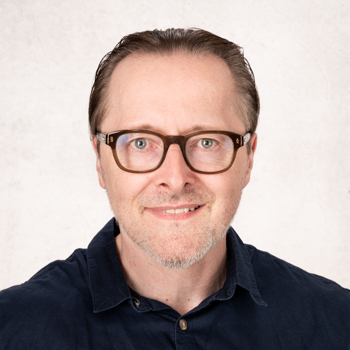
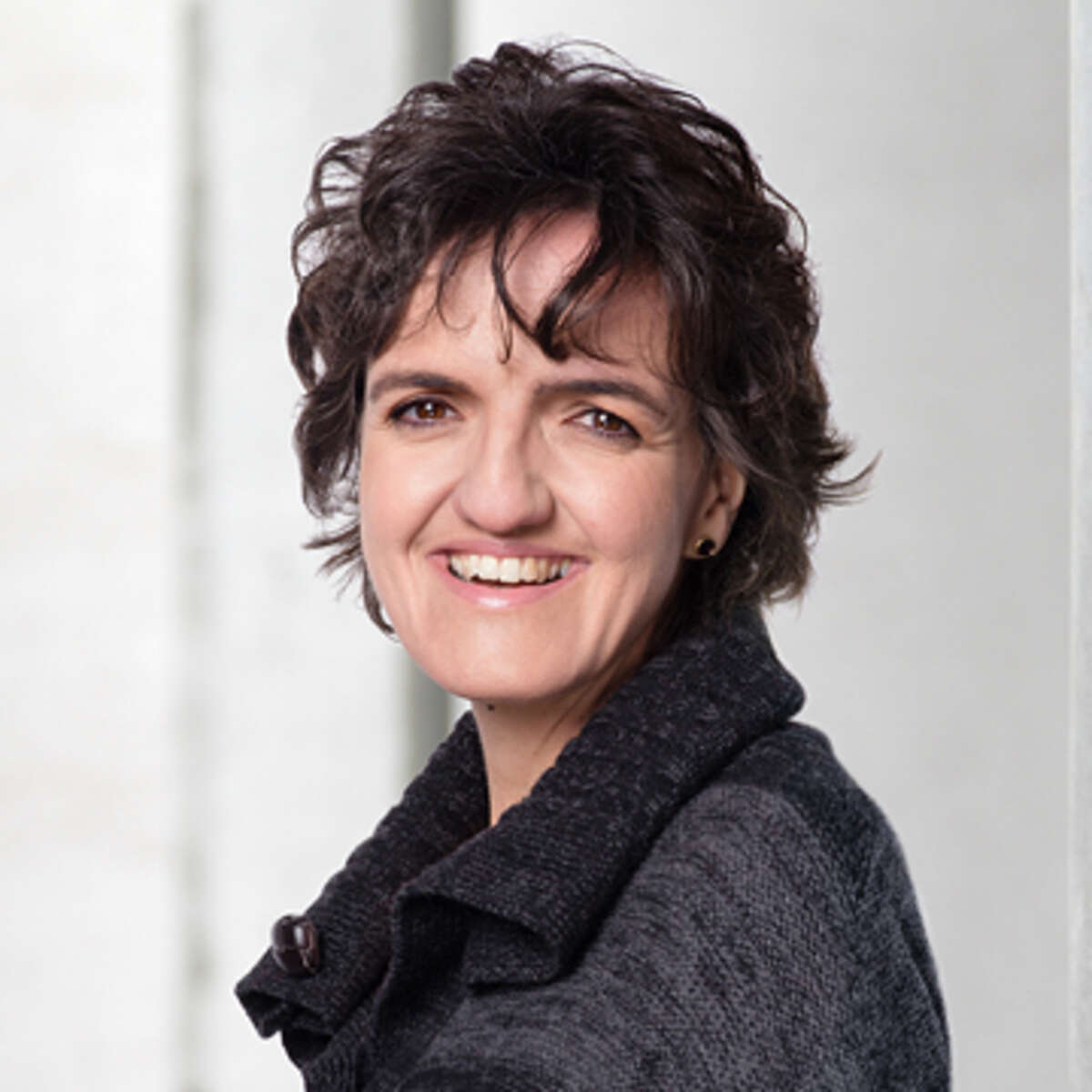
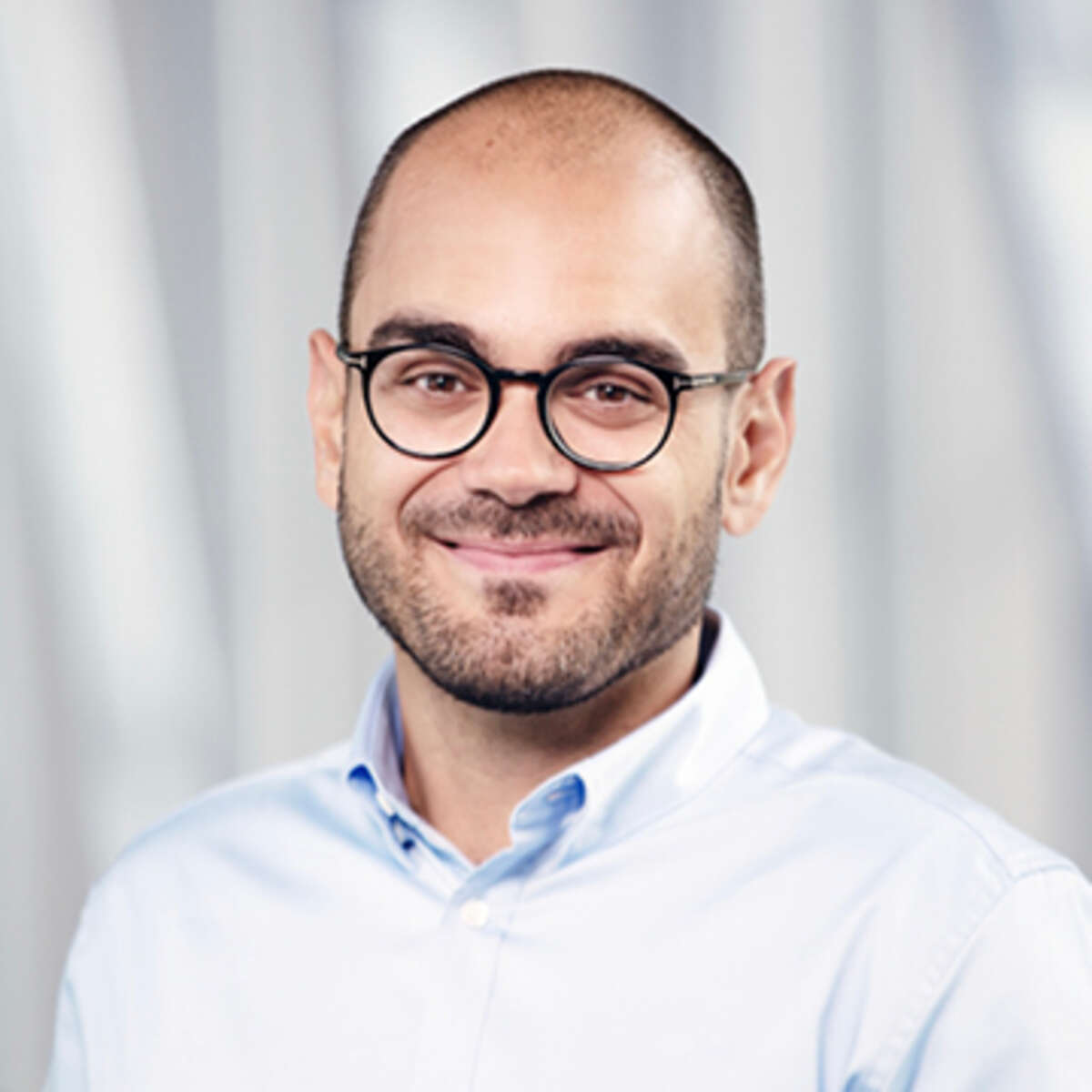
Johannes Larsch is a tenure-track Assistant Professor at the Center for Integrative Genomics within the Faculty of Biology and Medicine at Université de Lausanne (UNIL). His research focuses on understanding the neuronal mechanisms underlying social interactions, using larval zebrafish as a model organism. He employs advanced techniques like virtual reality and optical imaging to study how social signals are processed in the brain. Education: Bachelor of Biology, University of Konstanz, Germany PhD in Neurobiology, Rockefeller University, USA (lab of Cori Bargmann) Postdoc at Max Planck Institute of Neurobiology, Germany (with Herwig Baier) Research interests center on neuronal circuits driving group behavior, social recognition, and the interplay between genetics and environment in shaping behavior. His lab investigates how individual brains coordinate collective social behaviors through studies of neuronal activity and circuit dynamics. Current lab openings include fully funded PhD and PostDoc positions focused on social neuroscience and neurogenomics. Contact: johannes.larsch@unil.ch .
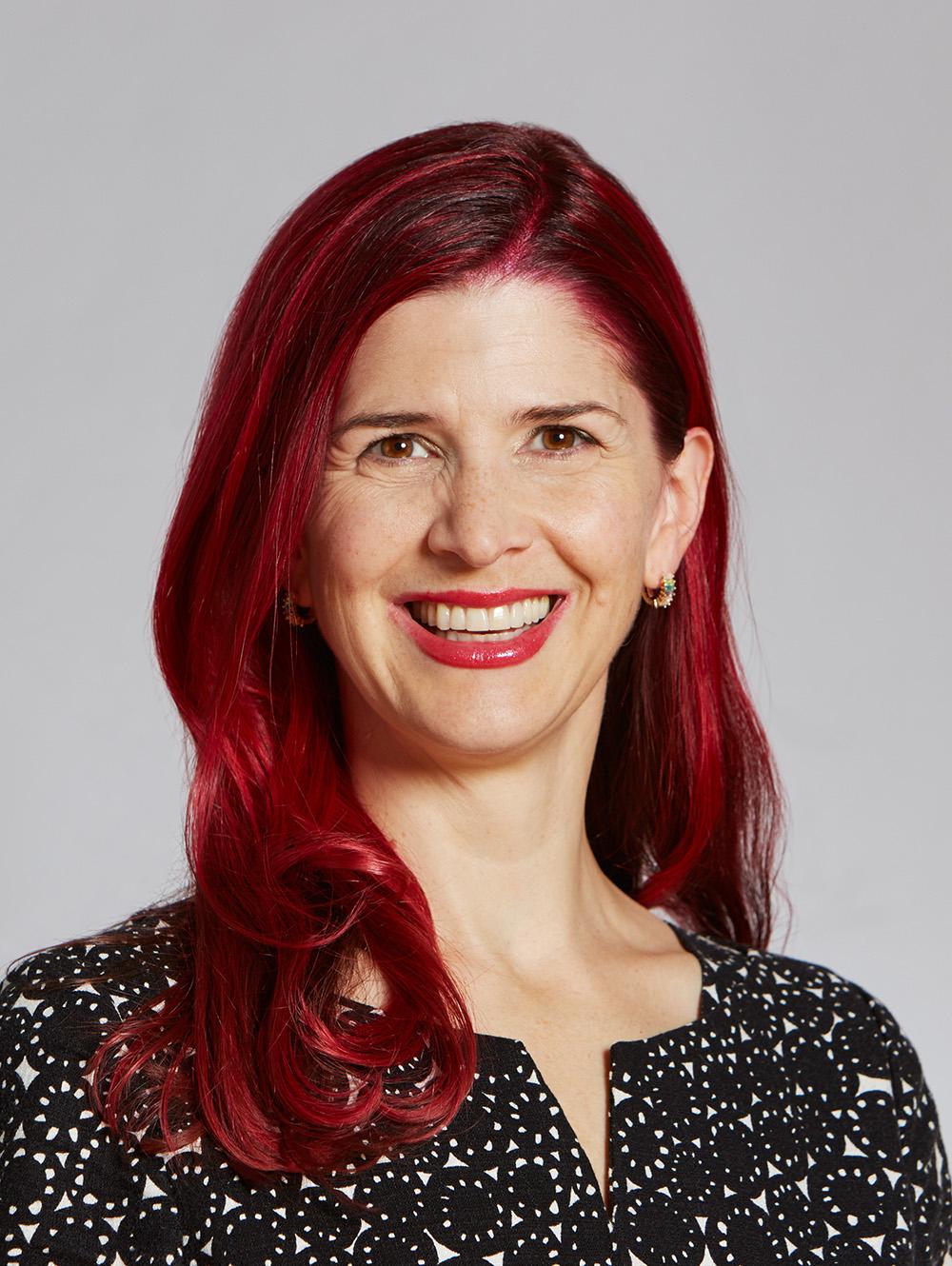
Stéphanie P. Lacour is a Full Professor at the School of Engineering, École Polytechnique Fédérale de Lausanne (EPFL), where she holds the Foundation Bertarelli Chair in Neuroprosthetic Technology. She leads the Laboratory of Soft Bioelectronic Interfaces (LSBI) and is affiliated with multiple departments including INX-STI, STI-SMT, SV-SSV, and AVP-DLE-EDOC. Since 2025, she has served as EPFL’s Vice-President for Support to Strategic Initiatives, overseeing institutional research strategy. Her research is centered at Campus Biotech in Geneva, where she was the founding director of the Neuro-X Institute. PhD in Electrical Engineering, INSA Lyon, France (1998–2001) Postdoctoral Research, Princeton University and University of Cambridge Joined EPFL in 2011 Her research focuses on soft bioelectronic interfaces that seamlessly integrate with biological tissues. She pioneers the development of stretchable, compliant electronics for implantable and wearable applications, using techniques from MEMS and microelectronics adapted to elastomeric substrates. Her work enables long-term, minimally invasive neural interfacing for applications in neuroprosthetics, rehabilitation, and health monitoring. Key innovations include soft electrocorticography arrays, liquid metal sensors, and encapsulation methods for chronic implants. Her recent publications span high-impact journals such as Nature , Science Robotics , Advanced Materials , and Nature Nanotechnology , covering topics like neural stimulation, soft robotics, wireless implants, and hydrogel-based interfaces . The work demonstrates a strong trend toward multimodal, closed-loop, and translational neurotechnologies with real-world clinical potential. Scientific Awards: No scientific awards explicitly mentioned in the provided text. She advises a large cohort of PhD students and postdoctoral researchers, many of whom have completed their theses under her supervision. Her team has received funding for projects in neural interfacing, bioelectronics, and soft robotics. She is actively involved in teaching courses such as Soft Microsystems Processing and Devices and Neural Interfaces . Lacour leads the Laboratory of Soft Bioelectronic Interfaces (LSBI) , a multidisciplinary research team focused on the fabrication, characterization, and in vivo evaluation of soft bioelectronic systems. The lab collaborates extensively across EPFL and with clinical partners to translate technologies from bench to bedside.
Emily Cross is a Full Professor at the Department of Humanities, Social and Political Sciences at ETH Zurich, leading the Social Brain Sciences Professorship since spring 2023. She previously held professorships at Bangor University (Wales), University of Glasgow (Scotland), Macquarie University (Australia), and Western Sydney University's MARCS Institute (Australia). Her research centers on how embodied experience shapes social learning and perception across diverse contexts. Key contributions include identifying neural signatures of embodied expertise using dancers, developing embodied neuroaesthetics theory, uncovering neurocognitive foundations of visual learning across lifespans, and pioneering paradigms for human-robot social engagement. Her interdisciplinary approach bridges technology, performing/visual arts, and social sciences to explore experience-dependent plasticity at brain and behavioral levels. Recent publications (2024-2025) demonstrate intense focus on human-robot interaction dynamics, aesthetic movement perception, and context-dependent social cognition. Work increasingly examines self-disclosure mechanisms to robots, cultural influences on robot acceptance, and neural correlates of movement synchrony, reflecting her expanding influence at the neuroscience-robotics intersection. Scientific awards include: Philip Leverhulme Prize for Psychology Jacob Bronowski Award from British Science Foundation Young Talent Award from Dutch Neuroscience Society RoboHub and Insight Analytics top women in robotics listings Australia’s Superstars of STEM (2022) Cross passionately trains next-generation scientists with emphasis on research ethics. Her work attracts major funding from ERC, NIH, Fulbright Commission, ESRC, EPSRC, and UK Ministry of Defence. She serves on UNESCO’s International Bioethics Committee (co-rapporteur for neurotechnology ethics report) and as Associate Editor for International Journal of Social Robotics. She leads ETH Zurich's dynamic Social Brain Sciences group, which embraces interdisciplinarity through research paradigms bridging technology, performing/visual arts, and biological/social sciences, while maintaining active roles in editorial boards and conference committees including Intelligent Virtual Agents and Affective Computing meetings.
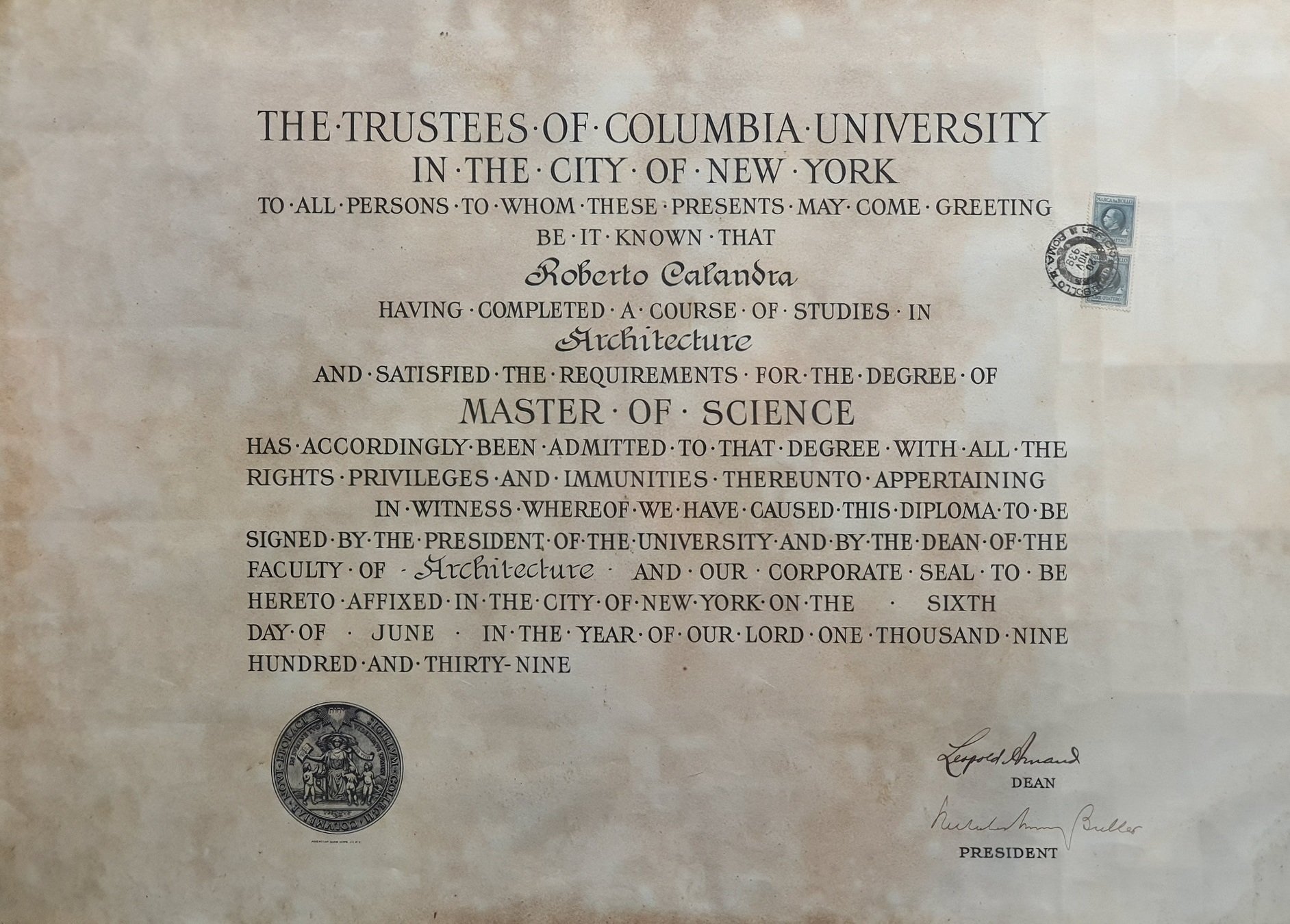
Roberto Calandra is a Full (W3) Professor at Technische Universität Dresden, where he leads the Learning, Adaptive Systems and Robotics (LASR) Lab. Previously, he served as a Research Scientist at Meta AI (formerly Facebook AI Research) and a Postdoctoral Scholar at UC Berkeley’s BAIR Lab under Sergey Levine. His academic journey includes a PhD in Robotics from TU Darmstadt, an M.Sc. in Machine Learning from Aalto University, and a B.Sc. in Computer Science from Università di Palermo. His research bridges Robotics and Machine Learning, focusing on tactile sensing, Bayesian Optimization, and model-based reinforcement learning. He pioneered the DIGIT tactile sensor , now the most widely used tactile sensor in robotics, and advocates for a computational field of Touch Processing to advance haptic understanding. His work emphasizes data-efficient learning, real-world dexterous manipulation, and multimodal perception. Recent publications highlight breakthroughs in tactile sensor design, in-hand object manipulation, and multimodal integration. He organizes workshops on robotics and machine learning (e.g., at NeurIPS, ICRA) and promotes open-source tools like PyTouch and TACTO .
Prof. Fred Mast is a full professor of Cognitive Psychology at the University of Bern, leading the section 'Cognitive Psychology, Perception, and Research Methods'. He holds positions as Co-Director of the Interfacultary Research Cooperation 'Decoding Sleep' and Head of the Technology Platform at the Faculty of Humanities. Previously, he was Dean of the Faculty of Humanities (2015-2017) and held academic roles at Harvard University, MIT, and the University of Lausanne. His research focuses on mental imagery, sensorimotor processing, and visual perception, funded by the Swiss National Science Foundation. Education: PhD in Psychology from University of Zurich, Habilitation (2003), and full professorships at multiple institutions. Key roles include: Member of the Management Board of the Translational Imaging Center (TIC) Bern Co-leader of the Decoding Sleep initiative Research emphasizes experimental studies on perception and cognitive processes, with recent work exploring neurostimulation effects and virtual reality applications. His labs focus on interdisciplinary approaches combining psychology, neuroscience, and technology.
Dawn Rose is a Lecturer at the Lucerne School of Music, part of Lucerne University of Applied Sciences and Arts (HSLU) in Switzerland. Her primary academic focus is music psychology with specialties in music’s role in health and wellbeing. She holds adjunct roles as External Examiner for WaterBear College of Music (Falmouth University, UK) and is affiliated with organizations including the Swiss Society for Music Medicine and the International Judo Research Unit (iDojo). Education: Rose holds a PhD and MSc in Music, Mind and Brain from Goldsmiths, University of London, supervised by Prof. Pam Heaton. Her doctoral work explored musical development in children and adults. Prior to academia, she was a professional drummer and taught at BIMM (British & Irish Modern Music Institute). Research: Her work bridges music psychology and healthcare, focusing on Parkinson’s disease management through rhythmic interventions and musician wellbeing. Key projects include the Songlines for Parkinson’s co-developed intervention and studies on room acoustics’ effects on musicians. She also investigates music’s role in movement synchronization and imagery use among Parkinson’s patients. Awards & Grants: Notable recognition includes AGORA Grants (2023), Parkinson Schweiz funding (2021), and multiple travel/engagement awards from Goldsmiths and the Wellcome Trust. Labs & Teams: Leads the CC Music Performance Research group at HSLU and collaborates with interdisciplinary teams in Switzerland and internationally. Active in public dissemination through BBC documentaries and science festivals, including a featured role in the 'Meltdown Festival' Power of Music discussion.
Prof. Pavan Ramdya, the DSM-Firmenich Next Generation Chair in Neuroscience at École Polytechnique Fédérale de Lausanne (EPFL), leads the Neuroengineering Laboratory. His research focuses on reverse-engineering biological intelligence in Drosophila melanogaster to inspire neuroprosthetics, robotics, and AI. He holds a PhD in Neurobiology from Harvard University and completed postdoctoral training in robotics (EPFL), neurogenetics (UNIL), and bioengineering (Caltech). University: École Polytechnique Fédérale de Lausanne (EPFL) School: School of Life Sciences Academic Rank: Professor His lab employs computational, engineering, genetic, and microscopy approaches to study neural population dynamics, biomechanics, and gene expression in limb-dependent behaviors. Key research trends from his publications include neuromechanical modeling of Drosophila , sensory-motor integration, and AI-robotics synergy for biological discovery. HFSP Career Development Award Swiss National Science Foundation Eccellenza Grant UNIL Young Investigator Award in Basic Science FENS-Kavli Network of Excellence member The lab mentors doctoral researchers such as Sibo Wang, Victor Stimpfling, and Femke Hurtak, alongside postdoctoral fellows like Jasper Phelps and alumni including Victor Lobato Rios. Collaborations span robotics (Auke Ijspeert), microrobotics (Sakar), and computational imaging (Fua).
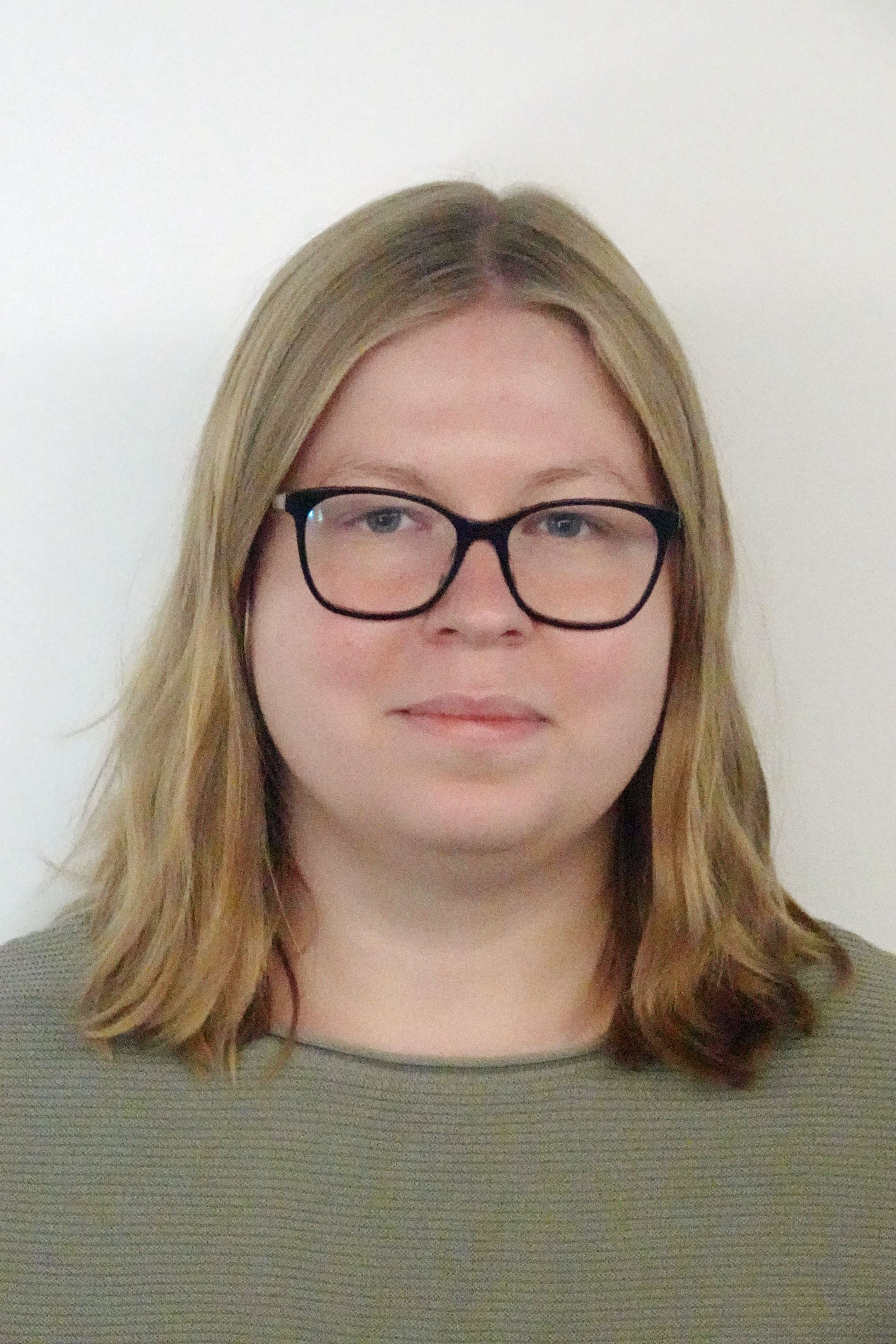
Joanna Rutkowska is a postdoctoral researcher at the Jacobs Center for Productive Youth Development, Department of Psychology, University of Zurich (since 2023). Her academic journey includes a PhD in Brain, Behaviour and Cognition (Radboud University, 2018-2023), MSc in Evolutionary and Comparative Psychology (University of St Andrews, 2017-2018), and MA in Psychology (University of St Andrews, 2013-2017). PhD, Donders Institute for Brain, Behaviour and Cognition, Radboud University MSc, Evolutionary and Comparative Psychology, University of St Andrews MA, Psychology, University of St Andrews Her research focuses on social-cognitive development across mono-, bi-, and multilingual children, communicative behavior evolution, and action perception-motor development relationships. She employs multimodal methodologies including movement kinematics analysis, facial EMG processing, and biological motion sensitivity assessments. Recent publications examine how infants decode emotional expressions through visual/manual exploration (2025), data-driven EMG processing (2024), biological motion intention sensitivity (2022), and adult kinematic interpretation limitations (2021). These works span developmental psychology, computational affective science, and cognitive neuroscience.
Mario Padula is a Professor of Economic Policy at the Università della Svizzera italiana, having joined in 2015 after previous positions at the University of Salerno and Ca' Foscari University of Venice. He earned his PhD from University College London in 2001. His research spans household finance, pension economics, and consumer behavior analysis. His primary research interests include: Economics of consumer behavior Applied econometrics for household decision-making Financial literacy's impact on portfolio choices Pension system analysis and reform Intergenerational transmission of economic behaviors Dr. Padula maintains an active research program focusing on microeconomic analysis of household financial decisions with implications for policy development.
Juliane Britz is a Lecturer at the Department of Psychology, Faculty of Letters and Human Sciences, University of Fribourg. Her research focuses on the interplay between brain and body in conscious awareness, particularly through EEG microstate analysis and multimodal investigations of interoceptive signals. Current project: BBC - Brain, Body and Consciousness (2019-2025) examining how bodily rhythms (heartbeat/respiration) interact with brain activity in perceptual awareness. Key methodologies: Simultaneous EEG-ECG-respiration recording, source reconstruction, network dynamics modeling. Research Focus Her work bridges cognitive neuroscience and physiological psychology, exploring: Temporal organization of EEG microstates in health and neurological disorders Brain-body interactions in sensory threshold perception Embodied semantics in language processing Neural dynamics during propofol-induced unconsciousness Publication Trends Recent articles reveal a trajectory from basic neural dynamics (2008-2011) to translational applications in schizophrenia vulnerability markers (2014) and anesthesia research (2022), culminating in current investigations of interoceptive influences on consciousness (2024). Contact Email: juliane.britz@unifr.ch Office: RM 01 bu. C-4.110, University of Fribourg
Prof. Silvia Arber is a Full Professor at the Biozentrum, University of Basel, where she leads a research group investigating neural circuits controlling body movement. Her work combines mouse genetics, viral tracing, optogenetics, and behavioral analysis to understand motor network organization, development, and plasticity. Education: PhD (1995) and BSc (1991) from the University of Basel. Research focuses on hierarchical motor control systems spanning brainstem nuclei, spinal cord circuits, and sensory feedback pathways. Key areas include: Precision in neural connectivity for movement execution/suppression Brainstem regulation of locomotor speed and skilled motor tasks Spinal cord circuit organization for interlimb coordination Plasticity in motor networks after injury Her publications consistently explore motor circuit specialization, with recent work emphasizing brainstem-basal ganglia interactions, cortical-medullary mapping, and pathological mechanisms in movement disorders. Major scientific honors include: The Brain Prize (2022) Louis-Jeantet Prize for Medicine (2016) Two ERC Advanced Grants (2015, 2010) Otto Naegeli Prize (2014) EMBO Young Investigator Award (2000) She mentors doctoral and postdoctoral researchers in neurobiology techniques. Her laboratory employs electrophysiology, genetic tools, and quantitative behavior analysis to dissect motor control principles.
Flavio Donato is an Assistant Professor of Neurobiology at the Biozentrum of the University of Basel, Switzerland, where he leads a research group investigating the structural and functional maturation of neural networks related to orientation and memory. His work focuses on how abstract thinking develops throughout life, with particular emphasis on neurons in the entorhinal cortex and hippocampus that create the brain's 'cognitive map' for navigating physical and conceptual spaces. Nationality: Italian Position: Assistant Professor of Neurobiology since 2019 Education: PhD in Neurobiology from University of Basel (Summa Cum Laude) Research Focus: Neural network development, memory formation, spatial cognition Donato's research program examines how neural networks supporting cognitive functions emerge during development. His laboratory conducts longitudinal studies visualizing, recording, and manipulating neural activity across multiple life stages of animals. Using approaches from genetics, quantitative behavioral analysis, in vivo imaging, viral tracing, computational modeling, and optogenetics, his team identifies stereotypical patterns of neural activity associated with specific behaviors. A key aspect of his work explores sensitive periods for neurodevelopmental disorders, investigating how traumatic experiences in children may increase susceptibility to mental illness later in life. His recent publications reveal trends in developmental neuroscience with a strong focus on hippocampal-entorhinal circuitry, memory formation mechanisms, and the ontogeny of cognitive functions. His research spans from molecular mechanisms of synapse formation to systems-level understanding of spatial representation and memory dynamics during development. Eppendorf & Science prize for neurobiology of 2017 (Grand Winner) for essay 'Assembling the brain from deep within' EMBO Long-term fellowship (2013-2015) As a principal investigator, Donato mentors PhD students including Vilde Kveim, who recently received the Shepherd prize for her PhD work. His lab, Donatolab, investigates how the brain stores multiple 'copies' of events as revealed in his August 2024 study. Donato is also active in the FENS-Kavli Network of Excellence, contributing to broader neuroscience discourse and policy discussions about the future of the field. His research group employs cutting-edge methodologies to study neural development from birth to functional maturity, with implications for understanding neurodevelopmental disorders and developing targeted therapeutic interventions based on deciphering mechanisms of neurotypical cognitive development.
Dr. Ryssa Moffat is a Lecturer in the Department of Humanities, Social and Political Sciences at ETH Zürich. Her research focuses on social neuroscience, cognitive science, and behavioral psychology, with an emphasis on interpersonal alignment, movement synchrony, and embodied cognition. She employs advanced neuroimaging techniques like functional near-infrared spectroscopy (fNIRS) to study neural mechanisms underlying social interactions, including dance coordination, peer influence, and human-robot interactions. Her recent work explores how mutual gaze and movement synchrony enhance social perception and enjoyment, as well as the cortical responses to vocal emotions. She also investigates how children perceive and interact with robotic companions, emphasizing the role of sentience attribution in educational settings. Key Research Areas: Interpersonal synchrony, embodied cognition, social perception, fNIRS neuroimaging, human-robot interaction. Techniques: Mobile neuroimaging, behavioral experiments, mixed-methods analysis. Ryssa's publications highlight trends in understanding implicit social coordination mechanisms and their neural underpinnings. She has contributed to studies on self-monitoring under peer observation, intergenerational synchrony, and the cognitive processing of vocal cues in emotion recognition.
Prof. Marco Hutter is a Full Professor at the Department of Mechanical and Process Engineering at ETH Zürich, and Deputy Head of the Institute for Robotics and Intelligent Systems. His research focuses on advanced robotics, including autonomous legged systems, robotic perception, and control strategies for challenging environments. He leads projects in areas such as forest inventory using legged robots, space exploration robotics, and mobile manipulation systems. His work emphasizes real-world deployment, with contributions to robotic navigation, sensor integration, and policy optimization. Prof. Hutter collaborates on large-scale datasets and frameworks like ROS-LLM for embodied AI, and explores applications in logistics, construction, and planetary exploration. His team develops both hardware (e.g., LEVA logistic vehicles) and software solutions (e.g., risk-guided diffusion models for safety-critical systems). Key projects include ETHcavation (construction environment understanding) and TartanGround (robot perception datasets). He pioneers work in agile locomotion policies, magnetic climbing robots, and multi-agent robotic teams for parcel delivery. His research bridges theoretical advancements with practical implementations, addressing challenges in terrain adaptation, energy efficiency, and robustness in autonomous systems.
Donald Glowinski is a Senior Lecturer and Senior Researcher at the Swiss Center for Affective Sciences (University of Geneva), where he coordinates the Music & Science team and leads a consortium investigating the cognitive and emotional impact of DEMOS orchestras on children. His work bridges neuropsychology, music performance, and applied research to enhance team coordination and resilience in professional settings. He holds an MSc in Cognitive Science (EHESS), Music and Acoustics (CNSMDP), and Philosophy (Sorbonne-Paris IV), with a PhD in Computing Engineering from the University of Genoa. His research focuses on music’s role in emotions, group creativity, and translational science, including developing immersive virtual environments and curricula for interdisciplinary training. He is also involved in public engagement through initiatives like culturehack.art and collaborations with festivals such as Montreux Jazz and NIFFF. Key research interests include the interplay between music, emotion, and social dynamics. He explores how music ensemble performances can model adaptive teamwork, leveraging technologies like virtual reality to simulate real-world scenarios. His projects emphasize practical applications, such as improving safety training for workers and fostering resilience in high-pressure environments. Awards include the Prix pour la Vocation (Bleustein-Blanchet Foundation) and the Declic Award (Fondation de France). He actively contributes to scientific dissemination through public talks and cultural partnerships, advocating for science that directly informs tangible, accessible tools for diverse communities. His advisory roles include coordinating the Music & Science team and leading the DEMOS consortium with the Philharmonie de Paris. He also spearheads a new psychology curriculum using high-fidelity simulations, reflecting his commitment to bridging academic and applied domains.