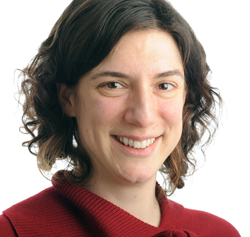
Alex Holcombe is a Professor in the School of Psychology at the University of Sydney . His research spans two major domains: perception and attention (investigating visual information bottlenecks and temporal processing) and meta-science (advancing open science and reproducibility through tools like tenzing.club and editorial roles in open-access journals). Education: PhD in Psychology (Harvard), BA in Psychology and Cognitive Science (University of Virginia) Editorial Roles: Associate editor for WikiJournal of Science , Collabra: Psychology , and Meta-psychology His experimental psychology work uses behavioral studies to reveal limits in visual processing speed, feature binding, and attentional resource allocation. Key findings include the role of naps in learning, parietal lobe function in rapid letter processing, and temporal binding dynamics in perception. Recent publications focus on peer review reform (2025 PNAS ), contributorship attribution (2024 Accountability in Research ), and visual cognition (2024 Journal of Vision ). These works reflect his dual commitment to understanding perceptual mechanisms and improving scientific practices. Advising: Mentors PhD students including De-wei DAI, Jye MARCHANT, and Rasmus PEDERSEN Labs: Leads research on visual perception and attentional bottlenecks Grants: 2024 Core Funding Grant for object tracking research
Surjo R. Soekadar is the Einstein Professor of Clinical Neurotechnology at Charité – University Medicine Berlin. He leads the Clinical Neurotechnology Laboratory , which focuses on developing noninvasive neurotechnologies for treating neurological and psychiatric disorders through closed-loop brain stimulation and advanced brain-machine interfaces (BCI/BMI). His work integrates real-time EEG/MEG monitoring with electromagnetic stimulation to modulate pathological brain oscillations and enhance neuroplasticity in conditions like stroke, spinal cord injury, and psychiatric disorders. Education : Studied medicine in Mainz, Heidelberg, and Baltimore Clinical Training : Residency in Psychiatry and Psychotherapy at University of Tübingen Academic Journey : 2008-2011 Research Fellow at NINDS (USA); 2017 Venia Legendi at University of Tübingen; 2018 First Professor of Clinical Neurotechnology in Germany His research interests span: • Closed-loop neurostimulation combining real-time brain state monitoring with targeted intervention • Next-generation BCI using optically pumped magnetometers (OPM) for mobile MEG recordings • Neurorehabilitation through exoskeleton control and sensory feedback • Neurophysiological modeling of entropy measures and phase flows Recent publications highlight: • Adaptive deep brain stimulation protocols • Real-time phase-sensitive tACS applications • OPM-based BCI innovations • Stroke recovery mechanisms through corticospinal tract analysis Scientific recognition includes: International BCI Research Award BIOMAG Award NARSAD Young Investigator Award Funded by the European Research Council (ERC) , his lab trains doctoral students like David Haslacher (EEG/MEG integration), Khaled Nasr (multicoil TMS optimization), and Annalisa Colucci (entropy-driven BCI development). The team also explores quantum AI applications in clinical decision-making and bidirectional BCI systems using OPM and tES.
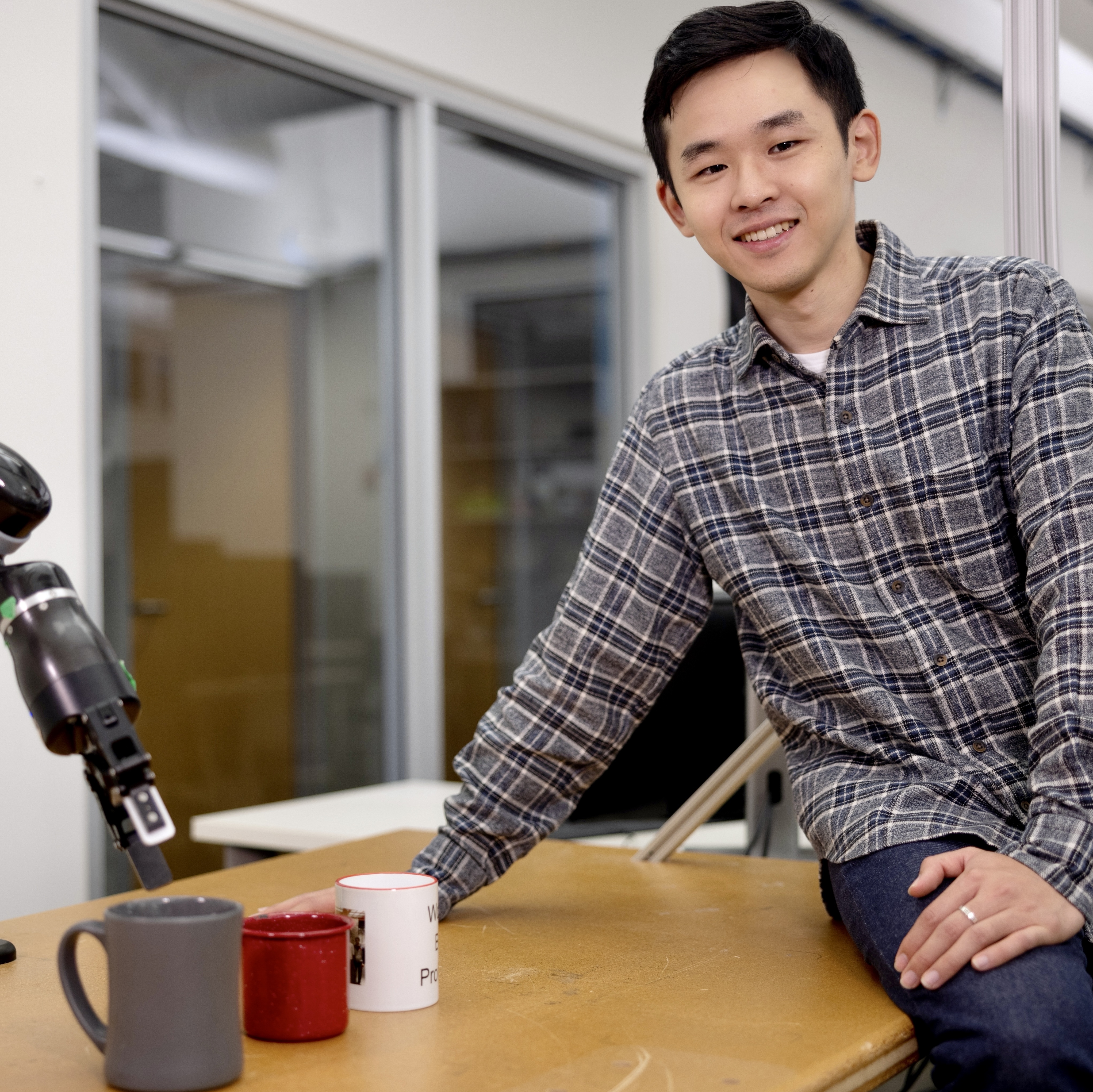
Weiyu Liu is an incoming Assistant Professor at the Kahlert School of Computing , University of Utah. Previously, he was a Postdoctoral Scholar at Stanford University in the CogAI group and Stanford Vision and Learning Lab (SVL), after completing his Ph.D. in Robotics at Georgia Institute of Technology under the supervision of Sonia Chernova. Ph.D. in Robotics (Georgia Tech) Bachelor's in Electrical Engineering (Georgia Tech) His research focuses on developing robots that can perceive, model, and interact with the real world through structured knowledge representations grounded in language and sensorimotor data. Key areas include language-guided manipulation , long-horizon task execution , and semantic reasoning frameworks for robotic systems. His recent work (2024) explores: Language-annotated demonstration integration (BLADE framework) 3D visual grounding with concept learners Embodied decision-making benchmarks Long-horizon inference challenges 4D instruction grounding from videos Scientific contributions include the RSS Pioneer (2023) recognition and First Place in Fetch It! Mobile Manipulation Challenge (2019) . He advocates for weekly individual mentoring , open research dissemination, and holistic student development in both academic and personal growth.
Dr. Tyler Hollett serves as an Associate Professor of Learning Sciences in the Department of Learning and Performance Systems at The Pennsylvania State University, contributing to the Learning, Design, and Technology program from 315 Keller Building, University Park, PA. His research champions interest-driven learning often devalued by formal institutions and neoliberal markets, investigating contexts like skateboarding, video gaming, and nature hobbies (fishing, birding). Hollett examines how passion-fueled activities generate embodied, affective learning that transcends goal-oriented education, advocating for equitable alternatives to capitalist learning trajectories. Current projects focus on intergenerational play through the FIGMENT Lab, exploring family gaming dynamics, climate engagement via outdoor hobbies, and evolving children's play across settings. Analysis of his recent publications reveals a methodological commitment to qualitative inquiry, with recurring themes of spatial-temporal rhythms, affective atmospheres, and embodied cognition. His work bridges learning sciences, critical pedagogy, and digital media studies, increasingly emphasizing intergenerational and ecological dimensions of informal learning. No scientific awards are listed in his current profile. However, Hollett actively mentors graduate students, inviting collaboration on FIGMENT Lab initiatives. His advising philosophy emphasizes rigorous scholarship within supportive, interest-driven research teams, with the FIGMENT Lab representing his current focus on family-centered learning in gaming, nature, and play contexts.
Jenna Ann McHenry is an Assistant Professor of Psychology and Neuroscience and Neurobiology at Duke University, holding a primary appointment in the School of Medicine's Department of Neurobiology. As a Faculty Network Member of the Duke Institute for Brain Sciences, she leads the McHenry Lab focused on neural circuit mechanisms underlying social and motivated behaviors. Her educational background includes: Ph.D., Florida State University (2013) B.S., Florida State University (2007) Dr. McHenry's research defines fixed and flexible features of molecularly defined neural circuits controlling social and nonsocial motivated behaviors, with emphasis on hypothalamic subnuclei and connections to midbrain dopaminergic reward systems. Her lab employs optogenetics, in vivo deep-brain calcium imaging, viral/genetic targeting, and advanced behavioral analysis to investigate circuit processing in disorders including Autism Spectrum Disorders, Reproductive Mood Disorders, Eating Disorders, and Major Depression. Specializing in chronic deep-brain microscopy, her team tracks neural networks during awake behavioral states over time. Her publication record demonstrates consistent innovation in neural circuit analysis, with recurring themes of hormonal modulation of social reward circuits, state-dependent sensorimotor processing, and neural mechanisms of social homeostasis. Key contributions include identifying prepronociceptin neurons in arousal responses and elucidating how adolescent sleep shapes adult social preferences. Major recognitions include: NARSAD Young Investigator Award (2017) K99 Pathway to Independence Award (NIMH, 2017) Notable Nole Alumni Award (Florida State University, 2018) NRSA Postdoctoral Fellowship (NIMH, 2013) Dr. McHenry actively mentors graduate students and postdocs, with current lab openings advertised. Her research is supported by substantial grants including the Neurobiology Training Program (2024-2029), Establishing Neural Circuits for Social Homeostasis (2022-2027), and Illuminating Socially-Modulated Homeostatic Control Circuits (2022-2025). She teaches Behavioral Neuroendocrinology and research practicums across psychology and neuroscience programs. The McHenry Lab operates at the forefront of systems neuroscience, utilizing GSRB II facilities for deep-brain imaging and circuit manipulation. As part of the Duke Institute for Brain Sciences, the lab collaborates extensively on translational research bridging basic neural mechanisms with clinical applications in mental health disorders.
Edmund Hollis is an Assistant Professor of Neuroscience at the Brain and Mind Research Institute within Weill Cornell Medical College . He has been affiliated with the institution since 2016 and leads a research lab focused on neural circuit remodeling and recovery after spinal cord injury. Education: Ph.D. in Neurosciences, University of California, San Diego, School of Medicine (2008) B.S., University of Southern California (2002) Research Interests: Hollis's lab investigates the neural mechanisms underlying movement and recovery from spinal cord injury. Using genetic, molecular, and behavioral tools, along with optogenetics and optical imaging, the lab explores how neural circuits respond to injury and how they can be therapeutically enhanced. Key areas include cortical plasticity, axon regeneration, astrocyte responses, and neuromodulation of motor circuits. Scientific Contributions: His recent publications demonstrate a strong focus on corticospinal tract function, spinal interneuron modulation, and the use of advanced behavioral assays like the Kinematic Deviation Index (KDI) to assess motor recovery in rodent models. His work spans from molecular signaling pathways (e.g., RANKL, Wnt, IGF-I) to large-scale circuit remodeling and rehabilitation strategies. Collaborations & External Roles: Hollis has professional affiliations with Texas A&M University and the National Institutes of Health, and has served as a speaker and consultant for various academic and governmental organizations.
Dr. Anne Koelewijn is an Assistant Professor leading the Biomechanical Motion Analysis and Creation (BioMAC) group at Friedrich-Alexander-Universität Erlangen-Nürnberg (FAU) since 2019. Her research bridges biomechanics, computational modeling, and wearable technology to analyze human movement. She holds a Junior Professorship in Computational Movement Science within the Department of Electrical-Electronic-Communication Engineering. Her educational background includes a Doctor of Engineering in Mechanical Engineering from Cleveland State University (focus: prosthesis design and gait simulations), an MSc in Mechanical Engineering (BioMechanical Design specialization), and a BSc in Aerospace Engineering , both from Delft University of Technology. She completed postdoctoral work at École Polytechnique Fédérale de Lausanne on neuromuscular control. Research interests center on human movement optimization , neuromuscular control mechanisms , and in-the-wild movement analysis . Her work integrates musculoskeletal modeling, optimal control theory, and machine learning to study gait adaptations, exoskeleton design, and pathological movement patterns (e.g., Parkinson’s disease). Publications emphasize predictive simulations , wearable sensor technology , and biomechanical energy optimization , with recent advances in radar-based motion capture, inertial pose estimation, and digital twin applications for medical engineering. Promising Scientist Award , International Society of Biomechanics (2023) Best Paper Award , 5th International Symposium on Wearable Robotics (2020) She leads the BioMAC research group, focusing on computational methods for movement science and collaborating internationally on projects involving exoskeletons, injury prevention, and neuroprosthetics.
Robert D. Rupert is a Professor in the Department of Philosophy at the University of Colorado Boulder, within the College of Arts and Sciences. He is also Co-Editor-in-Chief of the British Journal for the Philosophy of Science , a Fellow of the Institute of Cognitive Science at CU-Boulder, and a member of the Committee for the History and Philosophy of Science. Ph.D., University of Illinois at Chicago, 1996 Robert Rupert's research lies at the intersection of philosophy of mind, cognitive science, metaphysics, and epistemology. His primary interests include mental representation, cognitive architecture, situated and extended cognition, group cognition, and the philosophical foundations of cognitive science. He critically examines the boundaries of the mind, the nature of concepts, and the role of embodiment and environment in cognition. His work often challenges traditional internalist views by advocating for more integrated, dynamic models of mind. His recent publications reflect a sustained engagement with predictive processing, self-modeling, enactivism, and the epistemic status of subpersonal processes. Themes across his work include the rejection of strict personal/subpersonal divides, the critique of group-level cognition, and the exploration of how cognitive systems extend into the environment. His research combines conceptual rigor with sensitivity to empirical findings in psychology and neuroscience. Robert Rupert has received several prestigious awards and fellowships, including: National Endowment for the Humanities Fellowship for College Teachers NEH Summer Research Stipend CU Provost's Faculty Achievement Award Kayden Book Award Fellow, Institute of Cognitive Science, CU-Boulder He has held visiting research positions at the University of Edinburgh, the Australian National University, and Ruhr-Universität Bochum. While no formal list of advisees or grants is provided, his editorial role and sustained publication record indicate significant influence and mentorship in the field. He has contributed to major debates in philosophy of mind and cognitive science through both original research and critical reviews. Rupert is affiliated with CU-Boulder’s Institute of Cognitive Science and contributes to interdisciplinary research through this institute. His work bridges philosophy and cognitive science, fostering collaboration across departments and institutions.
Professor Usha Goswami is a leading academic in Cognitive Developmental Neuroscience at the University of Cambridge, serving as Professor of Cognitive Developmental Neuroscience and Director of the Centre for Neuroscience in Education. She is also a Fellow at St John's College, Cambridge. Her work focuses on understanding the neural and cognitive foundations of language acquisition, reading development, and developmental disorders such as dyslexia. Key areas of interest include the role of rhythm perception, speech processing, and EEG-based studies of neural entrainment in typical and atypical development. Her research integrates insights from neuroscience, cognitive psychology, and education, emphasizing translational approaches to improve literacy interventions. She has conducted longitudinal studies on infants and school-aged children, examining predictors of language outcomes and the impact of rhythmic training on executive function. Her work bridges developmental linguistics, auditory neuroscience, and educational policy, with a focus on universal speech structures in child-directed communication. Professor Goswami’s contributions include pioneering studies on the neural basis of phonological awareness and the application of machine learning to decode speech information from EEG data in infants. She has also explored cross-linguistic patterns in poetry and infant-directed speech, highlighting universal acoustic features underlying language acquisition. Her research has significant implications for understanding and remediating developmental disorders, particularly dyslexia and developmental language disorder. Her lab, the Centre for Neuroscience in Education, focuses on translating neuroscientific findings into practical educational strategies. Current projects include investigating rhythm-based interventions for children with language difficulties and analyzing the acoustic properties of speech in diverse linguistic contexts.
Rodrigo Rico Bini is a Senior Lecturer at La Trobe University's Rural Health School, where he leads the Discipline of Exercise Science & Physiology and coordinates the Bachelor of Exercise Science program. His research focuses on quantitative analysis of human movement to improve athletic performance and reduce injury risks, specializing in cycling and running biomechanics using motion capture, force measurements, and AI modeling. He holds editorial positions at multiple sports science journals including Journal of Science and Cycling and Sports Biomechanics . His professional affiliations include the Holsworth Biomedical Research Centre and AUT-SPRINZ research institute. Dr. Bini's educational background includes a PhD in Biomechanics from Auckland University of Technology (2009-2011), an MSc from UFRGS Brazil (2006-2008), and a BPhEd from UFRGS (2000-2005). His research demonstrates consistent focus on sports biomechanics applications, with recent work exploring AI-driven motion analysis, equipment ergonomics, and active transportation health impacts. Key thematic trends include technological validation studies (wearables, neural networks), injury prevention strategies, and performance optimization across cycling, running, and occupational activities. Fellow of the International Society of Biomechanics in Sport Mid Career Research Award 2024 - La Trobe Rural Health School Certificate of Excellence in Reviewing: Physical Therapy in Sport AUT Laptop Scholarship First place, II Biofenac Brazilian Award for Exercise Science Dr. Bini supervises graduate students and leads industry collaborations, including an Australia Post-funded project on cycling biomechanics in postal delivery. He directs biomechanics research through the Holsworth Biomedical Research Centre and maintains international partnerships with institutions in New Zealand and Brazil.
Karin H. James is a Professor and Director of Graduate Studies in the Department of Psychological and Brain Sciences at Indiana University Bloomington's College of Arts and Sciences, actively reviewing applications for Fall 2026 admissions. Her research program investigates how self-generated actions shape cognitive development through neural mechanisms. Her educational background includes: Post Doctoral Fellow, Vanderbilt University (2001-2003) Ph.D. in Psychology, University of Western Ontario (2001) M.A. in Psychology, University of Western Ontario (1998) B.S. in Psychology, University of Toronto (1996) B.A. in History, University of Toronto (1991) Dr. James' research centers on the neural correlates of learning, specifically how motor experience influences visual recognition across domains including object recognition, reading acquisition, language learning, and mathematical understanding. Using fMRI and behavioral methods, she examines how sensorimotor interactions during symbol production (e.g., handwriting) reconfigure brain networks for perception. Her work demonstrates that visual-motor contingency during learning creates lasting neural changes that enhance recognition, with implications for educational practices in literacy and numeracy development. Analysis of her 2018-2021 publications reveals consistent focus on embodied cognition principles, particularly how action-perception loops establish neural representations. Key themes include gesture-based learning in mathematics, visual-motor integration in symbol recognition, and category formation mechanisms, bridging cognitive neuroscience with developmental psychology through innovative methodologies like the MRItab neuroimaging tool. Dr. James maintains active membership in the Society for Research in Child Development (2007-present), Cognitive Neuroscience Society (2004-present), and Vision Sciences Society (2000-present), reflecting her interdisciplinary approach to learning mechanisms. As Director of Graduate Studies, she oversees program development and student mentorship while leading the Cognition and Action Neuroimaging Lab. Her research infrastructure includes specialized neuroimaging tools developed for naturalistic experimental paradigms, supporting investigations into how embodied experiences shape cognitive architecture from childhood through adulthood. The Cognition and Action Neuroimaging Lab develops cutting-edge methodologies like the MRItab touchscreen system to study naturalistic learning during fMRI scanning, focusing on how sensorimotor experiences during symbol production reconfigure neural networks for perception and recognition across developmental stages.
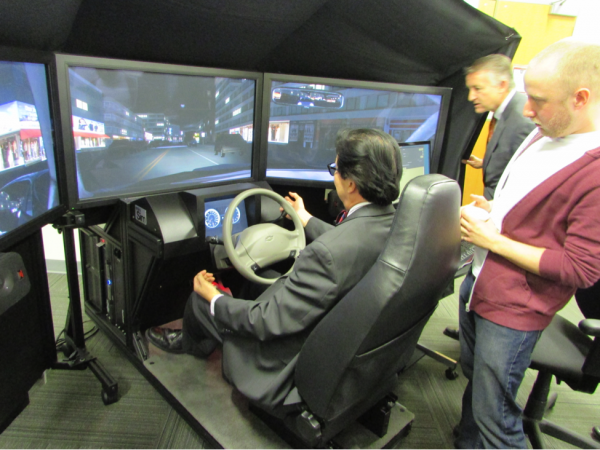
Professor Chris Lee is a faculty member in the Department of Transportation Science and Engineering at the University of Windsor's Faculty of Engineering. His research focuses on advancing transportation safety through the analysis of driver behavior, traffic flow dynamics, and the integration of emerging technologies like autonomous vehicles and machine learning. Key areas include collision risk prediction, driver vigilance assessment, and the development of advanced car-following models. He has contributed to initiatives such as the Transportation Science and Engineering scholarship program, supporting student research in innovative technologies like driving simulators for lane change behavior studies. His work bridges engineering and human factors, addressing challenges such as driver response to autonomous systems, heavy vehicle traffic management, and cross-cultural automotive design. Lee's interdisciplinary approach leverages data analytics, physiological signals, and machine learning to solve real-world transportation problems. His research has implications for policy-making, infrastructure design, and vehicle safety standards. Lee has collaborated extensively on projects analyzing crash precursors, variable speed limits, and the impact of ITS (Intelligent Transportation Systems) on safety. His publications span over two decades, demonstrating a commitment to both academic rigor and practical applications in transportation engineering. Notable contributions include refining car-following models, studying driver aggression, and evaluating the effectiveness of traffic management strategies.
Dr. Marta Zlatic is a Principal Research Associate at the Department of Zoology , part of the School of Biological Sciences at the University of Cambridge. She leads the Zlatic Lab, focusing on the structural and functional relationships within neural circuits. Her research explores how nervous systems integrate sensory information and prior experiences to enable decision-making, emphasizing learning and memory , sensorimotor transformations , and connectomics . Using Drosophila melanogaster larvae as a model organism, her work combines optogenetics , electron microscopy , and functional imaging to decode circuit principles. Recent publications highlight trends in connectome analysis and behavioural neuroscience , with subfields spanning synaptic architecture , neural network modeling , and genetic manipulation techniques . She collaborates with interdisciplinary teams and maintains active research partnerships at the MRC Laboratory of Molecular Biology. Group members include Bernd Breuer, Nicolo Ceffa, Michael Clayton, and other researchers advancing understanding of Drosophila neurobiology. The lab contributes to Cambridge's Athena Swan Bronze Award initiatives for equality and inclusion in research environments.
Andreas Fink serves as a University Professor at the Institute of Psychology within the Faculty of Natural Sciences at Karl-Franzens-University Graz, Austria. His research bridges cognitive neuroscience, psychology, and sports science with a particular emphasis on understanding the neurobiological foundations of creative thinking and emotional processing. As a leading figure in creativity neuroscience, Professor Fink employs advanced methodologies including EEG, fMRI, and ambulatory monitoring to investigate how physical activity influences brain function and cognitive performance. His work has significant implications for mental health interventions and cognitive enhancement strategies across various populations. Professor Fink's research interests center on three interconnected domains: biological mechanisms of cognitive and affective functions, creativity neuroscience, and the relationship between physical activity and brain health. His laboratory investigates how physical exercise influences neural processes related to creativity, emotion regulation, and cognitive performance through both basic neuroscience research and applied interventions. A hallmark of his approach is examining EEG alpha power during creative ideation tasks while simultaneously exploring how running, dance, and other physical activities can improve mental health outcomes and cognitive functioning. His work spans from laboratory-based experimental designs to real-world interventions with ecological validity. Analysis of Professor Fink's recent publication trajectory reveals a sophisticated evolution in his research focus, with increasing emphasis on the intersection of physical movement, brain function, and creative cognition. His work has progressively incorporated more ecologically valid approaches using ambulatory monitoring to study creativity in natural contexts, while maintaining rigorous neuroscience methodology. A consistent theme across his publications is neuroplasticity, particularly how physical exercise interventions induce structural and functional brain changes, with special attention to hippocampal volume and white matter integrity. His research has expanded to explore specialized forms of creativity including malevolent creativity and the nuanced relationship between everyday movement patterns and creative cognition. 2009 Psychology Prize for innovative scientific or practical work for his habilitation thesis 'The neuroscientific study of creative thinking' from the Professional Association of Austrian Psychologists (BÖP) and the Austrian Psychological Society (ÖGP) Professor Fink currently leads multiple significant research initiatives funded by the Austrian Science Fund (FWF), including 'Neuronal mechanisms underlying the generation of creative solutions in complex environments' (2016-2018), 'Running Away From Depression with Your Brain and Your Heart' (2022-2025), and 'Dance and Brain' (2024-2026). These projects demonstrate his commitment to translating basic neuroscience findings into practical interventions for mental health. While specific doctoral students aren't listed in the provided materials, his position as a full professor and principal investigator on multiple grants indicates active mentorship of junior researchers and graduate students. His collaborative approach is evident through interdisciplinary partnerships spanning psychology, neuroscience, sports science, and clinical practice. Professor Fink is an active member of the 'Complexity of Life' profile area at the University of Graz and participates in the 'Brain and Behavior' research network. His laboratory environment fosters interdisciplinary collaboration, bringing together researchers from diverse backgrounds to tackle complex questions about the brain-mind-body connection. Current projects suggest his team employs a multimodal approach combining neuroimaging, physiological monitoring, behavioral assessments, and intervention studies to comprehensively investigate how physical activity influences brain function and creative cognition. His 'Running Away From Depression' project exemplifies his translational research focus, directly connecting basic neuroscience findings to clinical applications for mental health improvement.
Satoshi Funabashi is an Assistant Professor in the Department of Intermedia Art and Science at Waseda University's School of Fundamental Science and Engineering, Japan. He is affiliated with the Graduate Program for Embodiment Informatics under Waseda University's Program for Leading Graduate Schools and contributes to multiple graduate schools including the Graduate School of Creative Science and Engineering. Education: Doctor of Engineering (Waseda University, 2017-2021) Research Focus: Robotics, tactile sensing, deep learning, and embodiment informatics Academic Appointments: Assistant Professor (non-tenure-track) His research centers on symbiotic robotics and tactile-driven manipulation, with recent publications exploring graph convolutional networks, vision-touch fusion, and morphology-specific deep learning for robotic hands. He has secured multiple competitive research grants including JSPS KAKENHI and JST ACT-I programs. Scientific Awards: Grant-in-Aid for Scientific Research (B) (KAKENHI), JSPS (2024-2027) Grant-in-Aid for Early-Career Scientists, JSPS (2022-2024) JST ACT-I Research Fellow (2020-2022, 2018-2020) JSPS Research Fellowship DC1 (2017-2020) He collaborates with the Intelligent Dynamics and Representation Lab (Prof. Tetsuya Ogata) and the Intelligent Machine Lab (Prof. Shigeki Sugano) at Waseda University. He has interned at MIT's CSAIL (2018-2019) and conducted research at UC Davis (2015). His work has been cited over 500 times with an h-index of 14 according to Google Scholar.