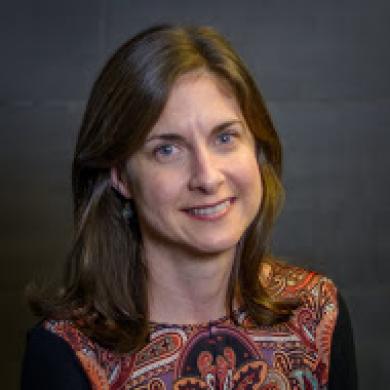
Megan Carey is a Researcher at the Champalimaud Foundation , leading the Carey Lab . Her research focuses on understanding how cellular and synaptic mechanisms in the cerebellum influence motor behavior and learning. Key projects include studies on cerebellar neural circuits, locomotor adaptation, and sensory-motor integration. Her recent work highlights cross-species comparisons (mice and flies), zebrafish visual system neurobiology, and pharmacological modulation of motor learning. The lab employs genetic perturbations, optogenetics, and behavioral analysis to dissect neural circuit dynamics. Notable collaborators include senior scientists, postdoctoral researchers, and PhD students. The lab's publications span high-impact journals like J. Neurosci. , eLife , and Neuron , with funding from HHMI and NIH.
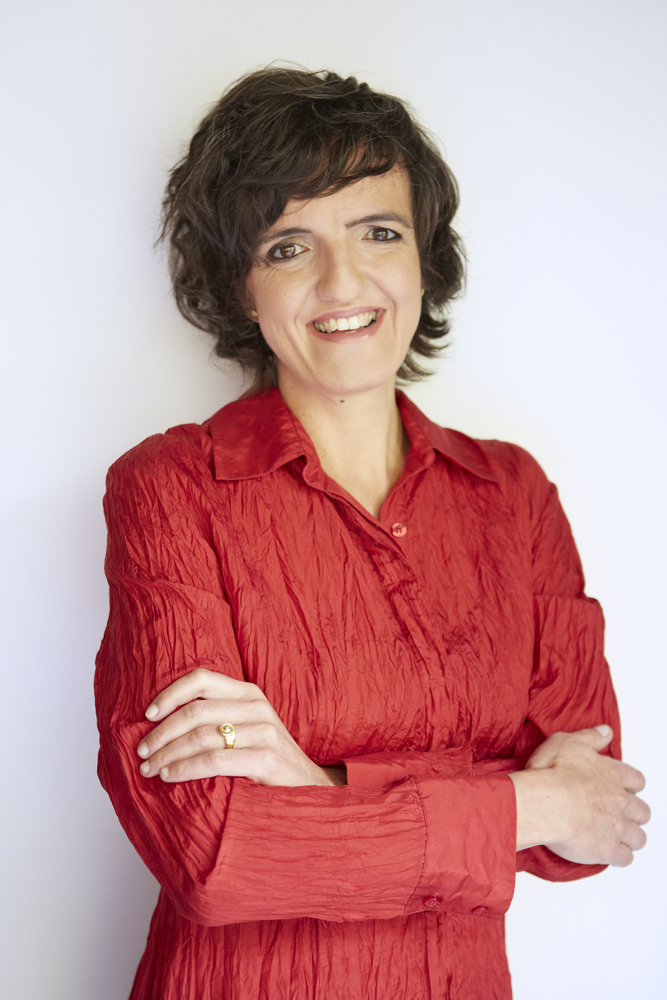
Courtney N. Reed is a Lecturer in Digital Technologies at Loughborough University London, where she joined in November 2023. She maintains a dual role as a visiting research fellow at the Max Planck Institute for Informatics. Her academic journey includes a BMus in Electronic Production and Design from Berklee College of Music (2016), followed by an MSc (2018) and PhD (2023) in Computer Science from Queen Mary University of London. Prior to her current position, she completed postdoctoral research at both the Max Planck Institute for Informatics and King's College London. Bachelor of Music: Electronic Production and Design, Berklee College of Music (2016) Master of Science: Computer Science, Queen Mary University of London (2018) Doctor of Philosophy: Computer Science, Queen Mary University of London (2023) Dr. Reed's research explores the entangled relationships between humans, bodies, instruments, and technology in music interaction, with particular focus on vocal electromyography (VoxEMG) and the vocalist-voice relationship. Her work incorporates feminist and post-human theories to examine sociopolitical contexts within arts technology, aiming to design for creativity while acknowledging individual, messy bodies in artistic practice. She has developed an open-source platform for vocal electromyography to investigate how biosignal feedback changes understanding and perception of the body in vocal performance. Her interdisciplinary approach bridges music technology, human-computer interaction, and embodied interaction studies. Analysis of Dr. Reed's recent publications (2023-2025) reveals a strong thematic focus on embodied interaction in music technology, with particular emphasis on vocal performance, biosignal feedback, and the philosophical underpinnings of digital instrument design. Her work consistently integrates theoretical frameworks like Karen Barad's agential realism with practical applications in digital musical instruments. Key trends include the exploration of ambiguity in data representation, the sociocultural dimensions of timbre in instrument design, and the development of novel methodologies for understanding embodied musical experiences through micro-phenomenology and ethnographic approaches. ACM SIGCHI Outstanding Dissertation Award (2024) for her thesis 'Imagining & Sensing: Understanding and Extending the Vocalist-Voice Relationship Through Biosignal Feedback' Best Newcomer Award at Loughborough University London's Community Awards Celebration (2024) Dr. Reed actively contributes to the academic community through conference organization and leadership roles. She serves as Member-at-Large on the NIME Board, previously chaired papers for NIME 2024, and co-organized the IBM SkillsBuild Sprint at Loughborough London. She has also chaired sessions at the ACM TEI Conference and co-chaired the Student Design Competition. Her collaborative work spans multiple institutions and includes significant contributions to interdisciplinary projects that bridge music, technology, and human experience. She has been instrumental in developing the senSInt research group and the RaveNET wearable network project. Dr. Reed leads the senSInt research group which focuses on sensorimotor interaction in music and performance contexts. The group develops innovative technologies including the VoxEMG platform for vocal electromyography, the Bones anti-corset for vocal performance, and the RaveNET network of wearable biosensing nodes. These projects explore the intersection of biosignals, embodied interaction, and musical expression, creating novel frameworks for understanding how technology mediates human creativity and performance. The group frequently collaborates with musicians, technologists, and theorists to develop and test these systems in real-world performance contexts.
Silvia Arber holds a joint appointment as Full Professor for Neurobiology/Cell Biology at the Biozentrum, University of Basel, and serves as Senior Group Leader at the Friedrich Miescher Institute (FMI) in Basel, Switzerland. Her laboratory investigates the organization, function, and development of neuronal circuits controlling motor behavior, with a particular focus on how these circuits enable precise movement control. Arber obtained her PhD in 1996 from the Friedrich Miescher Institute under Pico Caroni, followed by postdoctoral training with Thomas Jessell at Columbia University (1996-2000), where she studied transcription factors in spinal cord neuronal differentiation. Her educational background includes Biology II studies at the Biozentrum of the University of Basel with graduation in Cell Biology (1987), a diploma thesis at the FMI (1990), and graduate work at the FMI (1992). Her research program centers on elucidating how neuronal circuits orchestrate accurate motor behavior in response to sensory cues and voluntary movement initiation. Using mouse as a model system, her laboratory employs multi-faceted approaches including advanced mouse genetics, viral technologies for transsynaptic circuit tracing, optogenetics and pharmacogenetics for functional manipulation, quantitative behavioral analysis, electrophysiology, and gene expression profiling. Her work has revealed precise synaptic interactions within dedicated motor circuit modules throughout the nervous system and how these impact function, with implications for understanding diseases causing motor deficits and spinal cord injury. Analysis of Arber's publication record shows a consistent focus on motor circuit organization, with particular emphasis on transcriptional control mechanisms, circuit connectivity mapping, and the relationship between developmental processes and functional circuit organization. Her work bridges molecular, cellular, and systems neuroscience, providing fundamental insights into how the nervous system controls movement. The Brain Prize (2022) Elected to the National Academy of Sciences of the United States (2020) Physiological Society Annual Review Prize Lecture (2019) Pradel Research Award (2018) W. Alden Spencer Award (2018) Louis-Jeantet Prize for Medicine (2017) ERC Advanced Grant (2010-2015) EMBO Member (2005) EMBO Young Investigator Award (2001) While specific students are not listed in the provided materials, Arber's laboratory has received significant research funding including an ERC Advanced Grant (2010-2015) and multiple prestigious awards supporting her research program. Her laboratory at the Biozentrum (Room 11.038) collaborates closely with the Friedrich Miescher Institute, where she serves as Senior Group Leader. The research group employs cutting-edge technologies for neural circuit analysis and has contributed fundamental insights into motor circuit organization, with implications for understanding and potentially treating movement disorders and spinal cord injuries.
Sarah Carton is a Teaching Professor in the Psychology Department at Rutgers University, part of the School of Arts and Sciences. She joined Rutgers in Fall 2019 after earning her Ph.D. in the Cognition & Perception Program at New York University (2008). Her research focuses on developmental psychology, visual perception, and cognitive development in infants and young children. She teaches courses such as Introductory Psychology, Drugs & Behavior, Sensation & Perception, and Cognition, with upcoming courses like Perception of Color (PSY 2xx). Dr. Carton’s research interests include object recognition, visual illusions, perceptual categorization, infant development, and eye-tracking methodologies. Her work explores how infants perceive impossible figures, haptic exploration of objects, and transitional saccades in response to visual stimuli. She investigates foundational questions about how infants distinguish possible from impossible objects and develop spatial and dimensional understanding through multisensory interactions. Her teaching portfolio includes undergraduate courses at both Livingston and New Brunswick campuses. She actively contributes to educational initiatives in psychology, emphasizing evidence-based pedagogy. Dr. Carton’s current research trends span perceptual development, cognitive differentiation in infants, and the role of visual and haptic modalities in forming conceptual categories. Dr. Carton’s work has been published in leading journals, with recent studies examining young children’s understanding of object coherence and infants’ visual responses to paradoxical stimuli. Her research integrates behavioral experiments and eye-tracking technology to unravel early perceptual and cognitive processes.
Jose M. Carmena is the Chancellor's Professor of Electrical Engineering and Neuroscience at the University of California-Berkeley and Co-Director of the Center for Neural Engineering and Prostheses (CNEP). His research focuses on brain-machine interfaces (BMIs), neuroprosthetics, and sensorimotor learning mechanisms. Ph.D., Robotics, University of Edinburgh (2002) M.S., Artificial Intelligence, University of Edinburgh (1998) M.S., Electrical Engineering, University of Valencia (1997) B.S., Electrical Engineering, Polytechnic University of Valencia (1995) Dr. Carmena's work bridges neural engineering and systems neuroscience, investigating corticostriatal plasticity, wireless neural recording systems (e.g., neural dust), and closed-loop BMI adaptation. His publications reveal expertise in Neuroprosthetic Algorithms , Wireless Neural Interfaces , and Sensorimotor Learning with applications in chronic neuroprosthetic systems. McKnight Technological Innovations in Neuroscience Award (2017) IEEE Fellow (2017) NSF CAREER Award (2010) Sloan Research Fellow (2009) Hellman Fellow (2007) His advisees include Paul Botros, Archit Gupta, and Vivek Athalye. Dr. Carmena has published extensively in journals like Nature , Neuron , and Nature Neuroscience , developing technologies such as ultrasonic neural dust for cortical recording and adaptive control algorithms for prosthetics.
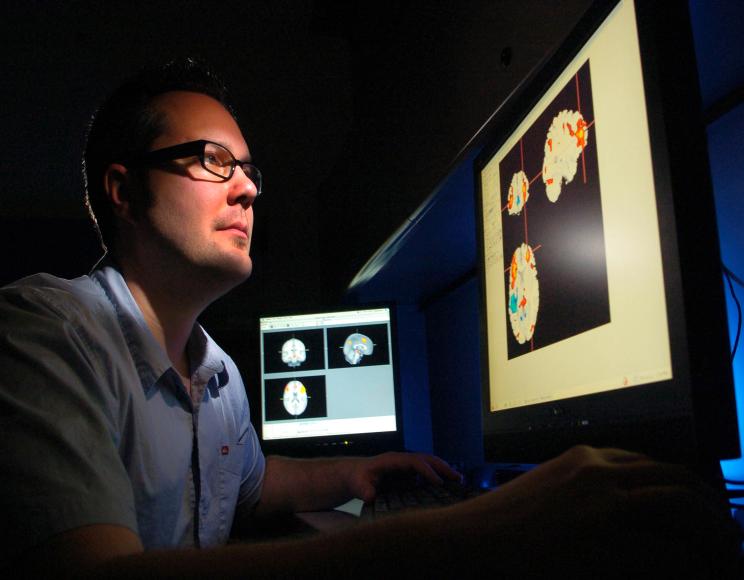
Brendan E. Depue, Ph.D., is an Associate Professor and Endowed Chair of Behavioral Brain Imaging and Neurobiology in the Department of Psychological and Brain Sciences at the University of Louisville. He also serves as an Affiliate Assistant Professor in the Department of Anatomical Sciences and Neurobiology. His research focuses on the neuroanatomical substrates of inhibitory and cognitive control, particularly within the prefrontal cortex (PFC), using neuroimaging techniques such as fMRI and structural MRI. Depue’s work explores emotional memory regulation, PTSD, anxiety, and decision-making processes. Depue earned his Ph.D. in 2009 from the University of Colorado at Boulder. His lab, the (N)euro(I)maging (L)aboratory of (C)ognitive, (A)ffective and (M)otoric Processes (NILCAMP), investigates how brain networks regulate cognitive, emotional, and motor functions. His research has identified key neural correlates of memory suppression in PTSD, structural covariance differences in depression, and gender-specific neural connectivity during emotion regulation. Recent publications highlight his exploration of fear learning mechanisms, neural networks underlying interoceptive awareness, and the translational potential of the bed nucleus of the stria terminalis in anxiety research. Depue’s interdisciplinary approach integrates clinical neuroscience with advanced imaging methodologies to address complex mental health challenges.
Kreg Gruben is a Professor at the University of Wisconsin–Madison, affiliated with the School of Education. He leads the Neuromuscular Coordination Laboratory, focusing on biomechanics, motor control, and rehabilitation engineering. His research explores human movement mechanics, postural stability, and neuromuscular adaptation in clinical populations like post-stroke patients. Gruben holds a PhD in Biomedical Engineering from Johns Hopkins University (1993). Key Research Areas: Biomechanics of standing/walking, haptic interfaces, neuromuscular coordination, and force-direction control. Laboratory: Neuromuscular Coordination Laboratory (website linked). His publications span haptic technology, postural control dynamics, and clinical biomechanics applications. Recent work includes studies on hybrid actuators for human-robot interaction and postural stability in autism spectrum disorder. Gruben’s research bridges engineering and clinical science, with implications for rehabilitation therapies and ergonomic design. Advising and Grants: While specific student names or grant details are not listed, his extensive publication record indicates active mentorship in biomedical engineering and kinesiology. Research focuses on translating biomechanical insights into practical rehabilitation solutions.
Fatemeh Mollaei is a Lecturer in Clinical Language Sciences at the University of Reading, affiliated with the School of Psychology and Clinical Language Sciences. She is a core member of the Centre for Integrative Neuroscience and Neurodynamics (CINN), focusing on neurophysiological mechanisms of speech disorders. Her work integrates behavioral, electrophysiological, and neuroimaging techniques to study Parkinson’s disease (PD) and develops neuro-rehabilitation methods using non-invasive brain stimulation (e.g., TMS, tDCS). Her research explores how sensory and motor systems interact during speech production in PD, employing tools like EEG, fMRI, and MEG. She investigates microstructural white matter changes and auditory processing deficits linked to speech impairments, aiming to translate findings into clinical interventions. Her studies also address broader topics like sensorimotor adaptation and stuttering, emphasizing translational neuroscience. Publications highlight trends in neuroimaging of speech disorders, auditory feedback mechanisms, and neuroplasticity in PD. While no formal awards are listed, her contributions to understanding speech motor control and rehabilitation practices are significant. Advising and grant details are not explicitly provided, but her involvement in interdisciplinary CINN projects suggests active collaborative research. Labs/Teams: Active contributor to the Centre for Integrative Neuroscience and Neurodynamics (CINN) at the University of Reading, collaborating on translational neuroscience projects.
Prof. Laura Busse is a Professor at Ludwig Maximilian University of Munich (LMU), leading the Research Group in the Department of Biology II, Division Neurobiology. She holds roles as a Regular Member of MCN, Full Member of GSN, and Deputy Head of the GSN Examination Board. Her research focuses on cellular and systems neuroscience, particularly investigating how contextual information influences visual perception through neural circuits in mice. Key areas include feedback mechanisms, behavioral state effects, and thalamocortical interactions. Her work employs advanced techniques like high-density extracellular recordings and optogenetics to study active behavior in rodents. Current students include Simon Renner, Gregory Born, and others. Recent research highlights include studies on corticothalamic feedback effects, thalamic spatial integration, and the role of pupil dynamics in neural activity. She leads the Vision Circuits Lab (https://visioncircuitslab.org), exploring how sensory inputs and brain states shape visual processing. Her articles reveal trends in understanding thalamocortical communication, adaptive sensory systems, and the biological basis of neural network models. She coordinates the SPP2411 project on cortico-subcortical loops, emphasizing interdisciplinary neuroscience.
Professor Charlotte Stagg is based at the Nuffield Department of Clinical Neurosciences (NDCN) within the University of Oxford . She serves as Associate Director of the Oxford Centre for Integrative Neuroimaging and holds a Beale Fellow in Medicine position at St Hilda's College. Her research focuses on the physiological mechanisms of motor learning and stroke recovery, utilizing multimodal neuroimaging and brain stimulation techniques. Research Interests : GABA signaling, neuroplasticity, transcranial ultrasound, stroke neurorehabilitation Techniques : 7T MRI, MEG, non-invasive brain stimulation, neurochemistry Selected Scientific Awards : Wellcome Trust Senior Research Fellow Beale Fellow in Medicine, St Hilda's College Collaborations : Leads the Physiological Neuroimaging Group (PiNG), part of the Neuroplastics Collaborative Network with groups led by Heidi Johansen-Berg and Jacinta O'Shea. Current advisees include DPhil student Birtan Demirel and visiting researchers from HEC Montréal and The University of Manchester.
Emily Cross is a Full Professor at the Department of Humanities, Social and Political Sciences at ETH Zurich, leading the Social Brain Sciences Professorship since spring 2023. She previously held professorships at Bangor University (Wales), University of Glasgow (Scotland), Macquarie University (Australia), and Western Sydney University's MARCS Institute (Australia). Her research centers on how embodied experience shapes social learning and perception across diverse contexts. Key contributions include identifying neural signatures of embodied expertise using dancers, developing embodied neuroaesthetics theory, uncovering neurocognitive foundations of visual learning across lifespans, and pioneering paradigms for human-robot social engagement. Her interdisciplinary approach bridges technology, performing/visual arts, and social sciences to explore experience-dependent plasticity at brain and behavioral levels. Recent publications (2024-2025) demonstrate intense focus on human-robot interaction dynamics, aesthetic movement perception, and context-dependent social cognition. Work increasingly examines self-disclosure mechanisms to robots, cultural influences on robot acceptance, and neural correlates of movement synchrony, reflecting her expanding influence at the neuroscience-robotics intersection. Scientific awards include: Philip Leverhulme Prize for Psychology Jacob Bronowski Award from British Science Foundation Young Talent Award from Dutch Neuroscience Society RoboHub and Insight Analytics top women in robotics listings Australia’s Superstars of STEM (2022) Cross passionately trains next-generation scientists with emphasis on research ethics. Her work attracts major funding from ERC, NIH, Fulbright Commission, ESRC, EPSRC, and UK Ministry of Defence. She serves on UNESCO’s International Bioethics Committee (co-rapporteur for neurotechnology ethics report) and as Associate Editor for International Journal of Social Robotics. She leads ETH Zurich's dynamic Social Brain Sciences group, which embraces interdisciplinarity through research paradigms bridging technology, performing/visual arts, and biological/social sciences, while maintaining active roles in editorial boards and conference committees including Intelligent Virtual Agents and Affective Computing meetings.
Shinsuke Shimojo is the Gertrude Baltimore Professor of Experimental Psychology at the California Institute of Technology (Caltech). He holds a B.A. (1978), M.A. (1980) from the University of Tokyo, and a Ph.D. (1985) from MIT. At Caltech, he has served as Associate Professor (1997–98), Professor (1999–2010), and Baltimore Professor (2010–present). His research focuses on perceptual decision-making, implicit cognition, and the neural mechanisms underlying sensory perception and social interaction. His work employs advanced methods like fMRI, EEG, and transcranial stimulation to study topics such as crossmodal integration, visual illusions, and the social brain. Shimojo leads the Shimojo Psychophysics Laboratory, collaborating with institutions like NTT Communication Science Laboratories, Harvard MGH, and MetaModal Inc. His lab investigates phenomena like sensory substitution, team flow dynamics, and human magnetoreception. Notable achievements include pioneering studies on the 'gaze cascade effect' and developing the ePlegona game system for studying team flow. Awards include the Red Dot Design Concept Award (2024) and grants from JST CREST and MEXT gCOE programs. His research bridges cognitive and neuroscience disciplines, emphasizing interdisciplinary approaches to understanding human perception and decision-making. Current projects explore implicit brain functions, social communication, and the neural correlates of emotional decisions. Shimojo also contributes to science communication through his column in Asahi Shimbun and public outreach via YouTube demonstrations of visual illusions.
Dani S. Bassett is the J. Peter Skirkanich Professor at the University of Pennsylvania with primary appointment in the Department of Bioengineering (School of Engineering and Applied Science) and secondary appointments in Physics & Astronomy, Electrical & Systems Engineering, Neurology, and Psychiatry. They serve as an external professor at the Santa Fe Institute and lead a research group focused on complex systems and network science. B.S. in Physics, Penn State University (2004) Ph.D. in Physics, University of Cambridge as Churchill Scholar and NIH Health Sciences Scholar (2009) Postdoctoral position at UC Santa Barbara and Junior Research Fellow at Sage Center for the Study of the Mind Their research integrates complex systems science, statistical mechanics, and applied mathematics to study network dynamics in physical and biological systems. Key areas include brain connectivity mechanisms, cognitive processes, neurological disease modeling, granular matter physics, and collective human curiosity. Bassett employs advanced methodologies including algebraic topology, network control theory, and multilayer network analysis to investigate how network architecture influences system function across diverse domains. Recent publications reveal a strong trend toward interdisciplinary network science applications, particularly in modeling human curiosity through Wikipedia navigation patterns and analyzing brain network reconfiguration during cognitive development. Their work bridges physics, neuroscience, and behavioral science with emphasis on topological network properties and dynamical processes. American Psychological Association's Rising Star (2012) MacArthur Fellow Genius Grant (2014) Lagrange Prize in Complex Systems Science (2017) Erdos-Renyi Prize in Network Science (2018) American Physical Society Fellow (2021) Web of Science Highly Cited Researcher (3 consecutive years) Bassett's research is supported by major agencies including NSF, NIH, DoD, ONR, and private foundations (MacArthur, Sloan, Paul Allen). Their lab actively recruits students from physics, engineering, neuroscience, and computer science backgrounds, emphasizing diversity in academic perspectives. Current projects include the 'Curious Minds' initiative exploring collective knowledge building and network-based models of neurological disorders. Bassett co-authored the MIT Press book 'Curious Minds: The Power of Connection' with philosopher Perry Zurn.
Roman Kuc is a Professor of Electrical Engineering at Yale University, affiliated with the School of Engineering & Applied Science. He directs the Intelligent Sensors Laboratory, focusing on biomimetic sensors for robotics and bioengineering. His research explores brain-based devices (BBDs), sonar sensing, and neuromorphic processing inspired by biological systems. He holds a BSEE from Illinois Institute of Technology and a PhD from Columbia University. Dr. Kuc’s work bridges signal processing, robotics, and bioengineering, with applications in autonomous systems and clinical diagnostics. He has published over 200 papers and authored textbooks like Electrical Engineering in Context and The Digital Information Age . Notable honors include an honorary doctorate from the Glushkov Institute of Cybernetics and the Yale Sheffield Distinguished Teaching Award. His research themes include cognitive mapping via sonar echoes, neural network-based classification of environmental features, and biomimetic approaches to echolocation. Recent work emphasizes sensorimotor integration and robust performance in uncertain environments. Scientific awards highlight his contributions to robotics, signal processing, and education. His lab develops systems that emulate biological sensory mechanisms, aiming to advance robotics, medical applications, and assistive technologies.
Brian Horsak is a Professor and Head of the Center for Digital Health and Social Innovation at Fachhochschule Steyr. He holds an endowed professorship in Applied Biomechanics and Rehabilitation Research, focusing on integrating advanced technologies like VR/AR, machine learning, and wearable devices into clinical gait analysis and motor rehabilitation. His roles include leading the Institute of Health Sciences and contributing to the Department of Health Sciences and Media and Digital Technologies. Education: Dr. rer. nat. (2012, University of Vienna), Habilitation in Kinesiology (2020, University of Vienna), Master's in Sports Science (2002–2008, University of Vienna). Research interests revolve around improving patient care through biomechanical innovations, including musculoskeletal simulations, gait pattern analysis, and rehabilitation technologies. He leads projects like ReMoCap-Lab (motion capture for motor rehabilitation) and chairs the Applied Biomechanics in Rehabilitation Research initiative. Key achievements include the Lower Austria Innovation Prize (2021), multiple best paper awards, and grants for projects like TRUST AI and VReeze. His work bridges clinical practice with digital health solutions, emphasizing explainable AI (XAI) in gait classification and VR-based balance training. Notable contributions include developing the GaitRec dataset and studies on smartphone-based motion capture reliability. He collaborates internationally, publishing widely in Gait & Posture , Scientific Reports , and IEEE journals. Current projects focus on AI-driven gait analysis, musculoskeletal modeling, and XR applications in healthcare.