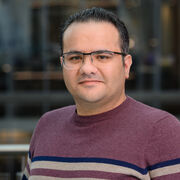
Hamidreza Marvi is an Associate Professor in the School for Engineering of Matter, Transport and Energy at Arizona State University , with additional affiliations as a Senior Global Futures Scientist . His work bridges bio-inspired robotics , soft robotics , and mechanics of animal locomotion . Education : Ph.D. in Mechanical Engineering (Georgia Tech, 2013), M.S. in Biomedical Engineering (Sharif University, 2007), M.S. in Mechanical Engineering (Clemson, 2009), B.S. in Mechanical Engineering (Iran University of Science and Technology, 2004). Marvi’s research focuses on biological systems interacting with solid, granular, and fluidic environments , translating these insights into bio-inspired robotic systems for search-and-rescue, medical, and planetary exploration. His work has been featured in Science , PNAS , and popular media like the New York Times and BBC . Recent publications highlight trends in magnetic microrobotics , soft robot control , and locomotion in granular media , with applications in medical devices, underwater inspection, and space exploration. His BIRTH Lab develops programmable interfacial structures and adaptive locomotion systems. Scientific Awards : KEEN Professorship (2017), Peebles Award (2015), Sigma Xi Best Ph.D. Thesis (2014), TechSTAR Award (2012), Emerald Publishing Literati Network Award (2011). Marvi has supervised teams for NASA competitions, co-organized robotics workshops, and served as a reviewer for journals like Nature-Scientific Reports and conferences including IEEE-IROS. His teaching portfolio includes courses in system dynamics, robotic control, and applied projects .
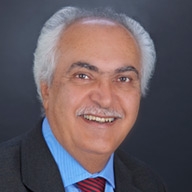
Dr. Seyed Mojtaba Hoseyni is a Lecturer in Process Safety and Loss Prevention at the School of Chemical, Materials and Biological Engineering, University of Sheffield. Previously a Postdoctoral Research Associate at the same institution (2022-2024), he holds a PhD in Energy Engineering from Politecnico di Milano (2021). His research focuses on enhancing system resilience, risk assessment, and decision-making under uncertainty in engineering systems, particularly for decarbonization applications. Royal Academy of Engineering Global Talent (Exceptional Promise) in Chemical and Process Engineering His work spans hydrogen safety, climate change risk, nuclear engineering safety, and predictive maintenance. Recent publications emphasize integrating resilience metrics into HAZOP analysis and optimizing sensor placement for risk-informed decision-making. Teaching activities include the Hazards and Protections module (CPE61020). Specializes in RAMS (Reliability, Availability, Maintainability, and Safety) analysis Develops safety frameworks for hydrogen energy systems Applies advanced computational techniques to nuclear and industrial safety
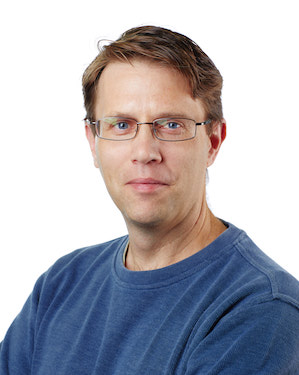
Professor Jana Zaumseil is a distinguished academic at Heidelberg University, holding the position of Professor for Applied Physical Chemistry at the Faculty of Chemistry and Earth Sciences since 2014. She also maintains a co-opted position with the Faculty of Physics and Astronomy since 2016. Currently serving as Executive Director of the Institute for Physical Chemistry and Spokesperson for the DFG Research Training Group GRK 2948, she leads the Zaumseil research group (also known as the Nanomaterials for Optoelectronics group) at Heidelberg University's Institute for Physical Chemistry. Her educational background includes a PhD in Physics from the University of Cambridge (2003-2007) with a Gates Cambridge Trust Scholarship, and a Diplom (equivalent to M.Sc.) in Chemistry from the University of Leipzig (1997-2022). Prior to her position at Heidelberg, she served as Professor for Nanoelectronics at Friedrich-Alexander-Universität Erlangen-Nürnberg (2009-2014), and completed postdoctoral work at Argonne National Laboratory (2007-2009) following an internship at Bell Laboratories (2002-2003). Zaumseil's research program focuses on the optical and electronic properties of carbon-based nanomaterials, particularly single-walled carbon nanotubes (SWCNTs) and organic semiconductors. Her group specializes in processing, functionalization, characterization and application of these unconventional semiconductors for optoelectronic devices and sensors. They investigate charge transport and light-matter interaction using a wide range of experimental techniques including synthesis, optical spectroscopy, atomic force microscopy, device fabrication, and electrical/optical device characterization. Their work bridges fundamental understanding with potential applications in sensing, imaging, circuits, and energy conversion. Analysis of her recent publications reveals a strong trend toward defect engineering in carbon nanotubes, particularly creating and optimizing luminescent sp 3 defects for near-infrared applications. Her research increasingly integrates fundamental studies of charge transport with practical device applications, especially in neuromorphic computing, biosensors, and thermoelectrics. The interdisciplinary nature of her work is evident in the combination of chemistry, physics, and materials science approaches across her publication record. Dan Maydan Prize for Nanoscience and Nanotechnology (2024) Jahrespreis der Universität Heidelberg (2023) ERC Consolidator Grant (2019) ERC Starting Grant (2012) Alfried-Krupp-Award for Young University Professors (2010) Professor Zaumseil has secured substantial research funding including multiple ERC grants and leads several major collaborative projects such as the ERC Advanced Grant SCALE-NT, Collaborative Research Center SFB 1249, Cluster of Excellence 3D Matter Made to Order, and Research Training Group GRK 2948. She has mentored numerous doctoral and master's students, with her group recently receiving recognition including a Student Poster Presentation Award for Niklas Herrmann. As Dean of the Faculty of Chemistry and Earth Science (2019-2021) and current Vice Dean (2021-), she has played significant leadership roles within the university structure. The Zaumseil research group operates within Heidelberg University's Institute for Physical Chemistry, utilizing advanced facilities for nanomaterial synthesis, optical spectroscopy, and device characterization. The group participates in several major collaborative initiatives including the Cluster of Excellence 3D Matter Made to Order and the Collaborative Research Center SFB 1249, reflecting its integration within Heidelberg's broader research ecosystem focused on molecular systems and materials science.
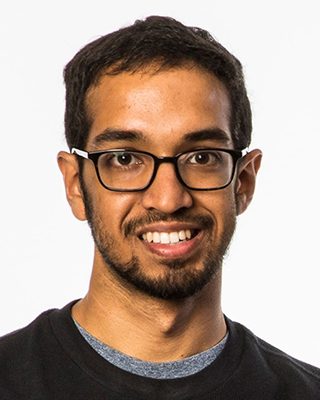
Soroosh Sorooshian is a Professor at the Samueli School of Engineering , University of California, Irvine, with joint appointments in Civil and Environmental Engineering and Earth System Science . He serves as Founding Director of the Center for Hydrometeorology and Remote Sensing (CHRS) and holds the Samueli Endowed Chair in Engineering . His expertise spans hydrometeorology, climate-water interactions, remote sensing applications, and water resource management in arid regions. Education : Ph.D. in Engineering (1978), Engineer Degree in Systems Engineering (1977), M.S. in Operations Research (1973), B.S. in Mechanical Engineering (1971). Leadership & Affiliations : Member of US National Academy of Engineering , International Academy of Astronautics , and multiple scientific bodies (AAAS, AGU, AMS, IWRA). Former advisor to NASA, NOAA, and UNESCO initiatives. Recent research focuses on machine learning integration for hydrological modeling , satellite precipitation product development , and climate change impact assessments . Key trends include deep learning for bias correction , multi-sensor precipitation fusion , and atmospheric river hydrology in California. Awards include the AGU Horton Medal , NASA Distinguished Public Service Medal , and Prince Sultan Bin Abdulaziz International Water Prize . He consults on urban flooding and surface hydrology challenges. Scientific Honors : Chinese Academy of Sciences Einstein Professorship (2014) UNESCO Great Man-Made River Water Prize (2007) AMS Walter Orr Roberts Lecturer (2009) Multiple Distinguished Educator Awards Advisory Roles : Served on committees for NASA, DOE, and World Climate Research Programme's Hydrology Commission.
Sean B. Andersson is a Professor in the Department of Mechanical Engineering at Boston University's College of Engineering. His research focuses on optimal estimation, system identification, single particle tracking, robotics, and control theory. He earned his Ph.D. from the University of Maryland, College Park. Education : Ph.D. in Mechanical Engineering (University of Maryland, College Park) His work integrates control algorithms with applications in microscopy, nanofabrication, and multi-agent systems. Recent research trends highlight persistent monitoring, trajectory optimization, MRI reconstruction, and dip-pen nanolithography. He has mentored numerous graduate and undergraduate students, many of whom now hold positions at institutions like MIT Lincoln Labs, University of Pennsylvania, and Juniper Networks. Scientific Contributions : Developed robust multi-agent control policies for data harvesting Advanced single particle tracking with real-time feedback Innovated in non-raster scanning probe microscopy Optimized sensor scheduling via minimax and semidefinite programming His lab team combines theoretical and applied research in robotics and control systems, with alumni contributing to academia, industry, and research labs globally.
Vikram Iyer is an Assistant Professor at the Paul G. Allen School of Computer Science and Engineering and holds an Adjunct Appointment in Mechanical Engineering at the University of Washington. He co-directs the CS for Environment Initiative , focusing on interdisciplinary solutions that bridge computing, biology, and physical systems for environmental sustainability. Education : Ph.D. in Electrical & Computer Engineering (University of Washington), B.S. in Electrical Engineering and Computer Sciences (UC Berkeley) Research Interests revolve around bio-inspired wireless systems , environmentally sustainable electronics , and miniaturized autonomous robotics . His work includes: Biodegradable circuit boards Battery-free wireless sensors Insect-scale vision systems Wind-dispersed environmental monitors AI tools for sustainable design Article Trends highlight contributions to green hardware , energy-autonomous robotics , and environmental sensing networks , often integrating machine learning with physical world interaction . Awards include: NSF CAREER Award SIGMOBILE Dissertation Award Marconi Society Paul Baran Young Scholar Best Paper Awards (SIGCOMM 2016, Sensys 2018) Google/Amazon Research Awards Students advised include Kyle Johnson (NSF Fellow), Vicente Arroyos (GEM Fellow), and Qiuyue Xue (co-advised with Shwetak Patel). His lab collaborates with the Networks & Mobile Systems Lab and Urban Innovation Initiative .
Daniel Braun is a Professor at the University of Tübingen, affiliated with the Faculty of Mathematics and Natural Sciences and the Department of Physics. He holds the Theoretical Physics (Braun Chair) and has been active in academia since October 1, 2013. Email: daniel.braun@uni-tuebingen.de Research Interests: His work bridges quantum optics, metrology, and gravitational physics. He explores quantum-enhanced measurement techniques, nonlinear optical phenomena in curved spacetime, and mechanical systems for fundamental tests of physics. Institutional Affiliation: Institute for Theoretical Physics (ITP) Recent Publications (2025-2024): Focus on quantum-limited interferometry, machine learning applications in quantum channels, gravitational effects in particle accelerators, and nonlinear soliton dynamics in relativistic settings. Scientific Awards: No specific awards mentioned in the provided data.
Sharad Mehrotra is a Distinguished Professor at the University of California, Irvine (UCI), leading the Center for Emergency Response Technologies (CERT) and directing the NSF-funded RESCUE project. He previously served at the University of Illinois, Urbana-Champaign, and holds a Ph.D. from the University of Texas at Austin (1993). His research focuses on data management, IoT systems, privacy-preserving technologies, and smart spaces, with contributions to frameworks like TIPPERS and MARS. Education: Ph.D., Computer Science, University of Texas at Austin, 1993 Research Interests: His work bridges database systems, security, and IoT, emphasizing privacy in smart environments. Notable projects include sentient space technologies for disaster response, cryptographic methods for encrypted data queries, and semantic IoT integration. Recent efforts address privacy in multi-owner data systems and resilient community water infrastructure. Awards & Recognition: ACM Fellow (2024) SIGMOD Best Paper (2001), DASFAA Best Paper (2004) NAVWAR Innovation Award (2021) Outstanding Graduate Mentor (2005) Grants & Leadership: As RESCUE PI, he managed $12.5M NSF funding, developing crisis-response software deployed by emergency agencies. Collaborations include the Cal-IT2 institute (UCSD/UCI) and the US Navy’s TIPPERS platform. He co-leads initiatives like the NSF Civic Innovation Challenge for disaster resilience in aging communities. Labs & Teams: Directs UCI’s Information Systems Group and CERT, fostering interdisciplinary research with 60+ members. His teams produce open-source tools (e.g., SEMIoTIC, PrivacySphere) and engage in global partnerships via Fulbright Visiting Scholar programs.
Dr. Danesh Tarapore is an Associate Professor at the University of Southampton specializing in robotics and AI. He focuses on human-robot interaction, swarm intelligence, and autonomous systems. His current research involves developing resilient robotic teams and optimizing learning algorithms for constrained environments. He supervises 6 PhD students in the iPhD MINDS and Computer Science programs. Dr. Tarapore's work bridges theoretical advancements with practical applications in autonomous navigation, multimodal dataset creation, and quality-diversity optimization. His publications span conferences like HRI and journals in robotics and AI. He collaborates with institutions like the University Hospital Southampton and the Boldrewood Innovation Campus. Research Interests: Human-robot collaboration, swarm systems, machine learning, and adaptive control Key Contributions: HRI-SENSE dataset, evolutionary subset selection algorithms, forest navigation frameworks Grants and Funding: Active projects in multi-agent systems and resilient robotics Dr. Tarapore maintains active roles in the robotics community through conference participation and interdisciplinary collaborations.
Pawel Ladosz is a Lecturer in Engineering Systems for Robotics at the Department of Mechanical and Aerospace Engineering, The University of Manchester. His research focuses on applying machine learning and computer vision to mobile robots, particularly in extreme environments such as total darkness or cluttered spaces. He is actively involved in developing autonomous navigation systems, wireless signal mapping, and high-level decision-making for robotic swarms. He teaches courses including Robotic Systems Design Project and Autonomous Mobile Robots. Education: PhD in Establishing and Optimising Unmanned Airborne Relay Networks (Loughborough University, 2014–2019) MEng in Aerospace Engineering (The University of Manchester, 2010–2014) Research Interests: Ladosz’s work emphasizes reinforcement learning for robotics, vision-based autonomous systems, and exploration in challenging environments. His projects often intersect with UN Sustainable Development Goals, contributing to innovations in robotic autonomy and sensor networks. Awards: He received the 2nd Autonomous Flying Technology Competition award in 2021, recognizing his contributions to autonomous flight systems. His research has also led to the establishment of the Centre for Robotic Autonomy in Demanding and Long-Lasting Environments (CRADLE), fostering cross-disciplinary collaborations. Grants & Projects: As Principal Investigator in the Aerospace Engineering initiative (2010–2035), he explores UAV communication networks and trajectory planning. His work addresses urban environment challenges, including relay positioning and signal prediction. Labs/Teams: Ladosz contributes to CRADLE, advancing robotic autonomy in extreme scenarios. His lab focuses on integrating AI and robotics for real-world applications.
Dr. Xiaoyi Tian is a Researcher at the School of Electrical and Computer Engineering, University of Sydney. They are affiliated with the University of Sydney Nano Institute and specialize in microwave photonics, sensor technology, and machine learning applications. Their research focuses on integrating machine learning with photonic sensors, particularly using microresonators and optical signal processing for high-resolution sensing. Key areas include microwave-photonic hybrid systems, signal processing algorithms, and sensor optimization. Dr. Tian has contributed to advancements in athermal sensors, subwavelength grating resonators, and recurrent neural networks for sensor performance enhancement. Their work spans conferences like OFC, CLEO-PR, and IEEE journals. No formal awards or student advisees are listed, though their publications reflect active collaboration in interdisciplinary research.
Professor Xiaoke Yi is a faculty member at the University of Sydney's School of Electrical and Computer Engineering, serving as Associate Head of Research and Director of the Photonics Research Group. He holds a BEng, MEng, and PhD from Nanyang Technological University (NTU). His research focuses on nanophotonics and integrated microwave photonics, addressing challenges in high-frequency signal processing for communications, defense, and healthcare. Notable achievements include developing non-invasive glucose monitoring technology and contributions to silicon carbide photonics. Awards include the 2018 Women in Industry Award and 2017 Bradfield Award. Research Interests : Professor Yi’s work bridges microwave engineering and optoelectronics, with applications in high-speed communication systems, radar, and biomedical sensors. His current projects involve machine learning-enhanced microwave photonic sensors and integrated photonics for defense and healthcare. Recent breakthroughs include athermal sensors using microring resonators and silicon carbide electro-optic modulators. Publications & Recognition : His work spans over 100 peer-reviewed articles in journals like Nature Communications and Journal of Lightwave Technology . Key themes include sensor design, signal processing algorithms, and photonic materials. Recent trends emphasize machine learning integration for sensor optimization and biomedical applications. Awards : 2018: Women in Industry Award (Engineering category) 2017: Bradfield Award (Engineers Australia) 2017: Australia’s Most Innovative Engineers (Engineers Australia) 2017: Sydney Accelerator Fellowship (SOAR) 2016: Vice-Chancellor’s Award for Research Engagement Labs & Teams : Leads the Photonics Research Group, collaborating with interdisciplinary teams at Sydney Nano Institute. Current projects include inverse design of photonic devices using neural networks and high-resolution optical spectrum analysis.
Guo Li is affiliated with the Beijing Institute of Technology, School of Management and Economics. Their research spans computer vision, optimization algorithms, signal processing, and machine learning. Collaborations include work on image super-resolution, sensor networks, and energy systems. Publications are distributed across journals like Comput. Electron. Agric. , IEEE Trans. Circuits Syst. , and Entropy . Research interests focus on computational methods for image processing, algorithm design, and interdisciplinary applications in agriculture and energy. Recent work emphasizes lightweight neural network architectures, sparrow search algorithms, and thermodynamic modeling in materials science. Notable contributions include advancements in citrus fruit detection, fatigue life assessment of superalloys, and load forecasting techniques. Active in international conferences such as CVPR, ICC, and NSDI, with a strong publication record since 1998.
David Schlipf is a Professor at the Fachbereich Energy and Life Science, Hochschule Flensburg, leading the Wind Energy Technology Institute. His expertise spans lidar-assisted control systems, floating offshore wind turbines, and aeroelastic modeling. He actively collaborates with international initiatives like IEA Wind Task 32 and contributes to projects such as the 'Lidar Knowledge Europe (LIKE)' network. His research focuses on enhancing wind turbine efficiency through advanced control strategies and sensor technology integration. He has been instrumental in developing the TorqTwin open-source framework for multibody modeling and has published extensively on topics including wind field reconstruction, load mitigation, and floating platform dynamics. His work bridges academic research with industrial applications, emphasizing practical solutions for offshore wind energy challenges. Notable projects include the evaluation of lidar-assisted control performance, optimization of floating turbine designs, and contributions to wind energy education's role in climate resilience. His research outputs span over 200 publications, highlighting his global impact in advancing renewable energy systems.
Dr. Thia Kirubarajan is a Professor and Distinguished Engineering Professor in the Electrical and Computer Engineering Department at McMaster University. He holds the NSERC/General Dynamics Mission Systems-Canada Industrial Research Chair in Target Tracking and Information Fusion. His expertise spans Estimation Theory, Multisensor-Multitarget Tracking, Information Fusion, and Signal Processing. He has led the Estimation, Tracking and Fusion Research Laboratory (ETFLab) with over 50 students and researchers, including PhD candidates and postdoctoral fellows. His academic journey includes degrees from Cambridge University (B.A., M.A.) and the University of Connecticut (M.S., Ph.D.). Education: B.A./M.A. (Cambridge, UK), M.S./Ph.D. (University of Connecticut, USA) Research Interests: Multisensor tracking, sensor fusion, fault diagnosis, and autonomous systems Dr. Kirubarajan has received notable awards including the Barry Carlton Award and Ontario Premier's Research Excellence Award. He teaches advanced courses like Algorithms for Parameter and State Estimation (ECE 771) and has advised numerous students across PhD, M.A.Sc., and undergraduate levels. His research lab collaborates internationally, hosting visiting scholars and fostering innovation in smart systems and transportation.