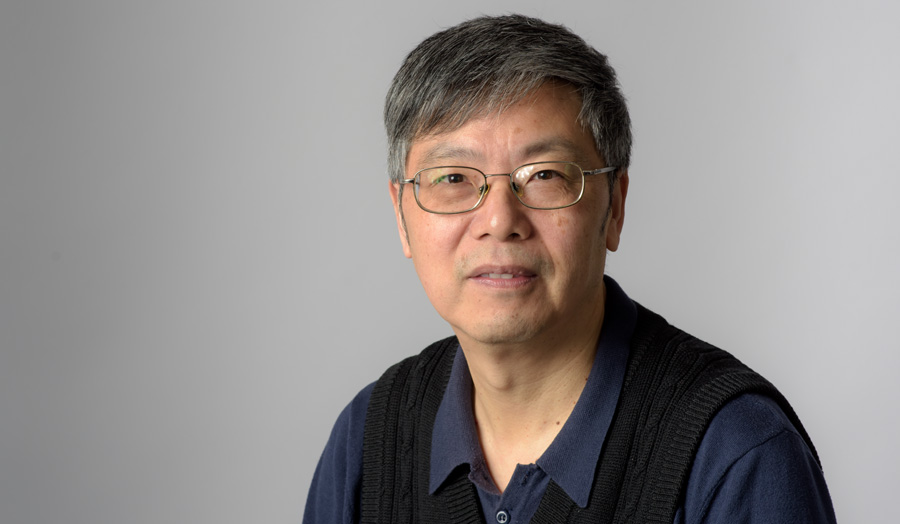
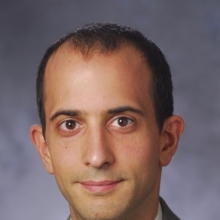
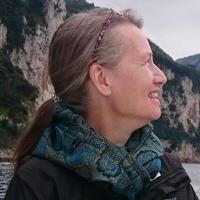
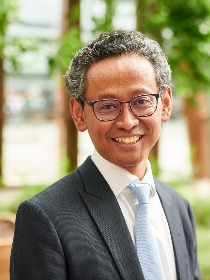
Dr. Tingkai Wang is a Senior Lecturer in the School of Computing and Digital Media at London Metropolitan University. His research focuses on mobile robots, intelligent systems, artificial intelligence, control systems, image/signal processing, and virtual reality. He teaches the Programming for Computer Science module and has led projects like the Virtual Environment and Simulation System (2000-2002) and Navigation and Control of Mobile Robots (1995-1998). His work emphasizes interdisciplinary approaches, combining expert systems, neural networks, and fuzzy logic to address challenges in autonomous systems. Notable contributions include AGV navigation algorithms, hybrid control systems, and predictive modeling. Over 30 publications span robotics, control engineering, and AI applications. He collaborates internationally and has presented at venues like the International Conference on Intelligent Systems Engineering and the IEEE Conference on Engineering in Medicine and Biology. Dr. Wang’s expertise bridges theoretical modeling and practical implementation, with applications in manufacturing automation, environmental monitoring, and industrial management systems. His current research continues exploring adaptive control mechanisms and AI-driven robotics solutions.
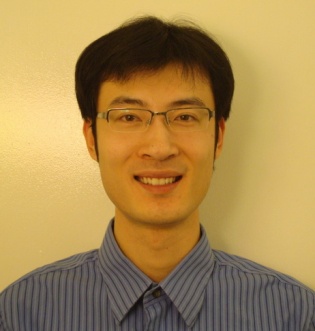
Yue Zhao is an Associate Professor in the Department of Electrical and Computer Engineering at Stony Brook University, with an affiliated appointment in Applied Mathematics and Statistics. Prior to this, she held postdoctoral positions at Stanford University and Princeton University. She earned her Ph.D. from UCLA in 2011 and B.E. from Tsinghua University in 2006. Her research focuses on smart grid systems, renewable energy integration, machine learning applications in power systems, and game-theoretic approaches to electricity markets. Key areas include transportation electrification, demand response mechanisms, and cyber-physical security of grid infrastructure. She teaches courses on digital signal processing, convex optimization, and communication systems. Her work spans over 50 publications in top journals and conferences like IEEE Transactions on Power Systems and ACM e-Energy. Notable contributions include dynamic state estimation frameworks for inverter-based resources, incentive-compatible market mechanisms for renewable aggregation, and cyber attack detection methodologies. Dr. Zhao advises a research group focused on interdisciplinary challenges in energy systems. Current openings exist for Ph.D. students with strong analytical backgrounds. Sponsors include NSF, DOE, and industry collaborators.
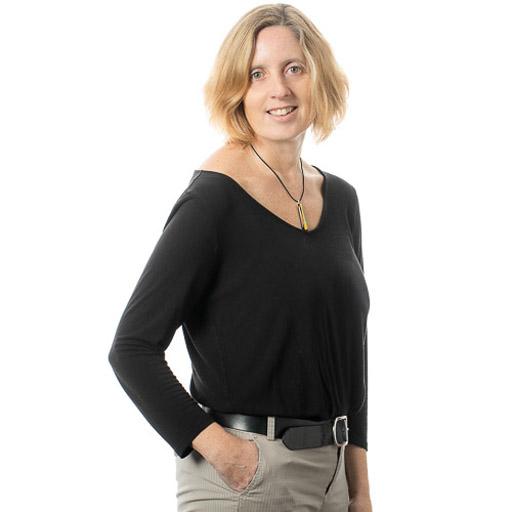
Alisa Piekny, PhD, is a Professor of Biology and Associate Dean of Research and Infrastructure at Concordia University's School of Health. Her research focuses on cytoskeleton regulation during cell division, migration, and polarity, particularly in cancer cells. She employs human cell cultures, iPSCs, and collaborative drug discovery approaches to advance anti-cancer therapies and nanotechnology-based diagnostic tools. Education: PhD (University of Calgary), Post-Doc (IMP Vienna and University of Chicago). Research interests include anillin protein dynamics, microtubule-actomyosin interactions, and nanoparticle-cell interactions. Her work bridges cell biology with translational medicine, emphasizing cytokinesis mechanisms and their hijacking in cancer. Recent publications highlight innovations in drug delivery systems, fluorescent nanoparticle imaging, and molecular tools for live-cell cytokinesis analysis. Collaborations span nanotechnology, cancer biology, and developmental biology, yielding insights into cell fate regulation and therapeutic targeting. Her research has been recognized through interdisciplinary projects at the interface of biology and materials science, with a focus on practical medical applications.
Jason Trelewicz is a Professor at Stony Brook University’s Department of Chemical & Molecular Engineering and holds joint faculty status at Oak Ridge National Laboratory. His research focuses on interface-engineered materials for extreme environments, leveraging advanced processing, characterization tools, and multiscale modeling. He received his Ph.D. in Materials Science from MIT (2008) and previously served as Research Director at MesoScribe Technologies. His work emphasizes fusion materials, nanocrystalline alloys, additive manufacturing, and radiation effects. Awards include the DOE Early Career Award (2017), NSF CAREER Award (2016), and multiple best paper awards (2022). His lab, the Engineered Microstructures and Radiation Effects Laboratory, explores topics like ceramic composite moderators and plasma-facing materials. Education: Ph.D., Materials Science & Engineering, MIT (2008) Affiliations: Oak Ridge National Laboratory (Joint Faculty) Key research areas include thermal-mechanical evaluation of fusion reactor components, alloy design for additive manufacturing, and radiation tolerance of nanocrystalline materials. He has pioneered studies on helium bubble dynamics in tungsten and stability of doped nanocrystalline alloys. Awards: DOE Early Career Award, NSF CAREER Award, 2022 Best Paper Awards in Nuclear Materials and Asian Ceramics. Grants/Projects: Supported by DOE, NSF, and collaborative initiatives with Japan (FRONTIER). His group investigates corrosion behavior in 3D-printed steels and develops novel composite moderators for high-temperature reactors. Ongoing work includes multiscale modeling for fusion materials and in-situ TEM studies of irradiation effects.
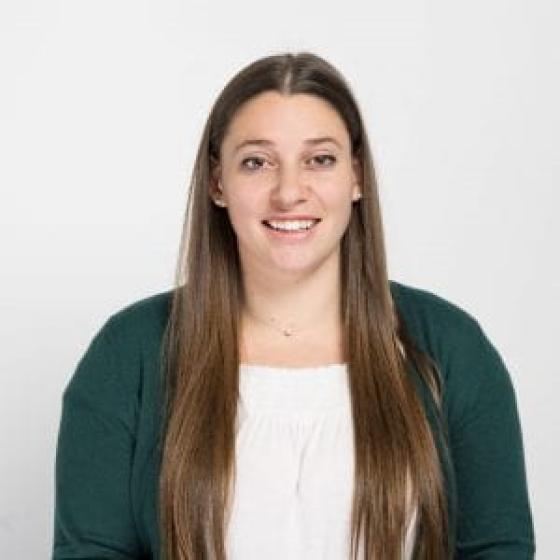
Cara M. Nunez is an Assistant Professor in Mechanical and Aerospace Engineering at Cornell Engineering. Her research focuses on haptic interfaces, sensory perception, and human-robot interaction. Research Areas: Development of wearable haptic devices for sensory feedback Human perception of tactile stimuli under cognitive load Multimodal interaction combining haptic, audio, and visual cues Medical applications of haptic guidance systems Key publications explore smartphone-based sensory assessment, affective mediated touch, and haptic guidance for medical procedures. Her work appears in robotics and human-computer interaction venues.
Andreas Peter Burg is a Tenured Associate Professor at the École Polytechnique Fédérale de Lausanne (EPFL), where he leads the Telecommunications Circuits Laboratory (TCL) within the School of Engineering. He holds multiple academic and administrative roles at EPFL including Associate Professor in Teaching (SEL, EDMI, EDEE), Director of SEL Management, and Member of the Doctoral Program Committee for Electrical Engineering. Dr. Burg received his Dipl.-Ing. degree in 2000 and Dr. sc. techn. degree in 2006 from ETH Zurich. His academic career includes positions as SNF Assistant Professor at ETH Zurich (2009-2011) before joining EPFL in January 2011 as a Tenure Track Assistant Professor, where he was promoted to Tenured Associate Professor in June 2018. His research focuses on circuits and systems for telecommunications , with particular expertise in silicon implementation of communication technologies, communication algorithms optimization for hardware, low-power VLSI signal processing, and digital integrated circuits. His work bridges theoretical communication concepts with practical circuit implementations, addressing challenges in wireless and wired communication systems. His recent publications (2024-2025) demonstrate a strong focus on next-generation communication technologies including 6G systems, advanced error correction coding, wireless sensing applications, and ultra-low power circuit design. These works span multiple subfields from LDPC and polar code decoding to RF signal processing and machine learning applications in wireless systems. Willi Studer Award (2000) ETH Medal for diploma thesis (2000) ETH Medal for Ph.D. dissertation (2006) Swiss National Science Foundation Assistant Professorship grant (2008) Dr. Burg has been involved in the development of more than 25 ASICs throughout his career and co-founded Celestrius, an ETH spinoff in MIMO wireless communication. His laboratory work focuses on practical implementations of communication algorithms with emphasis on power efficiency and hardware optimization. Current research directions include 6G technologies, wireless sensing applications, and novel error correction techniques for next-generation communication systems.
Yves Leterrier is a Senior Scientist and lecturer at École Polytechnique Fédérale de Lausanne (EPFL), where he has been a faculty member since 1993. He works in the Laboratory for Processing of Advanced Composites (LPAC) within the Institute of Materials at the School of Engineering. His academic career spans over three decades with significant contributions to sustainable materials science and polymer composite technologies. Senior Scientist, Laboratory for Processing of Advanced Composites (LPAC) Teaching roles in SMX and EDMX programs PhD program committee member for Materials Science and Engineering Author of over 300 technical articles including 145 peer-reviewed journal papers Leterrier's research focuses on sustainable materials and processes, particularly in polymer composites, multilayer and hybrid materials, photopolymerization and sol-gel processes, mechanics of thin films on polymers, and roll-to-roll process methods. His work bridges fundamental materials science with practical applications in flexible electronics, renewable energy, and sustainable packaging. He has pioneered techniques for creating bioinspired surfaces, diffusion-barrier coatings, and cost-effective manufacturing processes for advanced materials. His recent publications reveal a strong emphasis on water permeation monitoring in bioelectronic implants, fluorine-free superhydrophobic surfaces, and biobased composites using nanocellulose. His research shows a clear trajectory toward sustainable materials solutions with applications in medical devices, flexible electronics, and environmentally friendly packaging. The consistent theme across his work is the development of reliable, high-performance materials through innovative processing techniques and composite design. Leterrier actively contributes to the academic community through editorial roles, including serving on the editorial board of Applied Surface Science since 2012 and as Associate Editor for Frontiers in Materials since 2014. He coordinates EPFL's Minor on 'Engineering for Sustainability' and has been President of the EPFL Materials Science Library commission since 2000. His leadership extends to industry collaboration through multiple funded research projects. His current research portfolio includes significant projects such as BioPack (biobased packaging materials), FLEXCAN (flexible encapsulation of active implants), 3DP4PEACE (sustainable 3D printing), and DuPrintProtect (advanced manufacturing). Previously, he led projects including XinoCaps, UltraCeal, SUNLITE, and REFLEX, demonstrating consistent funding success across diverse materials science applications. He also serves on the board of the French Adhesion Society and has organized international symposia on materials and micro-technologies. Leterrier leads the Laboratory for Processing of Advanced Composites, where his team develops cutting-edge materials processing techniques. His work on photo-hyphenated methods, UV nanoimprint lithography, and electro-fragmentation analysis represents the laboratory's focus on innovative characterization and manufacturing approaches for advanced materials.
Dr. Maxime Cordeil is a Senior Lecturer in Human Centred Computing at the School of Electrical Engineering and Computer Science, The University of Queensland. His research focuses on Virtual and Augmented Reality technologies for data interaction, interactive visualization systems, and AR interfaces for industry applications. He has authored over 60 publications in top-tier venues such as ACM CHI and IEEE VR, and was nominated as Australia's Field Leader in Computer Graphics in 2021 and 2022. Research Interests: Data visualization, immersive analytics, medical imaging, collaborative systems, and human-computer interaction. Current Projects: Includes embedded visualizations for sports performance, interactive machine learning in 3D environments, and mixed-reality applications in forensic science. PhD Supervision: Actively guiding students in topics like immersive gesture exploration, AR for digital health, and collaborative VR systems. His work bridges theory and practice, with tools like IATK (Immersive Analytics Toolkit) and the MADE-Axes hardware system. He collaborates with industry partners like Raytracer and CSIRO, focusing on applications in space exploration, underwater training, and remote operations. Awards: Multiple best paper recognitions at ISS and CHI, plus industry-driven research grants. Labs: Leads the Immersive Analytics research group at UQ, specializing in embodied interaction and spatial computing.
Dr Donya Hajializadeh is an Associate Professor of Structural Engineering at the University of Surrey's School of Sustainability, Civil and Environmental Engineering. She holds multiple professional qualifications including Chartered Engineer (CEng) and European Engineer (EUR ING), and is a Fellow of the Higher Education Academy (FHEA). Her roles include Director of Employability (since 2020), Deputy Coordinator of the Surrey/ICE Scholarship (since 2019), and IStructE Liaison Officer (since 2021). She is also affiliated with the Surrey Institute for People-Centred Artificial Intelligence (PAI). Her education includes a BEng (Hons), MEng, and PhD in relevant fields. Research focuses on structural health monitoring (SHM), machine learning applications in asset management, and deep learning for damage identification. Key areas include railway bridge dynamics, vibration analysis, and resilience assessment under seismic and environmental hazards. Current PhD students include Chia Sadik (Transport Infrastructure Failure Assessment) and Michael Millgate (Dynamic Characterisation of Tall RC Buildings). Teaching responsibilities include ENG1073 Fluid Mechanics and ENGM054 Earthquake Engineering. Research aligns with sustainable development goals, emphasizing infrastructure sustainability and carbon reduction strategies. Notable projects include rail bridge innovation recognized by the Chief Scientific Adviser Award and presentations on damage identification techniques to government officials. She contributes actively to interdisciplinary initiatives, integrating AI with civil engineering for smarter infrastructure solutions.
Dr. Martin Fascione is a Reader in Chemistry at the University of York. He leads research at the interface of chemistry and biology, focusing on chemical glycobiology and glycomedicine. His work employs synthetic chemistry, enzymology, and bioconjugation to study carbohydrate roles in disease and develop therapeutic tools. Research interests include the chemical glycobiology of nonulosonic/sialic acids, synthetic and enzymatic carbohydrate chemistry, and protein bioconjugation. His group investigates bacterial pathogen recognition, tumor metastasis, and immunological responses mediated by glycans. Recent publications demonstrate a focus on bacterial glycans, enzyme mechanisms, glycoconjugate therapeutics, and diagnostic tools. Trends include structural enzymology, chemoenzymatic synthesis, glycan-based sensors, and bioorthogonal chemistry applications. Awards: ERC Consolidator Grant (2022) Marie Curie International Outgoing Fellowship (2012-2014) Dr. Fascione directs an interdisciplinary lab collaborating with structural biologists and clinicians. His ERC grant supports research on pseudaminic acid sugars in infectious diseases.
R. Luke DuBois is an Associate Professor and Co-Chair of the Technology, Culture and Society Department at the NYU Tandon School of Engineering, where he also directs the Integrated Design & Media program and the Brooklyn Experimental Media Center. He holds a DMA in music composition from Columbia University and is a renowned artist, composer, and performer whose work explores intersections between technology, sound, and visual media. His research focuses on digital media, human-computer interaction, and emerging technologies applied to artistic expression and accessibility. Key roles include directing the SONYC initiative (addressing urban noise pollution via AI) and leading the NYU Ability Project (advancing disability studies through technology). He has collaborated with institutions like the Smithsonian and artists such as Maya Lin, and his work has been exhibited globally, including at the Sundance Film Festival and the Aspen Institute. DuBois co-developed the Jitter software suite for real-time data manipulation and performs in avant-garde groups like Bioluminescence and Fair Use. His artistic practice combines time-lapse phonography, interactive installations, and interdisciplinary projects that critique cultural ephemera while advancing accessibility in STEM and the arts. Recent contributions include browser-based tools for accessible music notation (SoundCells) and sonification techniques for calculus education. He serves on the Board of the ISSUE Project Room and has been featured in major publications like the New York Times and TED Conference talks.
Dr. Grace Kim is an Associate Professor in the Department of Occupational Therapy at New York University's Steinhardt School of Culture, Education, and Human Development. She holds a PhD in Occupational Therapy from NYU (2016), an MA in Occupational Therapy from Columbia University, and a BA in Psychology from UC Davis. She is a clinician-researcher affiliated with the Rehabilitation Medicine department at New York Presbyterian/Weill Cornell Medical Center, specializing in upper extremity robotics, outcome measurement, and stroke rehabilitation. Education: Bachelor's in Psychology: University of California, Davis Master's in Occupational Therapy: Columbia University PhD in Occupational Therapy: New York University (2016) Research Focus: Intersection of technology and neurorehabilitation Client-centered care for stroke survivors Wearable/mobile technology applications Shared decision-making approaches Awards/Grants: Mitchell Leaska Dissertation Grant (2014) Steinhardt Faculty Challenge Grant (2017) NYU Provost Mega-Seed Grant (2018) American Occupational Therapy Foundation Grant (2021) Dr. Kim teaches courses in Evidence-Based Practice, Neurorehabilitation, and Ethics at NYU Steinhardt. She mentors students in Occupational Therapy, Rehabilitation Science, and the R25 Research Education in Cardiovascular Conditions program at NYU's Rory Meyers School of Nursing. Her work emphasizes affordable technology solutions to improve real-world outcomes for stroke patients, including remote self-training programs and home-based interventions.
Dr. Karim Sabra is a Professor at the George W. Woodruff School of Mechanical Engineering , Georgia Institute of Technology, specializing in Acoustics and Dynamics . He holds a Ph.D. from the University of Michigan (2003) and joined Georgia Tech in 2007 as an Assistant Professor. His research integrates theoretical and experimental approaches to study wave propagation in diverse fields including structural health monitoring, biomechanics, and ocean acoustics. Key areas of focus include passive imaging techniques using ambient noise and diffuse wave fields, with applications in non-invasive monitoring of mechanical systems and seismoacoustic environments. Education: Ph.D., University of Michigan, 2003 M.S., University of Michigan, 2000 M.Sc., École Nationale Supérieure de Techniques Avancées (France), 2000 Research Interests: Dr. Sabra’s work spans acoustics, structural health monitoring, biomechanical systems evaluation, underwater acoustics, and geophysics . Recent projects include developing passive elastography techniques for soft tissues using physiological vibrations and exploring ambient noise-based tomography for ocean environments. His interdisciplinary approach bridges multi-scale engineering challenges with multi-wave tools (acoustical, electrical, optical). Publications: His work focuses on advanced acoustic technologies, including underwater communication systems, passive acoustic identification tags, and ray-based tomography methods. Themes include seamount effects on sound propagation, machine learning for acoustic modeling, and environmental sensing using shipping noise. Awards: R. Bruce Lindsay Award (2011) Fellow of the Acoustical Society of America (2007) Institute of Acoustics A.B. Wood Medal (2009) Advising & Grants: Dr. Sabra mentors graduate students in acoustics and wave phenomena, emphasizing interdisciplinary collaboration. His research is supported by grants focused on underwater acoustics, environmental sensing, and biomedical applications. Labs/Teams: His research group develops novel sensors and algorithms for oceanographic and biomedical applications, collaborating with industry and academic partners.
Ulla Mörtberg is a Professor and Docent at KTH Royal Institute of Technology's Digital Futures Faculty, specializing in Sustainable Development, Environmental Science and Engineering. She holds academic roles in the Department of Sustainable Development, Environmental Science and Engineering and is actively involved in interdisciplinary projects such as the EO-AI4GlobalChange initiative and the Embedding AI in geospatial policy tools for clean cooking adoption. Her work bridges geospatial technologies, environmental policy, and sustainable urban planning. Key research focuses include renewable energy planning (wind farms, bioenergy), urban ecosystem services, biodiversity conservation, and geodesign applications. She leads projects addressing climate solutions in Stockholm, such as integrating nature-based solutions into urban compaction strategies and evaluating green infrastructure impacts on urban heat. Her methods emphasize GIS-based decision support systems and multi-criteria analysis for balancing environmental, social, and economic objectives. Recent publications highlight advancements in ecosystem services assessment frameworks, wind energy sustainability, and urban biodiversity dynamics. Notable contributions include spatial optimization models for forest management and policy assessments of Brazil's Forest Code. Her work often involves global case studies but emphasizes regional applications in Sweden and the Stockholm region. Mörtberg collaborates extensively with municipal planners and policymakers, contributing to sustainable development goals through actionable research. Her projects often involve international partnerships and address global challenges such as deforestation in the Amazon and energy transition pathways in Europe.
Prof. Bayu Jayawardhana is a Full Professor in Mechatronics and Control of Nonlinear Systems at the University of Groningen, affiliated with the Faculty of Science and Engineering. He leads the Jayawardhana Group focusing on opto-mechatronics and advanced nonlinear control theories. His roles include Director of Engineering and Scientific Director of the Engineering and Technology Institute Groningen. He holds editorial positions in journals like International Journal of Robust and Nonlinear Control and European Journal of Control . Education: PhD in Control and Power Group from Imperial College London (2006), M.Eng from Nanyang Technological University (2003), and B.Eng from Institut Teknologi Bandung (2000). Research interests span opto-mechatronics for high-tech systems, nonlinear control, and systems biology. Key projects include digital twins for energy optimization, control of ocean energy systems, and modeling of cryogenic actuators for telescopes. His work integrates AI and model-based methods for high-performance systems. Notable awards include the 2016 FSE Faculty Teacher of the Year Award and the Ben Feringa Impact Award (2020). He advises on ventures like Ocean Grazer B.V. and Sencilia B.V. Teaching includes graduate courses on nonlinear control, opto-mechatronics, and fitting dynamical models to data. His research labs include the Groningen Centre for Systems and Control and the Data Science and Systems Complexity Center.