Dr. David McNeill is a Senior Lecturer at Queen's University Belfast's School of Electronics, Electrical Engineering and Computer Science. His research focuses on microelectronics, MEMS, and sensor technology, with recent projects exploring ChemFET-based biological sensors and nanostructured plasmonic arrays. He leads work in the QAMEC facility, utilizing Nanoscribe instruments for advanced sensor fabrication. Dr. McNeill has contributed to collaborative projects such as the Germanium Manufacturing on Sapphire initiative (GEMS) and has been recognized with awards including the 1989 Award for Technical Achievement and a Best Paper Award at the 2007 IEEE Workshop. Research Highlights: ChemFET sensors, 2D semiconductor applications, MEMS devices. Collaborations: Partnerships with Oxford Instruments, Invest NI, and international conferences. Awards: Technical Achievement Award, IEEE Best Paper, Intel Scholarship. His work bridges semiconductor innovation with practical applications in healthcare and environmental sensing, supported by grants and industry collaborations.
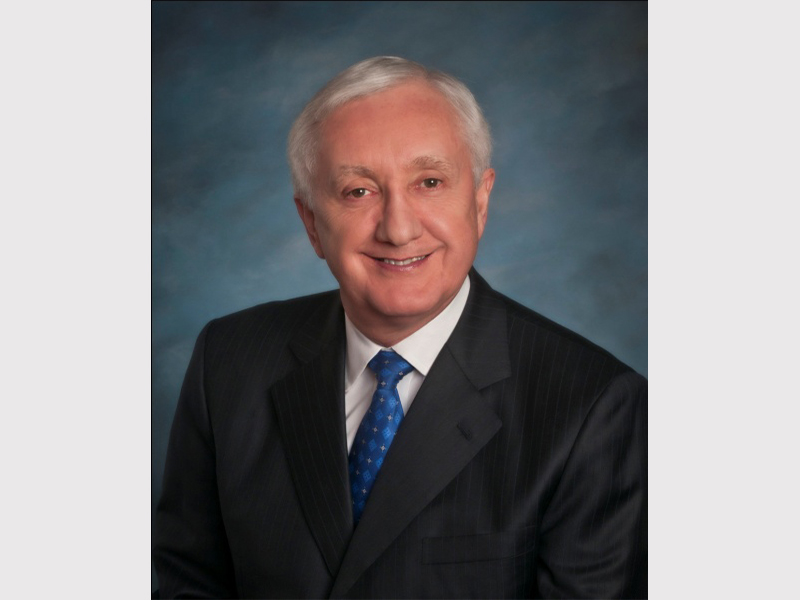
John A. Judge is an Associate Professor in the Department of Mechanical Engineering at the School of Engineering, Catholic University . He served as Dean of the School of Engineering from 2017 to 2025 and previously held a National Academy of Sciences Research Associateship at the Naval Research Laboratory in Washington, D.C. Education Ph.D., Mechanical Engineering, University of Michigan, 2002 M.S.E., Mechanical Engineering, University of Michigan, 1998 B.S., Mechanical & Aerospace Engineering, Cornell University, 1996 Research Interests : Judge specializes in the vibration and dynamics of complex structures, focusing on vibration localization, resonant MEMS/NEMS systems, nonlinear dynamics, laser vibrometry, and seismic/acoustic detection of explosives. His work bridges theoretical and applied mechanics, with applications in naval engineering, micro/nano-sensing, and structural acoustics. Publication Trends : His research spans vibration control in mechanical arrays, fluid-structure interactions in MEMS/NEMS, experimental methods for dynamic system characterization, and acoustic detection technologies. Key themes include optimizing damping mechanisms, analyzing hydrodynamic behavior, and advancing laser-based measurement techniques for non-planar surfaces. Contact Information : Email: judge@cua.edu Office: 101 Pangborn Hall Phone: 202-319-5160
Jiang Zhe is a Professor in the Mechanical Engineering/Biomedical Engineering department at the University of Akron . With a career spanning over two decades, Dr. Zhe has made significant contributions to micro/nano sensor technology, biosensors, and machine health monitoring. He joined the University in 2003 after industry experience at Fitel Technologies and Advanced Micro Sensors, and was recognized as a Fellow of the American Society of Mechanical Engineers. Ph.D., Columbia University (2002) M. Phil., Columbia University (2000) B.S., Northwestern Polytechnic University (1993) Dr. Zhe’s research focuses on Micro and Nano Sensors , Lab-on-a-Chip , and Microfluidic Devices . His work integrates Artificial Neural Networks and Biosensors for applications in Machine Health Monitoring and Biomolecular Detection . Recent publications highlight advancements in Viscoelastic Fluids , Surface Charge Analysis , and Deep Learning for Sensor Arrays . Dr. Zhe has secured 11 funded NSF grants and received prestigious awards including the ASME Lewis F. Moody Award and the College of Engineering Outstanding Researcher Award . He leads a research group at the University of Akron’s MEMS Laboratory, where he develops cutting-edge technologies for particle manipulation, fluid analysis, and biomedical diagnostics. His laboratory specializes in Microfluidic Resistive Pulse Sensors , Inductive Sensors , and Wearable Devices , with applications in automotive systems, healthcare diagnostics, and environmental monitoring. Dr. Zhe’s interdisciplinary approach bridges mechanical engineering, biomedical science, and machine learning to solve complex challenges in sensor design and fluid dynamics.
Professor Ville Viikari is a leading academic in antenna engineering and wireless systems at Aalto University's Department of Electronics and Nanoengineering. His work focuses on advanced antenna designs for mobile devices, 5G/6G networks, RF energy harvesting, and radar systems. He is affiliated with the Aalto University School of Electrical Engineering. Research interests include antenna arrays, coupled systems, and measurement techniques with applications in RFID, backscattering, and IoT. His innovations span frequency-reconfigurable antennas, shared-aperture designs, and millimeter-wave systems. Awards: IEEE Sensors Council Early Career GOLD Award (2010) Aalto Doctoral Thesis Award (2022) Young Researcher Award (2014) Key Projects: Zero Power Sensor Network (2010–2013) as project manager Development of 3D-printed antenna arrays and CMOS circulators Recent Work: Advances in Ka-band Vivaldi arrays and E-band transmitarrays AI-driven antenna optimization using swarm intelligence Wideband MIMO antennas for full-screen mobile devices His research group collaborates on cutting-edge projects blending antenna physics with emerging technologies like 6G and AI-driven design methodologies.
Dale E. Klein is the Cockrell Family Dean's Chair in Engineering Excellence and Professor of Nuclear and Radiation Engineering at the University of Texas at Austin. He rejoined the university in 2022 after serving as a Presidential Appointee and as Associate Vice Chancellor for Research at the University of Texas System (2011–2022). Previously, he was Chairman of the U.S. Nuclear Regulatory Commission (2006–2009), Commissioner of the NRC (2009–2010), and Assistant to the Secretary of Defense for Nuclear, Chemical, and Biological Defense Programs under President George W. Bush. His academic roles include Director of the Nuclear Engineering Teaching Laboratory and Deputy Director of the Center for Energy Studies. Dr. Klein holds a doctorate in Nuclear Engineering from the University of Missouri-Columbia. His research focuses on thermal hydraulics, nuclear waste management, and radiation safety, with over 100 technical publications and presentations. He serves on corporate boards including Southern Company and Pinnacle West/Arizona Public Service, and chairs the Nuclear Reform Monitoring Committee for Tokyo Electric Power Company post-Fukushima. His awards include Fellowships from the American Society of Mechanical Engineers and American Nuclear Society, Engineer of the Year for Texas, and the University of Missouri Honor Award for Distinguished Service. His recent publications analyze natural convection in spent fuel storage, magnetohydrodynamic flow, and thermal property measurement techniques.
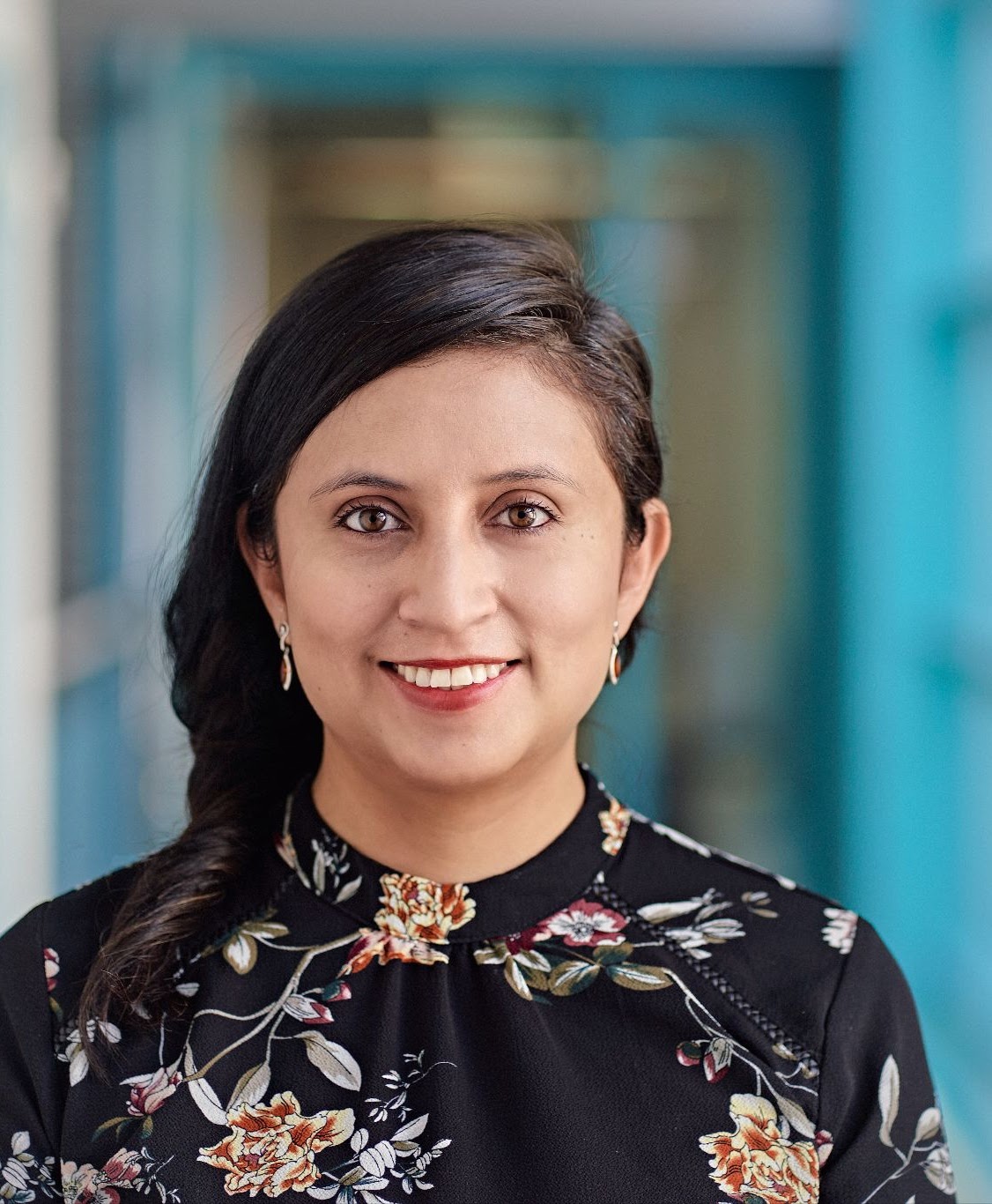
Overview Amr Al Abed is a Senior Lecturer at the Graduate School of Biomedical Engineering, University of New South Wales . He specializes in computational modeling, biomedical instrumentation, and electrophysiology with a focus on cardiac and neural systems. His work bridges biocomputational simulations with experimental validation, emphasizing translational applications like gene therapy delivery, medical devices, and brain-machine interfaces. Education PhD in Biomedical Engineering (UNSW, 2012) Masters in Biomedical Engineering (UNSW, 2006) Bachelor of Medical Sciences (1st Class Honours, UNSW, 2004) Research Interests His research spans: Optrode Technology: Development of liquid crystal-based optrodes for neural and cardiac sensing. Gene Electrotransfer: Novel methods for targeted DNA/RNA delivery using conductivity-clamped electric fields. Computational Cardiology: Multi-physics models of heart mechanics and fluid dynamics for surgical planning and device design. Neural Interfaces: Bidirectional stimulation/detection systems for retinal and neural prosthetics. Publications His 2023-2025 work highlights advancements in flexible electrode arrays , motorless robotic systems , and deep tissue gene delivery . Key themes include biomedical device innovation, computational modeling of cardiovascular systems, and neurotechnology. Grants & Labs Leads projects on liquid crystal optrodes and electrotransfer systems. Collaborates with labs focused on neural interfaces and cardiac electrophysiology. Active in IEEE and SPIE conferences with over 70 peer-reviewed publications.
Jorge Rodrigues da Costa is a Full Professor at the Department of Information Science and Technology (ISTA), Instituto Universitário de Lisboa (ISCTE-IUL), where he also serves as Vice-Rector. He is a Senior Researcher and Coordinator of the Antenna and Propagation Group at the Institute of Telecommunications – IUL. His academic career is deeply rooted in electrical and computer engineering, with a focus on advanced antenna systems and propagation technologies. His educational background includes a Licenciado (1997) and Ph.D. (2002) in Electrical and Computer Engineering from Instituto Superior Técnico (IST), Lisbon, and an Agregação (2010) from ISCTE-IUL. He is a Senior Member of IEEE and has held editorial positions in top journals including IEEE Transactions on Antennas and Propagation and IEEE Open Journal of Antennas and Propagation. His research interests span antenna design (dielectric lenses, transmit-arrays, RFID, MIMO, UWB), biomedical applications (microwave imaging for breast cancer and bone fracture detection), and millimeter-wave systems for 5G, satellite, and beyond-6G communications. He has contributed over 200 publications, with extensive work in IEEE journals, and co-authored four patents. His recent publications (2023–2024) highlight advancements in environmental remote sensing (plastic litter detection), medical diagnostics (bone and breast imaging), and high-performance antenna systems (low-profile transmitarrays, beam steering, 3D-printed antennas). These works reflect a strong trend toward interdisciplinary research combining electromagnetics, biomedical engineering, and sustainable technologies. He has received recognition as a Senior Member of IEEE and has been actively involved in major European projects such as TERRAMETA, aimed at shaping future 6G technologies. Jorge Costa has supervised 7 PhD theses (as supervisor or co-supervisor), 26 MSc theses , and 7 research grants , demonstrating a strong commitment to academic mentorship. He has also led research teams in developing innovative antenna systems for satellite, medical, and 5G applications. His work is supported by affiliations with the Institute of Telecommunications and active collaboration with international research groups. He leads the Antenna and Propagation Group – Lx at IT Lisboa and contributes to the Wireless Technologies thematic line. His team is engaged in cutting-edge projects including microwave imaging systems, low-power cancer screening, and roadmap development for post-6G communications.
Diana Pamela Moya Osorio is Associate Professor at the Communication Systems Division, Department of Electrical Engineering, Linköping University, Sweden, and an ELLIIT recruited faculty. She previously held positions as Senior Research Fellow and Adjunct Professor at the Centre for Wireless Communications, University of Oulu, Finland, and Assistant Professor at the Federal University of São Carlos, Brazil. Education: B.Sc. in Electronics and Telecommunications Engineering, Armed Forces University, Ecuador (2008) M.Sc. in Electrical Engineering (Telecommunications and Telematics), University of Campinas, Brazil (2011) D.Sc. in Electrical Engineering (Telecommunications and Telematics), University of Campinas, Brazil (2015) Her research focuses on wireless communications , particularly signal processing for wireless systems , physical layer security , and integrated sensing and communications (ISAC) . These areas are central to the development of secure and efficient 6G networks. She investigates how wireless signals can be leveraged for both communication and environmental sensing, enhancing network intelligence and security through physical layer techniques. Her recent publications explore advanced topics such as fluid antenna systems , bistatic backscatter communication , beamforming design , and radio-over-fiber propagation . These works reflect a strong trend toward energy-efficient, secure, and high-resolution wireless systems, aligning closely with the goals of next-generation 6G networks. The integration of sensing and communication functionalities is a recurring theme, indicating a forward-looking research agenda focused on dual-use technologies. Scientific Service and Recognition: Associate Editor, IEEE Wireless Communications Letters Associate Editor, IEEE Communications Letters Associate Editor, IEEE Transactions on Information Forensics & Security Working Group Leader, Trustworthy 6G, Cost Action 6G-PHYSEC Diana Moya Osorio actively mentors PhD students and leads significant research initiatives. She is Principal Investigator (PI) for projects including HIGH-SENSE (ELLIIT), ALERT (WASP), and CO-ISAC (Vinnova), and holds leadership roles in 6GTANDEM (HORIZON-JU). Her grants are funded by major national and international agencies, reflecting the high impact and competitiveness of her work. As main supervisor, she advises Henrik Åkesson and Palatip Jopanya; as co-supervisor, she supports Ahmet Kaplan and Dexin Kong. She contributes to academic education by teaching graduate courses such as Information and Communications Engineering , Sensor Array Systems , and a PhD course on Modern Radar Systems . Her lab and research group are embedded within the Communication Systems Division at Linköping University, focusing on next-generation wireless technologies, particularly in the context of 6G and ISAC systems.
Jan Kristof Dausien is a Researcher at the Microwave Systems department within the Faculty of Electrical Engineering and Information Technology at Ruhr-University Bochum. His work focuses on advanced microwave and terahertz technologies, including sensor development, dielectric waveguide systems, and radar applications. He collaborates with Prof. Ilona Rolfes and other researchers in projects such as KI-ROJAL, PINK, and Terahertz-NRW. Research Interests: Design and characterization of dielectric waveguides for THz systems FMCW radar techniques for material imaging and ranging Integration of fluidic components into THz sensors Automated robotic antenna measurement systems Non-destructive testing using radar tomography Publications highlight his contributions to THz biosensors, environmental signal propagation studies, and innovative waveguide splitter designs. His work bridges theoretical simulations with practical applications in antenna systems and material characterization. Lab/Team: Part of the Microwave Systems team, contributing to projects like PluTO+, 6GEM, and Plaque-CharM. Collaborates with Fraunhofer Heinrich Hertz Institute (FHR) on sensor technologies.
Dr. Alexander Bertrand is a Professor at the Faculty of Engineering Sciences , KU Leuven, heading the Dynamic Systems, Signal Processing and Data Analysis (STADIUS) division. He leads the Department of Electrical Engineering (ESAT) and contributes to Leuven.AI institute, with expertise spanning wireless sensor networks, brain-computer interfaces (BCI), and biomedical signal processing. Research Focus : Wireless acoustic/EEG sensor networks, distributed signal enhancement, adaptive filtering, neural decoding of auditory/visual attention, and AI-driven time series analysis. Key Projects : EEG-Linx platform for modular brain recordings (2025-2027) Calibration-free BCI systems (2025-2029) AI quality assessment for time series data (2024-2028) Wireless EEG patches for hearing technology (2024) Publications (2023-2025) demonstrate leadership in distributed signal processing , auditory attention BCI , and scalable sensor architectures , with applications in education, healthcare, and wearable tech. Teaching includes courses on digital signal processing, biomedical data analysis, and medical technology design.
Andrea M. Tonello is a Full Professor at the Institute of Networked and Embedded Systems, University of Klagenfurt, Austria, where he chairs the Embedded Communication Systems Lab. He previously held positions at the University of Udine, Italy, where he was an Associate Professor and founded the Wireless and Power Line Communication Lab (WiPLi Lab). His research spans power line communications, wireless systems, embedded communications, smart grids, and machine learning applications in signal processing. Doctor of Engineering, University of Padova (1996) Doctor of Research, Telecommunications, University of Padova (2003) His research interests focus on next-generation communication systems, including power line and wireless networks, signal processing, machine learning for communications, UAV systems, and smart grid technologies. He has made significant contributions to PLC channel modeling, full-duplex communications, and information-theoretic learning for communication systems. His work integrates theoretical innovation with practical implementation in real-world networks. The most recent publications highlight a strong trend toward integrating machine learning and information theory into communication systems, particularly in power line and wireless networks. Themes include f-divergence based classification, mutual information estimation, neural decoding (MIND), noise-robust receivers, and topology-aware machine learning for PLC quality prediction. There is also a notable focus on UAV control, full-duplex PLC, and digital pre-distortion techniques for high-speed converters. IET 2016 Premium Award Best Paper Award, ISPLC 2016 Best Student Paper Award, ISPLC 2016 Aerospace Best Paper Award, 2018 Best Paper Award, ISPLC 2021 Best PhD Dissertation Award, 2019 IEEE ComSoc Distinguished Lecturer (2018) Two Awards from IEEE ComSoc TC-PLC (2019) University of Klagenfurt Technology Scholarships (2019) Dr. Tonello has supervised numerous PhD and Master’s students, including notable advisees such as Nunzio A. Letizia, Davide Righini, and Babak Salamat. He has led over 10 institutional and multiple industrial research projects with a total funding exceeding 20 million euros. He played a key role in promoting international academic collaboration, including Erasmus agreements, joint PhD programs with INSA Rennes and Ecole Polytechnique de Grenoble, and a joint master’s program with the University of Klagenfurt. He founded and led the WiPLi Lab at the University of Udine, which received around 3 million euros in funding and involved over 60 researchers and students. He also founded WiTiKee s.r.l., a spin-off company specializing in PLC for smart grids. Currently, he chairs the Embedded Communication Systems Lab at the University of Klagenfurt, focusing on next-generation networked and embedded communication technologies.
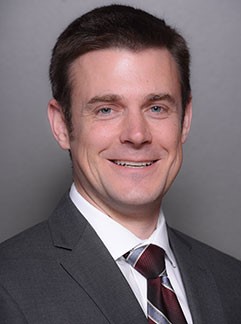
Aaron David Price is an Associate Professor in the Department of Mechanical and Materials Engineering at Western University. He holds a Ph.D. in Mechanical Engineering from the University of Toronto, an M.A.Sc. in Mechanical Engineering from the University of Ottawa, and dual undergraduate degrees in Mechanical Engineering and Computing Technology from the University of Ottawa. Dr. Price is a licensed Professional Engineer (P.Eng.) who leads the Organic Mechatronics & Smart Materials Laboratory and is actively involved with Western's Bone & Joint Institute and the Western Cluster of Research Excellence in Musculoskeletal Health. Dr. Price's research focuses on smart materials, particularly electroactive polymers, shape memory alloys, and advanced additive manufacturing techniques. His work bridges mechanical engineering with biomedical applications, developing innovative solutions for drug delivery systems, wearable medical devices, and advanced sensors. His laboratory specializes in creating nanoscale actuator arrays, 3D printed electroactive polymer structures, and biodegradable composites for medical applications. His publication record shows a strong trend toward applying additive manufacturing techniques to create advanced smart materials with applications in biomedical engineering, energy storage, and industrial automation. His most cited works focus on 3D printing approaches for battery technologies and smart material actuators, demonstrating significant impact in both materials science and engineering applications. Dr. Price actively mentors graduate students including PhD candidates, Master's students, and undergraduate researchers working on projects related to smart materials, biomedical devices, and advanced manufacturing. His students are engaged in diverse research activities from developing tremor suppression devices for Parkinson's patients to creating pH-responsive drug delivery systems. He teaches courses including MME 9624 (Actuator Principles, Integration and Control), MME 2259 (Product Design and Development), and MSE 3380 (Mechanical Components Design for Mechatronic Systems), focusing on practical applications of mechatronics and smart materials in engineering design.
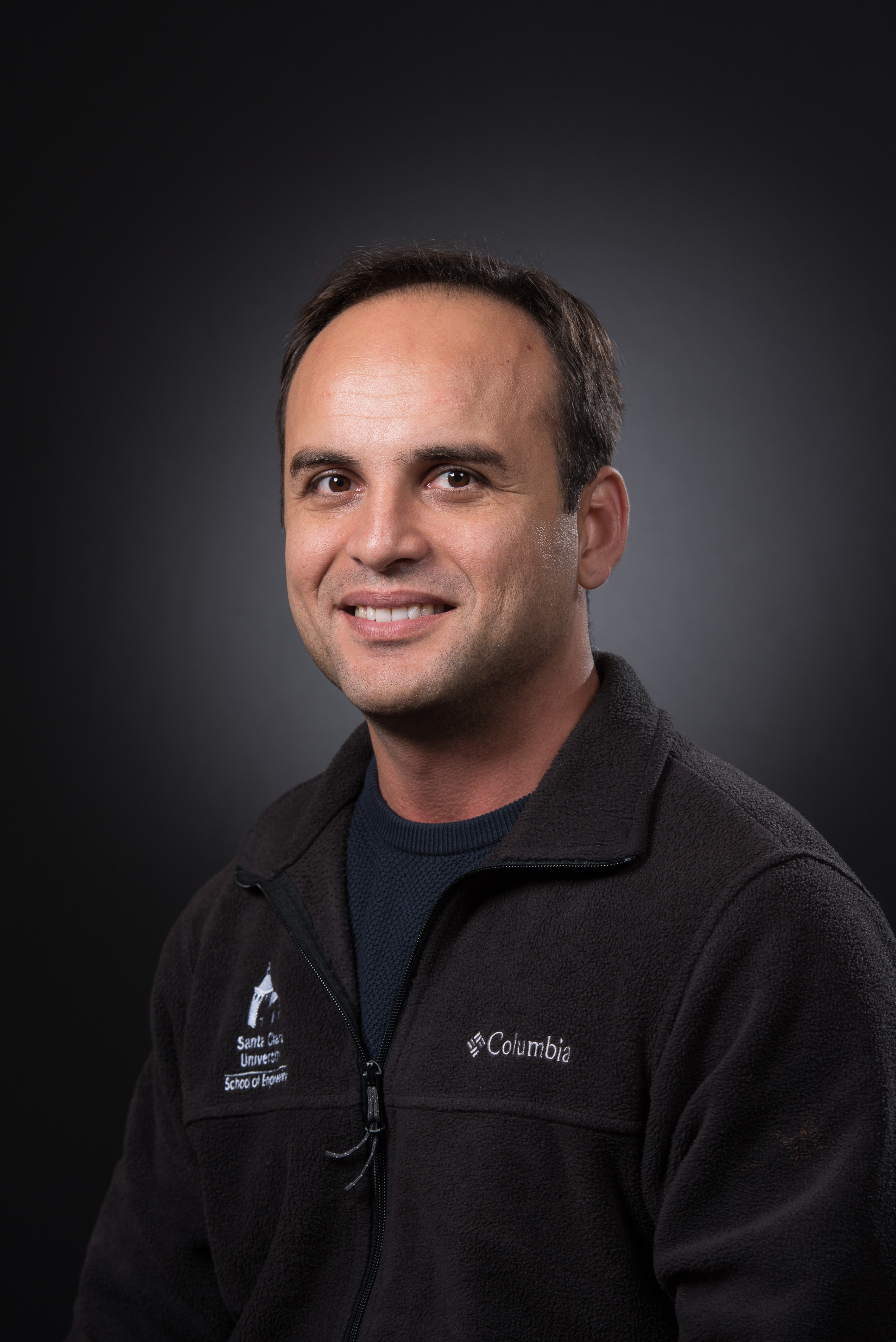
Dr. Emre Araci is an Associate Professor in the Department of Bioengineering at Santa Clara University , where he has conducted pioneering research in microfluidics and biowearables since 2015. His work bridges fluid physics , human biomechanics , and wearable sensor design , with applications in physical rehabilitation , sports medicine , and chronic disease management . Education : Ph.D. in Optical Sciences (University of Arizona, 2010), M.Sc. in Electrical Engineering (Ege University, 2002), B.S. in Electrical Engineering (Ege University, 1999) Dr. Araci specializes in capillaric circuits , human movement-driven micropumps , and skin-mountable biosensors . His lab develops mVLSI technology for automated biochemical analysis and implantable sensors for glaucoma monitoring. Recent work focuses on wireless data transfer and energy-efficient wearables that interface with smartwatches. Key publication trends include microfluidic device innovation , human-centric sensing , and medical diagnostics . His research has been cited in journals like Nature Medicine and Advanced Materials Technologies , with media coverage from Forbes and ABC7 . Scientific Awards : NSF CAREER Award (2021), Researcher of the Year (SCU School of Engineering, 2022) As founder of Smartlens Inc. , Dr. Araci has commercialized contact lens pressure sensors through Series A funding (2023). He mentors students in microfabrication , capillaric device design , and digital image correlation techniques, contributing to advancements in biomechanical sensing and fluidic automation .
Todor Nedev Todorov is a Senior Assistant at the Faculty of Electrical Engineering and Electronics at Technical University - Gabrovo, Bulgaria, holding a Doctor (scientific and educational) degree in Technical Sciences. He works in the Department of Automation, Information and Control Technology, with office location in cabinet 3411. Dr. Todorov's research focuses on sensor systems and electronic nose technology for food quality assessment and authentication. His work integrates artificial neural networks with gas sensor arrays to develop innovative solutions for monitoring food products during processing and aging. He has made significant contributions to applications in cheese classification, sunflower oil quality assessment, and bean origin identification. Analysis of Dr. Todorov's publication record from 2012-2023 reveals a consistent research trajectory centered on electronic nose systems and their applications in food science. His work shows progression from basic sensor development to sophisticated neural network implementations for food quality assessment. The research demonstrates strong interdisciplinary connections between electrical engineering, food science, and artificial intelligence. Dr. Todorov has been actively involved in numerous research projects, primarily focusing on sensor systems for environmental monitoring and food quality control. His project portfolio includes both internal university research initiatives and international collaborations aimed at incorporating technology into educational curricula. His laboratory work appears centered around sensor development and integration, particularly gas sensor arrays for food quality monitoring applications. The research infrastructure likely includes electronic nose systems, neural network training environments, and food product testing facilities.
Dr. King Yuk (Eric) Chan is a Lecturer at the School of Electrical Engineering and Telecommunications, University of New South Wales (UNSW), Sydney, Australia. He received his B.S., M.S., and Ph.D. degrees in Electrical Engineering from UNSW in 2005, 2007, and 2011 respectively. Prior to joining UNSW as faculty, he worked as a research assistant at the Centre for Integrated RF Engineering (CIRFE) at the University of Waterloo (2008-2009) and as a post-doctoral fellow at the ICT Centre, CSIRO (2011-2013). His educational background includes: Doctor of Philosophy in Electrical Engineering, UNSW, Sydney (2011) Master of Engineering Science, Electrical Engineering, UNSW, Sydney (2007) Bachelor of Electrical Engineering (First Class Honor), UNSW, Sydney (2005) Dr. Chan's research spans microwave engineering, RF MEMS technology, antenna design, and 3D printing applications for microwave devices. His work focuses on the design, characterization, and fabrication of front-end devices with operating frequencies ranging from RF to terahertz, with significant contributions to reconfigurable microwave circuits and innovative fabrication techniques. His recent publications demonstrate a strong trend toward integrating 3D printing technology with traditional microwave engineering, particularly for waveguide components and antenna systems. His research shows increasing focus on practical applications in wireless communications, with emphasis on beam steering, polarization control, and size reduction of microwave components. Dr. Chan has received numerous awards and recognitions for his work: IEEE International Microwave Symposium (IMS) 2008, Best Student Paper Award IEEE Mediterranean Microwave Symposium (MMS) 2009, Best Student Paper Award Australian Postgraduate Research Scholarship 2006 – 2010 Workshop on Applications of Radio Science 2010, Best Student Award UNSW Post-doctoral Writing Fellowship 2010 BIT's 2nd Annual World Congress of Nanoscience and Nanotechnology 2012, Keynote Speaker As a Chief Investigator, Dr. Chan has secured significant research funding, including an ARC Discovery Project (DP200103127) titled "New Era of High-Performance Microwave Devices" ($431,000 over 3 years) and an NHMRC Project Grant (APP1156997) on radiofrequency electromagnetic energy effects ($423,000 over 3 years). He serves as a reviewer for top-tier journals including IEEE Transactions on Microwave Theory and Techniques and IEEE Transactions on Antennas and Propagation, and has been a member of the reviewer board for MDPI Sensors since 2020. Dr. Chan is actively involved in the IEEE Microwave Theory and Techniques Society (MTT-S) and IEEE Antennas and Propagation Society (AP-S), contributing to the advancement of microwave engineering through research, publication, and professional service.