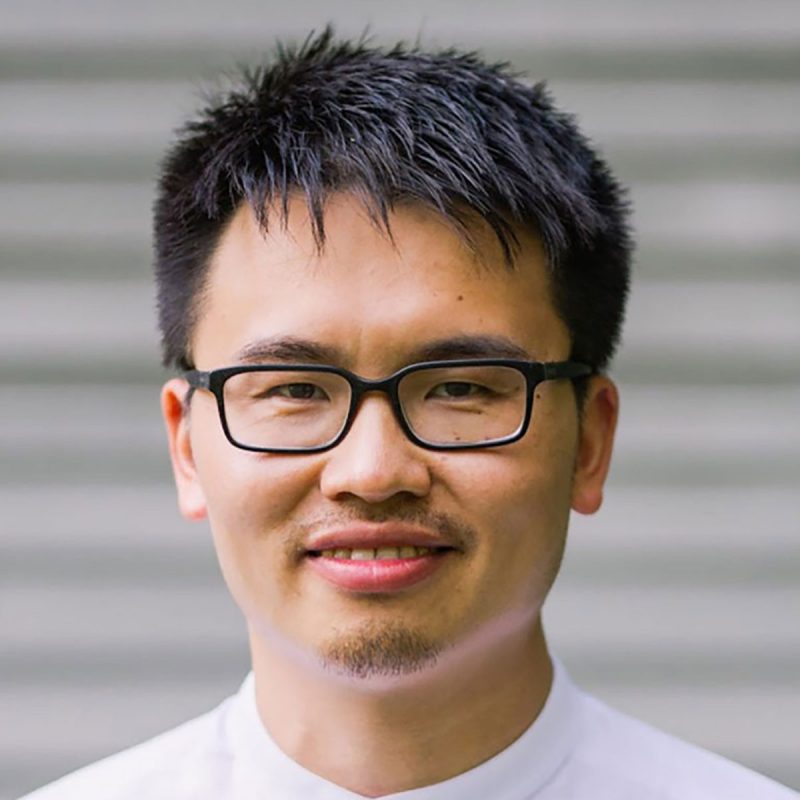
Sverre Steen is a Professor and Head of the Department of Marine Technology at the Norwegian University of Science and Technology (NTNU). He leads the Kongsberg Maritime University Technology Centre focused on 'Ship Performance and Cyber-physical Systems' and is a member of the standing committee for the Symposium of Marine Propulsors. His research emphasizes ship propulsion, hydrodynamics, and big data analysis of in-service vessel performance. Key interests include seakeeping, high-speed marine vehicles, and model testing techniques. Steen teaches TMR 4217 Hydrodynamics of High-Speed Marine Vehicles , covering cavitation, experimental hydrodynamics, and propulsion systems. He collaborates internationally on projects like the Norwegian Ocean Technology Centre. His recent work explores wave-energy extraction via hydrofoil vessels, resistance modeling for fast ferries, and propulsion efficiency in real sea states. He has contributed to global shipping emission models (MariTEAM) and reliability analysis of structural components under vibration. Steen's publications span propulsion in waves, engine-propeller dynamics, and data-driven methods for ship performance monitoring. His applied research bridges experimental testing and computational modeling to address challenges in sustainable maritime transport and operational safety.
Özer Özkahraman is a postdoctoral researcher at the Division of Robotics, Perception and Learning (RPL) at KTH Royal Institute of Technology. He works under Ivan Stenius and John Folkesson, focusing on underwater mission planning, simulation, and integration of autonomous systems. His email is ozero@kth.se . He completed his PhD at KTH under Petter Ögren, researching large-scale multi-agent coverage planning for autonomous underwater vehicles (AUVs). Current projects include the SMaRCSim multi-domain simulation platform and development of underwater vehicles like LoLo, SAM, and Evolo. Research interests span autonomous underwater systems, multi-agent coordination, control systems, and simulation infrastructure. He emphasizes modular, accessible frameworks for vehicle testing and real-world deployment. His work bridges theoretical methods (e.g., control barrier functions) with practical applications in marine robotics. Publications focus on AUV navigation, environmental sensing, and adaptive control. Projects like Real2Sim aim to align simulation with real-world vehicle dynamics using motion capture data. He collaborates internationally on topics like data-driven damage detection and model compression for resource-constrained robots. No academic awards are explicitly mentioned. He actively seeks collaborators for projects in sonar simulation, flow field modeling, and cyber-physical system integration.
Meagan Wengrove is an Associate Professor in the Department of Civil and Construction Engineering at Oregon State University’s College of Engineering. She leads the Coastal Boundary Dynamics Research Group, focusing on coastal engineering with nature, boundary layer physics, and innovative ocean sensing technologies. Her work integrates field experiments, laboratory studies, and numerical modeling to address pressing coastal challenges related to climate change, sea level rise, and storm resilience. Her research interests include coastal dune morphodynamics, sediment transport in vegetated environments, ice-ocean boundary layer interactions, and the application of distributed fiber optic sensing (DAS) for real-time ocean monitoring. She investigates how natural systems such as coastal dunes, dynamic revetments, and submerged aquatic vegetation can be leveraged for sustainable coastal protection. Dr. Wengrove’s recent publications highlight interdisciplinary work on glacier melt physics and coastal dune behavior. Her research shows that pressurized air bubbles in glacier ice significantly enhance melting rates, with major implications for climate models. Another key finding reveals that newly planted vegetation can accelerate dune erosion during extreme storms, challenging conventional wisdom in coastal management. She mentors a diverse team of graduate and undergraduate researchers, including PhD students Nadia Cohen and Kaelan Weiss, and has advised former PhD student Liz Holzenthal. Her research is funded by the National Science Foundation, Keck Foundation, National Geographic Society, Office of Naval Research, U.S. Army Corps of Engineers, and Oregon Sea Grant. Dr. Wengrove teaches courses in coastal dynamics, coastal engineering with nature, programming and sensors, and fluid mechanics. She is actively involved in outreach and science communication, with features in Nature Geoscience , AGU EOS , National Geographic , and Oregon Public Broadcasting.
Dr. Hongxing Jiang is a Professor at the Whitacre College of Engineering, Texas Tech University, affiliated with the Department of Electrical & Computer Engineering. He holds the Edward E. Whitacre Jr. Chair and co-directs the Center for Nanophotonics. PhD in Physics, Syracuse University (1986) MS in Physics, Syracuse University (1983) BS in Physics, Fudan University (1981) His research focuses on III-Nitride semiconductors (BN, AlN, GaN, InN) for optoelectronics , photonics , and radiation detection . Key areas include solid-state lighting , energy-conversion devices , MOCVD growth , and micro-emitter arrays . Recent publications highlight advancements in h-BN quasi-bulk crystals , fast neutron detectors , and wide bandgap materials . Themes span crystal growth optimization , doping techniques , and optical characterization . National Academy of Inventors Fellow (2018) American Association for the Advancement of Science Fellow (2016) International Society for Optics and Photonics Fellow (2015) Optica Fellow (2014) American Physical Society Fellow (2010) China-U.S. Physics Examination and Application Fellow (1981) As co-director of the Center for Nanophotonics, Jiang leads research in semiconductor materials for high-energy lasers and neutron detection , emphasizing scalable growth methods like hydride vapor-phase epitaxy .
Prof. Oliver Seitz leads the Bioorganic Synthesis research group at the Department of Chemistry, Faculty of Mathematics and Natural Sciences, Humboldt University of Berlin. His lab focuses on cutting-edge chemical biology approaches for protein/nucleic acid interrogation, with recent work advancing DNA/RNA-programmed assemblies for cellular imaging and therapeutic applications. Research spans chemical protein synthesis, glycoprotein/phosphoprotein engineering, and nucleic acid-templated reactions. Key innovations include Forced Intercalation (FIT) probes for wash-free RNA imaging, loss-of-affinity principles for catalytic efficiency, and peptide-PNA conjugates for targeted cellular delivery. The group actively develops tools for live-cell protein labeling and biomolecular spatial screening. Recent publications (2021-2024) emphasize fluorescence-based detection systems, catalytic templated reactions, and therapeutic peptide synthesis. Trends show increasing sophistication in multi-dye probes, glycan engineering, and RNA-triggered pro-drug activation. Scientific awards include: Max Bergmann Award (2019) Prof. Seitz actively advises doctoral students, with recent graduates Marvin Björn Stutz (2023, magna cum laude ), Dino Gluhacevic von Krüchten (2023, summa cum laude ), and Sophie Schöllkopf (2023, magna cum laude ). Current PhD candidates include Ekaterina Kazakova (glycoprotein synthesis), Alina Herfort (phosphoproteins), and Lina-Marie Beck (peptide-nucleic acid conjugates), with postdocs like Dr. Mandana Oloub (viscosity sensors). The Bioorganic Synthesis lab operates within Berlin's vibrant chemical research ecosystem, utilizing specialized techniques for chemical protein synthesis and nucleic acid detection. Recent team growth reflects ongoing projects in RNA imaging, catalytic templated reactions, and therapeutic conjugate development, supported by open positions for new researchers.
Karl Ulrich Schreiber is an Adjunct Professor at the Department of Physics and Astronomy, University of Canterbury, New Zealand, and an apl. Professor at the Institute for Astronomical and Physical Geodesy at the Technical University of Munich (TUM). He is a scientist at the Geodetic Observatory Wettzell, jointly operated by TUM and the Bundesamt für Kartographie und Geodäsie (BKG). His work bridges fundamental physics and geodetic applications, with leadership roles in major international projects including ESA’s MAGIC/Science, QSG4EMT, and Baltic+ Theme 5, as well as DFG Research Units NEROGRAV and UPLIFT. His research focuses on Space Geodesy , Satellite and Lunar Laser Ranging , and Ring Laser Technology . He has pioneered the use of large ring laser gyroscopes for measuring Earth's rotation, polar motion, and seismic rotations. His work enables high-precision monitoring of geophysical phenomena such as Earth tides, Chandler wobble, and rotational ground motions from earthquakes. He is a key contributor to multi-technique co-location studies (VLBI, SLR, GNSS) and time transfer experiments, advancing the Global Geodetic Observing System (GGOS). His recent publications show a strong trend in developing and applying large-scale ring laser arrays (e.g., ROMY) for geophysical sensing, photon-counting laser ranging for space debris and satellite tracking, and optical timing systems for synchronization across geodetic networks. These efforts span disciplines including geodesy, seismology, quantum optics, and fundamental physics. Scientific contributions include: Development of the Wettzell Large Ring Laser (G-ring) for continuous Earth rotation monitoring. First direct measurements of Earth's diurnal polar motion and Chandler wobble using ring lasers. Pioneering work in rotational seismology, validating ring laser data against seismic arrays. Contributions to lunar laser ranging and its role in reference frame realization. Leadership in ESA and DFG projects advancing space geodesy and inertial sensing. He advises doctoral and master’s students within the DFG Research Training Group UPLIFT and collaborates with international institutions on instrumentation and data analysis. His lab at Wettzell hosts advanced laser ranging and ring laser systems, serving as a fundamental geodetic observatory. Future work includes enhancing clock ties for global geodesy, expanding multi-component rotation sensing, and advancing space-based geodetic technologies.
Dr. Thanh Nho Do is a Scientia Senior Lecturer at the Graduate School of Biomedical Engineering (GSBmE), UNSW Sydney, and Director of the UNSW Medical Robotics Lab. He holds a PhD in Mechanical Engineering (Surgical Robotics) from Nanyang Technological University (NTU), Singapore, and a B.Eng. in Manufacturing Engineering from Ho Chi Minh City University of Technology, Vietnam. His research focuses on soft robotics, wearable technologies, and biomedical devices, including flexible surgical systems, soft actuators, and haptic interfaces. Education PhD in Mechanical Engineering (Surgical Robotics), NTU Singapore, 2015 B.Eng. in Manufacturing Engineering, Ho Chi Minh City University of Technology, Vietnam Research Interests Soft robotics for medical applications (e.g., NOTES systems, wearable haptics) Functional materials for biomedical devices Cardiovascular engineering and assistive devices Advanced control algorithms for medical robotics Key Contributions His work spans bioprinting, motor-free robotic systems, and soft wearable technologies. Recent studies include self-deploying cardiac compression devices and bioinspired artificial muscles. Awards 2025: CINSW Career Development Fellow 2024: NSW Young Tall Poppy Science Award 2023: Best Poster Awards at EMBC and ICRA Grants & Funding Includes NHMRC Ideas Grant (Lead CI), Cancer Institute NSW Fellowship, and UNSW Scientia Grant. Active projects address cardiovascular interventions and wearable robotics. Labs & Teams Leads the UNSW Medical Robotics Lab, collaborating on devices like soft robotic catheters and textile-driven exosuits.
Anant Sahai is the Qualcomm Chair Professor in the Department of Electrical Engineering and Computer Sciences (EECS) at the University of California, Berkeley. He holds affiliations with the Berkeley Artificial Intelligence Research Lab (BAIR), Berkeley Laboratory for Information and System Sciences (BLISS), and the Berkeley Wireless Research Center (BWRC). His academic journey includes a BS from UC Berkeley (1994), and MS (1996) and PhD (2001) degrees from MIT. He previously worked at Enuvis, Inc., focusing on adaptive software radio techniques for low-SNR GPS environments. Research interests span machine learning, wireless communication, information theory, signal processing, and decentralized control, with a focus on intersections between these fields. Key areas include spectrum sharing, ultra-reliable low-latency wireless protocols, and the foundations of overparameterized machine learning. Recent work explores in-context learning in modern AI models. He has received awards such as the IEEE ComSoc Leonard G. Abraham Prize (2012) and teaching/mentorship accolades at Berkeley. He advises UC Berkeley’s Eta Kappa Nu chapter and coordinates machine learning efforts for NSF’s SpectrumX. Current teaching includes CS 182/282A on deep neural networks. His lab focuses on theoretical and applied challenges in communication systems, AI, and control theory. Awards: IEEE ComSoc Leonard G. Abraham Prize (2012), Teaching Excellence Awards (2015–2017) Grants: NSF Center for Spectrum Innovation (SpectrumX), multiple collaborative projects in wireless and AI Labs/Teams: BLISS, BAIR, BWRC
Prof. Dr. Ercan Yüksel is a full Professor in the Department of Civil Engineering at Istanbul Technical University (ITU), College of Engineering. He has been a faculty member at ITU since 1990, progressing from Assistant Professor to Professor in 2017. His research focuses on earthquake engineering, structural dynamics, and numerical modeling, with applications in seismic design, energy dissipation, and structural health monitoring. PhD, Civil Engineering, Istanbul Technical University MS, Structural Engineering (with thesis), Istanbul Technical University BS, Civil Engineering, Istanbul Technical University His research interests are centered on earthquake engineering , particularly seismic input energy analysis , energy dissipation systems , reinforced and precast concrete structures , and seismic isolation . He actively investigates the dynamic behavior of structures under earthquake loads and develops innovative solutions for improving structural resilience. His work integrates advanced numerical modeling with experimental validation. Recent publications (2023–2025) highlight a strong focus on energy-based seismic design, performance of mechanical couplers, damping systems for high-voltage insulators, and fatigue behavior of railway tracks. These works are closely tied to real-world seismic events like the 2023 Kahramanmaraş earthquake, demonstrating applied and impactful research. His scientific recognition includes: Notable Work Award, Turkish Academy of Sciences (TÜBA), 2012 Golden Beam Award, Turkish Prefabricated Association, 2011 Prof. Yüksel is an active Principal Investigator on multiple research projects funded by ITU’s BAP program, covering topics such as smart sleepers for railway monitoring, novel seismic input energy spectra, and earthquake isolation for racking systems. He has supervised numerous theses and is involved in professional organizations including UNESCO-IPRED and the Turkish Earthquake Foundation. He leads research on structural health monitoring of ballasted railway lines using smart sleeper technology and is developing earthquake isolation systems for industrial storage racks. His lab integrates experimental testing with numerical simulation to validate new structural components under cyclic and biaxial loading.
Suyi Li is an Associate Professor in the Department of Mechanical Engineering at Virginia Tech's College of Engineering, where he leads the Dynamic and Architected Robot and structurE (DARE) Lab. Previously, he served as an Assistant Professor at Clemson University from 2016-2022 after completing postdoctoral research at the University of Michigan. Ph.D. in Mechanical Engineering, University of Michigan, Ann Arbor (2014) M.Sc. in Mechanical Engineering, Pennsylvania State University (2008) B.S. Summa Cum Laude in Mechanical Engineering, University of Michigan, Ann Arbor (2006) Dr. Li's research focuses on pioneering new paradigms of intelligent robots and functional structures by exploiting the interplay between geometry, mechanics, actuation, and computation. His work spans origami-inspired morphing structures, physically computing materials that perform machine learning tasks without traditional electronics, and soft/reconfigurable robots that can move like animals or grow like plants. His innovative approach combines mechanical engineering principles with computational thinking to create systems with 'mechano-intelligence'. Analysis of Dr. Li's recent publications reveals a strong trajectory toward embodied intelligence and mechanical computing, where physical structures themselves perform computational tasks. His work increasingly integrates origami/kirigami principles with advanced materials to create systems that can sense, process information, and actuate without conventional electronics. The research shows progression from fundamental mechanics of adaptive structures to sophisticated applications in robotics and computing. Dean's Awards of Excellence – Faculty Fellow, Virginia Tech (2024) C.D. Mote Jr Early Career Award, ASME Design Engineering Division (2022) Gary Anderson Early Achievement Award, ASME Aerospace Division (2021) Junior Researcher of the Year Award, College of Engineering, Clemson University (2020) CECAS Dean's Faculty Fellow, Clemson University (2018) CAREER Award, National Science Foundation (2018) ASME Freudenstein Young Investigator Award Dr. Li has secured nearly two million dollars in research funding, including the prestigious NSF CAREER award and an NSF EFRI project to build mechano-bio hybrid reservoir computers. He advises multiple Ph.D. and Master's students in the DARE Lab, with recent successes including Vishrut Deshpande's Ph.D. defense. His research has generated close to 80 journal and conference papers, demonstrating significant impact in the fields of adaptive structures and materials systems. Dr. Li also serves on editorial boards for several prominent journals including Journal of Intelligent Material Systems and Structures and Philosophical Transactions of the Royal Society A. The DARE Lab at Virginia Tech comprises a multidisciplinary team of researchers working on origami-inspired meta-structures, physically computing materials, and soft robotics. Current projects include developing electronics-free crawling robots with mechanical central pattern generators, creating kirigami-based wearable medical devices, and engineering metamaterials with programmable mechanical properties. The lab actively collaborates with institutions across the country and has received recognition for its innovative approaches to combining mechanical design with computational capabilities.
Ye (Sarah) Sun is an Associate Professor in the Department of Mechanical Engineering at the University of Virginia (UVA), part of the School of Engineering and Applied Science. She joined UVA in 2021 after serving as an Associate Professor at Michigan Technological University. Her work focuses on wearable sensors, robotics, smart health systems, and cyber-physical systems. She leads the WEARLab research group. Education: Ph.D. in Electrical Engineering from Case Western Reserve University (2021), B.S. in Instrumentation Engineering from Tianjin University (not specified). Research interests include wearable electronics, health monitoring, and human-technology interaction. Her interdisciplinary approach integrates engineering innovations with healthcare applications. Notable projects involve self-powered triboelectric sensors and optical fiber-based health monitoring systems. Recent publications highlight advancements in photodiode technologies for high-frequency applications, including millimeter-wave generation and photonic integrated circuits. Awards include the NSF CAREER Award (2018) and NSF BRITE Award (2022). She has organized major conferences and holds editorial roles in health technology journals. Grants include NSF funding for cyber-physical systems and smart health initiatives. Her lab collaborates on projects involving wearable robotics and connected health solutions, with a focus on real-world applications in healthcare and IoT.
Prof. Raimon Jané Campos is a leading figure in biomedical signal processing at the Universitat Politècnica de Catalunya (UPC) and Universitat de Barcelona (UB). As co-director of UPC's Biomedical Signal and System Group (CREB) and coordinator of the Biomedical Engineering PhD Programme, he bridges engineering and clinical applications. His work focuses on respiratory and sleep disorder diagnostics, with significant contributions to COPD and sleep apnea monitoring through wearable devices and machine learning. PhD in Biomedical Engineering (UPC, 1989) Visiting researcher at Université de Nice-Sophia Antipolis Vice-president of Spanish Society of Biomedical Engineering Research spans respiratory mechanics , sleep-disordered breathing , acoustic biomarkers , bioimpedance , and machine learning in biomedical contexts . His 2025 work on microcalorimetric pathogen classification and 2024 spiking neural networks for apnea detection demonstrate cutting-edge integration of computational methods with physiological monitoring. Articles from 2017-2024 reveal consistent focus on non-invasive diagnostics , cardiorespiratory synchronization , and smartphone-based health solutions . Awarded the Barcelona City Technology Research Award (2005) and serving on the International Advisory Board for Physiological Measurement since 2010, his career combines academic leadership with real-world clinical translation through IBEC's technology transfer initiatives.
Professor Ingrid Bouwer Utne is a faculty member at the Department of Marine Engineering, Norwegian University of Science and Technology (NTNU). Her primary research focuses on risk analyses of ships, marine systems, and autonomy, with emphasis on operational safety, maintenance management, and risk control in autonomous maritime technologies. Key Projects: Leader of the Risk Group at NTNU, involved in the SFI Autoship initiative and ERC AdG BREACH project addressing risk-based rationality in autonomous systems. Research Interests: Autonomous systems design, probabilistic risk assessment, safety engineering, and risk-informed decision-making for marine operations. Grants & Funding: Secured funding from the Research Council of Norway, MAROFF, and industry partners for projects like ORCAS (Online Risk Management for Autonomous Ships) and UNLOCK (Supervisory Risk Control). She supervises numerous PhD students and postdocs, focusing on topics such as autonomous vessel navigation, risk modeling for underwater robotics, and decarbonization of maritime systems. Her work bridges theoretical risk analysis with practical applications in marine autonomy and safety systems.
Dr. Abdallah Chehade is an Associate Professor in the Department of Industrial and Manufacturing Systems Engineering at the University of Michigan-Dearborn , where he leads the Informatics, Reliability, and Data Analytics (IRDA) lab . He holds a Ph.D. in Industrial Engineering from the University of Wisconsin-Madison (2017), with minors in Computer Sciences and Statistics, alongside an M.S. in Mechanical Engineering and a B.E. in Mechanical Engineering from the American University of Beirut. Research Interests span safe and robust deep learning solutions , explainable AI , data fusion for degradation modeling , and Bayesian statistical modeling . His work integrates AI/ML with prognostics and Internet of Things (IoT) to address challenges in reliability analytics and industrial data science . Publications highlight advancements in deep autoencoders , LSTM networks , and hybrid models for warranty forecasting , with applications in battery cells , sheet metal stamping , and rail transportation . His grants from Ford, Honda, and the U.S. Army focus on smart manufacturing , AI for sensor modeling , and digital twins . Lab Members include Ph.D. students working on topics like physics-based AI , computer vision , and deep learning for prognosis . He serves on the INFORMS Quality, Statistics, and Reliability (QSR) Council and maintains affiliations with IEEE , INFORMS , and IISE .
Francesca Rodino is a Doctoral Assistant and Research Fellow at École Polytechnique Fédérale de Lausanne (EPFL), affiliated with the School of Engineering and the Electrical and Microengineering Institute (IEM). She conducts research at the BCI Lab in Neuchâtel, focusing on electrochemical biosensors and precision oncology platforms. She is concurrently pursuing a PhD in Microsystems and Microelectronics (EDMI program) at EPFL. Education: B.Sc. in Biomedical Engineering, Politecnico di Torino (2019) M.Sc. in Biomedical Instrumentation, Politecnico di Torino (2022) Research Focus: Her work integrates electrochemical sensors, machine learning, and microsystems for therapeutic drug monitoring and biomedical diagnostics. Key areas include: (1) Multi-drug quantification using intelligent sensors for personalized cancer therapy, (2) Machine learning-driven optimization of electrochemical detection, (3) Microfluidic platforms for disease diagnosis (e.g., malaria), and (4) Wearable systems for neural prosthetics. Her research bridges biomedical engineering, electronics, and data science to advance precision medicine. Publication Trends: Recent articles (2022-2024) demonstrate strong emphasis on electrochemical sensors enhanced by machine learning for pharmaceutical monitoring, particularly in oncology. Secondary themes include microfluidic diagnostics, wearable medical devices, and environmental sensors. Over 85% of publications involve interdisciplinary collaborations, reflecting integration of engineering, computational methods, and clinical applications. Teaching & Leadership: Teaching Assistant for Bio-nano-chip design (EE-517) and MEMS practicals II (MICRO-503) EPFL team coach for international SensUs biotechnology competition