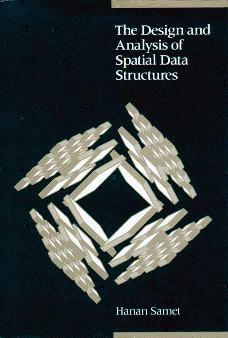
Hanan Samet is a Distinguished University Professor at the University of Maryland's Computer Science Department, affiliated with the Institute for Advanced Computer Studies (UMIACS) and the Center for Automation Research. He holds a Ph.D. from Stanford University (1975) and specializes in spatial databases, data structures, and geographic information systems. His research bridges computer science and geospatial analytics, with applications in image databases, computer vision, and spatio-temporal data management. Education: Ph.D., Computer Science, Stanford University, 1975 Research Interests: Focuses on spatial data structures, GIS, spatio-textual systems like NewsStand and CoronaViz, trajectory analysis, and metric indexing. His work emphasizes scalable algorithms for spatial networks and multimedia databases. Notable Projects: CoronaViz : Tracks disease spread via spatio-temporal data visualization NewsStand : Maps news articles geospatially SAND: Spatial browser for digital government Awards: ACM Paris Kanellakis Award (2014), IEEE McDowell Award (2015), UCGIS Research Award, and Fellowships in ACM/IEEE/AAAS. Recognized for advancing spatial database theory and practice. Grants/Advising: Leads NSF-funded projects on spatio-textual extraction and similarity search. Advises graduate students (e.g., Nicole Schneider, Montana Hoover) and undergraduate researchers. Labs/Teams: Active in UMIACS and the Center for Automation Research, collaborating on projects like VASCO (spatial visualization tools) and MARCO (image database systems).
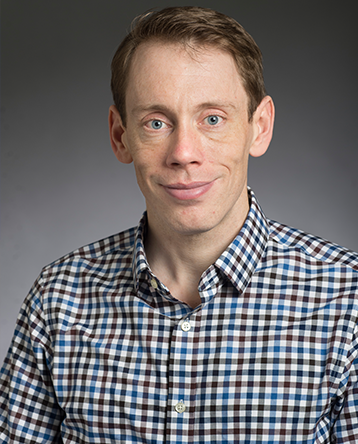
Dr. Thomas Brandstetter is a researcher and group leader at the University of Freiburg's Department of Microsystems Engineering (IMTEK), leading the Bioanalytical Surfaces group since 2007. He holds a Ph.D. in Biology from the University of Freiburg (2000) and has extensive postdoctoral experience in biochip technologies and clinical applications. His research focuses on developing innovative bioanalytical platforms for DNA/RNA detection, protein analysis, and biomedical applications such as tumor cell capture and biofilm prevention. He has pioneered surface-attached polymer networks and hydrogel coatings to enhance biochip sensitivity and reusability. Key research areas include biochip technology, microfluidics, surface chemistry, and materials science. His work integrates interdisciplinary approaches to address challenges in diagnostics, such as point-of-care testing and in vivo diagnostics. Notable projects include hydrogel-based sensor surfaces, PCR-compatible metallic coatings, and functionalized medical wires for capturing rare cells in blood. He oversees a team of PhD students and postdocs, contributing to advancements in analytical chemistry and biomedical engineering. Dr. Brandstetter has published extensively on topics like DNA microarray platforms, NASBA amplification, and antibacterial coatings. His lab collaborates with industry partners like Genescan Europe AG and contributes to translational research through patents on biochip fabrication and medical devices. He is actively involved in teaching and mentoring, fostering the next generation of researchers in bioanalytical technologies.
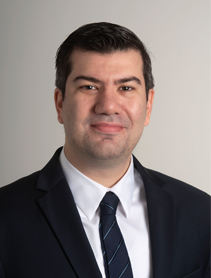
M'hamed Chahma serves as Full Professor in the Department of Chemistry and Biochemistry at Laurentian University's School of Natural Sciences, Sudbury, Canada. Appointed Associate Professor in 2006 and promoted to Full Professor in 2013, he maintains an active research laboratory in F-522 of the Science Building with ongoing projects through 2025. His educational background includes: Bachelor in Chemistry from University Cadi Ayyad/Ibn-Zohr (Agadir, Morocco) MSc (DEA) in Electrochemistry from Denis Diderot University (Paris 7, France)/ESPCI PhD in Electrochemistry from Denis Diderot University (Paris 7, France)/ESPCI Dr. Chahma's research bridges physical organic chemistry and surface science, specializing in chiral conducting surfaces for biomolecule detection. His group develops electrode interfaces using amino acid-functionalized oligo/polythiophenes via electropolymerization, creating stable chiral electrodes capable of enantioselective recognition through hydrogen bonding interactions. Current investigations focus on radical-polymer hybrids combining nitroxide/verdazyl radicals with conducting polymers for energy storage applications where radical incorporation modulates electronic and optical properties. Analysis of his 2010-2025 publications reveals consistent innovation in chiral electroanalysis and radical-functionalized materials, with significant contributions to electrochemical biosensors (particularly for amino acids and oligonucleotides) and fundamental studies of electron transfer in modified interfaces. Key journals include New Journal of Chemistry, Journal of Organic Chemistry, and Chemical Reviews. His scientific recognition includes: Undergraduate scholarship Graduate scholarship Dr. Chahma teaches undergraduate and graduate courses while mentoring student researchers, and previously served four years on NSERC-RTI application evaluation committees. His laboratory employs cyclic voltammetry, ATR-FTIR, and electrochemical synthesis to characterize chiral electrode interfaces and radical-polymer systems, with ongoing work focused on optimizing capacitive response for biomolecular recognition and exploring verdazyl radical applications in energy storage devices.
Mohamed Sarwat is an Associate Professor at Arizona State University specializing in databases , spatial data management , and recommender systems . His research focuses on GeoSpark —a cluster computing framework for spatial data—and its extensions like GeoSparkViz for visualization and GeoSparkSim for traffic simulation. Key Contributions: LARS* (Location-Aware Recommender System), Horton* (Graph Reachability), Sindbad (GeoSocial Platform), and Riso-Tree (Graph Database Indexing) Research Themes: Integration of spatial/temporal data with machine learning, efficient indexing for big geospatial datasets, and scalable frameworks for mobility data science His work spans collaborations with 23+ co-authors across institutions like University of Minnesota, University of Melbourne, and University of Salzburg. Current projects emphasize GeoTorchAI —a spatiotemporal deep learning system—and mobility data science infrastructure.
Muhammed Said Boybay is an Associate Professor at the Department of Electrical and Electronics Engineering, Faculty of Engineering, Iğdır University. His academic journey includes a PhD in Electrical and Computer Engineering from the University of Waterloo (2004-2009), with a thesis on 'Sensitivity Enhancement of Near Field Probes Using Negative Materials', and a Bachelor's degree from Bilkent University's Electrical and Electronics Engineering program (2000-2004). His research focuses on microwave engineering, metamaterials, microfluidics, and sensing technologies. He has pioneered work on microwave-based microfluidic systems, metamaterial sensors for material characterization, and non-destructive evaluation techniques using resonant structures. His contributions include developing high-throughput sensing methods for individual droplets in microfluidic devices and integrating microwave heaters for thermo-capillary mixing. Boybay has authored over 20 peer-reviewed articles, with recent work emphasizing hydrogen sensing via palladium-based resonators and beam steering using dispersive superstrates. He has supervised three graduate students, including doctoral candidate Gürkan Yeşilöz and master's graduates Hasan Önder Yılmaz and Ayşegül Musul. He has held administrative roles such as Head of the Department of Electrical and Electronics Engineering at Iğdır University and Deputy Dean at International Antalya University. His teaching spans undergraduate courses like Electromagnetic Field Theory and graduate modules in Antenna Engineering and RF Design. Notably, he contributed a chapter on 'Microwave in Microfluidics' to the 2nd Edition of the Encyclopedia of Microfluidics and Nanofluidics .
Professor Tiina Roose is a leading academic in biological and environmental modeling at the University of Southampton. She holds a faculty position as Professor in the Bioengineering Group and is affiliated with interdisciplinary research groups including the Nature-Based Ocean Solutions and Southampton Marine and Maritime Institute. Her work integrates engineering principles with environmental and agricultural sciences to address challenges in soil science, plant-microbe interactions, and sustainable agriculture. Research focuses on rhizosphere dynamics, soil mechanics, and biofilm modeling. Active in collaborative projects with industry and international partners, funded by BBSRC, EPSRC, and EU Horizon programs. Develops advanced imaging techniques like synchrotron X-ray CT and microdialysis for in situ soil analysis. Her research interests emphasize agricultural sustainability, environmental adaptation, and precision agriculture technologies. Recent work includes studies on Xylella fastidiosa plant pathogens, nutrient dynamics in soil, and digital twins for fertilizer management. She has led projects such as 'Rhizosphere by Design' and 'fertilAIser', contributing to innovative solutions for food security and soil health. Key collaborations span biomaterials engineering, environmental microbiology, and computational modeling, with outputs published in journals like Plant and Soil , Soil Biology and Biochemistry , and New Phytologist .
Shawn Litster is a Professor in the Department of Mechanical Engineering at Carnegie Mellon University, where he leads cutting-edge research in sustainable energy conversion technologies. He is affiliated with the Wilton E. Scott Institute for Energy Innovation and serves as a Scott Institute Energy Fellow, contributing to major national initiatives in hydrogen and fuel cell systems. His work is supported by significant funding from the U.S. Department of Energy (DOE), ARPA-E, and the Office of Naval Research. Education: Ph.D. in Mechanical Engineering, Stanford University (2008) Master of Applied Sciences, University of Victoria (2005) Bachelor of Engineering, University of Victoria (2004) His research focuses on micro- and nanoscale transport phenomena in electrochemical energy systems such as fuel cells, batteries, and electrolyzers. Key interests include electrochemistry, multiphase flow in porous media, microfluidics, catalytic gasification, and computational fluid dynamics . He pioneers innovations in ionomer-free electrodes, high-oxygen-permeability materials, and low-iridium anodes to improve efficiency, durability, and cost-effectiveness. His recent publications (2021–2025) reveal a strong trend toward advanced diagnostics, operando characterization, machine learning integration, and multiscale modeling of fuel cell and electrolyzer systems. These works emphasize performance optimization, degradation analysis, and material innovation for heavy-duty and transportation applications. Scientific Awards: George Tallman Ladd Research Award, Carnegie Mellon University National Science Foundation CAREER Award Lieutenant Governor’s Silver Medal, University of Victoria Best Paper/Presentation Award, The Electrochemical Society Best Paper/Presentation Award, American Society of Mechanical Engineers (ASME) Litster has secured over $50 million in research funding as a sub-awardee in DOE hydrogen projects and led a $3.2M ARPA-E OPEN 2021 project on disruptive fuel cell electrodes. He is an inventor on two U.S. patents related to fuel cell design. He advises graduate students and leads the Laboratory for Transport Phenomena in Energy Systems , where his team develops novel materials and diagnostics for next-generation energy technologies.
Katarzyna Wac is a researcher at the University of Geneva affiliated with the Faculty of Economics and Management and the Information Science Institute . Her work bridges Digital Health , Mobile Computing , and Human-Computer Interaction , focusing on leveraging wearable devices, smartphones, and AI for health and quality of life (QoL) quantification. Research Themes: Digital biomarkers for Alzheimer's and migraines, QoL assessment via ubiquitous computing, peer- and self-reported behavioral data, and QoE of mobile applications. Labs: Leads the mQoL Lab , a platform for interactive, mobile, and wearable-based studies. Her recent publications explore Transformer models for health data analysis, social robots in homecare, and ethical frameworks for digital mental health. She has contributed to standards for proxy-reported QoL measures and personalized drug delivery systems in digital health. The multimodal integration of emotional signals and context-aware QoS/QoE provisioning for m-health services are recurring technical themes. Key collaborations include the MobiHealth project and COPD24 , translating future internet technologies into telemonitoring solutions. Her work spans from foundational studies on mobile cognition to applied ambulatory assessment of affect and health risks.
Maria Paz Linares Herreros is a Lecturer at the Universitat Politècnica de Catalunya (UPC), affiliated with the School of Mathematics and Statistics (FME) and the Department of Statistics and Operations Research. She is a member of the IMP (Information Modeling and Processing) research group and collaborates with inLab FIB on intelligent transportation systems. Research interests: Transportation systems, smart cities, traffic simulation, data-driven modeling, environmental impact assessment Specializes in applying machine learning and simulation to urban mobility challenges Her recent publications focus on: Parking availability prediction using deep learning Traffic emission modeling linked to urban policies Dynamic ride-sharing system optimization Integration of IoT data in transportation planning Scientific recognition: Recipient of the IV International Award on Transport Infrastructure Management Research (2018) Active contributor to projects like CitScale and Virtual Mobility Lab Collaborator in European initiatives like KIC Urban Mobility
Dr. Hakki Erhan Sevil is an Associate Professor in the Department of Intelligent Systems and Robotics at the University of West Florida, within the Hal Marcus College of Science and Engineering. He holds a Ph.D. in Mechanical Engineering from the University of Texas at Arlington and has extensive research experience in robotics, intelligent systems, and autonomous control. His work spans theoretical and applied domains, focusing on resilient and intelligent robotic systems. Ph.D., Mechanical Engineering, University of Texas at Arlington M.S., Mechanical Engineering, Izmir Institute of Technology B.S., Mechanical Engineering, Izmir Institute of Technology Dr. Sevil's research interests lie at the intersection of robotics, artificial intelligence, and control systems. He specializes in autonomous navigation, fault detection and isolation (FDI), multi-agent coordination, computer vision, and bio-inspired computational methods. His work emphasizes real-world implementation in unmanned and self-sustained systems, particularly in challenging environments. His recent publications and projects highlight a strong trend toward intelligent, resilient, and distributed robotic systems. Themes include entropy-based behavior modeling for UAV swarms, assistive robotics for household tasks, post-disaster damage assessment using aerial vision, and advanced guidance for GPS-denied navigation. These reflect a multidisciplinary approach combining machine learning, control theory, and robotics engineering. 2024 Faculty Excellence in Teaching Award, UWF 2024 Faculty Excellence in Undergraduate Research Mentoring Award, UWF DURIP Grant ($478,000) from ONR (with IHMC) USDA Grant ($728,000) with New Mexico State University US Air Force SBIR/STTR Grant ($110,000) with Catalano Aerospace AFWERX Funding for Distributed Behavior Research Dr. Sevil actively mentors Ph.D. and M.S. students and leads the Sevil Research Group, which has secured multiple internal and external grants from NSF, NASA, ARL, ONR, and USDA. He has served as PI and Co-PI on funded projects and advises student teams that have won national awards. His lab, the Intelligent Systems and Robotics Lab, is highlighted in university communications and national challenges. The group collaborates with IHMC, NMSU, and industry partners, fostering innovation in autonomous systems. The Sevil Research Group operates within the Intelligent Systems and Robotics Lab at UWF, conducting cutting-edge research in autonomous navigation, swarm intelligence, and resilient robotics. The lab collaborates with the Institute for Human and Machine Cognition (IHMC), New Mexico State University, and private aerospace firms. It supports student-led projects, participates in national robotics challenges, and maintains active GitHub repositories for open research dissemination.
Dr. Erik Linstead is an Associate Professor and Senior Associate Dean at Chapman University, affiliated with the Fowler School of Engineering, School of Pharmacy, and George L. Argyros College of Business and Economics. His expertise spans Machine Learning, GPU Programming, Autism Spectrum Disorder, Assistive Technologies, Predictive Analytics, and Virtual Reality. Education: Bachelor of Science, Chapman University Master of Science, Stanford University Ph.D., University of California, Irvine Dr. Linstead's research integrates machine learning with diverse domains, including autism treatment, environmental monitoring, and software engineering. His recent publications focus on coral reef health, land surface temperature trends, and embedded machine learning systems. His scholarly work includes collaborations in remote sensing, medical informatics, and neurodiversity support. Articles highlight his interdisciplinary approach, applying AI to ecological challenges (e.g., Red Sea coral reefs, Nile Basin droughts) and human-centered technologies (e.g., VR therapy for autism, medication adherence analysis).
Andrew J Whelton is a Professor of Civil and Construction Engineering at Purdue University's College of Engineering, with concurrent appointments in Sustainability Engineering and Environmental Engineering. He serves as Director of the Healthy Plumbing Consortium and Lead for the Center for Plumbing Safety, focusing on water quality, chemical contamination, and public health in building plumbing systems. Professor, Civil and Construction Engineering Professor, Sustainability Engineering Professor, Environmental Engineering Director, Healthy Plumbing Consortium Lead, Center for Plumbing Safety His research spans environmental engineering and public health, with key themes including chemical contamination from plastic pipe degradation, post-disaster water system recovery, wildfire-related water quality impacts, and microbial risks in premise plumbing. Recent work addresses crises like the East Palestine chemical spill and Maui wildfires, while also developing predictive models for water quality and evaluating sustainable infrastructure materials. Scientific awards and recognitions include: Rapid Response Research (RAPID) Grants from NSF for disaster-related studies Environmental Protection Agency (EPA) support for building water quality programs Leadership in interdisciplinary consortia focused on plumbing safety Development of novel tools for water quality monitoring and remediation His publications reveal trends in: Chemical leaching from plastic piping materials Environmental justice in water contamination crises Integration of machine learning for water quality prediction Microbial ecology in stagnant plumbing systems Policy recommendations for disaster response Sustainable material innovation for infrastructure
Dr. Alison McCarthy is an Associate Professor in Irrigation and Cropping Systems at the Centre for Agricultural Engineering , University of Southern Queensland . With a background in mechatronic engineering, she specializes in developing automated irrigation systems and machine vision technologies for cotton and dairy pasture management. Education: BEng (2006) and PhD (2010) from University of Southern Queensland Research Interests: Irrigation control systems Machine vision for soil and plant sensing Automation in agriculture Recent Publications highlight her work in nitrogen management, autonomous irrigation frameworks, and pest detection systems. These contributions align with her expertise in AI-driven agricultural solutions and sensor integration. Scientific Awards: 2024 Australian Future Cotton Leader 2021 WatSave Young Professionals Award 2018 Cotton Seed Distributors Researcher of the Year 2015 Queensland Young Tall Poppy Science Award 2014 Science and Innovation Award for Young Professionals Research Affiliations: Centre for Agricultural Engineering (CAE) Association of Australian Cotton Scientists (Full Member)
Sidonie Christophe is a Senior Researcher (Directrice de Recherche, DR1) at UMR LASTIG, a joint research unit of Université Gustave Eiffel, IGN-ENSG, and EIVP. She serves as co-director of the LASTIG laboratory and leads research in geovisualization, map design, and interactive spatial data exploration. She also holds a part-time advisory role (60%) at the French Ministry of Higher Education and Research in the domain of digital technology, environment, climate, and sustainable urban development. PhD in Geographic Information Sciences Senior Researcher, DR1, MTECT Co-Director, LASTIG Laboratory (since 2021) Former Team Leader, GEOVIS (Geovisualization, Interaction, and Immersion) Advisor, Environment and Urban Climate, French Ministry of Higher Education & Research Her research centers on innovative methods for 2D/3D and nD geospatial data visualization, with a focus on enabling spatio-temporal understanding through visual and non-visual spatial thinking. Her work integrates principles from geographic information science, human-computer interaction, and computer graphics. Key areas include urban climate visualization, tactile and augmented reality for accessibility, expressive cartographic rendering, and cognitive aspects of map design. She investigates how aesthetic and semiotic choices impact map comprehension and utility. The 15 most recent publications reflect a strong trend in interactive and accessible geovisualization, particularly for urban and environmental applications. Topics include neural map style transfer, 3D urban climate analysis, tactile maps for the visually impaired, augmented reality in geography, and visual analytics for crisis and climate data. There is a consistent emphasis on user-centered design, interdisciplinary integration, and the development of tools for decision-making under uncertainty. Scientific Recognition and Service: Invited speaker at major conferences (IEEEVIS, AGILE, ICC, CPGIS) Co-organizer of international workshops (e.g., GeoVIS, ISPRS AR/VR sessions) Leader of national research projects (ANR ORACLES, ANR ACTIVmap, ANR ECOCIM) Recipient of international mobility grants (AMICI I-SITE FUTURE) Contributor to national glossaries and research strategy (e.g., French photogrammetry glossary) Advising and Grants: Sidonie Christophe actively supervises PhD students and postdoctoral researchers, including Markie Jiang, Maria-Jesus Lobo, and Alexandre Mielniczek. She leads or participates in multiple funded research projects such as ANR ORACLES (marine flooding visualization), ANR ACTIVmap (tactile 3D maps), and ANR ECOCIM (eco-design of city information models). Her advisory role at the MESR involves shaping national research strategy in digital and environmental sciences. Labs and Research Teams: She is a core member of the GEOVIS team (Geovisualization, Interaction, and Immersion) at LASTIG and previously served as its leader. As co-director of LASTIG, she plays a central role in the leadership and strategic direction of the entire laboratory, which comprises over 100 researchers across four teams: ACTE, GEOVIS, MEIG, and STRUDEL.
Alexandre Manuel de Castro Passos de Almeida is an Assistant Professor in the Department of Information Science and Technology at the University Institute of Lisbon (ISCTE-IUL), where he also contributes to the School of Technology and Architecture. He is an Associate Researcher at the Institute of Telecommunications - IUL, actively involved in the Radio Systems Group, focusing on telecommunications and sensor-based environmental monitoring. PhD in Telecommunications, ISCTE-IUL, 2012 His research interests span telecommunications, wireless sensor networks, air quality monitoring, computer architecture, and robotics. He has led and contributed to innovative projects such as ExpoLis, which uses mobile sensor networks on public buses to map urban air pollution. His work bridges engineering and environmental science, aiming to influence urban policy and public health through real-time data systems. The most recent publications highlight a strong trend toward deploying low-cost, mobile sensor networks for environmental monitoring, particularly in urban settings. His work integrates computer systems, signal processing, and sustainable technology, with applications in smart cities, public health, and robotics. Topics like air quality mapping, energy harvesting, and noise-aware robot navigation reflect a multidisciplinary approach to solving real-world problems. He has advised seven Master’s students at ISCTE-IUL, guiding research in sensor networks, air pollution, database performance, robotic navigation, and personal photography assistants. While no specific scientific awards are listed, his contributions to funded research projects and consistent scholarly output indicate recognition in his field. He has held leadership roles in academic governance, including Vice President of the Pedagogical Council, underscoring his institutional engagement. His teaching portfolio includes core courses such as Fundamentals of Computer Architecture, Operating Systems, and Big Data Processing, delivered across multiple undergraduate and postgraduate programs. He is involved in research projects that combine academic innovation with practical urban applications, particularly through the deployment of scalable, open-source environmental sensing systems.