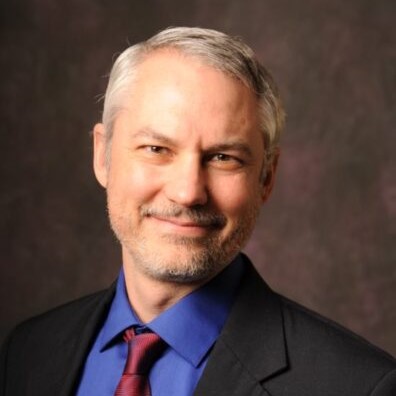
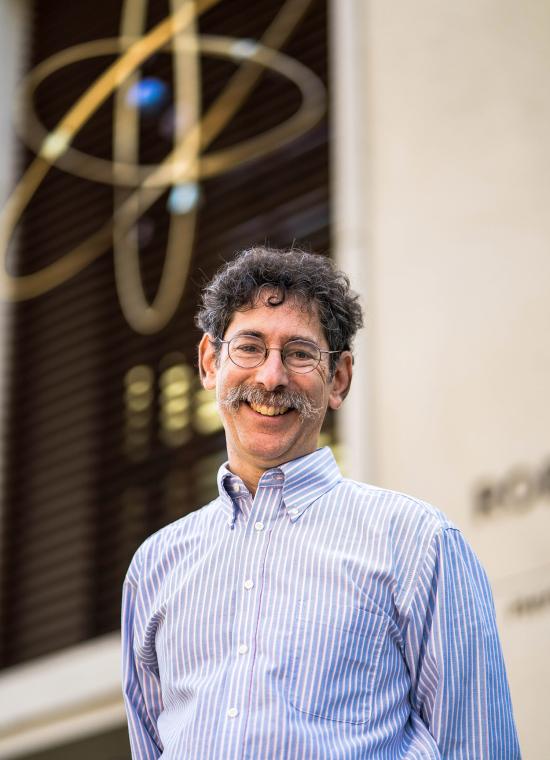
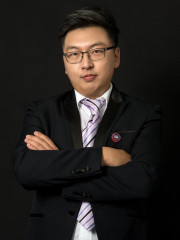
Professor Anthony O'Neill at Newcastle University is a leading researcher in semiconductor device physics, optogenetic neuroprosthetics, and strained silicon engineering. His work spans silicon carbide MOSFETs, graphene fabrication, and implantable neural interfaces, with a focus on improving device performance through material science innovations. Semiconductor Device Physics Optogenetic Neuroprosthetics Strained Silicon Technology Micromachining Processes Advanced Material Characterization His 15 most recent publications (2018-2024) demonstrate expertise in: 4H-SiC MOSFET optimization Nitridation techniques Implantable neuroprosthetic systems Molecular dynamics simulations for silicon processing High-κ dielectrics in microelectronics Flexible electrode arrays
Dr. Hongrong Hu is a Research Fellow at the Institute of Nanotechnology, Karlsruhe Institute of Technology (KIT), Germany, affiliated with the Electronic Devices and Systems research unit. Her work focuses on advancing printed memristive technologies for next-generation memory applications. Her research expertise spans: Memristive Devices and Resistive Random-Access Memory (ReRAM) Printed Electronics Fabrication (Inkjet/Laser Printing) Non-Volatile Memory Systems Metal-Oxide Semiconductor Materials High-Entropy Compounds for Memory Neuromorphic Computing Hardware Analysis of her 2021-2025 publications reveals a strategic progression from fundamental device characterization (e.g., noise properties in printed transistors) toward sophisticated material engineering (high-entropy Prussian Blue analogs, metal-organic frameworks) and neuromorphic applications. Her work consistently bridges materials science, electrical engineering, and nanofabrication to solve scalability challenges in printed memory devices. Scientific recognition: No awards or fellowships documented in available sources Dr. Hu's academic mentoring and grant activities are not publicly detailed, though her collaborative publications suggest active participation in KIT's research ecosystem. She contributes to the Electronic Devices and Systems unit's mission of developing innovative electronic solutions through printed and flexible technologies for real-world applications.
Paolo Marocco is a Fixed-term Assistant Professor at the Department of Energy (DENERG) of Politecnico di Torino, Italy. His work focuses on hydrogen-based mobility solutions, renewable energy systems, and techno-economic/environmental sustainability analysis. He serves on teaching committees for Electrical and Energy Engineering, Mechanical Engineering, and Aerospace Engineering programs. Academic Role: Assistant Professor (Fixed-term) Department: Department of Energy (DENERG) Teaching: Hydrogen Laboratory, Electrical Energy Storage Systems, Applied Thermodynamics Research spans four key areas: Hydrogen Infrastructure : Green hydrogen production for ammonia synthesis, aircraft propulsion, and rail transport decarbonization. Projects include SOFFHICE (SOFC hybridization in maritime engines) and PNRR initiatives for industrial decarbonization. Energy Storage Systems : Hydrogen-battery hybrid storage, virtual thermal inertia storage, and optimal dispatch models for wind-electrolysis systems. Industrial Decarbonization : Semiconductor manufacturing, steel industry high-temperature heat substitution, and biogas carbon recovery. Policy Integration : Bridging technical research with European green policy targets through Italian energy modeling. He supervises 7 PhD students across Energetics, Mechanical Engineering, and Energy/Nuclear Engineering programs. Current projects include SOFFHICE (2023-2026) and PNRR-funded industrial furnace decarbonization (2023). Recent publications analyze hydrogen train feasibility, aviation fuel cells, and storage system optimization.
Peter Blass is a Teaching Professor in the Chemistry Department at Bowling Green State University's College of Arts and Sciences. He joined the faculty in 2007 and holds a Ph.D. from the University of Texas at Austin and a B.S. from the University of Michigan. His office is located in the Physical Sciences Laboratory Building at 216 with contact number 419.372.9915. Education: Ph.D., University of Texas at Austin B.S., University of Michigan Dr. Blass specializes in surface chemistry and materials science with emphasis on thin film deposition techniques and semiconductor passivation mechanisms. His experimental work investigates chemical vapor deposition precursors, self-assembly of photoluminescent nanomaterials, and oxidation resistance properties of ultrathin silicon-based dielectric layers. Research methodologies prominently feature X-ray photoelectron spectroscopy for surface analysis in microelectronics contexts. His publication record from 1997-1999 reveals consistent focus on semiconductor interface engineering, particularly silicon nitride/oxynitride passivation layers and metal-organic precursors for tantalum film growth. These studies address critical challenges in microelectronics manufacturing including oxidation control, interfacial stability, and thin film adhesion properties through rigorous surface science approaches. No scientific awards are documented in the provided information. Details regarding graduate student mentorship, research grants, or collaborative projects are not specified in the available faculty profile.
Cristina Borda Fortuny is an Assistant Professor at the La Salle Digital Engineering School under the Engineering Department at Universitat Ramon Llull. She actively contributes to the Research Group on Smart Society and collaborates with the GRITS (Grup de Recerca en Internet Technologies & Storage) project. Research Focus: Antenna Engineering, Reconfigurable RF Systems, Sensor Networks Collaborative Projects: 2017–2021 AGAUR-funded GRITS; 2022–2025 Smart Society Group Key Research Contributions: Development of low-cost, frequency-agile fluidic antennas, novel liquid switch mechanisms for Vivaldi antennas, and distributed acoustic sensor networks for urban monitoring. Her work intersects antenna design , cognitive radio , and smart infrastructure , with significant citations in Open Access publications. Technical Expertise: Fluidic antenna systems, reconfigurable operating frequencies, microwave propagation, and real-time sensor network deployment. Collaborations include researchers like K. Tong , K. Chetty , and K. Wong .
John S. McCloy is a Full Professor and Director at Washington State University's School of Mechanical and Materials Engineering , with affiliate appointments in Chemistry. His career spans academia and national laboratories, including leadership roles at the Institute for Materials Research and prior research at Pacific Northwest National Laboratory. Ph.D. in Materials Science & Engineering (University of Arizona, 2008) M.S. in Materials Science & Engineering (University of Arizona, 2007) M.A. in Cultural Anthropology (University of Arizona, 2004) B.S. in Materials Science & Engineering (MIT, 1996) McCloy's research integrates nuclear materials , wide bandgap semiconductors , and advanced characterization techniques . His work on β-Ga2O3 explores optical anisotropy, defect engineering, and radiation effects. He also investigates glass and ceramic waste forms for radioactive iodine and technetium, combining materials informatics with positron annihilation spectroscopy . Current projects include dual-phase ceramics and ultra-wide bandgap devices . Recent publications analyze molten salt thermodynamics , chromium-doped oxide semiconductors , and archaeological glass alteration as analogs for nuclear waste durability. His lab develops in-situ characterization methods using X-ray nano-CT and laser-induced luminescence . Scientific Recognition : 2024 Washington State Academy of Sciences 2019 Fulbright Scholar 2018 Fellow of the American Ceramic Society 2016 Outstanding Teaching Award
Robert Krarup Feidenhans'l is a Professor in X-ray Physics and Visiting Professor in Condensed Matter Physics at the Niels Bohr Institute, University of Copenhagen. His research bridges fundamental physics with practical applications in materials characterization, biological imaging, and nanotechnology through advanced X-ray techniques. Feidenhans'l earned his Master's degree in Physics and Mathematics in 1983 and his Ph.D. in Physics from the University of Aarhus in 1986, where he was awarded the A. Angelo prize. His career progressed from staff scientist at Risø National Laboratory to leadership positions including Head of the Materials Research Department at Risø, Professor at the Niels Bohr Institute, Vice Institute Leader for Research, and Interim Institute Leader. His research interests span Surface and Interface Science, X-ray Physics, Synchrotron Radiation, Materials Science, Crystallography, Nanoscience, and Biophysics. His work demonstrates a progression from fundamental materials research toward innovative applications of X-ray techniques in biological systems while maintaining strong contributions to materials characterization. With approximately 140 publications and an h-index of 31, his research has garnered over 3,940 citations as of 2012, reflecting significant impact across multiple disciplines. Feidenhans'l has held prestigious leadership positions including Chairman of the Council of European Synchrotron Radiation Facility (2006-2010, with a €90M annual budget and 600 employees), Chairman of the European XFEL Council (2010-present, overseeing a €1.1 billion construction project), and Director of DANSYNC/DANSCATT. He has served on advisory committees for major international facilities including MAXLAB in Lund, HASYLAB/DESY, and the LCLS in Stanford. As an educator, Feidenhans'l has supervised approximately 21 master's students and 15 Ph.D. students, currently guiding 6 Ph.D. and 8 master's students. He teaches core courses including Introduction to Solid State Physics, Experimental X-ray Physics, and Structural Tools in NanoScience. His leadership extends to chairing the PhD Committee at the Faculty of Sciences and serving on the Academic Council of the Faculty of Science at the University of Copenhagen. He has co-organized numerous international conferences and summer schools, including the Nordic Summerschool on Synchrotron Radiation and the International Conference on Solid Films and Surfaces.
David M. Tanenbaum is the Osler-Loucks Professor in Science and Professor of Physics at Pomona College, where he has been a faculty member since 1997. He is currently on leave for the 2025–2026 academic year. His work is based in the Department of Physics and Astronomy, with research focused on experimental condensed matter physics, materials science, and nanotechnology. His research interests include plasma-enhanced chemical vapor deposition, hydrogenated amorphous silicon, photovoltaics, scanning probe microscopy, nanometer-scale lithography, and nanofabrication processes. He often describes his work in accessible terms as related to solar cells, microscopy, and computer chip fabrication. His lab emphasizes applied research in thin film growth and device characterization. The recent publications highlight a strong focus on the stability and degradation of organic and perovskite solar cells, with extensive participation in interlaboratory collaborations such as ISOS-3. His work spans materials synthesis, device fabrication, and environmental testing, contributing significantly to the reliability assessment of next-generation photovoltaics. National Science Foundation Major Research Instrumentation awards (2019, 2011, 2006) NSF NSEC awards via Cornell University (2001–2010) Hirsch Grant, Mellon Research Leave, ACS-PRF, and Cottrell Award Multiple EIPBN micrograph awards (Best Optical, Most Bizarre, Best Photon) Tanenbaum has led major instrumentation grants and collaborates with institutions including Cornell University, NREL, and JILA. His lab supports undergraduate research and advanced fabrication techniques. He teaches courses such as Nanotechnology in Science and Fiction, Quantum Mechanics, and Advanced Lab, integrating research and education.
Dr. Ian Levett is a Research Fellow at the School of Chemical Engineering, The University of Queensland (UQ), affiliated with the ARC Training Centre for Bioplastics and Biocomposites. Since 2023, he has focused on transitioning from linear plastics to circular economy models through halophilic biotechnology-based PHA (polyhydroxyalkanoate) production. His expertise spans bioplastics lifecycle assessments, controlled release fertilizer development, and techno-economic evaluations of sustainable processes. PhD : Chemical Engineering (UQ, 2020) with thesis on PHA-based fertilizer delivery systems Industry Experience : 2016-2023 - Process consulting for high-purity aluminum products in batteries and semiconductor manufacturing His research explores biopolymer extrusion processing , biodegradation kinetics , and polymer-active agent interactions . The 2016-2025 publication record shows consistent innovation in controlled release mechanisms , agricultural sustainability , and industrial biotechnology . Notably, 2025 work introduces a commercial viability screening tool for biodegradable polymer coatings in fertilizers. Current funding includes: 2025-2028: ARC Discovery Project for biodegradable fertilizer coatings 2023: Lihua Starch Pty Ltd grant for PHA production evaluation 2023-2024: Queensland Government pilot plant development for PHA from sugar Within the ARC Centre, he supervises PhD candidates in: Advanced bioplastic materials Novel halophilic PHA production PHA-based material development
Felix Mayr is a researcher at the Technical University of Munich (TUM) under the Associate Professorship Simulation of Nanosystems for Energy Conversion in the TUM School of Computation, Information and Technology (SoCIT). His work focuses on computational materials science, particularly leveraging machine learning and density functional theory (DFT) for energy-related applications. Institution: Technical University of Munich Department: Simulation of Nanosystems for Energy Conversion Research Interests : Mayr investigates materials for solar cells, electrocatalysis, and gas adsorption using machine learning , DFT , and multiscale modeling . Key projects include optimizing MOF interfaces for PFAS removal and developing algorithms for adsorption site identification. Article Trends : His recent publications emphasize machine learning integration with materials science, targeting MOFs , perovskites , and electrocatalysts . Topics include PFAS remediation, charge prediction, and stability analysis. Projects & Collaborations : Mayr contributes to DFG e-Conversion Clusters (I-III), TUM Innovation Network ARTEMIS, EU Lion-Hearted, and BMWi ptj PrOperPhotoMiLe SOLAR.ERANET.
Marcin Janczarek is a researcher at the Poznań University of Technology, Faculty of Chemical Technology, Institute of Chemical Technology and Engineering. He holds a DSc in Chemical Sciences (2019) and a PhD in Chemical Technology (2005) from Gdańsk University of Technology. Research Interests: His work focuses on heterogeneous photocatalysis , semiconductor nanomaterials , and advanced oxidation processes for water and air purification. He investigates photocatalytic reactors and TiO2-based materials with applications in environmental engineering and construction industries. Recent Publications: His recent studies include TiO2-polymer composites for water treatment, visible-light photocatalysts for pollutant degradation, and antimicrobial cement applications. Collaborations span Hokkaido University, Gdańsk University of Technology, and Hubei University of Technology. Honors: Guest editor for MDPI Catalysts special issues (2017-2021) Editorial board member of IET Micro & Nano Letters Teaching: Conducts classes on process equipment and chemical engineering materials. Utilizes AutoCAD for engineering graphics.
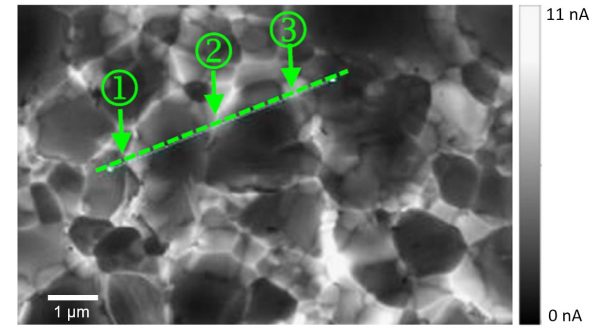
Heayoung Yoon serves as an Associate Professor in the Electrical & Computer Engineering department and Adjunct Associate Professor in Materials Science & Engineering at the University of Utah's College of Engineering. Her research focuses on advanced fabrication and nanoscale characterization of optoelectronic materials and devices, with particular expertise in engineering micro/nanostructures of semiconductor materials to enhance functionality and stability in optoelectronic devices including translucent solar cells and radiation-hard systems. Dr. Yoon earned her BS in Physics with a Computer Science minor from Chungnam National University in South Korea, an MS in Physics from Pohang University of Science and Technology, and a PhD in Electrical Engineering from The Pennsylvania State University. Her academic journey includes positions at Samsung, Penn State University, and NIST where she conducted research on molecular junction devices, pillar array solar cells, and near-field optoelectronic imaging techniques. Her research interests span multiple cutting-edge areas in energy technology and materials science. Dr. Yoon leads investigations into radial junction solar cells that decouple light absorption from carrier collection, thin-film solar cells with enhanced efficiency through microstructural optimization, translucent solar cells for diverse applications like skylights and self-powered facades, multi-probe microscopy techniques for nanoscale characterization, and molecular junction devices for advanced optoelectronics. Her work bridges fundamental research with practical applications to address global sustainability challenges. Analysis of Dr. Yoon's 15 most recent publications reveals a strong focus on solar cell technology and nanoscale characterization. Her research consistently explores patterned back contacts, micro/nanostructured solar cells, and perovskite materials, with particular attention to grain boundaries, surface potential variations, and carrier dynamics at the nanoscale. The publications demonstrate interdisciplinary approaches combining electron microscopy, optical spectroscopy, and device engineering to advance photovoltaic technologies. Outstanding Teaching Award (2024, ECE Department) Chair's Award (2022, ECE Department) CAREER Award (2021, National Science Foundation) Dr. Yoon actively mentors students through thesis research and undergraduate research projects, and leads the Yoon Research Group which develops in-situ, local measurement techniques using electron beams and focused light sources. Her lab focuses on elucidating structure-property relationships in micro/nanomaterials and devices, with applications in energy, optoelectronics, and chemical and biomedical fields. The group leverages cross-disciplinary collaborations to advance energy technologies, particularly in creating exploratory optoelectronic systems that address emerging global challenges in sustainability.
Wang Luyang serves as Associate Professor at Shenzhen University of Technology's School of New Materials and New Energy since 2021, previously holding an Assistant Professor position from 2017-2021. His academic journey includes postdoctoral research at Hong Kong Polytechnic University (2015-2017) following a PhD in Organic Chemistry from Sungkyunkwan University. His educational background features: PhD in Organic Chemistry, Sungkyunkwan University (2015) Master's in Pharmacy, Changchun University of Chinese Medicine (2013) Bachelor's in Chemistry, Jilin University (2009) Research focuses on surface defect engineering , lithium battery cathode recycling , and photocatalytic carbon neutrality , with strong emphasis on nanomaterial design for sustainable energy solutions. His work bridges fundamental materials chemistry with practical environmental applications. Analysis of his 15 most recent publications reveals dominant themes in solar hydrogen production through defect-engineered semiconductors (TiO 2 , BiVO 4 , WO 3 ), cocatalyst-free photocatalysis, and dual-function systems for simultaneous energy generation and waste degradation. Major recognitions include: Shenzhen Peacock Plan Category B Talent (2018) Advanced Individual award for university establishment efforts He leads multiple funded projects including the National Natural Science Foundation Youth Program (250,000 yuan) and Shenzhen's 4.5 million yuan Overseas High-level Talent Start-up Project, focusing on photocatalytic hydrogen production and battery material recycling with significant industrial collaboration potential.
Professor İsmail Serdar Özoğuz is a distinguished academic at Istanbul Technical University , affiliated with the Department of Electronics and Communication Engineering . Holding the title of Professor since 2009, he has contributed extensively to analog circuit design, neural network applications, and wireless communication systems. Ph.D. in Electronics and Communications Engineering (1995) Department Head (2020-present) Vice Dean (2017-2020) Research Interests: His work spans Electronics , Analog Design , Circuits and Systems Theory , with recent focus on: Neural network-based filter optimization Memristor emulator circuits Spintronic devices for wireless and memory applications Intelligent optimization in RF designs Article Trends: Recent publications highlight AI integration in engineering challenges, power efficiency in wireless systems, and hardware-software co-optimization . His work bridges theoretical models (e.g., fractional-order neural networks) with practical implementations (e.g., GaN amplifiers). Scientific Awards: GEBIP Award (TUBA), 2002 Mustafa Parlar Foundation Research Incentive, 2003 TUBITAK Incentive Award, 2004 Grants & Projects: As Principal Investigator, he has led initiatives on: Spintronic devices for wireless/memory/analog uses Passive combiners in HF transmitters High-power GaN amplifier development Fractional-order neural network models
Haozhe Wang serves as Assistant Professor of Electrical and Computer Engineering within Duke University's Pratt School of Engineering. He joined Duke in July 2023 and leads the Wang Lab, focusing on advanced nanomaterials research with applications spanning quantum systems, robotics, and electronic devices. His research centers on two-dimensional quantum materials—particularly MXene—with emphasis on synthesis techniques, atomic-scale properties, and device integration. Current investigations explore nanofabrication methods for quantum systems, MXene-based robotics, and autonomous experimentation frameworks for accelerated materials discovery, leveraging collaborations with institutions like MIT and Caltech. Recent publication trends reveal concentrated advancement in MXene applications across three domains: atomic layer processing for semiconductor manufacturing, soft robotics actuation, and AI-driven materials experimentation, indicating strategic convergence of nanomaterials science with autonomous systems engineering. Key recognitions include: NSF CAREER Award (2025) Early Career Distinguished Presenter at Materials Research Society Fall Meetings (2023) Dr. Wang secured the NSF CAREER grant to develop autonomous materials experimentation systems, mentoring lab members including postdoctoral researchers in MXene synthesis and robotics applications. His team actively participates in national conferences while building industry-academic partnerships for nanofabrication technology transfer. The Wang Lab maintains active research thrusts in MXene atomic layer etching, quantum material characterization, and soft robotics development, operating through collaborations with NNCI network facilities and hosting annual graduate recruitment events since 2024.