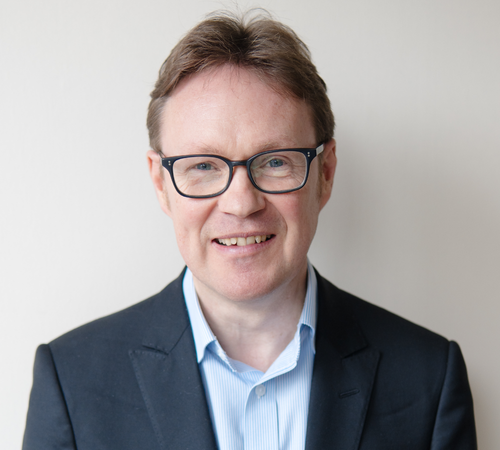
Andreas Kuhlmann is a Researcher at the Quantum Coherence Lab (Zumbühl Group) within the Department of Physics at the University of Basel. He works on low-temperature quantum transport experiments involving spin qubits, semiconductor nanostructures, and spin-orbit coupling, primarily in GaAs, Ge/Si systems, and quantum wires. His research focuses on quantum computing applications, including tunable microwave photon detectors and spin relaxation mechanisms. Research Interests : Quantum coherence studies in semiconductor nanostructures Spin qubit development for quantum computing Spin-orbit interaction engineering in quantum wells Low-temperature (microkelvin) quantum transport experiments Electron/hole spin manipulation and measurement Exotic quantum phases (Majorana fermions, parafermions) Key Collaborations : Collaborations with Schönenberger, Loss-Klinovaja, Warburton, and Egues groups; industrial partners like Basel Precision Instruments GmbH (BASPI); participation in Swiss national programs NCCR SPIN and SNI. Recent Research Trends : His publications emphasize spin qubit tunability via spin-orbit coupling, machine learning applications in quantum device optimization, and ultra-low temperature measurement techniques (e.g., Coulomb blockade thermometry at 224μK).
Dr Qiandong Zhuang is a Reader in Semiconductor Quantum Materials and Devices at the Physics Department of Lancaster University. He joined Lancaster University in 2003 after working as a Research Scientist at Singapore Nanyang Technological University and the University of Glasgow. At Lancaster, he established the MBE Laboratory and has been leading the Semiconductor Quantum Materials and Devices research group. His primary research focuses on semiconductor nanostructures and physics: MBE growth of compound semiconductor materials including arsenide, antimonide, dilute nitride and nitrides Quantum structures including quantum dots, quantum rings, nanowires and superlattice Droplet epitaxy of unique quantum dots including GaAs/AlGaAs and GaSb/AlGaSb QDs Semiconductor nanowires and integration with silicon and 2D materials Fundamental studies using HRXRD, photoluminescence, and electroluminescence Advanced optoelectronic devices including VCSELs, Lasers, LEDs, and photodetectors Dr Zhuang's current work emphasizes epitaxy of semiconductor quantum materials for photonic devices and laser-based spectroscopic technology for medical sensors and gas monitoring. His recent publications show strong trends in infrared photodetectors, semiconductor nanowires, and applications in medical sensing (particularly non-invasive glucose monitoring) and environmental monitoring. Dr Zhuang maintains extensive national and international collaborations with institutions including Nottingham University, Surrey University, Warwick University, Shanghai Institute of Technical Physics CAS, and University of Electronic Science and Technology of China. He has established industrial partnerships with Cascade Technologies Emerson, Lumentum, Gas Sensing Solutions Ltd, and CST Global. He actively supervises PhD students and welcomes researchers for postdoctoral positions. His major research projects include Horizon Europe's COMPAS, Drone-based air pollution mapping (SNIFFIRDRONE), and various VCSEL-based spectroscopy projects for non-invasive glucose monitoring. Dr Zhuang hosts academic visitors from China, India, and Russia, and encourages international collaborations in semiconductor quantum materials research.
Ning Li is an Associate Professor in Electrical Engineering , with a focus on in-memory computing , phase-change memory , and deep learning acceleration . Their research spans hardware-aware training, analog memory device reliability, and energy-efficient AI systems. Key Research Areas : Phase-change memory, In-memory computing, Neural networks, Analog computing, Memory cell design, Resistance drift mitigation. Recent Publications highlight innovations in: Optimizing phase-change memory devices for low-resistance drift Hardware-aware training to maintain accuracy in analog compute-in-memory systems Energy efficiency improvements via drift-aware mapping of neural network weights Collaborations include institutions in the United States and Singapore, contributing to UN Sustainable Development Goals related to industry innovation and affordable clean energy .
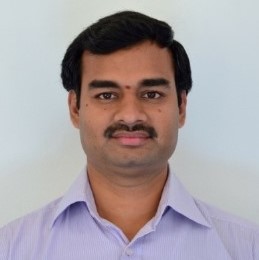
Chandrasekhar Murapaka is an Associate Professor in the Department of Materials Science And Metallurgical Engineering at the Indian Institute of Technology Hyderabad. His research spans interdisciplinary domains including spintronics, nanomagnetism, and semiconductor technologies, with applications in memory devices, sensors, and wireless communication systems. Education: Ph.D. from Nanyang Technological University, Singapore Research Focus: Dr. Murapaka specializes in nanomagnetic materials and spintronic devices, exploring their potential for energy-efficient computing, advanced sensor development, and multiscale modeling of nanoscale phenomena. His work intersects materials science, electronics, and communication technologies. Office Address: Room MSME-302, MSME Block, IIT Hyderabad, Sangareddy, Telangana, India Contact: Office Phone: (040) 2301 - 6562
Dr. Amit Verma serves as an Associate Professor in the Department of Electrical Engineering at the Indian Institute of Technology Kanpur (IIT Kanpur). His research focuses on advanced materials for semiconductor applications, with particular expertise in oxide materials and device fabrication. Research Focus: Dr. Verma's work primarily centers on materials growth for semiconductor device fabrication, characterization, and modeling. His research spans thin film growth, epitaxy, semiconductor device fabrication, electron transport phenomena, and oxide semiconductors. His expertise bridges fundamental materials science with practical electronic device applications. Research Trends: Analysis of Dr. Verma's publications reveals a consistent focus on complex oxide materials, particularly strontium titanate (SrTiO 3 ) and related compounds. His work explores electron transport mechanisms, ferroelectric properties, and device applications of these materials. The research demonstrates a progression from fundamental material characterization to practical device implementation, with significant contributions to understanding electron density modulation in oxide semiconductors. IIT (BHU) Varanasi Medal (2013) Outstanding Graduate Student Teacher Award , University of Notre Dame (2011) Academic Contributions: Dr. Verma teaches EE210 Tutorial (Microelectronics - I) and ESC201 Tutorial and Lab (Introduction to Electronics) at IIT Kanpur. His professional experience includes research positions at Cornell University (May 2015-June 2016) and NUSNNI, National University of Singapore (July 2016-November 2016). His educational background includes a PhD in Electrical Engineering from the University of Notre Dame (2015) with thesis on 'Modulating Extreme Electron Densities in Complex Oxides' under Dr. Debdeep Jena, and an Integrated M.Tech in Engineering Physics from IIT (BHU), Varanasi (2010).
Dr. Shilpi Gupta is an Associate Professor in the Department of Electrical Engineering at the Indian Institute of Technology Kanpur (IITK). She holds a PhD from the University of Maryland College Park, where her thesis focused on room-temperature light-matter interactions using quantum dots and photonic crystal cavities under Dr. Edo Waks. She completed her B.Tech in Engineering Physics at IIT Delhi. Her research specializes in Nano-photonics , with core interests spanning photonics, plasmonics, quantum optics, and nanotechnology. She investigates light-matter interactions at nanoscales, quantum dot behaviors, and photonic crystal applications. Her recent publications emphasize quantum optics and nanophotonic systems, particularly exploring quantum dot lasers, emission enhancement, and nanofabrication techniques for photonic devices. These works reflect her focus on advancing optical technologies through nanomaterials and cavity-based systems. No awards, grants, or student advising details are mentioned in the source material. Laboratory affiliations are not specified.
Zhangxing (John) Chen is a Professor in the Schulich School of Engineering at the University of Calgary , specializing in the Department of Chemical and Petroleum Engineering . His research focuses on industrial and applied mathematics, computational science, reservoir simulation, and modeling of multi-phase flow in porous media, with applications to the oil and energy sectors, CO2 sequestration, and semiconductor device simulations. He holds the NSERC Industrial Research Chair in Reservoir Simulation and the AITF (iCORE) Industrial Chair in Reservoir Modeling , leading collaborative projects with industry giants like Suncor, Nexen Energy, and China National Petroleum Corp. His work has resulted in 15 patents and a stellar publication record of 16 books and over 500 refereed journal papers. Key Research Areas: Industrial and Applied Mathematics, Reservoir Simulation, Porous Media Flow, CO2 Sequestration, Semiconductor Device Simulations Scientific Awards: CAIMS-Fields Industrial Mathematics Prize (2017) Dr. Chen has trained over 100 graduate students and postdocs, emphasizing advanced computing algorithms and practical applications in energy recovery. His contributions bridge theoretical mathematics with real-world industrial challenges.
Professor Joanna Ortyl works at the Faculty of Chemical Engineering and Technology, Tadeusz Kościuszko Cracow University of Technology (Poland). She is also CEO and Co-owner of Photo HiTech Ltd., a company developing visible-light cationic photoinitiators since 2013. Her academic background includes: MSc in Plastics Technology (2007, Cracow University of Technology) PhD in Chemistry (2012, Cracow University of Technology) Habilitation in Chemical Engineering (2020, Cracow University of Technology) She has undertaken international research experiences including: Postdoctoral research at Münster University of Applied Sciences (Germany, 2012-2013) Visiting Professor at Université de Haute-Alsace (France, 2015, 2016, 2019) Master of Business Economics (Haas School of Business, UC Berkeley, 2013) Her research focuses on practical applications of photochemistry in polymerization processes, including: Synthesis of visible-light photoinitiators for cationic polymerization Development of fluorescent probes for polymerization monitoring Two-interpenetrating polymer networks (IPN) through hybrid mechanisms 3D-VAT printing materials and technologies She holds over 30 patents and has received more than 50 scientific awards. Her grant portfolio includes: LIDER 471/L-4/2012 (2012-2016) UMO-2012/07/D/ST5/02300 (2012-2015) TEAM TECH/2016-2/15 (2018-2022) TANGO 2 - DZP/TANGO2/391/2016 (2017-2021) Her work bridges organic chemistry, materials science, and industrial applications in 3D printing and polymer coatings.
Takao Aoki is a Professor at the School of Advanced Science and Engineering , Waseda University. His research focuses on Quantum Optics , Nanophotonics , and Quantum Information Science , particularly in cavity quantum electrodynamics (QED) systems with nanofiber optics and microtoroidal resonators. Key Research Areas : Semiconductors, optical properties of condensed matter, atomic physics, quantum computing, and photon pair generation. Notable Projects : Japan Society for the Promotion of Science grants for time-domain-multiplexed quantum cluster states and nonlocal coherent coupling in cavity QED systems. Recent publications highlight advancements in single-photon sources , coupled-cavity QED , and graphene optical nonlinearity . His work has enabled ultra-low-loss tapered optical fibers and high-fidelity quantum teleportation , contributing to scalable quantum technologies and secure optical communications. Scientific Awards : 2024 Waseda Research Award 2018 Waseda Research Award He has supervised master's research and taught courses in Optics , Quantum Electronics , and Advanced Quantum Optics . His patents include quantum computing units, photon generators, and entanglement devices.
Dr. Min Yu is an Imperial College Research Fellow (ICRF) in the Department of Mechanical Engineering at Imperial College London . He leads an independent research program focused on in-situ multimodal sensing of mechanical interfaces , integrating advanced materials, intelligent control, multiphysics modeling, and data-driven technologies. His work bridges tribology, robotics, and sensing with applications in lubrication systems and robotic haptic interfaces. Education: PhD in Mechanical Engineering, Imperial College London (2014–2018) MSc in Engineering, Zhejiang University (2011–2014) BEng in Engineering, Xi’an Jiaotong University (2007–2011) Research Interests: Dr. Yu’s core research areas include tribology , ultrasonic sensing , robotic haptics , lubrication systems , and data-driven control . He develops novel sensing technologies for real-time monitoring of mechanical interfaces, with applications in engines, bearings, transmissions, and robotic systems. His work emphasizes closed-loop intelligent lubrication and bio-inspired robotic sensing . Publications & Trends: Dr. Yu has authored over 60 peer-reviewed papers and holds 6 patents . His recent work (2024–2025) focuses on ultrasonic-based oil film measurement, triboelectric sensors for robotics, and advanced control systems for automotive suspensions. These publications reflect a strong interdisciplinary approach combining mechanical engineering , AI-driven control , and sensor innovation . Awards & Grants: Imperial College Research Fellowship (ICRF 2022–2026) Royal Society International Exchanges – Cost Share Scheme State Key Laboratory of Fluid Power and Mechatronic Systems Open Foundation Taiho Kogyo Tribology Research Foundation Grant Dame Julia Higgins Engineering Postdoc Collaborative Research Fund (2019) Peter Jost Travel Fund (2022) Collaborations & Labs: Dr. Yu collaborates with multiple groups at Imperial College London including the Tribology Group , Non-Destructive Evaluation (NDE) Group , Control and Power Group , Optical & Semiconductor Devices Group , and Geotechnics Group . He also partners with international institutions such as Georgia Tech , Xi’an Jiaotong University , Zhejiang University , HUST , and Tsinghua University , as well as industry leaders like Shell , ExxonMobil , Toyota , and Jaguar Land Rover .
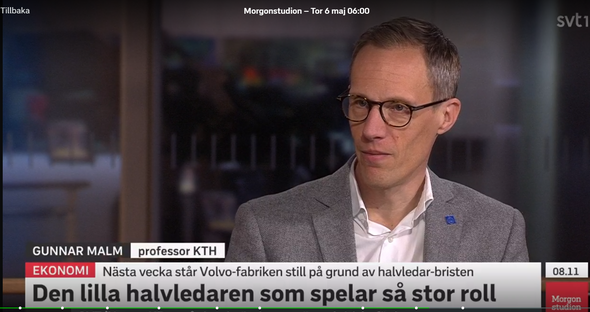
Gunnar Malm is a full-time Professor and Deputy Head of Department at the Royal Institute of Technology (KTH) in the School of Electrical and Computer Engineering. His research focuses on semiconductors and spintronics (nano-electronics), with special emphasis on variability, noise, and fluctuations in electronic components, as well as electronics for extreme environments. He combines experimental work with large-scale computer simulations via KTH's PDC, national SNIC clusters, and Vienna University of Technology's VSC resources. Editor, IEEE Electron Device Letters (2017–present) Technical Program Committee, European Solid-State Device Research Conference (ESSDERC) His pedagogical research (TALE 2022) explores citation practices in thesis writing, and he coordinates multiple semiconductor component courses including Design of Nanosemiconductor Components (IH2657) and Simulation of Semiconductor Components (IH2653) . Malm's Noise and Fluctuations Lab investigates fundamental device physics for sustainable electronics development.
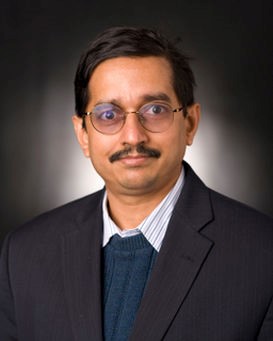
Vijaykrishnan Narayanan is a Professor at the College of Engineering , Pennsylvania State University, with affiliations in both Computer Science & Engineering and Electrical Engineering departments. He co-directs the Microsystems Design Lab and leads the Architecture, Benchmarking, and Circuits Thrust at the DARPA/SRC LEAST Center. Education : Bachelors (1993) from University of Madras; Ph.D. (1998) from University of South Florida His research focuses on Power Aware Computing , Computer Architecture , Embedded Systems , and Emerging Device Integration . Recent work explores steep-slope devices for energy efficiency, nonvolatile processors for ambient energy harvesting, and neuromorphic architectures using hybrid VO₂-MOSFET oscillators. Key article trends span post-CMOS technologies (tunnel FETs, VO₂ devices), low-power design , and bio-inspired signal processing . Scientific Awards : IEEE Fellow, ACM Fellow, IEEE Transactions on VLSI Best Paper, IEEE Micro Best Paper Patents : Dynamically-configurable hardware architecture for audience analytics
Dr. Aurelian Catalin GALCA is a Senior Researcher I at the National Institute of Materials Physics (NIMP) in Magurele, Romania, where he works in the Laboratory of Complex Heterostructures and Multifunctional Materials (HeCoMat). He serves as NIMP's responsible for international collaborations with the Agence universitaire de la Francophonie (AUF) since 2016, managing administrative procedures and educational, training, and research activities for foreign PhD students and postdocs. Dr. GALCA's educational background includes: PhD in Physics from the University of Twente, Netherlands (2006) Master's degree in Solid State Physics from the University of Bucharest, Romania (2002) Bachelor's degree in Physics from the University of Bucharest, Romania (2002) Dr. GALCA's research focuses on the non-destructive characterization of nanoscaled materials using advanced techniques including spectroscopic ellipsometry, X-ray diffraction, UV-Vis and infrared spectroscopy, and Raman spectroscopy. His work also encompasses the preparation of dielectric/semiconductor/metallic thin films by physical vapor deposition methods and the development and testing of optoelectronic devices . His expertise spans materials science, nanotechnology, photovoltaics, and magnetooptics, with particular emphasis on thin film characterization and engineering for solar cell applications, memory devices, and other electronic applications. Analysis of Dr. GALCA's recent publications reveals a strong focus on advanced materials for energy applications , particularly photovoltaics and energy storage. His work spans thin film solar cells (CZTS, CBTS), perovskite solar cells, supercapacitors, and magnetocaloric materials. A common thread is the precise engineering of material properties through composition control, phase transitions, and surface morphology optimization. His research increasingly incorporates computational methods to complement experimental findings, demonstrating an interdisciplinary approach to materials science. Dr. GALCA has received notable recognition for his work, including: RADU GRIGOROVICI prize awarded by the Romanian Academy in 2011 for contributions to the optical characterization of oxide systems As a research leader, Dr. GALCA has coordinated three national projects, two of which as Principal Investigator, including the "Science and engineering of kesterites for the next generation of solar cells" project. He has also contributed to economic projects with CyberSwarm Inc. and Honeywell Romania. His expertise is sought after as a scientific reviewer for top journals including Scientific Reports, ACS Applied Materials & Interfaces, and Applied Surface Science, and as an Expert Evaluator for the European Commission (H2020), ANR (France), CNR (Italy), and Romanian funding agencies. Dr. GALCA leads research activities at the Laboratory of Complex Heterostructures and Multifunctional Materials (HeCoMat) at NIMP, where his team focuses on the characterization and development of advanced materials for optoelectronic applications. The laboratory is equipped with state-of-the-art instrumentation for thin film deposition and characterization, supporting research in photovoltaics, memory devices, and other electronic applications. Dr. GALCA's team collaborates extensively with international partners, reflecting his role as NIMP's responsible for AUF collaborations.
José Ribeiro Baptista is an Assistant Professor in the Department of Electrical Engineering at the University of Trás-os-Montes e Alto Douro (UTAD) and a Senior Researcher at INESCTEC's Power and Energy Systems Centre since October 1, 2012. His academic journey began with a BSc in Electrical Engineering from UTAD in 1991, followed by an MSc in Power Electronics in 1997, and culminated with a PhD in Electrical Engineering in 2007, focusing on harmonic distortion analysis in low-voltage distribution networks. His educational background includes: BSc in Electrical Engineering, University of Trás-os-Montes e Alto Douro (1991) MSc in Power Electronics, University of Trás-os-Montes e Alto Douro (1997) PhD in Electrical Engineering, University of Trás-os-Montes e Alto Douro (2007) Dr. Baptista's research spans multiple critical areas in modern power systems. His primary interests include power quality, electrical machines, and renewable energy integration. His work demonstrates a strong interdisciplinary approach, connecting electrical engineering fundamentals with sustainable energy solutions and smart grid technologies. He has made significant contributions to power electronics, particularly in silicon carbide converter design, and has explored innovative applications in building energy management systems and water-energy nexus solutions. His recent publications reveal a clear trend toward sustainable energy solutions, with work covering silicon carbide converter technologies, rainwater harvesting systems integrated with renewable energy, advanced forecasting techniques for energy markets, wind farm optimization, and contextual energy management systems for buildings. His research bridges theoretical electrical engineering concepts with practical applications that address contemporary energy challenges. Scientific recognition includes: Senior Researcher at INESCTEC since 2012 Active publication record in high-impact journals including Energies, Sustainability, and Electronics As an academic advisor, Dr. Baptista has supervised multiple graduate students through their thesis work at UTAD, focusing on renewable energy communities, building energy management contexts, distribution network optimization with virtual power plants, and the impact of electric vehicle charging stations on power quality. His research group appears to be actively engaged in both theoretical and applied aspects of modern power systems, with particular emphasis on sustainability and efficiency. His laboratory work centers around the Power and Energy Systems Centre at INESCTEC, where he contributes to advancing research in power quality, electrical machines, and renewable energy integration. Current projects suggest ongoing exploration of smart grid technologies, energy market forecasting, and innovative approaches to energy-water system integration.
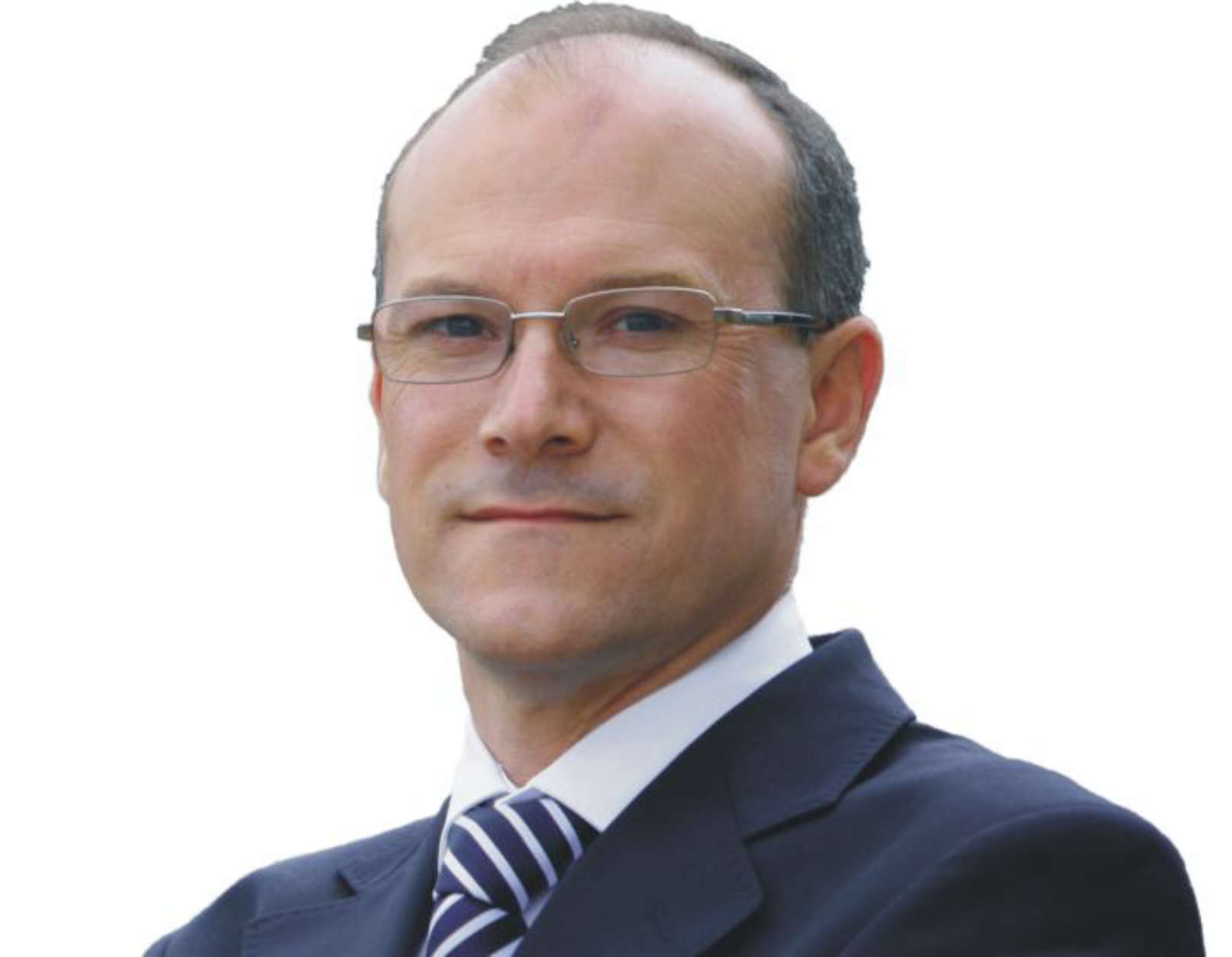
Professor Douglas Paul serves as Professor of Semiconductor Devices within the Department of Electronics and Electrical Engineering at the University of Glasgow, where he leads pioneering research in advanced sensor technologies and semiconductor applications. His work fundamentally reshaped multiple fields: he established MEMS gravimetry through the first demonstration of microelectromechanical systems gravimeters, and developed breakthrough germanium-on-silicon single photon avalanche diode (SPAD) photodetectors now deployed by global semiconductor firms for short-wave infrared camera systems. Current research focuses span quantum technology standardization (including legislative definitions in the UK), MEMS innovation, and photonics engineering for industrial applications. Major recognitions include: OBE (Order of the British Empire) for services to engineering FREng (Fellow of the Royal Academy of Engineering) FRSE (Fellow of the Royal Society of Edinburgh) His leadership extends beyond academia into national policy frameworks, particularly through defining quantum technology parameters in UK legislation, demonstrating significant cross-sector impact.