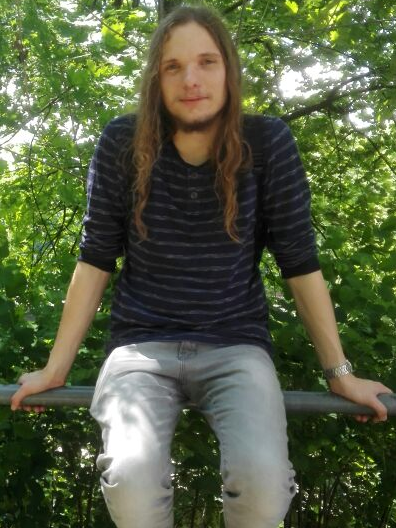
Mathias Polzمشاهده پروفایل
پژوهشگر
Mathias Polz serves as a University Assistant and Ph.D. Researcher at Graz University of Technology's Institute of Biomechanics, Austria. His academic journey spans from Bachelor's to Doctoral studies in Biomedical Engineering at the same institution, with concurrent appointments at the Medical University of Graz through collaborative projects since 2020. His educational background includes: B.Sc. Biomedical Engineering (2015-2020, TU Graz) M.Sc. Biomedical Engineering - Biomedical Device Design and Safety (2020-2021, TU Graz) Ph.D. Candidate in Biomechanics (2023-present, TU Graz) Ph.D. Candidate in Health Care Engineering (2023-2025, TU Graz) Polz's research centers on optoelectronic neurostimulation and tissue-inspired biomaterials , with significant contributions to wireless biomimetic stimulators for cellular activation. His work bridges materials science and mechanobiology , focusing on organic semiconductor interfaces for neural and cardiac applications. Recent projects like LOGOS-TBI demonstrate his expertise in light-activated organic semiconductors for cell culture characterization. Analysis of his 8 publications (2022-2025) reveals three dominant research streams: optoelectronic neural stimulation (40% of works), cardiac electrophysiology interfaces (30%), and biomaterial biointegration (30%). His methodology consistently combines in vitro models with computational analysis , frequently employing organic photovoltaic devices for precise cellular activation. His scientific recognition includes: Zagreb Neuroelectronics Symposium Best Poster Award (1st place, 2022) Initiative Gehirnforschung Research Grant (2024) BioTechMed Best Collaborative Paper Award (2024) BioEl Best Poster Award (3rd place, 2025) Polz actively contributes to collaborative research initiatives including the LOGOS-TBI project with Medical University of Graz and B. Braun Melsungen. His grant portfolio features the Initiative Gehirnforschung award supporting neuroelectronics development. Beyond research, he mentors through Graz's Sindbad Program and organizes Pint of Science Austria events, demonstrating commitment to academic outreach. He operates within TU Graz's Biomechanics research ecosystem, collaborating with the Center for Biomarker Research in Medicine and international partners like CREAX (Belgium). His current Ph.D. focuses on wireless biomimetic stimulators for optoelectronic cellular activation , building on prior work with organic photocapacitors for neuronal network stimulation.